
Saturday’s disruptions in Amsterdam serve as a reminder that other parts of the world are facing many of the same challenges with staffing U.S. airlines and the travel industry as a whole have dealt with over recent months.
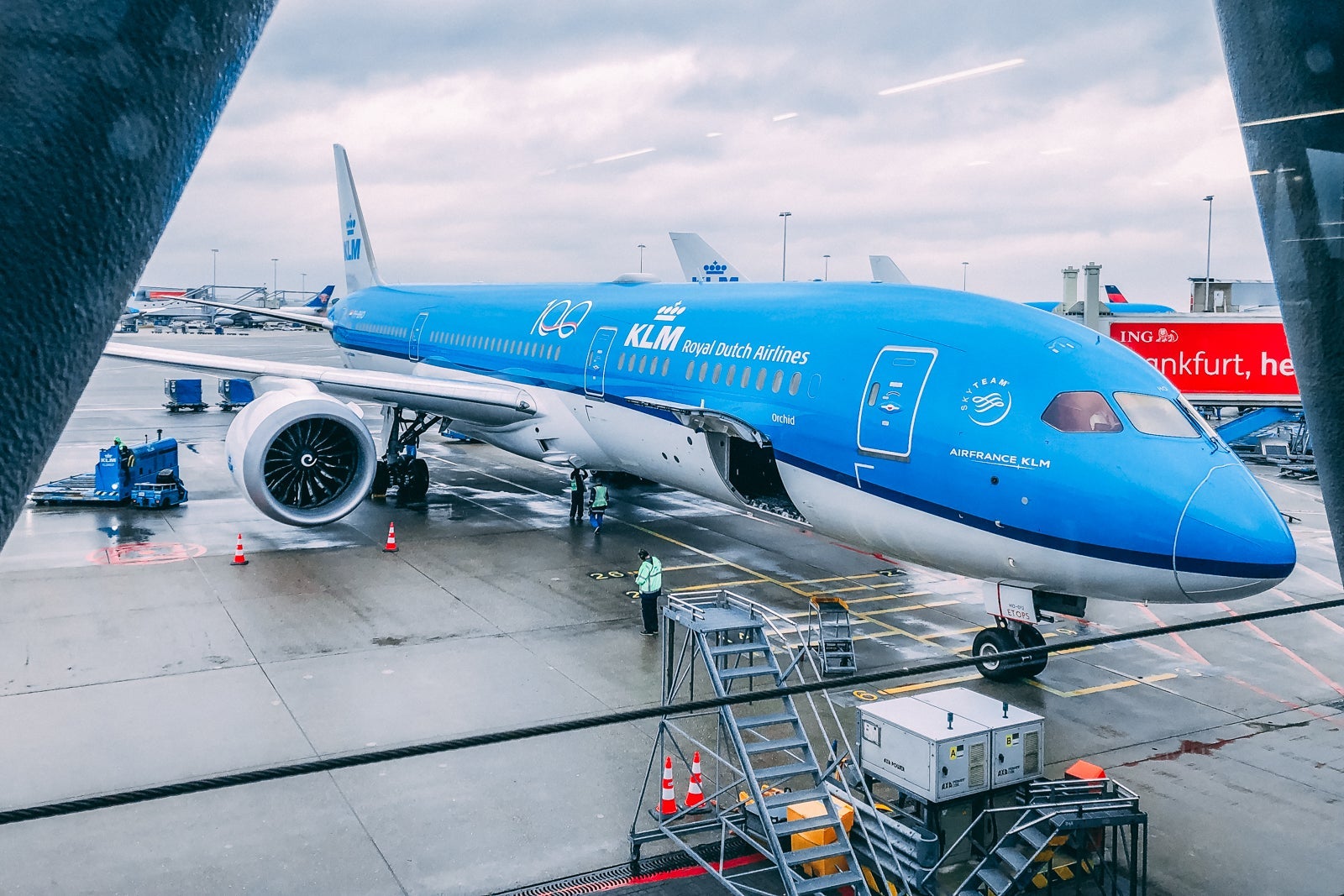
The disruptions started mid-morning at Schiphol International Airport in Amsterdam (AMS), when KLM says it encountered an “unexpected, temporary work stoppage by loading staff.” The shortage of workers led to numerous delays and cancellations, on what was already expected to be a busy travel weekend at the airport.
This content is hosted by X.
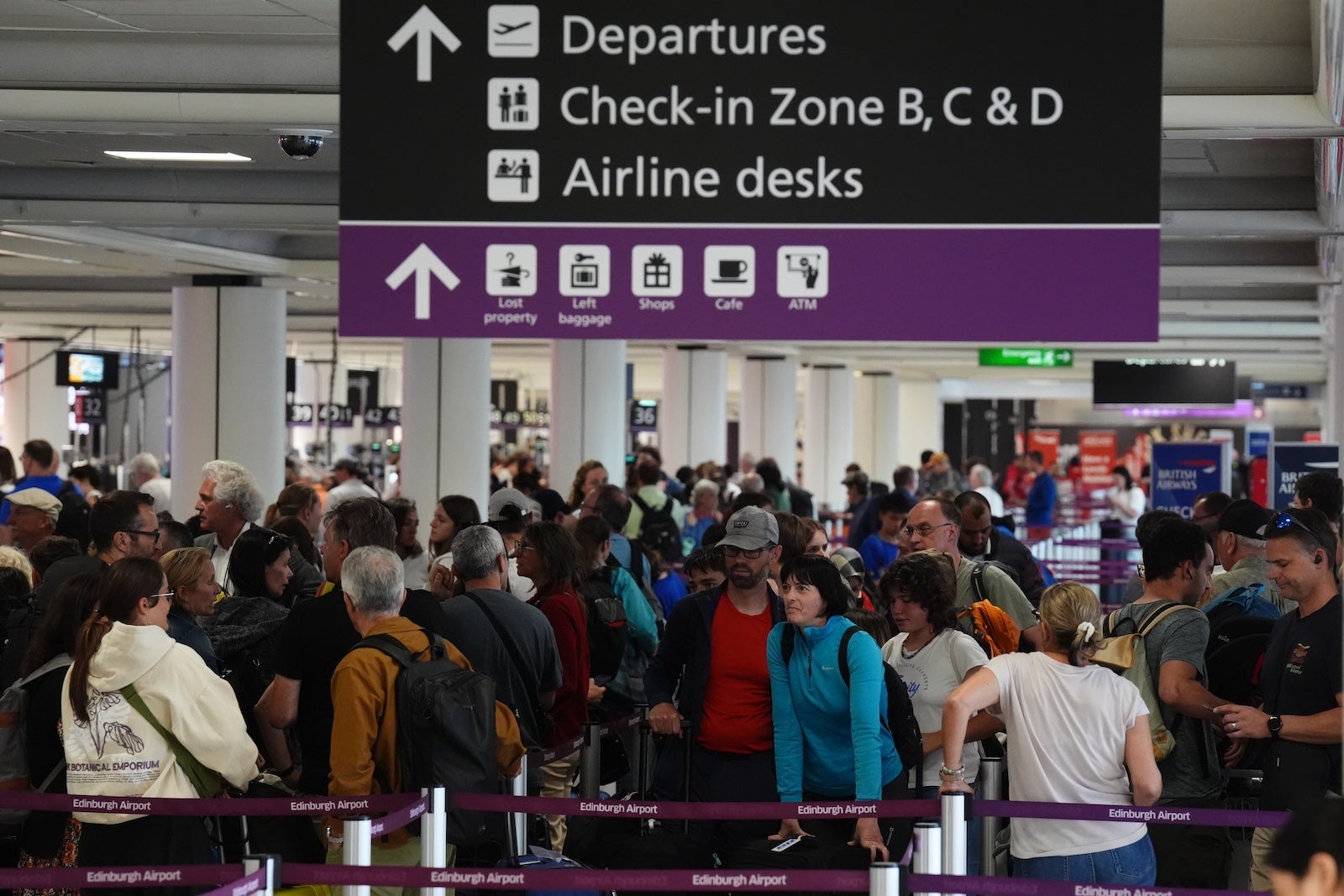
View this post on XSocial media posts from passengers in the terminal at Schiphol showed the rather chaotic scene, as long lines of travelers filled a busy terminal and KLM workers and management worked to solve their differences.
Related: Amsterdam among the best airports for plane-spotting
As delays mounted, so did the number of passengers in the terminal.
Data from FlightAware showed about a quarter of flights into Amsterdam were delayed Saturday, about 10% canceled and about 38% of departing flights also delayed. The airport’s departure board showed numerous flights delayed by anywhere from a few minutes to a few hours – although a majority of flights did ultimately take off Saturday.
Around 9:00 a.m. local time, Schiphol airport officials posted online, “It’s currently very busy at Schiphol,” and about three hours later urging passengers, “Don’t come to Schiphol.”
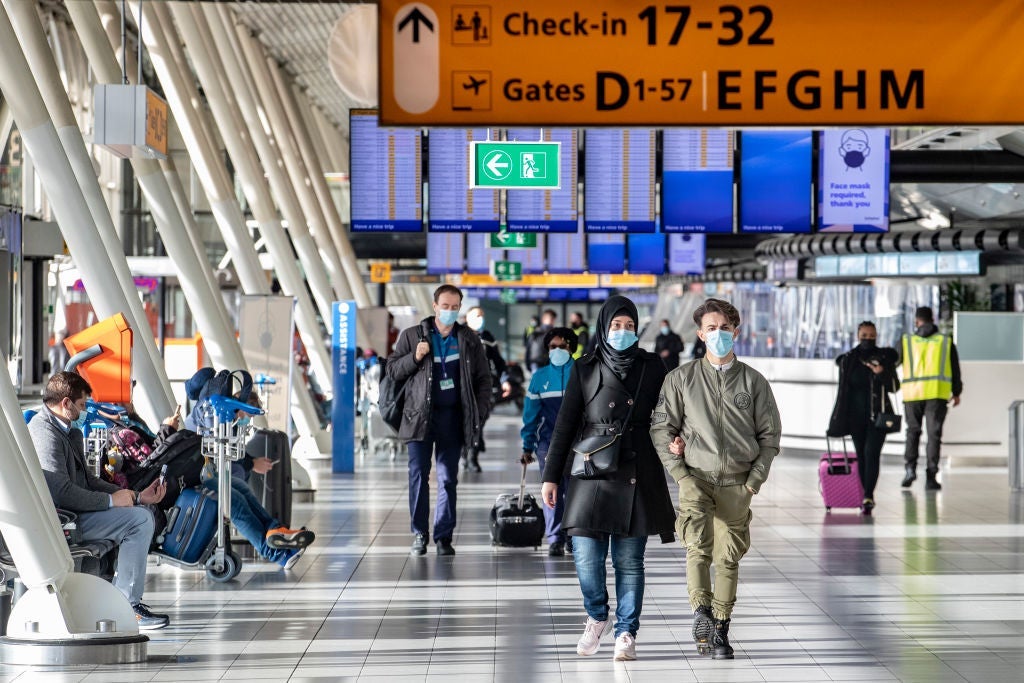
“The terminal is currently too full,” airport officials wrote. “Schiphol is calling on travelers to stop coming to the airport,” noting this applied to passengers with a flight over the ensuing three or so hours.
Related: What to do if your flight is delayed or canceled
The airport updated its guidance about an hour later, indicating passengers could make their way to the terminal, but warned there would be delays, cancellations and large crowds.
In a statement later Saturday, KLM said its employees returned to work after discussions with management concerning topics including, “staff shortages, mounting work pressure and job retention,” the carrier said, and added these discussions “will of course continue in the coming period.”
KLM is not alone.
U.S. airlines have faced their own staffing deficits in recent months, including a shortage in pilots that has led some airlines to cut back on their schedules this spring and summer. Nearly every carrier got hit with a combination of existing staffing challenges and quarantined workers over the holidays last winter, as the omicron variant made its way across the world.
Carriers like British Airways and Easy Jet got hit in recent months by employees out of work due to COVID-19, forcing the airlines to ground hundreds of planes in early April.
In the U.S., JetBlue and Alaska have been among carriers announcing in recent weeks that staffing shortages would lead the carriers to trim flight schedules in the coming months, and multiple airline have started pilot academies in an effort to recruit and train more staff.
Related: Travelers share weekend woes as flights canceled
Worth noting, FlightAware shows no U.S. carrier canceled more than 4% of its schedule Saturday as of late afternoon – a major improvement from recent weekends.
Bottom line
As travel – particularly international travel – continues to ramp up, Saturday’s challenges in Amsterdam serve as a reminder that flyers need to be prepared to be flexible as they travel this spring and summer.
As airlines and many other sects of the travel industry continue working to hire enough staff to meet surging demand, travelers are likely to face some more speed bumps along the way. As such, it’s a good idea to plan ahead, have the app for whatever airline you’re flying with handy, and be prepared for any unexpected developments that could come.