Coronavirus may be making weather forecasts less accurate — and may even change the weather itself

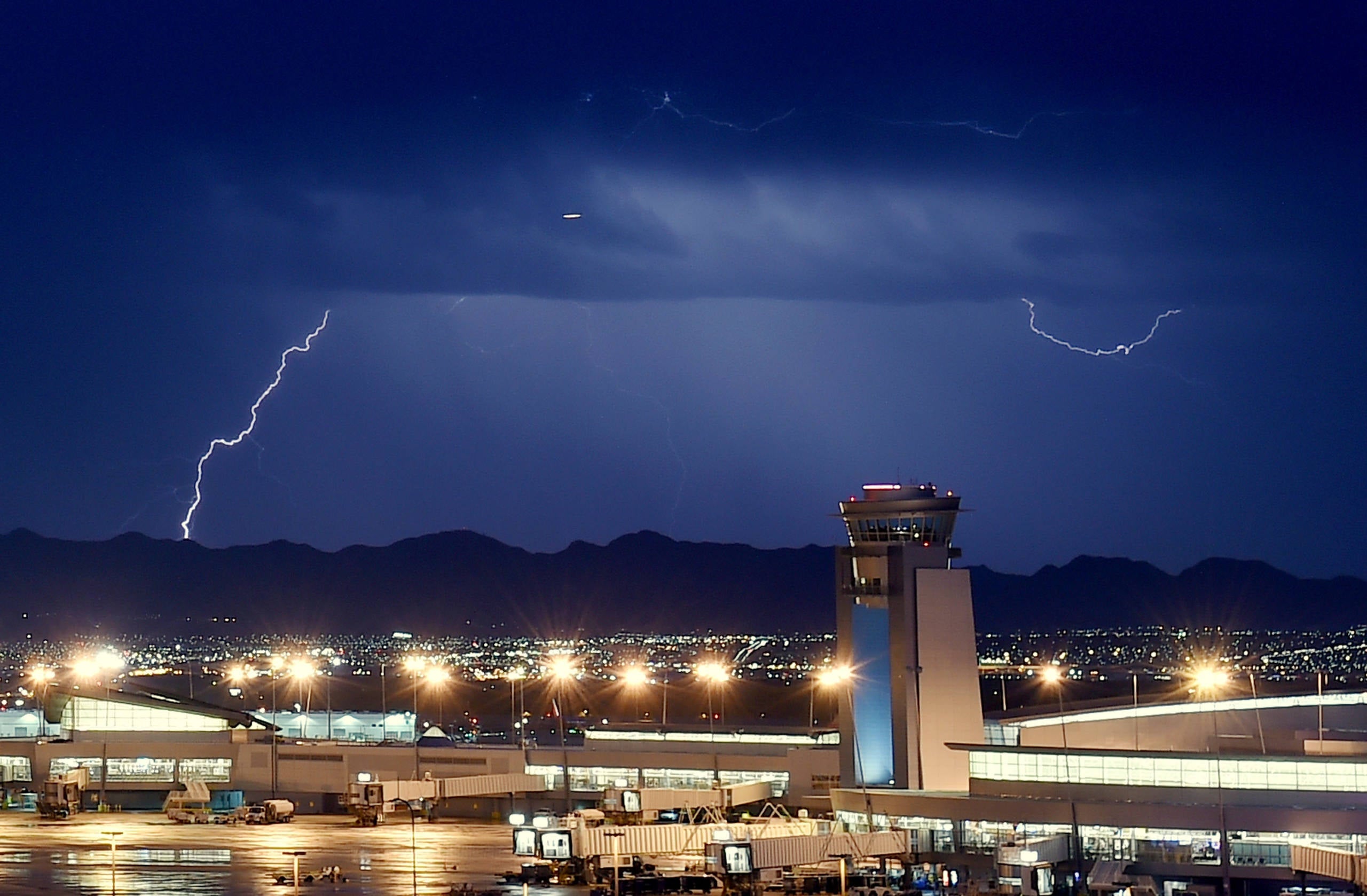
This Earth Day, there are fewer planes in the sky than at any time in at least the last decade. That means less pollution in many places, but it also may be affecting the ability of meteorologists to forecast the weather. In some places, the reduction in flights may even be changing the weather itself.
The World Meteorological Organization (WMO) detailed earlier this month how the COVID-19 pandemic eventually could decrease the reliability of weather forecasts.
Fewer planes in the air translates to fewer automatic weather readings gathered from flights, reducing the amount of data available for forecasters.
"The World Meteorological Organization (WMO) is concerned about the impact of the COVID-19 pandemic on the quantity and quality of weather observations and forecasts, as well as atmospheric and climate monitoring," the agency said. "Some parts of the observing system are already affected. Most notably the significant decrease in air traffic has had a clear impact."
Sign up for the free daily TPG newsletter for more airline news.
Most methods of automated weather data collection will remain reliable for the foreseeable future. But, there are some concerns. Among those, the WMO noted that the rapid decrease in commercial flights is a notable dark spot.
"In-flight measurements of ambient temperature and wind speed and direction are a very important source of information for both weather prediction and climate monitoring," the WMO said.
Related: What travel could look like after the pandemic.
Commercial aircraft contribute more than 700,000 data observations to global meteorological models as part of the Aircraft Meteorological Data Relay program, part of the WMO's Global Observing System.

"In many parts of the world, in particular over Europe and the United States, the decrease in the number of commercial flights has resulted in a reduction from around 50% to more than 80% of observations of meteorological measurements from aircraft platforms over the last couple of weeks," the WMO said.
While that may sound dire, there are plenty of other viable forecasting instruments — including data from cargo flights, which are largely still operating — to use in weather predictions, even as airline cuts and groundings stretch on. That means that the models meteorologists rely on could become marginally less accurate as a result. But, for now, your morning forecast should still be pretty reliable — though data could degrade the longer deep flight cuts remain in place.
[embed]https://www.instagram.com/p/B-cQ968Dozl/[/embed]
Jase Bernhardt, an assistant professor at Hofstra University's Department of Geology, Environment and Sustainability, said data from aircraft can itself be somewhat unreliable because flight paths, schedules and frequencies change day to day.
Related: United Airlines expects to fly only 10% of its regular June schedule.
Still, Bernhardt said planes continue to play an important role, particularly in forecasting weather systems over the oceans, where coverage from other tools like weather balloons and buoys may be unavailable.
"There's very limited data coverage over the oceans, and planes are great in helping us to fill that in, so that's where I'm sure we're going to lose out on valuable data since it's already so sparse there," Bernhardt said.
Related: A roundup of long-haul routes on U.S. airlines in April.
In the U.S., the National Weather Service said it's still too soon to tell how drastically the reduction in flights will affect weather forecasting models. But Susan Buchanan, the agency's director of public affairs, said that in aggregate, U.S. aircraft were producing about 50% less weather data than usual per day by the end of March.
"Even though a decrease in this critical data will possibly negatively impact forecast model skill, it does not necessarily translate into a reduction in forecast accuracy, since National Weather Service meteorologists use an entire suite of observations and guidance to produce an actual forecast," she said.
"While the automated weather reports from commercial aircraft provide exceptionally valuable data for forecast models, we also collect billions of Earth observations from other sources that feed into our models, such as weather balloons, surface weather observation network, radar, satellites and buoys."
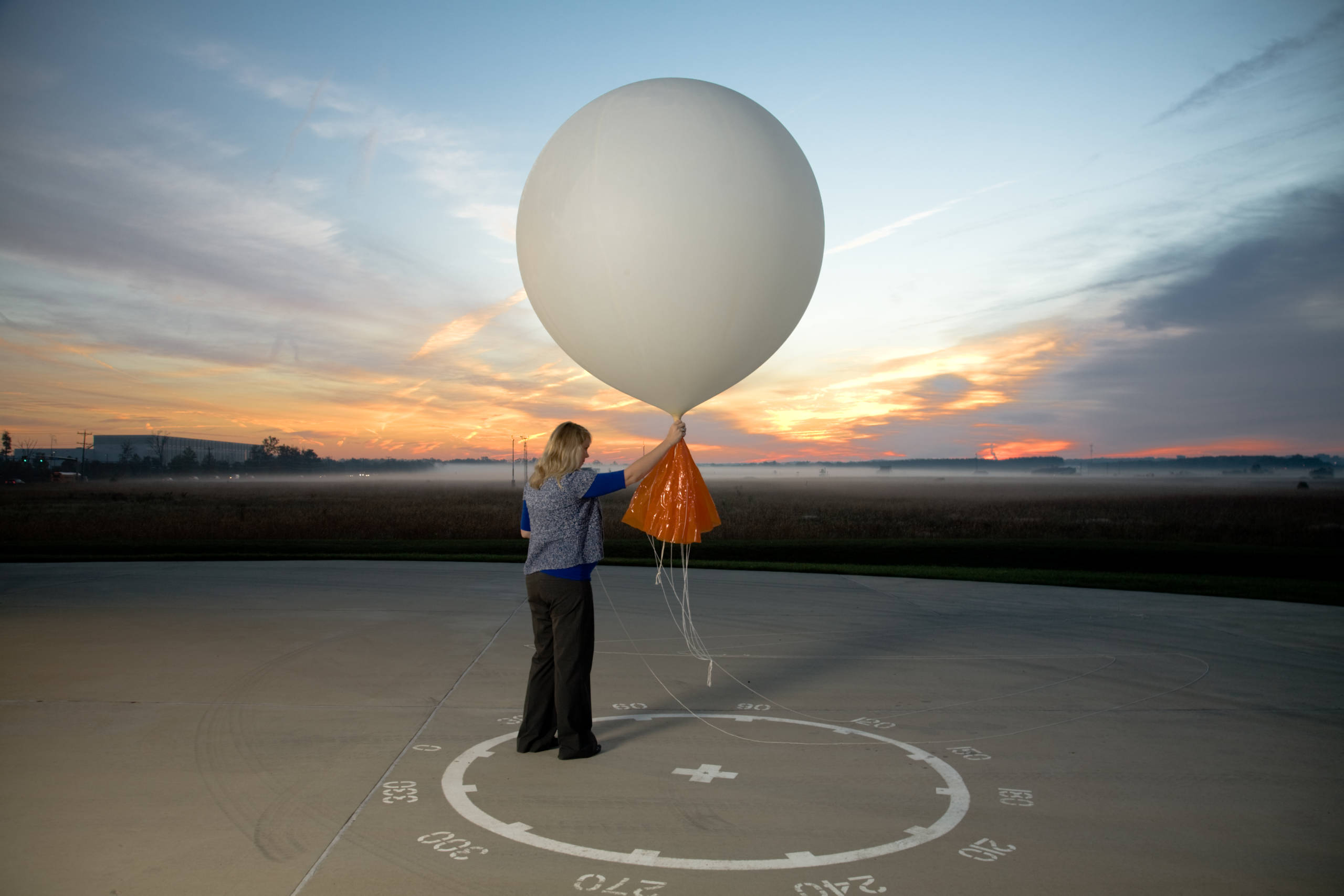
Buchanan and Bernhardt both said new technologies that allow for more detailed satellite weather observations can help fill in the lack of available airplane data, particularly if the flying slump drags on for an extended period.
But, Bernhardt said, planes provide particularly crucial data on weather that can affect flights.
"One thing that the flight data really helps with is very short-term, small-scale things that can be important to the aviation industry like clear air turbulence, which can be really devastating to a flight," he said.
That means if airlines come back smaller after the pandemic passes, flight path weather issues may be more difficult to predict.
Read more: A passenger's guide to turbulence.
Bernhardt said the lack of flight data shouldn't make a huge difference, however, to your morning weather forecast.
"There are still humans involved in forecasting, so for any forecaster worth their weight, as it were, the models are tools and we already know the models have their uncertainties and their biases," he said. "Hopefully human ingenuity will make up for the loss of accuracy in the models."
Bernhardt said a more immediate effect of the reduction in flights may actually be changes to weather on the ground.
In places with a high volume of air traffic, like the northeast U.S., airplane contrails can actually change the daily range of temperatures because they act like additional cloud cover.
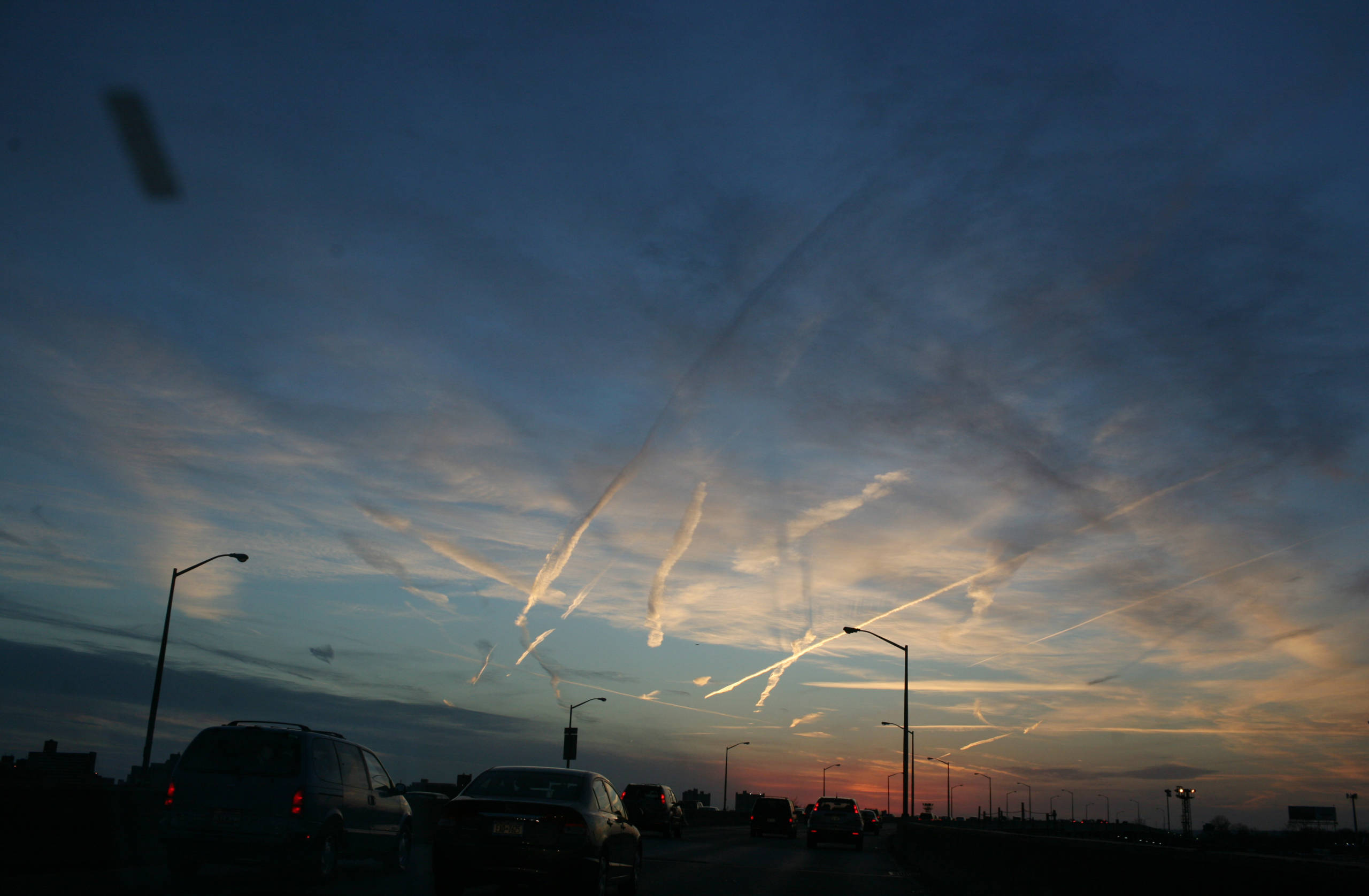
"The daily range in temperature is smaller" during normal airline operations in places with heavy air traffic, he said. The contrails keep things slightly cooler during the day by providing some shade from the sun as normal clouds would, and make things a little warmer at night by blocking ground-level heat from escaping into the atmosphere.
"In the post-9/11 week, everything was grounded in the U.S., and there was a noticeable impact on the weather," Bernhardt said. He anticipates an analysis of weather data from the pandemic period will show a similar effect.
Related: Pilots beware: some runways are now parking lots.
"There could be a longer-term slight climate impact if there's a big reduction of air travel for a while," he said. The result could be that cities like New York, Washington and Boston will have been a little cooler during the outbreak.
TPG featured card

at Capital One's secure site
Terms & restrictions apply. See rates & fees.
| 5X miles | Earn 5X miles on hotels, vacation rentals and rental cars booked through Capital One Travel |
| 2X miles | Earn unlimited 2X miles on every purchase, every day |
Pros
- Stellar welcome offer of 75,000 miles after spending $4,000 on purchases in the first three months from account opening. Plus, a $250 Capital One Travel credit to use in your first cardholder year upon account opening.
- You'll earn 2 miles per dollar on every purchase, which means you won't have to worry about memorizing bonus categories
- Rewards are versatile and can be redeemed for a statement credit or transferred to Capital One’s transfer partners
Cons
- Highest bonus-earning categories only on travel booked via Capital One Travel
- LIMITED-TIME OFFER: Enjoy $250 to use on Capital One Travel in your first cardholder year, plus earn 75,000 bonus miles once you spend $4,000 on purchases within the first 3 months from account opening - that’s equal to $1,000 in travel
- Earn unlimited 2X miles on every purchase, every day
- Earn 5X miles on hotels, vacation rentals and rental cars booked through Capital One Travel
- Miles won't expire for the life of the account and there's no limit to how many you can earn
- Receive up to a $120 credit for Global Entry or TSA PreCheck®
- Use your miles to get reimbursed for any travel purchase—or redeem by booking a trip through Capital One Travel
- Enjoy a $50 experience credit and other premium benefits with every hotel and vacation rental booked from the Lifestyle Collection
- Transfer your miles to your choice of 15+ travel loyalty programs
- Top rated mobile app