CDC's cruise ship coronavirus rules to remain in place through mid-January following extension

The U.S. Centers for Disease Control and Prevention has extended and slightly tweaked its COVID-19 rules for cruise ships operating in U.S. waters during the pandemic.
Originally set to expire on Nov. 1, the agency's year-old Conditional Sail Order (CSO) will now run through Jan. 15, unless it is modified or COVID-19 is no longer considered a public health emergency, the CDC announced late Monday.
The CSO also tinkered with the list of ships to which the CSO applies. The agency has always excluded ships that carry fewer than 250 people from the rules. But as of Nov. 1, it also will no longer apply to U.S.-flagged ships, such as Norwegian Cruise Line's Pride of America, which exclusively sails in Hawaii.
Other changes that will take effect on Nov. 1 include the waiving of a stipulation that voyages can be no longer than one week. Cruise lines also will no longer have to warn passengers of the risks of COVID-19 in their cruise contracts and other pre-cruise materials, and sailings will no longer immediately have to end if cases of COVID-19 are found on board.
.
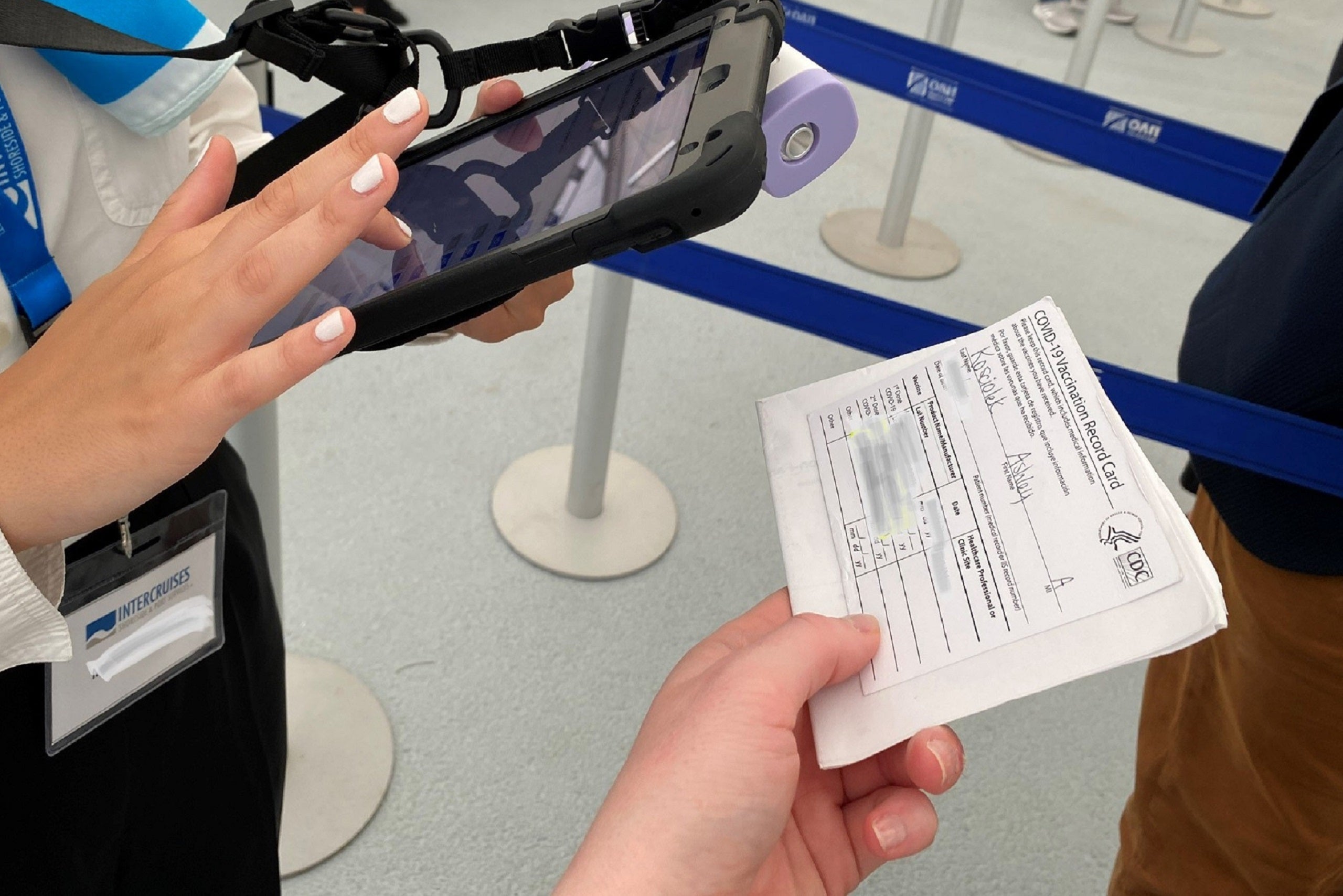
Under the CSO, cruise ships departing from or sailing to the U.S. have been required either to sail with at least 95% of cruisers and crew fully vaccinated on each voyage or to conduct test cruises before they're allowed to restart operations with paying passengers.
Tweaks have been made to the latest version of the order to remove some of the burden on cruise lines with regard to test cruises and to decrease the amount of time cruise lines can expect to wait for answers from the CDC.
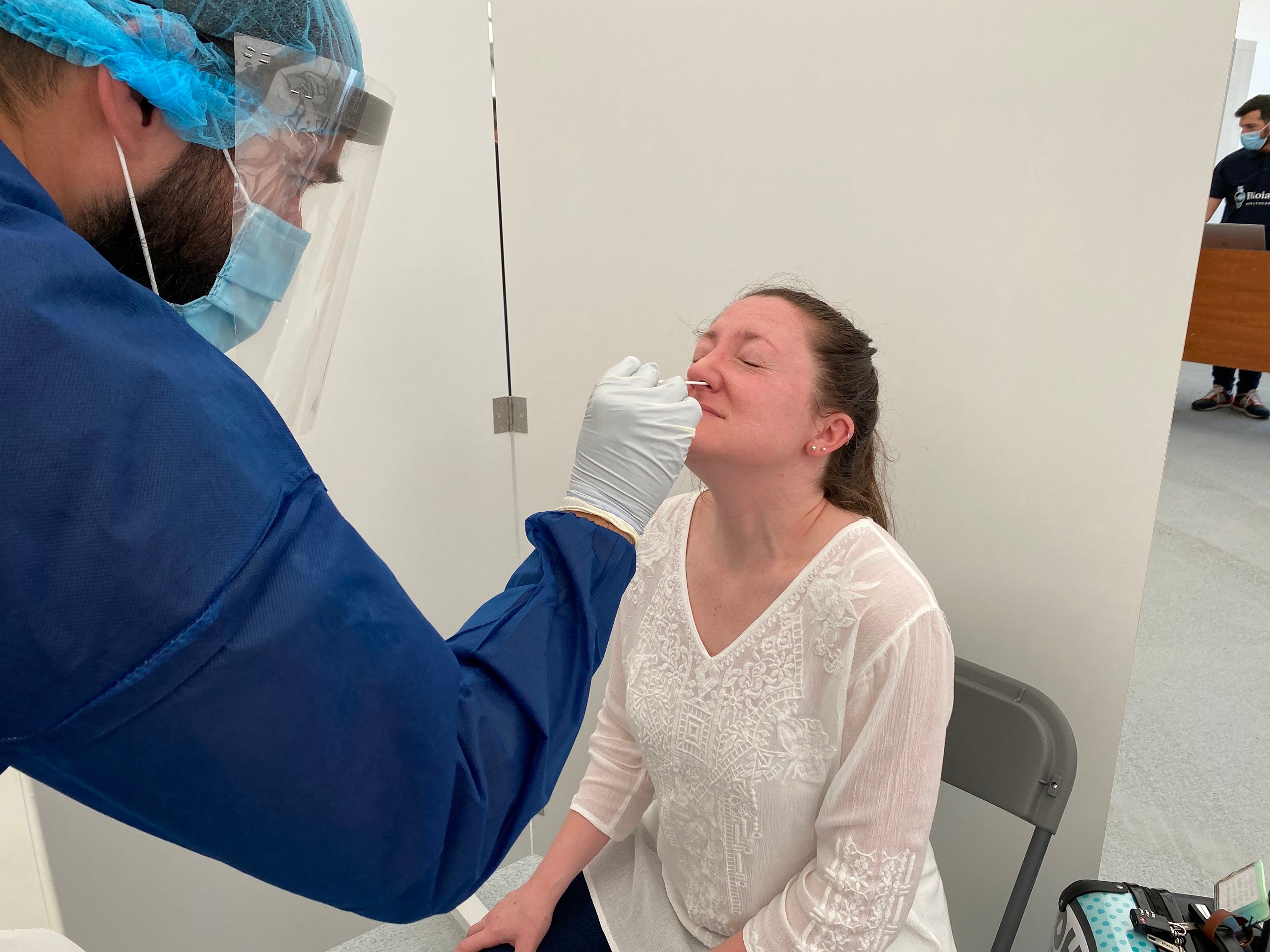
Additional longstanding requirements include mask-wearing, social distancing, pre-cruise testing, more intense cleaning and sanitation, improved air filtration, beefed-up medical facilities and staff with the capability to quarantine and test potentially ill passengers, and agreements with ports on every itinerary that account for evacuation of ill cruisers and land-based medical care if necessary.
The CSO rules are not binding for ships sailing to or from Florida, but most lines have voluntarily committed to enforcing them for Florida-based vessels anyway.

After Jan. 15, barring further extension of the CSO, the CDC plans to make the program voluntary for vessels sailing from all U.S. states.
"The changes to the Framework for Conditional Sailing Order ... show that the Biden Administration and the Centers for Disease Control and Prevention recognize the cruise industry's successful resumption of operations," reads a statement issued by the Cruise Lines International Association, an industry organization that represents cruise line interests. "We look forward to demonstrating the industry's continued leadership in this final phase of the CSO, and to carrying out a smooth transition when the order comes to an end on [Jan. 15] 2022."
In mid-March of 2020, shortly after COVID-19 was declared a pandemic by the World Health Organization, most cruise lines voluntarily stopped cruising. The CDC then issued a No-Sail Order, which prevented most ships from calling on U.S. ports. In October of 2020, the No-Sail Order was replaced with the Conditional Sail Order, and sailings began to resume from U.S. ports in June 2021 under its guidance.
For full details, check out the full, updated CSO PDF.
Planning a cruise? Start with these stories:
- The 5 most desirable cabin locations on any cruise ship
- The 8 worst cabin locations on any cruise ship
- A quick guide to the most popular cruise lines
- 21 tips and tricks that will make your cruise go smoothly
- 15 ways cruisers waste money
- 12 best cruises for people who never want to grow up
- What to pack for your first cruise
TPG featured card

at Capital One's secure site
Terms & restrictions apply. See rates & fees.
| 5X miles | Earn 5X miles on hotels, vacation rentals and rental cars booked through Capital One Travel |
| 2X miles | Earn unlimited 2X miles on every purchase, every day |
Pros
- Stellar welcome offer of 75,000 miles after spending $4,000 on purchases in the first three months from account opening. Plus, a $250 Capital One Travel credit to use in your first cardholder year upon account opening.
- You'll earn 2 miles per dollar on every purchase, which means you won't have to worry about memorizing bonus categories
- Rewards are versatile and can be redeemed for a statement credit or transferred to Capital One’s transfer partners
Cons
- Highest bonus-earning categories only on travel booked via Capital One Travel
- LIMITED-TIME OFFER: Enjoy $250 to use on Capital One Travel in your first cardholder year, plus earn 75,000 bonus miles once you spend $4,000 on purchases within the first 3 months from account opening - that’s equal to $1,000 in travel
- Earn unlimited 2X miles on every purchase, every day
- Earn 5X miles on hotels, vacation rentals and rental cars booked through Capital One Travel
- Miles won't expire for the life of the account and there's no limit to how many you can earn
- Receive up to a $120 credit for Global Entry or TSA PreCheck®
- Use your miles to get reimbursed for any travel purchase—or redeem by booking a trip through Capital One Travel
- Enjoy a $50 experience credit and other premium benefits with every hotel and vacation rental booked from the Lifestyle Collection
- Transfer your miles to your choice of 15+ travel loyalty programs
- Top rated mobile app