How to avoid booking 'ghost flights,' which aren't likely to fly


We're living in exceptional times, especially when it comes to travel. As a result of the coronavirus pandemic, and an unprecedented drop in demand, airlines have been forced to cancel countless flights all around the world, often only a few days in advance.
One practice we've seen play out often is that airlines will "zero out" a flight, while leaving it intact for customers with existing reservations. Employing that particular workflow, carriers are able to avoid having customers book a flight that they intend to cancel, while keeping existing bookings active, in an effort to avoid overwhelming automated rebooking systems, as we explain in much more detail here.
While leaving soon-to-be-canceled flight as active within a customer's reservation has surely led to lots of confusion, that approach makes sense when you consider that IT systems are simply unable to process mass cancellations, leading airlines to "batch" smaller blocks of travel dates, instead. It's one reason we strongly recommend waiting until the last minute before voluntarily canceling, or paying a fee to change flights.
There's another practice at play, though — one I've noticed only recently, and, personally, find a bit misleading. In some cases, carriers choose to continue selling seats on what I'm calling "ghost flights," or legs that are very likely to end up getting canceled. I first noticed this approach when planning a trip with Icelandair, as I explained in last week's post, "Why I'm waiting to book a flight to Iceland."
What's happening
While I haven't seen U.S. airlines continue to sell flights that aren't likely to operate, a week or two before departure, I've personally followed this trend at Icelandair and it's possible that other international carriers are taking a similar approach.
Travel industry analyst and president of Atmosphere Research Henry Harteveldt has seen at least one other carrier sell flights that are unlikely to operate. "I'm aware that British Airways has been canceling flights to certain destinations within Europe and the Middle East, and there may be other airlines that are also canceling flights that have already been scheduled," Harteveldt said. "Icelandair is definitely one of these airlines."
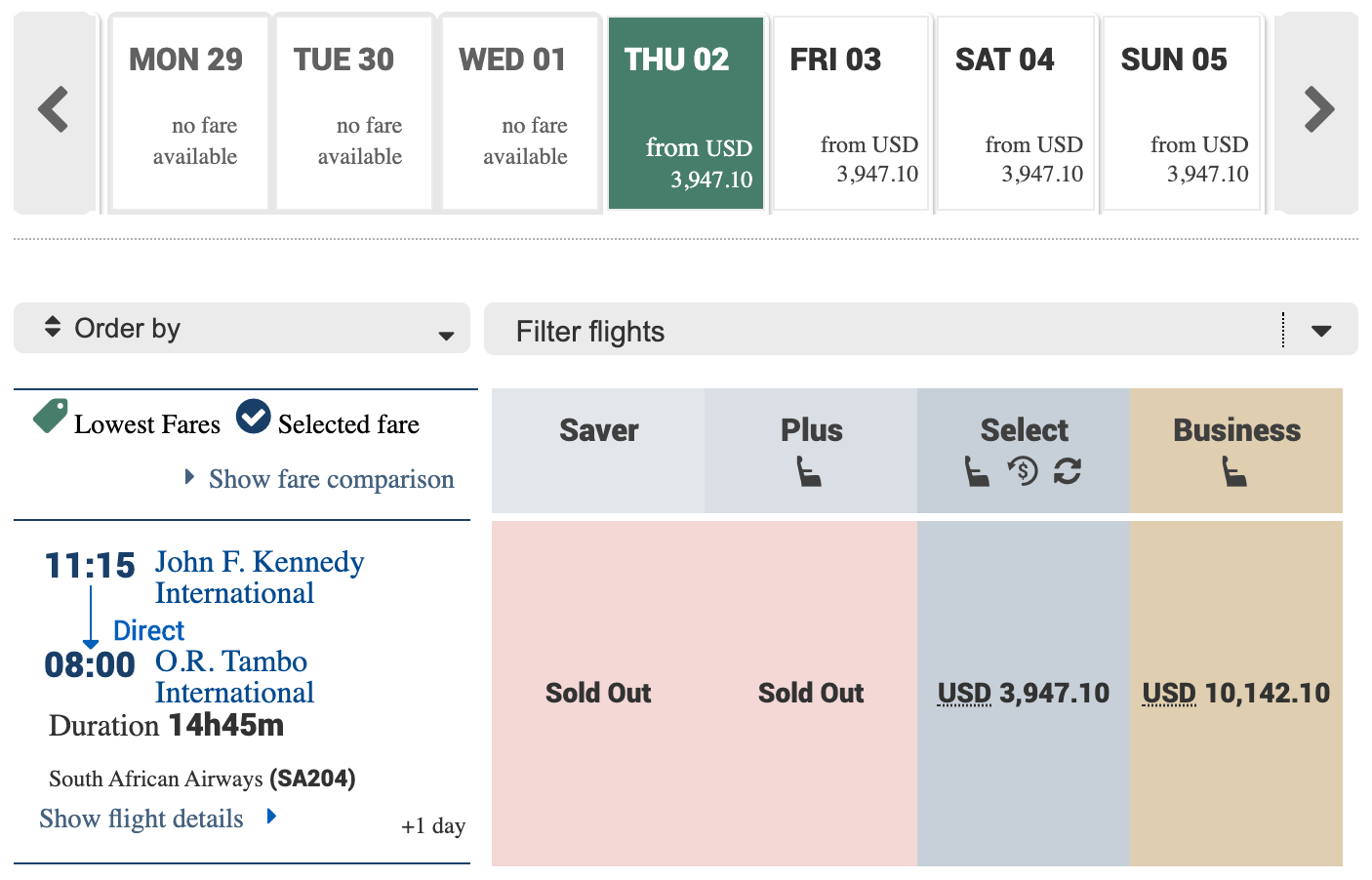
There are plenty of examples if you look further out into the schedule, too. South Africa may not open to tourism until 2021, for example, but the country's flag carrier, South African Airways, is selling daily flights from New York-JFK beginning July 2. Given the airline's poor financial position, it may be difficult to collect a refund in the (likely) event that South African doesn't relaunch daily service in less than a month.
When it comes to travel next month, U.S. airlines are also at fault. Beginning July 6, for example, United is currently selling almost hourly flights from Newark (EWR) to San Francisco (SFO). So many, in fact, that they didn't all fit into one screenshot. Here's the first page:
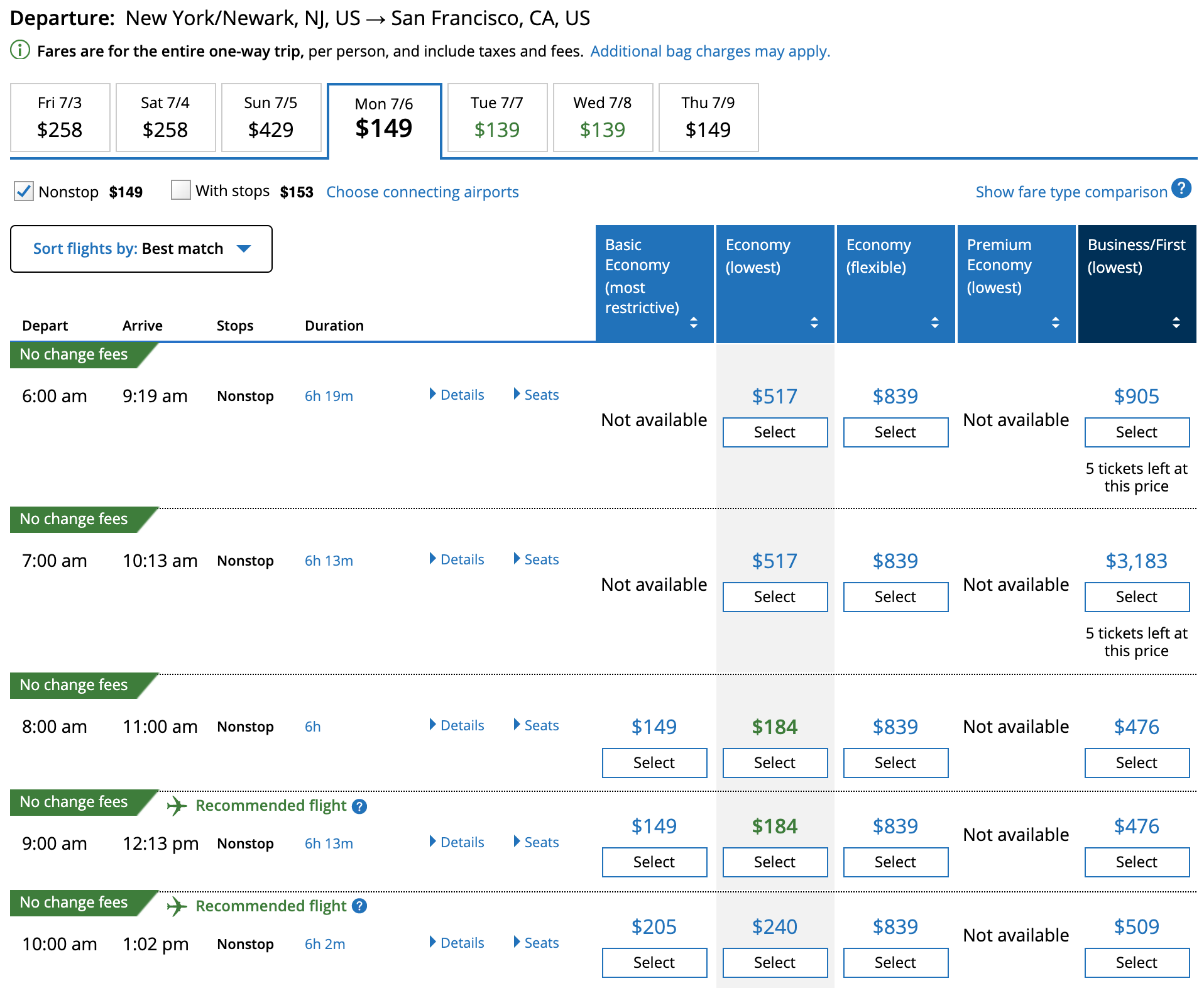
And the second:

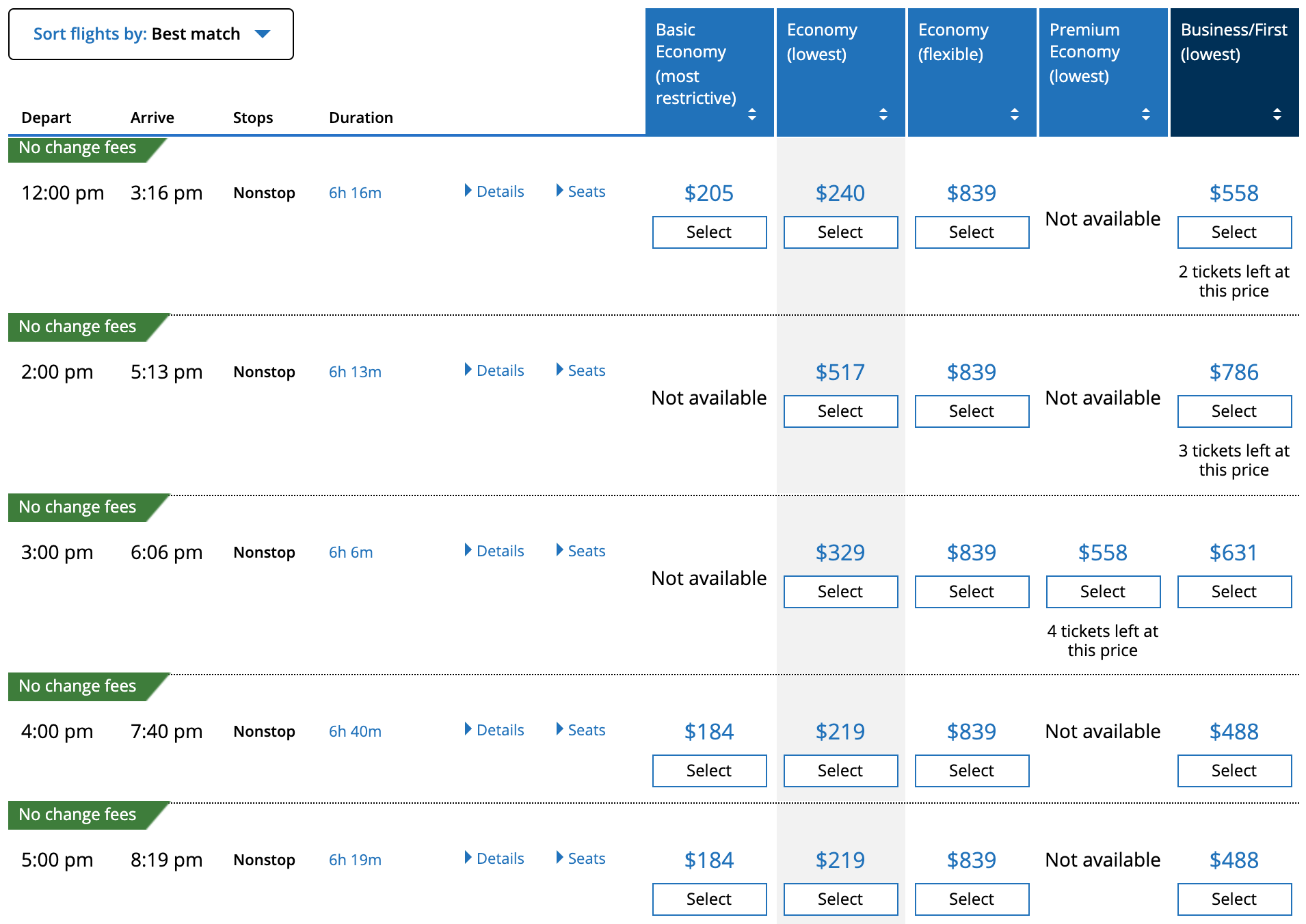
And the third:
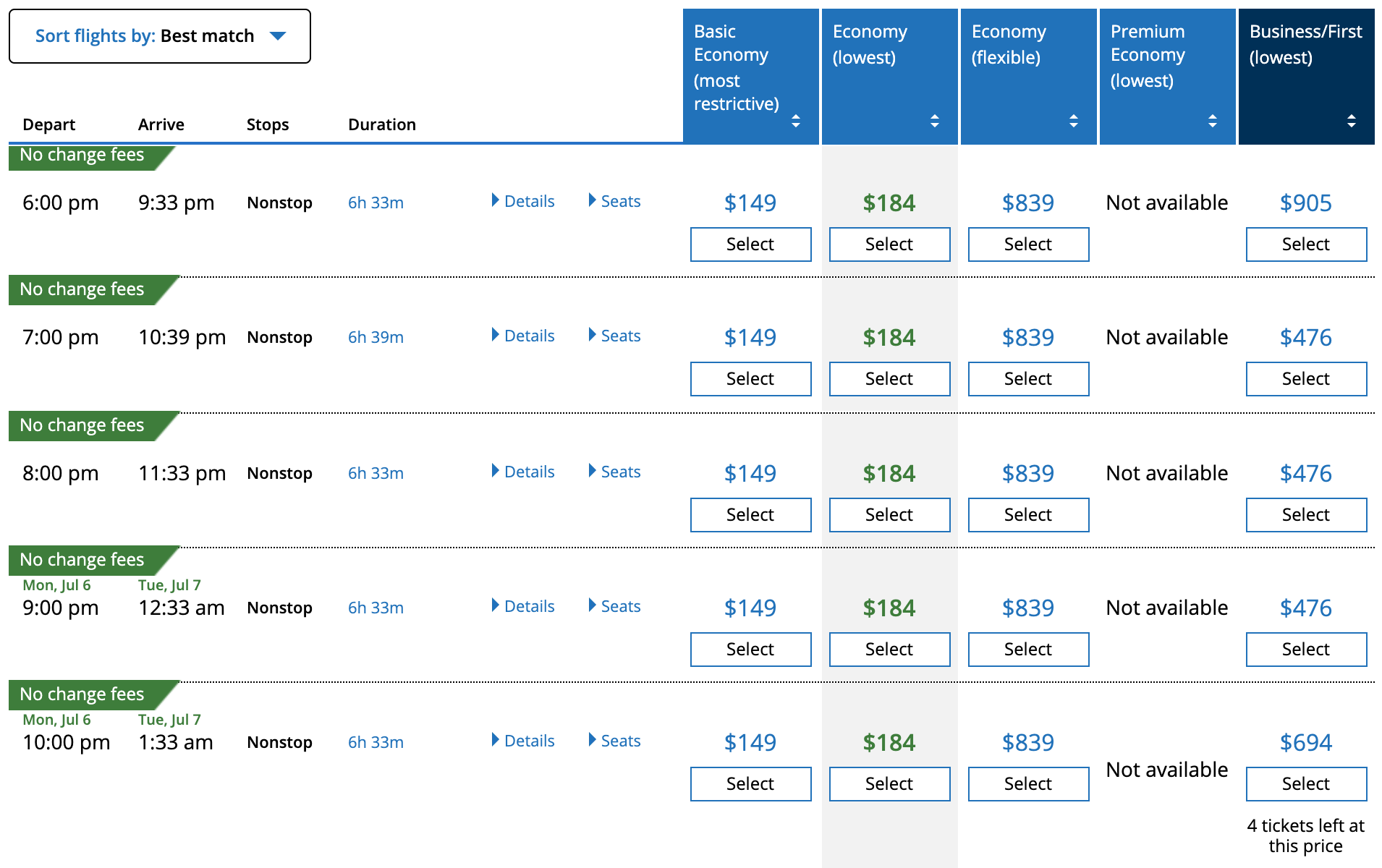
That's 15 flights for a single transcon route on July 6 — compared with just three the day before, on July 5:
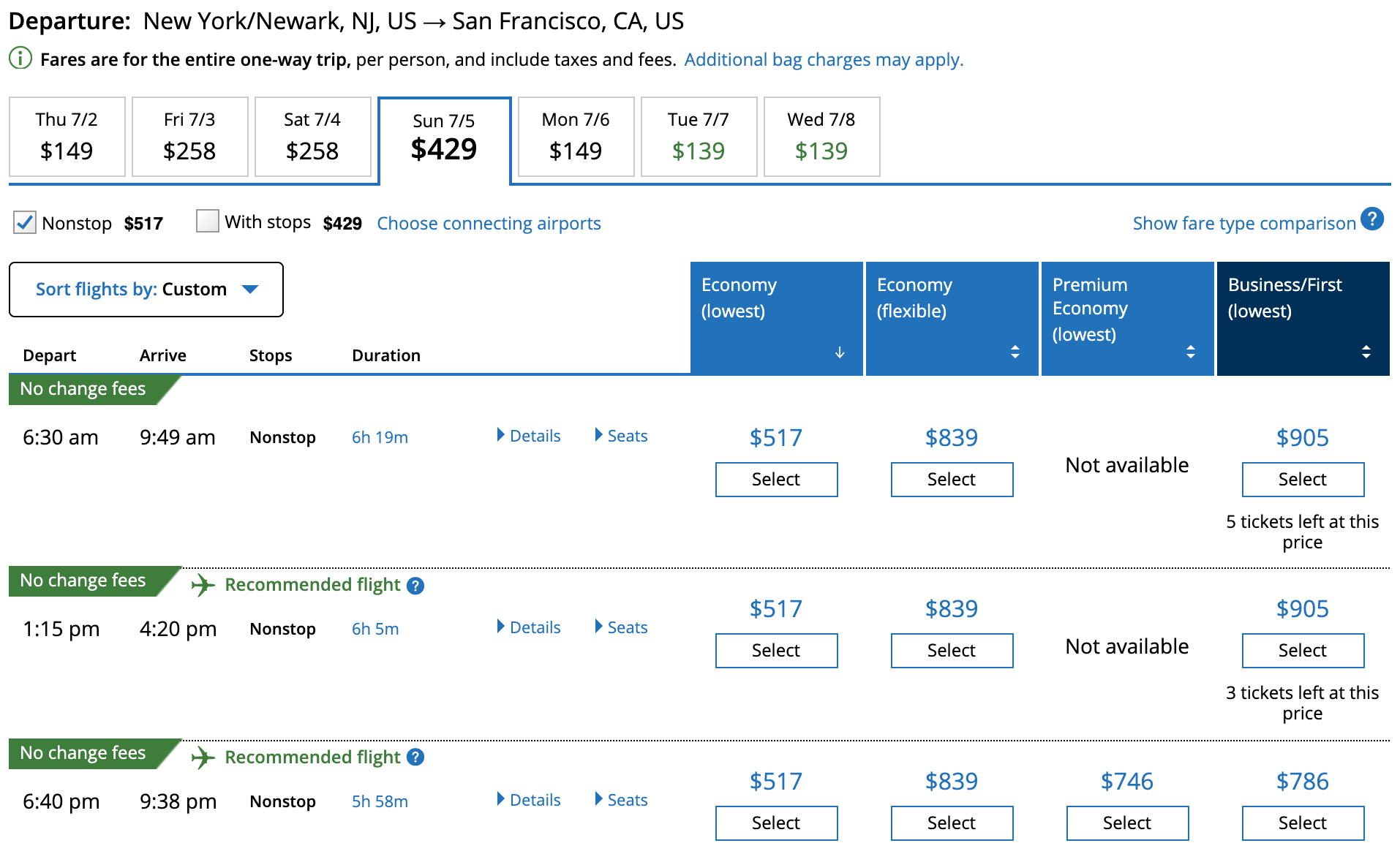
Some of those United flights will almost certainly end up getting canceled, probably within the next few days. When it comes to publishing a schedule that reflects reality just a week or two out though, the issue is most apparent with Icelandair.
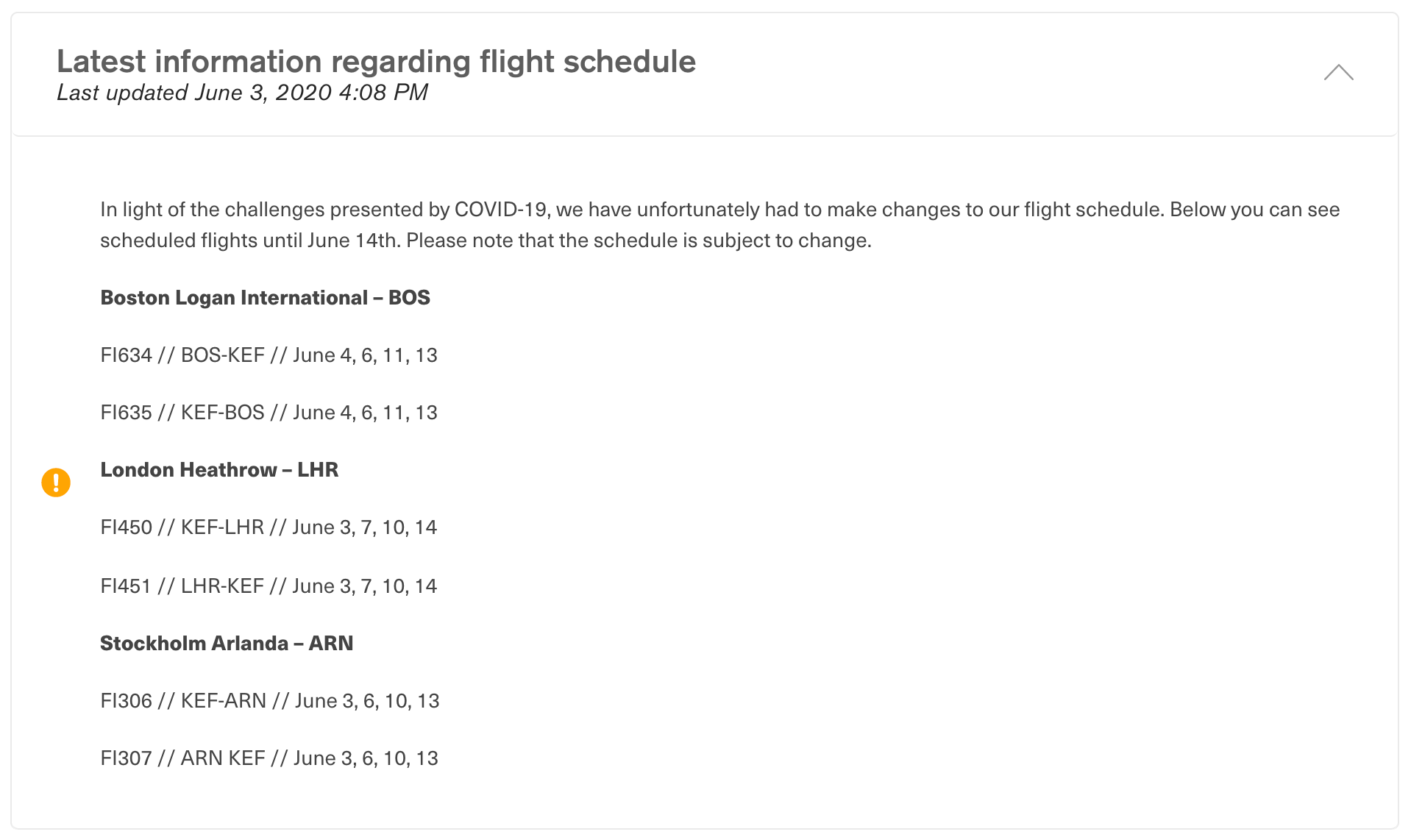
With just six weekly round-trips actually operating at the moment, the carrier recently returned to the spotlight as one of the first overseas destinations set to welcome international visitors. In planning my own trip, I eventually realized not to trust the airline's published schedule, instead relying on the carrier's "Travel Alert" page, which, as of this writing, lists only six confirmed round-trips for next week:
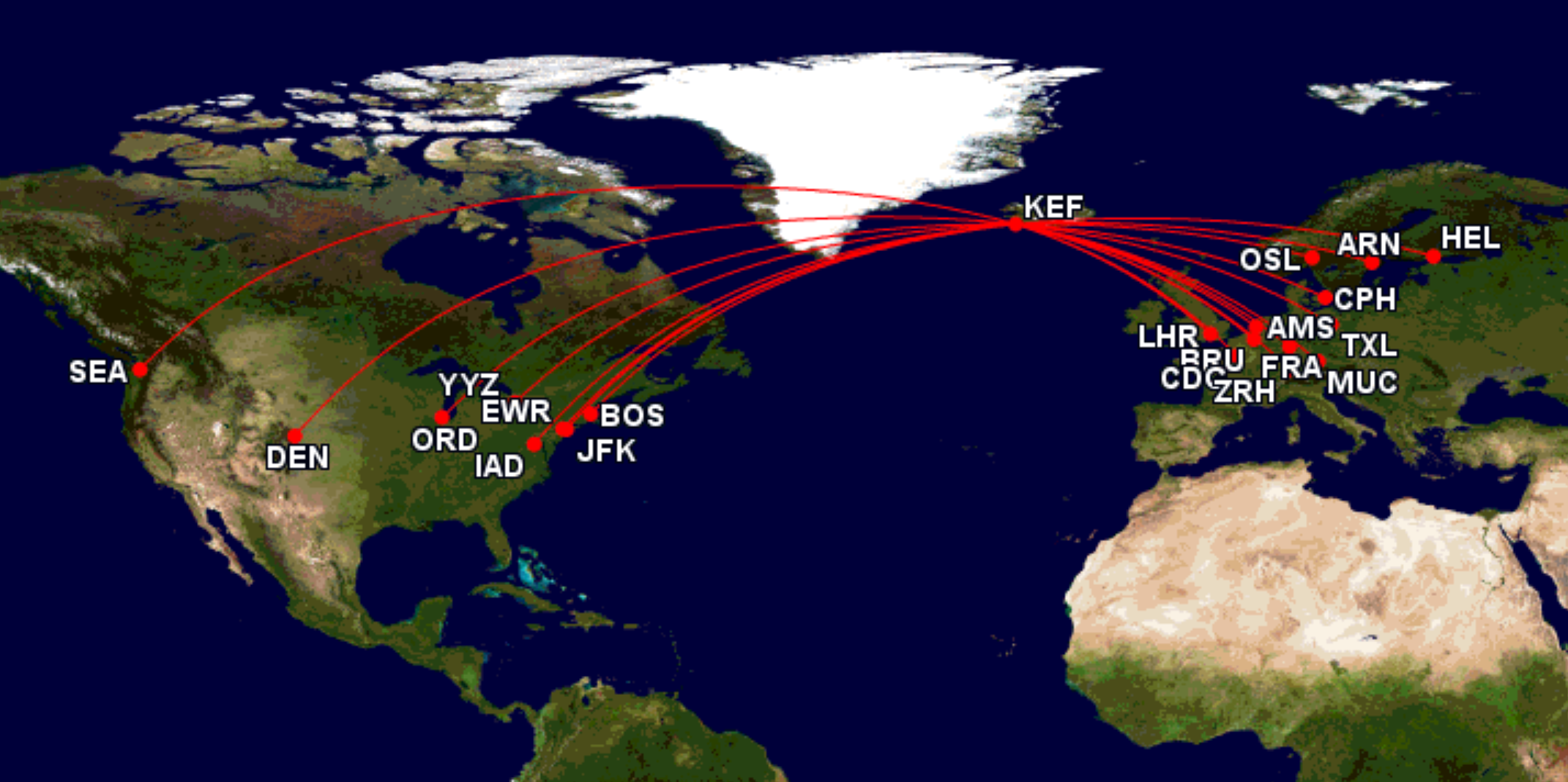
Despite only operating a tiny percent of its loaded schedule, Icelandair was selling flights from all of the following airports just last week for arrival on June 15:
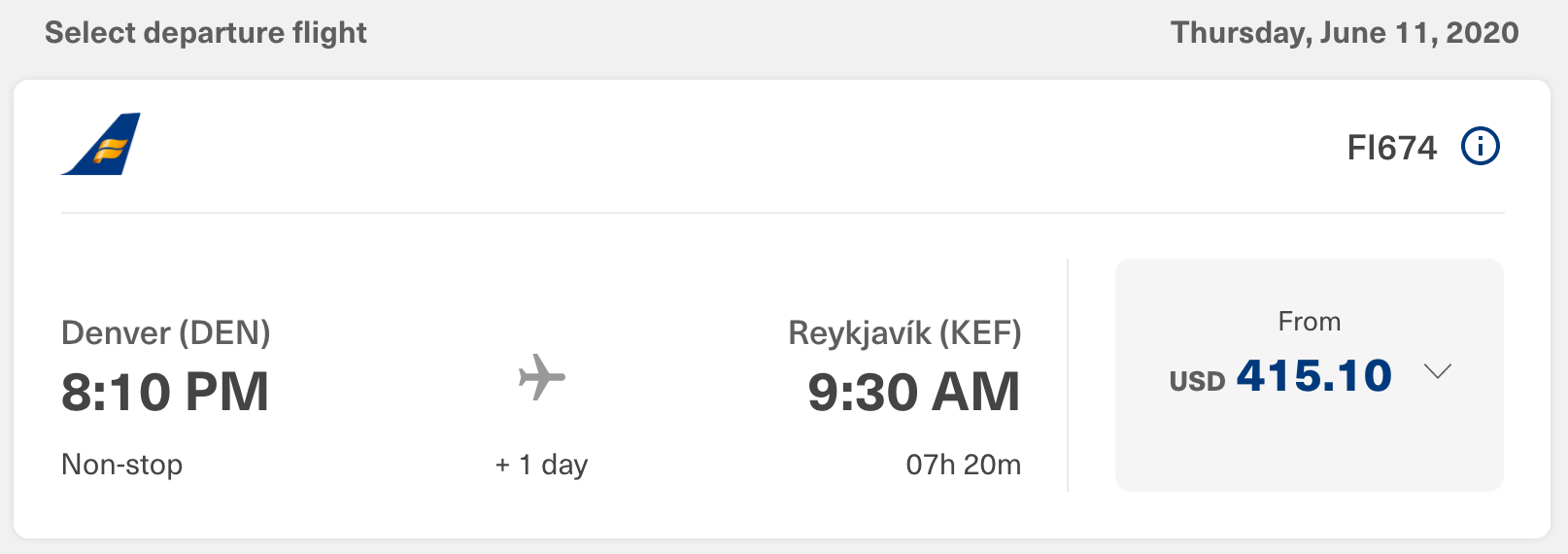
Fortunately, the airline has begun removing flights from the schedule, but there are still plenty of options available to book that don't appear on the confirmed flight list up above — such as this leg from Denver (DEN) on Thursday:
I reached out to Icelandair for clarification. As a spokesperson noted, "Although at this point, it is unlikely we will see any of these flights until July, we are looking at this optimistically and we want to keep flights in place for when we are ready to return full force."
According to an airline press release, the already relatively small carrier laid off some 2,000 employees at the end of April, stating: "The employment of around two thousand employees will be terminated. This affects all divisions within the Company, although roles directly linked to production, such as crew, maintenance and ground operations, are affected the most."
While Icelandair can offer to hire some of those employees back once the situation improves, it's unclear how the airline will ramp up quickly enough to operate some of the flights it's selling for travel over the next few days, such as the Denver flight I mentioned above, or this one from Seattle (SEA):
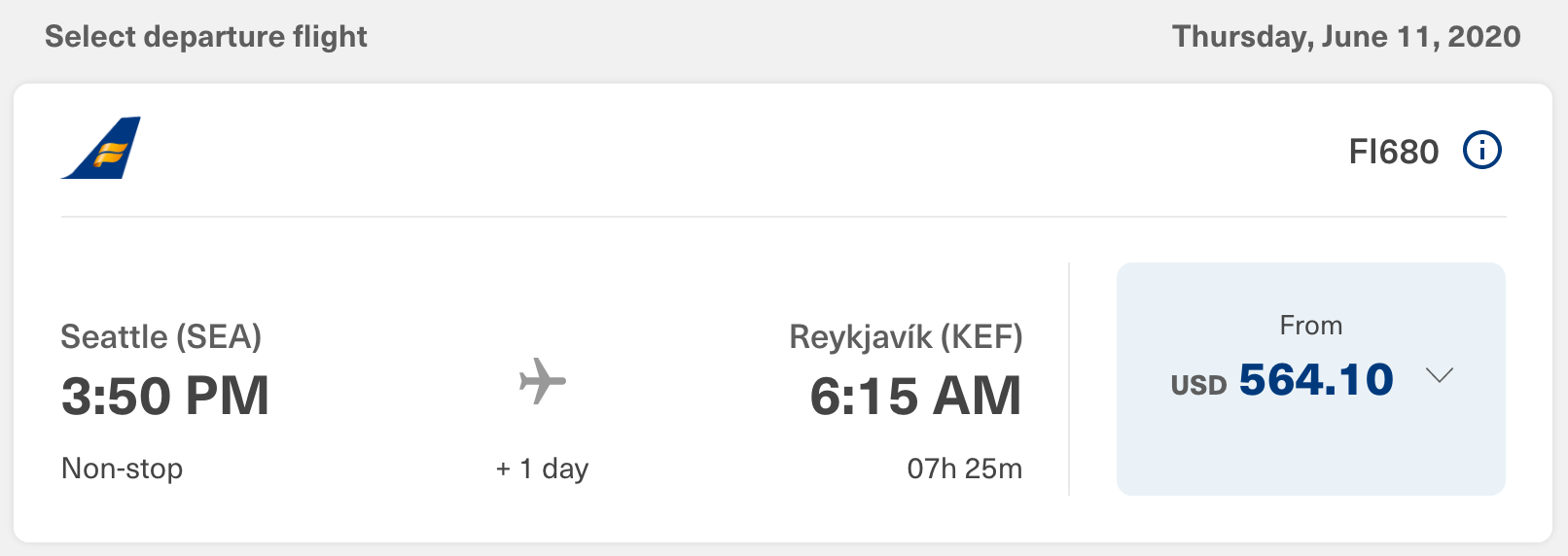
Or two flights from Boston (BOS), all next Thursday, June 11, before Iceland even rolls out coronavirus testing at the border:
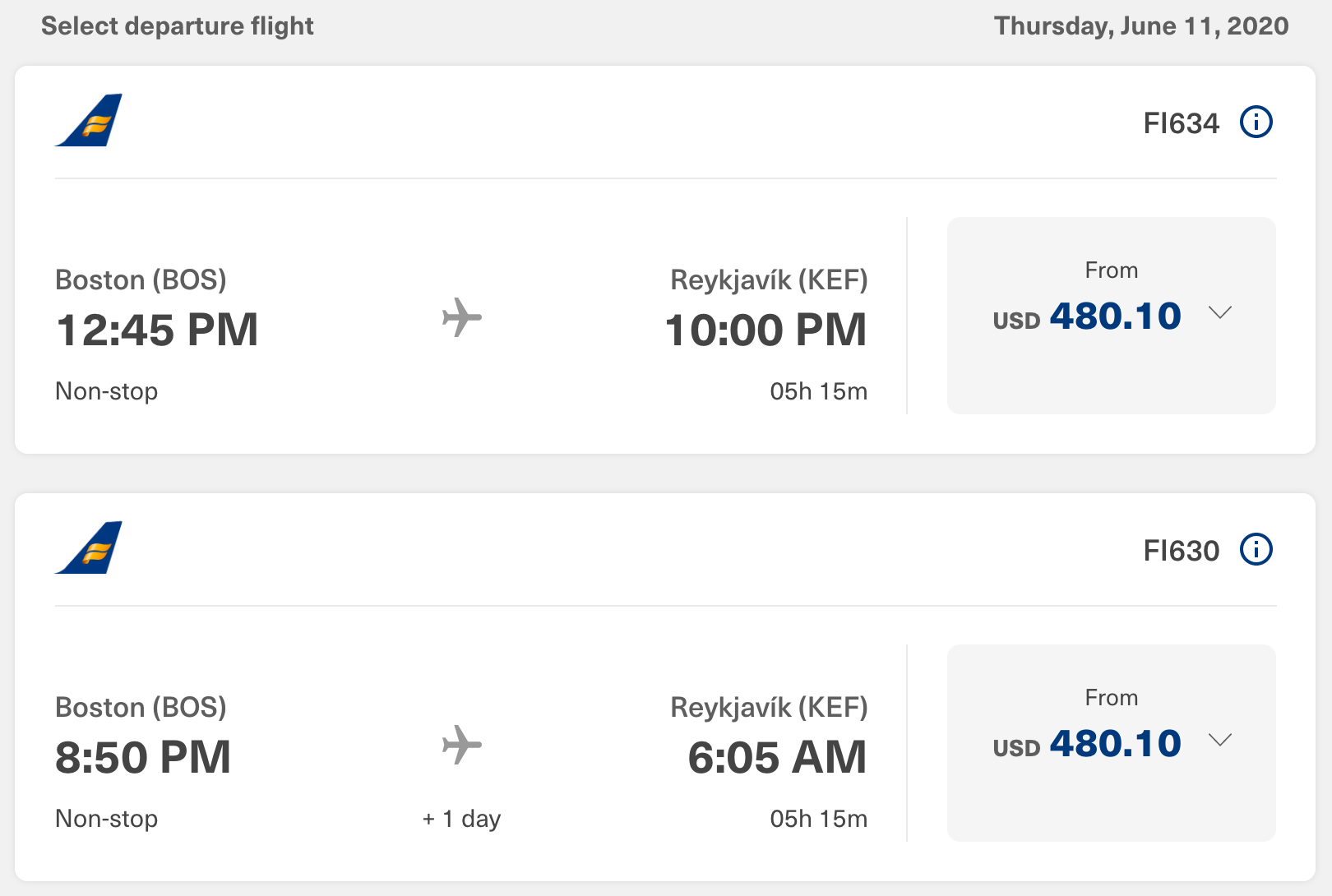
Although continuing to sell flights that won't fly could help the airline raise some cash, it's hardly a long-term strategy — at least for flights to and from the U.S., Icelandair is required to refund the full cost of canceled flights directly to the original form of payment, even for nonrefundable tickets. Most carriers are insisting that customers accept a travel credit, instead, though as more passengers learn that they're entitled to a refund, many will prefer that option.
As Harteveldt notes, this approach to fundraising could have serious implications for the brand, as well. "My hope is that Icelandair wouldn't be more aggressive than it should be — that they would publish a schedule that they have every ability and every intention to operate," Harteveldt said. "If they have been doing anything where there's been deliberate intention to mislead the public, not only does it undermine the airline's brand creditability, it puts Icelandair in a really bad position. If an airline cancels a flight, consumers are entitled to a refund, and Icelandair can stonewall these people all they want, but legally they have to refund those passengers money."
What you can do
Many people are clearly eager to plan a trip, especially to a country that's managed to virtually eliminate the spread of coronavirus, like Iceland. Still, with airlines just beginning to ramp up service, and countries finalizing arrival procedures, it could make sense to give airlines time to prove that they're able to operate a given route before booking any nonrefundable hotels, activities and more.
"If you have flexibility about when you are traveling, give the airline some time to get back up to speed — let it get through the first couple of weeks of operating if it's coming back from a standstill, or close to zero operations, and then take your trip," Harteveldt said. "If you are booked for when those flights are scheduled to restart, take a look and just make sure the airline is operating. Follow the inbound flight — the airplane you need for your trip is actually headed to the airport that you're leaving from."
Harteveldt's last suggestion is especially valuable. In fact, even before the pandemic, I would also track my inbound flight using FlightAware or the airline's app, and search FlightAware for a flight before I booked, to get a sense of how often it ends up getting canceled or delayed.
Simply head to FlightAware.com and enter the flight number — Icelandair 680, for Seattle to Reykjavik, for example — and scroll down for the history.
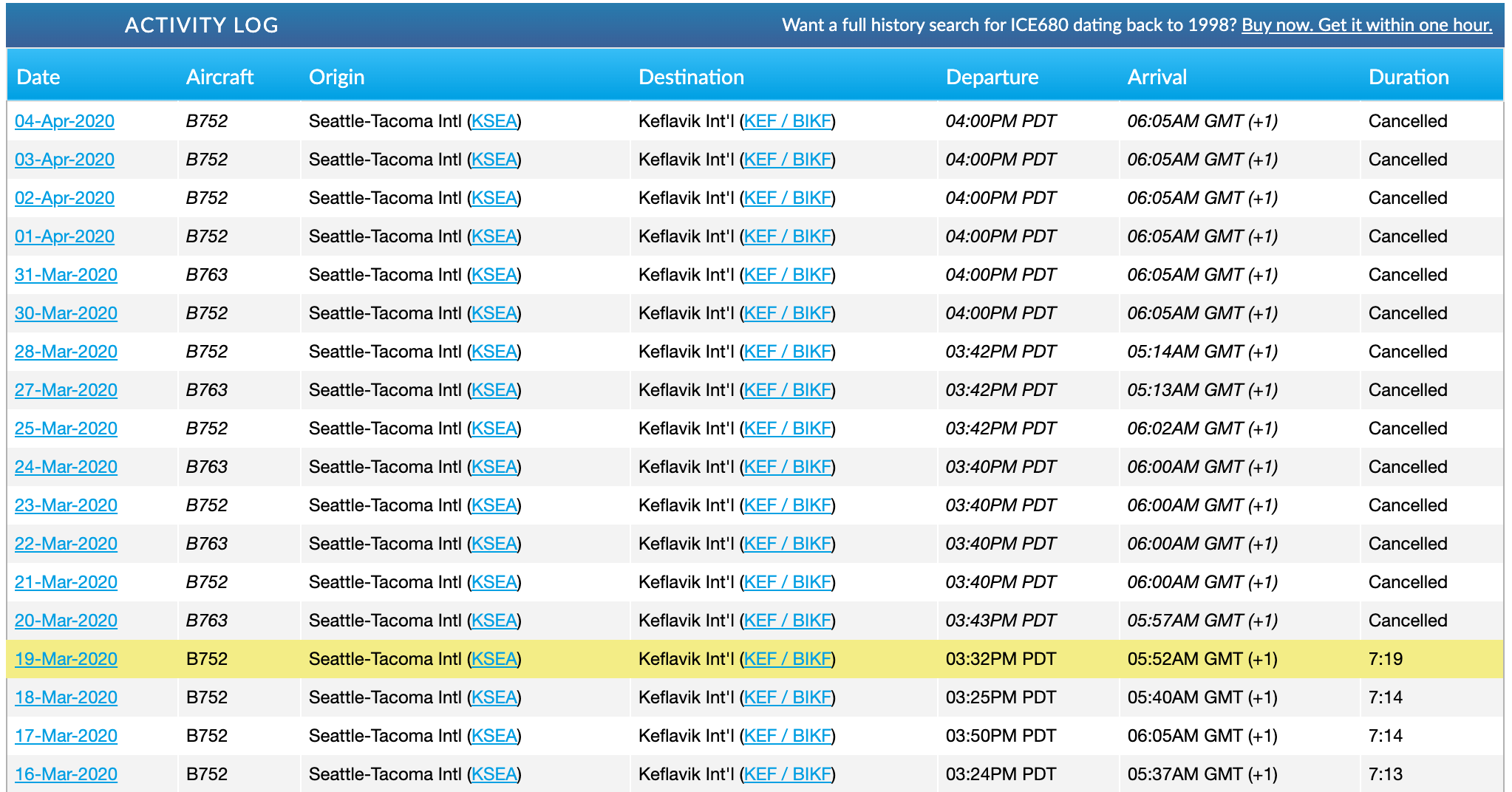
In that Seattle example above, you can clearly see that the flight hasn't operated since March 19 — while the flight number may have changed in some cases, this isn't a factor here.
I'd certainly hesitate to book the flight from Seattle, though Icelandair 634, the daytime flight from Boston, has been operating, and also appears on the airline's list of confirmed flights — assuming Iceland will actually welcome visitors soon, that option feels like more of a sure thing.
Bottom line
As eager as you may be to book a trip, it's important to remember that it likely will take time for carriers to ramp back up, especially for smaller airlines. From relocating aircraft to FAA requirements for pilots to even rehiring crews, there a lot of moving pieces for airlines to manage — getting back in the air isn't as simple as adding a flight to the schedule and hoping you'll book.
If you do end up making a reservation, meanwhile, and don't plan to travel, we recommend waiting until the last minute to cancel — in many cases, the airline may do it for you, making it much easier to get your money back.
TPG featured card

at Capital One's secure site
Terms & restrictions apply. See rates & fees.
| 5X miles | Earn 5X miles on hotels, vacation rentals and rental cars booked through Capital One Travel |
| 2X miles | Earn unlimited 2X miles on every purchase, every day |
Pros
- Stellar welcome offer of 75,000 miles after spending $4,000 on purchases in the first three months from account opening. Plus, a $250 Capital One Travel credit to use in your first cardholder year upon account opening.
- You'll earn 2 miles per dollar on every purchase, which means you won't have to worry about memorizing bonus categories
- Rewards are versatile and can be redeemed for a statement credit or transferred to Capital One’s transfer partners
Cons
- Highest bonus-earning categories only on travel booked via Capital One Travel
- LIMITED-TIME OFFER: Enjoy $250 to use on Capital One Travel in your first cardholder year, plus earn 75,000 bonus miles once you spend $4,000 on purchases within the first 3 months from account opening - that’s equal to $1,000 in travel
- Earn unlimited 2X miles on every purchase, every day
- Earn 5X miles on hotels, vacation rentals and rental cars booked through Capital One Travel
- Miles won't expire for the life of the account and there's no limit to how many you can earn
- Receive up to a $120 credit for Global Entry or TSA PreCheck®
- Use your miles to get reimbursed for any travel purchase—or redeem by booking a trip through Capital One Travel
- Enjoy a $50 experience credit and other premium benefits with every hotel and vacation rental booked from the Lifestyle Collection
- Transfer your miles to your choice of 15+ travel loyalty programs
- Top rated mobile app