When it's time to retire that airplane, how do airlines decide what to let go?

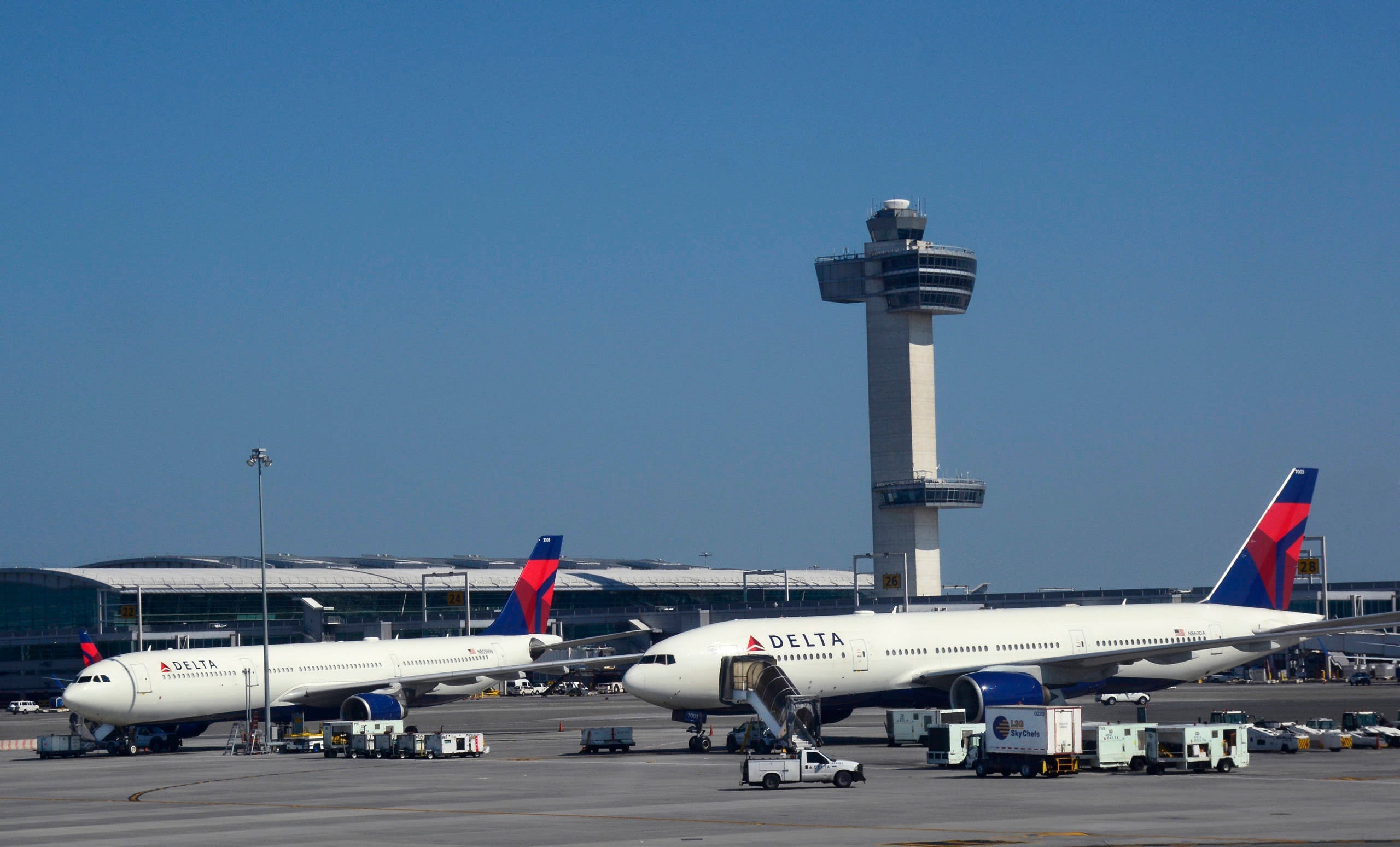
It is never easy for an airline to say goodbye to an airplane. Each model carries some bit of nostalgia, often known for some feat — both positive and negative — in a carrier's history.
But as any executive will tell you, the airline industry has little room for nostalgia and and historical feats beyond the realm of memory. Especially when airlines face the worst crisis in their history from the coronavirus pandemic.
Fleet simplification and cost savings are paramount in an environment where some carriers are losing as much as $70 million every day.
Get Coronavirus travel updates. Stay on top of industry impacts, flight cancellations, and more.
View this post on Instagram
"The decision to exit any fleet, especially one like the 777, is not an easy one," said Paul Jacobson, chief financial officer at Delta Air Lines, about he recent decision to retire its 18 777s while speaking at the Wolfe Research Conference on Tuesday. "But it is important to structural change our costs and our performance going forward."
The move came as a surprise to some. Delta's 10 777-200LRs are on average only 11 years old. This is relatively young in an industry where the useful life of a commercial airliner is often around 25 to 30 years. At the same time, with only 18 777s in its fleet — and none on order — the jets were something of an oddball among an increasing number of Airbus wide-bodies that made up the rest of Delta's long-haul fleet.
Delta will replace its 777s with Airbus A350-900s in the coming years. It operates 13 of the Airbus jets and has another 26 on order, including 14 it picked up through its strategic partnership with LATAM Airlines last September.
Related: Delta sending Airbus A350s to Los Angeles, will close Cincinnati pilot base
The decision to retire a family of jets is a complex, nuanced process that is unique to each airline. There are far more considerations than, for example, an individual's decision to replace the family car. Yes, a new airplane will be more efficient and cost less to operate than an older model. But, like a new car, it likely comes with a new loan to pay for it and other associated expenses.

In addition, unlike when buying a car, removing a model from a fleet has all kinds of extra costs. Pilots need to be retrained, maintenance retooled and, at least if the jet hasn't been sold, there are storage expenses.
George Dimitroff, head of aircraft valuations at aviation advisers Cirium, lists six items airlines consider when retiring a fleet. These include the value of an aircraft and how much will have to be written off; maintenance costs; fuel efficiency; availability of replacement aircraft; recent investments in onboard product; and the size of the fleet and the impact on the overall network.
In Delta's case, the 777s check nearly all of these boxes. The airline owned all 18 of its 777s, leaving it with few financial penalties for retiring the jets. The aircraft are less efficient than the next generation wide-bodies and maintenance costs are high, especially for the engines on the 777-200LRs. Finally, Delta has more than enough A350s on order to replace the them. And the 777 fleet is small, featuring only a few of routes -- four according to Cranky Flier writer Brett Snyder — that might be difficult for for Delta to fly with other aircraft.
Related: The ultimate guide to Delta One Suites
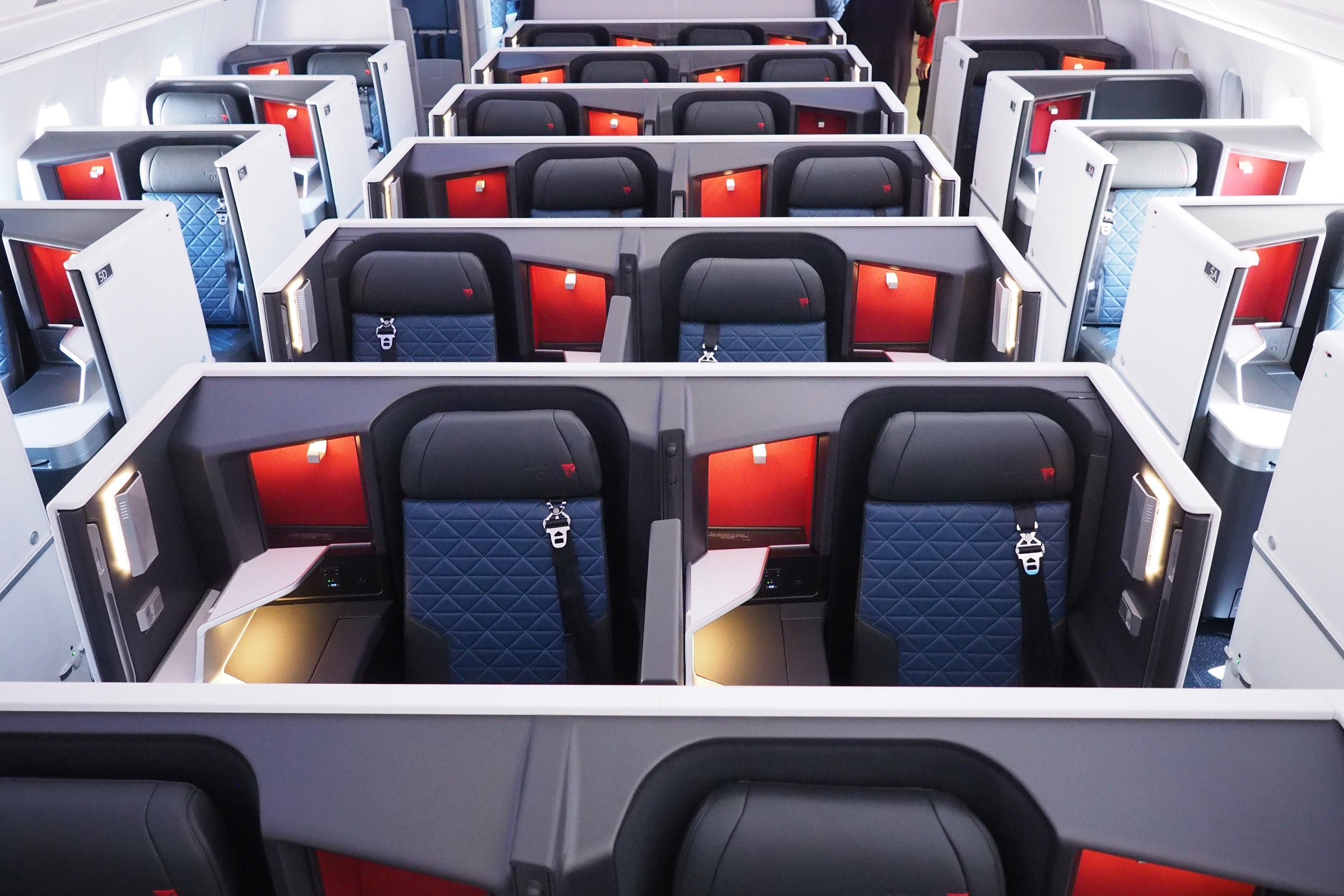
However, one argument for keeping the 777s is their recent retrofits with Delta One business-class suites. The cabin upgrades to the 777s just finished in February, with every jet featuring 28 suites, 48 Premium Select premium economy seats and 212 economy seats.
"I suspect Delta might be able to take the new suites out of the 777s and put them into factory new A350s," said Dimitroff who cautioned that he does not know if this will occur. "The aircraft have similar cabin width and it is common that airlines have the same seat product across multiple aircraft types for part commonality."
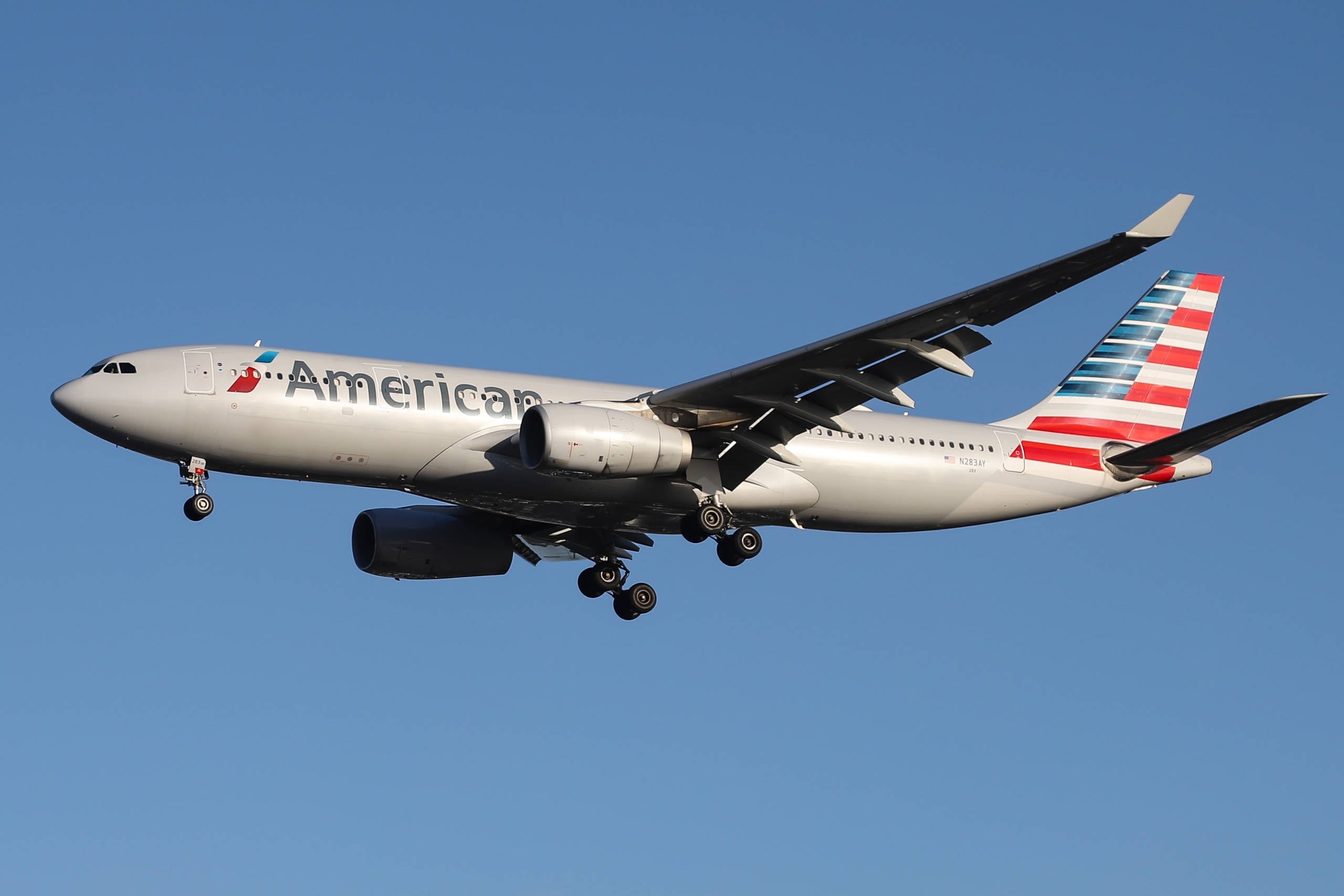
Dimitroff's retirement criteria apply at other carriers as well. American Airlines will retire or put in long-term storage six jets in its fleet: Airbus A330-200s and -300s, Boeing 757s and 767s, Bombardier CRJ200s and Embraer E190s. All were either small fleets incompatible with new types that American has on order, or older jets already slated for removal in the next several years.
Related: How US airline fleets might change due to the coronavirus
The Fort Worth, Texas-based carrier's decision to store its A330-200s for at least two years is the most notable of the fleet moves. The jets have some outstanding mortgages attached that American must continue to pay, plus any storage costs. However, in the airline's financial calculus, the benefits of fleet simplification outweighed those costs.
"These fleet changes remove operating complexity and bring significant cost savings and efficiencies," American president Robert Isom said during the Wolfe Research Conference on Tuesday.
The carrier had 99 777s and Boeing 787s in its fleet, plus another 47 787s on order, at the end of 2019. These jets can cover all of the routes flown by the A330 — plus those operated by the now retired 767s — and then some.
Related: American Airlines' Boeing 767s, 757s among 80 planes that won't fly again after the pandemic
Delta, for its part, may not plan to on taking a full loss on the 777s. Aviation analyst and former airline executive Robert Mann told TPG that Delta could sell some of the jets to firms that will convert them to freighters.
"I believe these airplanes will go to a converter," Mann said of Delta's 10 777-200LRs.
Demand for freighter aircraft is high. American Airlines, Delta and United Airlines are all using passenger jets to temporarily carry freight. And Air Canada went as far as to remove the seats from three 777-300ERs so the planes could carry more cargo.
Related: Retired American Airlines 767s are being turned into cargo planes
However, the lead time on converting a passenger jet to a freighter ranges from 18 to 24 months — or beyond when many expect the coronavirus pandemic to subside — according to Dimitroff.
American's A330s and Delta's 777s will not be the last jets to leave airline fleets because of COVID-19. Analysts at Cowen think the U.S. industry will need to remove about 800 to 1,000 aircraft by the end of the crisis.
The numbers are already adding up, although there's still a ways to go to hit those numbers. Still, they've been coming from all corners. Alaska Airlines has removed its 10 Airbus A319s, and United Airlines has placed its premium 757s plus its 767-400ERs in long-term storage pending a final retirement decision.
"Nobody knows when this will end and life will begin to return to normal," United president and soon CEO Scott Kirby said at the beginning of May. "We plan to continue to react nimbly as the situation evolves and won't hesitate to make hard decisions."
TPG featured card

at American Express's secure site
Terms & restrictions apply. See rates & fees.
| 3X | Earn 3X Miles on Delta purchases. |
| 1X | Earn 1X Miles on all other eligible purchases. |
Pros
- Delta SkyClub access when flying Delta
- Annual companion ticket for travel on Delta (upon renewal)
- Ability to earn MQDs through spending
- Various statement credits for eligible purchases
Cons
- Steep annual fee of $650
- Other Delta cobranded cards offer superior earning categories
- Earn 100,000 Bonus Miles after you spend $6,000 or more in purchases with your new Card within the first 6 months of Card Membership and an additional 25,000 bonus miles after you make an additional $3,000 in purchases on the Card within your first 6 months, starting from the date that your account is opened. Offer Ends 04/01/2026.
- Delta SkyMiles® Reserve American Express Card Members receive 15 Visits per Medallion® Year to the Delta Sky Club® when flying Delta and can unlock an unlimited number of Visits after spending $75,000 in purchases on your Card in a calendar year. Plus, you’ll receive four One-Time Guest Passes each Medallion Year so you can share the experience with family and friends when traveling Delta together.
- Enjoy complimentary access to The Centurion® Lounge in the U.S. and select international locations (as set forth on the Centurion Lounge Website), Sidecar by The Centurion® Lounge in the U.S. (see the Centurion Lounge Website for more information on Sidecar by The Centurion® Lounge availability), and Escape Lounges when flying on a Delta flight booked with the Delta SkyMiles® Reserve American Express Card. § To access Sidecar by The Centurion® Lounge, Card Members must arrive within 90 minutes of their departing flight (including layovers). To access The Centurion® Lounge, Card Members must arrive within 3 hours of their departing flight. Effective July 8, 2026, during a layover, Card Members must arrive within 5 hours of the connecting flight.
- Receive $2,500 Medallion® Qualification Dollars with MQD Headstart each Medallion Qualification Year and earn $1 MQD for each $10 in purchases on your Delta SkyMiles® Reserve American Express Card with MQD Boost to get closer to Status next Medallion Year.
- Enjoy a Companion Certificate on a Delta First, Delta Comfort, or Delta Main round-trip flight to select destinations each year after renewal of your Card. The Companion Certificate requires payment of government-imposed taxes and fees of between $22 and $250 (for itineraries with up to four flight segments). Baggage charges and other restrictions apply. Delta Basic experiences are not eligible for this benefit.
- $240 Resy Credit: When you use your Delta SkyMiles® Reserve American Express Card for eligible purchases with U.S. Resy restaurants, you can earn up to $20 each month in statement credits. Enrollment required.
- $120 Rideshare Credit: Earn up to $10 back in statement credits each month after you use your Delta SkyMiles® Reserve American Express Card to pay for U.S. rideshare purchases with select providers. Enrollment required.
- Delta SkyMiles® Reserve American Express Card Members get 15% off when using miles to book Award Travel on Delta flights through delta.com and the Fly Delta app. Discount not applicable to partner-operated flights or to taxes and fees.
- With your Delta SkyMiles® Reserve American Express Card, receive upgrade priority over others with the same Medallion tier, product and fare experience purchased, and Million Miler milestone when you fly with Delta.
- Earn 3X Miles on Delta purchases and earn 1X Miles on all other eligible purchases.
- No Foreign Transaction Fees. Enjoy international travel without additional fees on purchases made abroad.
- $650 Annual Fee.
- Apply with confidence. Know if you're approved for a Card with no impact to your credit score. If you're approved and you choose to accept this Card, your credit score may be impacted.
- Terms Apply.
- See Rates & Fees