Take a look inside Air New Zealand's unique cabin innovation laboratory

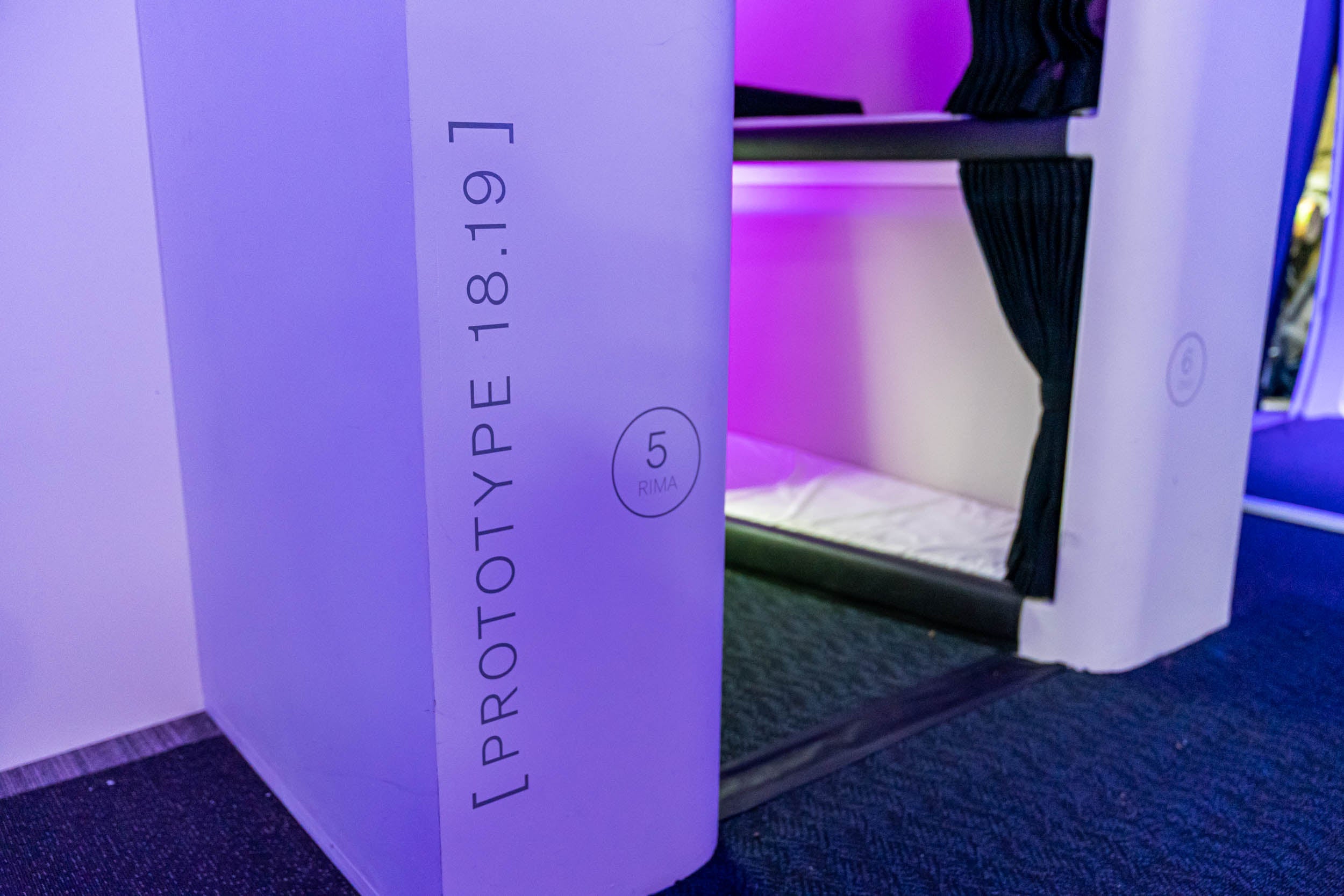
Air New Zealand is not the world's largest airline nor is it the world's most influential airline. However, as a carrier that operates a huge proportion of long-haul flights alongside a domestic network, it often has to be creative. This is why it has carved out an innovative niche among its peers.
The need for this creativity is driven by geography. Flights to New Zealand can be intimidatingly long for passengers, especially for the vast majority who travel in coach.
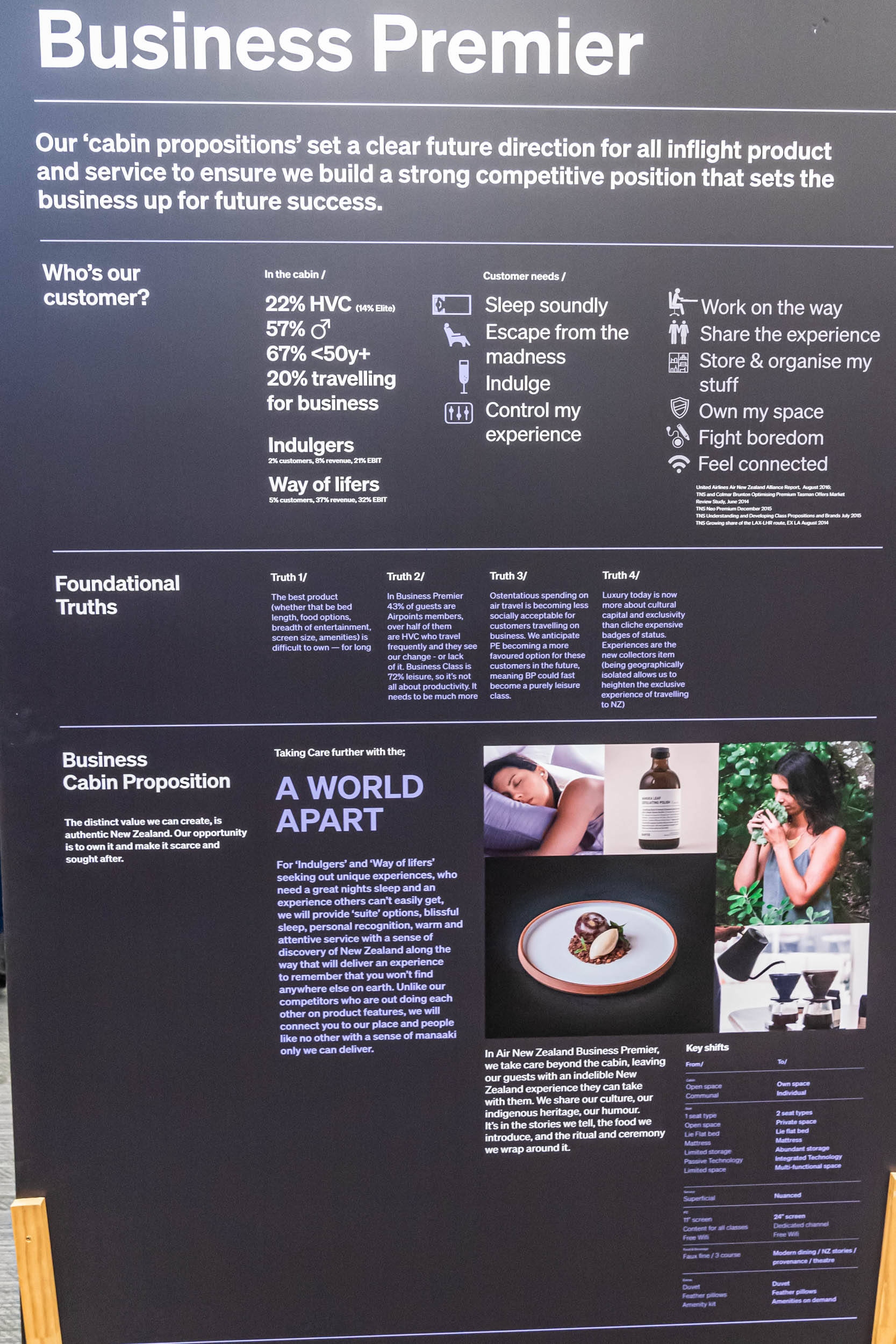
To try and make long flights more appealing, Air New Zealand has developed a few distinctive onboard products. Additionally, the airline has a dedicated high-performing team that designs these products at a unique studio.
Earlier this fall, following the airline's inaugural flight to Auckland from New York's John F. Kennedy International Airport (JFK), I had the opportunity to tour "Hangar 22," the airline's innovations lab.
Despite its name, Hangar 22 isn't really inside a hangar. Nestled away in an unassuming office building off a side street in downtown Auckland, a few blocks from the central business district, the lab sits behind locked doors and typically has strict protocols for visitors (the large "no photos" sign on the wall is telling).
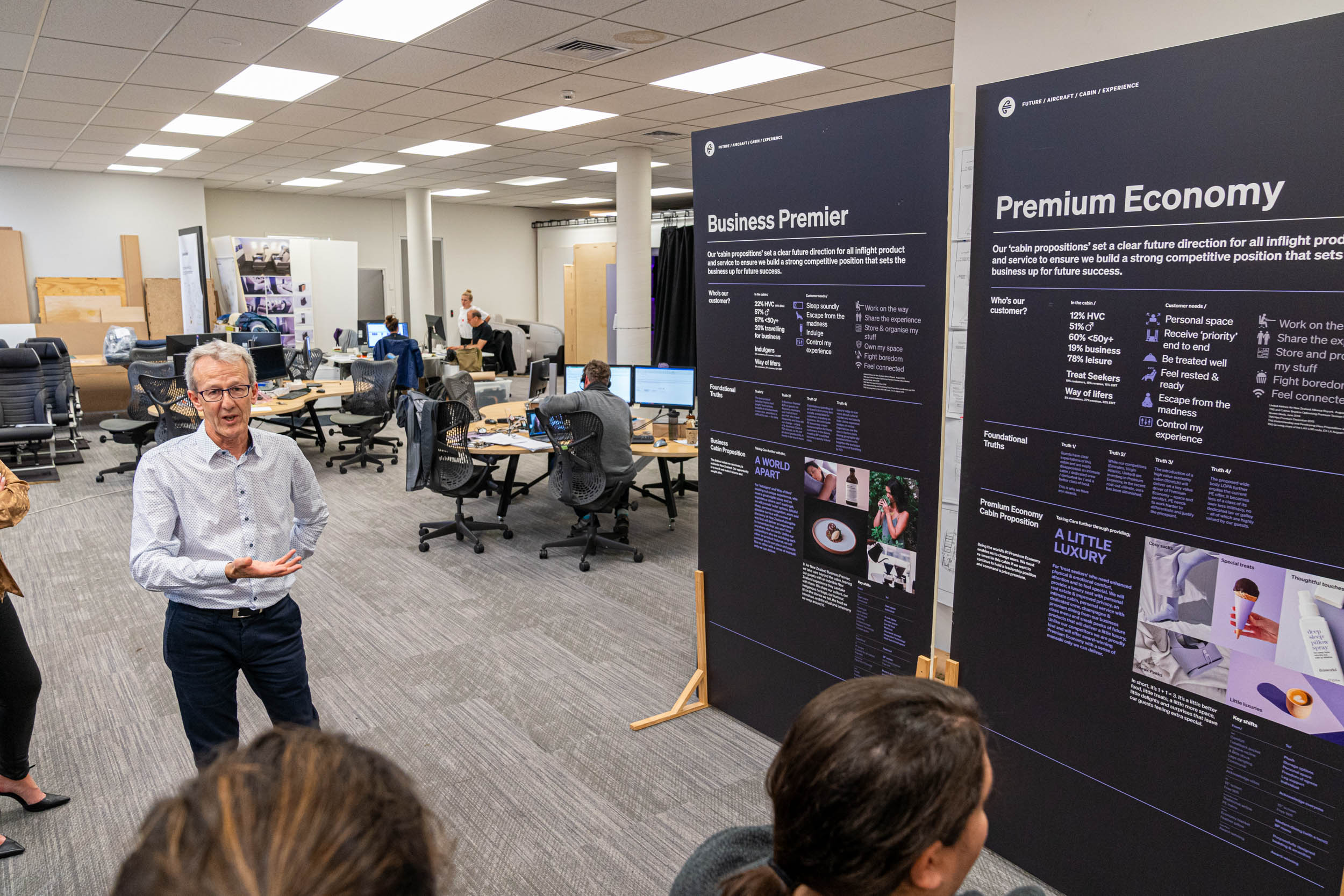
Once you're inside, though, it's a casual, open-plan office with standard amenities and an excellent coffee machine (one that makes barista-quality flat whites, as I found out).
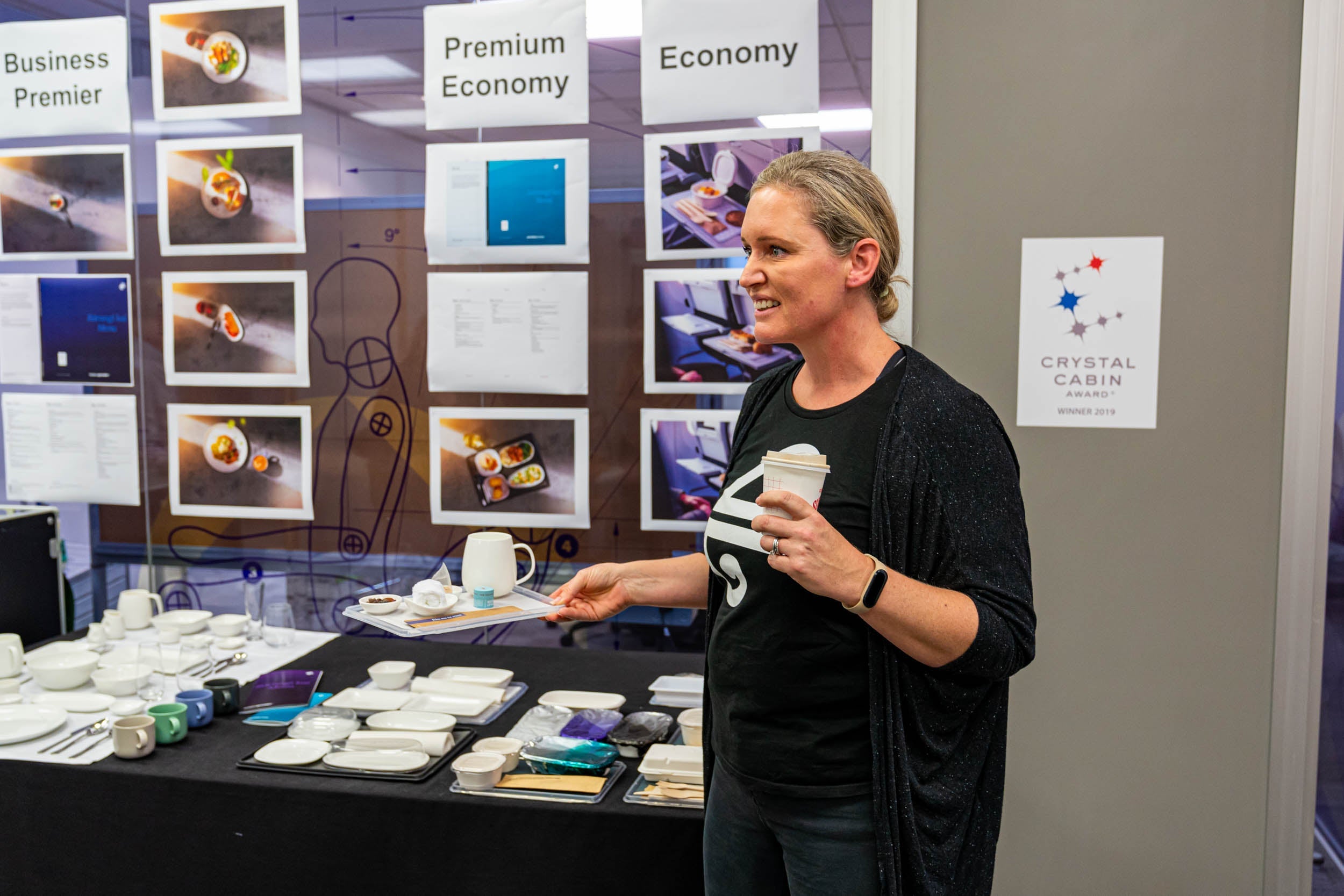
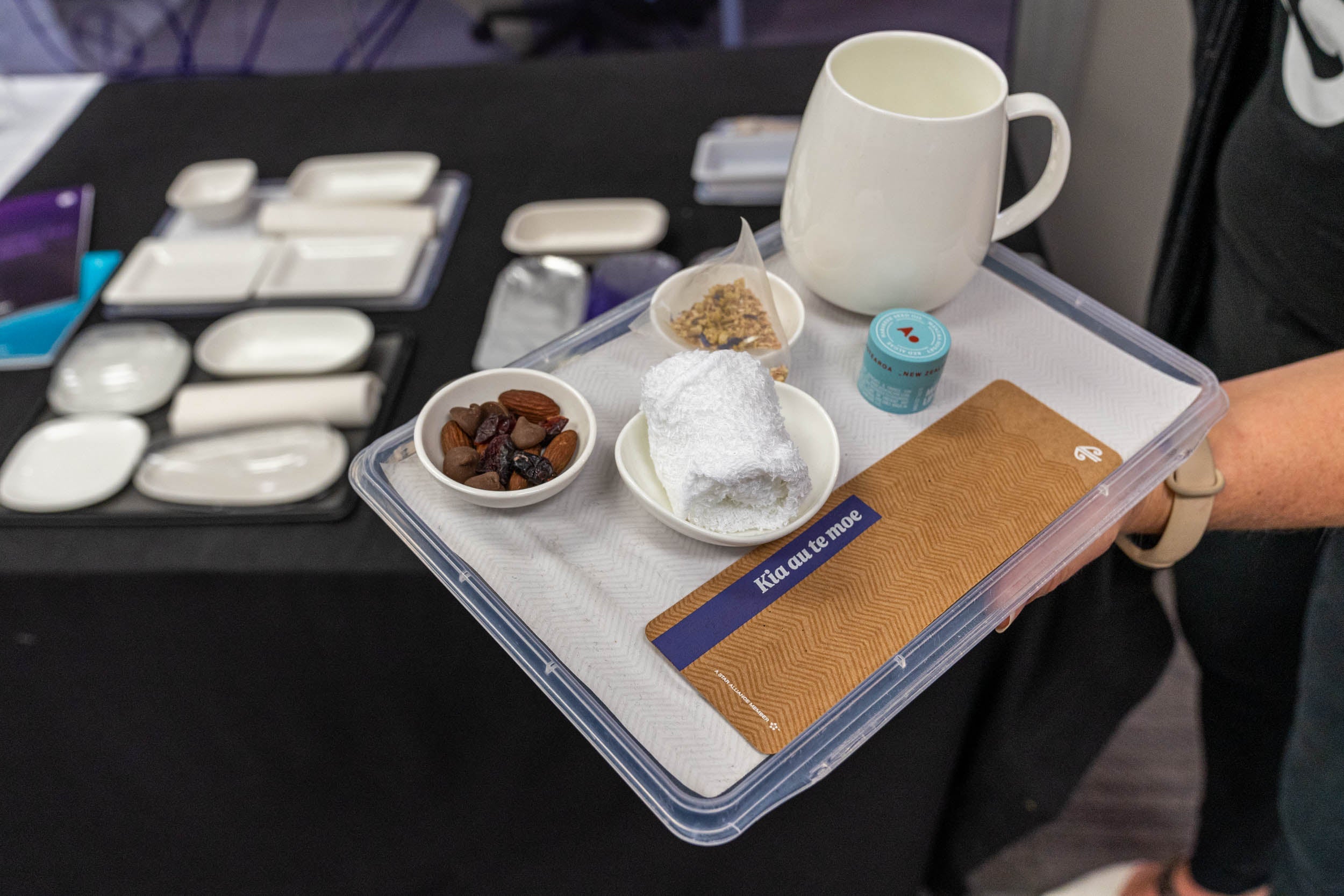
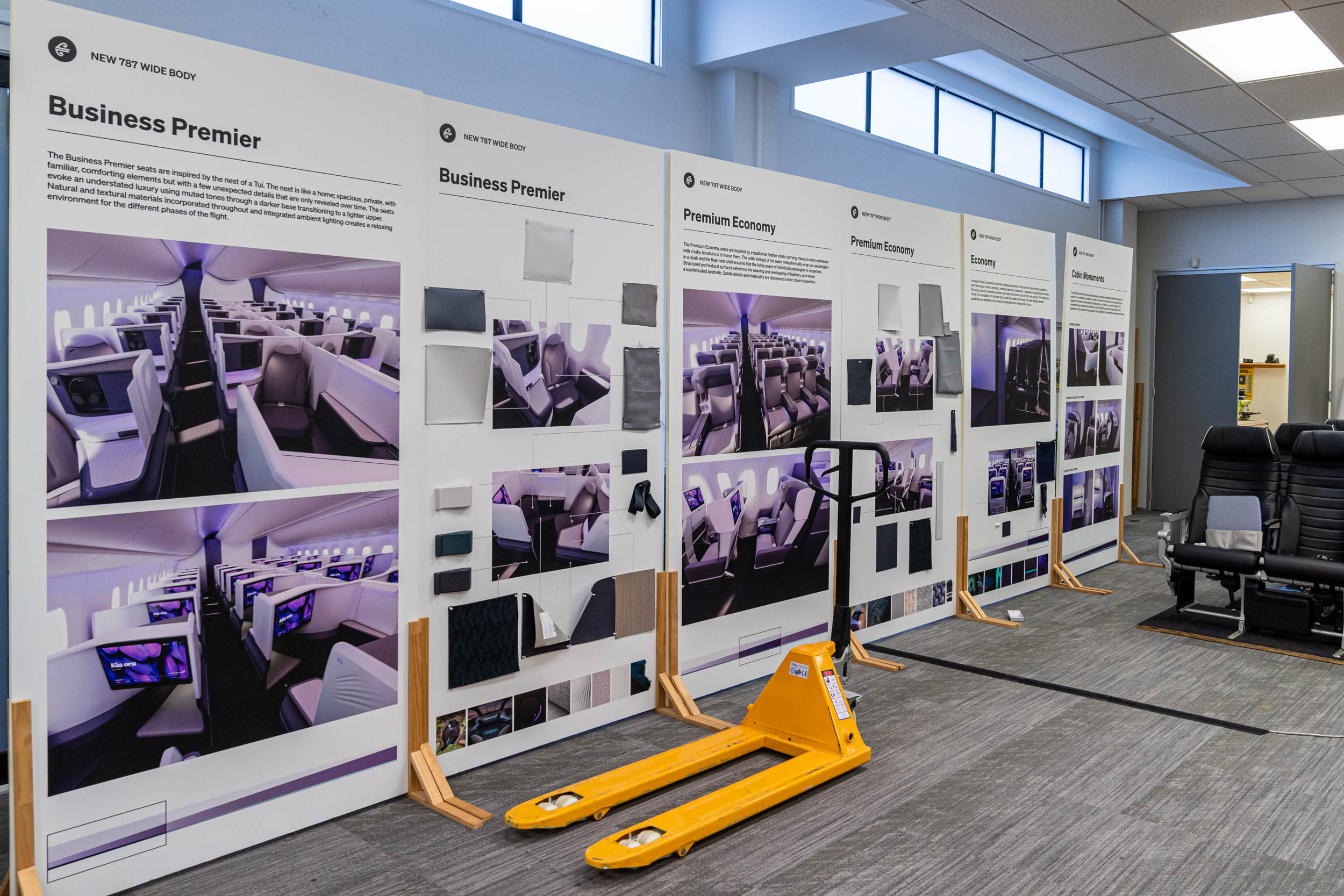
At Hangar 22, the airline designs everything from its new meal services — such as the menu items and types of plates and utensils — to its new business-class seats to totally unique, sleep-friendly hard products for its economy cabin.
The airline famously offers a "Skycouch" in coach, which allows passengers to buy an entire row of coach seats and raise a leg rest-type device to turn them into a couch that's perfect for napping or relaxing. Those seats cost extra, but they are still significantly less than a lie-flat business class seat would cost.
The Skycouch may sound obvious, but it's a fairly difficult idea to implement and one that has to take safety, economic, and fuel efficiency factors into consideration.

Air New Zealand's next economy product will be even more challenging to pull off — and even more innovative.
The airline unveiled designs for its "Skynest" — a six-bed compartment that can be placed at the back of the coach cabin — in early 2020. It will be small and tight, but it would allow for six passengers at a time to get a few hours of shut-eye. Once certified and installed, the plan is to offer it in four-hour chunks to six passengers at a time, for an additional fee.
While the airline first announced the plans for the Skynest two years ago, it wasn't until this year that the airline had a working prototype of the capsule.
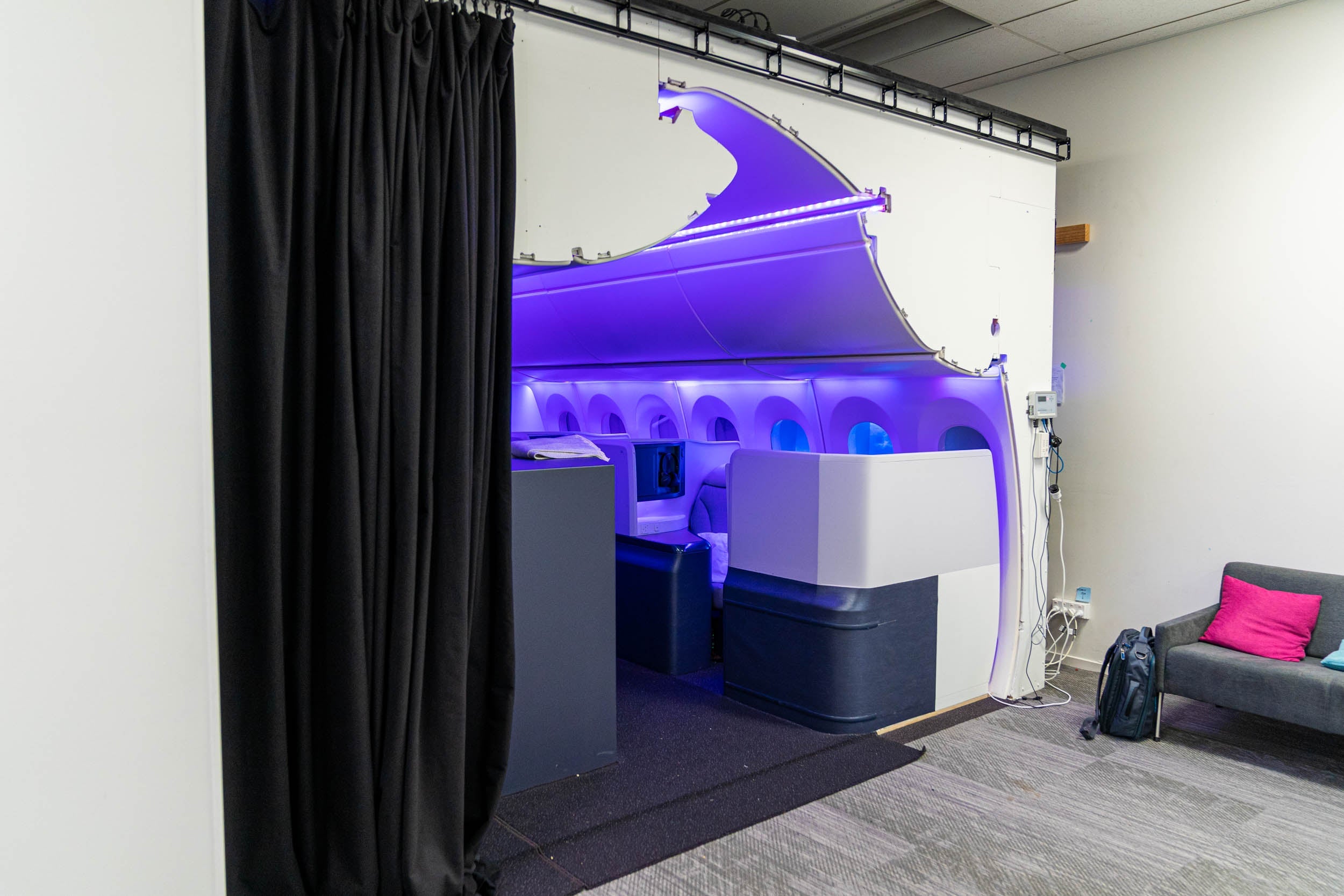
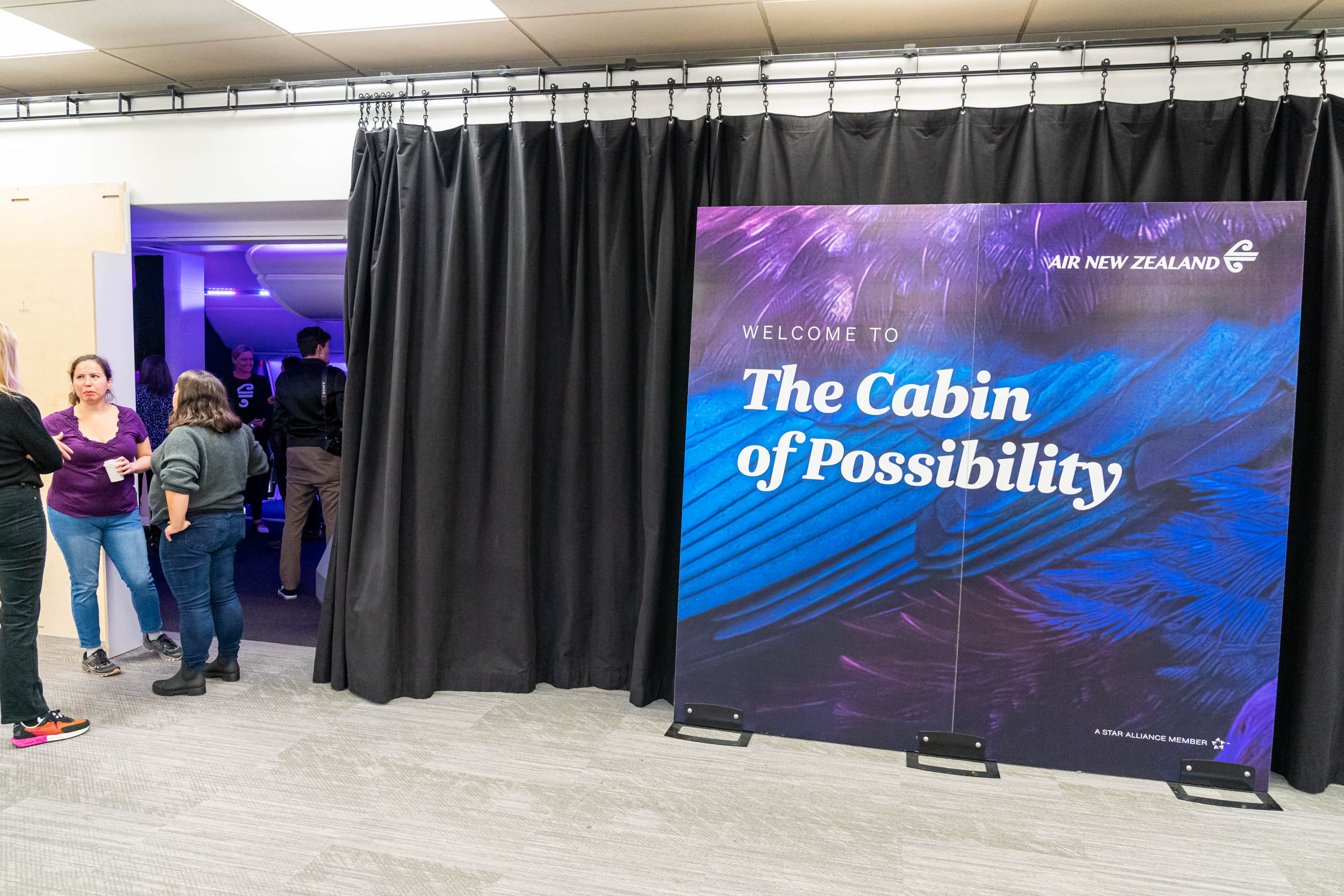
Tucked into the back corner of Hangar 22, there's a small, subdivided room made from plywood, sheetrock and black curtains.
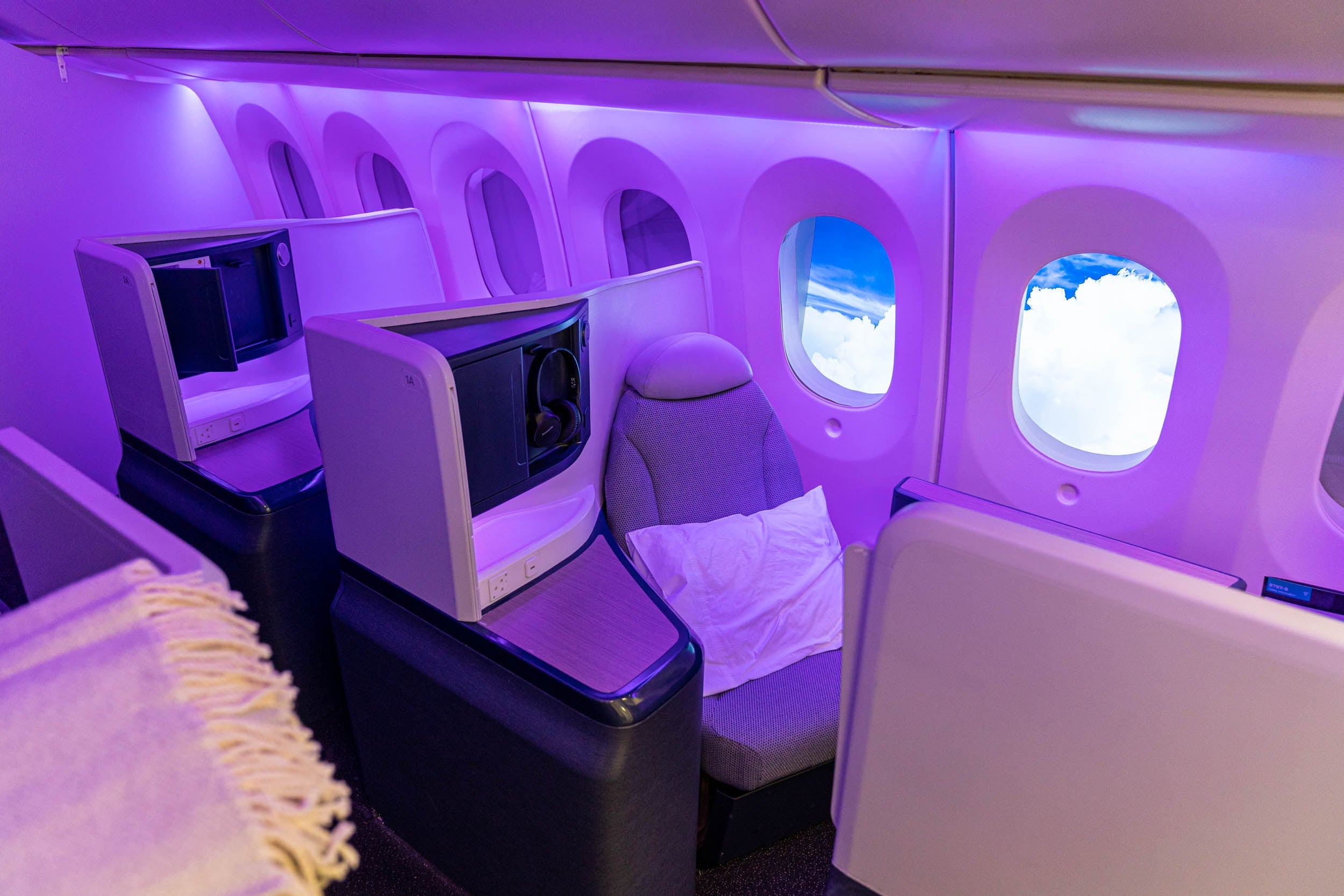
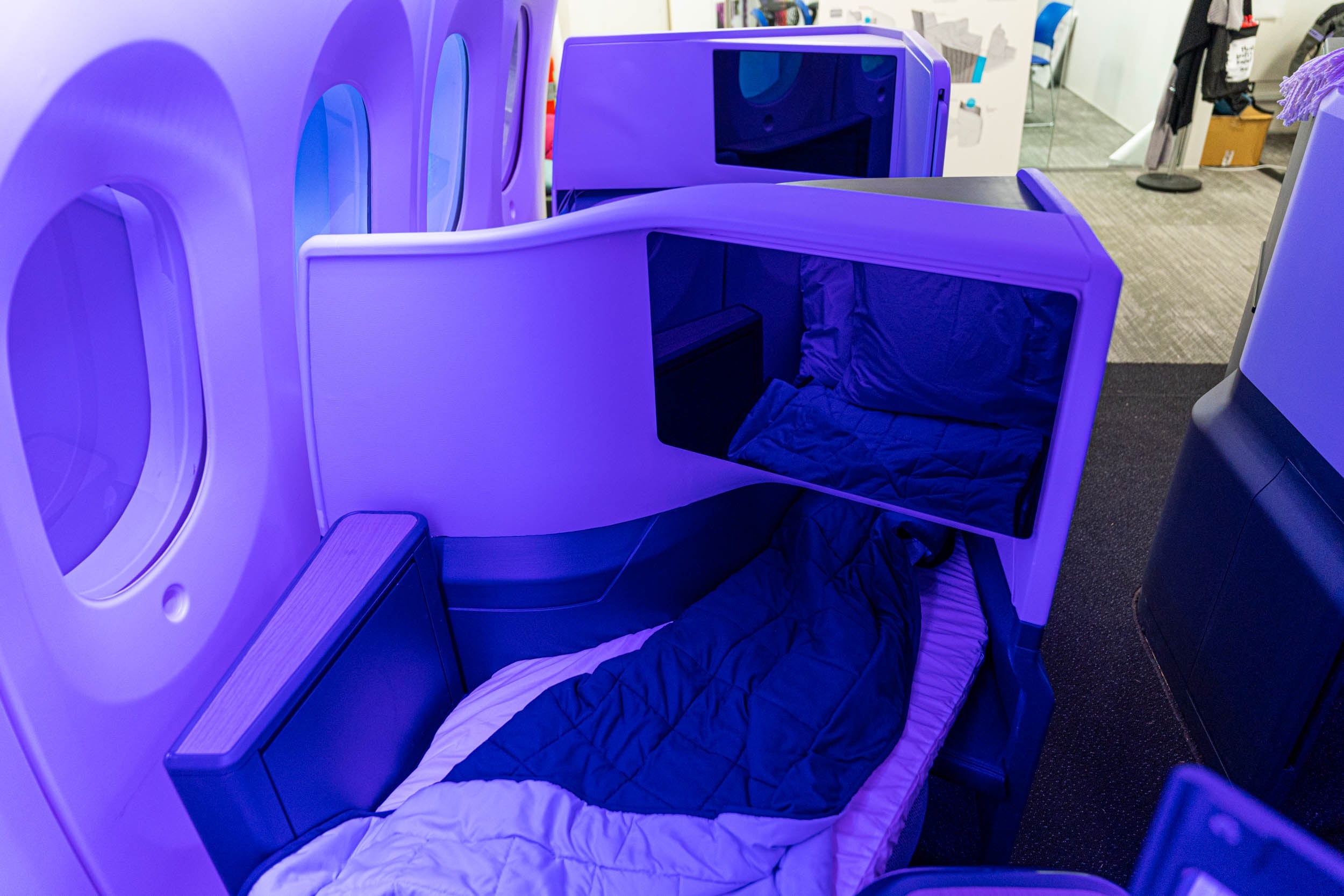
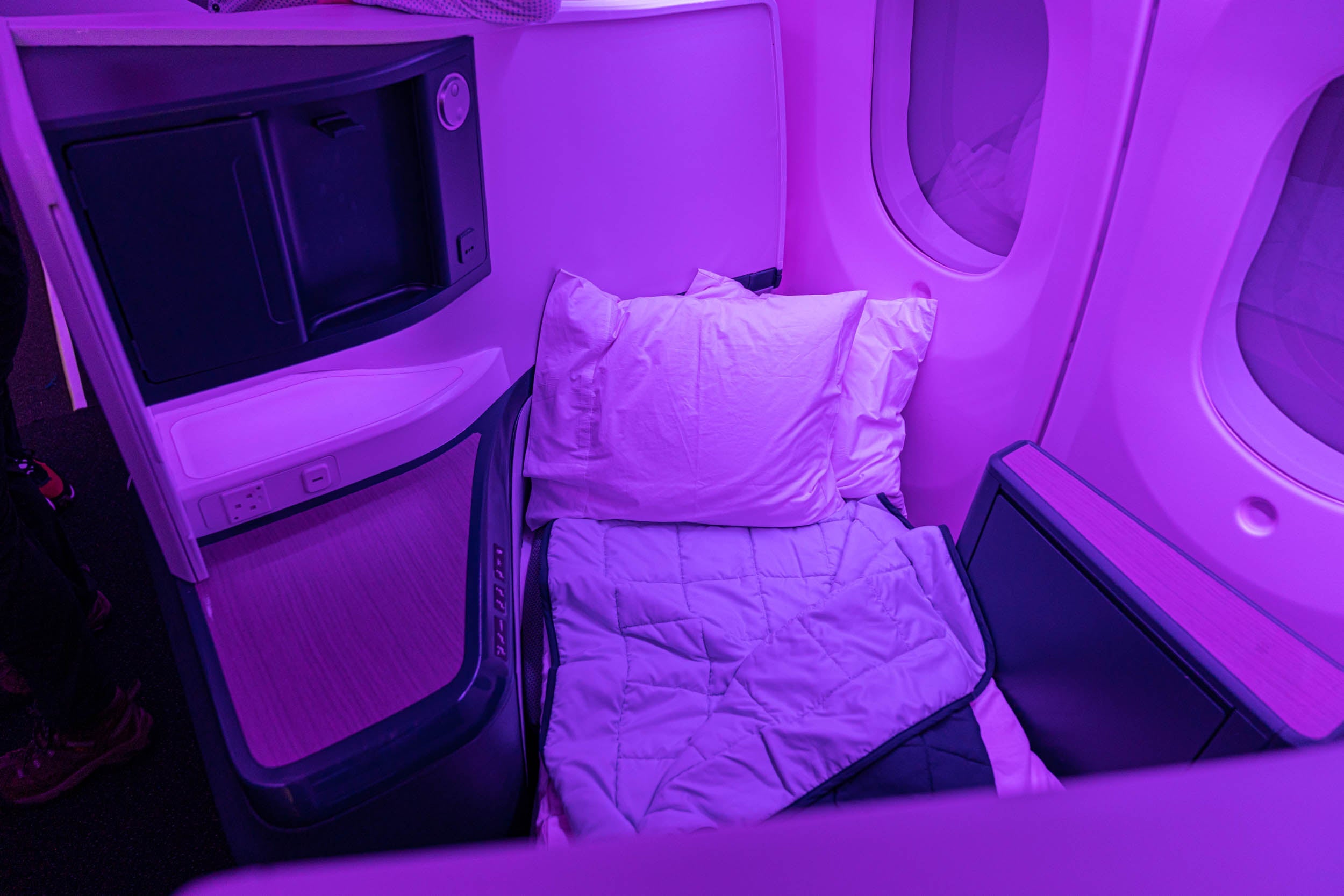
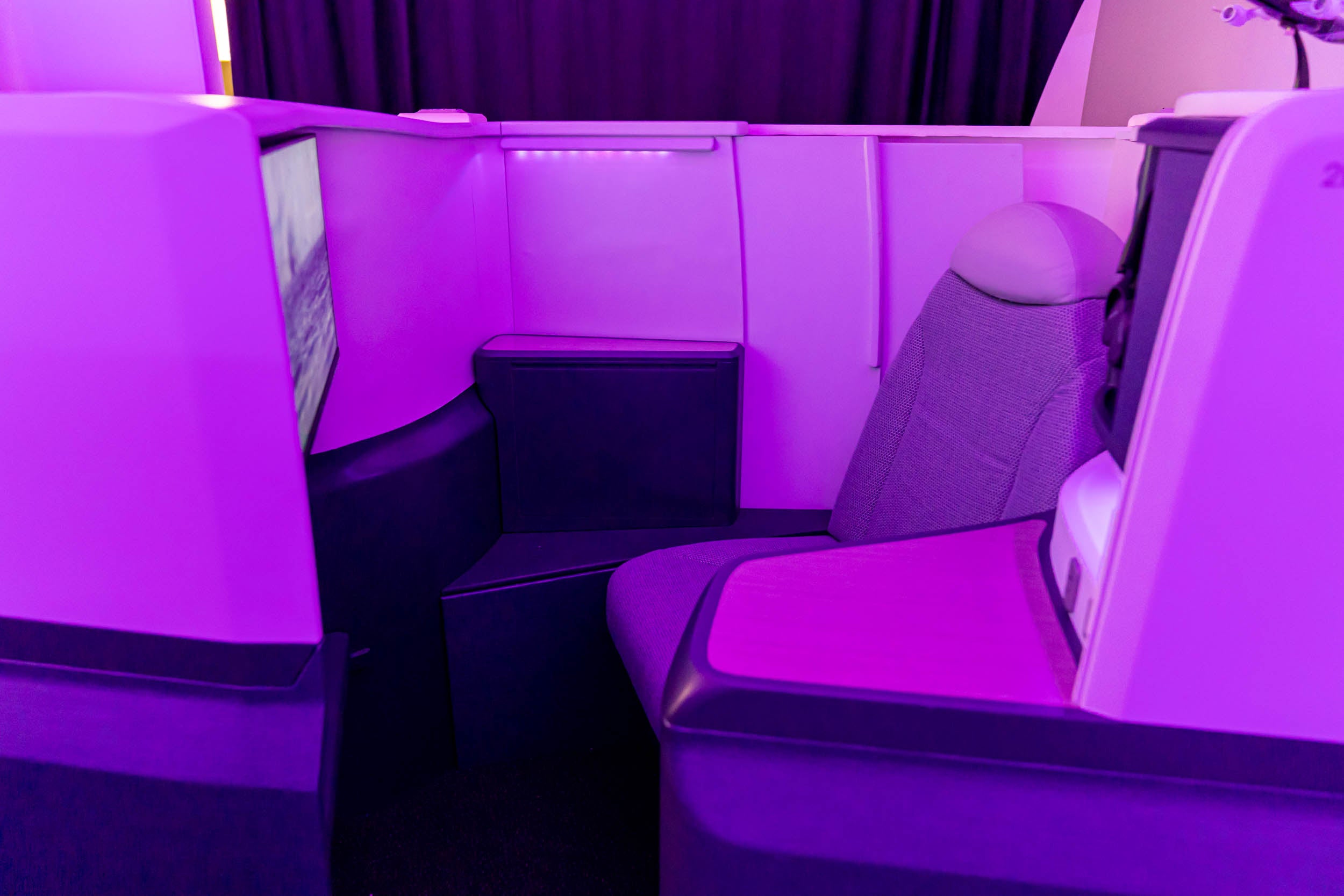
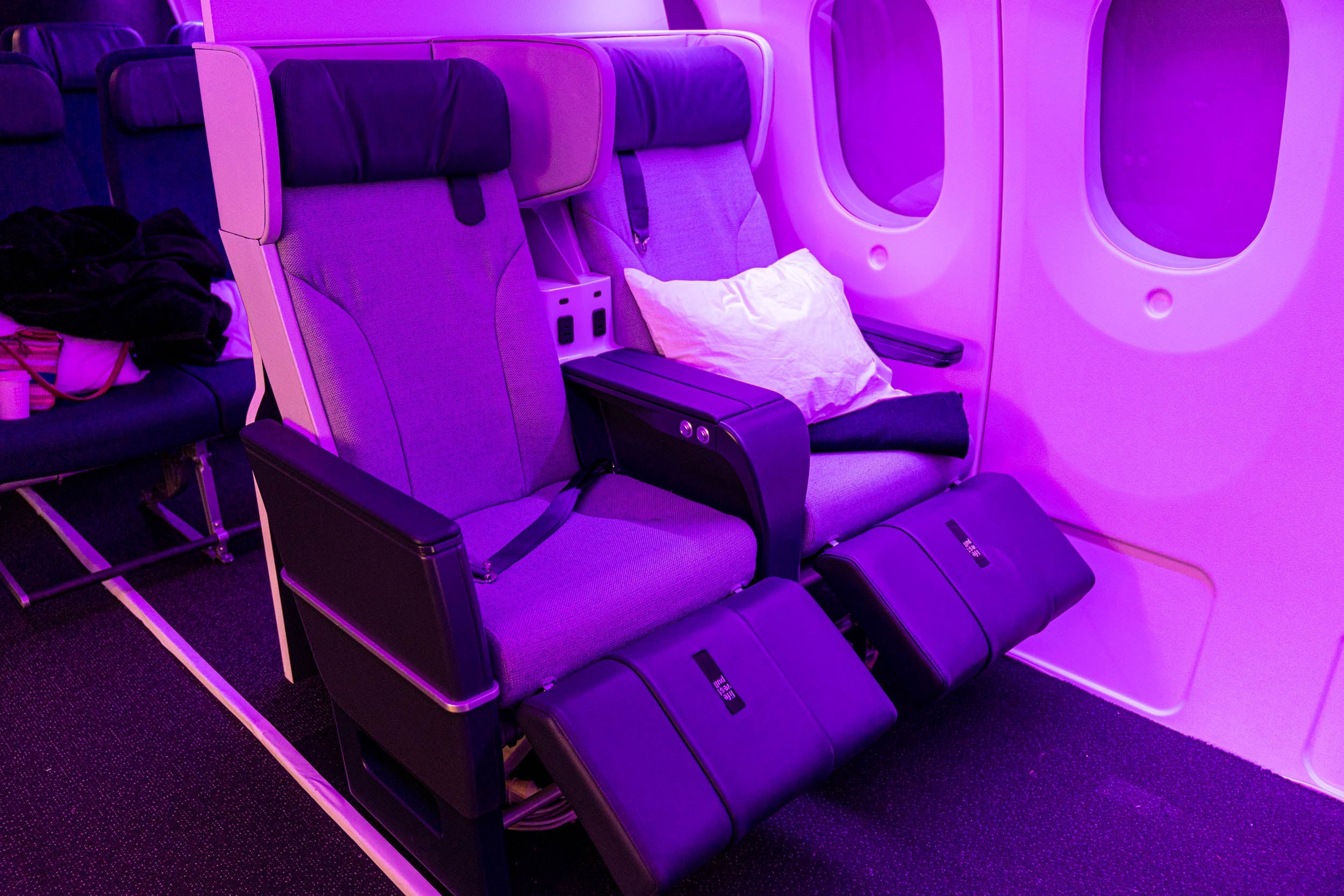
Inside that room, you'll find the first mockup of the new Air Zealand cabin, featuring scale replicas of its new business-class seats, along with a premium economy and coach cabin.

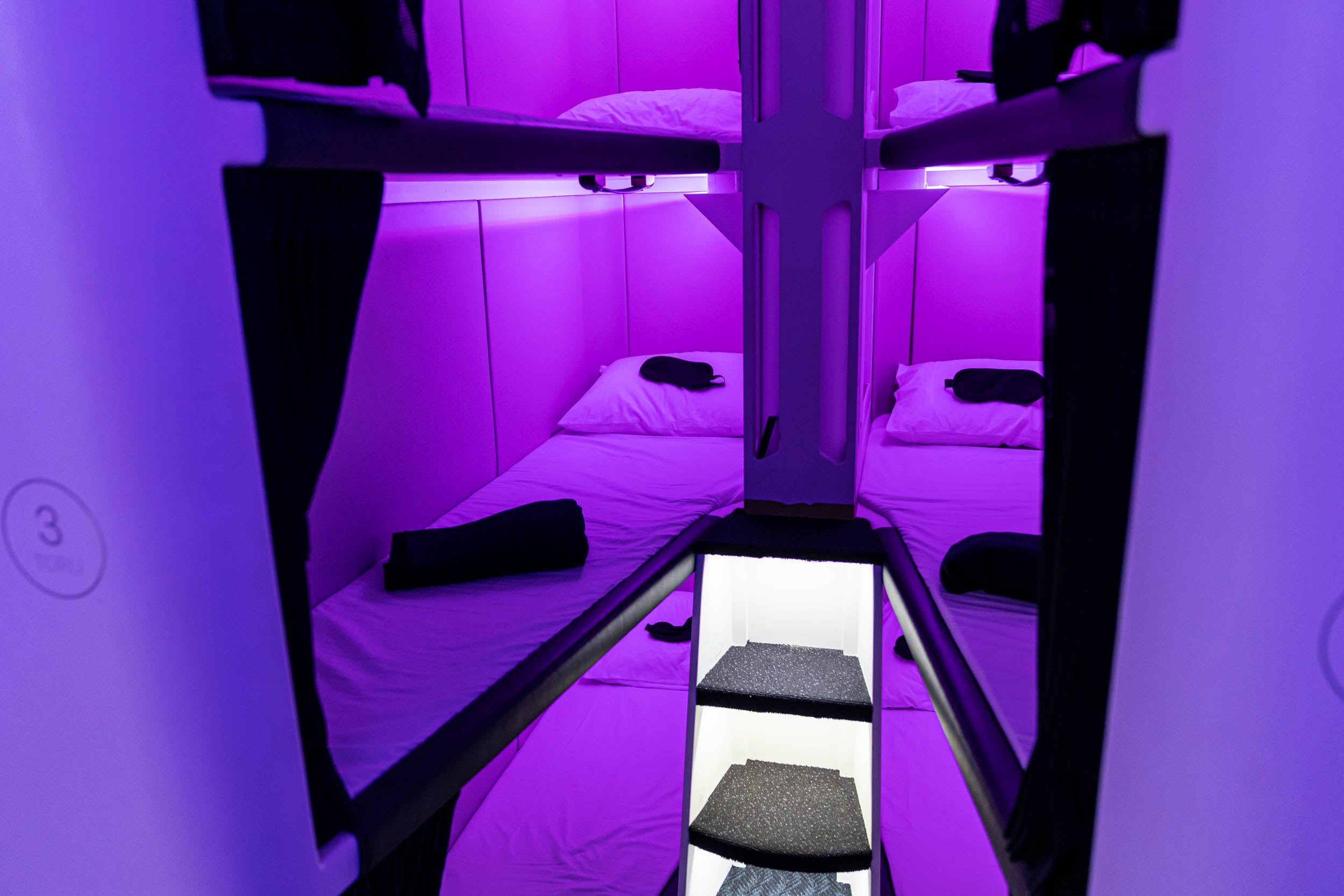
At the very back of the "cabin," next to the coach seats, sits the prototype Skynest.
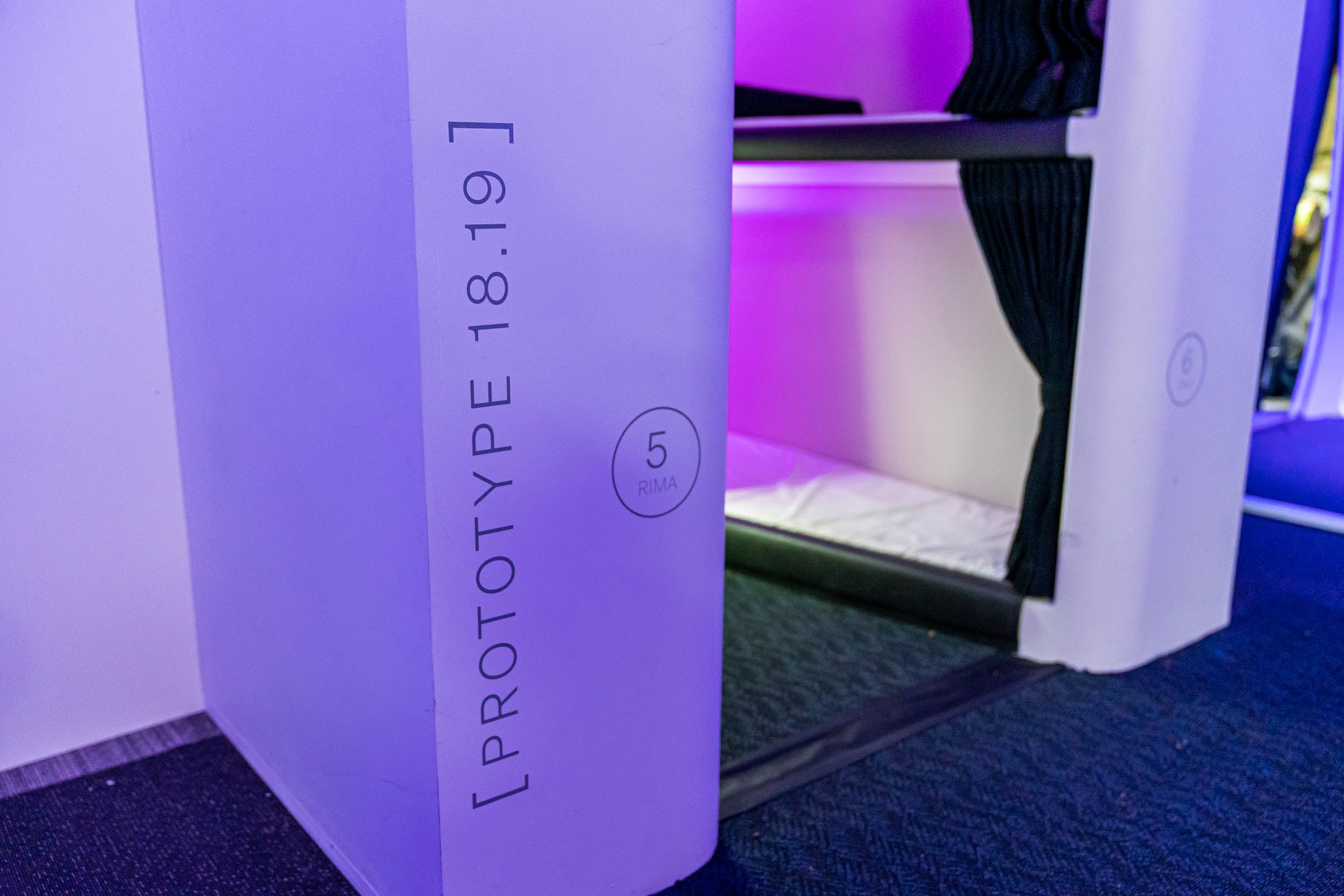
For someone like me who can't fall asleep while sitting up, the value proposition here is immense. It also makes New Zealand a more viable destination. Otherwise, my options are to pay for business class (which I likely couldn't afford or find the award availability for) or stay awake for about 30 hours and hope I can take an early-afternoon nap on the other side.
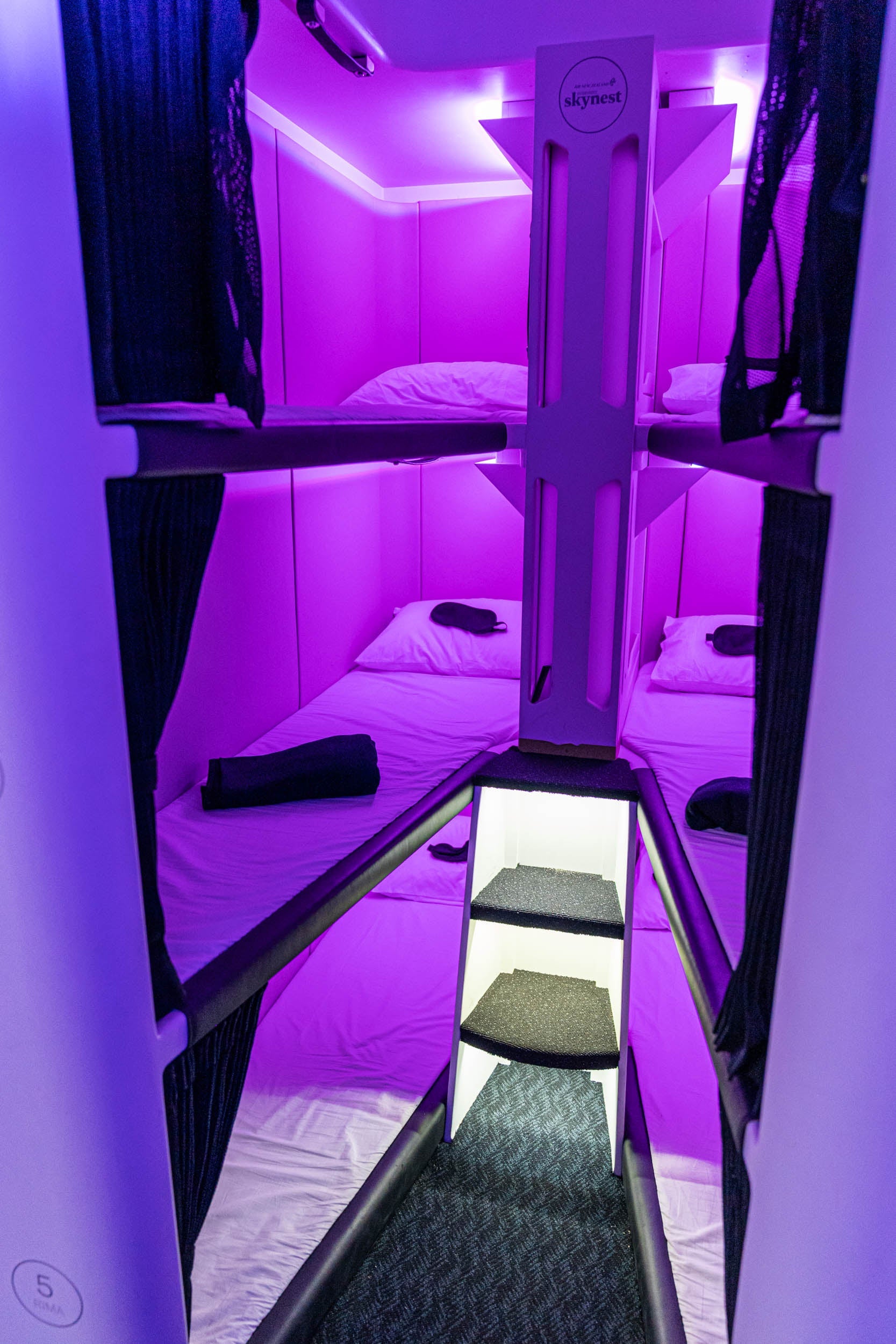
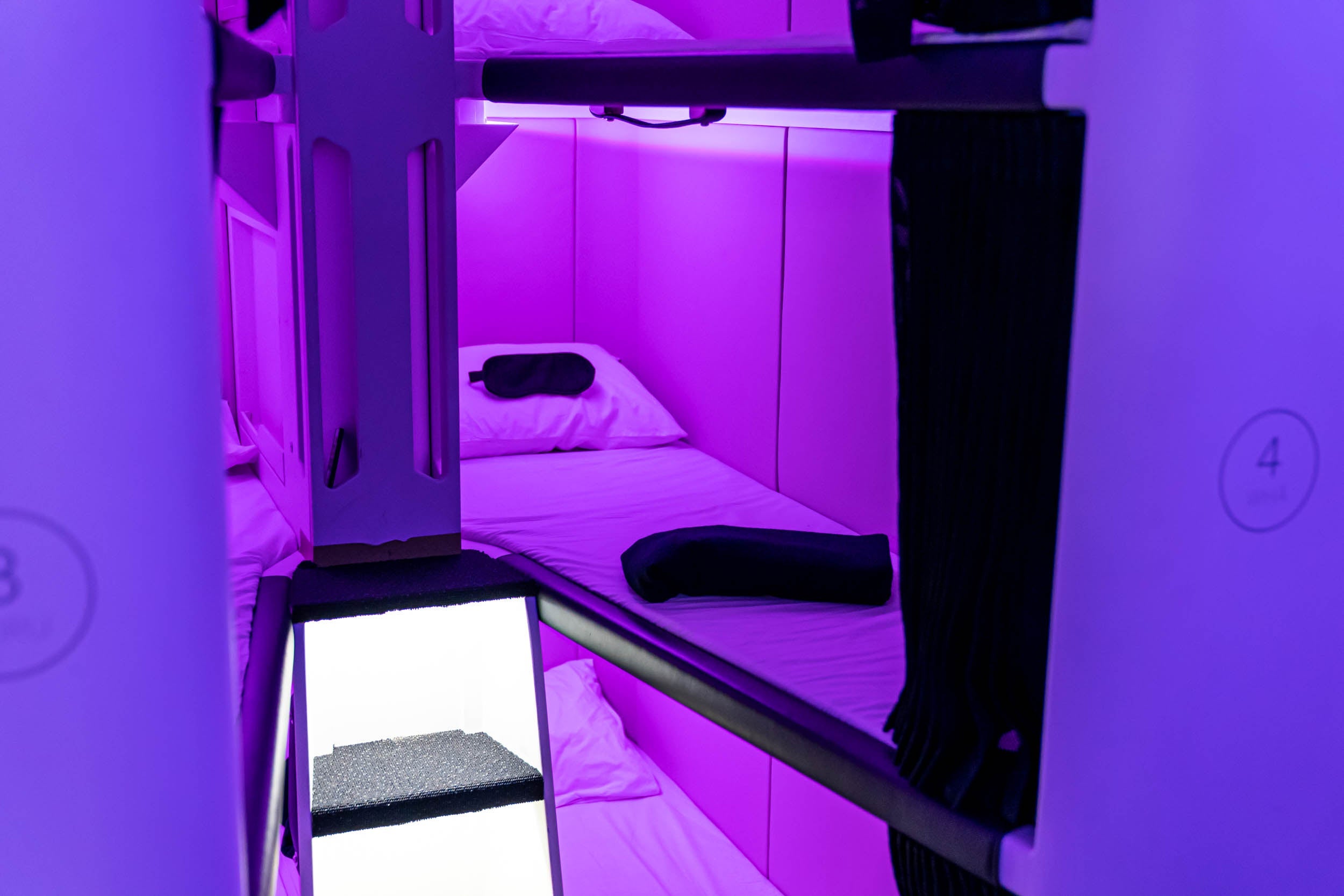
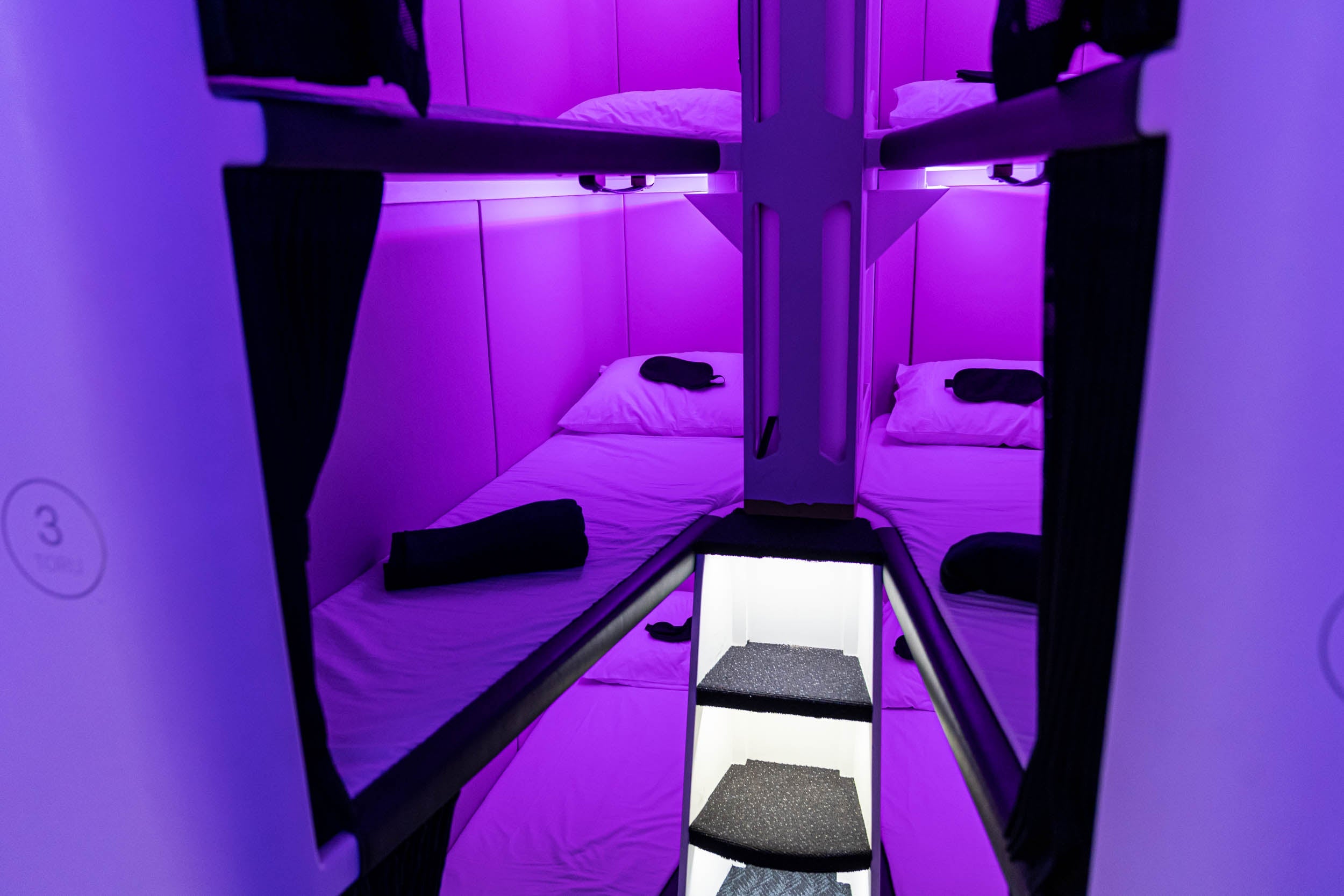
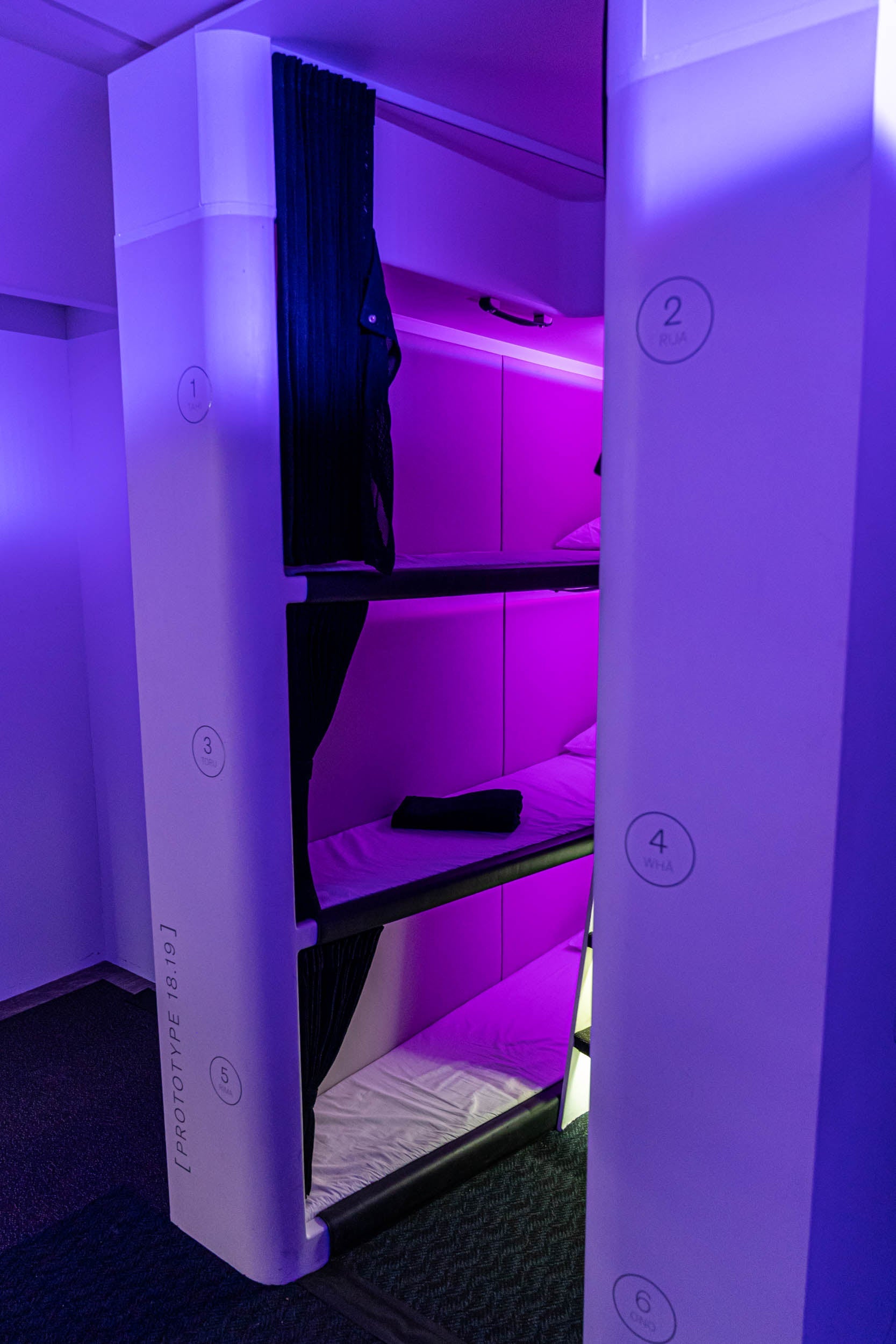
It will likely be some time before the Skynest is available to fly. In the meantime, there's the mock-up in Hangar 22.

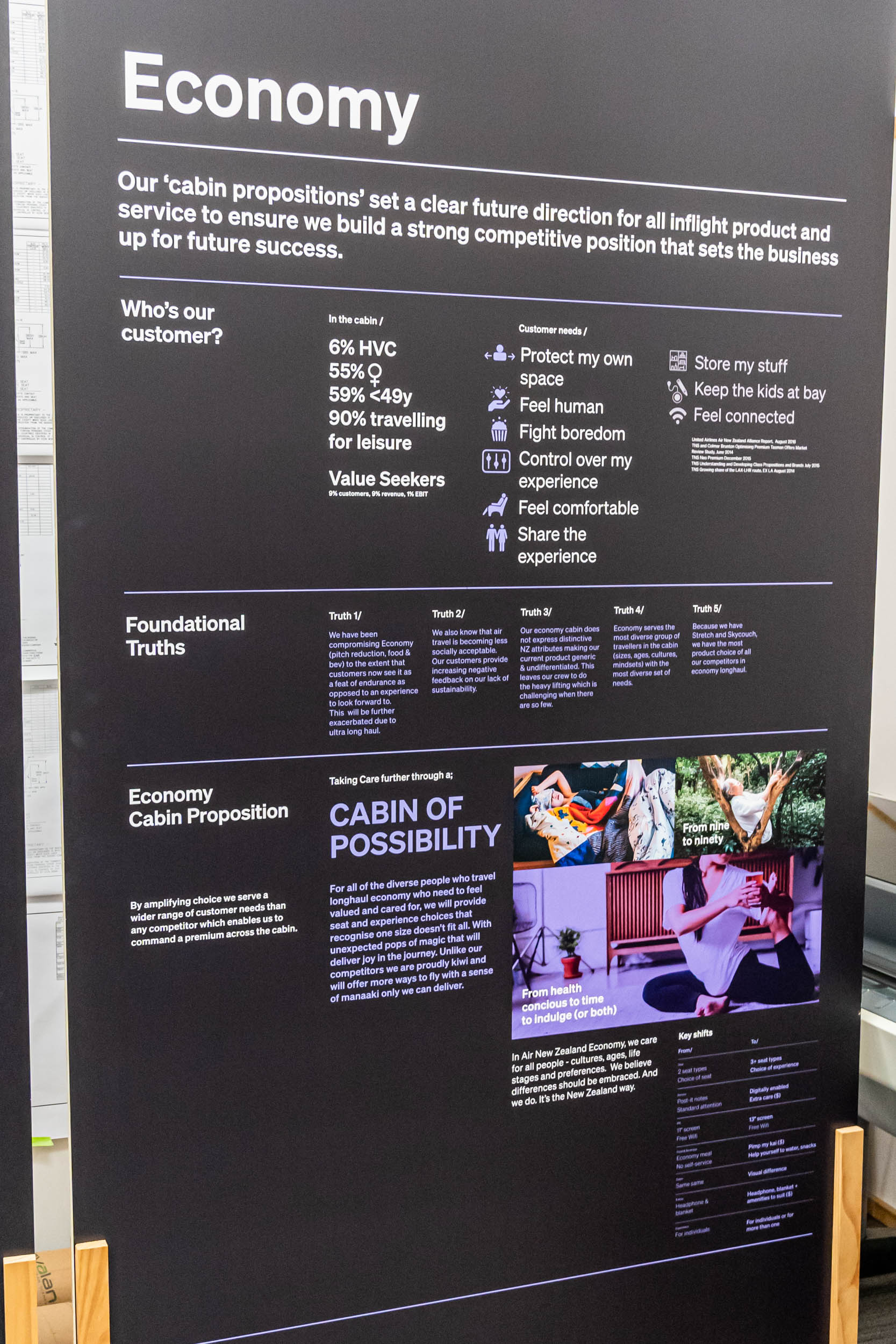
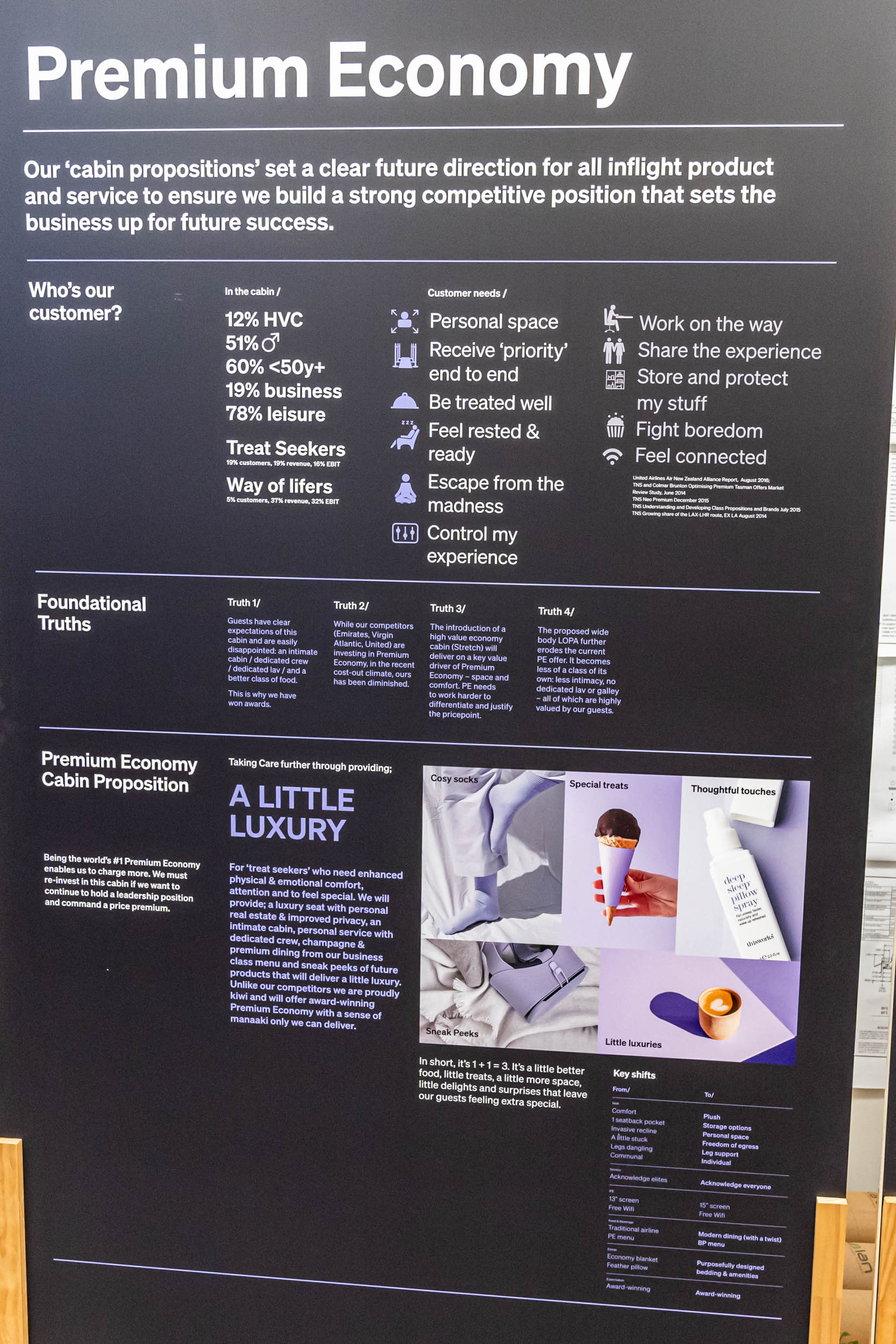

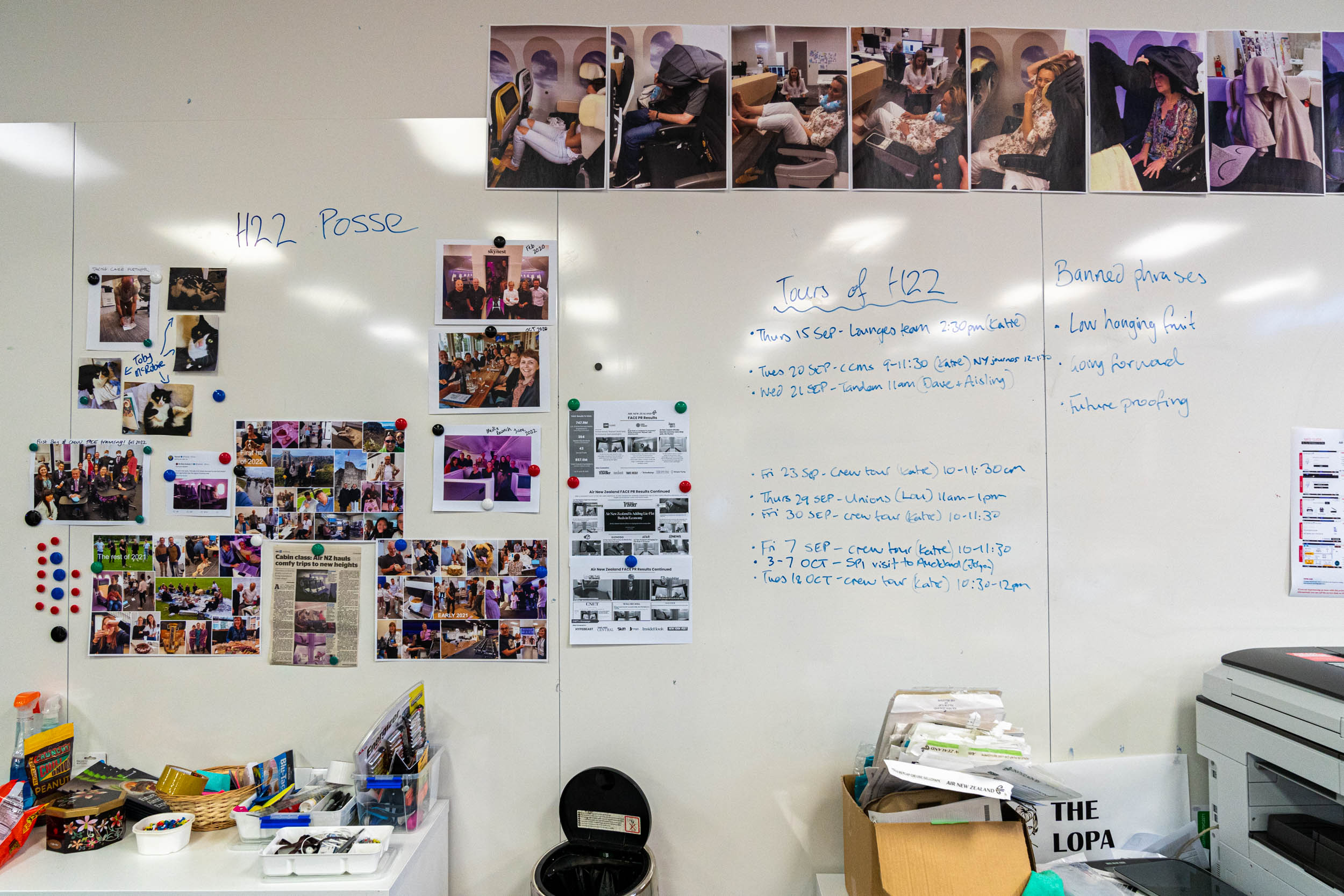
The office looks like what you might see at an architect's firm or an advertising agency. It has an open-concept design with a few desks and tables as well as renderings, charts and sketches adorning the walls. Overall, there's an informal, creative vibe.
Most airlines have product teams that focus on cabin design and service offerings — everything from seat material to in-flight entertainment to the meal service flow.
However, Air New Zealand's hangar is unique in its single-purpose design as well as its focus on customer experience — and that air of secrecy. This made touring the space all the more special.
TPG featured card
at American Express's secure site
Terms & restrictions apply. See rates & fees.
| 4X | Earn 4X Membership Rewards® points per dollar spent on purchases at restaurants worldwide, on up to $50,000 in purchases per calendar year, then 1X points for the rest of the year. |
| 4X | Earn 4X Membership Rewards® points per dollar spent at US supermarkets, on up to $25,000 in purchases per calendar year, then 1X points for the rest of the year. |
| 5X | Earn 5X Membership Rewards® points on prepaid hotel stays booked through AmexTravel.com or the Amex Travel App™. |
| 3X | Earn 3X Membership Rewards® points on flights booked through AmexTravel.com, the Amex Travel App™, or purchased directly from airlines. |
| 2X | Earn 2X Membership Rewards® points on prepaid car rentals booked through AmexTravel.com or the Amex Travel App™ and cruises booked and paid through AmexTravel.com. |
| 1X | Earn 1X Membership Rewards® point per dollar spent on all other eligible purchases. |
Pros
- Valuable dining and food-related credits
- Flexible rewards with airline and hotel transfer partners
- Multiple travel and purchase protections
- No foreign transaction fees
- Access to Amex Offers for additional savings (enrollment required)
Cons
- Not as useful for those living outside the U.S.
- Some may have trouble using Uber and other dining credits
- You may be eligible for as high as 100,000 Membership Rewards® Points after you spend $8,000 in eligible purchases on your new Card in your first 6 months of Card Membership. Welcome offers vary and you may not be eligible for an offer. Apply to know if you’re approved and find out your exact welcome offer amount – all with no credit score impact. If you’re approved and choose to accept the Card, your score may be impacted.
- Earn 4X Membership Rewards® points per dollar spent on purchases at restaurants worldwide, on up to $50,000 in purchases per calendar year, then 1X points for the rest of the year.
- Earn 4X Membership Rewards® points per dollar spent at US supermarkets, on up to $25,000 in purchases per calendar year, then 1X points for the rest of the year.
- Earn 5X Membership Rewards® points on prepaid hotel stays booked through AmexTravel.com or the Amex Travel App™.
- Earn 3X Membership Rewards® points on flights booked through AmexTravel.com, the Amex Travel App™, or purchased directly from airlines.
- Earn 2X Membership Rewards® points on prepaid car rentals booked through AmexTravel.com or the Amex Travel App™ and cruises booked and paid through AmexTravel.com.
- Earn 1X Membership Rewards® point per dollar spent on all other eligible purchases.
- Pay It® lets you tap in the American Express® App to quickly pay for small purchase amounts throughout the month and still earn rewards the way you usually do. Plan It® gives you the option to split up big purchases into equal monthly payments with a fixed fee. You’ll know upfront exactly how much you’ll pay.
- $120 Dining Credit: Earn up to a total of $10 in statement credits monthly when you pay with the Gold Card at Grubhub (including Seamless), Buffalo Wild Wings, Five Guys, The Cheesecake Factory, and Wonder. This can be an annual savings of up to $120. Enrollment required.
- $100 Resy Credit: Get up to $100 in statement credits each calendar year at over 10,000 qualifying U.S. Resy restaurants after you pay for eligible purchases with the American Express® Gold Card. That’s up to $50 in statement credits semi-annually. Enrollment required.
- $84 Dunkin' Credit: Earn up to $7 in monthly statement credits after you pay with the American Express® Gold Card at U.S. Dunkin’ locations. Enrollment required.
- $120 Uber Cash on Gold: Enjoy up to $120 in Uber Cash annually with your Gold Card. Just add your Card to your Uber account and you'll get $10 in Uber Cash each month to use on orders and rides in the U.S. when you select an Amex Card for your transaction.
- Enjoy complimentary Hertz Five Star® Status benefits like skipping the counter at select locations, adding an additional driver at no additional cost*, and vehicle upgrades**. Benefit enrollment and Hertz Gold+ registration are required. *Additional drivers must meet standard rental qualifications and must be a spouse or domestic partner to qualify as complimentary. Other additional drivers subject to fees. **Benefits are subject to availability and vary by location. Additional Hertz program Terms and Conditions including age restrictions apply.
- Book two nights or more with The Hotel Collection through AmexTravel.com or the Amex Travel App™ and receive a $100* credit towards eligible charges at over 1,400 upscale hotels worldwide. *Eligible charges vary by property.
- Book your travel through the Amex Travel App™ with added peace of mind – backed by American Express® service and support. Only for American Express® Card Members.
- Whenever you need us, we're here. Our Member Services team will ensure you are taken care of. From lost Card replacement to statement questions, we are available to help 24/7.
- No Foreign Transaction Fees.
- Annual Fee is $325.
- Terms Apply.