3 ways the TSA experience will be different next time you fly

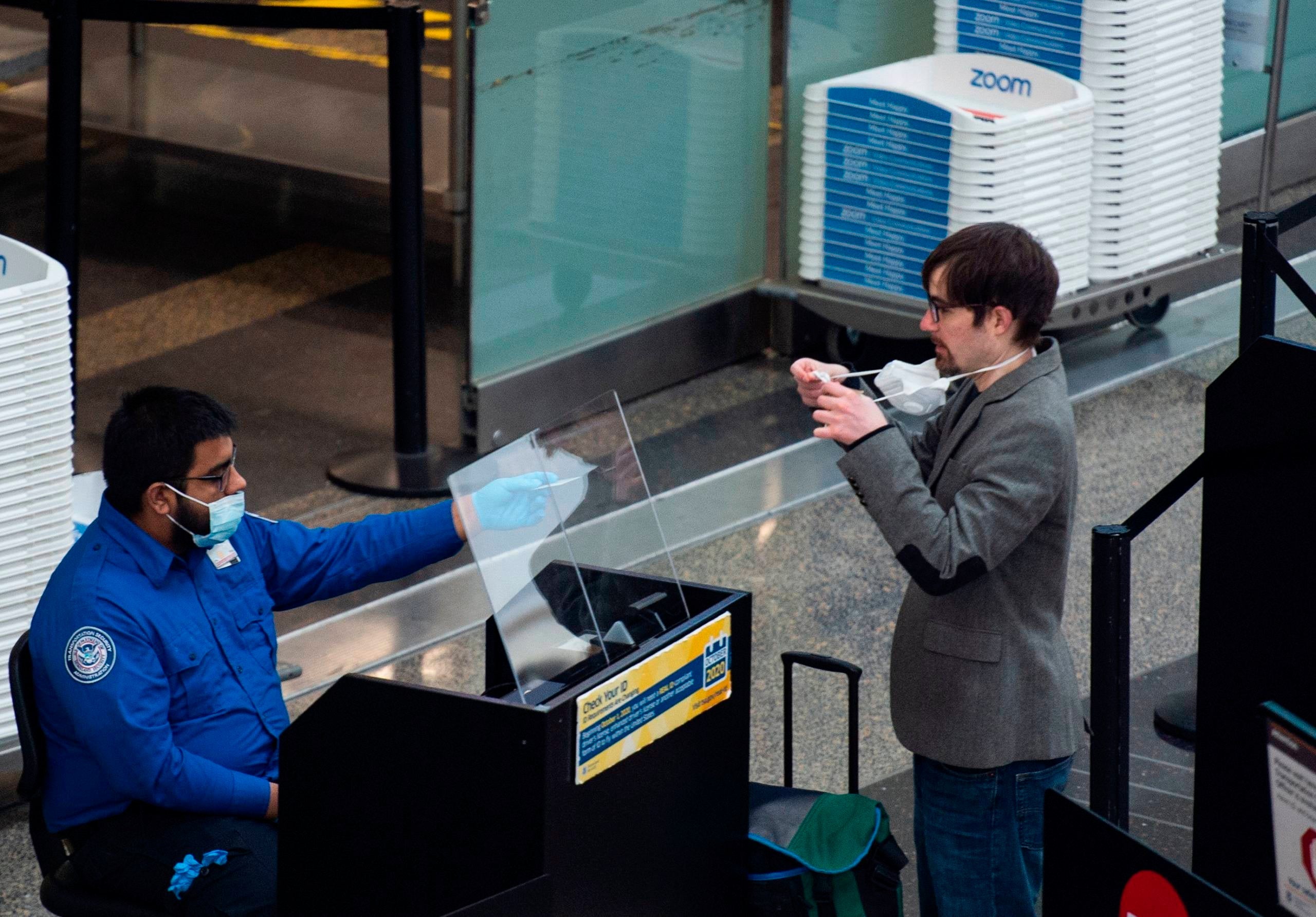
Coronavirus is changing just about every aspect of the air travel experience.
Airlines are beefing up their cleaning procedures, flight attendants are increasingly wearing masks and many airlines are changing their inflight food and beverage services.
But the changes aren't just happening onboard. Airports and even the Transportation Security Administration also are altering the way things are done on the ground in an effort to prevent travelers from getting sick.
Sign up for the free daily TPG newsletter for more aviation news.
Here are a few key changes the TSA is implementing so you know what to expect next time you have to go through airport security:
Scan your own boarding pass
If you're a mobile boarding pass loyalist, this isn't really a change. But, if you're like TPG's Alberto Riva and prefer the old-school hard copy, you're going to have to get accustomed to scanning the barcode yourself.
After scanning, you'll be required to hold the pass up so the TSA officer can visually inspect it.
Related: Delta will add flights to keep planes from filling up through July.
Not handing your ticket over means eliminates a touchpoint between flyers and agents, helping reduce the possibility of contagion, the TSA said in announcing the change on Thursday.

Separate your food
Food regularly sets off alarms at TSA checkpoints, the agency said. When it does, agents have to conduct secondary bag inspections.
To combat that issue, and remove another potential instance of physical contact, travelers will now be required to remove food from their luggage and put it through the scanner in a clear plastic bag.
Related: United's latest onboard distancing policy won't cost the airline a cent.
Separate scans for food make it less likely that TSA officers will need to conduct secondary bag screenings. The TSA has been asking travelers to do this at some airports at least since 2018, but now the agency appears to be rolling out the food policy more broadly. Either way, it does not apply to TSA PreCheck members.
Guide: Top credit cards for Global Entry and TSA PreCheck.
Social distance and wear a mask
Travelers already likely have social distancing and mask usage top of mind these days, and that's being address at TSA checkpoints, too.
While the TSA acknowledges that no two airports are exactly alike, the agency said most checkpoints now have markers in security lanes to encourage physical distancing. And all TSA agents are now required to wear masks and gloves.
Travelers are also encouraged to wear masks, though they may have to adjust the face covering as part of the screening process. Also keep in mind that many U.S. airports are introducing policies that require all visitors to wear masks on airport grounds.
Read more: Health screenings could be coming to U.S. airports.
When going through checkpoints, the TSA recommends that passengers minimize their bin use by placing items like wallets and belts inside carry-on bags for screening.
TPG featured card

at Capital One's secure site
Terms & restrictions apply. See rates & fees.
| 5X miles | Earn 5X miles on hotels, vacation rentals and rental cars booked through Capital One Travel |
| 2X miles | Earn unlimited 2X miles on every purchase, every day |
Pros
- Stellar welcome offer of 75,000 miles after spending $4,000 on purchases in the first three months from account opening. Plus, a $250 Capital One Travel credit to use in your first cardholder year upon account opening.
- You'll earn 2 miles per dollar on every purchase, which means you won't have to worry about memorizing bonus categories
- Rewards are versatile and can be redeemed for a statement credit or transferred to Capital One’s transfer partners
Cons
- Highest bonus-earning categories only on travel booked via Capital One Travel
- LIMITED-TIME OFFER: Enjoy $250 to use on Capital One Travel in your first cardholder year, plus earn 75,000 bonus miles once you spend $4,000 on purchases within the first 3 months from account opening - that’s equal to $1,000 in travel
- Earn unlimited 2X miles on every purchase, every day
- Earn 5X miles on hotels, vacation rentals and rental cars booked through Capital One Travel
- Miles won't expire for the life of the account and there's no limit to how many you can earn
- Receive up to a $120 credit for Global Entry or TSA PreCheck®
- Use your miles to get reimbursed for any travel purchase—or redeem by booking a trip through Capital One Travel
- Enjoy a $50 experience credit and other premium benefits with every hotel and vacation rental booked from the Lifestyle Collection
- Transfer your miles to your choice of 15+ travel loyalty programs
- Top rated mobile app