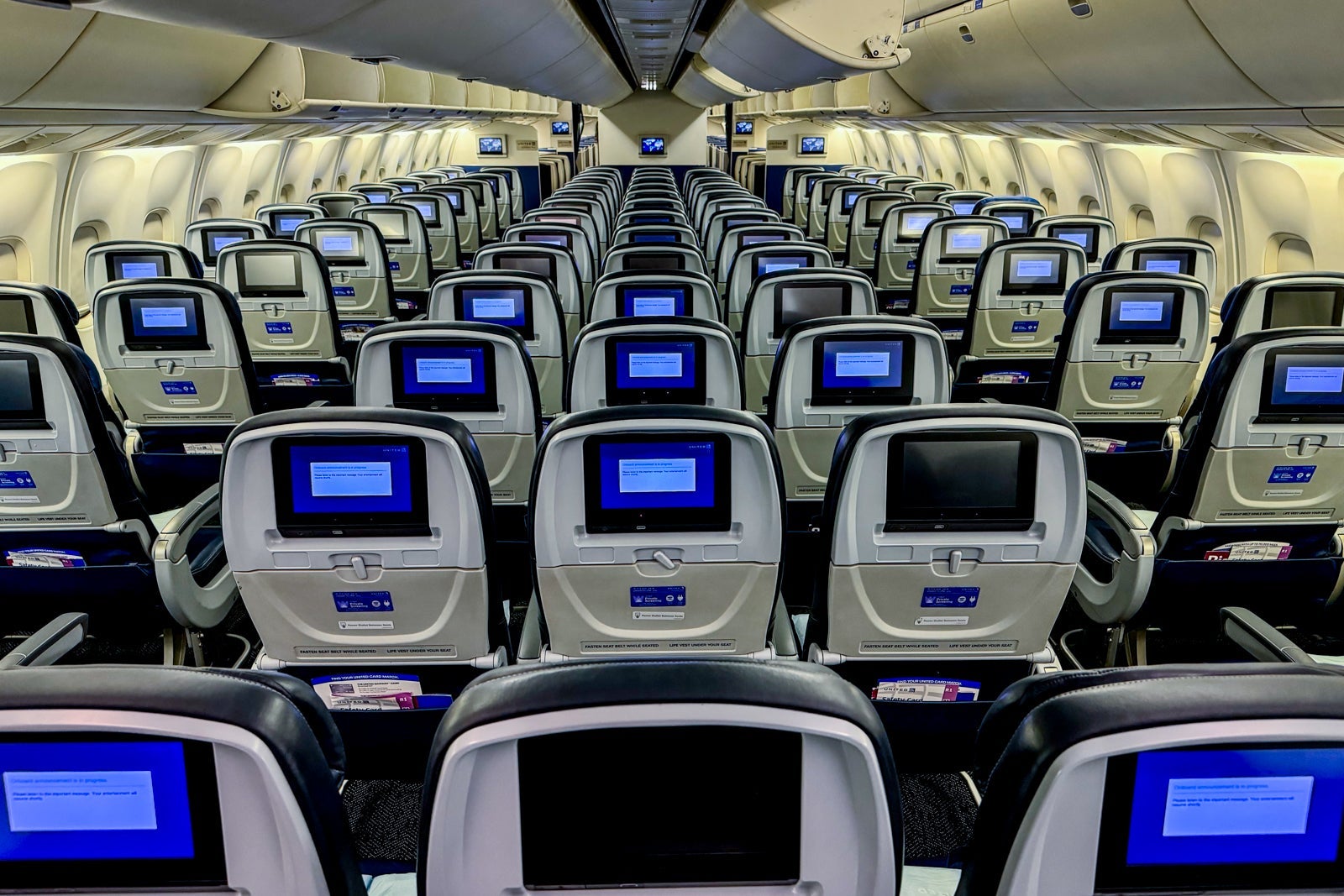
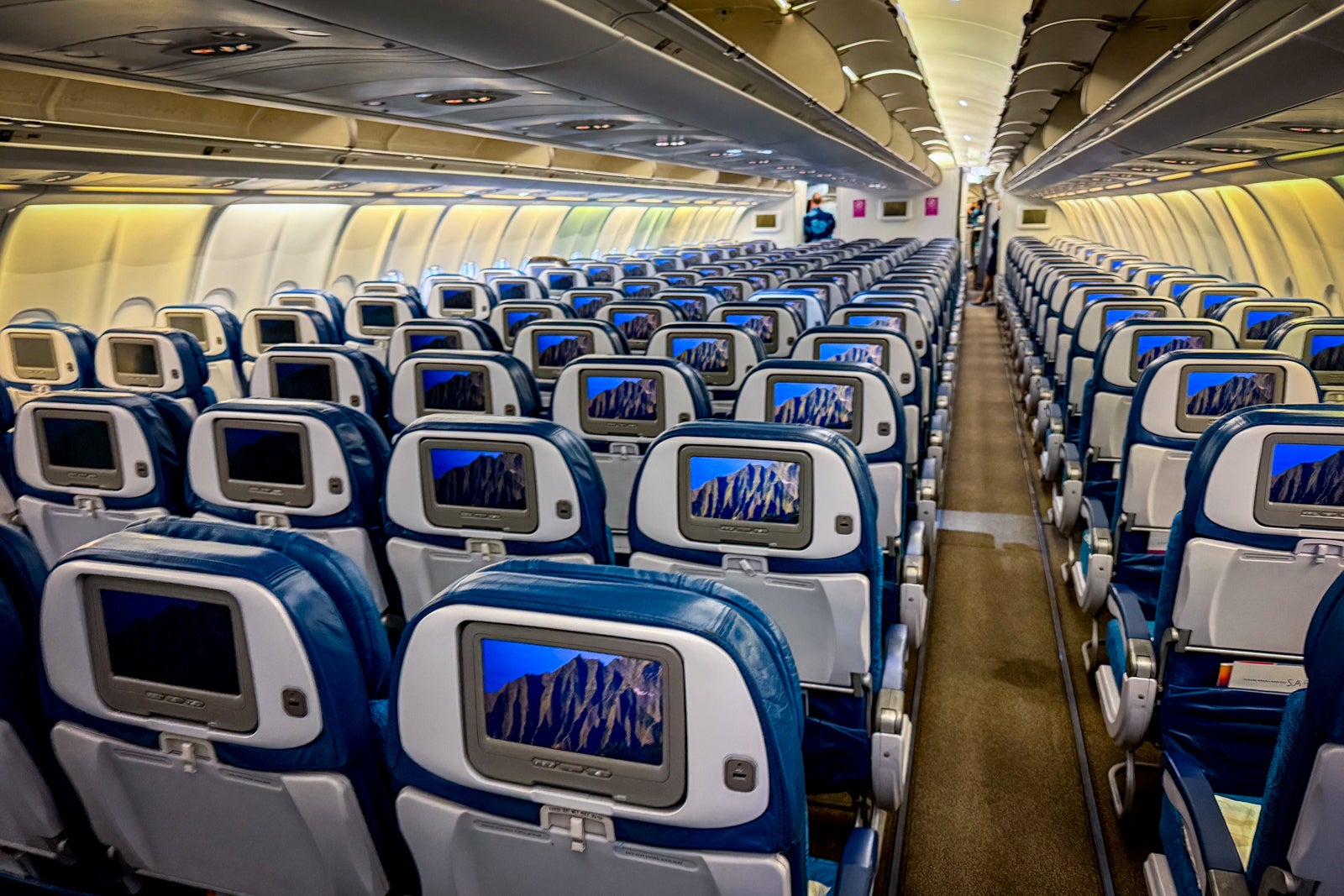
The airline industry's most restrictive fare class, basic economy, sits below standard economy in price and strips away features travelers typically expect. Restrictions vary by carrier, but most basic economy tickets come with no advance seat selection, last-boarding-group placement, no changes or refunds after purchase and reduced or eliminated miles earning. Delta Air Lines pioneered the fare type in the U.S. in 2012; today, virtually every major domestic carrier offers some version of it under different names.
TL;DR / Key Takeaways
- Basic economy is the lowest-priced fare class on most major U.S. airlines, but the savings come with meaningful restrictions on bags, seats, flexibility and miles earning.
- Restrictions vary by carrier: United restricts carry-on bags to a personal item only on most domestic routes, while Delta and American allow a full-size carry-on.
- All three major U.S. carriers (Delta, United, American) now restrict or eliminate miles and status earning on basic economy fares.
- Basic economy makes the most sense for travelers who pack light, have no checked bags, are certain their plans will not change and are not pursuing elite status.
- Holding an eligible cobranded airline card can waive some restrictions, such as carry-on access and boarding priority, even on a basic fare.
What does basic economy include, and what does it take away?
Basic economy occupies a tier below standard economy on the fare ladder. You get the same seat in the same cabin, but most of the control and perks that come with a regular economy ticket are stripped away.
The specific restrictions depend on which airline you’re flying, but these apply across nearly all U.S. carriers:
- No advance seat selection at no charge: You are assigned a seat at check-in, often a middle seat.
- Last boarding group: You board after most other passengers, which can mean limited overhead bin space.
- No changes or refunds: If your plans change, you generally forfeit the fare. Some airlines offer a limited travel credit for cancellations made within certain windows.
- Reduced or zero miles and status earning: Delta stopped awarding SkyMiles on basic economy fares in 2021. American eliminated AAdvantage miles and Loyalty Points earning in December 2025. United followed in April 2026, cutting miles earning for basic economy fares.
The biggest point of divergence across carriers is carry-on baggage. Delta (now branding its basic fare as “Main Basic”) allows a full-size carry-on and personal item on most domestic routes. American allows the same. United, by contrast, restricts most basic economy passengers to a personal item only on domestic flights.
| Airline | Basic economy name | Carry-on allowed? | Points or miles earned? |
|---|---|---|---|
| Delta | Main Basic | Yes (most domestic routes) | No |
| American | Basic Economy | Yes | No |
| United | Basic Economy | No (domestic routes) | No |
| Alaska | Saver | Yes | Yes, at 30% of distance flown |
Is basic economy worth it?
The headline price of a basic economy fare can look appealing, but the real question is what you pay once you add everything back in.
If you need to check a bag, the fee alone can erase the savings, and some airlines now charge basic economy passengers a higher bag fee than standard economy passengers. If you want to choose a specific seat or sit next to a travel companion, that may cost extra too.
Basic economy tends to make sense when:
- You are traveling with only a personal item or a carry-on bag (on Delta or American flight).
- Your itinerary is confirmed, and you have no concerns about needing to change or cancel.
- You are not actively pursuing elite status or banking miles for a future redemption.
- The fare gap between basic and standard economy is significant enough to justify the restrictions.
It tends to be a poor fit when traveling with family or a group, since you may not be seated together without paying for seats. It also falls short when your schedule has any uncertainty, or when the total cost of add-ons closes the gap with standard economy.
RELATED: What to know about basic airfare
How to reduce basic economy restrictions
Holding elite status or an eligible cobranded airline card can change the basic economy experience significantly. Most major airlines exempt elite members and cobranded cardholders from at least some restrictions, even when they book the cheapest fare.
The most common waivers available to eligible cardholders and elites include:
- Carry-on access (most useful on United, where the restriction is strictest for standard passengers)
- Earlier boarding relative to the default last-boarding group placement
- Complimentary checked bags, which on routes where you need to check luggage can offset the cost of the basic fare entirely
That said, the scope of waivers has narrowed in recent years. American eliminated upgrade eligibility for elite members on basic economy fares as of May 2026. Delta does not allow basic economy passengers into its Sky Clubs, regardless of card or status. Perks may also vary by partner carrier on codeshare flights.
If you find yourself booked in basic economy without status or a cobranded card, the most practical steps are packing everything into a compliant personal item, checking in as early as possible to get the best auto-assigned seat, and bringing anything you need during the flight in your personal item rather than counting on overhead bin access.