Please give us your attention as we explain the safety features of your inflight briefing

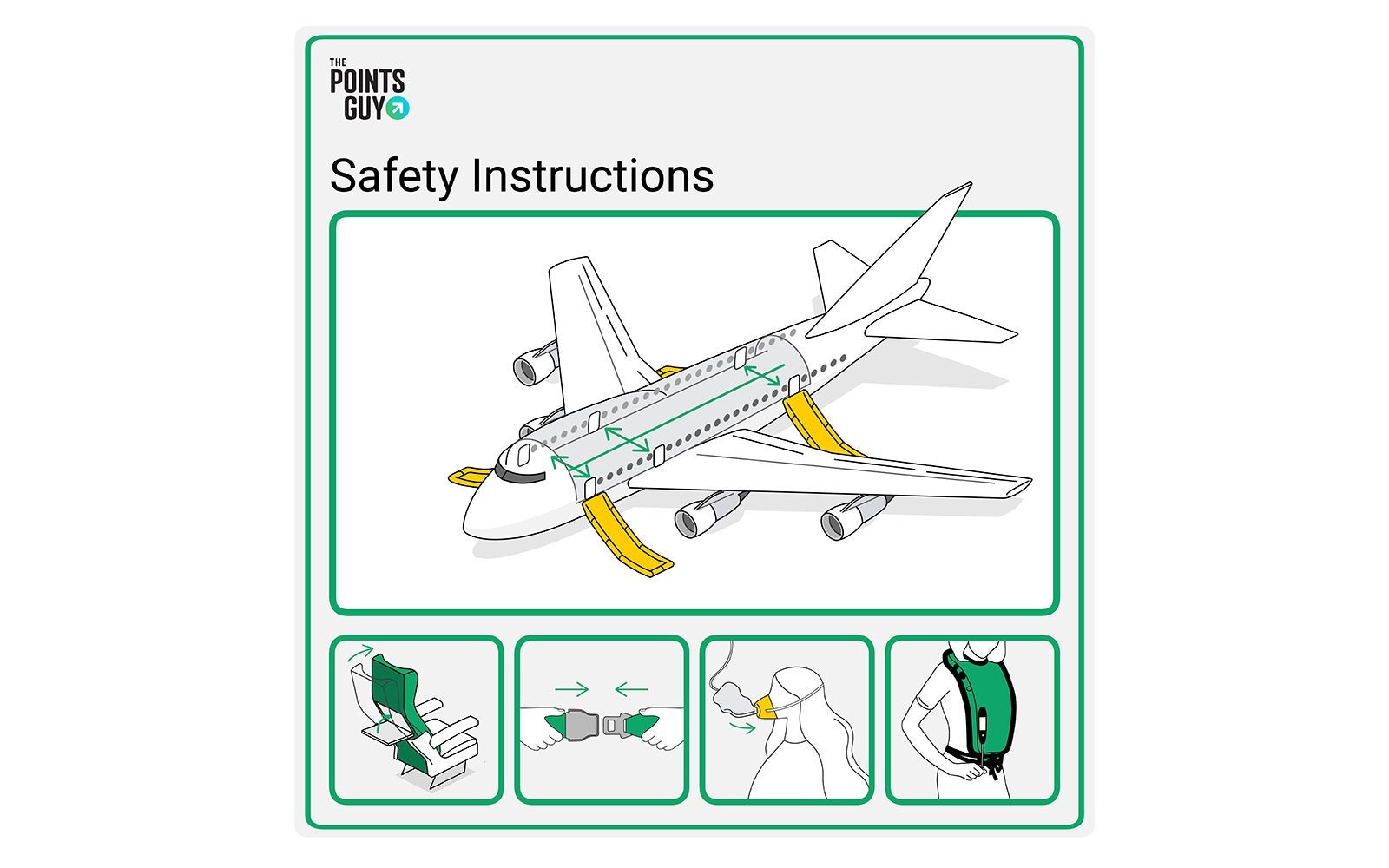
Coronavirus has almost all of us grounded, so it's probably been a while since you've heard a preflight safety briefing, and longer since you gave it any attention.
As we fantasize about getting on a plane again, we at TPG thought it'd be a good time to look under the hood of that once-familiar speech.
For starters, have you ever wondered why every airline seems to do theirs slightly differently? From Southwest's folksy approach to American's video demonstration that commands flyers to "buckle those belts," each airline's safety briefing might seem distinct. And, it's true – most airlines have their own style. But, beyond that, there actually is a structure that all U.S. airlines must meet to have their briefings approved by the Federal Aviation Administration.
To get the details on what's needed, TPG asked Sara Nelson, president of the Association of Flight Attendants (AFA), which represents cabin crew members from 20 airlines, and AFA spokeswoman Taylor Garland, to walk us through the most common elements of the briefing and explain their purpose.
"In general, a passenger who listens to the safety briefing is a safer passenger," Nelson said.
Every airline's safety briefing is slightly different, but they are all reviewed by the FAA, which also dictates what the videos or announcements must cover. That's why they all contain the same basic elements.
If you've ever wondered why some things are included, here's everything you need to know about the key elements of the briefings, and an explanation of why they're brought to your attention before every flight. Sit back, relax and enjoy your primer.
Posted signs and placards
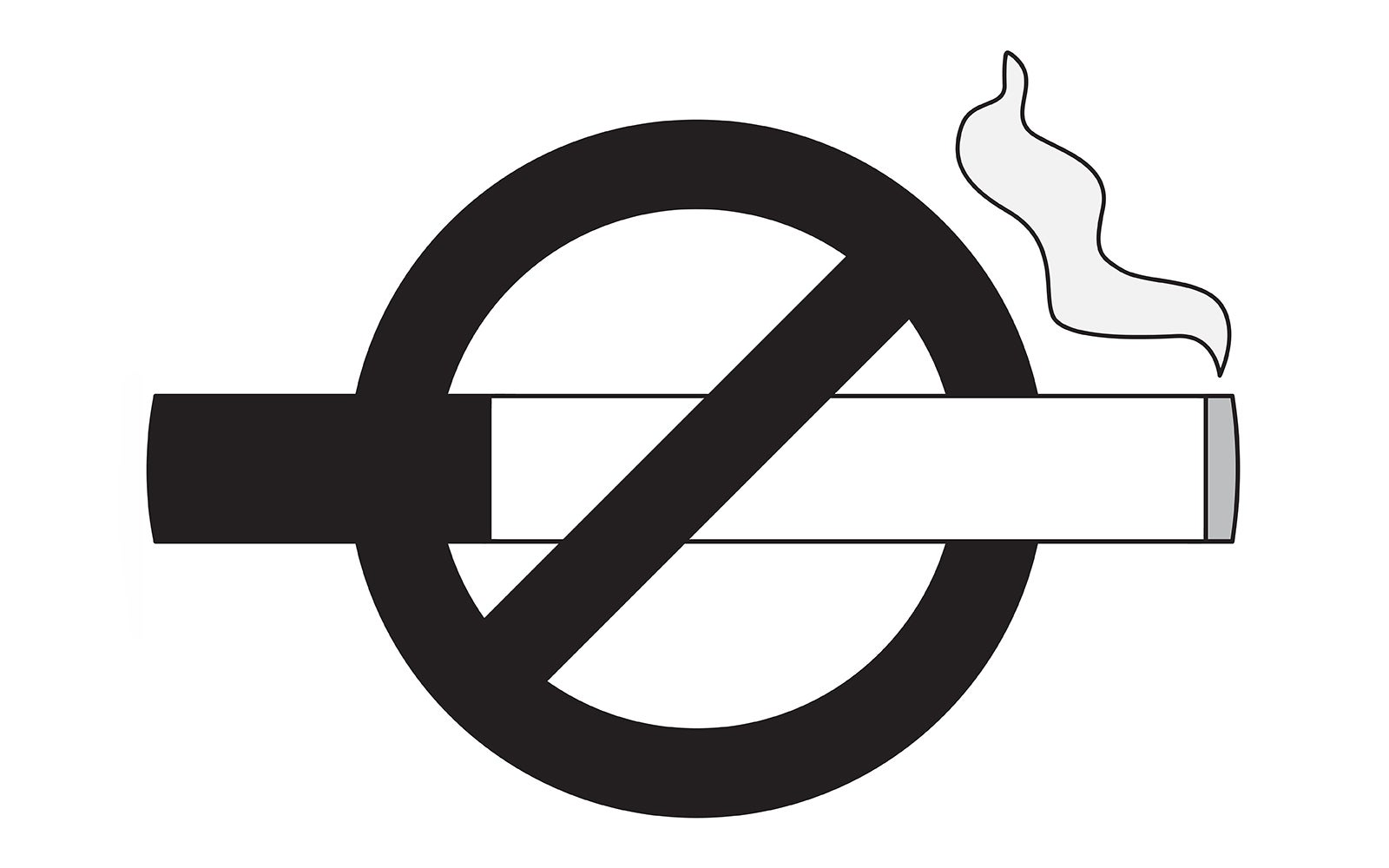
Signs and placards give important, often legally binding info to passengers, and none is more familiar to travelers than the no smoking sign.
There's a reason they're displayed so prominently at every row and in other locations on planes, according to Garland. Fire, she said, "is one of the most dangerous things that can happen on an aircraft."

That's also why airplane lavatories still have ashtrays — cabin crews need a safe place to snuff out the butts of inflight lawbreakers.
Fire is also the main reason why battery-powered devices are increasingly being banned from checked bags. If it's not in the cabin, Garland said, "fire is harder to recognize as quickly and deal with."
Even in the cabin, fire can be dangerous, and that's why it's important to be careful with your electronics. Flight attendants increasingly make announcements about not adjusting your seat if you drop your phone or tablet, and that's because, if you accidentally crack your device in the process, it has a higher chance of igniting.
Seat belts
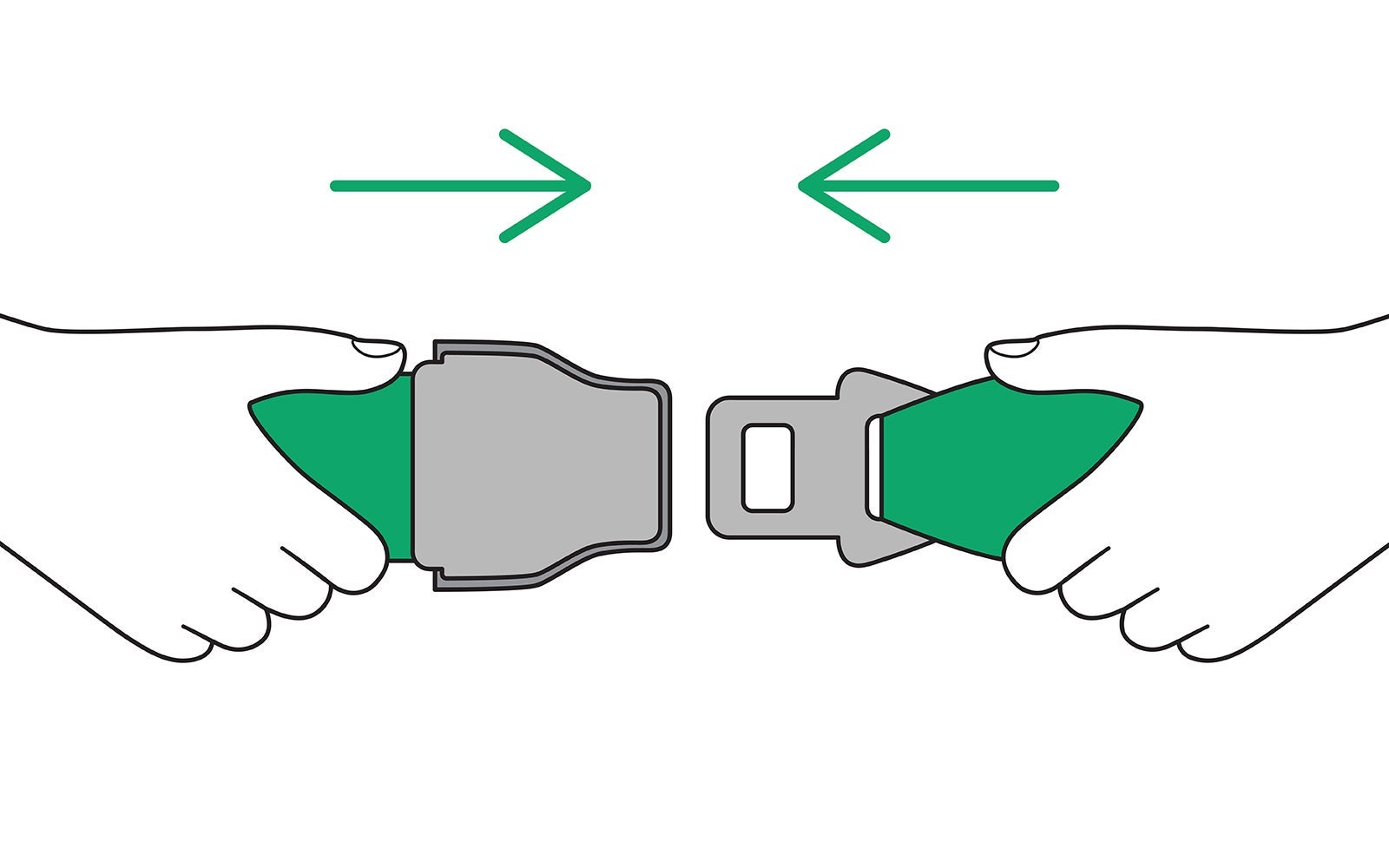
"When the seat belt sign is on, you need to be in your seat. Some people think that's a suggestion. It's not, it is a federal regulation," Garland said.
In turbulence, "you yourself can become a projectile if you are not restrained."
While pilots often get advanced warnings from their instruments and other pilots about bumps in the air, airplanes do sometimes encounter unforeseen "clear-air" turbulence. That's especially dangerous because passengers are less likely to be strapped in when it happens. Turbulence-related incidents are becoming more common as a result of climate change, and that's why it's so important to stay buckled in as much as possible.
Garland said taking your seat belt off at cruising altitude is just like unfastening while speeding down the highway in your car.
"You would never in your life think, 'oh, I'm in the middle of this drive, let me unbuckle my seat belt,'" she said. "It's the same thought process there. Yes, you're dealing with turbulence on a plane versus other cars or things on the road," but the danger of unexpected, serious injury is similar in both situations.
As for why passengers still need to be told how their seat belt works, Garland said there are two main reasons. "We have first time passengers all the time. Car seat belts don't operate like airplane seatbelts, and people are confused," she said in an email. "Plus it's a reminder that you have to wear them — you wouldn't believe the number of people who don't wear the seat belt!"
Loss of pressure and the oxygen mask
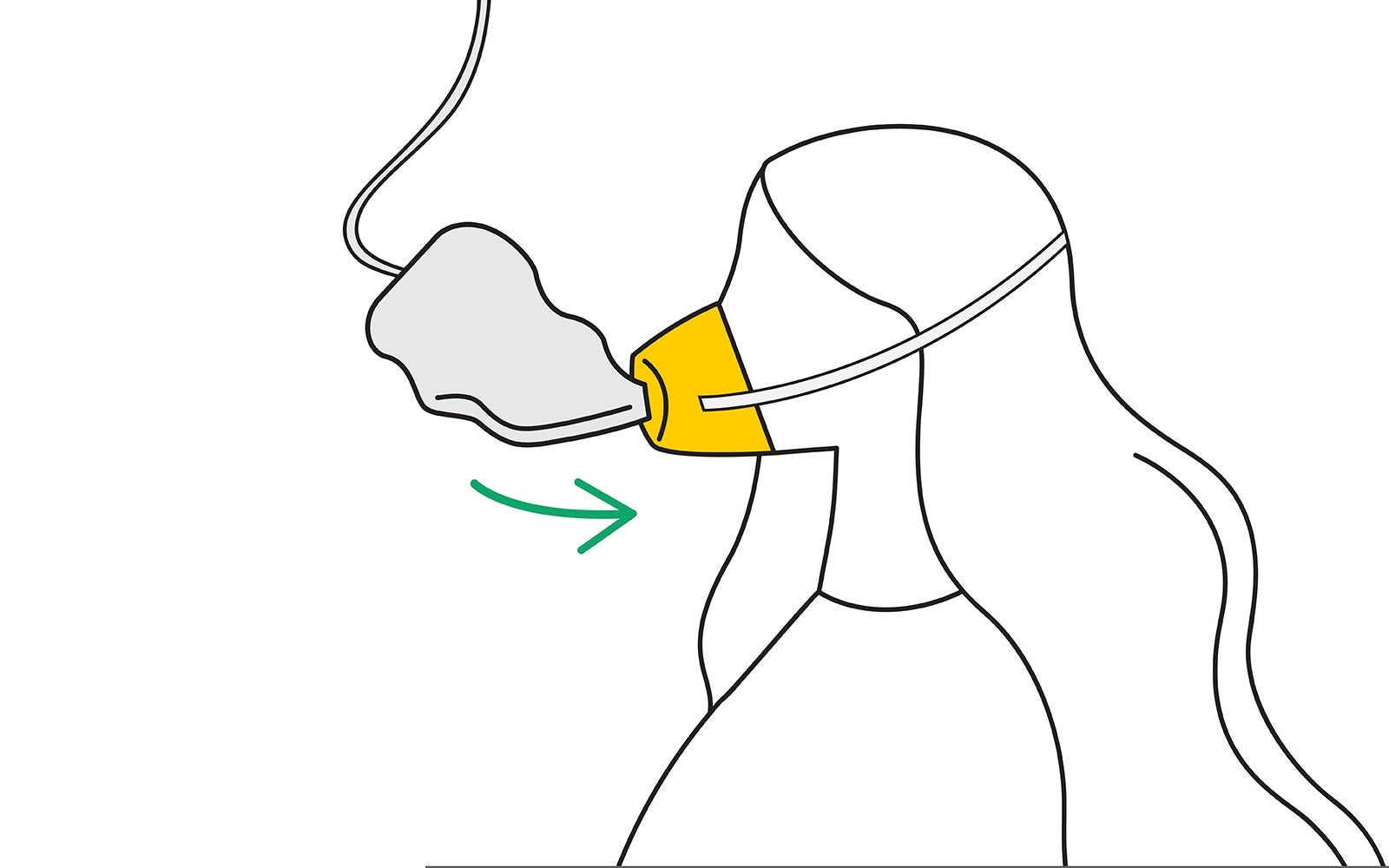
Parents, we know the temptation is to help your kids (or your pets) first — my mom always swore she'd make sure my mask was on in an emergency before hers — but that's a bad idea. There really is a reason you need to put your mask on before helping your travel companions.
"Depending on the type of decompression and how quickly it happens and what altitude you're at, you can become incapacitated in seconds," Garland said.
"You need to put your oxygen mask on first before even having a chance of helping others," she added. "In the time it may take for you to help your child put on their oxygen mask, you can become incapacitated."
It's also important that the mask fully cover your nose and mouth, because you may not get sufficient oxygen in a depressurized cabin otherwise.
Oxygen masks received renewed attention in the aftermath of Southwest flight 1380, a plane that made an emergency landing in 2018, when passengers posted selfies while wearing the equipment improperly.
Exits
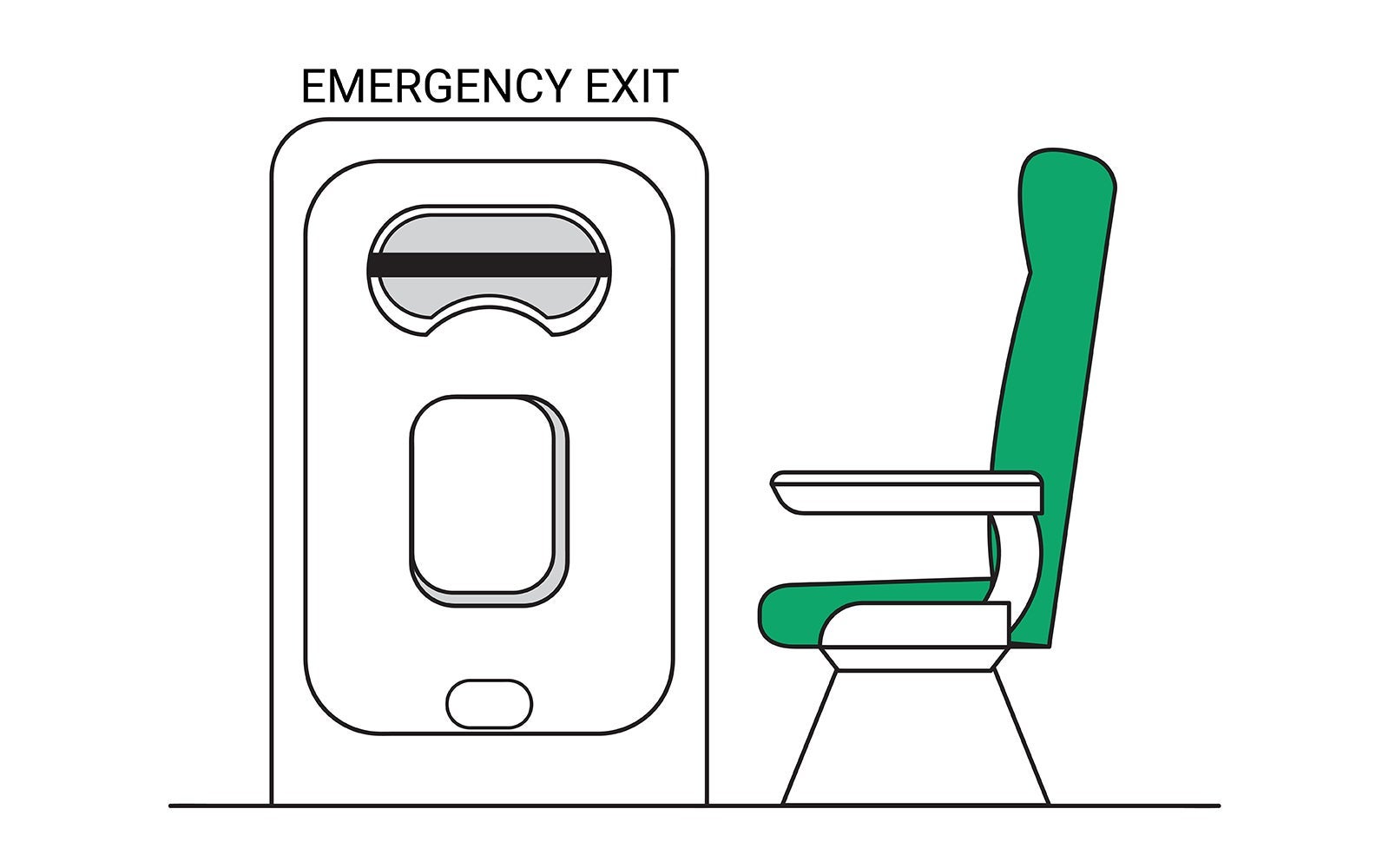
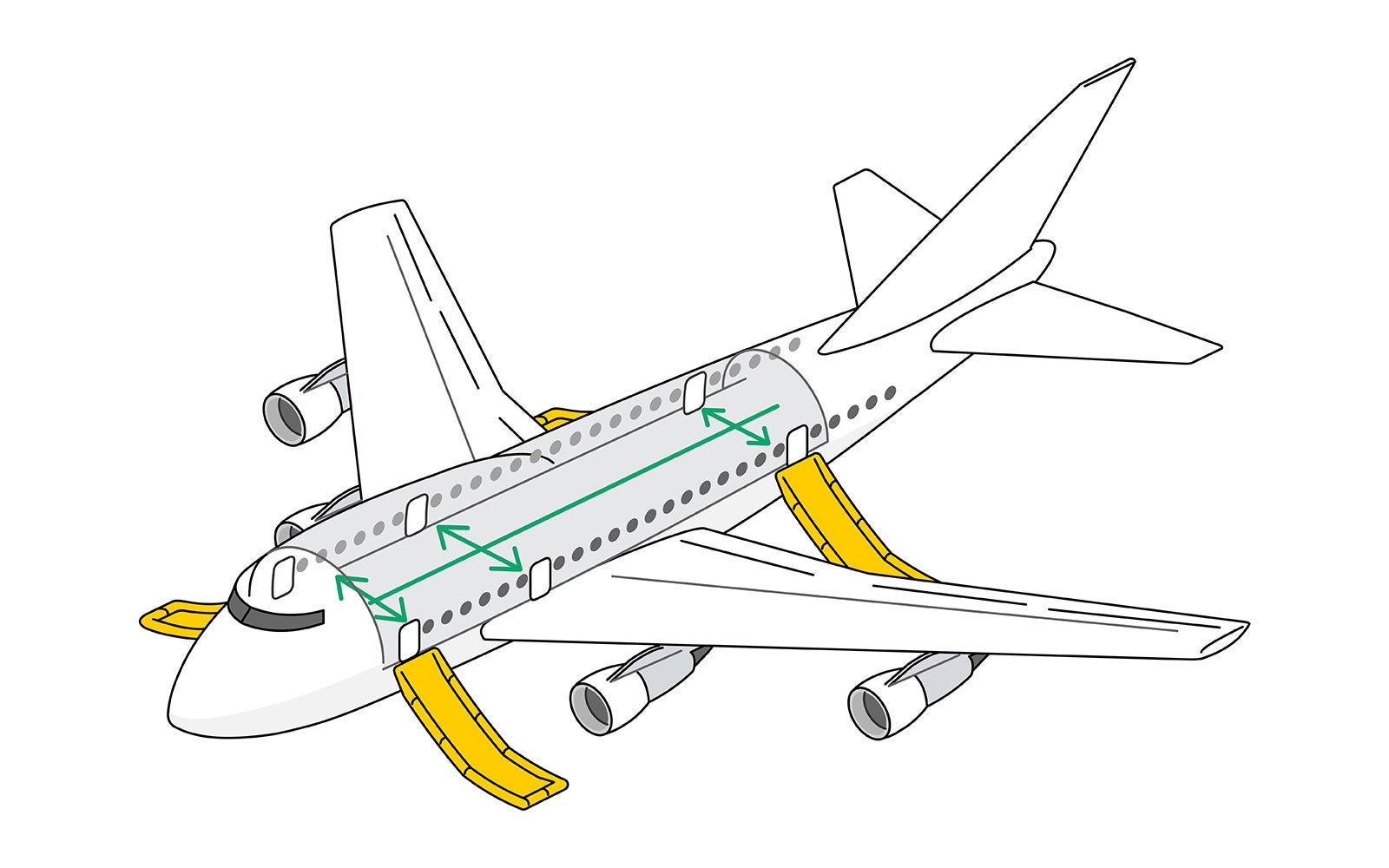
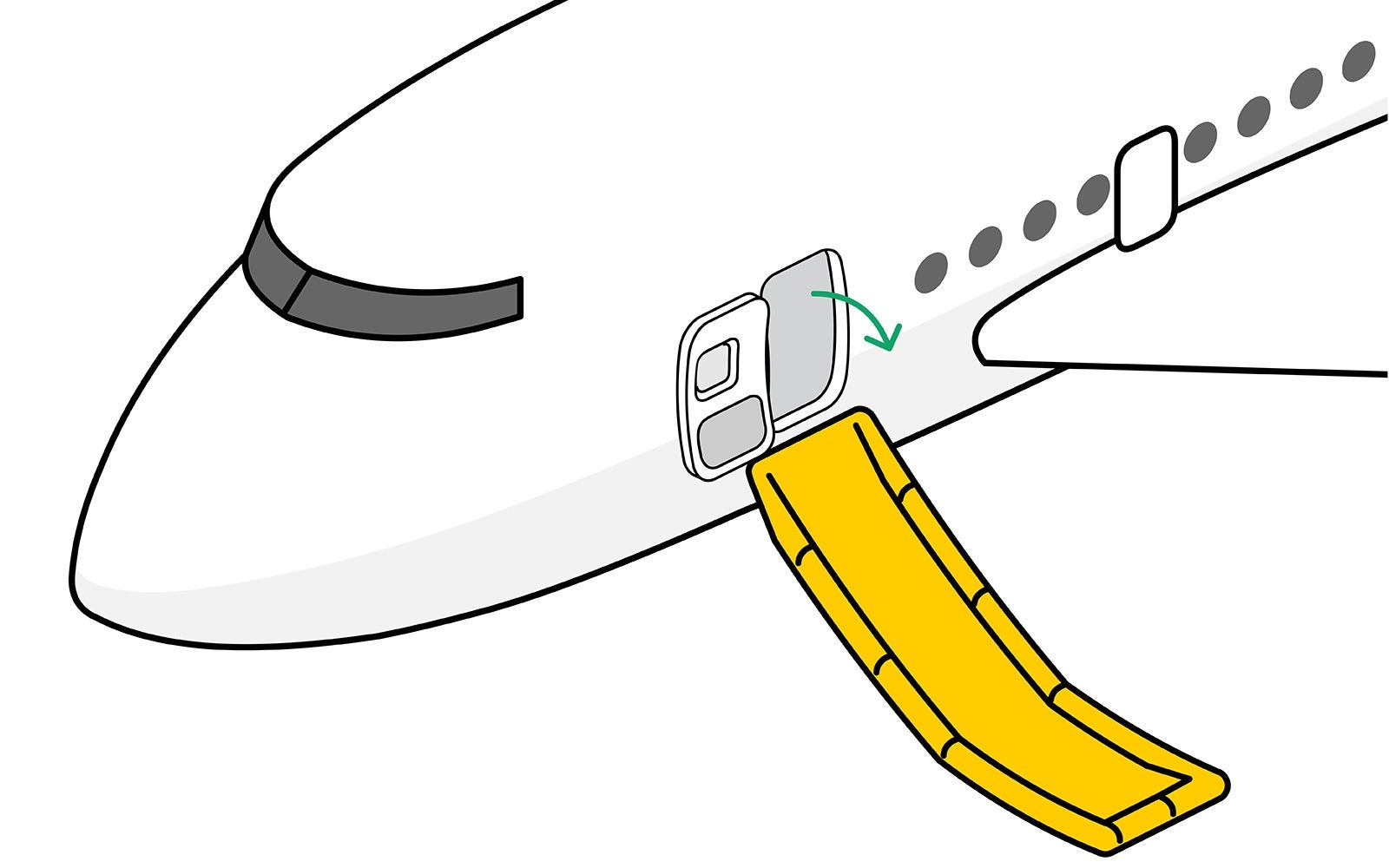
"Flight attendants are onboard to help get you off that plane in 90 seconds or less in the event of an emergency, and you knowing where those exits are is an important part of doing that quickly," Garland said.
She added that for passengers seated in the exit row, knowing how to operate the door and help others evacuate can literally be the difference between life and death for you and your fellow travelers.
Above all, if there's an emergency, do not bring your luggage off the plane with you, Garland said. Aside from possibly slowing down the evacuation, baggage and other items can damage slides and rafts so much that they could become unusable. High-heeled shoes can cause similar damage during an evacuation, so travelers — even drag queens — should consider wearing flats whenever they fly.
Life vests
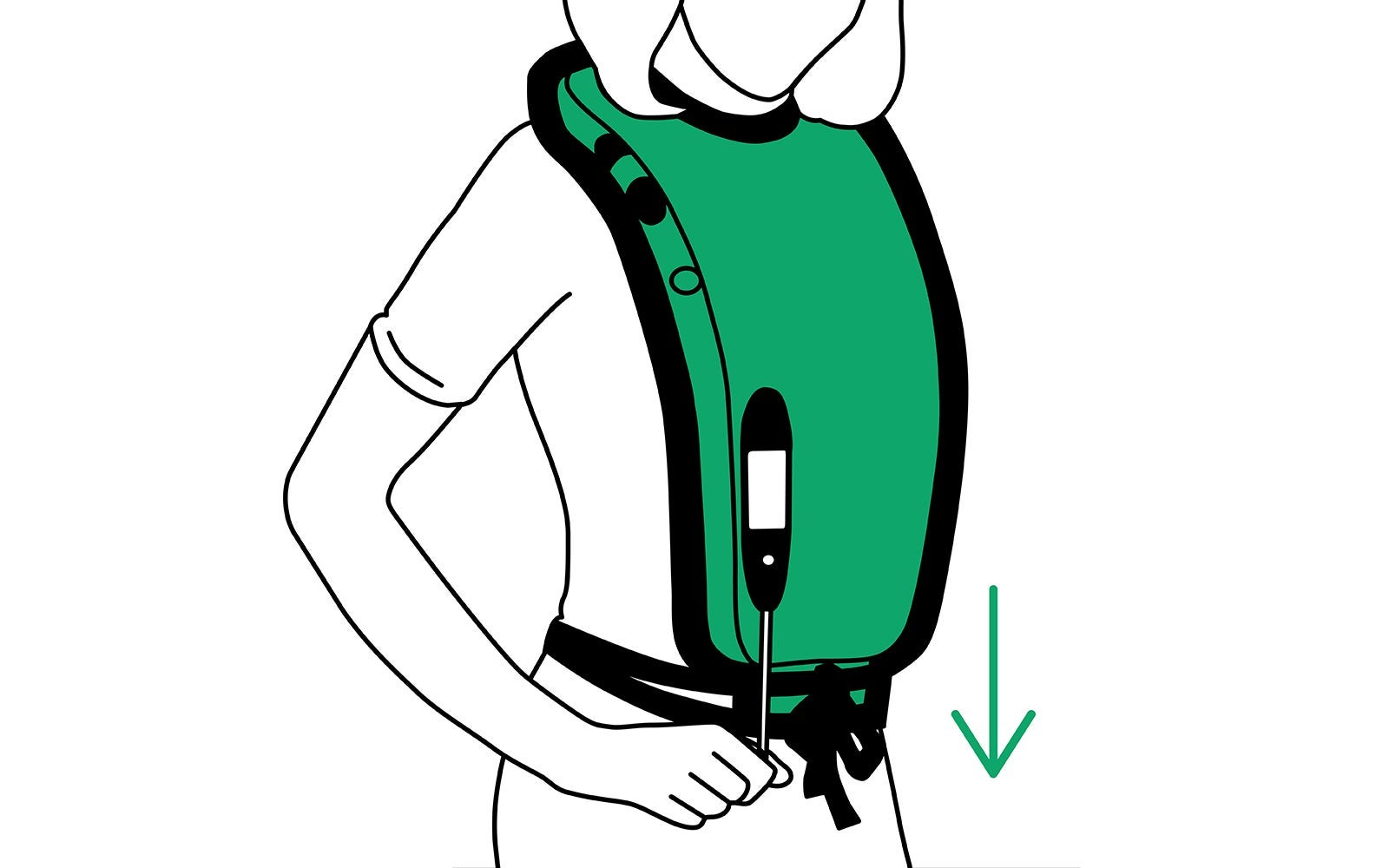
"They've found over the course of several accidents that it wasn't necessarily intuitive on how to put those on and how they function," Garland said. The instruction about not inflating the life vest before exiting the plane is particularly important because a fully-inflated life vest can impede the evacuation, and may prevent people from getting to the nearest door — especially if parts of the cabin are already submerged.
Seats and tray tables: upright and locked
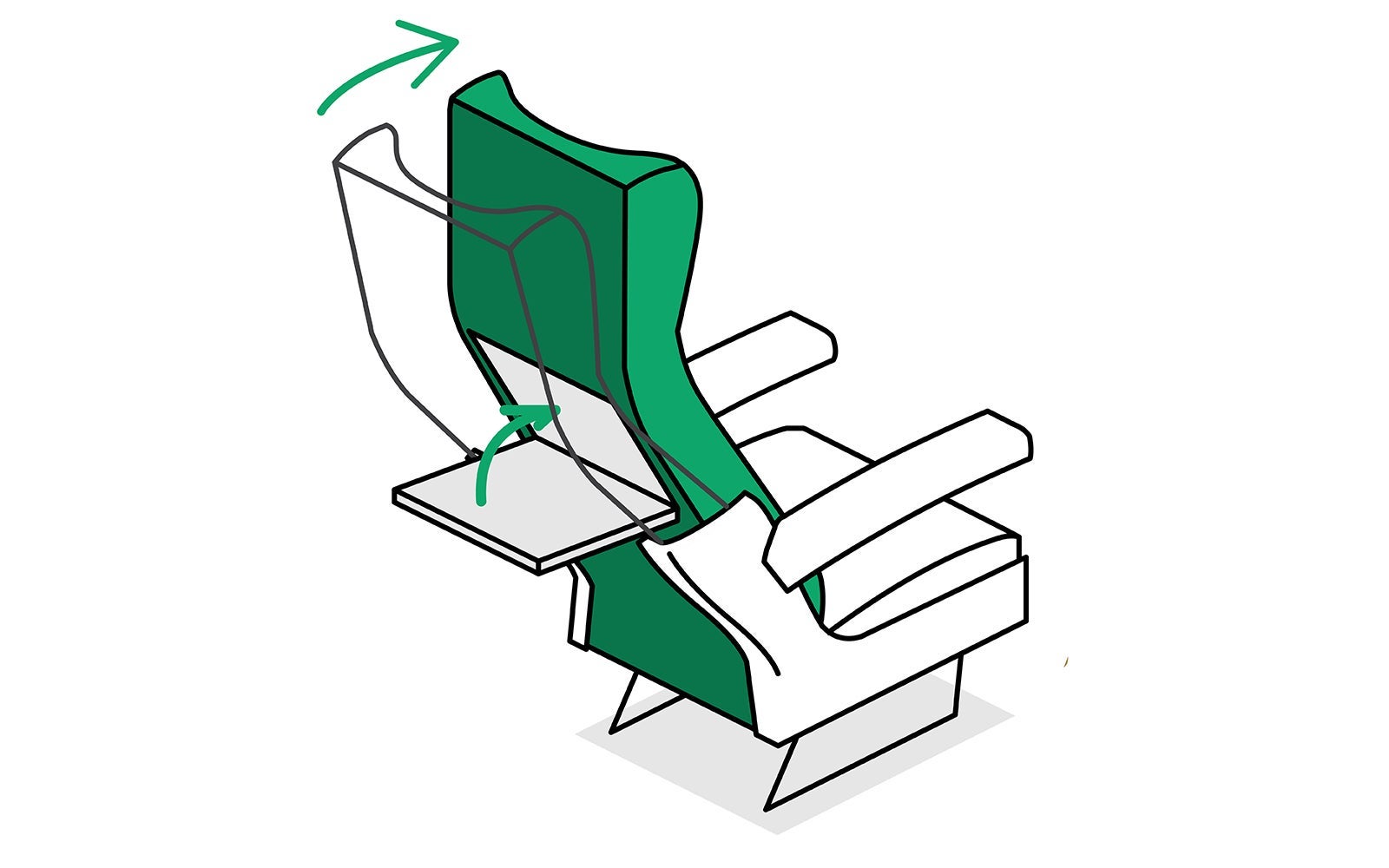
"It's about giving everyone on board the best shot for minimal injury and survival in an accident," Garland said.
Reclined seats and lowered tray tables can block other passengers from evacuating in an emergency. Also, seats are crash-tested in the upright position, so they're designed to absorb the most impact when they aren't reclined.
Improperly stowed carry-on bags can also block people during an evacuation. Large items like laptops or unsecured bags can become projectiles during a crash, which could cause serious injury to passengers or members of the cabin crew.
"Oftentimes this can be some of the pushback that we get. We go through the cabin and do our final safety checks and tell people to put their tray tables away and get their seat in — some will joke — the most uncomfortable position, and make sure their bags are stowed, and it's all for a reason, there are actual safety reasons behind that," Nelson, the AFA president, said.
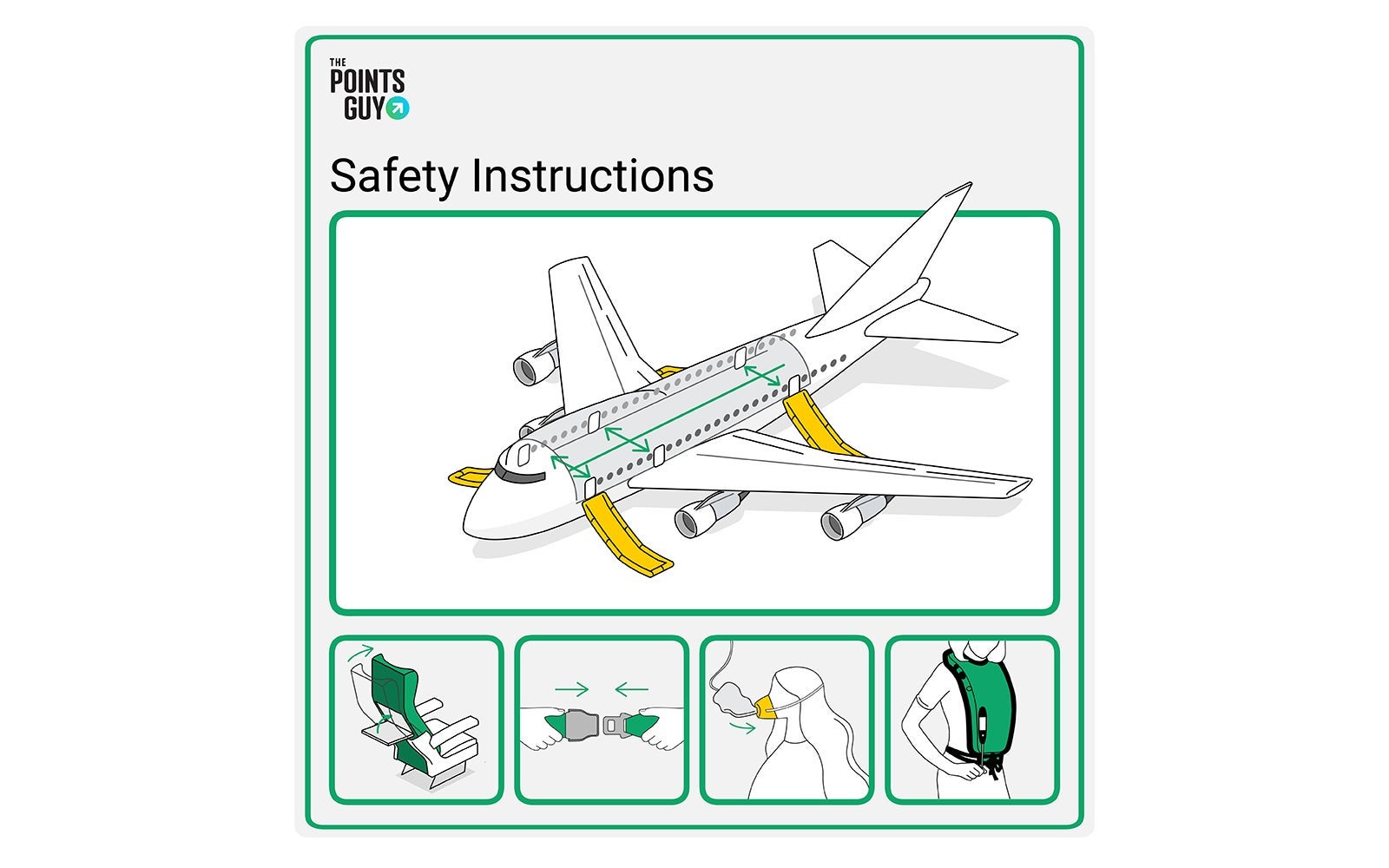
Next time you get on a plane, it likely will have been a while since you heard the safety briefing. Now you'll know why it has the information it does, and hopefully, you'll understand why it's important to listen to it every time you fly, even when hearing it starts to feel much more routine again.
Featured illustration by Orli Friedman/The Points Guy.
TPG featured card

at Capital One's secure site
Terms & restrictions apply. See rates & fees.
| 5X miles | Earn 5X miles on hotels, vacation rentals and rental cars booked through Capital One Travel |
| 2X miles | Earn unlimited 2X miles on every purchase, every day |
Pros
- Stellar welcome offer of 75,000 miles after spending $4,000 on purchases in the first three months from account opening. Plus, a $250 Capital One Travel credit to use in your first cardholder year upon account opening.
- You'll earn 2 miles per dollar on every purchase, which means you won't have to worry about memorizing bonus categories
- Rewards are versatile and can be redeemed for a statement credit or transferred to Capital One’s transfer partners
Cons
- Highest bonus-earning categories only on travel booked via Capital One Travel
- LIMITED-TIME OFFER: Enjoy $250 to use on Capital One Travel in your first cardholder year, plus earn 75,000 bonus miles once you spend $4,000 on purchases within the first 3 months from account opening - that’s equal to $1,000 in travel
- Earn unlimited 2X miles on every purchase, every day
- Earn 5X miles on hotels, vacation rentals and rental cars booked through Capital One Travel
- Miles won't expire for the life of the account and there's no limit to how many you can earn
- Receive up to a $120 credit for Global Entry or TSA PreCheck®
- Use your miles to get reimbursed for any travel purchase—or redeem by booking a trip through Capital One Travel
- Enjoy a $50 experience credit and other premium benefits with every hotel and vacation rental booked from the Lifestyle Collection
- Transfer your miles to your choice of 15+ travel loyalty programs
- Top rated mobile app