How to Become an Airline Pilot

Over the course of the nearly 20 years that I've been fielding questions from the traveling public, among the most common queries I receive is the one asking how, exactly, a man or woman goes about becoming a commercial airline pilot. That so few people are familiar with the process isn't surprising: flying planes is an esoteric, highly specialized line of work; unlike the road to becoming a tech worker, a doctor, or a lawyer, it's a career progression that takes place far from the mainstream corporate or academic worlds.
There's a lot of variation in long it all takes, how much it costs, and what the rewards might be if and when you get there, but there are three basic pathways to the cockpit.
The first, and fastest, would be getting a slot in one of the so-called ab initio programs, whereby a carrier selects, grooms, and trains a young pilot from the ground up, so to speak, in a tightly controlled regimen that puts them in the cockpit of a jetliner very quickly. Little or no flying experience is prerequisite. These programs do not yet exist in North America, but are gaining traction in parts of the world where the pilot supply is more quickly drying up. They are ultra-competitive, drawing hundreds of applicants for each available slot.
More traditionally, however, airlines will not hire a pilot without substantial prior experience. In the United States, the typical major airline applicant already possesses thousands of hours of flight time (including various Federal Aviation Administration licenses and supplemental ratings) and a college degree to boot. Accumulating that prior experience requires that a pilot choose one of two paths early on: civilian or military.
All of the major armed forces branches, including the Coast Guard, have top-of-the-line flight training programs. Advantages to the military route include having your training costs covered by the government, and the fact that airlines tend to hire military pilots with fewer total hours than their counterparts who come up through civilian channels. Whether you fly fighters, bombers, transport jets or helicopters, these slots are highly coveted by aspiring aviators; who, in turn, are highly coveted by the airlines. In a lot of cases a military-trained pilot will, upon discharge from the service, go directly to class with a major airline, bypassing the need to put in time with a regional or otherwise have to accrue further experience. Drawbacks include intense competition for a limited number of flying slots, and mandatory service time lasting several years. (There's also a risk that you'll be assigned to operate drones rather than actual aircraft.)
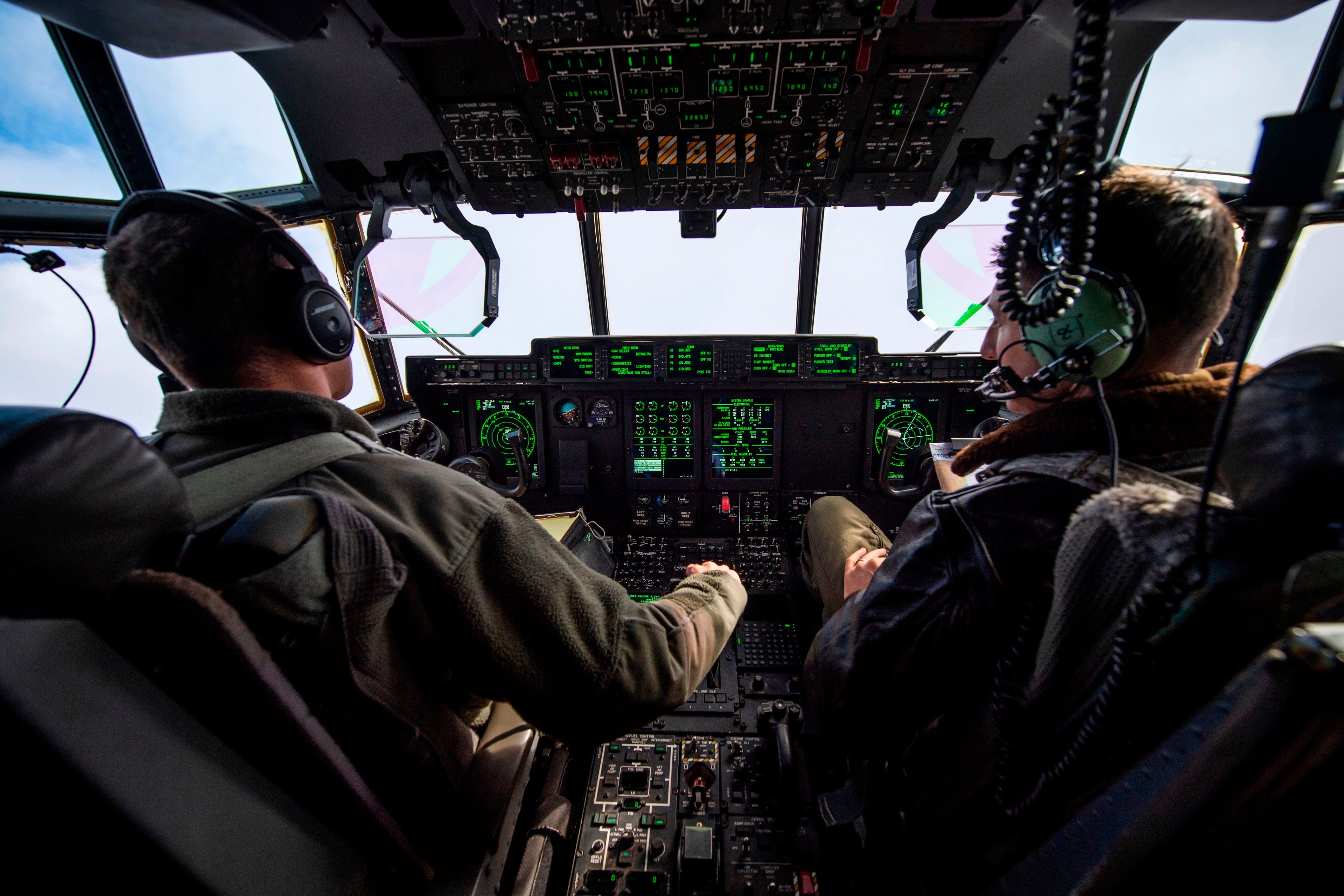
Pilots from the US Marines fly a C-130 transport aircraft in Norway, October 31, 2018 (Photo by JONATHAN NACKSTRAND/AFP/Getty Images)
Historically, more than 80 percent of airline pilots were recruited from the armed forces, but that number has fallen to around 50 percent at the majors. At the regionals it's as low as 10 or 15 percent.
Thus, a majority of airline pilots these days take the civilian route -- a journey that is long, unpredictable, and expensive.
Step one is primary flight training. At a minimum, you're going to need an FAA commercial pilot certificate with multi-engine and instrument ratings. A flight instructor certificate (CFI) isn't a bad idea either. There are flight schools around the country that sell accelerated programs where you'll get all of this done in a matter of months, assuming you have the better part of $100,000 hanging around. Or, you can do it piecemeal, at your own pace, taking lessons at the local flight school an hour at a time. Alternately, you can enroll in one of several aviation colleges — Florida's Embry-Riddle Aeronautical University being the most popular — that combine primary training with a bachelor's degree. This is a faster, more consolidated, and even more expensive method.

With your certificates in hand, the next step is to collect as much flight time as possible. That you've got a commercial license from the FAA might impress girls at a party (though it never worked for me), but it does not entitle the holder to a job with an airline — far from it. You still need to log hundreds or even thousands of hours before an airline will take you seriously. Prepare to spend a considerable amount of time, in some cases years, instructing, towing banners, or engaged in some other means of ad-hoc experience-building -- the pilot equivalent of odd jobs, none of which pay well. Then, once you've hit 1,500 hours, you'll want to study up for what's called the Airline Transport Pilot (ATP) certificate, yet another FAA credential that is now legally required before you can fly with an airline. Some carriers include ATP certification as part of their new-hire training, but many do not.
Oh, and if you haven't done the Embry-Riddle thing, you'll also be expected to have a college education. If it's not an outright requirement, airlines strongly prefer candidates with at least a four-year degree. (Though contrary to popular belief, that degree needn't be within a science, math, or technology-related field; there are plenty of pilots out there who majored in economics, music, literature, and philosophy. I'd go so far as to advise pilots to major in something unrelated to aviation. That way, if the pilot thing doesn't pan out, you've got a specialty to fall back on.)
After a while, provided you're resilient enough, you'll have a nice, fat logbook and all the boxes checked. You're finally ready to apply for that airline job.
At a regional airline, I mean. To make a baseball analogy, you've graduated only as far as Triple-A. You can now look forward to several added years of little money and lots of hard work before a major will consider moving your application into the right pile. Actually, there's a fair chance you'll be spending the entire rest of your career at this level. In decades past, flying for a regional was considered a temporary apprenticeship, a stepping stone before moving on to a more rewarding career at a major. That progression, never a sure thing, is today even more of a gamble. The regional sector has expanded so vastly that a position at one of these companies, for better or worse, is looked upon not so much as a means to an end, but as a career unto itself.
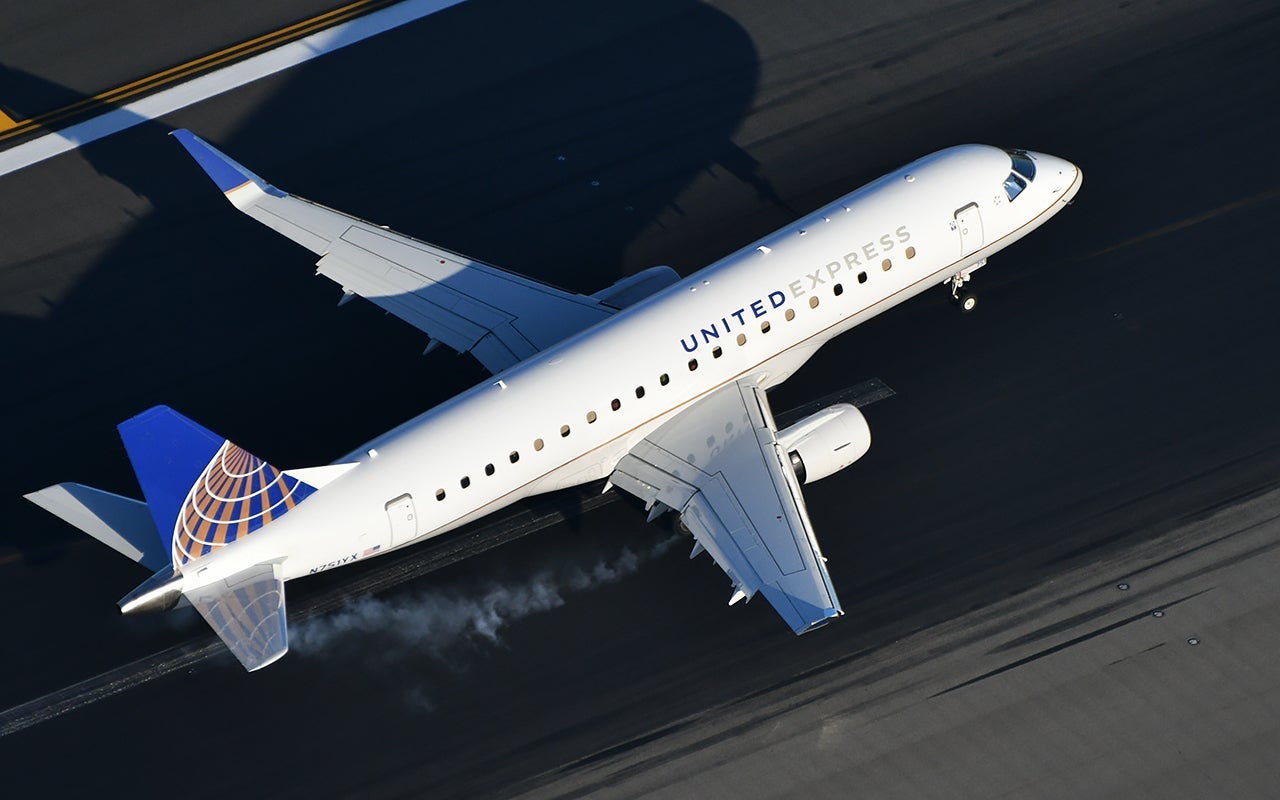
How long this all takes depends on your level of commitment, the size of your bank account, and luck. Its rarely a smooth process, and every aspiring pilot has to be well aware of the challenges and pitfalls. Commercial aviation is a notoriously cyclical, sometimes downright hostile industry. The road to a steady, high-paying job at a major carrier can be a long one, with plenty of setbacks along the way: bankruptcies, furloughs, liquidations. I was 42 years old and had worked for five airlines before I was finally at one of the big carriers making what most people would consider a decent white-collar salary.
Other pilots, indeed most of them, never get that far. Just as a majority of Triple-A ballplayers never make it to the Majors, the same holds true for pilots. And with the regional airline sector now accounting for a such a huge portion of the business overall, an airline career often means a regional airline career.
But, you're asking, what of the pilot shortage we keep hearing about? Indeed a shortage exists, and it may worsen in the coming years. When discussing this, however, it's critical to draw a distinction between the major airlines and their regional affiliates. The legacy airlines are not, by any stretch, hurting for pilots, nor are they likely to be hurting any time soon. At the regionals, on the other hand, with their much lower pay scales and harsher working conditions, it's another story. "Pilot shortage" is a bit of a misnomer. More correctly, it's a regional pilot shortage.
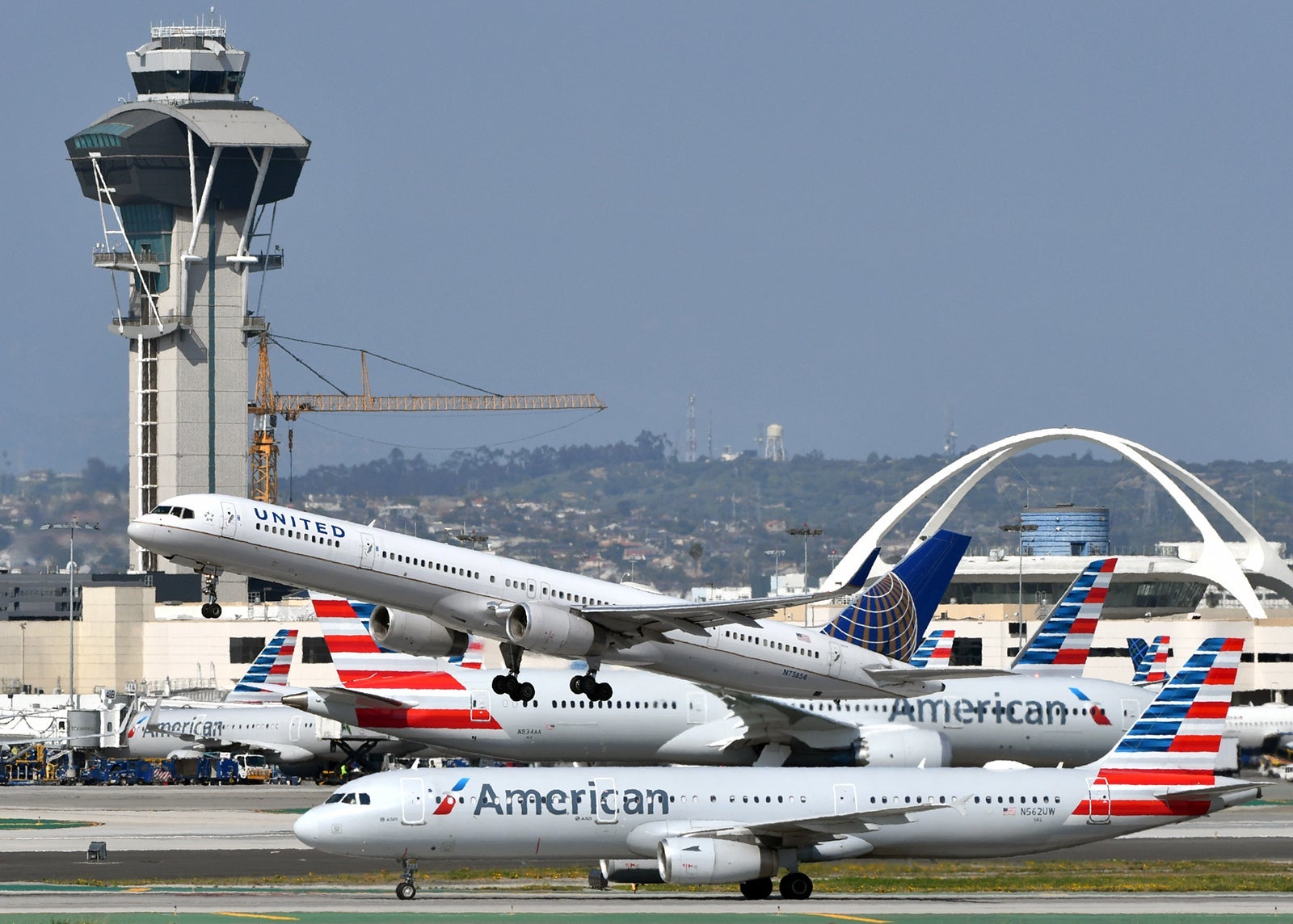
Know too that it's luck, and the hiring cycles of the airlines, that are the biggest factors in determining where you end up, and when. How talented you are, how swell or how smart a person you are, won't always improve your chances. Mergers, geopolitics, the state of the economy -- all of these things affect the airlines and how many pilots they need. In a field so competitive, and subject to so many outside forces, you can't be too choosy. In a lot of cases, a pilot will lock in with the first decent company that gives him or her a shot, and ride out their career there. Thus the pilots at United aren't any better than the pilots at JetBlue; the pilots at Frontier or Spirit aren't any less qualified than those at American or Delta. And so on. Some are just luckier than others.
And once you're in, you hope for the best. Many people are shocked to learn that, in the airline business, there is no transfer of salary or seniority should a pilot change jobs, voluntarily or otherwise. Any time you move from one airline to another, you begin again as a brand new-hire at probationary pay and benefits. A senior captain who loses their job because of a bankruptcy or liquidation is free to accept employment at another airline -- at the bottom of the seniority list, at first-year salary. This always elicits a shout of, "that can't possibly be true!" But trust me, it is, and there are no exceptions.
Advancement within a particular airline is similarly out of your control. The seniority system determines pretty much everything, from your routes and monthly schedule to how long it takes to upgrade from first officer to captain. A substantial percentage of pilots, in fact, will bypass captain upgrade to preserve their quality of life. A senior first officer has a lot more control over schedule, destinations, choice of aircraft, and so forth, than a junior captain. You might not earn as much, but your lifestyle is liable to be more civilized. (Because of this, it's not especially unusual for a first officer to be older or more experienced than the captain sitting next to them.)
If that all sounds daunting, it should. This isn't a line of work for the squeamish or the easily discouraged. Risks are inherent in many professions, it's true, but aviation can be particularly unforgiving.
Maybe what I'm saying is this is a career you really have to want, from a deep-down part of you. Something that transcends the typical ambitions of salary and stability. This is why so many pilots are able to trace their desire to fly all the way back to childhood. For most of us this isn't a profession we simply fell into, or decided on after college because we couldn't think of anything else to do. In my own career I've been through two bankruptcies, a company shut-down, and a five-year furlough. What helped me endure those setbacks, and finally get to me where I am, was a passion for the industry that 's been with me since childhood. I've been an airline geek since I was nine years old. When my classmates were playing sports or learning to play piano, I was hanging out at the airport logging the N-numbers of arriving flights, collecting baggage tags and timetables, drawing route maps and, eventually, taking flying lessons. If it wasn't in my blood, I'm not sure I would have made it.
Patrick Smith is an airline pilot and the host of askthepilot.com. His book, COCKPIT CONFIDENTIAL, from which portions of this article are taken, is a New York Times bestseller. He lives near Boston.
TPG featured card
at American Express's secure site
Terms & restrictions apply. See rates & fees.
| 4X | Earn 4X Membership Rewards® points per dollar spent on purchases at restaurants worldwide, on up to $50,000 in purchases per calendar year, then 1X points for the rest of the year. |
| 4X | Earn 4X Membership Rewards® points per dollar spent at US supermarkets, on up to $25,000 in purchases per calendar year, then 1X points for the rest of the year. |
| 5X | Earn 5X Membership Rewards® points on prepaid hotel stays booked through AmexTravel.com or the Amex Travel App™. |
| 3X | Earn 3X Membership Rewards® points on flights booked through AmexTravel.com, the Amex Travel App™, or purchased directly from airlines. |
| 2X | Earn 2X Membership Rewards® points on prepaid car rentals booked through AmexTravel.com or the Amex Travel App™ and cruises booked and paid through AmexTravel.com. |
| 1X | Earn 1X Membership Rewards® point per dollar spent on all other eligible purchases. |
Pros
- Valuable dining and food-related credits
- Flexible rewards with airline and hotel transfer partners
- Multiple travel and purchase protections
- No foreign transaction fees
- Access to Amex Offers for additional savings (enrollment required)
Cons
- Not as useful for those living outside the U.S.
- Some may have trouble using Uber and other dining credits
- You may be eligible for as high as 100,000 Membership Rewards® Points after you spend $8,000 in eligible purchases on your new Card in your first 6 months of Card Membership. Welcome offers vary and you may not be eligible for an offer. Apply to know if you’re approved and find out your exact welcome offer amount – all with no credit score impact. If you’re approved and choose to accept the Card, your score may be impacted.
- Earn 4X Membership Rewards® points per dollar spent on purchases at restaurants worldwide, on up to $50,000 in purchases per calendar year, then 1X points for the rest of the year.
- Earn 4X Membership Rewards® points per dollar spent at US supermarkets, on up to $25,000 in purchases per calendar year, then 1X points for the rest of the year.
- Earn 5X Membership Rewards® points on prepaid hotel stays booked through AmexTravel.com or the Amex Travel App™.
- Earn 3X Membership Rewards® points on flights booked through AmexTravel.com, the Amex Travel App™, or purchased directly from airlines.
- Earn 2X Membership Rewards® points on prepaid car rentals booked through AmexTravel.com or the Amex Travel App™ and cruises booked and paid through AmexTravel.com.
- Earn 1X Membership Rewards® point per dollar spent on all other eligible purchases.
- Pay It® lets you tap in the American Express® App to quickly pay for small purchase amounts throughout the month and still earn rewards the way you usually do. Plan It® gives you the option to split up big purchases into equal monthly payments with a fixed fee. You’ll know upfront exactly how much you’ll pay.
- $120 Dining Credit: Earn up to a total of $10 in statement credits monthly when you pay with the Gold Card at Grubhub (including Seamless), Buffalo Wild Wings, Five Guys, The Cheesecake Factory, and Wonder. This can be an annual savings of up to $120. Enrollment required.
- $100 Resy Credit: Get up to $100 in statement credits each calendar year at over 10,000 qualifying U.S. Resy restaurants after you pay for eligible purchases with the American Express® Gold Card. That’s up to $50 in statement credits semi-annually. Enrollment required.
- $84 Dunkin' Credit: Earn up to $7 in monthly statement credits after you pay with the American Express® Gold Card at U.S. Dunkin’ locations. Enrollment required.
- $120 Uber Cash on Gold: Enjoy up to $120 in Uber Cash annually with your Gold Card. Just add your Card to your Uber account and you'll get $10 in Uber Cash each month to use on orders and rides in the U.S. when you select an Amex Card for your transaction.
- Enjoy complimentary Hertz Five Star® Status benefits like skipping the counter at select locations, adding an additional driver at no additional cost*, and vehicle upgrades**. Benefit enrollment and Hertz Gold+ registration are required. *Additional drivers must meet standard rental qualifications and must be a spouse or domestic partner to qualify as complimentary. Other additional drivers subject to fees. **Benefits are subject to availability and vary by location. Additional Hertz program Terms and Conditions including age restrictions apply.
- Book two nights or more with The Hotel Collection through AmexTravel.com or the Amex Travel App™ and receive a $100* credit towards eligible charges at over 1,400 upscale hotels worldwide. *Eligible charges vary by property.
- Book your travel through the Amex Travel App™ with added peace of mind – backed by American Express® service and support. Only for American Express® Card Members.
- Whenever you need us, we're here. Our Member Services team will ensure you are taken care of. From lost Card replacement to statement questions, we are available to help 24/7.
- No Foreign Transaction Fees.
- Annual Fee is $325.
- Terms Apply.