Why I prefer flying an Airbus A320 to a Boeing 737

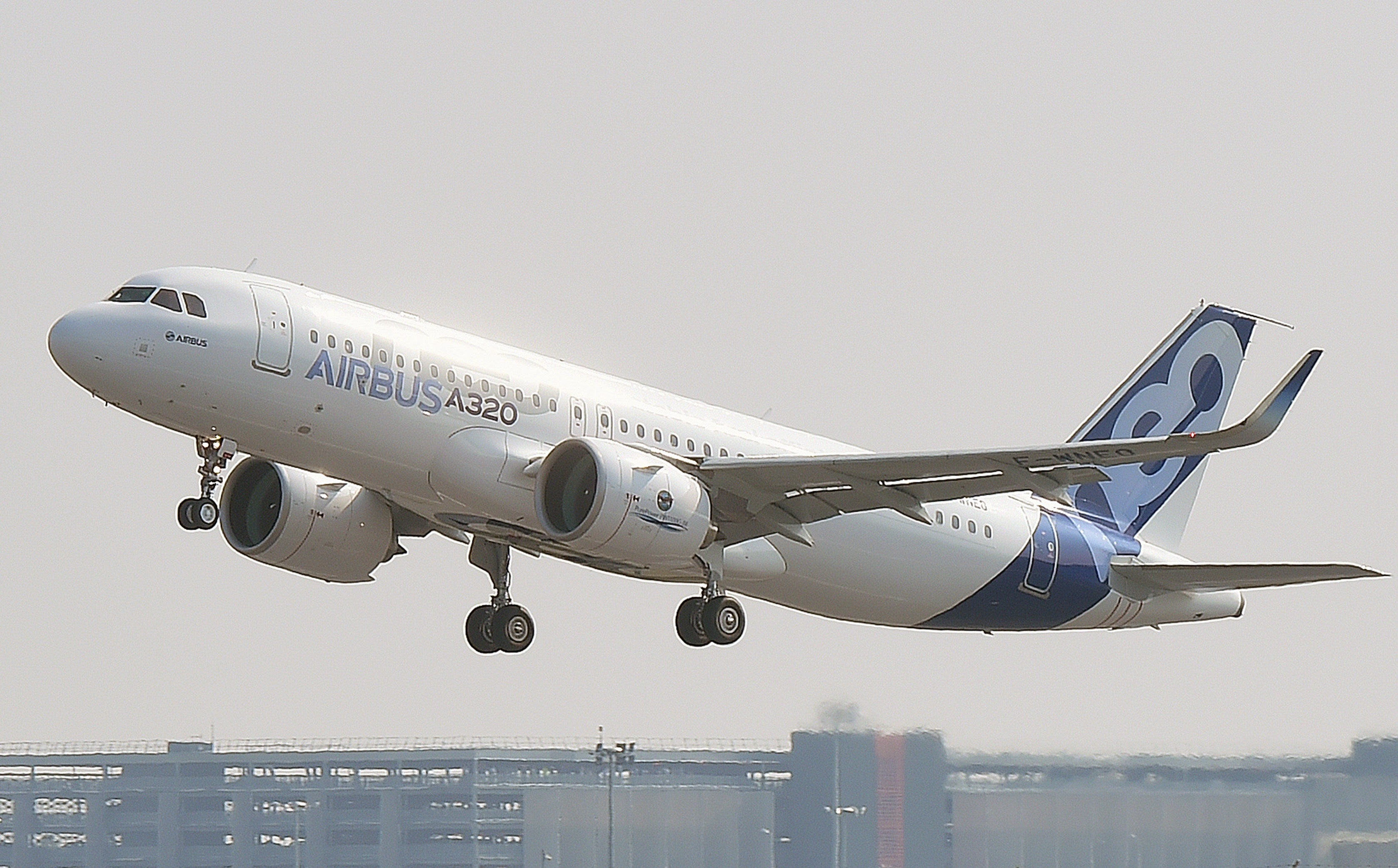
Many passengers don't bother looking at the type of plane operating their flight. Lots of people just search by price or schedule, but what happens when two airlines are offering similarly timed flights at the same price? For some fliers, the choice may come down to their preferred airline or airport. But I'd argue that it's important to look at the plane manufacturer as well.
All of the Big Three U.S. airlines operate both the Airbus A320 and Boeing 737 families of jets. On many routes, you'll even have the choice between an Airbus or Boeing, on the same airline. They're the number one and two best-selling jet liners of all time, and every one of the 17 biggest airlines in North America flies one or both. They come in various models seating from around 100 to more than 200 passengers, covering routes from short hops to transcon hauls.
You're bound to find yourself on one of them. The A320 family includes the smaller A318 and A319 and larger A321; the 737s flying today come in models numbered from 737-200 to -900, plus the currently grounded MAX series.
And all else equal, in the same class of service, I'd choose the Airbus jet over the Boeing. Here's why.
[table-of-contents /]
Wider cabins
Before I get into the analysis, I'll concede that there are definitely reasons to choose the 737 over the A320 family. For instance, if you're flying an Airbus A320 or A321 with American Airlines, there's a chance that your flight is operated by the no-frills legacy-US Airways version.
If that's the case, you won't have power outlets on your flight, which could pose a problem if you're flying on a transcontinental route. In that case, I'd prefer a Boeing 737... and just cross my fingers that the flight was operated by one with the new AA domestic first class.
However, this won't be the case for much longer. AA is actively updating the cabins on these legacy US Airways jets. The A320s are all getting power outlets, and the A321s are undergoing the dreaded Project Oasis retrofits, which will make legroom tighter but include the installation of power outlets.
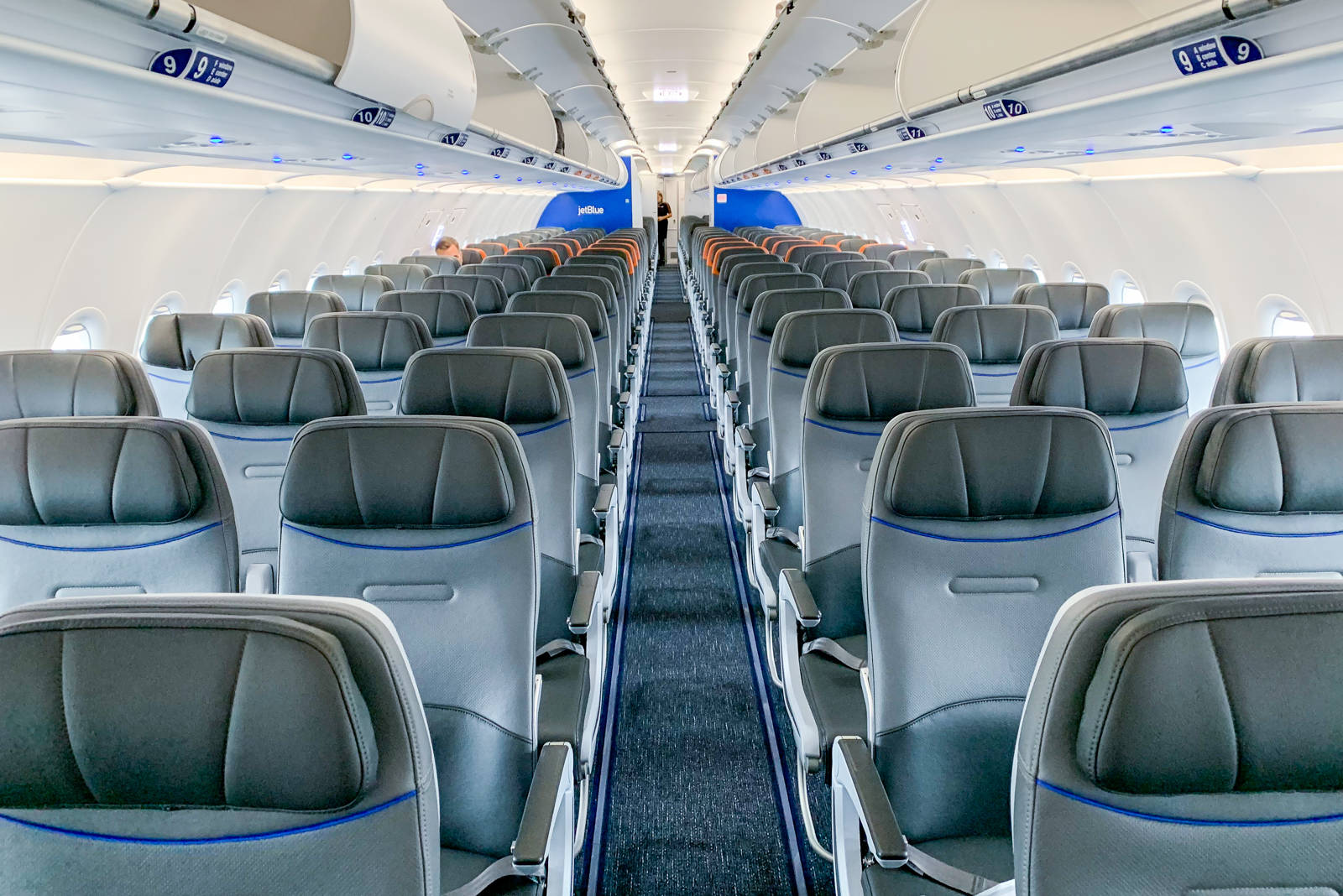
But the Airbus A320 family offers a much wider cabin than the Boeing 737: seven inches, to be exact. And that's a big deal because it means there's typically more room for passengers, even though both planes are single-aisle.

From a survey of the average seat width of American, Delta and United planes, the A320 family offers, on average, half an inch more width per seat. Across a row of six seats, that means roughly three extra inches are allocated to the seat itself. The other four inches are split between the aisle and armrests.
Less curvature
As an AvGeek, I love planespotting. Whether that's finding the best view from the gate area or heading to the TWA Hotel before my flight from JFK, I'm always in search of the best airplane photos. You can follow my Instagram for the best ones, like the shot below. (Brownie points if you understand the caption!)
https://www.instagram.com/p/B6JNta8lDqt/
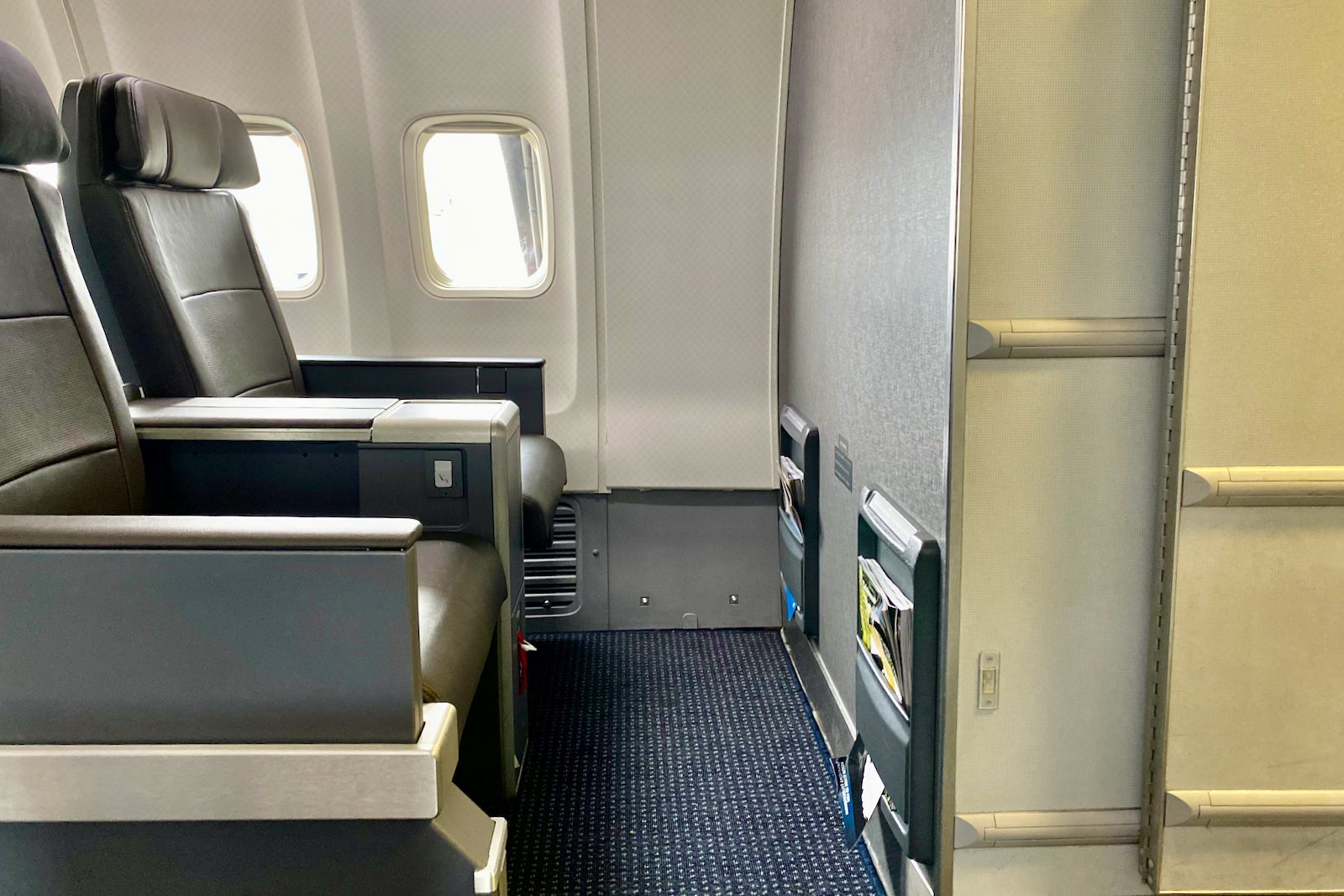
So, I can tell you that one of the telltale signs you're looking at a Boeing 737 is the inward curvature at the front of the plane. Due to this curvature, the cabin walls at the front of the plane also tilt inwards, making for a relatively uncomfortable ride on longer flights. Shoulder room is reduced and there's less space to rest your head when you're dozing off.
Better-placed windows
Though the windows on the Boeing 737 are ever so slightly larger than those on the Airbus A320, I much prefer the window placement on the European-made jet.
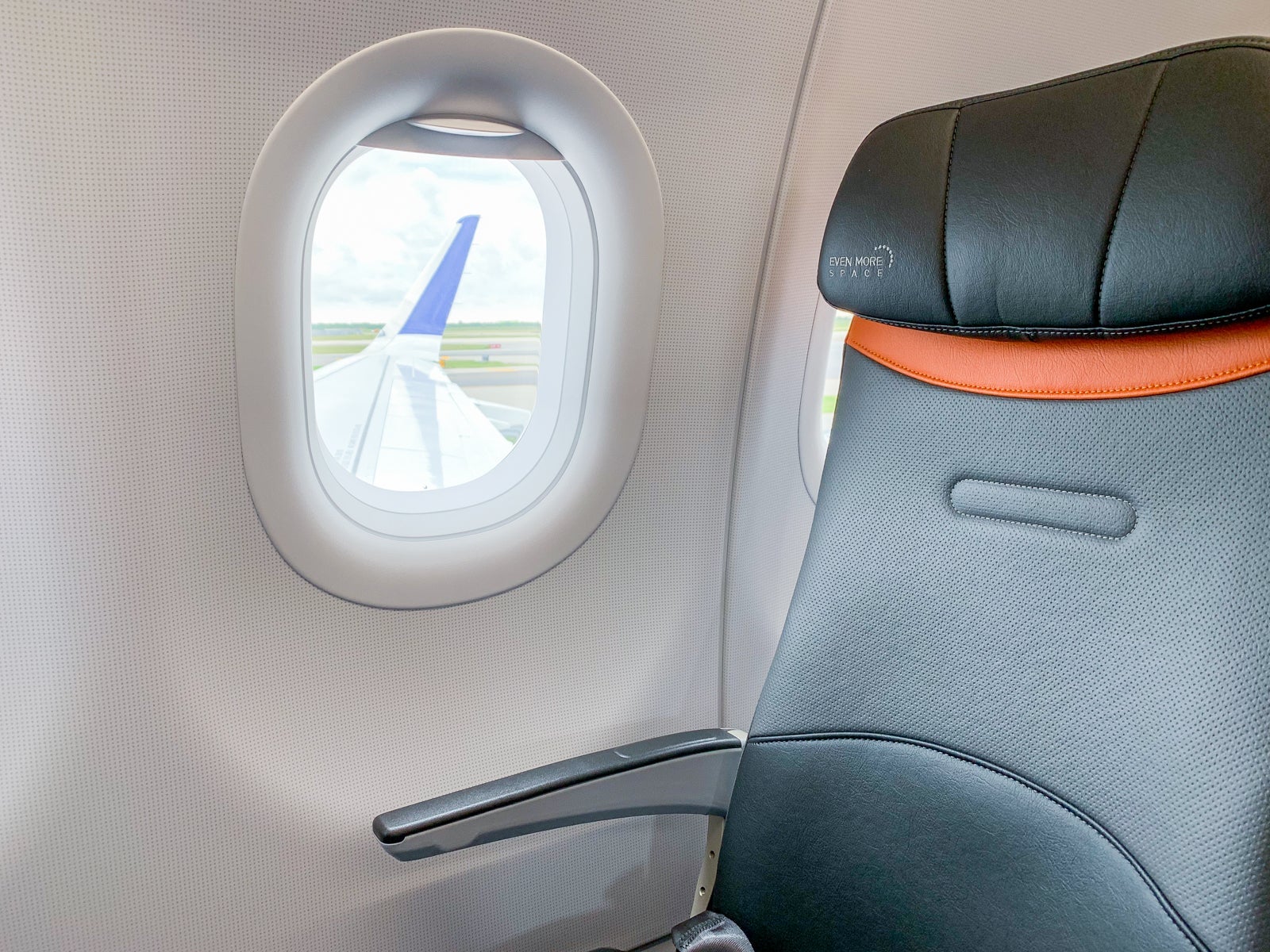
On the 737, the windows are much lower the ground, which means that I'm often bending over or slouching to see out the window.
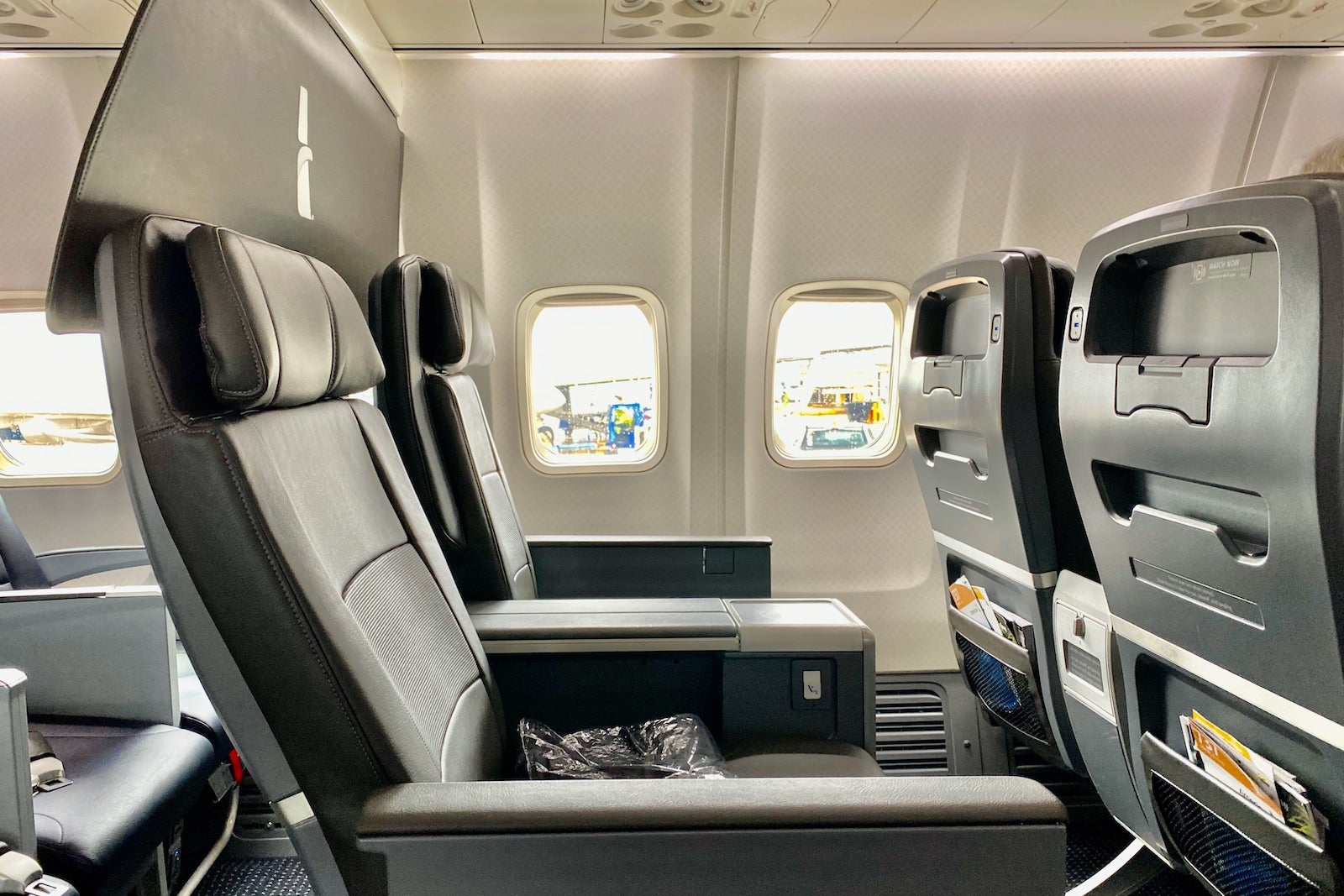
If you're like me (or Brian Kelly-sized), you'll definitely prefer the A320 family of jets, since the windows are much closer to your eye level.
Pilots and Barking dogs
Do pilots themselves prefer one or the other? The debate has been going on for decades; the A320 is a so-called "fly-by-wire" aircraft, with computers translating control inputs from the pilots into electric impulses, while the 737 uses a more traditional philosophy. Some like one approach, some the other. A pilot we interviewed who flew both said his ideal plane would combine the two.
Passengers typically don't get to see those technical aspects — but they can hear them. Aboard an Airbus A320-family jet on the ground, you'll hear what some people think sounds like a drill, while others liken it to a barking dog.
That sound is caused by something called Power Transfer Unit (PTU), which equalizes hydraulic pressure among three independent hydraulic systems. The PTU is located near the main landing gear, and that's why passengers will hear those noises coming from, seemingly, midway down the aisle, under the floor.
Bottom line
There's lots to consider when booking a flight. Most people will just choose based on price or schedule. But if you're faced with the choice between an Airbus A320 family jet and a Boeing 737, you might want to go with the former. Thanks to the wider cabin, reduced cabin-wall curvature and better-placed windows, the Airbus offers a more comfortable ride than the 737, all else being equal.
https://www.instagram.com/p/B8L-PoTFAII/
TPG featured card

at Capital One's secure site
Terms & restrictions apply. See rates & fees.
| 5X miles | Earn 5X miles on hotels, vacation rentals and rental cars booked through Capital One Travel |
| 2X miles | Earn unlimited 2X miles on every purchase, every day |
Pros
- Stellar welcome offer of 75,000 miles after spending $4,000 on purchases in the first three months from account opening. Plus, a $250 Capital One Travel credit to use in your first cardholder year upon account opening.
- You'll earn 2 miles per dollar on every purchase, which means you won't have to worry about memorizing bonus categories
- Rewards are versatile and can be redeemed for a statement credit or transferred to Capital One’s transfer partners
Cons
- Highest bonus-earning categories only on travel booked via Capital One Travel
- LIMITED-TIME OFFER: Enjoy $250 to use on Capital One Travel in your first cardholder year, plus earn 75,000 bonus miles once you spend $4,000 on purchases within the first 3 months from account opening - that’s equal to $1,000 in travel
- Earn unlimited 2X miles on every purchase, every day
- Earn 5X miles on hotels, vacation rentals and rental cars booked through Capital One Travel
- Miles won't expire for the life of the account and there's no limit to how many you can earn
- Receive up to a $120 credit for Global Entry or TSA PreCheck®
- Use your miles to get reimbursed for any travel purchase—or redeem by booking a trip through Capital One Travel
- Enjoy a $50 experience credit and other premium benefits with every hotel and vacation rental booked from the Lifestyle Collection
- Transfer your miles to your choice of 15+ travel loyalty programs
- Top rated mobile app