


Here's a question: Why do we travel? To connect with loved ones, to unwind from our daily routines, to discover something new — and to learn more about the world around us.
The architecture behind most trips incorporates all of the above reasons — and airlines, hotels and destinations are taking notice. In 2026 and beyond, travelers can expect to see expanding route maps from major U.S. airlines, alternatives to traditional accommodations from leading hotel brands and, in general, a growing awareness around tourism's global impact.
TPG dug deep into the evolution of travel as part of our 2026 Travel Trends Report. Here's what you can expect to see during your travels in the coming year.
Blazing new trails
In 2026, accessing underrated and up-and-coming destinations will become easier than ever. Not only are airlines adding new routes to off-the-beaten-path destinations, but hotels are also popping up in many of those same spots.
Take United Airlines, for example. In 2025, United became the first U.S. airline to fly to Mongolia and the only stateside airline to launch nonstop service between the U.S. and Greenland. These were two of the more notable additions from the Chicago-based carrier, though United's expanding fleet suggests they may add more dots to their route map in 2026.

JetBlue also recently launched service to several new cities, including Norfolk, Virginia; Traverse City, Michigan; and Wilmington, North Carolina.
Airlines aren't the only ones doubling down on lesser-traveled destinations. New hotels like Zemi Miches All-Inclusive Resort and Secrets and Dreams Playa Esmeralda are cropping up in Miches, a town on the Dominican Republic's northeast coast that's becoming a sought-after alternative to Punta Cana.
Similarly, Salterra, a Luxury Collection Resort & Spa, opened this year on the island of South Caicos. The island has its own recently opened airport, Norman B. Saunders Sr. International Airport (XSC), with newly added flights on American Airlines. This lets travelers bypass the main airport on Providenciales for direct service to this quieter corner of the Turks and Caicos archipelago.
New ways to stay
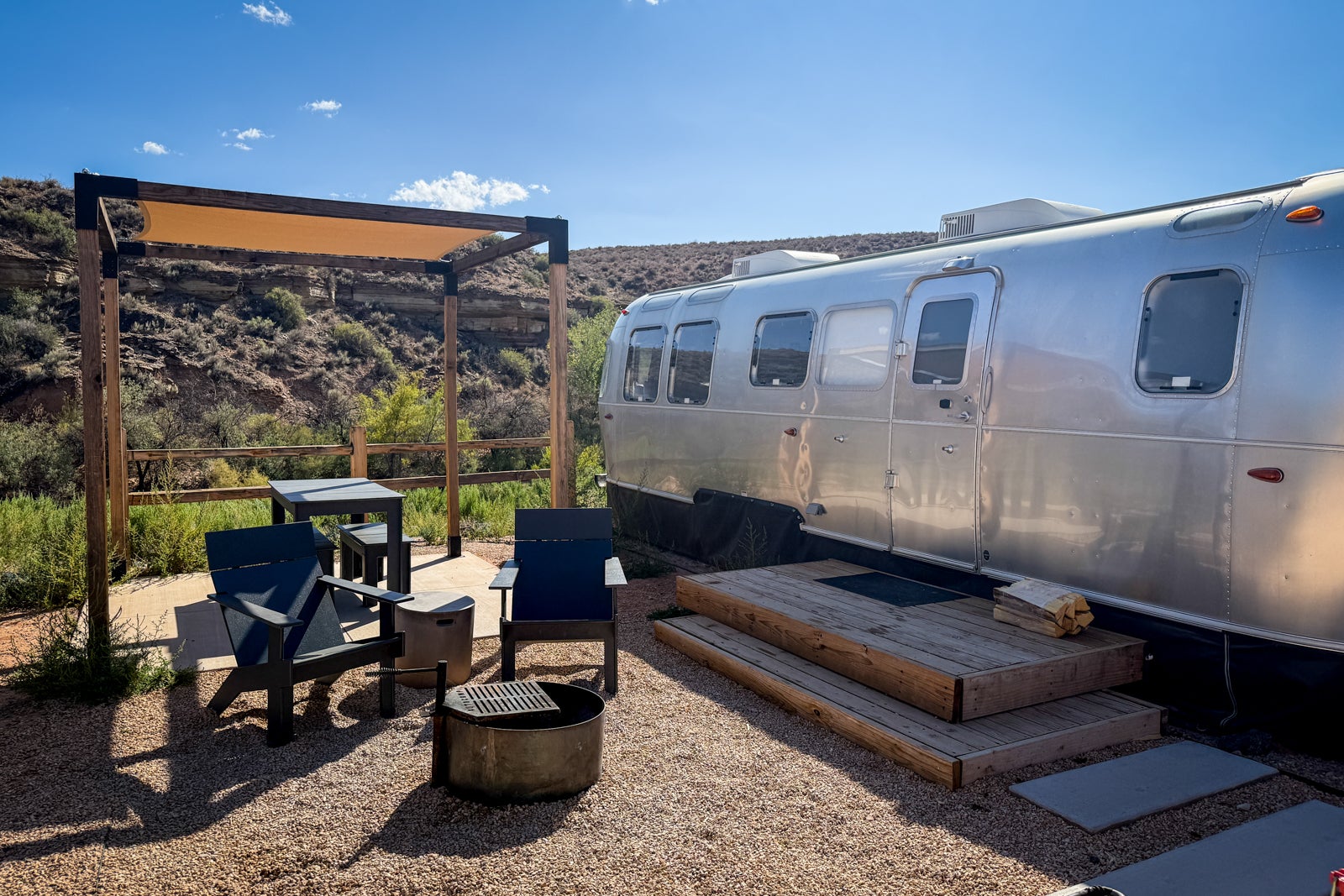
In the past, travelers were mostly beholden to standard hotel rooms and suites if they wanted to utilize their hotel loyalty points and elite benefits. But with major players like Marriott, Hyatt and Hilton acquiring or partnering with boutique hotel brands left and right, those days are quickly fading into the rearview.
Now, travelers can use Hilton Honors points to stay in luxury Airstreams at AutoCamp locations, trade World of Hyatt points for a safari-style tent stay with Under Canvas or utilize Marriott Bonvoy points to sleep among the trees with Postcard Cabins, just to name a few new unconventional options.
This trend doesn't stop with glamping, though. You can now use Marriott Bonvoy points to stay in a multi-bedroom unit outfitted with all the comforts of home at Apartments by Marriott Bonvoy — or even settle in to a Kenyan safari camp.

And the growth of nontraditional stays isn't slowing down. We'll see Under Canvas open a Yosemite location as well as a second New England property in the White Mountains in 2026, outdoor-destination-focused brand Outbound expanding with properties in Yosemite and Sedona, and even some luxury brands continuing to expand into new travel spaces, like andBeyond's launch of its second yacht, andBeyond Amazon Explorer, set to open in late 2026 in the Peruvian Amazon.
Of course, some boutique properties remain independent, but even those are getting easier to integrate into your points and miles strategy, thanks to newer premium credit card booking platforms like The Edit by Chase Travel, Citi's The Reserve and Amex Fine Hotels + Resorts. Booking via these or similar platforms with an eligible card can net you elite benefits like late checkout, complimentary food and beverages, room upgrades and more.
For even more unique and nontraditional stays, new apps like Journey are joining the fray to reward travelers who stay at boutique hotels. Journey partners with a curated network of more than 1,500 independent hotels and private rental homes and is adding more all the time, allowing travelers to earn and redeem points outside of the mainstream loyalty programs and booking platforms.
We expect to see more hotels added to these programs — and possibly even some entirely new programs — in 2026.
Note: TPG founder Brian Kelly is a Journey adviser and investor.
Shifting priorities
As travelers become increasingly aware of tourism's impact on local communities and the environment, the desire for authentic experiences that support (rather than disrupt) those destinations continues to grow.

Rather than being passive visitors, travelers have more opportunities than ever to contribute to preserving a destination, whether through regenerative tourism, voluntourism or supporting the local community.
There are several ways to travel responsibly, from waiting until the time is right to visit destinations ravaged by natural disasters — as we saw with Maui's tragic fires and the community's ongoing recovery, as well as Asheville, North Carolina's recovery from the devastation of Hurricane Helene — to traveling to some of the up-and-coming destinations mentioned above and pumping tourism dollars specifically into locally-owned restaurants, shops and tours.
Bottom line
Travelers are eager to explore fresh destinations in fresh ways. As airlines, hotels and other travel brands rise to meet that demand, 2026 is shaping up to offer more diverse travel options than ever before. And with the power of points and miles, these extraordinary experiences will be more accessible, too. Expect new flight routes, one-of-a-kind stays, and continued innovation in loyalty programs that can bring your next dream trip to life.