The Points Guy believes that credit cards can transform lives, helping you leverage everyday spending for cash back or travel experiences that might otherwise be out of reach. That's why we publish a variety of editorial content and card comparisons: to help you find a great card to turn your goals into reality.
Our site may earn compensation when a customer clicks on a link, when an application is approved, or when an account is opened with our partners, and this may impact how or where these products appear. While we don't cover all available credit cards, our editorial team creates and maintains all of the analysis of these cards, and our content is not influenced nor subject to review by any credit card company, bank or partner prior to (or after) publication. Please view our advertising policy and product review methodology for more information.
Advertiser disclosure
The Points Guy believes that credit cards can transform lives, helping you leverage everyday spending for cash back or travel experiences that might otherwise be out of reach. That's why we publish a variety of editorial content and card comparisons: to help you find a great card to turn your goals into reality.
Our site may earn compensation when a customer clicks on a link, when an application is approved, or when an account is opened with our partners, and this may impact how or where these products appear. While we don't cover all available credit cards, our editorial team creates and maintains all of the analysis of these cards, and our content is not influenced nor subject to review by any credit card company, bank or partner prior to (or after) publication. Please view our advertising policy and product review methodology for more information.
Guides
These are the Central American countries US travelers can visit right now
Andrew Kunesh is TPG's Points & Miles editor. He has been active in the points and miles space since 2014, using them to travel far and wide around the world. He is originally from Chicago but moved to New York City after graduating from DePaul University. His work is featured on Credit Karma, UpgradedPoints, ValuePenguin and various other travel and finance publications. He currently holds Delta Diamond Medallion and Marriott Titanium status, and 20+ credit cards that each have a special place in Andrew's wallet.
July 21, 2021 • 12 min read
The cards we feature here are from partners who compensate us when you are approved through our site, and this may impact how or where these products appear. We don't cover all available credit cards, but our analysis, reviews, and opinions are entirely from our editorial team. Terms apply to the offers listed on this page. Please view our advertising policy and product review methodology for more information.Editorial disclaimer: Opinions expressed here are the author's alone, not those of any bank, credit card issuer, airline or hotel chain, and have not been reviewed, approved or otherwise endorsed by any of these entities.
Comments
By commenting, you agree to our Community Guidelines to help create a positive space for conversation. The responses below are not provided or commissioned by the bank advertiser, our partners, or The Points Guy (“TPG”). They have not been reviewed, approved, or otherwise endorsed by any of these parties. All responses are submitted by individual contributors, and neither the bank advertiser, our partners, nor TPG are responsible for ensuring that all posts and/or questions are answered.
Related stories
Quick summary
Central American countries have reopened to U.S. travelers, but entry requirements vary significantly by destination.
Most countries require proof of vaccination or a recent negative COVID-19 test, with some mandating additional forms or insurance.
Local restrictions such as curfews, capacity limits and mask mandates are common and differ by country.
U.S. State Department travel advisories range from Level 2 to Level 4, reflecting varying safety and health risks.
What to consider
Entry protocols may include health forms, proof of insurance, or specific types of COVID-19 tests with defined timing windows.
Some destinations impose curfews, capacity restrictions or require bookings at approved accommodations.
Travelers from or transiting through certain countries may face additional restrictions or entry bans.
What you'll miss from the article
A detailed country-by-country breakdown of current entry rules, local restrictions and practical tips for planning a Central America trip.
Generated by AI with support from our editorial team.
Update: Some offers mentioned below are no longer available. View the current offers here.
Craving a getaway? Central America is nearby for U.S. travelers, and most countries in the region are open for tourism. This includes popular destinations like Costa Rica and Mexico. That said, entry requirements vary greatly throughout the region, so you should know what to expect before booking a trip.
In this article, we'll discuss everywhere you can go and what you should know before you depart.
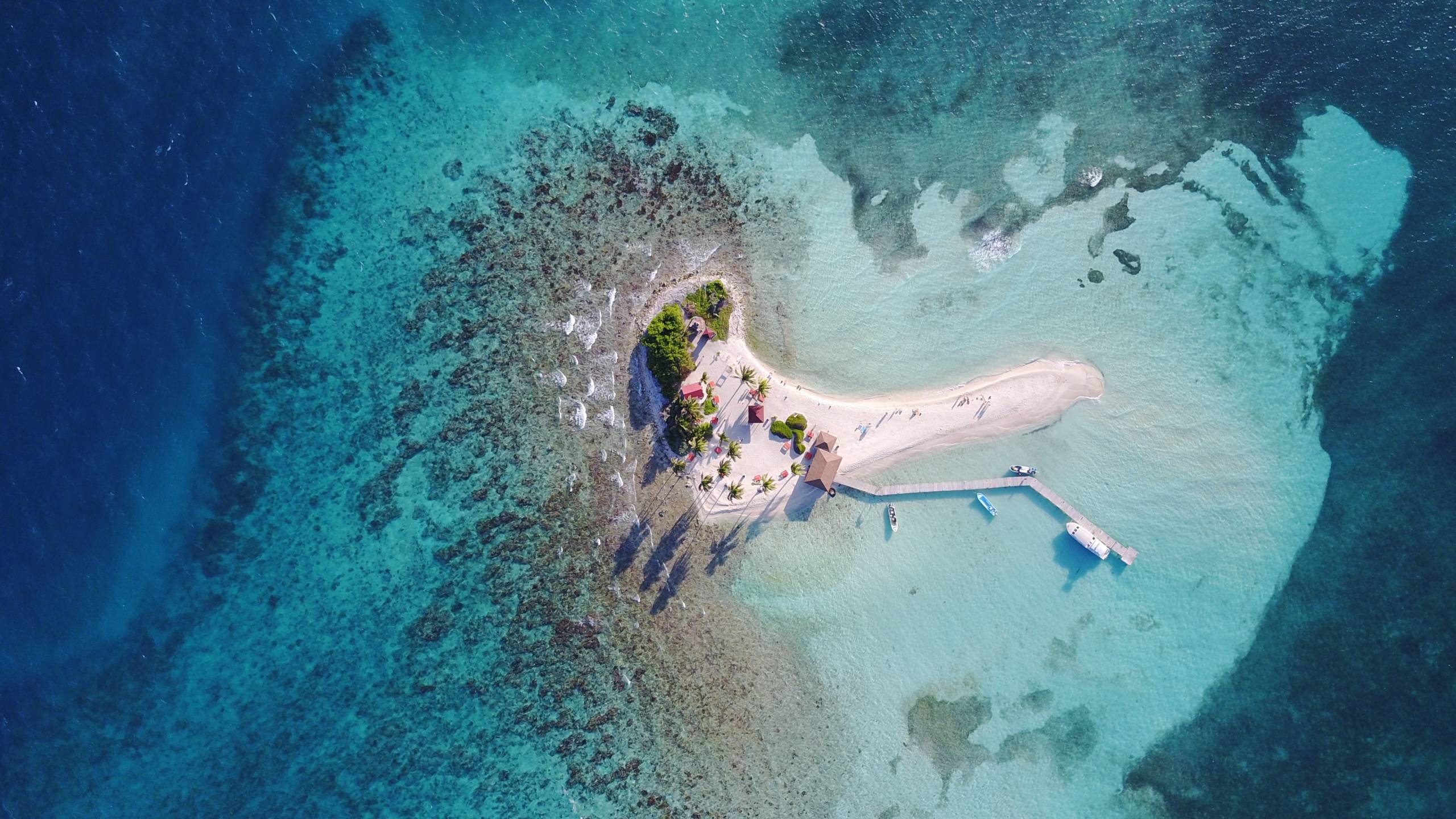
Belize — open, proof of vaccination or negative test required
Travelers arriving by air must provide one of the following items to enter the country:
Proof of being fully vaccinated.
A negative COVID-19 PCR test taken within four days of arrival.
A negative COVID-19 antigen test taken within two days of arrival.
If none of the above items are provided, a rapid antigen test is required, which will cost $50 in cash.
Also, travelers must book a “Gold Standard” hotel, according to the Belize tourism website. These hotels have received extra health and safety training and have been approved to welcome tourists. Proof of a Gold Standard booking will be needed when going through customs.
Take note that there is a nationwide curfew and that masks are required in many situations, such as when in businesses and riding public transportation. Restaurants and businesses in the country are mostly open with capacity restrictions.
Costa Rica — open, health forms and proof of insurance required
Costa Rica has reopened to U.S. travelers from all 50 states and Washington, D.C. Those wishing to enter the country can enter by air or certain land borders and must follow a list of specific requirements.
National parks and beaches nationwide are open from 5 a.m. to 6 p.m. daily, according to the U.S. Embassy. Plus, businesses can operate between 5 a.m. and 9 p.m. daily with capacity restrictions.
Produce a negative RT-PCR diagnostic test with results dated within 72 hours of departure to Costa Rica.
Show proof of traveler’s medical insurance, either purchased internationally or directly from Costa Rica through the National Insurance Institute or Sagicor.
For international insurance policies, tourists must request a certification from their insurance company, issued in English or Spanish, verifying at least the following three conditions:
Effectiveness of the policy during the visit to Costa Rica.
Guaranteed coverage of medical expenses in the event of becoming ill with the COVID-19 virus while in Costa Rica, for at least $50,000.
Minimum coverage of $2,000 for potential quarantine lodging expenses issued as a result of the pandemic.
Note that any emergency medical or dental coverage provided by credit cards such as the Chase Sapphire Reserve will not meet this requirement.
Have remained for at least 14 days in one of the countries to which Costa Rica has opened its air border.
El Salvador — open, proof of vaccination or negative PCR test required
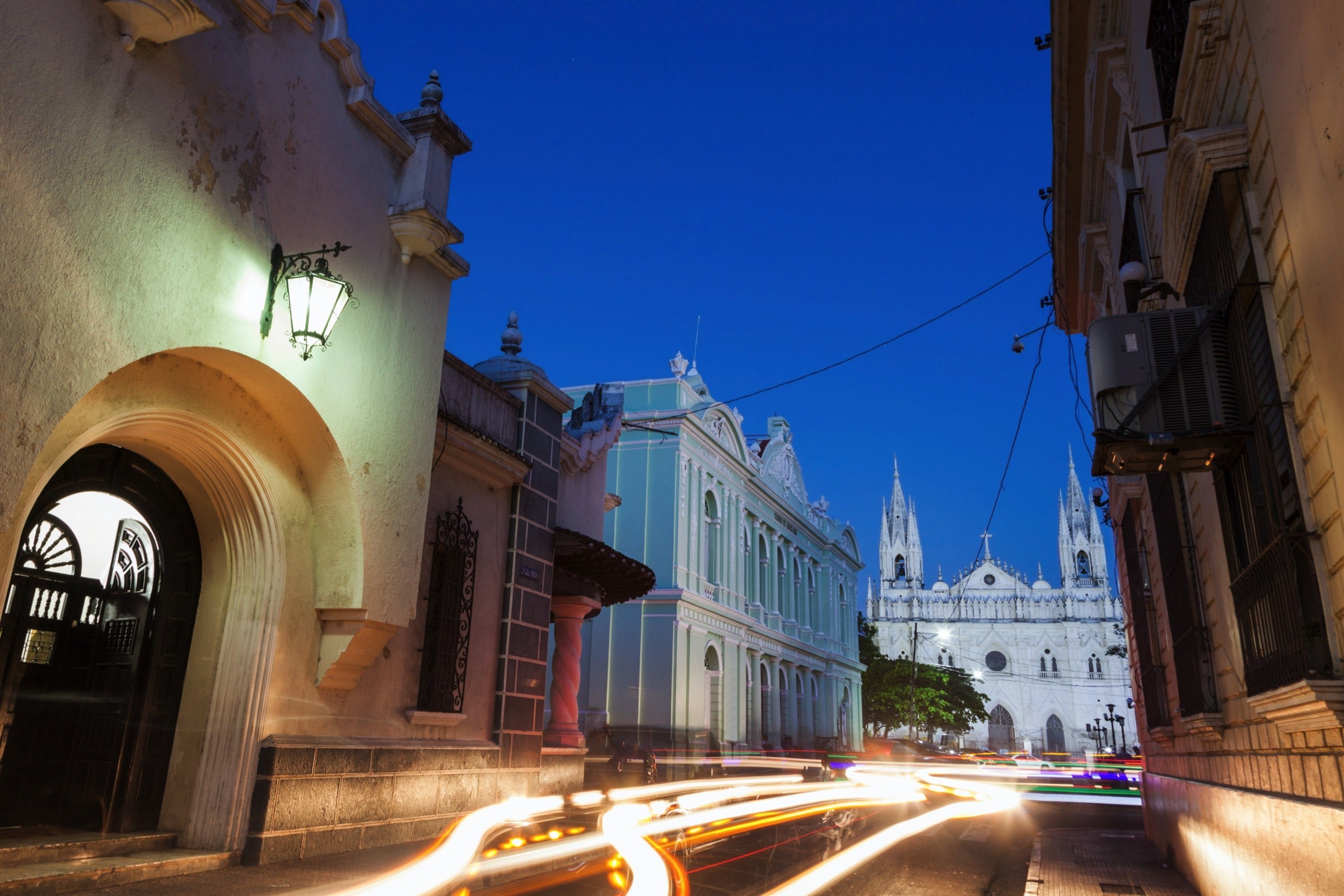
You can visit Santa Ana and other major cities in El Salvador if you're vaccinated or test negative for COVID-19. (Photo by Henryk Sadura/Shutterstock.com)
El Salvador reopened for commercial flights to Oscar Arnulfo Romero International Airport (SAL) in San Salvador on Sept. 19. The country had been closed to international visitors since mid-March 2020 when the pandemic spread worldwide.
"Tourism is the industry that allows us to move around the world and we are focused on offering visitors the best destination experience, but above all, safe," said Morena Valdez, El Salvador's minister of tourism. "I invite you to cross borders and discover that El Salvador is an ideal place to visit, establish tourist operations, do business and live."
To enter the country, travelers must present either a negative COVID-19 RT-PCR test taken within 72 hours of arrival or proof of full COVID-19 vaccination, according to the U.S. Embassy in El Salvador. The ability to enter with proof of vaccination is a relatively new policy, so the embassy recommends that passengers confirm that their airline has updated its own policies accordingly.
Local businesses are open with no restriction, and public transportation is operating.
A negative COVID-19 PCR or antigen test taken within 72 hours of arrival.
Proof of full vaccination.
Proof of recovery from COVID-19 within three months of travel to Guatemala.
Flights are operating to and from the country, and land borders are open. However, most travelers who have been in Brazil, South Africa or the United Kingdom in the past two weeks will be denied entry into Guatemala.
Travelers must pass through health checkpoints upon arrival, and those exhibiting COVID-19 symptoms might be denied entry into the country. Masks are required in most public places with fines for noncompliance. There is currently no curfew in the country, and public transportation is operating at 50% capacity.
The local health authority maintains the right to grant or deny final approval for entry based on their determination of risk of COVID-19 from any visiting travelers. Exiting travelers must also complete another pre-check form online and complete a health surveillance form, affidavit of clean health and customs form.
There is a curfew from 10 p.m. to 5 a.m. in place until July 25. Thankfully, most businesses are open at 50% capacity, and public transportation is operating. Bars, nightclubs, gyms, sports complexes, convention centers, theaters and educational centers are currently closed.
Note that the U.S. State Department has issued a Level 3: Reconsider Travel advisory due to crime and COVID-19.
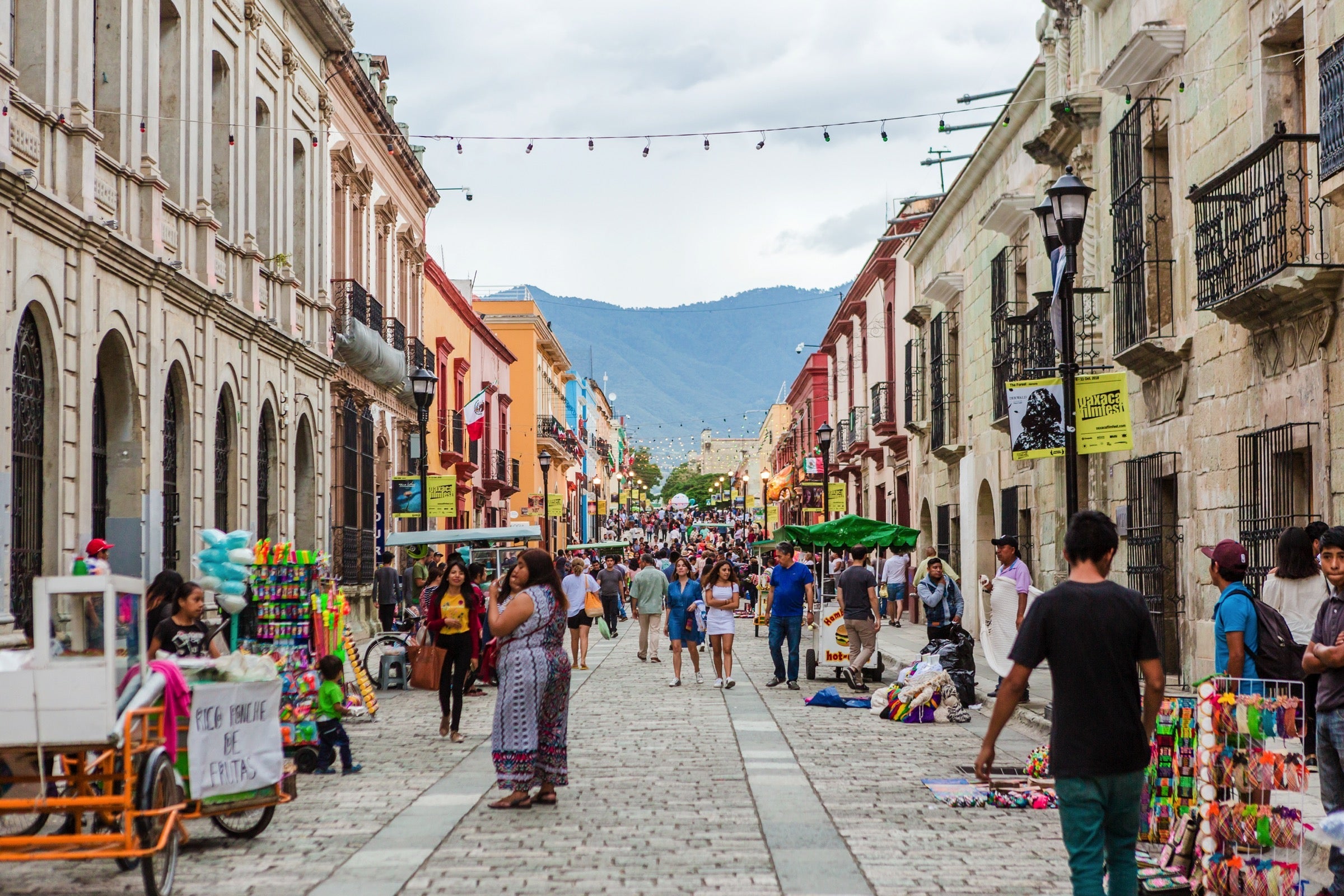
Visit Oaxaca and other Mexican tourist hotspots this year with few entry restrictions. (Photo by Kelli Hayden/Shutterstock.com)
Americans can travel by air to anywhere in Mexico with almost zero restrictions or entry requirements. The land border, however, remains closed to all but essential travel through at least Aug. 21, according to the U.S. Embassy.
The entirety of Mexico is now open to international tourists with no testing or vaccine requirements. You will be required to complete a health declaration form upon arrival.
There is a four-tier traffic light system in place that determines if businesses can open and gatherings can take place. The red tier signifies maximum restriction, orange limits capacity in public places to 30%, yellow allows businesses to open with "basic prevention measures," and green allows businesses to operate with zero restriction.
Tourists are strongly encouraged to wear their face masks in all social spaces, including on flights. However, firsthand accounts from TPG staff note that mask compliance is hit or miss.
The U.S. State Department has issued a Level 3: Reconsider Travel advisory due to COVID-19 and, in some areas, kidnapping and crime.
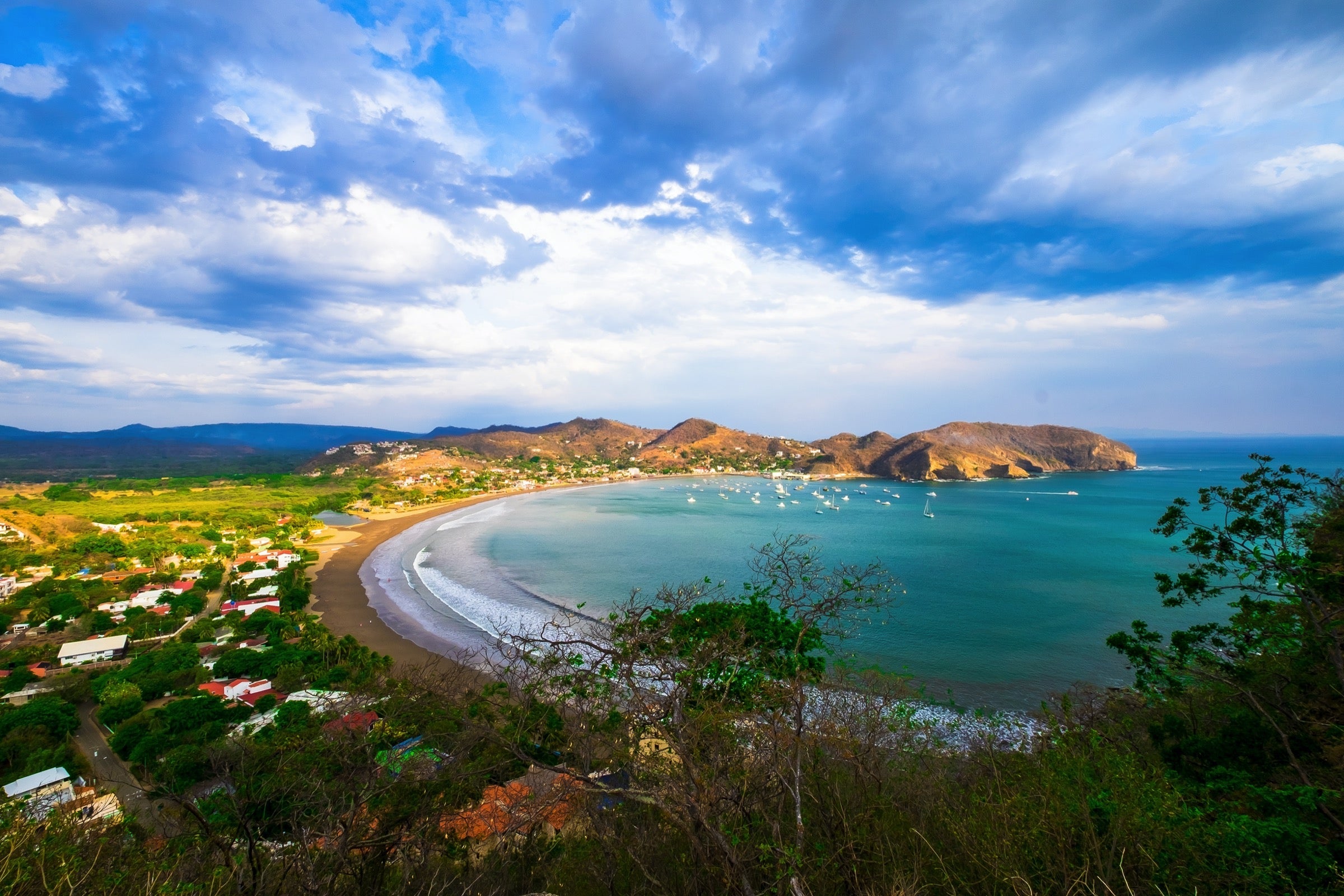
The U.S. Embassy in Nicaragua states that a negative PCR test taken within 72 hours of arrival is required to enter Nicaragua. Additionally, travelers arriving from countries with a known yellow fever risk must present proof of vaccination against yellow fever. Travelers should be prepared for additional health screenings, although the embassy states that travelers are not required to produce any additional health documentation to enter the country.
Other than that, businesses — including bars and restaurants — remain open, and there is no curfew in place.
The U.S. State Department has issued a Level 4: Do Not Travel advisory due to COVID-19, and also notes "limited healthcare availability and arbitrary enforcement of laws."
Panama — open, negative PCR or antigen test required
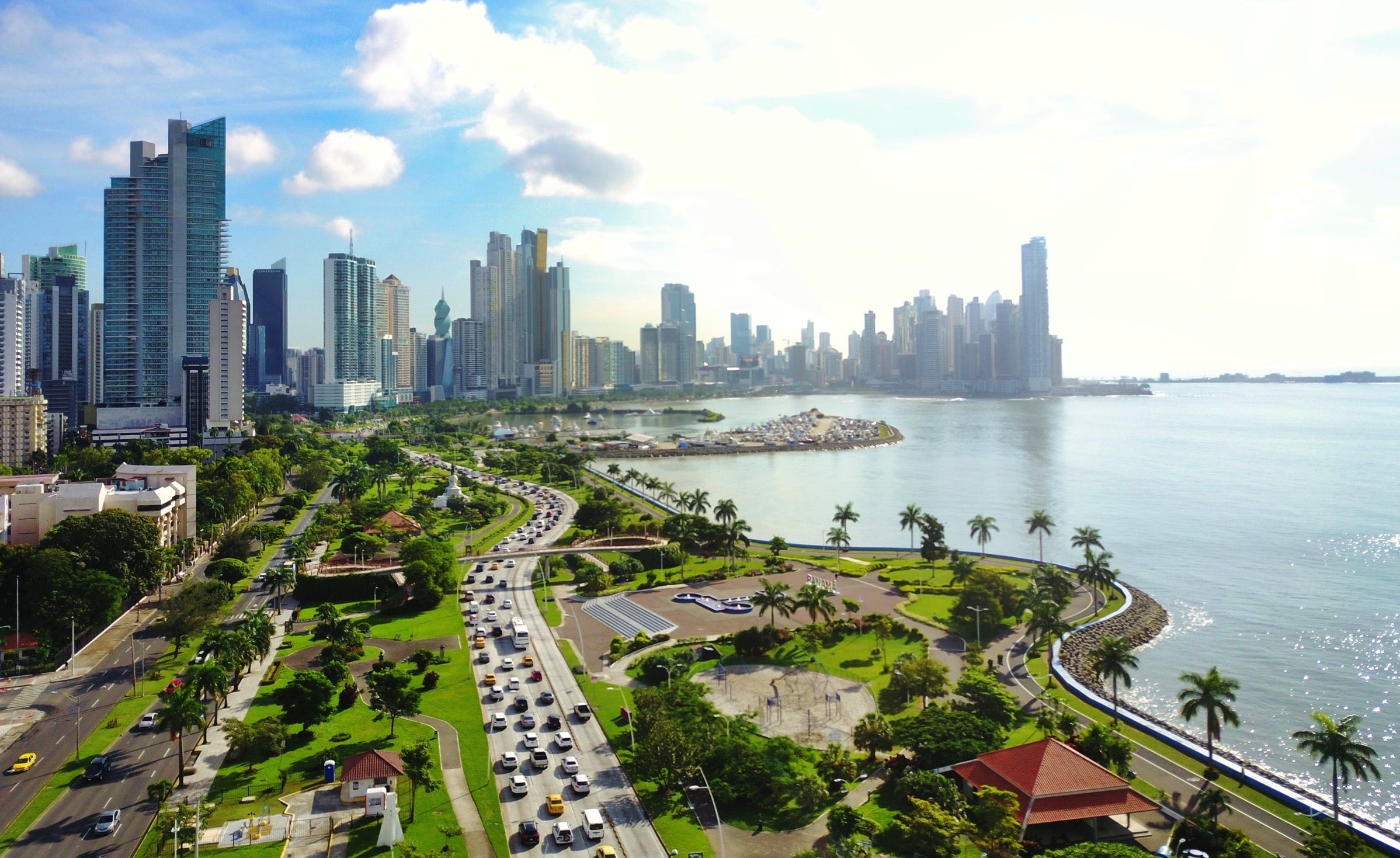
Visit Panama City with a negative COVID-19 test. (Photo by Gualberto Becerra/Shutterstock.com)
Tourists can enter Panama so long as they bring a negative PCR or antigen COVID-19 test taken no more than 48 hours before arrival in Panama. Those who do not have a test can take one before airport customs for $50. Those who test positive are required to quarantine at a government-provided hotel for 14 days free of charge. All travelers must complete an electronic affidavit before check-in that states they agree to comply with COVID-19 restrictions and have not been in contact with a COVID-19-positive person in the past 14 days.
There are tougher restrictions for those who have been in (or transited through) South America, India, South Africa or the United Kingdom in the past 15 days. These travelers are required to take an $85 COVID-19 test upon arrival. If negative, they will be placed into a mandatory three-day quarantine at an authorized hotel. Then, the traveler will have to take another COVID-19 test on the third day of quarantine and can exit quarantine if the results come back negative.
Most of Panama’s requirements follow basic health protocols for COVID-19 prevention. Face masks are required on all forms of transportation and in public places. Travelers are encouraged to utilize electronic payment where possible, take advantage of hand sanitizer stations, submit to temperature checks by businesses and tourism operators, and use digital maps and menus to avoid cross-contamination through paper.
Most businesses are open in Panama, albeit at a reduced capacity. Restaurants are open and encourage reservations to avoid crowding. Further, there's a 50% capacity limit in shared vehicles and a 30% capacity limit on event spaces. Beaches are once again open for visitors.
Additional reporting by Jacob Harrison and Katherine Fan.
Comments
By commenting, you agree to our Community Guidelines to help create a positive space for conversation. The responses below are not provided or commissioned by the bank advertiser, our partners, or The Points Guy (“TPG”). They have not been reviewed, approved, or otherwise endorsed by any of these parties. All responses are submitted by individual contributors, and neither the bank advertiser, our partners, nor TPG are responsible for ensuring that all posts and/or questions are answered.