How to leave no trace when hiking
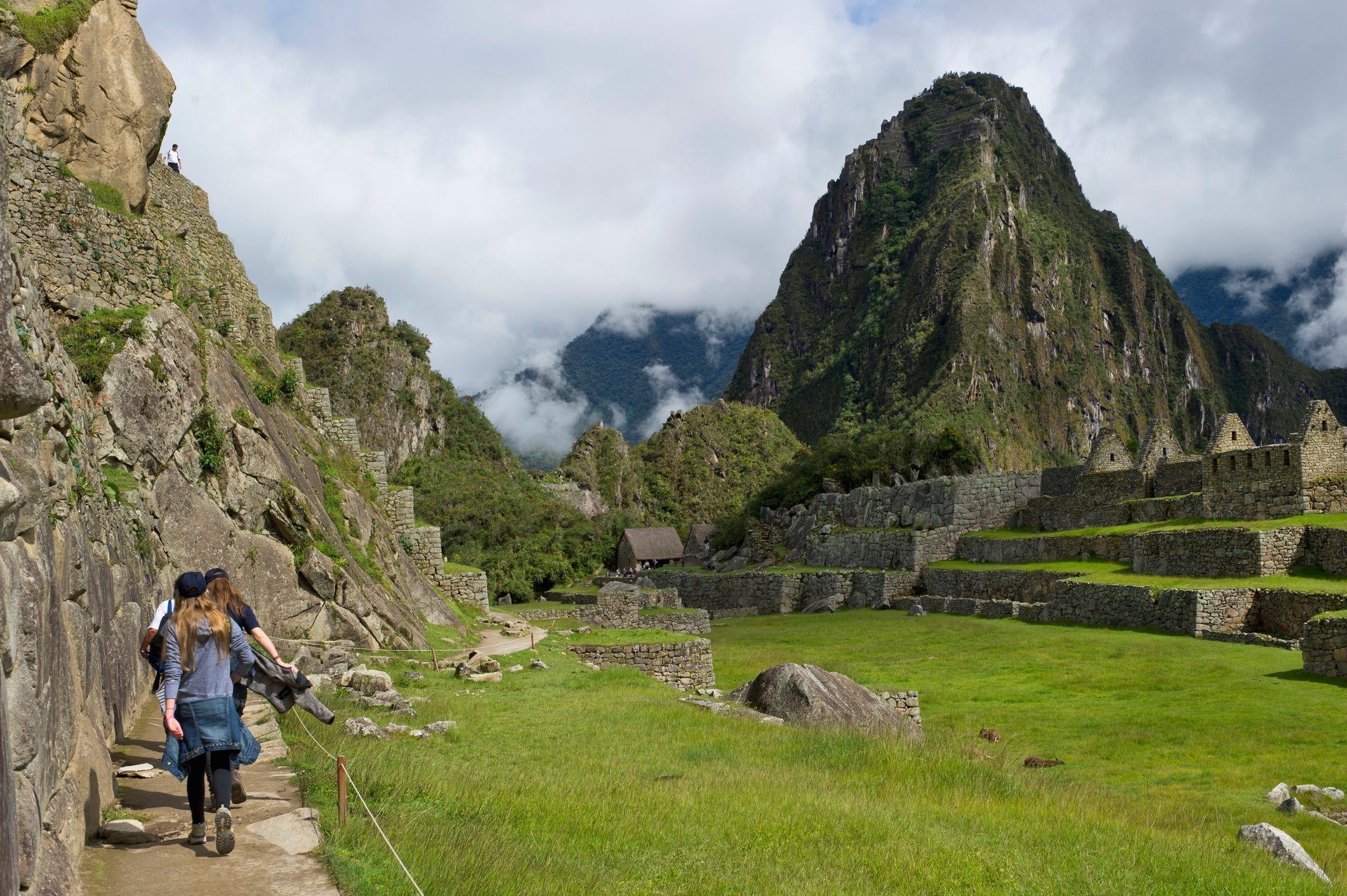
Hiking is an amazing — and cheap — way of experiencing and enjoying the natural beauty of new areas to which you are traveling. It's also one of the more socially-distant activities you can do. However, what seems to be a simple activity can, without us even realizing it, be very damaging to native species. Here are some simple tips to follow to make sure that we leave no impact during a vacation hike.
Stick to the Paths
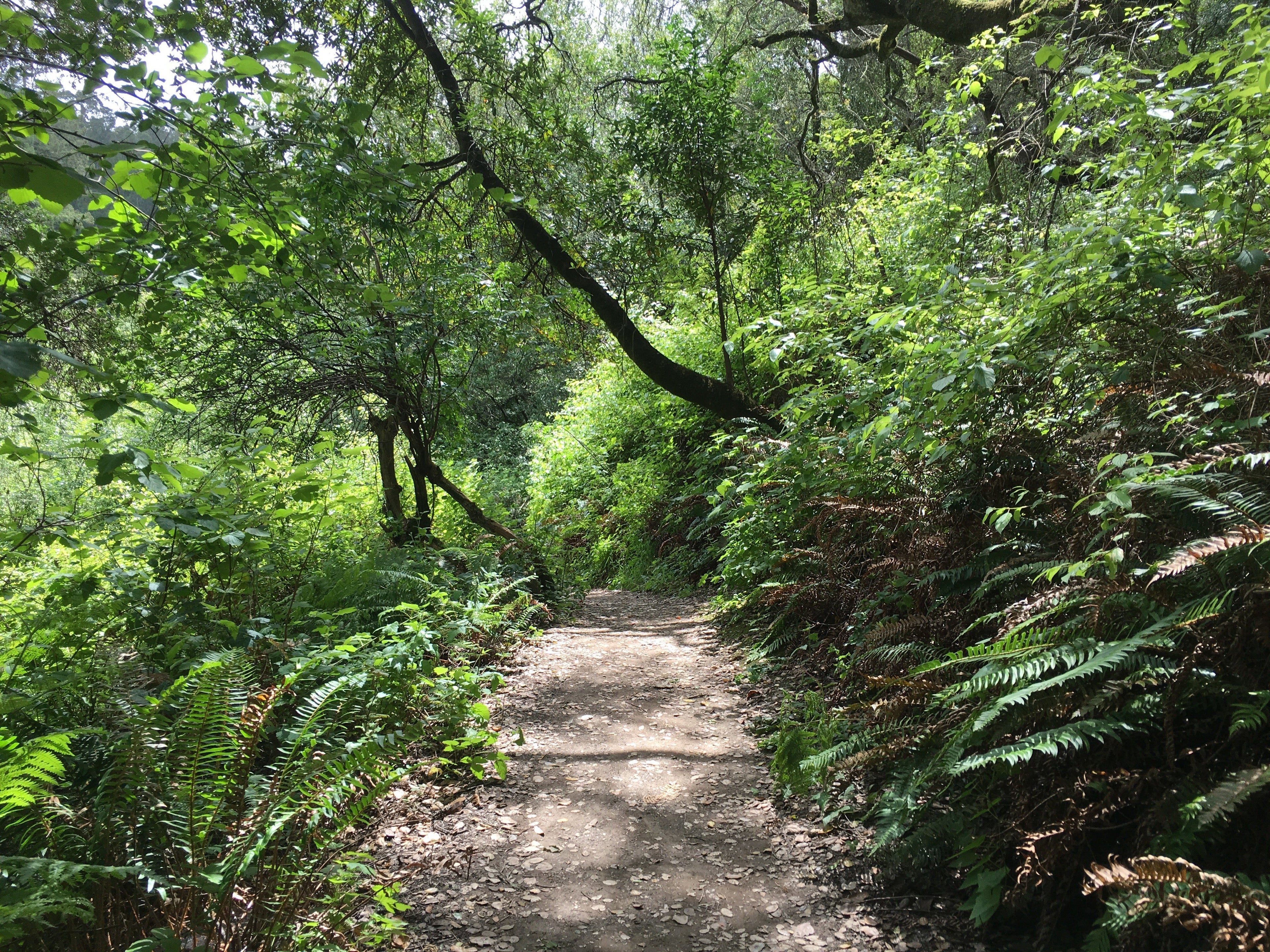
This may sound like a petty 'teacher's pet' thing to do, but it is of vital importance to prevent trail widening from occurring. Trail widening is when the soil around a path is broken up or loosened, making it more prone to erosion. Stick to the path and try to walk in the middle of the path, too. If it gets narrow, walk single file. If there is a muddy or wet patch in the middle of the path, then walk through it with boots. If you are hiking somewhere with no set path, hike on the most durable possible surfaces, such as large rocks instead of vegetation in order to avoid damaging the local flora and fauna as much as possible.
Related: 9 outdoorsy U.S. resorts perfect for a socially distant getaway
Also, when beginning a hike, check the regulations of the specific place you will be hiking for further information. Some places have limited paths at times of year when birds (such as puffins) may be nesting underground or when vegetation may be in a particularly vulnerable state.
Look, but Don't Touch
Everything in nature is so intricately interconnected that moving one thing can have a butterfly effect throughout an entire food web or ecosystem. This is why it is so important to look and appreciate things with your eyes without picking up or physically moving anything that you see, including logs, rocks and flowers.
For example, rock stacking has become a popular trend on Instagram wherein people build rock stacks in beautiful locations, making for those awesome Insta-worthy travel photos. However, this is actually extremely damaging to the ecosystem, as it disturbs the habitat of small species that live, hide or seek refuge in or between rocks, as well as causing increased soil erosion by exposing the soil underneath where the rocks naturally fell. It has become so much of a problem that the practice has now been banned by many national parks across the world.
Related: More hikers could soon get permission to hike to the Wave in Arizona
Respect Wildlife
When out in nature, it's important to keep a respectful distance from any wildlife you may encounter. During a hike, we are the visitors in their home — not the other way around. This recommended safe distance will depend on the national park, the species you are viewing and the time of year. For example, a general rule of thumb is to maintain a distance of at least 300 feet when watching bears and wolves, as opposed to about 80 feet for birds. These are just rules of thumb, though keep your wits about you. See how the animal is reacting — do they seem stressed and aware of your presence, or are they just continuing their life without even realizing you are there? Are they venomous or otherwise dangerous? Do they have young with them that you could be stressing, and potentially even separating from their parent?
Related: 8 Survival Tips for Wilderness Hikes

Trash
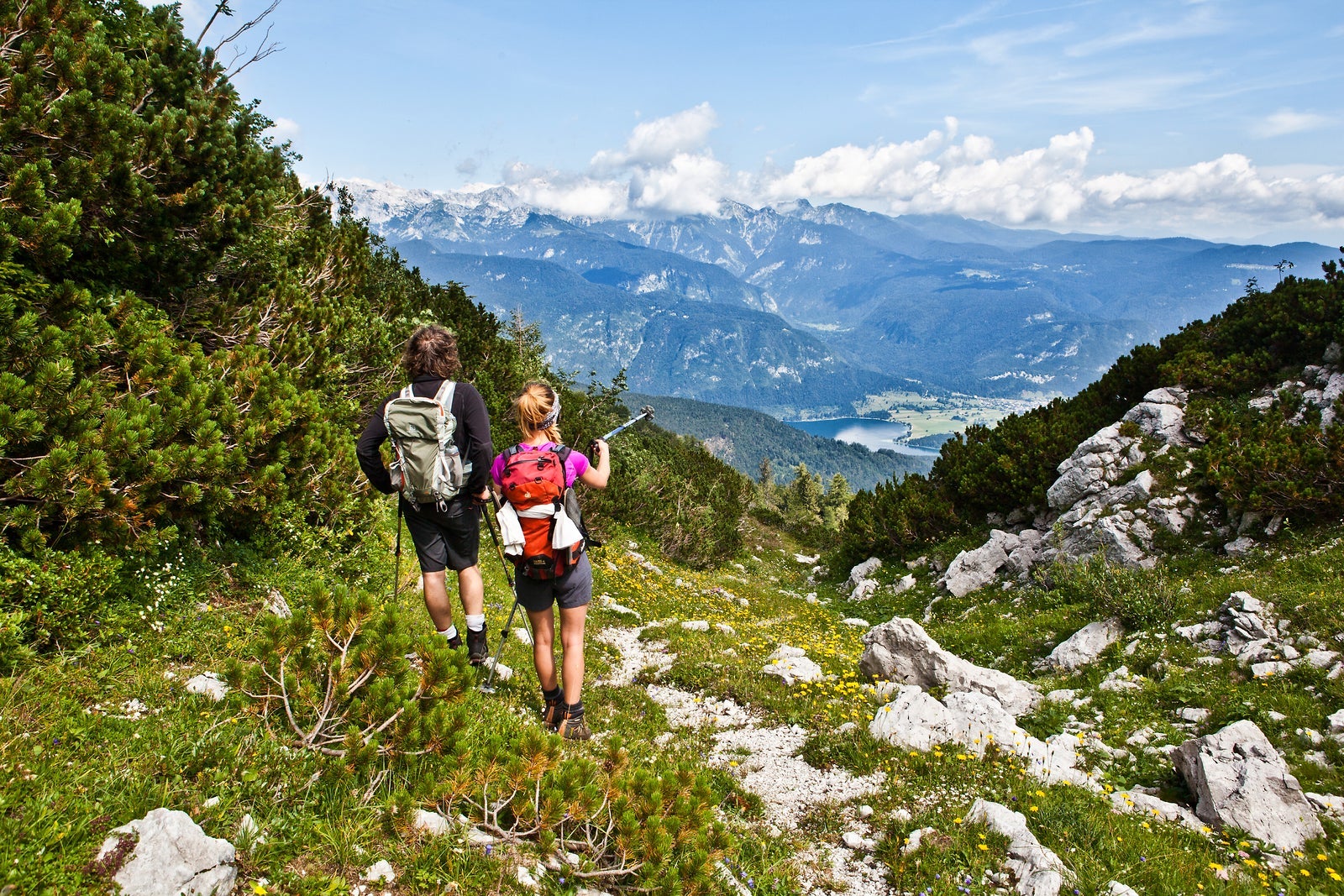
Think about what you are taking with you on a hike. It's obviously important to be prepared with plenty of water and food, but ensure that anything you take with you, you take back with you so that we are not leaving behind any waste and polluting the natural landscape. The best option is to take everything in reusable containers with a cutlery set, avoiding any single-use plastics.
You could even take this one step further by picking up any other peoples' trash they have left behind along your way. For any real fitness fanatics, you could even try the most recent Scandinavian trend, 'plogging', or jogging whilst picking up litter.
Related: The Top 10 Hiking Trails and Campgrounds in the US, According to Google
Keep Noise Levels to a Minimum
It can be very tempting to take a speaker on a hike and play your favorite music out loud whilst walking through the wilderness. But this could be disruptive to the wildlife, as well as other people who have come out into the wild to seek solace and peace in nature. If you are someone who likes music on a hike, take a good pair of headphones with you, or hike with a buddy and spend the time talking to them.
This increased appreciation and awareness of the natural world whilst hiking will probably help you get more enjoyment from hikes anyway. Take only pictures, leave only the lightest of footprints and bring home only the memories. As the Native American proverb goes, "We don't inherit the earth from our ancestors, we borrow it from our children".
TPG featured card

at Capital One's secure site
Terms & restrictions apply. See rates & fees.
| 5X miles | Earn 5X miles on hotels, vacation rentals and rental cars booked through Capital One Travel |
| 2X miles | Earn unlimited 2X miles on every purchase, every day |
Pros
- Stellar welcome offer of 75,000 miles after spending $4,000 on purchases in the first three months from account opening.
- You'll earn 2 miles per dollar on every purchase, which means you won't have to worry about memorizing bonus categories
- Rewards are versatile and can be redeemed for a statement credit or transferred to Capital One’s transfer partners
Cons
- Highest bonus-earning categories only on travel booked via Capital One Travel
- Enjoy a one-time bonus of 75,000 miles once you spend $4,000 on purchases within 3 months from account opening, equal to $750 in travel
- Earn unlimited 2X miles on every purchase, every day
- Earn 5X miles on hotels, vacation rentals and rental cars booked through Capital One Travel
- Miles won't expire for the life of the account and there's no limit to how many you can earn
- Receive up to a $120 credit for Global Entry or TSA PreCheck®
- Use your miles to get reimbursed for any travel purchase—or redeem by booking a trip through Capital One Travel
- Enjoy a $50 experience credit and other premium benefits with every hotel and vacation rental booked from the Lifestyle Collection
- Transfer your miles to your choice of 15+ travel loyalty programs
- Top rated mobile app