Thinking of switching to hard-shell luggage? These are the pros and cons.

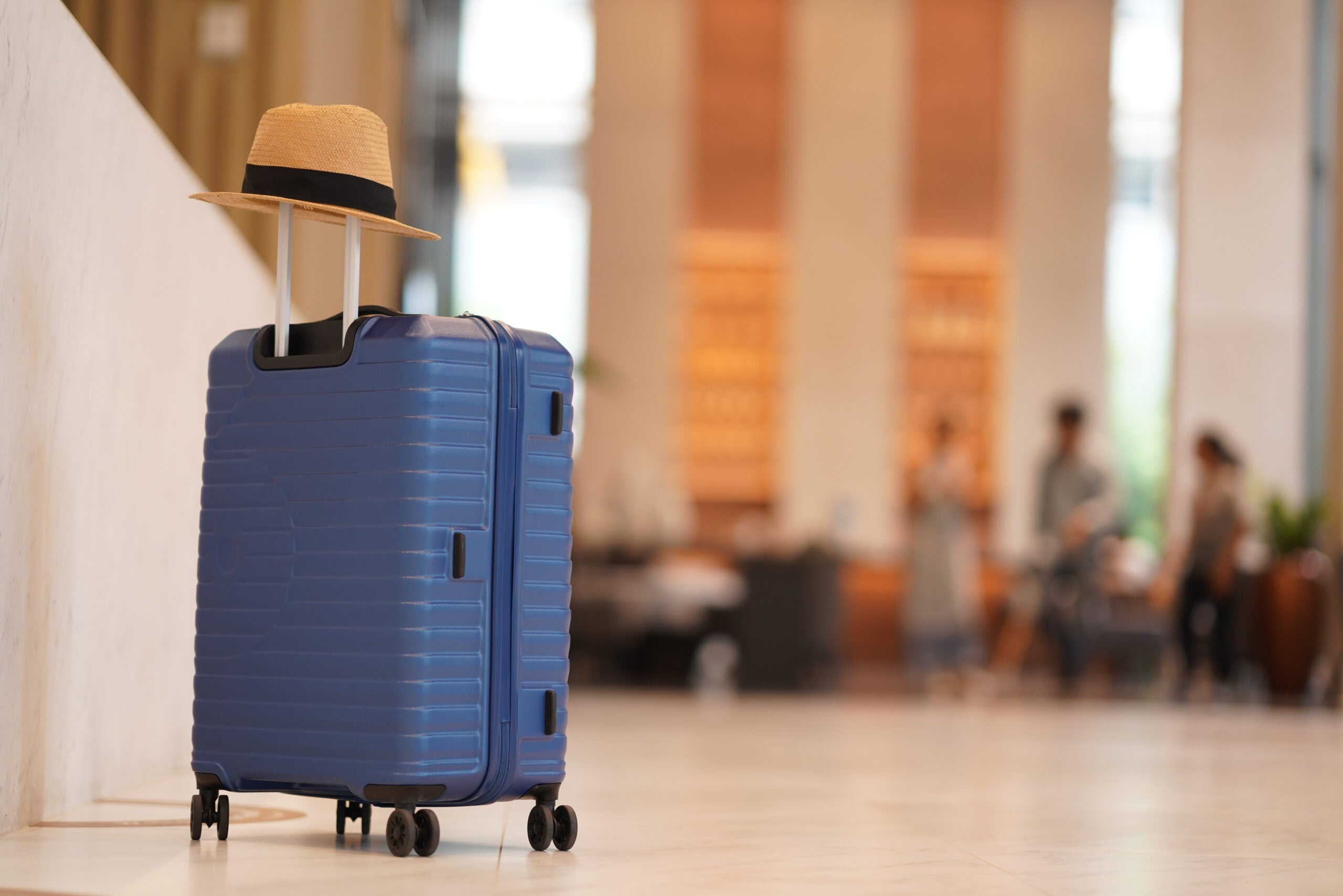
I've been pulling around a trusty pair of nesting soft-sided Samsonite bags for the last few years that have served my husband and me well for our travels domestically and abroad. No complaints really. But some upcoming travel plans have us needing to invest in an additional set of bags, which has sent me down the rabbit hole of researching what to get.
My biggest question is whether or not to make the switch from soft-sided bags to hard-shell cases. Hard-shell cases are certainly all the rage at TPG and with TPG readers. They are of-the-moment, aesthetically pleasing and made by brands with cult followings.
As someone who has never used one of these bags before, I wanted to know a little bit more about what I might be getting into given the financial commitment (a Rimowa bag can easily run you between $1,000 and $2,000). So, I turned to the experts and polled the TPG Lounge to find out the pros and cons before making a final purchase — and the responses did not disappoint. Here are the major takeaways.
Hard-side pros
Your goods have added protection from the elements, handling and bed bugs.
Polycarbonate is the secret weapon behind any hard-shell case's durability. Many readers commented that clothes managed to stay dry when these non-porous cases get caught on the tarmac in the rain. When packing fragile items, like wine, a hard-shell case offers an added layer of protection when getting tossed around during travel (although there are plenty of ways to safely travel with wine when packing a soft-sided bag).
Related: Is expensive luggage worth it?
Finally, and maybe the point that hit closest to home for this survivor, is added protection from bed bugs. It's tougher for these ruthless critters to penetrate a hard shell, and there are fewer places for them to hide inside. That alone could be reason enough for me to make the switch.
You can't overstuff.
This can be a pro or a con depending on your travel style. For chronic over packers, using a bag that forces you to keep your load light can be beneficial when it comes time to stuff your bag in an overhead compartment or meet tight carry on requirements on certain airlines. This also helps keep the weight down which can make for an easier travel day.
Some come with more modern amenities like built-in chargers.
Hard-shell cases not only look modern, many are modern. Many feature built-in power banks, a huge plus for those who rely on their devices during long travel days (let's be honest: in a world of QR codes and digital boarding passes, who doesn't?). Some even come with digital locks that you can control through your smartphone.
Hard-side cons
The butterfly or clamshell method of opening.
This was by far and away the biggest complaint for the hard-shell club, and one that I hadn't considered. Because the zippers of most hard-shell cases are right in the middle, you have to fully open the entire case to retrieve something as opposed to simply lifting the lid. This means it's tougher to quickly grab something from your bag and, possibly even more problematic, when laid open in a hotel room, can take up value space — especially smaller European rooms.

Related: Travel is back — and that means it's time for a luggage upgrade
Many TPG Loungers also confessed to needing to use packing cubes to keep their items in order due to the way these bags open. While the packing cube club is a loyal one, if that's not something you mess with, sticking with a bag with more built-in compartments may be a better option.
You lose outside pockets.
Outside pockets are typically where I stash my laptop for easy access as well as bulky reading materials or other heavy items I don't want weighing down my shoulder bag. However, most hard-shell cases tend not to come equipped with external pockets. Consider where those items will ultimately end up being stored if an easily accessible pocket is no longer available.
Related: What to do if an airline damages your luggage
Some travel experiences may restrict the use of hard-sided luggage.
A few readers commented that they had booked travel experiences that prohibited or limited the use of hard-shell cases, such as select cruises and safaris. Although this is not likely to happen often, it's something to keep in mind if you book a smaller excursion or with a smaller-scale travel company that might have difficulty packing or storing these bags.
Bottom line
Change can be hard. I have a soft-sided bag that I am happy with, but given I don't purchase a new set of luggage every day, I don't want to miss an opportunity to get with the times and go hard shell. The majority of TPG Loungers who have made the switch seem to be happy they did so. And, the few complaints they did have, like the clamshell open, don't seem to be major deterrents. If you're still, ahem, up in the air like I am, consider taking our quiz on what your luggage brand says about you to help get you sorted.
Photo by wera Rodsawang/Getty Images
TPG featured card

at Capital One's secure site
Terms & restrictions apply. See rates & fees.
| 5X miles | Earn 5X miles on hotels, vacation rentals and rental cars booked through Capital One Travel |
| 2X miles | Earn unlimited 2X miles on every purchase, every day |
Pros
- Stellar welcome offer of 75,000 miles after spending $4,000 on purchases in the first three months from account opening. Plus, a $250 Capital One Travel credit to use in your first cardholder year upon account opening.
- You'll earn 2 miles per dollar on every purchase, which means you won't have to worry about memorizing bonus categories
- Rewards are versatile and can be redeemed for a statement credit or transferred to Capital One’s transfer partners
Cons
- Highest bonus-earning categories only on travel booked via Capital One Travel
- LIMITED-TIME OFFER: Enjoy $250 to use on Capital One Travel in your first cardholder year, plus earn 75,000 bonus miles once you spend $4,000 on purchases within the first 3 months from account opening - that’s equal to $1,000 in travel
- Earn unlimited 2X miles on every purchase, every day
- Earn 5X miles on hotels, vacation rentals and rental cars booked through Capital One Travel
- Miles won't expire for the life of the account and there's no limit to how many you can earn
- Receive up to a $120 credit for Global Entry or TSA PreCheck®
- Use your miles to get reimbursed for any travel purchase—or redeem by booking a trip through Capital One Travel
- Enjoy a $50 experience credit and other premium benefits with every hotel and vacation rental booked from the Lifestyle Collection
- Transfer your miles to your choice of 15+ travel loyalty programs
- Top rated mobile app