$5 bet on a WWII bomber now a $6 million challenge

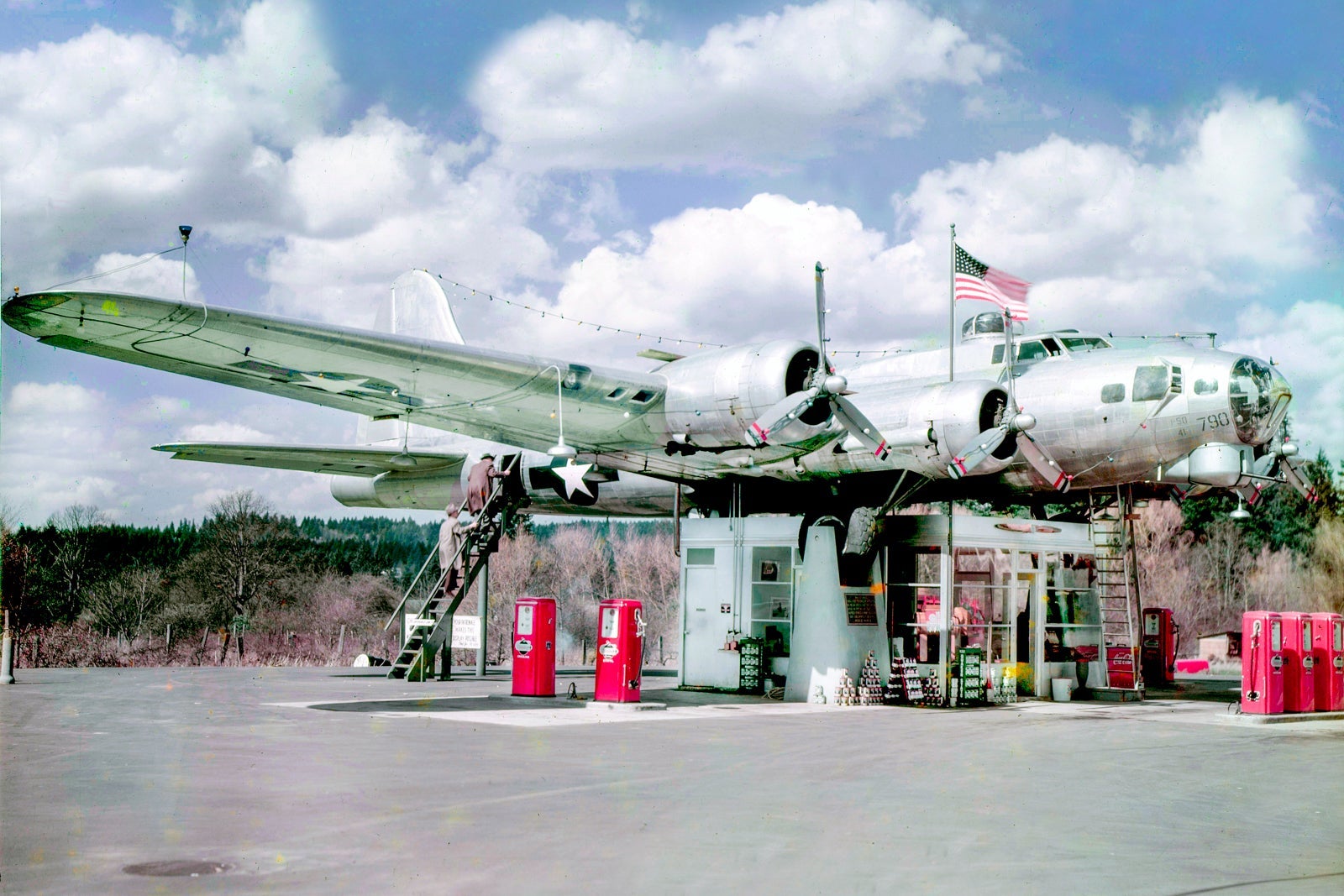
In 1947, Milwaukie, Oregon, gas station owner Art Lacey learned that decommissioned B-17 bombers, the iconic four-engine "Flying Fortresses" used by the U.S. Army Air Forces in World War II, were for sale — cheap, around $15,000 — at Altus Army Airfield in Oklahoma.
About 5,000 of the more than 12,000 B-17s built were lost during the war, and after the war, thousands of these airplanes were scrapped or sold.
"Altus had been a training base during the war but was closed down in April 1945 to become a boneyard for surplus military aircraft," explains Matthew Burchette, senior curator at Seattle's Museum of Flight. "There were nearly 2,500 planes at Altus, with many of the B-17s practically brand-new."
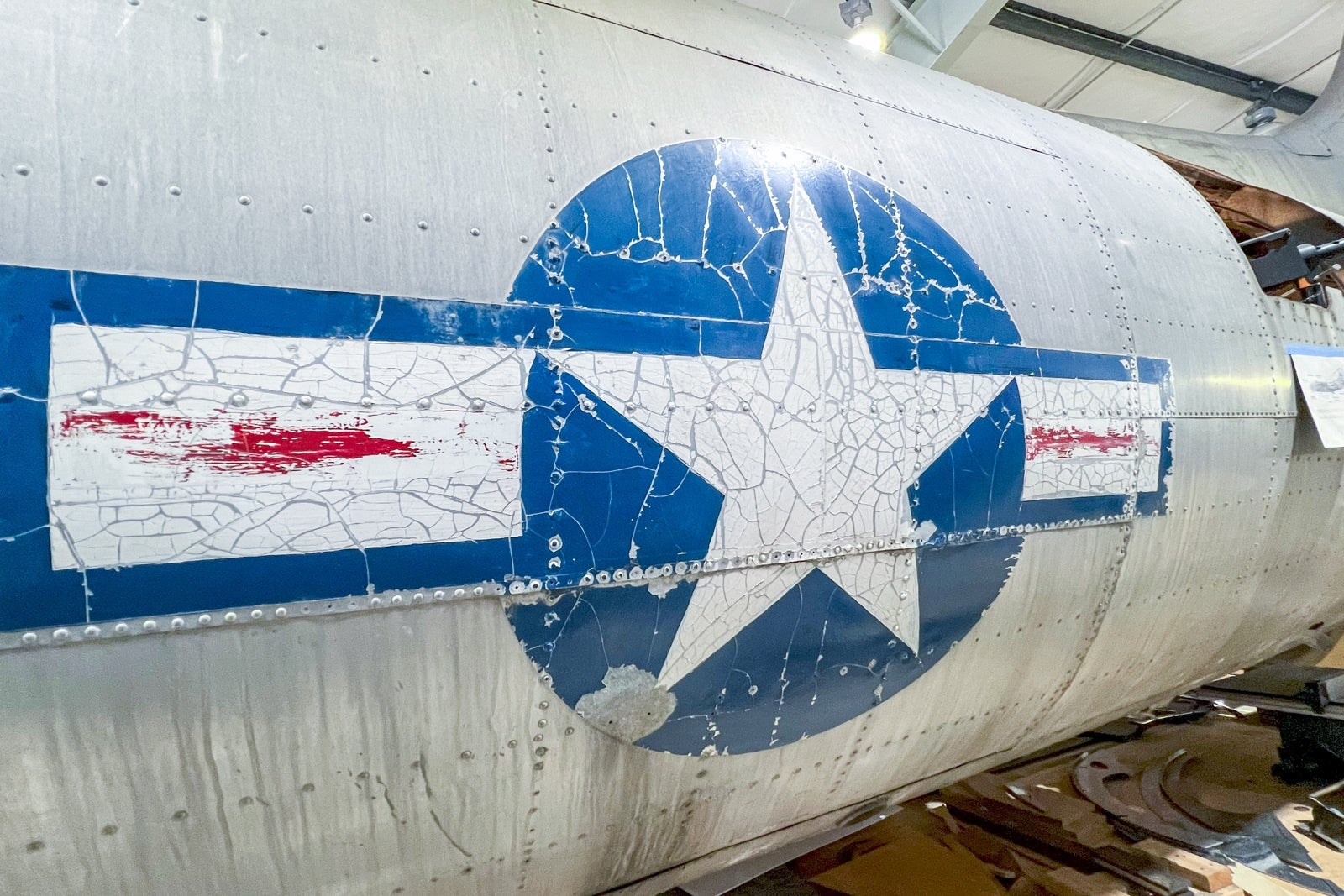
Although he was an experienced pilot, Lacey hadn't flown a B-17, or any plane with more than one engine. But he needed to put some sort of roof, or canopy, over his gasoline pumps. And he thought that one of those surplus B-17s would not only serve that purpose but also draw customers to his service station along Route 99E near Portland.
A friend who'd heard Lacey talk about the fanciful idea bet him $5 that it wouldn't happen. And, partly to win that bet, the story goes, Lacey borrowed $15,000 and set out for Oklahoma.
He bought one B-17 for about $13,000, but it turned out to have faulty landing gear — a detail Lacey learned when attempting to land during his test flight. He ended up crashing his newly bought plane into another B-17 that was up for adoption. An understanding base commander wrote those two planes off to "wind damage" and sold Lacey another B-17, in better shape and with very low mileage, for just $1,500.
Related: Storm chasers: Take a rare look inside 2 'hurricane hunter' aircraft
Friends experienced in flying B-17s flew to Oklahoma to help Lacey get that plane home to Oregon. But once they landed, the challenge was getting the plane from Troutdale Airport, near Portland, about 20 miles down the road to Milwaukie. Lacey planned to move the disassembled plane down the highway on four flatbed trucks but was unable to get a permit. Undaunted, he went ahead anyway, moving the trucks in the dark of night with hired motorcycle escorts to lend (unofficial) credibility and, after it all, paying only a $10 fine.
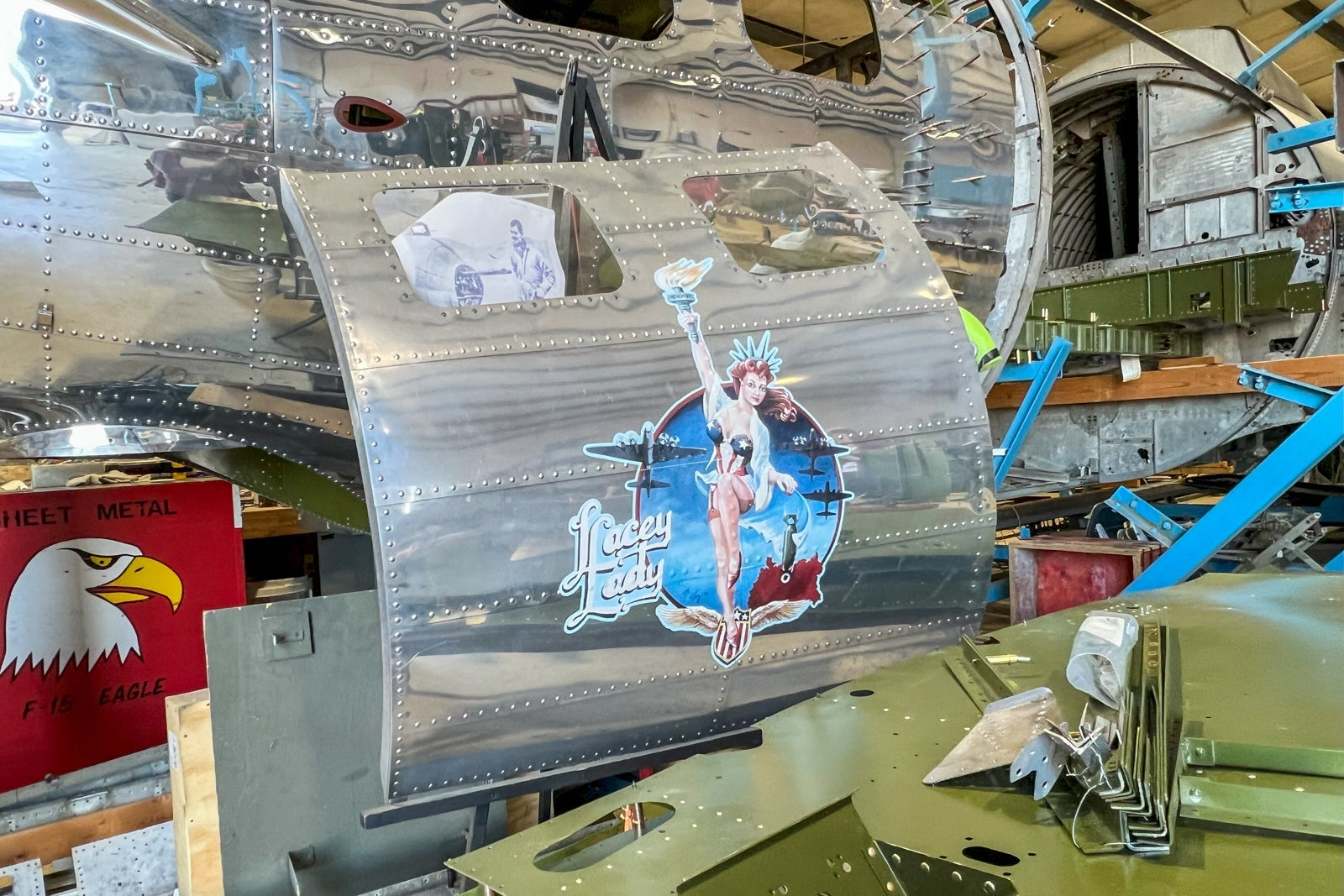
Dubbed "Lacey Lady," the B-17 was reassembled to serve, as Lacey had imagined it, as the attention-getting canopy for his gas station. And into the late 1950s, motorists could climb up into the airplane for a look around while their automobiles got filled up and serviced. After that, they could have a meal at Lacey's Bomber Restaurant.


Even after liability issues forced Lacey to discontinue self-guided tours of the B-17, the Milwaukie Gas Station Bomber continued as a popular roadside attraction. But over time, the unforgiving northwest weather, a tough economy and other issues began taking their toll on the airplane and the business.
The gas station closed in 1991. And in 1996, four years before he died at age 87, Art Lacey was on hand for the removal of the decaying nose section of the airplane — and for what his grandson, Jayson Scott, envisioned as the start of the restoration of Lacey Lady as an airworthy B-17.
"He told me he didn't have the energy to help out with the full restoration project," Scott told TPG, "but he knew and approved of what I had in mind."
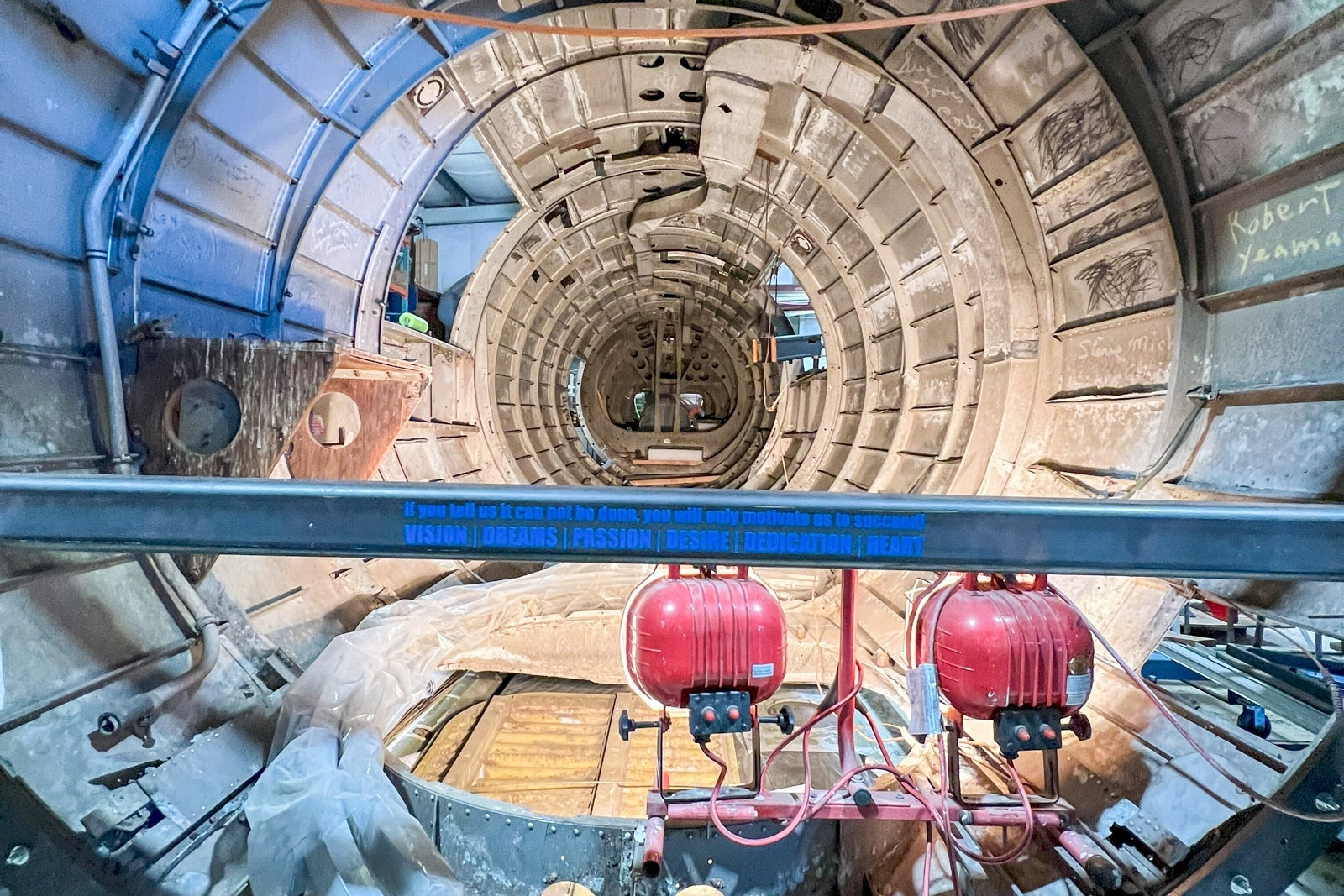
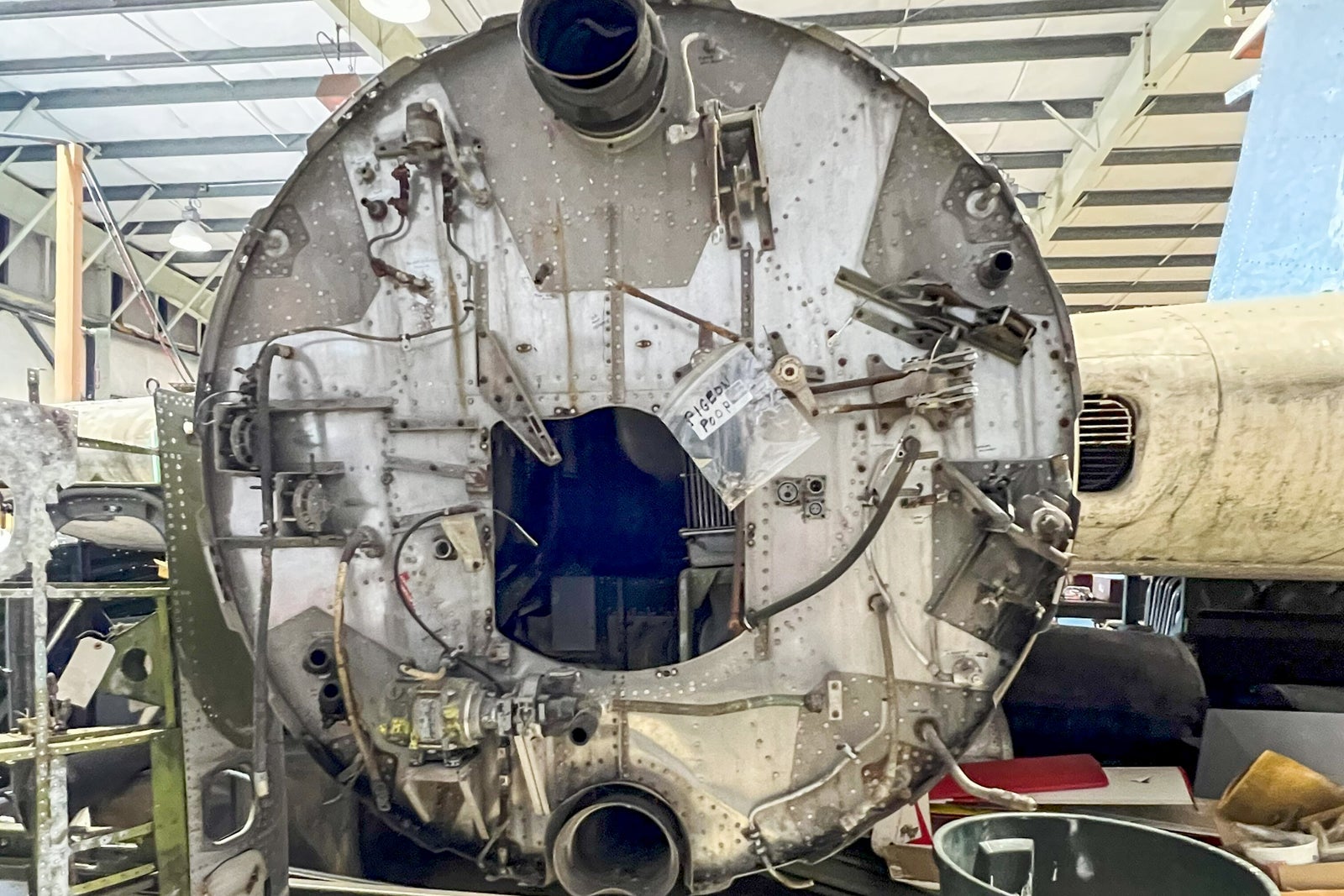
It took a while, but in 2014 the nonprofit B-17 Alliance was able to remove the rest of Lacey's B-17 from its pedestal in Milwaukie and now houses the aircraft's pieces in Hangar "C" at Oregon's historic McNary Field/Salem Municipal Airport.
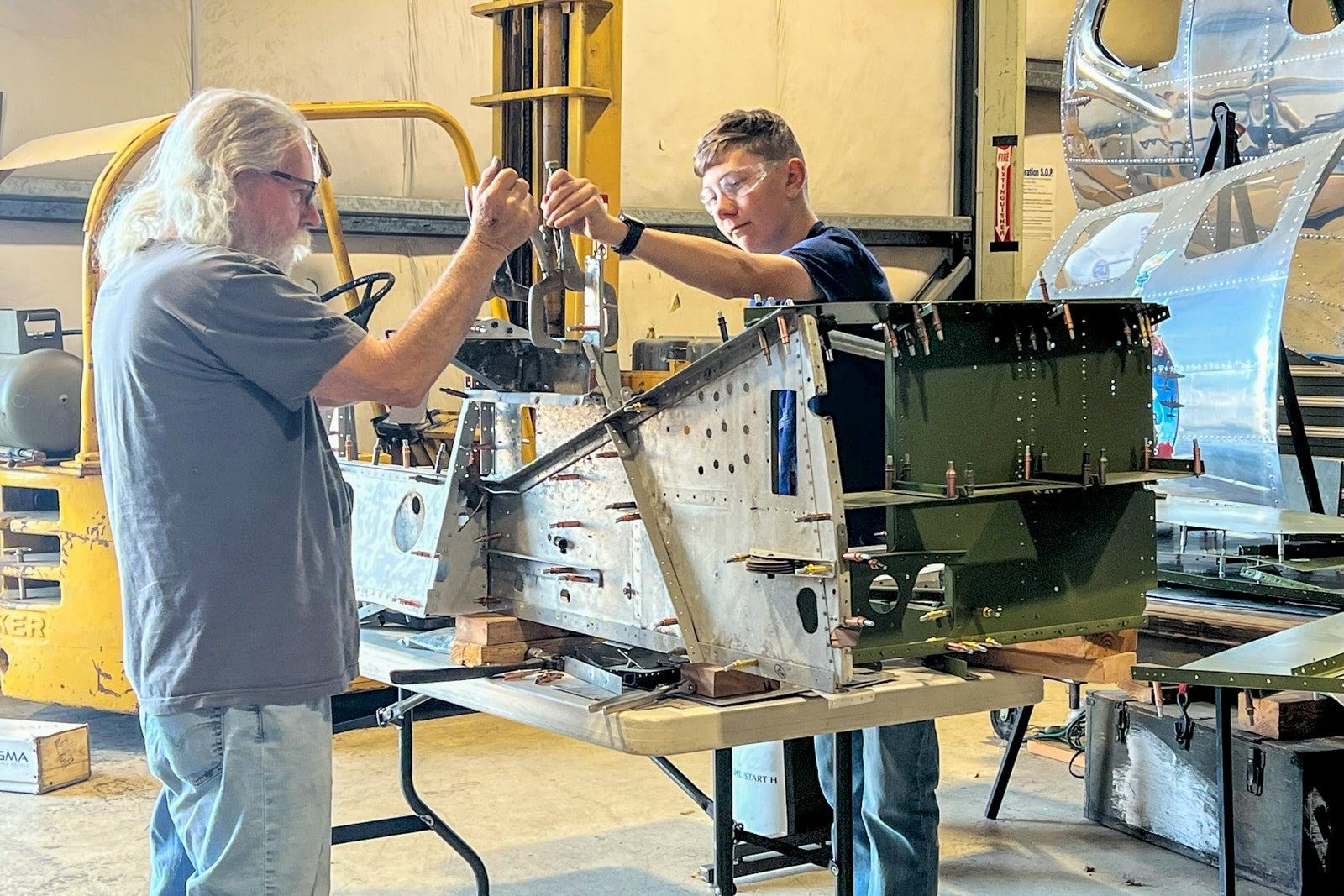
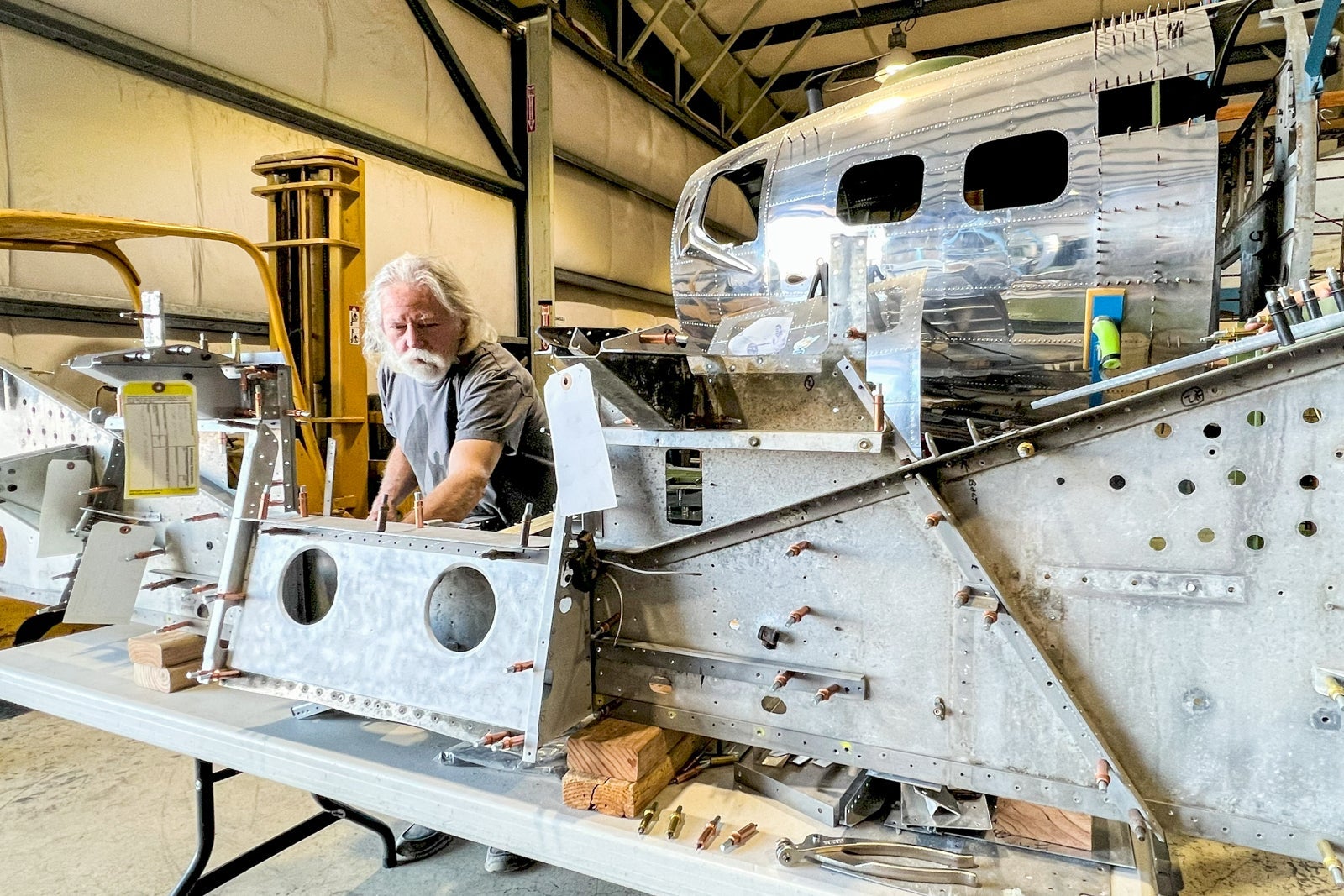
The bustling restoration facility on the edge of the airfield doubles as a museum. There, visitors can learn about the history of World War II, B-17s and Lacey Lady. And it's where they can watch the group's more than 120 volunteers lovingly bring sections of the iconic aircraft back to life.
Beyond its history as an iconic roadside attraction, this B-17 is significant because it has so few hours on its airframe and was built in California by Lockheed-Vega, a subcontractor for Boeing that produced just 2,250 G-model B-17s during the war, notes the Museum of Flight's Burchette.
The Federal Aviation Administration considers 18 B-17s to be airworthy. But only three are flying at this time due to an airworthiness directive that went into effect in May, said Burchette. "As for aircraft that are no longer airworthy but simply on display, there are 39 B-17s scattered across the U.S., England, France and, oddly, Brazil," he added. And some of those are made using parts cobbled together from multiple B-17 Flying Fortresses.
Related: The room where it happens: Inside the FAA Command Center
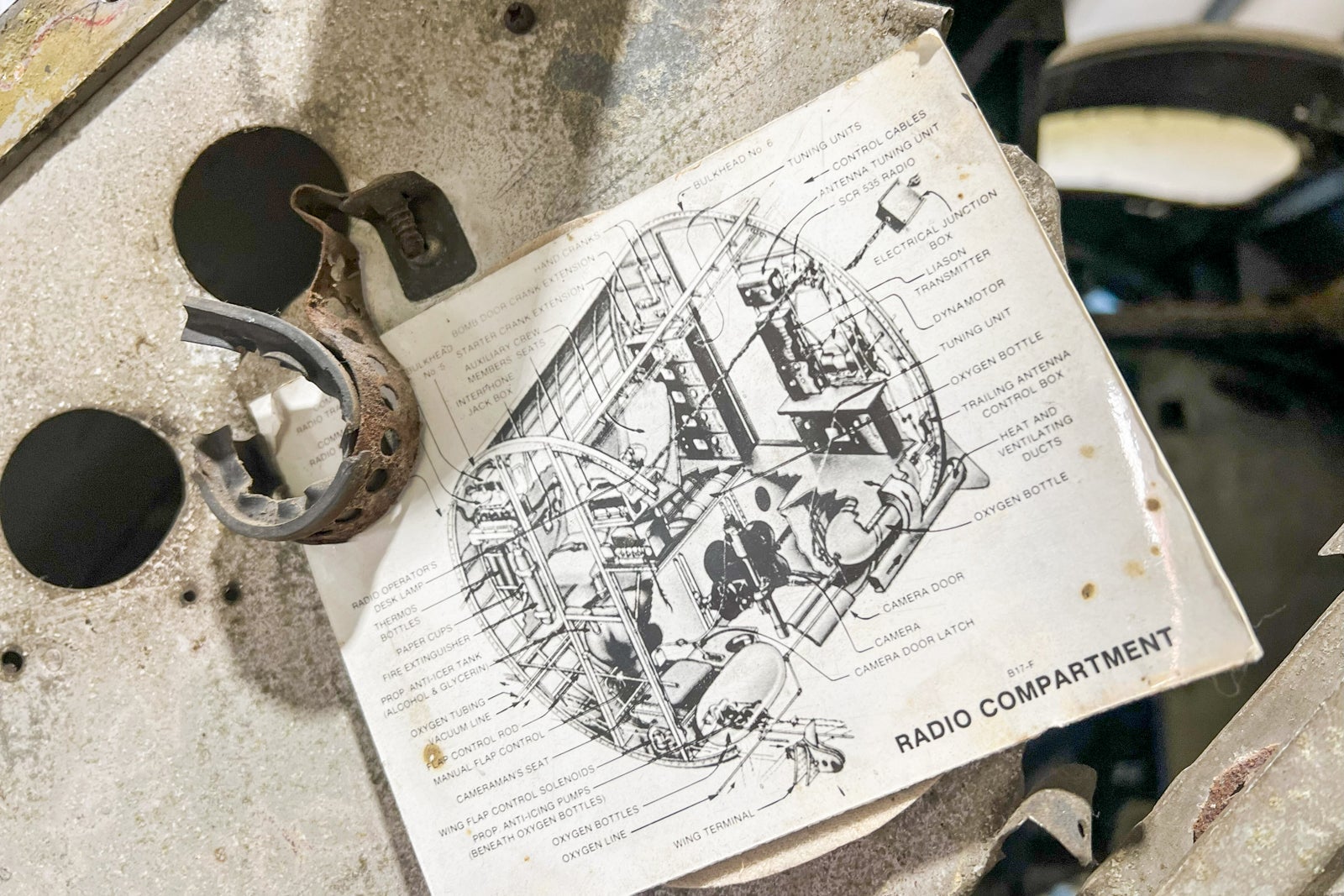
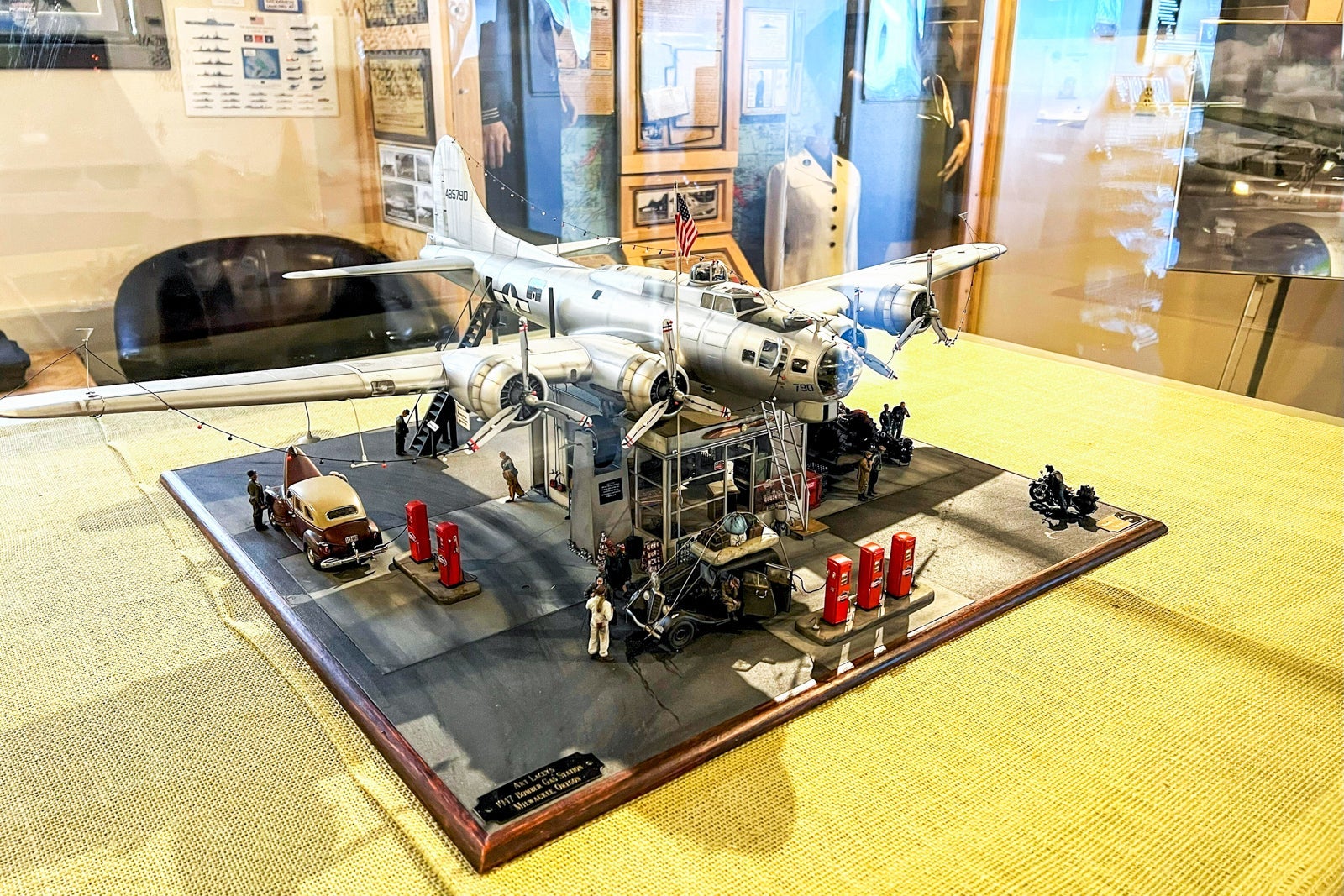
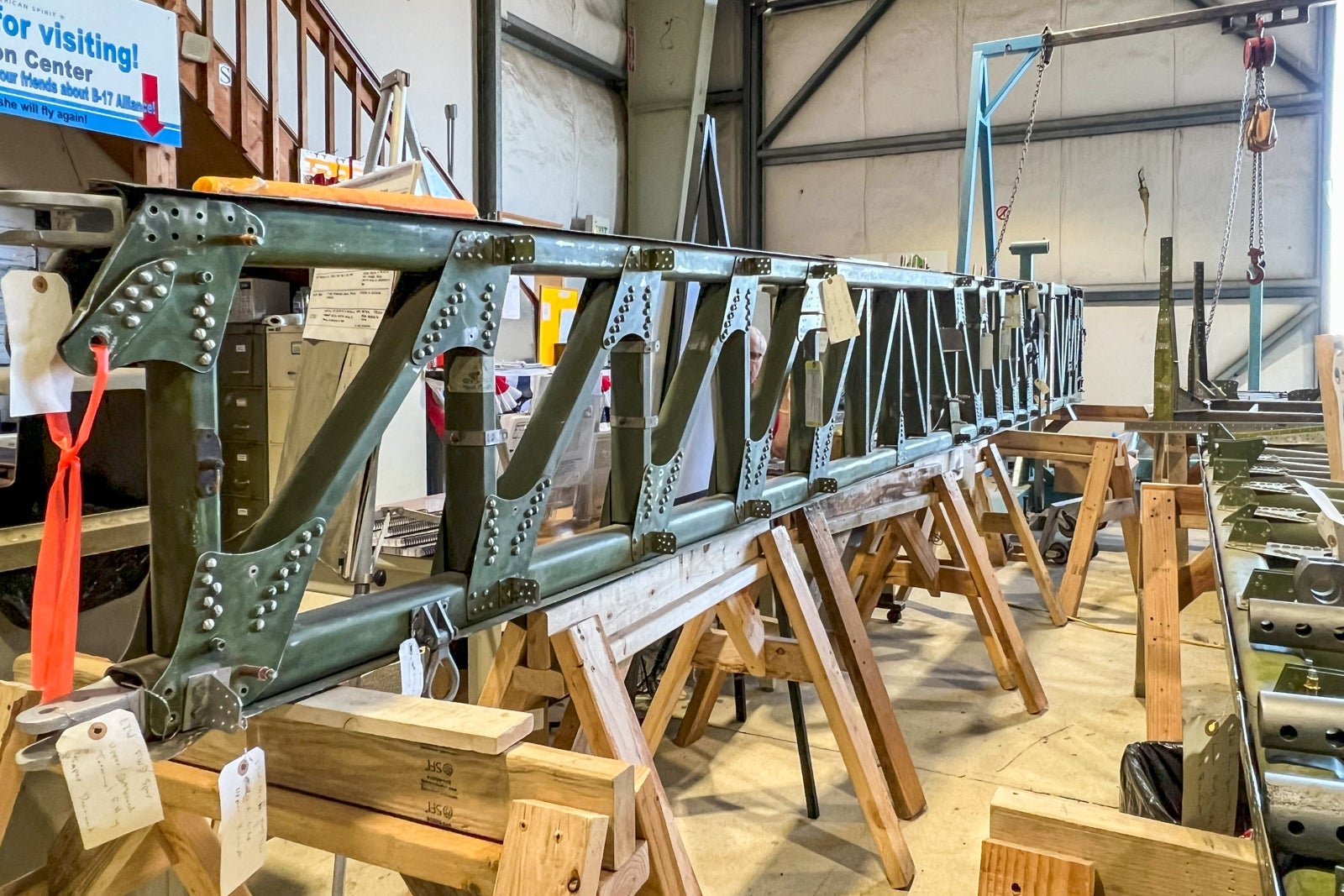
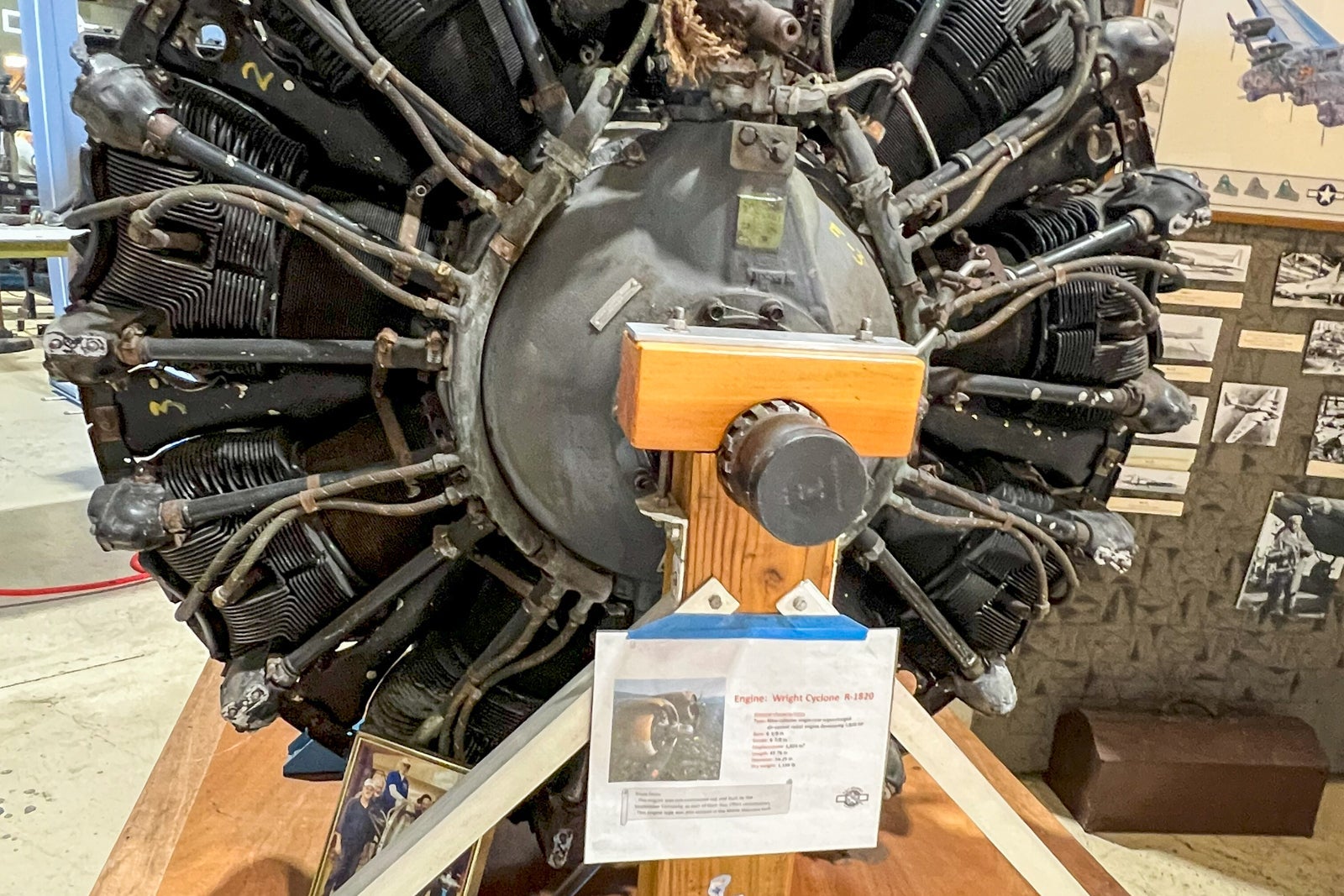
Because flying warbirds is "expensive and risky," Burchette says he'd love to see the Lacey Lady restored so that it can receive "the respect it deserves on the ground," but perhaps permanently grounded as the centerpiece of a larger museum.
But Jayson Scott and the B-17 Alliance are determined to get the Lacey Lady flying.
The group estimates that in addition to thousands of hours of volunteer time, it will take more than $6 million to get the airplane airworthy by, hopefully, 2037.
"Sometimes we start working on something and then run into a roadblock equipment-wise, FAA-wise or mechanical-wise, so it's hard to give a percentage as to how far along we are on the restoration," said Scott, "but there's no turning around now."
TPG featured card
at American Express's secure site
Terms & restrictions apply. See rates & fees.
| 4X | Earn 4X Membership Rewards® points per dollar spent on purchases at restaurants worldwide, on up to $50,000 in purchases per calendar year, then 1X points for the rest of the year. |
| 4X | Earn 4X Membership Rewards® points per dollar spent at US supermarkets, on up to $25,000 in purchases per calendar year, then 1X points for the rest of the year. |
| 5X | Earn 5X Membership Rewards® points on prepaid hotel stays booked through AmexTravel.com or the Amex Travel App™. |
| 3X | Earn 3X Membership Rewards® points on flights booked through AmexTravel.com, the Amex Travel App™, or purchased directly from airlines. |
| 2X | Earn 2X Membership Rewards® points on prepaid car rentals booked through AmexTravel.com or the Amex Travel App™ and cruises booked and paid through AmexTravel.com. |
| 1X | Earn 1X Membership Rewards® point per dollar spent on all other eligible purchases. |
Pros
- Valuable dining and food-related credits
- Flexible rewards with airline and hotel transfer partners
- Multiple travel and purchase protections
- No foreign transaction fees
- Access to Amex Offers for additional savings (enrollment required)
Cons
- Not as useful for those living outside the U.S.
- Some may have trouble using Uber and other dining credits
- You may be eligible for as high as 100,000 Membership Rewards® Points after you spend $8,000 in eligible purchases on your new Card in your first 6 months of Card Membership. Welcome offers vary and you may not be eligible for an offer. Apply to know if you’re approved and find out your exact welcome offer amount – all with no credit score impact. If you’re approved and choose to accept the Card, your score may be impacted.
- Earn 4X Membership Rewards® points per dollar spent on purchases at restaurants worldwide, on up to $50,000 in purchases per calendar year, then 1X points for the rest of the year.
- Earn 4X Membership Rewards® points per dollar spent at US supermarkets, on up to $25,000 in purchases per calendar year, then 1X points for the rest of the year.
- Earn 5X Membership Rewards® points on prepaid hotel stays booked through AmexTravel.com or the Amex Travel App™.
- Earn 3X Membership Rewards® points on flights booked through AmexTravel.com, the Amex Travel App™, or purchased directly from airlines.
- Earn 2X Membership Rewards® points on prepaid car rentals booked through AmexTravel.com or the Amex Travel App™ and cruises booked and paid through AmexTravel.com.
- Earn 1X Membership Rewards® point per dollar spent on all other eligible purchases.
- Pay It® lets you tap in the American Express® App to quickly pay for small purchase amounts throughout the month and still earn rewards the way you usually do. Plan It® gives you the option to split up big purchases into equal monthly payments with a fixed fee. You’ll know upfront exactly how much you’ll pay.
- $120 Dining Credit: Earn up to a total of $10 in statement credits monthly when you pay with the Gold Card at Grubhub (including Seamless), Buffalo Wild Wings, Five Guys, The Cheesecake Factory, and Wonder. This can be an annual savings of up to $120. Enrollment required.
- $100 Resy Credit: Get up to $100 in statement credits each calendar year at over 10,000 qualifying U.S. Resy restaurants after you pay for eligible purchases with the American Express® Gold Card. That’s up to $50 in statement credits semi-annually. Enrollment required.
- $84 Dunkin' Credit: Earn up to $7 in monthly statement credits after you pay with the American Express® Gold Card at U.S. Dunkin’ locations. Enrollment required.
- $120 Uber Cash on Gold: Enjoy up to $120 in Uber Cash annually with your Gold Card. Just add your Card to your Uber account and you'll get $10 in Uber Cash each month to use on orders and rides in the U.S. when you select an Amex Card for your transaction.
- Enjoy complimentary Hertz Five Star® Status benefits like skipping the counter at select locations, adding an additional driver at no additional cost*, and vehicle upgrades**. Benefit enrollment and Hertz Gold+ registration are required. *Additional drivers must meet standard rental qualifications and must be a spouse or domestic partner to qualify as complimentary. Other additional drivers subject to fees. **Benefits are subject to availability and vary by location. Additional Hertz program Terms and Conditions including age restrictions apply.
- Book two nights or more with The Hotel Collection through AmexTravel.com or the Amex Travel App™ and receive a $100* credit towards eligible charges at over 1,400 upscale hotels worldwide. *Eligible charges vary by property.
- Book your travel through the Amex Travel App™ with added peace of mind – backed by American Express® service and support. Only for American Express® Card Members.
- Whenever you need us, we're here. Our Member Services team will ensure you are taken care of. From lost Card replacement to statement questions, we are available to help 24/7.
- No Foreign Transaction Fees.
- Annual Fee is $325.
- Terms Apply.