Why your favorite cruise line probably isn't going out of business, despite the COVID shutdown

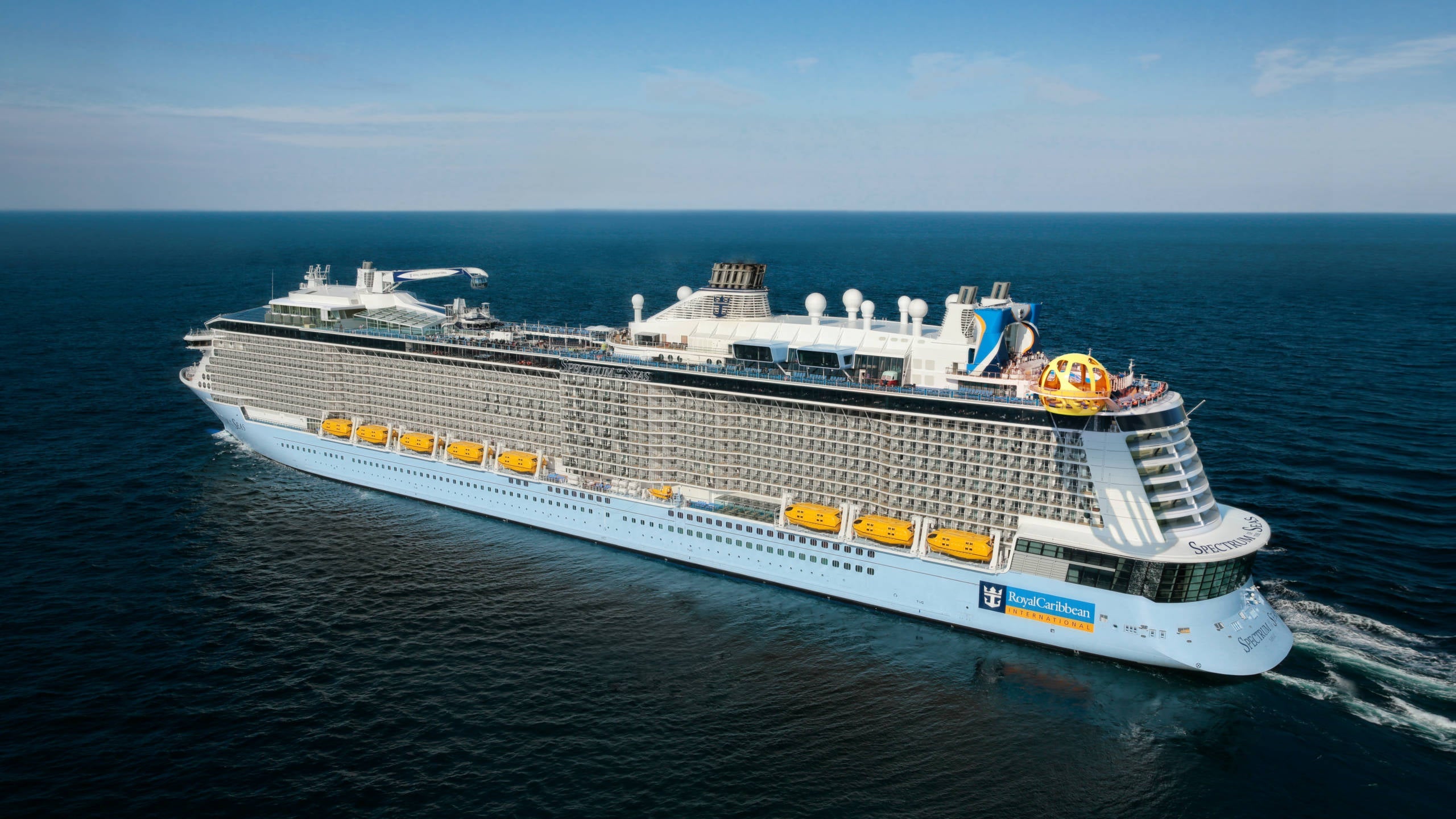
Could the end be near for your favorite cruise line?
Given that most cruise companies haven't operated a single voyage in nearly six months, and it's unlikely that cruising will resume in a meaningful way anytime soon, it's perfectly reasonable for you to worry about such a thing.
And, we do know you're worrying. We read all those emails you send us.
But we have some good news for those of you with thousands of dollars tied up in bookings for future sailings: The three big, publicly traded companies that operate most of the biggest lines, including Royal Caribbean, Carnival Cruise Line, Norwegian Cruise Line and Princess Cruises, aren't in imminent danger of sliding into bankruptcy -- let alone collapsing completely.
For more cruise news, reviews and tips, sign up for TPG's new cruise newsletter.
Indeed, all three of the companies -- Carnival Corporation, Royal Caribbean Group and Norwegian Cruise Line Holdings -- currently have enough cash on hand to muddle along for well over a year without a single dollar of revenue. Really. It sounds impossible. But it's true.
The biggest of the three, Carnival Corporation, currently is burning through around $650 million per month without any ships sailing -- a staggering sum. But as the company's executives noted in July during a conference call with Wall Street analysts, Carnival Corporation had $7.6 billion in "liquidity" -- cash and cash equivalents -- as of May 31, when it closed the books on its second quarter. It added another $2.6 billion in liquidity in June through a senior secured loan.
Related: Even cruise executives are surprised by how many people are booking cruises
Also, Carnival Corporation has other levers to pull to raise even more money should there be a need, its executives have said.

"Additional cash conservation efforts, combined with future liquidity measures, will enable us to sustain ourselves beyond 12 months into late next year, even in a zero-revenue scenario," Carnival Corporation president and CEO Arnold Donald said during the conference call.
Carnival Corporation is the parent company of four North American cruise brands that cruising fans know well: Carnival, Princess, Holland America and Seabourn. It also owns five overseas brands including the U.K.'s Cunard Line and Europe's Costa Cruises.
If you've got a booking on any of them, you shouldn't be too panicked -- at least for now.
The two other big, publicly traded cruise companies are in a similar position.
During a conference call with Wall Street analysts in August, Royal Caribbean CFO Jason Liberty said the company was burning through about $250 to $290 million a month during the cruising shutdown but had liquidity of more than $4 billion.
Norwegian Cruise Line Holdings in August said it was burning through about $160 million a month but had liquidity of $2.8 billion.
Related: How to book a cruise with points and miles
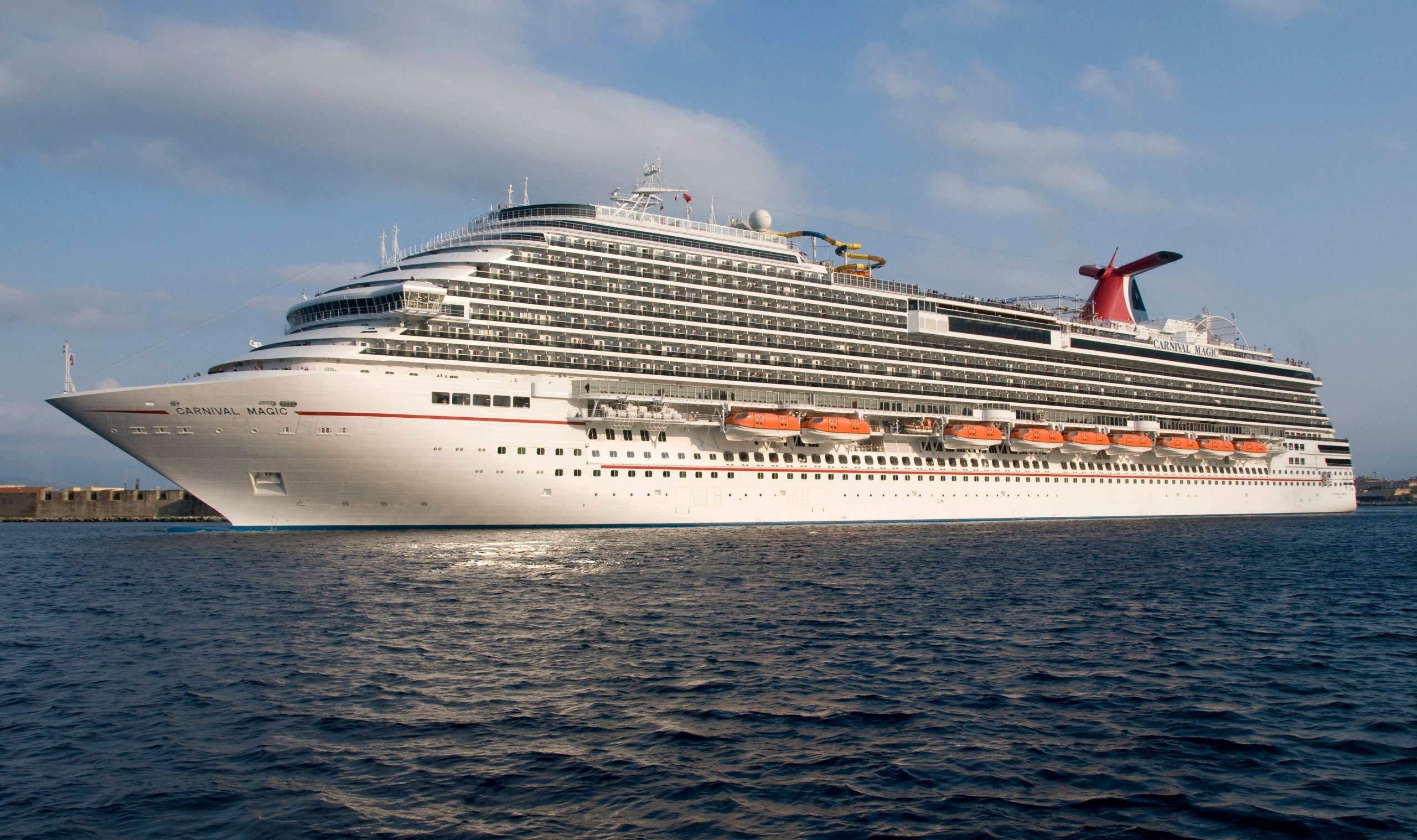
In other words, the two companies had enough cash and cash equivalents on the books in August to survive nearly 14 and 18 months, respectively, with no cruising.
Royal Caribbean Group is the parent company of Royal Caribbean, Celebrity Cruises, Azamara and Silversea. Norwegian Cruise Line Holdings is the parent company of Norwegian Cruise Line, Regent Seven Seas Cruises and Oceania Cruises.
Add in Carnival Corporation's nine brands, and that makes for 16 of the world's biggest cruise lines that are in a reasonably solid financial position for now.
Of course, if the cruising shutdown continues into late next year or beyond, all bets are off. But the current consensus in the cruise world is that many vessels will be able to resume cruising long before then. Already, several lines have restarted limited sailings in some parts of the world.
Among the lines that have begun tiptoeing back into operation with a few sailings is Germany's Tui Cruises, which Royal Caribbean partly owns through a joint venture. Carnival Corporation's Costa Cruises is scheduled to resume limited operations in just a few days.
Related: Has MSC Cruises cracked the code for a safe return to cruising?
The massive liquidity positions of the three publicly traded cruise companies weren't always in place. In the early days of the cruising shutdown, the companies only had enough cash on hand to survive a few months. But all the companies have raised huge sums of money in the financial markets in recent months through stock and bond sales, and loans.
Going into the coronavirus crisis, all three of the big cruise companies were in great financial condition with solid profits and lots of valuable assets -- most notably their ships -- that they could pledge as collateral when raising new capital.
"The strength of our balance sheet, our assets and our brands has been evident during this pandemic as we raised approximately $6.5 billion in new liquidity since we announced the suspension of our global cruise operations," Royal Caribbean's Liberty noted during the company's August conference call with analysts.
Carnival Corporation has secured more than $10 billion in new capital since March.
If you have a booking on a cruise right now, chances are it's with one of the three big companies mentioned above. Together, they account for around three-quarters of all cruises taken worldwide.
But there are other cruise lines out there, of course. And, unfortunately, the financial position of some of them is less clear.
Quite a few of the smaller cruise lines marketing to North Americans, including most river lines aimed at North Americans, are privately owned. Their financial positions are thus shielded from view. We're talking about such lines as AmaWaterways, American Cruise Lines, UnCruise Adventures and Uniworld Boutique River Cruise Collection.
Related: Cruise executives say they're in no rush to return to service
One big cruise line, MSC Cruises, also is privately owned, as is Viking.
None of these lines have indicated they are in financial trouble, and some of them have suggested that they, too, can withstand a cruising shutdown lasting many more months.
"We are a private, closely held company, which means we do not have to rush the decision to return to service," Viking chairman Torstein Hagen said in August in a letter to customers.
Still, without a peek at the books of such companies, it's impossible for The Points Guy or any other outside entity to offer enlightened commentary on their financial viability.
Alas, the cruising shutdown already has taken a toll among the ranks of small cruise operators. Five relatively minor cruise brands -- two of them operating just one ship each -- have filed for the equivalent of bankruptcy or shut down completely in recent months.
The biggest of the lines to shut down was Cruise & Maritime Voyages, a six-ship company that was the second-largest cruise brand in the U.K. While the company primarily drew British passengers, The Points Guy has heard from several U.S.-based cruisers who had given the line thousands of dollars for upcoming sailings and fear they may never get the money back.
Four of the five small lines that have shut down were Europe based. Only one U.S.-based cruise brand, tiny Blount Small Ships Adventures, has shut down since the coronavirus crisis began. The company operated three small vessels on U.S. rivers and coastal waterways.
One other cruise company that has experienced financial difficulties of late is Hong Kong-based Genting Hong Kong, the parent company of Crystal Cruises. The company in August disclosed that it had stopped making payments to creditors amidst a sharp loss of revenue due to the coronavirus crisis.
The announcement came two days after the company missed a 3.7 million euro payment of fees related to the construction of certain ships.
In a subsequent financial disclosure, the company said it had $397.5 million in cash and cash equivalents as of June 30 and had net operating cash outflows of $252.4 during the first six months of the year. The company did not disclose its current cash position.
The company has begun negotiations with its creditors to restructure its debt, which stood at nearly $3.4 billion at the end of July.
Related: Some travel insurance companies limit coverage for Crystal
The Genting Hong Kong disclosure prompted Crystal Cruises to issue a statement in late August saying it was not going out of business.
Genting Hong Kong is the parent company of Crystal Cruises as well as two Asia-based cruise lines: Dream Cruises and Star Cruises. It also owns the Werften shipyards in Germany, where the first expedition ship for Crystal Cruises currently is under construction. In addition, it's a joint venture partner in Resorts World Manila in the Philippines.
Genting Hong Kong this week sold its discotheque division, Zouk Group, for about $10 million as it sheds non-core assets in a bid to maintain liquidity.
Additional resources for cruisers during the coronavirus outbreak:
TPG featured card
at American Express's secure site
Terms & restrictions apply. See rates & fees.
| 4X | Earn 4X Membership Rewards® points per dollar spent on purchases at restaurants worldwide, on up to $50,000 in purchases per calendar year, then 1X points for the rest of the year. |
| 4X | Earn 4X Membership Rewards® points per dollar spent at US supermarkets, on up to $25,000 in purchases per calendar year, then 1X points for the rest of the year. |
| 5X | Earn 5X Membership Rewards® points on prepaid hotel stays booked through AmexTravel.com or the Amex Travel App™. |
| 3X | Earn 3X Membership Rewards® points on flights booked through AmexTravel.com, the Amex Travel App™, or purchased directly from airlines. |
| 2X | Earn 2X Membership Rewards® points on prepaid car rentals booked through AmexTravel.com or the Amex Travel App™ and cruises booked and paid through AmexTravel.com. |
| 1X | Earn 1X Membership Rewards® point per dollar spent on all other eligible purchases. |
Pros
- Valuable dining and food-related credits
- Flexible rewards with airline and hotel transfer partners
- Multiple travel and purchase protections
- No foreign transaction fees
- Access to Amex Offers for additional savings (enrollment required)
Cons
- Not as useful for those living outside the U.S.
- Some may have trouble using Uber and other dining credits
- You may be eligible for as high as 100,000 Membership Rewards® Points after you spend $8,000 in eligible purchases on your new Card in your first 6 months of Card Membership. Welcome offers vary and you may not be eligible for an offer. Apply to know if you’re approved and find out your exact welcome offer amount – all with no credit score impact. If you’re approved and choose to accept the Card, your score may be impacted.
- Earn 4X Membership Rewards® points per dollar spent on purchases at restaurants worldwide, on up to $50,000 in purchases per calendar year, then 1X points for the rest of the year.
- Earn 4X Membership Rewards® points per dollar spent at US supermarkets, on up to $25,000 in purchases per calendar year, then 1X points for the rest of the year.
- Earn 5X Membership Rewards® points on prepaid hotel stays booked through AmexTravel.com or the Amex Travel App™.
- Earn 3X Membership Rewards® points on flights booked through AmexTravel.com, the Amex Travel App™, or purchased directly from airlines.
- Earn 2X Membership Rewards® points on prepaid car rentals booked through AmexTravel.com or the Amex Travel App™ and cruises booked and paid through AmexTravel.com.
- Earn 1X Membership Rewards® point per dollar spent on all other eligible purchases.
- Pay It® lets you tap in the American Express® App to quickly pay for small purchase amounts throughout the month and still earn rewards the way you usually do. Plan It® gives you the option to split up big purchases into equal monthly payments with a fixed fee. You’ll know upfront exactly how much you’ll pay.
- $120 Dining Credit: Earn up to a total of $10 in statement credits monthly when you pay with the Gold Card at Grubhub (including Seamless), Buffalo Wild Wings, Five Guys, The Cheesecake Factory, and Wonder. This can be an annual savings of up to $120. Enrollment required.
- $100 Resy Credit: Get up to $100 in statement credits each calendar year at over 10,000 qualifying U.S. Resy restaurants after you pay for eligible purchases with the American Express® Gold Card. That’s up to $50 in statement credits semi-annually. Enrollment required.
- $84 Dunkin' Credit: Earn up to $7 in monthly statement credits after you pay with the American Express® Gold Card at U.S. Dunkin’ locations. Enrollment required.
- $120 Uber Cash on Gold: Enjoy up to $120 in Uber Cash annually with your Gold Card. Just add your Card to your Uber account and you'll get $10 in Uber Cash each month to use on orders and rides in the U.S. when you select an Amex Card for your transaction.
- Enjoy complimentary Hertz Five Star® Status benefits like skipping the counter at select locations, adding an additional driver at no additional cost*, and vehicle upgrades**. Benefit enrollment and Hertz Gold+ registration are required. *Additional drivers must meet standard rental qualifications and must be a spouse or domestic partner to qualify as complimentary. Other additional drivers subject to fees. **Benefits are subject to availability and vary by location. Additional Hertz program Terms and Conditions including age restrictions apply.
- Book two nights or more with The Hotel Collection through AmexTravel.com or the Amex Travel App™ and receive a $100* credit towards eligible charges at over 1,400 upscale hotels worldwide. *Eligible charges vary by property.
- Book your travel through the Amex Travel App™ with added peace of mind – backed by American Express® service and support. Only for American Express® Card Members.
- Whenever you need us, we're here. Our Member Services team will ensure you are taken care of. From lost Card replacement to statement questions, we are available to help 24/7.
- No Foreign Transaction Fees.
- Annual Fee is $325.
- Terms Apply.