4 of the 6 largest US airlines have now hiked bag fees in 2024

This story has been updated with new information
We're less than two months into 2024, and already four major U.S. airlines have raised checked bag fees.
On Friday, United Airlines joined three of its competitors in announcing it would charge customers an extra $5 to check a bag.
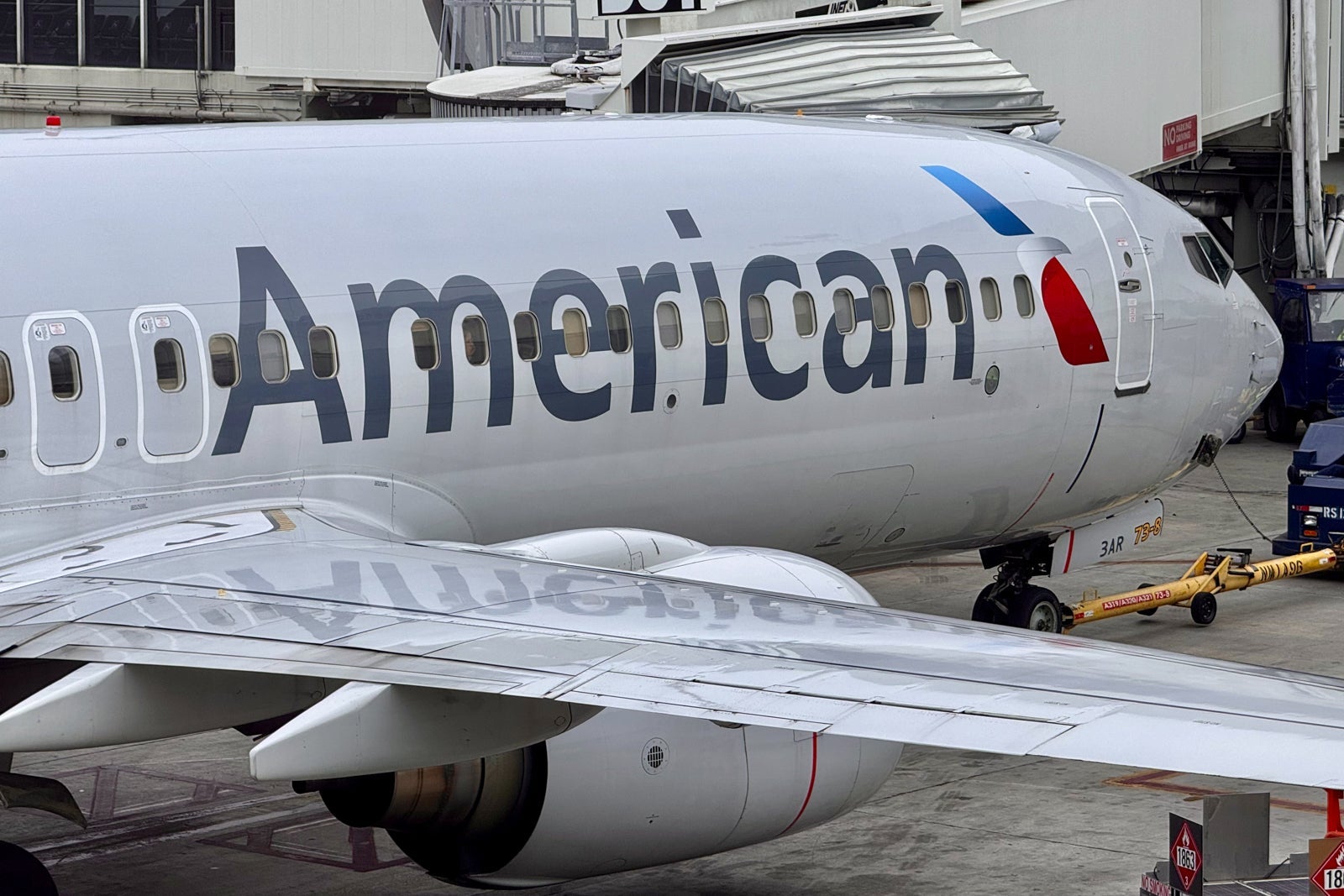
The move follows similar steps in recent weeks by Alaska Airlines, JetBlue and American Airlines, which made headlines Tuesday when it revealed steeper bag fees, along with other changes to its AAdvantage loyalty program.
Going forward, instead of $30 for the first bag, American flyers will have to pay an additional $5 or $10 on a domestic flight, depending on how you pay: It'll cost $35 if you pay online ahead of time, or $40 if you wait to pay for the bag at the airport.
On United, it will also now cost travelers $35 or $40 for their first bag — also depending on whether they pay at the airport, or in advance online.
Unsurprisingly, the announcements have drawn the ire of many customers.
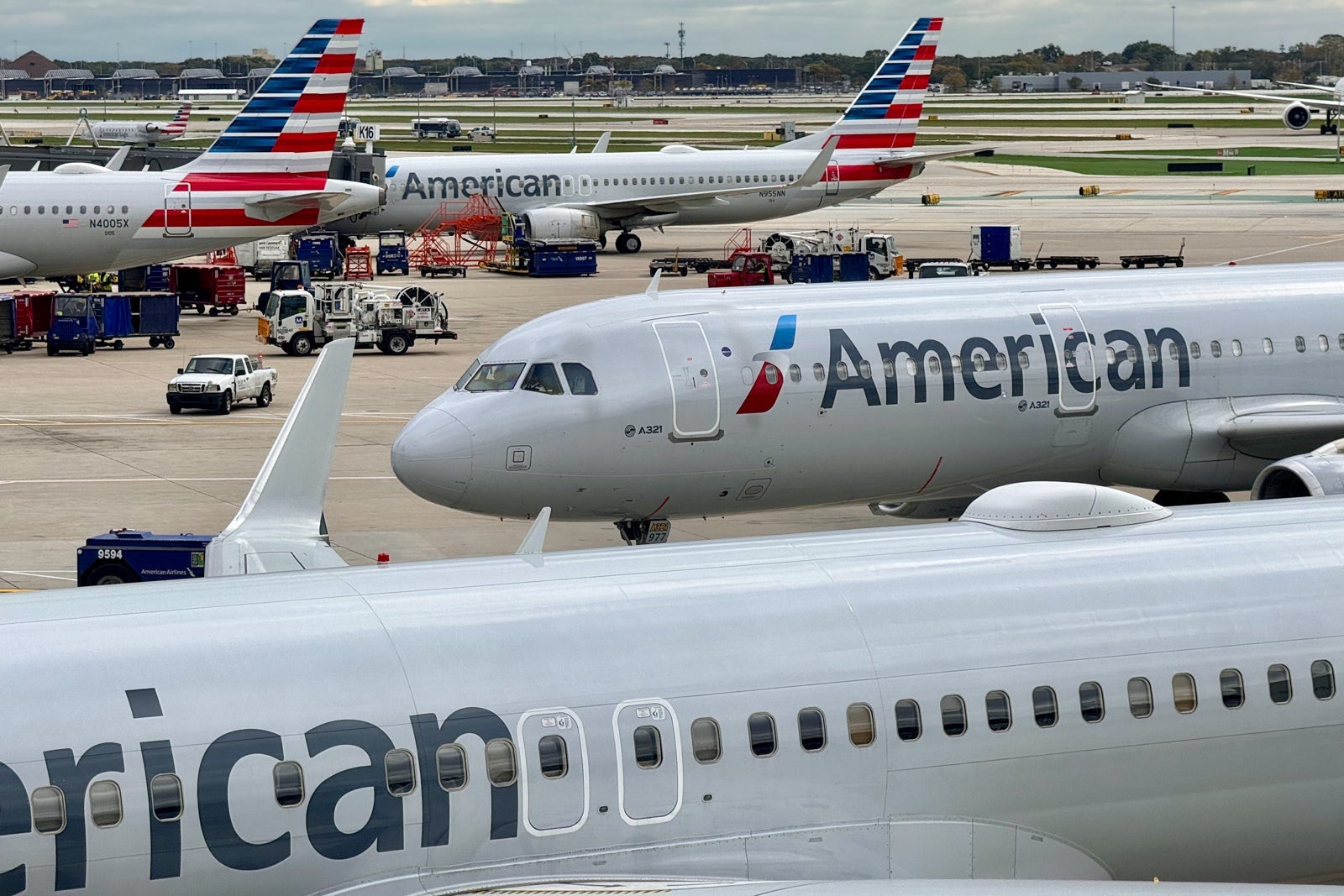
"Great, now people can bring even more on board and make boarding and deplaning take longer," one reader commented on TPG's Facebook page following American's announcement.
"I presume the other major U.S. airlines will follow suit to some degree, or potentially in another capacity, to widen their margins," another correctly predicted.

Bag fees date back to the early 2000s
Over the years, there has been a definite domino effect when it comes to bag fee hikes. That certainly was the case back in 2008, as U.S. carriers first began charging customers for their first checked bag in the face of skyrocketing fuel prices.
At the time, American told investors it expected its new $15 bag fee (about $21 by today's standards, adjusted for inflation) would generate several hundred millions of dollars annually.
"It was a way for them to immediately generate revenue, because they had a dire need, because of the huge increase in fuel prices," recalled Jay Sorensen, president of the airline consultancy IdeaWorks.
Fast-forward some 15-plus years, and those fees have never gone away. Far from it.
How much do airlines make on bag fees?
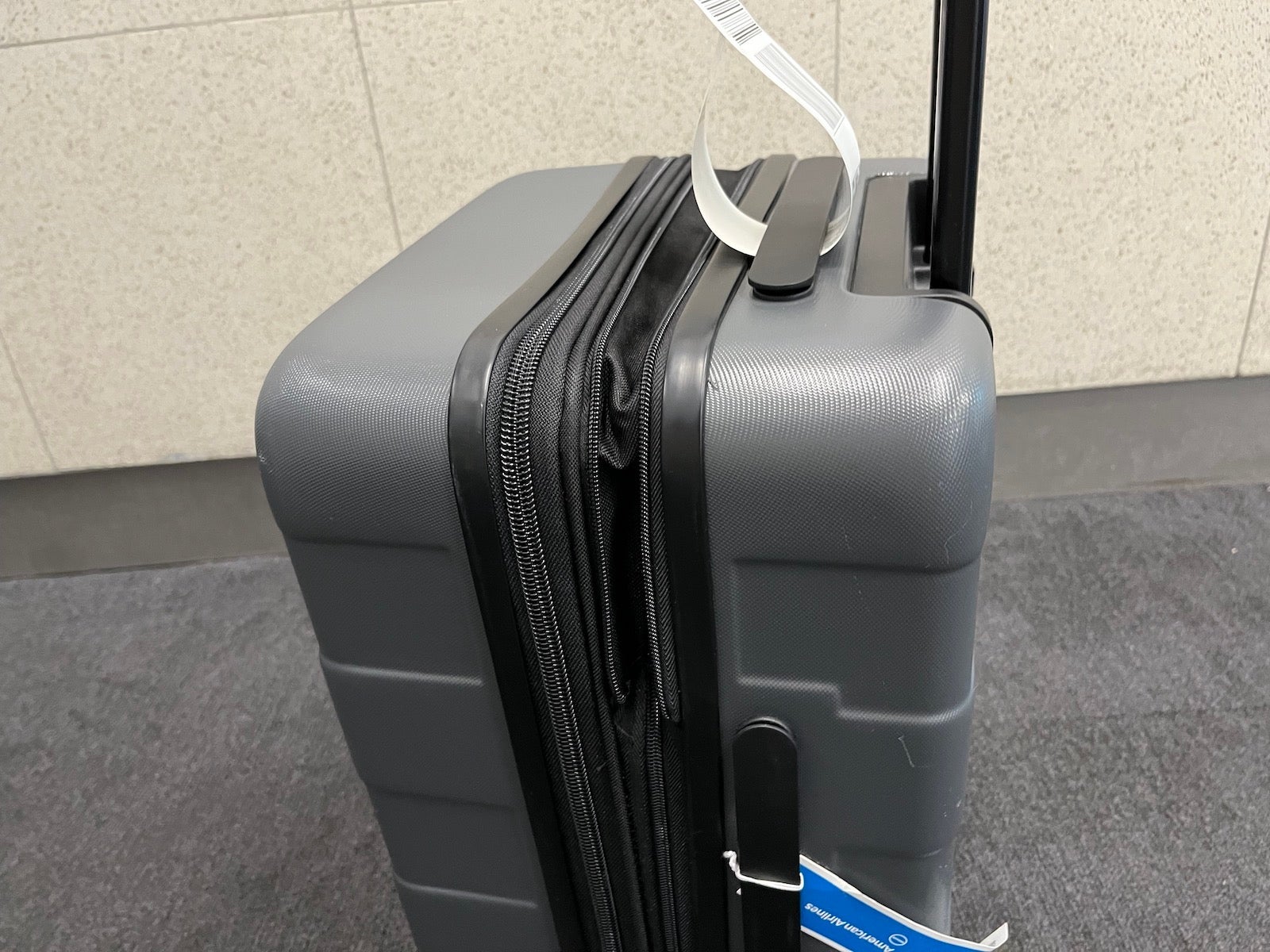
According to the Bureau of Transportation Statistics, U.S. airlines made $6.8 billion from bag fees in 2022, the last full year for which it has statistics.
That was up about 17% from pre-pandemic 2019, and roughly double that of a decade ago (though with a sharp rise in passenger traffic over the last 10 years, too).
And, as frequent travelers know, add-on fees have become far more prevalent since then.
Many budget airlines offer low base fares, but then exclude plenty of services that travelers once expected would be included with a ticket. That means you can end up paying extra for everything from seat selection to a full-size carry-on bag. It can be a similar story with many larger carriers' basic economy fares, too.
Ancillary fees are a significant source of revenue for ultra-low-cost carriers like Spirit Airlines and Frontier Airlines.
Keep in mind that airlines enjoy far less stringent taxes on optional fees than on fares; a carrier typically makes more money off $100 in ancillary charges than it does off a $100 ticket.
So there's little incentive to do away with this "unbundling" trend — one that Rob Britton, a former American Airlines official now on the faculty at Georgetown University's McDonough School of Business, argues has had some benefits.
"It's just like restaurant pricing. If you don't want dessert, you don't pay for dessert," Britton argued. "It gives the airline, obviously, some nice additional revenues. And it gives the customer the ability to pay for only what they want. And isn't that a good thing?"
Suffice to say, not everyone sees it that way. The Biden administration, for one, has often folded airlines into an ongoing consumer protections push, including directing scrutiny toward add-on fees.
Concerns about profitability
As airlines have announced this latest round of bag fee hikes, carriers have again pointed to rising costs. In recent months, numerous airlines have bemoaned steeper fuel and labor costs as a pesky hurdle to profit margins.
"It's one step we are taking to get our company back to profitability," JetBlue said in a statement regarding its new fee structure, which sets the price of a checked bag at $35 for customers who pay at least 24 hours in advance, or $45 at the airport.
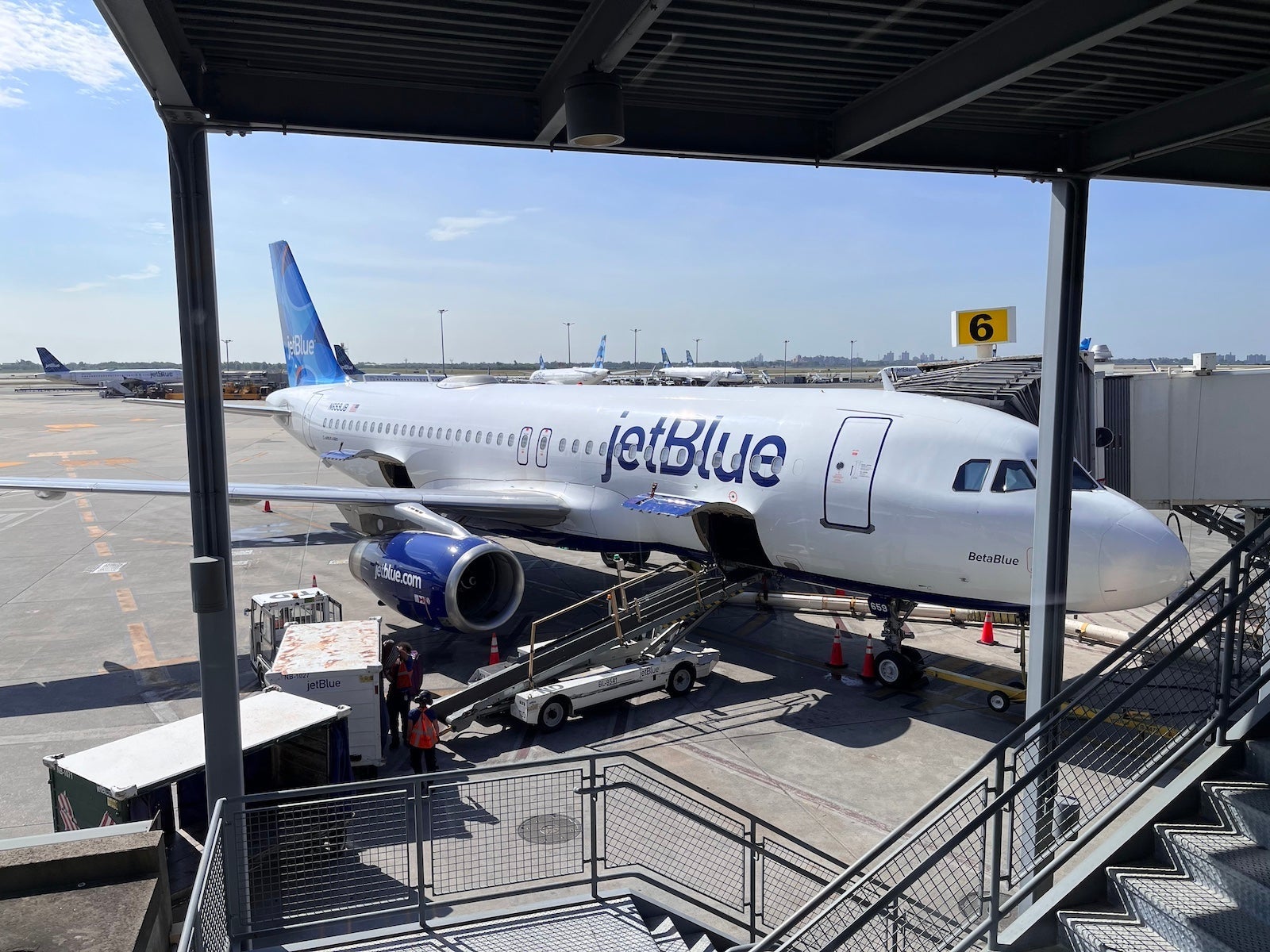
American likewise cited inflationary pressures in announcing its first baggage fee hike since 2018 — a year in which multiple airlines also raised bag fees in a matter of days.
What does this mean for the future?
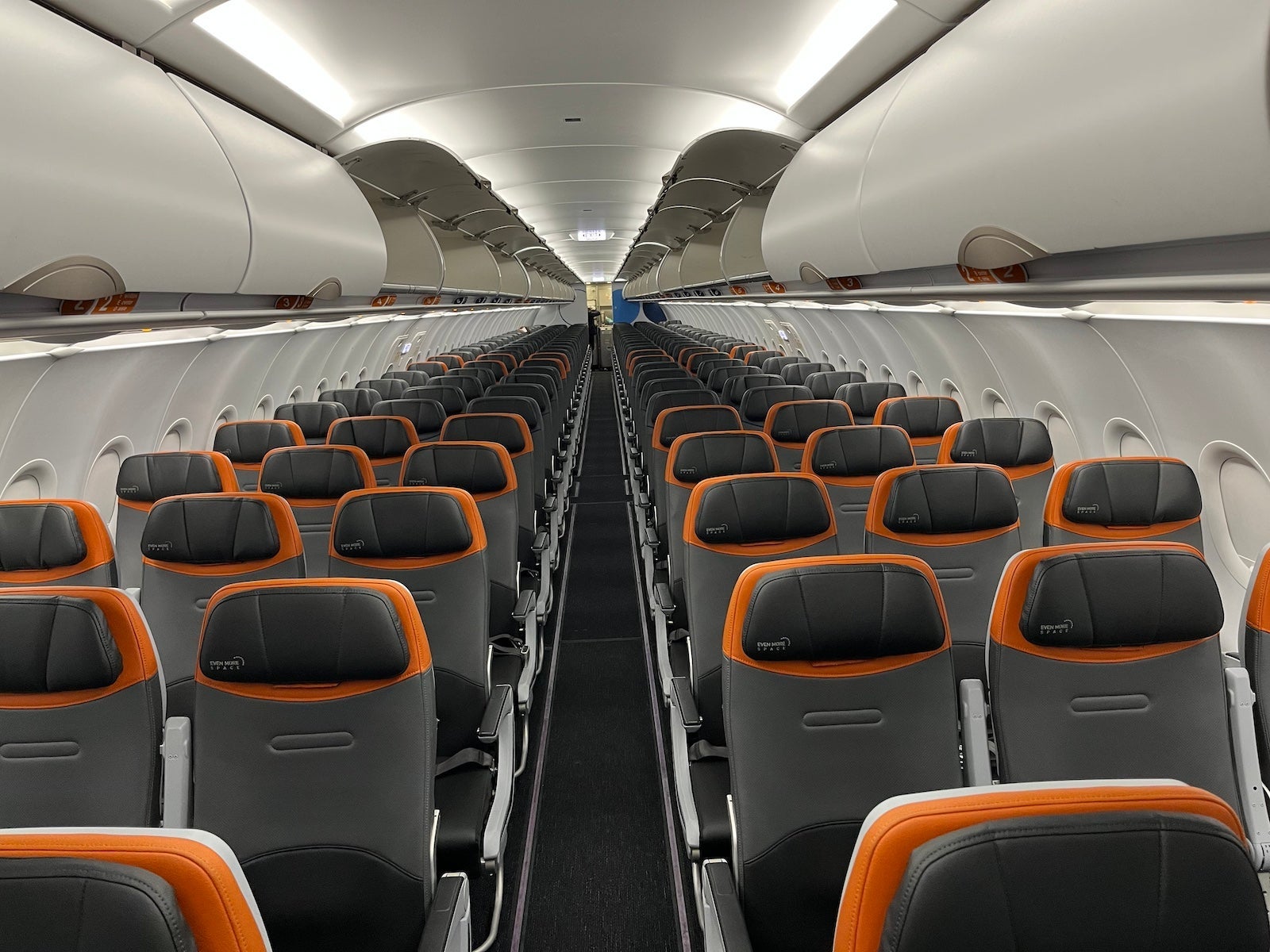
For starters, it could mean a lot more customers trying to fit rollaboard bags into overhead bins.
"They obviously feel they have fixed their carry-on problem," Sorensen said of American's decision. "Because when you do raise rates, you're providing a larger incentive for people to carry on. And from my understanding with my airline clients, this is a very major problem for airlines, in terms of too many carry-ons. So this is going to aggravate that situation. Perhaps they believe they have that under control."
United, for its part, expects to take delivery of hundreds of new aircraft over the coming years, which it says will have enough overhead bin space for every passenger's suitcase.
Could these fee hikes entice more passengers to add a cobranded credit card to their wallet to their wallet?
"They're creating an environment in which the credit card looks that much more attractive," Sorensen said of American; most of its credit cardholders get their first back free on domestic flights.
United Chase credit card holders will similarly still get their first checked bag free, the airline said Friday.
To date, Delta Air Lines has not announced any plans to hike its checked bag fees.
How to avoid paying for checked bags
However you slice it, though, checking a bag is getting more expensive on a growing number of airlines.
In 2008, when checked bag fees started en masse on American, you'd pay $30 round-trip. Today, if you waited to pay for your bags at the airport, you'd pay $80 round-trip.
If you did the same on JetBlue, you'd pay $90 round-trip.
But there are ways to avoid paying for a bag beyond simply buying a higher-priced premium cabin ticket.
Go without a checked bag
The most obvious solution, of course, is to ditch the checked bag and go carry-on only. Many travelers prefer this method anyway, to avoid the hassles of checking a bag and waiting at baggage claim.
That certainly was the case during the baggage chaos we saw two years ago.
However, there can be some hang-ups with this strategy. First, you'll need to comply with the Transportation Security Administration's 3-1-1 requirements, which means no large bottles of liquids — such as shampoo or beverages.
Plus, many tickets (on budget airlines or in basic economy) don't allow a free full-size carry-on. And there may not be space in the overhead bin for your bag. In this case, you should still be able to gate-check it to your final destination — often at no cost, but there's some hassle there.
Add a credit card that gets you free bags
Most airline cobranded credit cards come with a free checked bag — often for the cardholder and a certain number of traveling companions on the same reservation.
There are also a handful of flexible currency rewards credit cards that include broad airline or travel credits that can reimburse travelers for ancillary costs for items like checked bags in the form of a statement credit.
Qualify for elite status
All of the legacy U.S. carriers offer a free checked bag for elite status members as a perk for even those who reach just the lowest tier of status.
So, if you can earn your way to status, you can often earn one or more free checked bags on that carrier.
Condense into fewer bags
If all else fails, condense into fewer bags: Fewer bags means fewer fees.
Remember: Every traveler on every U.S. airline gets a free personal item that can fit under the seat in front of them, like a backpack.
Don't forget about Southwest Airlines
And, finally, we'd be remiss not to mention Southwest Airlines. The Dallas-based carrier still offers every traveler two free checked bags.
Related reading:
- When is the best time to book flights for the cheapest airfare?
- The best airline credit cards
- What exactly are airline miles, anyway?
- 6 real-life strategies you can use when your flight is canceled or delayed
- Maximize your airfare: The best credit cards for booking flights
- The best credit cards to reach elite status
- What are points and miles worth? TPG's monthly valuations
TPG featured card

at Capital One's secure site
Terms & restrictions apply. See rates & fees.
| 5X miles | Earn 5X miles on hotels, vacation rentals and rental cars booked through Capital One Travel |
| 2X miles | Earn unlimited 2X miles on every purchase, every day |
Pros
- Stellar welcome offer of 75,000 miles after spending $4,000 on purchases in the first three months from account opening. Plus, a $250 Capital One Travel credit to use in your first cardholder year upon account opening.
- You'll earn 2 miles per dollar on every purchase, which means you won't have to worry about memorizing bonus categories
- Rewards are versatile and can be redeemed for a statement credit or transferred to Capital One’s transfer partners
Cons
- Highest bonus-earning categories only on travel booked via Capital One Travel
- LIMITED-TIME OFFER: Enjoy $250 to use on Capital One Travel in your first cardholder year, plus earn 75,000 bonus miles once you spend $4,000 on purchases within the first 3 months from account opening - that’s equal to $1,000 in travel
- Earn unlimited 2X miles on every purchase, every day
- Earn 5X miles on hotels, vacation rentals and rental cars booked through Capital One Travel
- Miles won't expire for the life of the account and there's no limit to how many you can earn
- Receive up to a $120 credit for Global Entry or TSA PreCheck®
- Use your miles to get reimbursed for any travel purchase—or redeem by booking a trip through Capital One Travel
- Enjoy a $50 experience credit and other premium benefits with every hotel and vacation rental booked from the Lifestyle Collection
- Transfer your miles to your choice of 15+ travel loyalty programs
- Top rated mobile app