How United Airlines keeps 'critters' out of parked planes and gets them ready to fly again

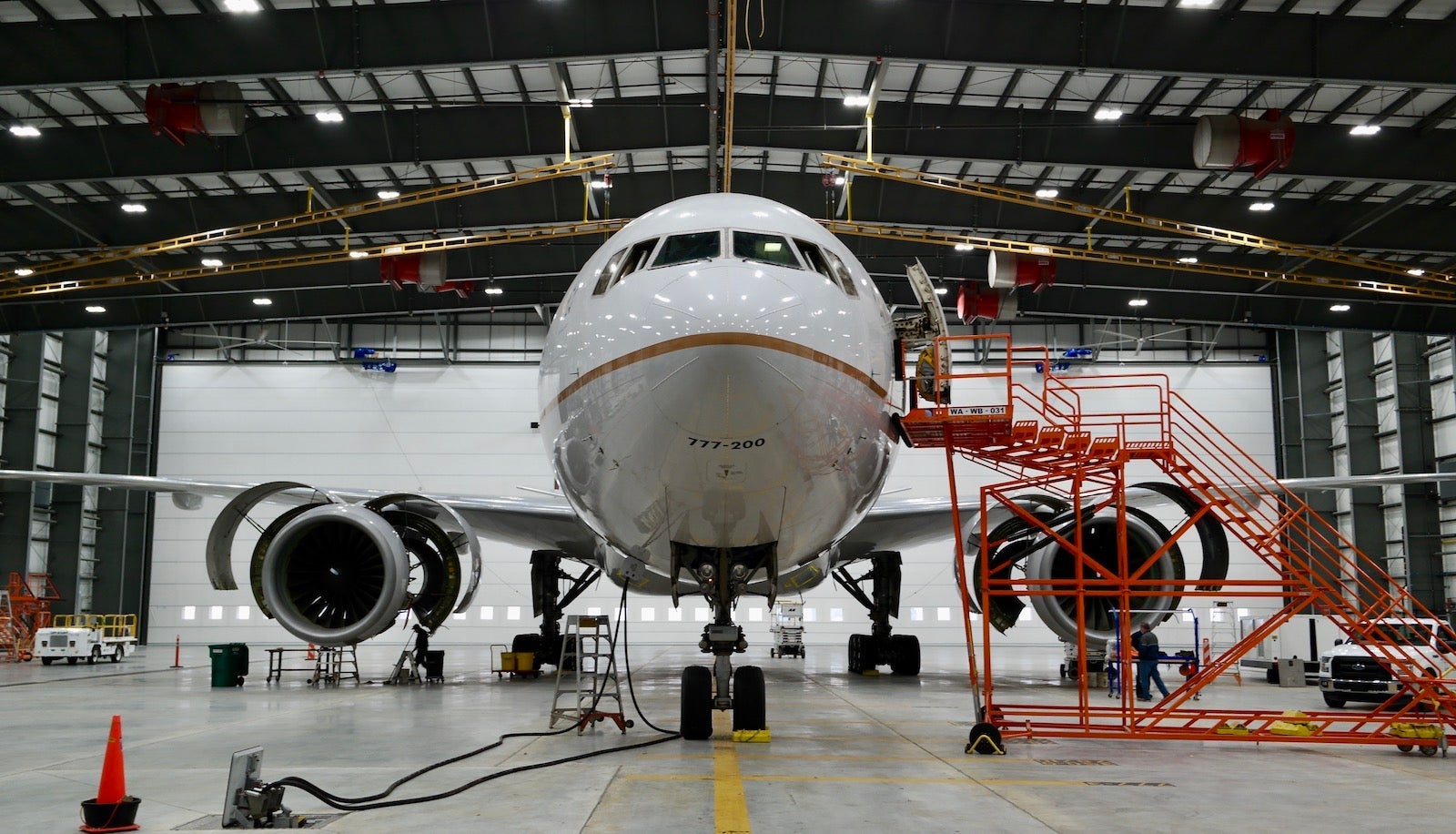
A line of Boeing 737s and 777s, as well as several smaller birds, fill the ramp outside of a United Airlines hangar in a remote corner of Chicago's O'Hare International Airport.
The planes are here for a variety of reasons. Most are in for standard maintenance — needed even during the coronavirus pandemic — as they rotate in and out of the hometown airline's schedule. But several wide-body 777s are parked because of the crisis with a return-to-flying date yet unknown.
"These are investments," Joel Silverio, shift manager in technical operations at United's O'Hare hub, told TPG on a visit to the hangar in late October. "We have to make sure they work."
Want more airline-specific news? Sign up for TPG's free new biweekly Aviation newsletter!
And what's the biggest challenge keeping stored planes in working order? Critters.
"Tape. Lots of tape," said Silverio when asked how United keeps animals and bugs out of parked aircraft. "Anything that has anyway for a critter to get in, we tape up."
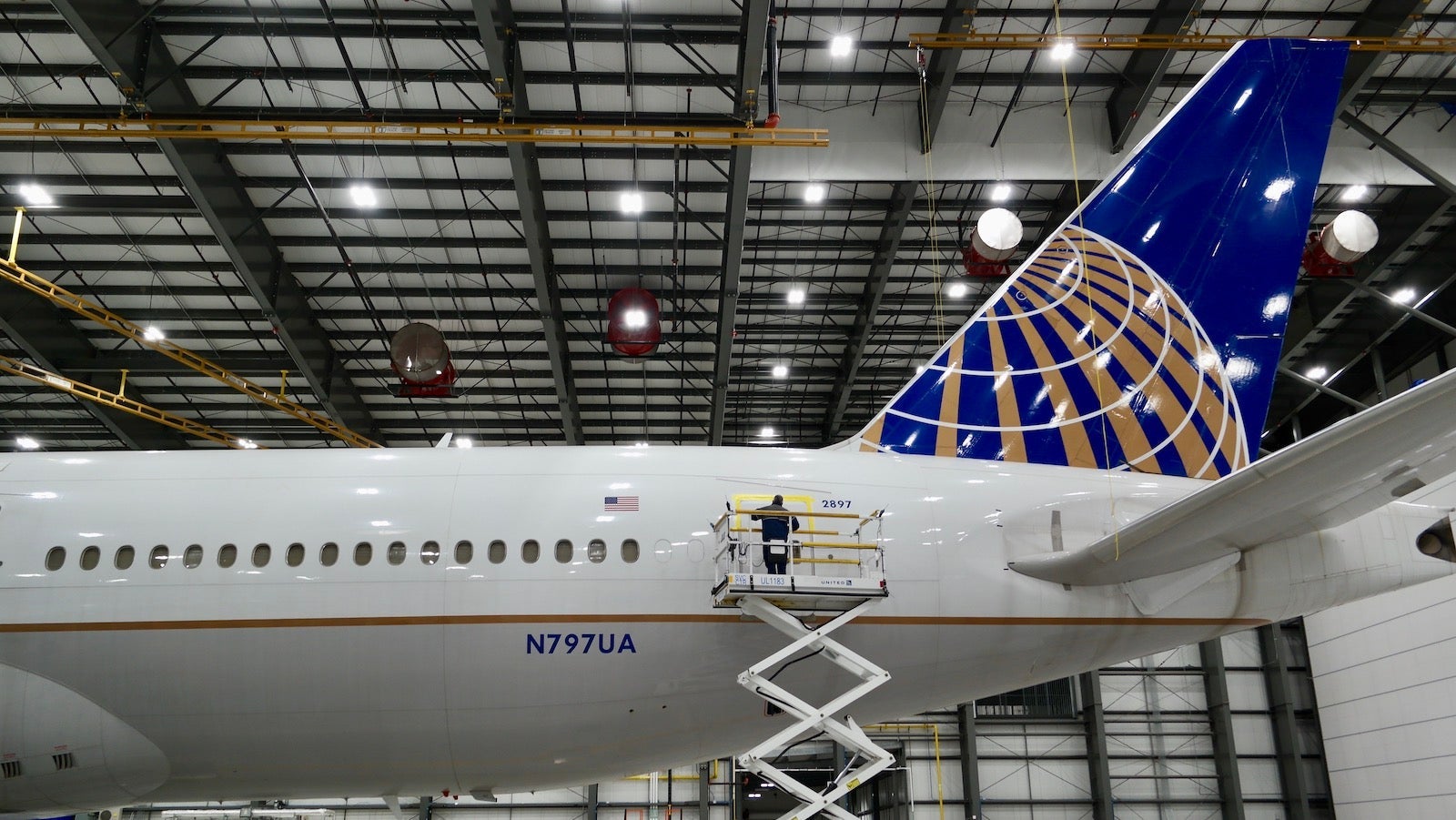
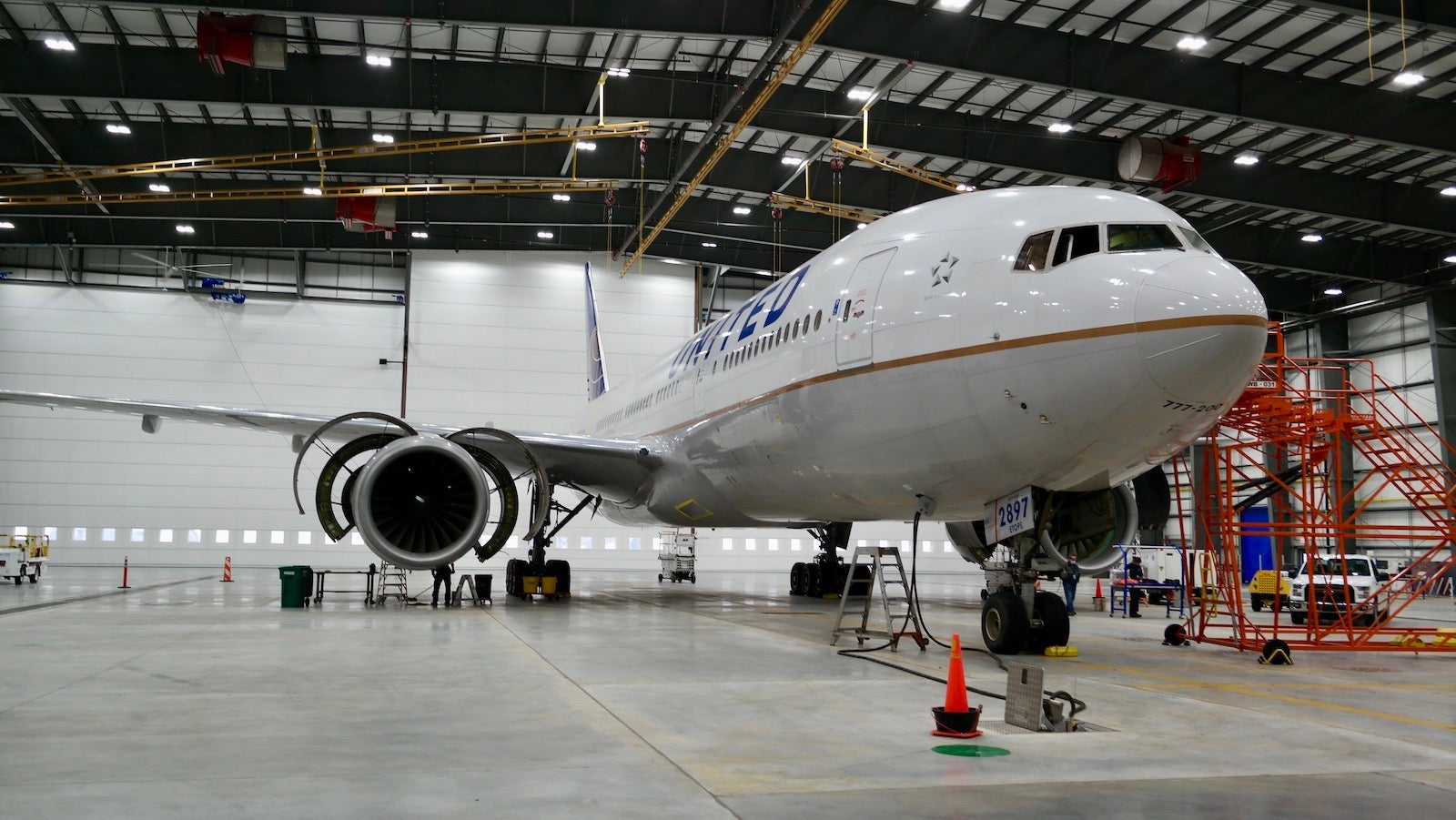
And tape United does. Yards and yards of yellow tape outlines the doors, cargo holds and cockpit windows of stored jets. One worker, high on a lift, was retaping the doors of a 777-200 following its 180-day check before the plane returned to what the airline calls "prolonged storage" — or anything longer than six months — at O'Hare.
Related: United eyes finish to Polaris retrofits on the 787, wants 'consistent product' during pandemic
Writing the playbook to ground an airline
"There was no playbook," United senior vice president for technical operations Tom Doxey told TPG in an interview. "There's never a time where you have to park two-thirds of your fleet in such short a period of time."

At one point, United put down more than 500 of the 777 mainline jets that it had at the end of 2019. This unprecedented effort saw planes of every airline lining runways and taxiways at airports across the globe.
At its peak, United alone parked the equivalent to grounding the entirety of Alaska Airlines and JetBlue Airways — the fifth- and sixth-largest airlines in the U.S.
Nearly a fifth of the U.S. passenger fleet was still in long-term storage as of Oct. 25, according to the latest data from trade group Airlines for America (A4A). That amounts to more than 1,000 jets still grounded before retirements are factored in.
Related: US airlines may have to retire 1,000 jets due to coronavirus
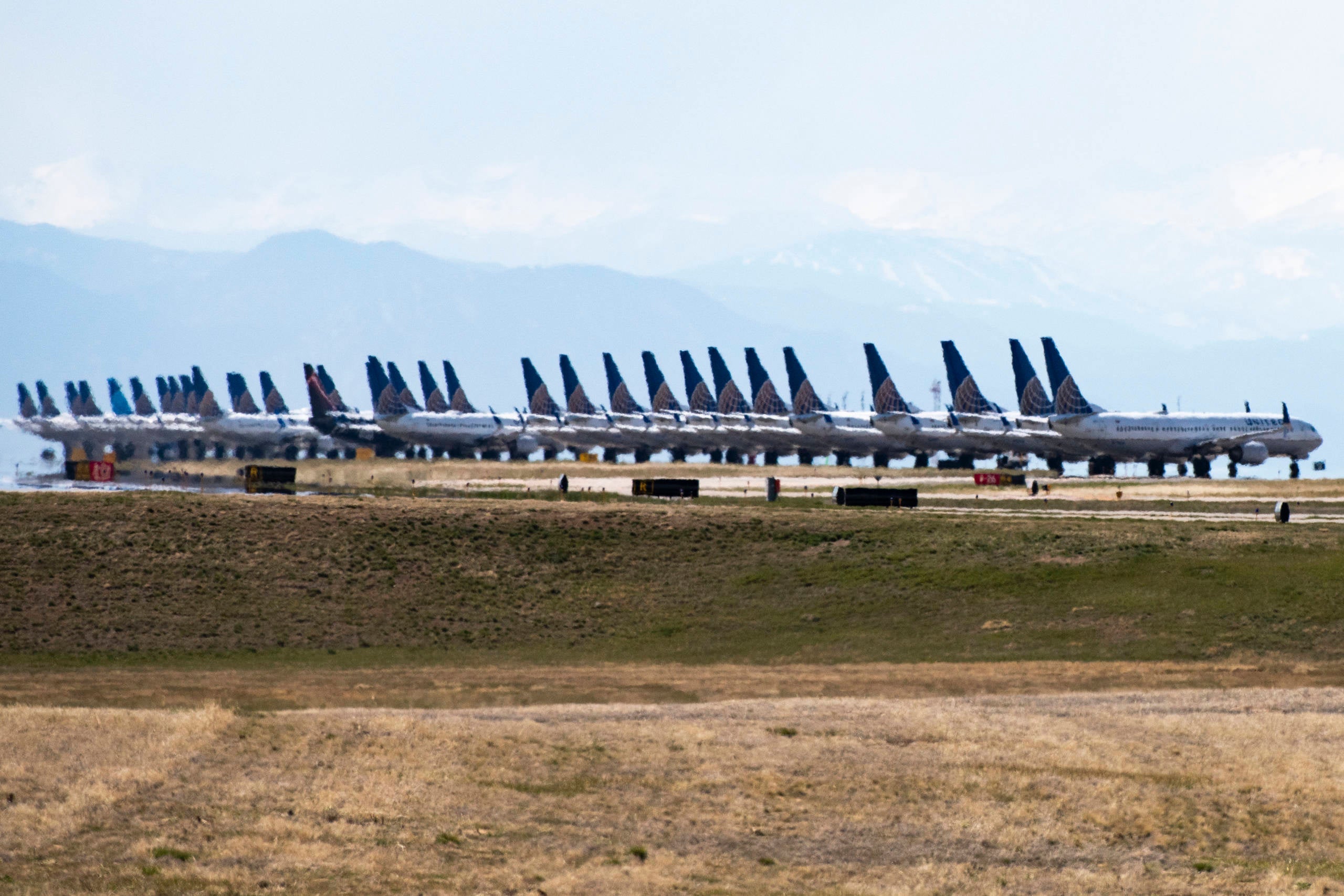
Parking two-thirds of United's fleet did not happen all at once. First, it was a handful of wide-body jets that flew to China after those flights were suspended in January and early February. The number grew quickly as COVID-19 spread, first to Italy and then to the U.S., with United the first American carrier to begin slashing its global schedule as the pandemic worsened in early March.
Early on, planes went into storage haphazardly as more and more flights were suspended, said Doxey. Parking efforts become more organized as it became clear that global air travel would be down for an extended period. Jets that were due for heavy maintenance or other work went to prolonged storage and those that would return to flying first went into "active storage," or up to six months.
For example, United's relatively new and efficient Boeing 787s were placed in active storage as they were the most likely to return to service first, said Doxey. Older jets — like the Boeing 767-400ERs — and those with maintenance needs were sent to places like Goodyear, Arizona, and Roswell, New Mexico.
Related: United Airlines sees Boeing 787 as new long-haul 'workhorse'
"I think we did it right, we followed the maintenance program and put them in the right places," Doxey said. Only about 15 jets out of the more than 500 parked needed to be moved after their initial storage.
United has been returning jets to passenger service since May. The airline is now flying more than 500 mainline planes with roughly 300 still stored in the desert and at maintenance bases in places like Chicago, Houston and Orlando.
Many of the planes still grounded are wide-bodies, including numerous 777-200s. International travel has returned slower than U.S. domestic as many countries continue to limit foreign arrivals. These restrictions reduce the need for large, long-haul jets like the venerable 777. Two of those wide-bodies — registrations N785UA and N797UA — were in the Chicago hangar for their 180-day storage checks for critters and other key items that snowy October day.
Related: A country-by-country guide to coronavirus recovery
Keeping much of an airline grounded 'sucks'
"This sucks much worse," Garrett West, director technical operations at United's O'Hare hub, said when asked to compare the coronavirus crisis to 9/11 during the hangar tour. West was a line mechanic at United during the 2001 grounding that has been the benchmark for airline crisis planning ever since.
When it became clear that COVID would take a deep toll on airlines in early March, West and Silverio met on a Sunday to draft a new business continuity plan for United's technical operations. That plan laid the groundwork for parking and maintaining the fleet for months to come.
Parking a jet is nothing like leaving a car in a long-term lot for weeks or months. In addition to taping every opening to keep critters out, humidity must be kept low both inside and out to prevent corrosion. Engines must be run and checked and many other tasks completed to keep systems in working order.
Related: When will business travel return? Not until 2024, predicts United CEO
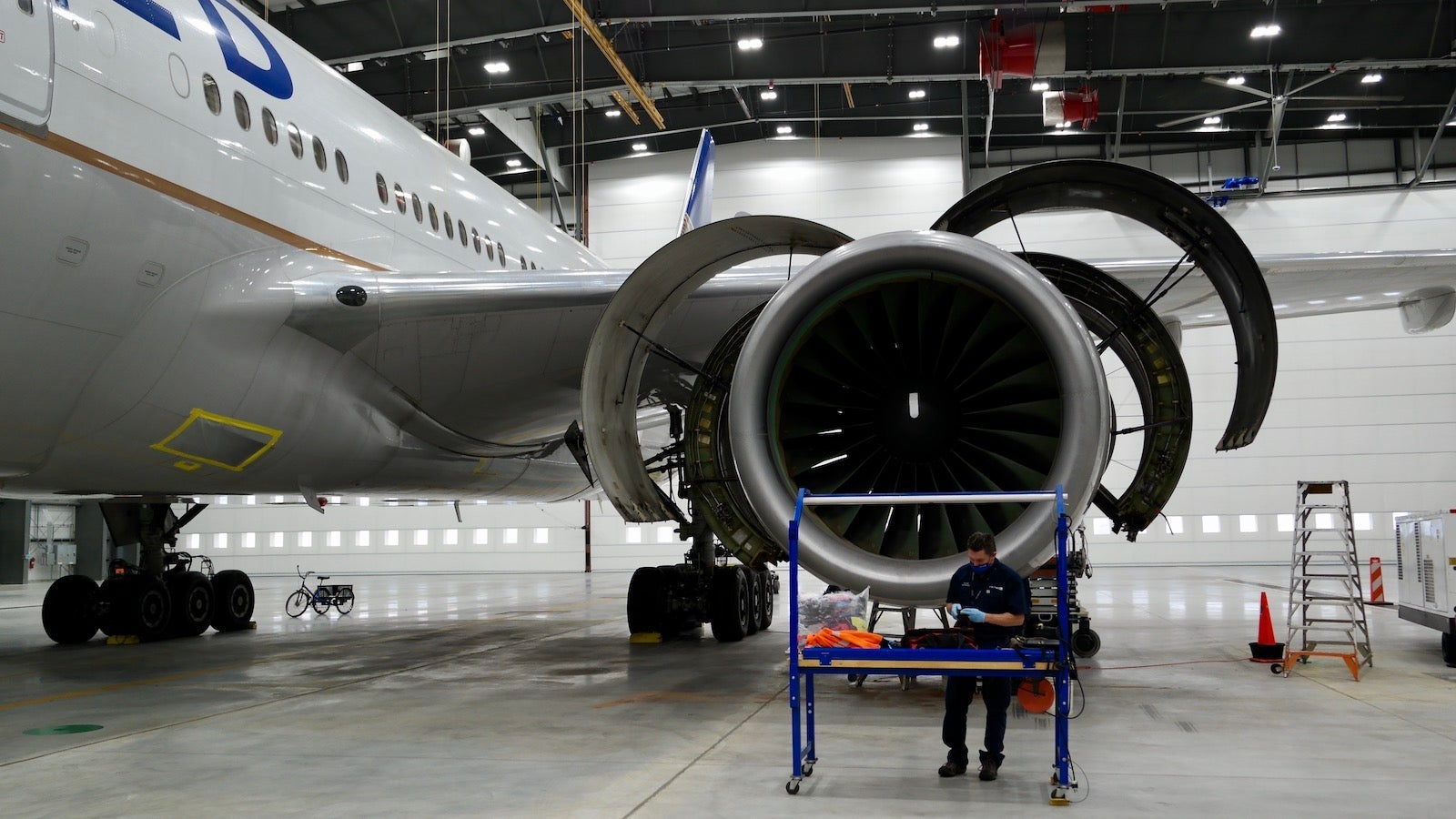
One early discovery was that birds liked to nest in the wheel wells of aircraft stored at O'Hare. Subsequently, United staff found that the fowl were protected thus requiring the involvement of wildlife officials to relocate them.
Rats also found their way onto stored narrow-bodies at the airport. These rodents and the birds prompted a more robust regime of taping and other checks to keep planes clear of pests.
"They find a way," said Silverio of animal roosts in idled jets. He added that United does a full animal and bug abatement, in addition to a deep clean, when it returns a jet to passenger service from storage.
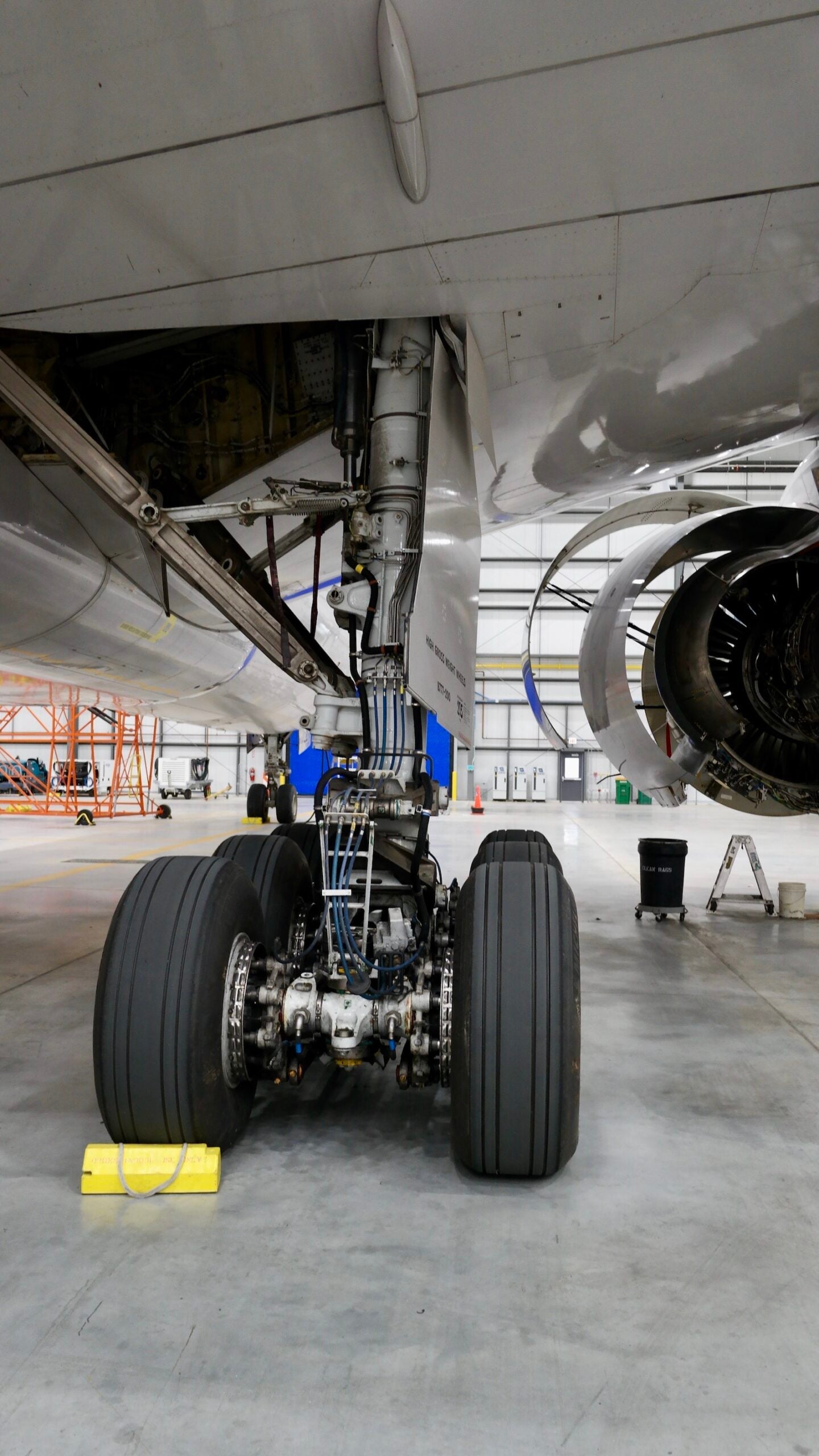
Another concern was cracking of the rubber tires on parked aircraft. United initially addressed this with yards-upon-yards of tape and plastic coverings. Ultimately, the carrier decided to mass produce specially-made covers. Those covers saved the carrier a "ton of money," said West.
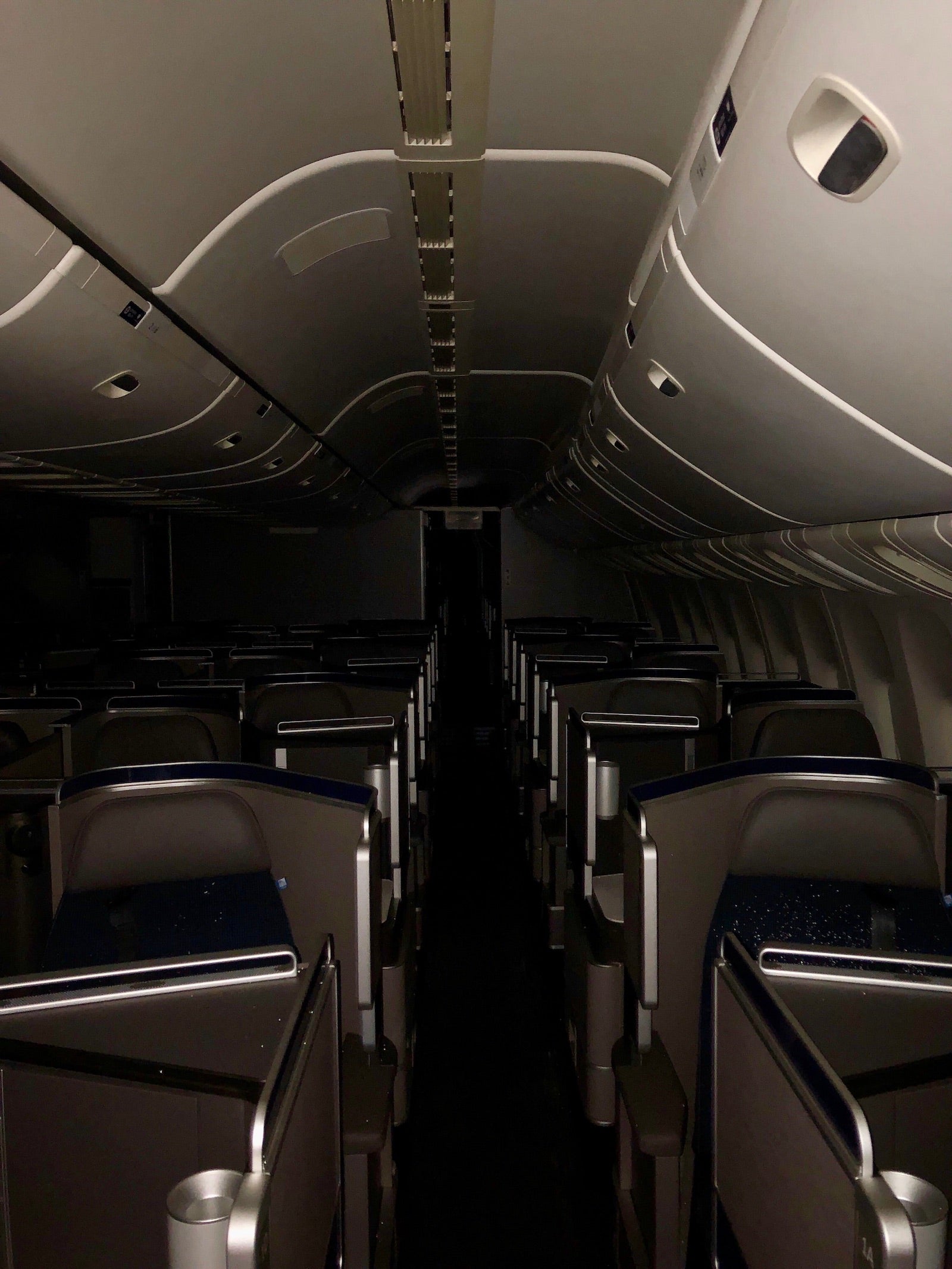
Inside aircraft cabins, fading and humidity are among the greatest concerns. United does not cover its seats or other interior fittings as some carriers do. Instead, the airline protects the interior by closing all of the window shades and keeping humidity levels in check with absorbent packs and recycling air on a regular basis.
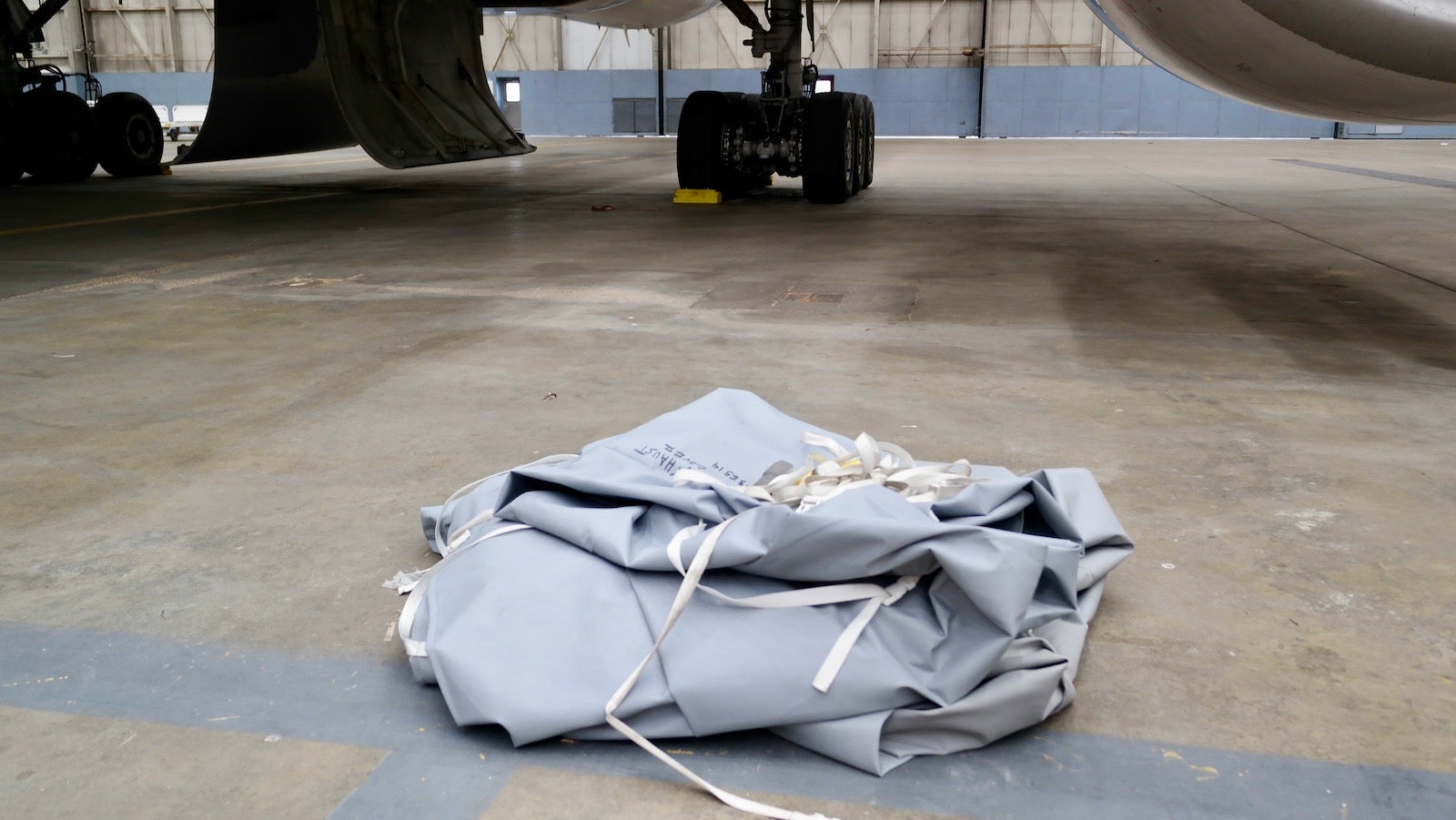
Emergency equipment is one thing that United does remove from the cabin of stored planes. Exit slides are left in place but checked regularly.
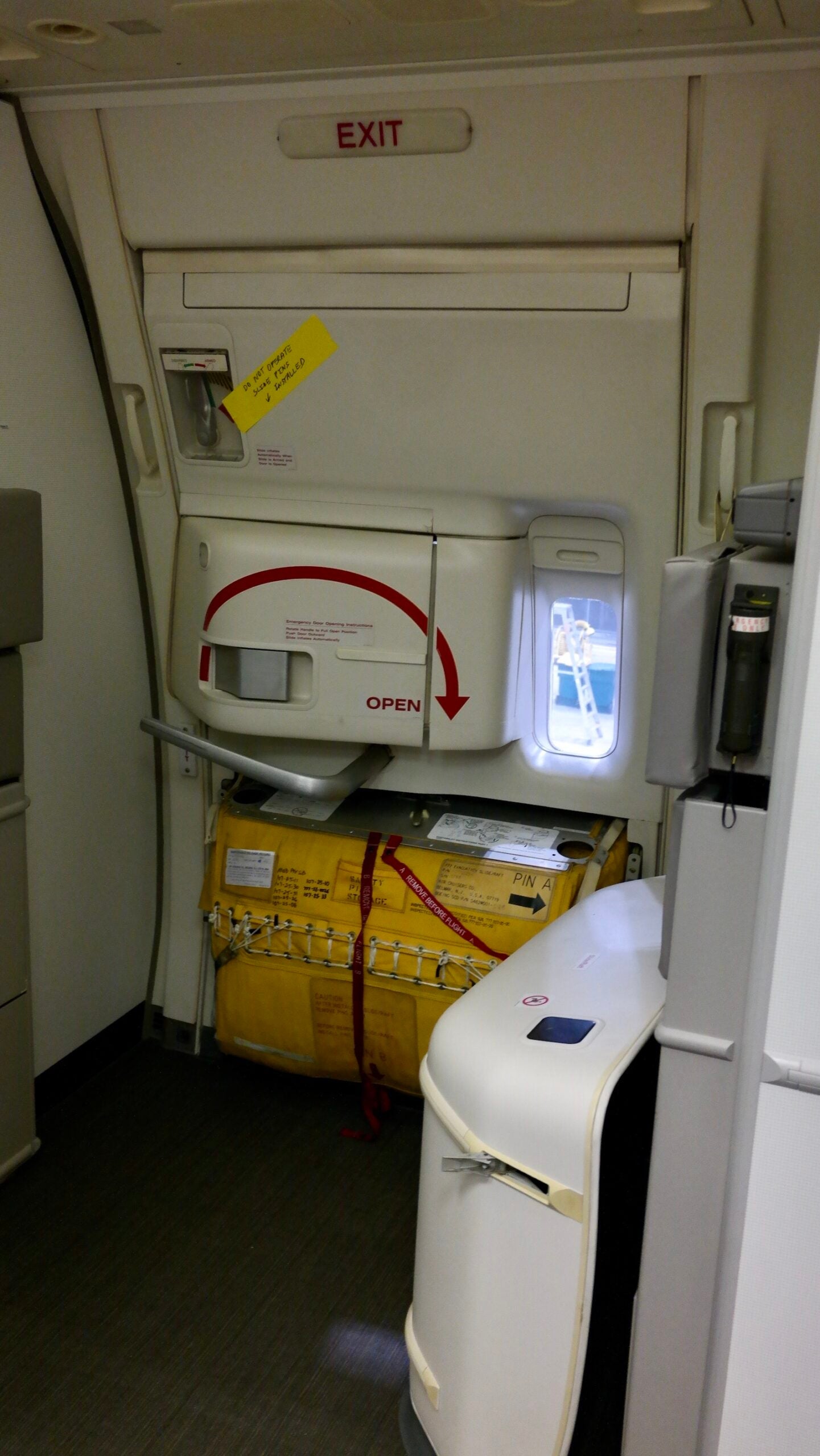
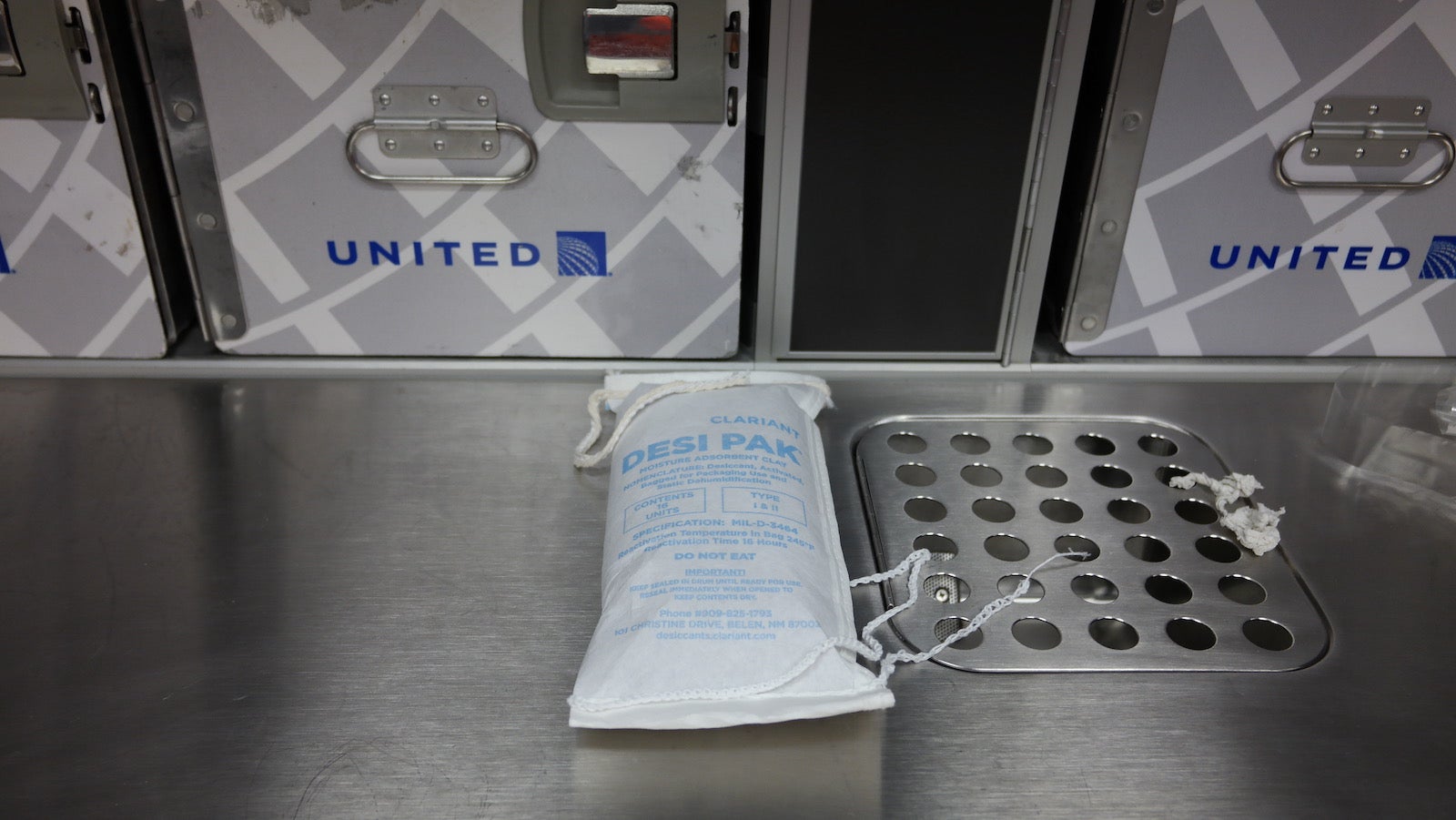
United's checks are largely the same for wide-body and narrow-body jets. Narrow-bodies like the 737 with just four exit doors take about 240 work-hours and a 777 with eight doors about 400 work-hours, or roughly a week for the latter aircraft. The same critical systems on both aircraft receive the same checks with only their size the difference in work time, said West.
Similarly, when a plane is parked — regardless of whether it is in active or prolonged storage — the checks are by-and-large the same.
"Everything carries the same level of criticality," said West. "You don't want to [favor] one system to another… It's all going to fly again and the better your maintenance is on the front end, the better you're going to be on the back end."
All of this work, keeping United's active and stored fleet flying, continues even with more than 13,000 staff furloughed on Oct. 1. Technical operations that maintains the fleet lost 2,241 people, something that West said they "just deal with right now."
Related: More than 30,000 furloughs begin as 'terrible Thursday' arrives for airlines
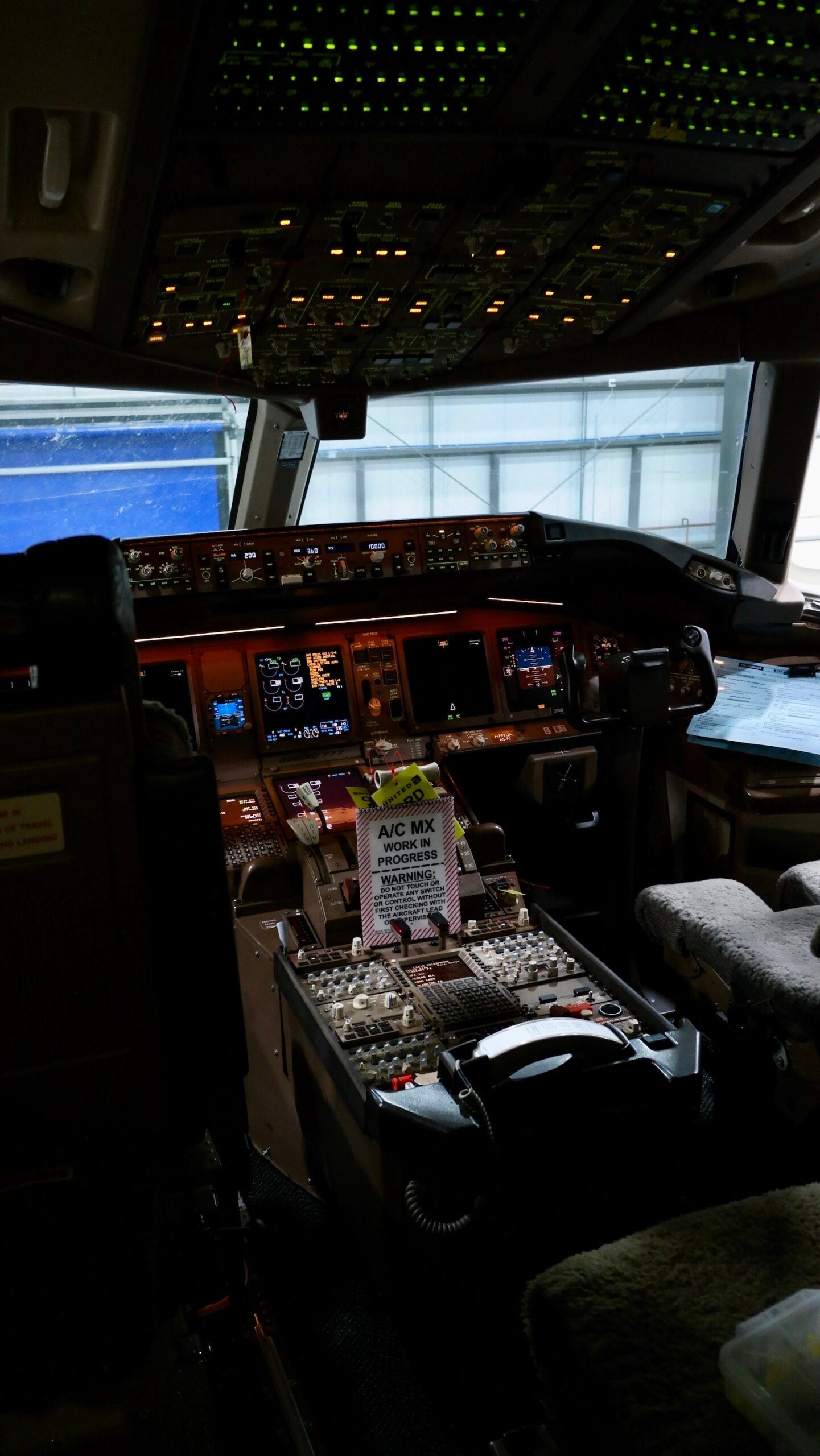
Both of the 777s in the hangar that day were headed back into prolonged storage. As if a symbol of the evaporation in international travel, a forgotten boarding pass from a past flight from São Paulo Guarulhos (GRU) to Chicago was lying on a seat of one of the jets. United only plans to fly about 45% of what it flew in 2019 during the fourth quarter, with the vast majority of that U.S. domestic rather than long-haul flying.
Both 777s undergoing their 180-day storage checks at O'Hare that day are late 1990s vintage models. United took delivery of N785UA new from Boeing in 1997 and N797UA a year later, according to the Cirium Fleets Analyzer database. The former was due to fly to Roswell by Nov. 3, where it would spend the winter, while the latter was to remain in prolonged storage in Chicago.
United aims to move most of the jets stored in Chicago to warmer climes for the winter by the end of November, said West.
Related: United Airlines adds new route from Washington Dulles hub, expands schedule in November
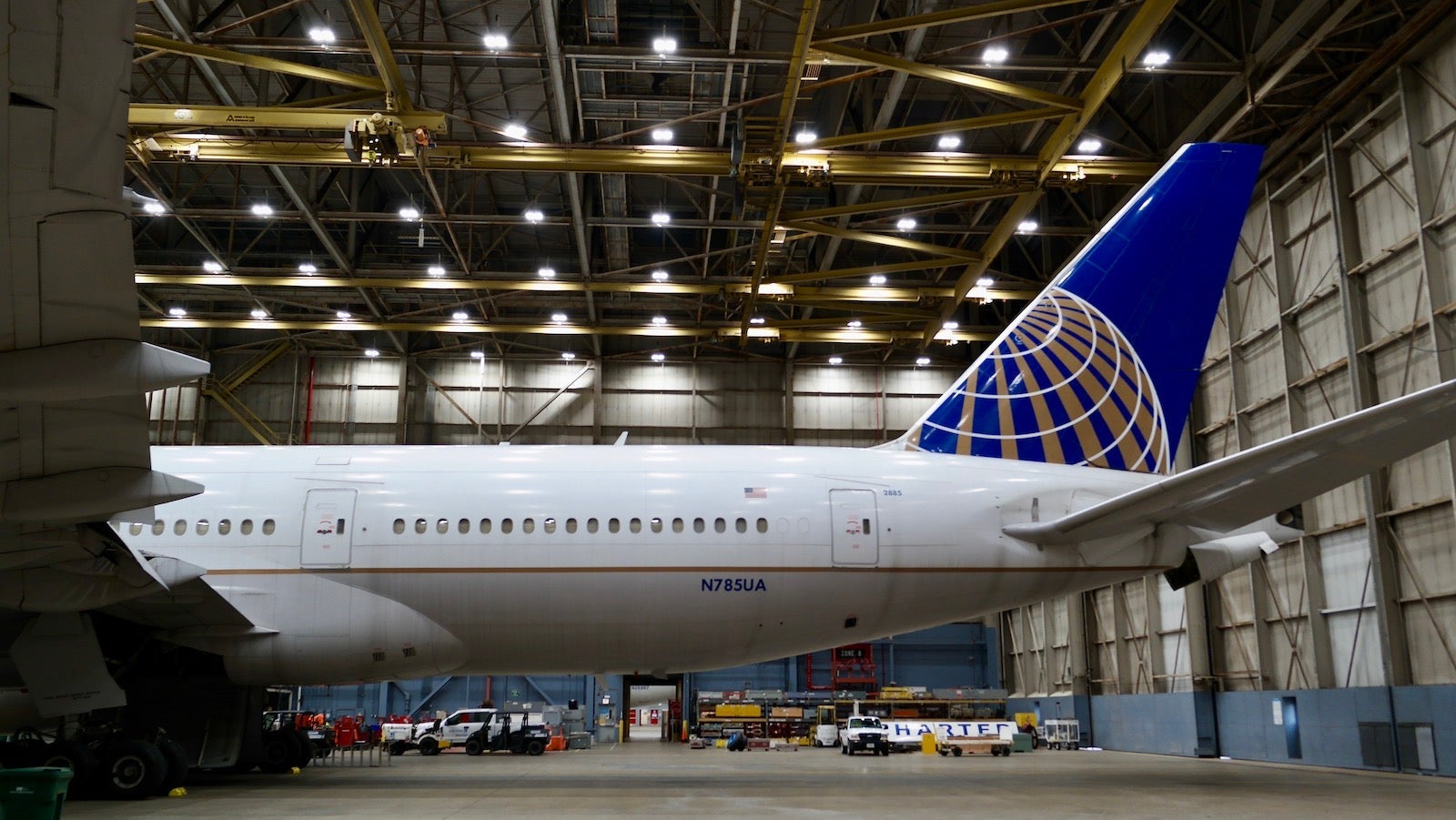
Ultimately, United will have to decide the fate of the 777s. Both are equipped with posh new Polaris seats but are more than 20 years old and potentially in need of additional costly maintenance work. The 20-year-old mark has been an inflection point for many jet removals at the likes of American Airlines and Delta Air Lines.
That decision will rest on a number of factors. Not least among those is how quickly international air travel reopens, whether with so-called "travel bubbles" — like those the new CommonPass app hopes to create — are established or when a coronavirus vaccine becomes widely available. Even then, United will have to ask itself whether it needs more than 200 wide-bodies when some will need up to 45-days of work to carry flyers again.
Wall Street analysts expect that calculus to tip towards retiring some of United's wide-bodies. Some aircraft, like older 767s, may be worth more as scrap than the cost of maintenance needed to return them to the skies — especially as numerous forecasts suggest demand for international travel will be depressed for years to come.
"We need to maintain flexibility," Doxey said. "We have a sense for what we want to be doing for Thanksgiving and for Christmas. As we get beyond that, though, I think it's going to depend on what the next couple of months look like."
Related: United Airlines tests potential travel bubble solution on London-Newark route
View this post on Instagram
TPG featured card

at Capital One's secure site
Terms & restrictions apply. See rates & fees.
| 5X miles | Earn 5X miles on hotels, vacation rentals and rental cars booked through Capital One Travel |
| 2X miles | Earn unlimited 2X miles on every purchase, every day |
Pros
- Stellar welcome offer of 75,000 miles after spending $4,000 on purchases in the first three months from account opening. Plus, a $250 Capital One Travel credit to use in your first cardholder year upon account opening.
- You'll earn 2 miles per dollar on every purchase, which means you won't have to worry about memorizing bonus categories
- Rewards are versatile and can be redeemed for a statement credit or transferred to Capital One’s transfer partners
Cons
- Highest bonus-earning categories only on travel booked via Capital One Travel
- LIMITED-TIME OFFER: Enjoy $250 to use on Capital One Travel in your first cardholder year, plus earn 75,000 bonus miles once you spend $4,000 on purchases within the first 3 months from account opening - that’s equal to $1,000 in travel
- Earn unlimited 2X miles on every purchase, every day
- Earn 5X miles on hotels, vacation rentals and rental cars booked through Capital One Travel
- Miles won't expire for the life of the account and there's no limit to how many you can earn
- Receive up to a $120 credit for Global Entry or TSA PreCheck®
- Use your miles to get reimbursed for any travel purchase—or redeem by booking a trip through Capital One Travel
- Enjoy a $50 experience credit and other premium benefits with every hotel and vacation rental booked from the Lifestyle Collection
- Transfer your miles to your choice of 15+ travel loyalty programs
- Top rated mobile app