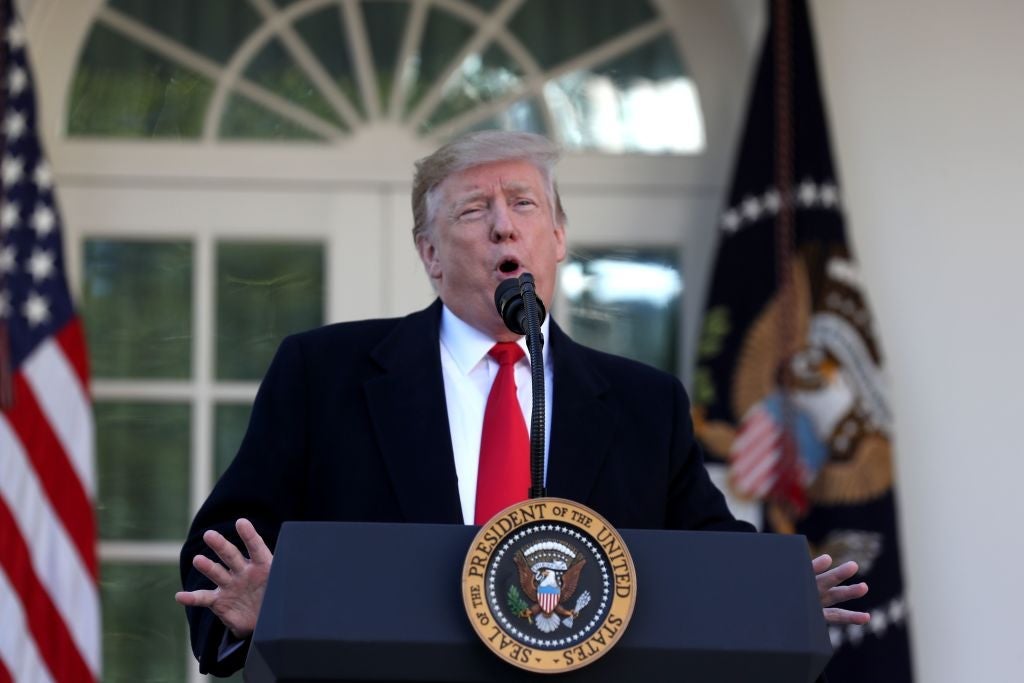

Travelers who run into a flight delay or cancellation will not automatically be owed financial compensation, after a decision made this week by the Trump administration.
The U.S. Department of Transportation withdrew a proposed rule that would have required airlines to compensate passengers $200 or more for major flight disruptions for problems like maintenance or crew staffing.
Related: Airlines lobby DOT to remove passenger protections
Major airlines praised the move, previously arguing that the measure would have raised ticket prices.
First proposed late last year under the Biden administration and former Secretary of Transportation Pete Buttigieg, this compensation rule would have required airlines to pay passengers between $200 and $300 for domestic flights delayed at least three hours.

Passengers would have been eligible for compensation for disruptions deemed the airline’s fault — similar to protections enjoyed by passengers in the European Union.
The federal rule-making process for this policy was still underway when President Trump took office in January. But according to a filing this week, the administration elected not to move forward with implementing the new regulation.
In a statement to TPG, the DOT said it would “faithfully implement” all consumer protection policies mandated by Congress. That includes, a spokesperson said, tighter refund rules passed last year — which require airlines to automatically refund passengers who decide not to travel when their flight is canceled or significantly delayed.

“Some of the rules proposed or adopted by the previous administration, however, went beyond what Congress has required by statute, and we intend to reconsider those extra-statutory requirements,” a DOT spokesperson said Friday, perhaps opening the door to rolling back additional Biden-era consumer protections.
A regulatory shift
The Biden administration took an aggressive approach to air travel consumer rights, putting sustained pressure on airlines — from delay and cancellation protections for travelers to family seating policies and carriers’ treatment of passengers with disabilities.
A trade group for the largest U.S. airlines said Friday it looked forward to working with the Trump administration to implement its “deregulatory agenda.”
“We are encouraged by this Department of Transportation reviewing unnecessary and burdensome regulations that exceed its authority and don’t solve issues important to our customers,” said Airlines for America, which earlier this year asked the DOT to roll back a wide range of other consumer protections for passengers.
What rights do consumers have?
Despite the apparent end of the government's push for flight delay compensation, passengers do still have refund rights — and options for recouping expenses paid out when they get stranded.
Air travel refund rules
DOT policy still requires airlines to refund passengers when their flight is canceled or significantly delayed and the passenger opts not to fly.
Under a law passed by Congress last year, refunds are due within seven days for customers who paid by credit card.
Consumer rights dashboard intact
Also still intact, at this point: the DOT’s air travel consumer rights dashboard, which spells out airline policies for protections like meals, hotel and ground transportation costs when a flight is canceled or significantly delayed and the airline is deemed responsible.
The dashboard also grades airlines on their family seating policies.
Credit cards with travel insurance can come in handy
And, don't forget: there are plenty of travel credit cards that have built-in travel insurance protections, which can offset the cost of an unexpected hotel night or rideshare ride (along with other expenses) when you get stuck.
Notably, these protections can apply even when your travel disruption is due to bad weather — which few airlines offer any type of compensation for.
Related reading:
- When is the best time to book flights for the cheapest airfare?
- The best airline credit cards
- What exactly are airline miles, anyway?
- 6 real-life strategies you can use when your flight is canceled or delayed
- Maximize your airfare: The best credit cards for booking flights
- The best credit cards to reach elite status
- What are points and miles worth? TPG’s monthly valuations