Sean Cudahy is an aviation reporter covering news about airlines, frequent flyer programs and consumer travel issues.
July 31, 2026 • 7 min read
The cards we feature here are from partners who compensate us when you are approved through our site, and this may impact how or where these products appear. We don't cover all available credit cards, but our analysis, reviews, and opinions are entirely from our editorial team. Terms apply to the offers listed on this page. Please view our advertising policy and product review methodology for more information.
Editorial note: The federal government has extended the comment period for this proposed rule change through Aug. 21. The story has been updated to reflect the new date.
Editorial disclaimer: Opinions expressed here are the author's alone, not those of any bank, credit card issuer, airline or hotel chain, and have not been reviewed, approved or otherwise endorsed by any of these entities.
Comments
By commenting, you agree to our Community Guidelines to help create a positive space for conversation. The responses below are not provided or commissioned by the bank advertiser, our partners, or The Points Guy (“TPG”). They have not been reviewed, approved, or otherwise endorsed by any of these parties. All responses are submitted by individual contributors, and neither the bank advertiser, our partners, nor TPG are responsible for ensuring that all posts and/or questions are answered.
Related stories
Quick summary
The U.S. Department of Transportation is considering changes to regulations that require airlines to display the full ticket price upfront, including taxes and required fees.
Proposed adjustments would allow airlines to highlight the base fare more prominently, as long as the total price is still clearly shown.
A broader repeal of the all-in pricing rule is also under consideration, which could let airlines display only the base fare initially.
Industry experts and consumer advocates warn these changes could make comparing flight prices more challenging for travelers.
What to consider
The public can submit comments on the proposed rule changes through August 21.
If the all-in pricing rule is repealed, travelers may need to pay closer attention to additional taxes and fees not shown in the initial fare display.
Airlines would still be required to display the total cost, but the prominence and order of price components could vary.
What you'll miss from the article
A detailed breakdown of how fare displays might change and expert perspectives on the potential impact for consumers.
Generated by AI with support from our editorial team.
If you want to weigh in, now is your chance.
The Trump administration is gearing up to tweak an Obama-era airfare regulation that dictates what price you see first when you go to buy a plane ticket.
The change that’s under formal consideration by the U.S. Department of Transportation would give airlines more leeway to decide how they display the cost of a flight — from the base fare to the taxes and required fees.
But the DOT also said it’s thinking about a bigger move: repealing a 15-year-old regulation that currently requires carriers to show the full ticket price upfront.
Together, industry analysts fear the moves could make comparing flight prices more complicated.
“It means that as a consumer, you may have to do more digging into the details,” warned Henry Harteveldt, president of Atmosphere Resaerch Group.
Let’s dig in ourselves: What’s likely changing, what could change, and what this will all mean for air travel in the future.
Alaska Airlines, Japan Airlines and Qatar aircraft at New York's John F. Kennedy International Airport (JFK).ZHANG FENGGUO/XINHUA VIA GETTY IMAGES
The price you pay: Fare + Taxes + Required fees
Today, when you search for a flight, the first price that pops up includes everything except for the “optional” add-ons like checked bag fees.
A $200 Delta Air Lines flight from Washington to Atlanta? That price tag includes every charge you have to pay to book the ticket: the fare, the taxes and any mandatory fees.
DELTA AIR LINES
That’s because in the early 2010s, the Obama administration started requiring airlines to display the total ticket price upfront — more prominently and in bigger font size than any smaller components of the fare.
Consumer advocates argued this policy made it easier for travelers to compare prices and know, upfront, what a flight would cost.
Today, you'll typically find the taxes and mandatory fees on a separate, less prominent page. DELTA AIR LINES
DOT closing in on rule change
Now, the Trump administration is preparing to finalize a rule that would give airlines a little more wiggle room.
Carriers would be allowed to start drawing attention to the lower base fare — as long as they displayed the total cost of the flight just as clearly.
Here’s an example of how the changes could play out:
What you currently see first when searching flights
How prices could be displayed in the future
Flight price: $105
Fare: $75
Taxes and fees: $30
Total: $105
(On mobile, swipe left see the before and after)
Why the change? The Trump administration argued the current policy is too strict, by telling airlines what font size they can use to advertise a fare versus a tax or fee. This move, the DOT said, would “provide greater flexibility” to carriers while still getting vital pricing information to consumers.
However, this also might not be the only change that’s coming.
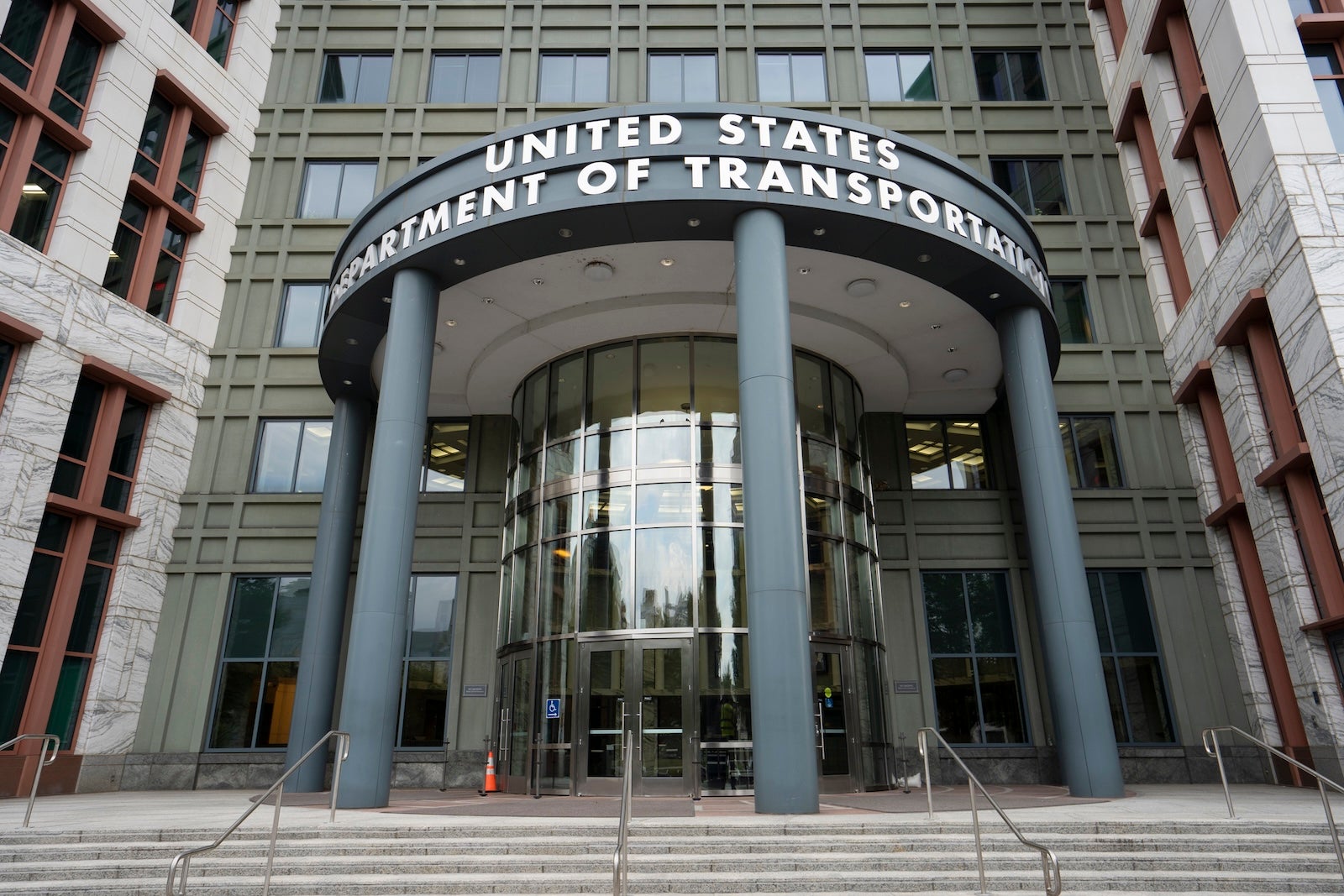
The U.S. Department of Transportation. HAPABAPA/GETTY IMAGES
DOT 'considering' a more sweeping change
In its notice announcing this potential rule change, the DOT revealed it’s considering more sweeping action, too: an outright repeal of its all-in pricing rule that governs the airline sector.
A handful of airlines have pushed for this change for years, arguing the federal government shouldn't dictate how they display ticket prices.
Carriers have long argued that in other industries, consumers see a sticker price — and then ultimately pay a higher total price once taxes are added in at the end.
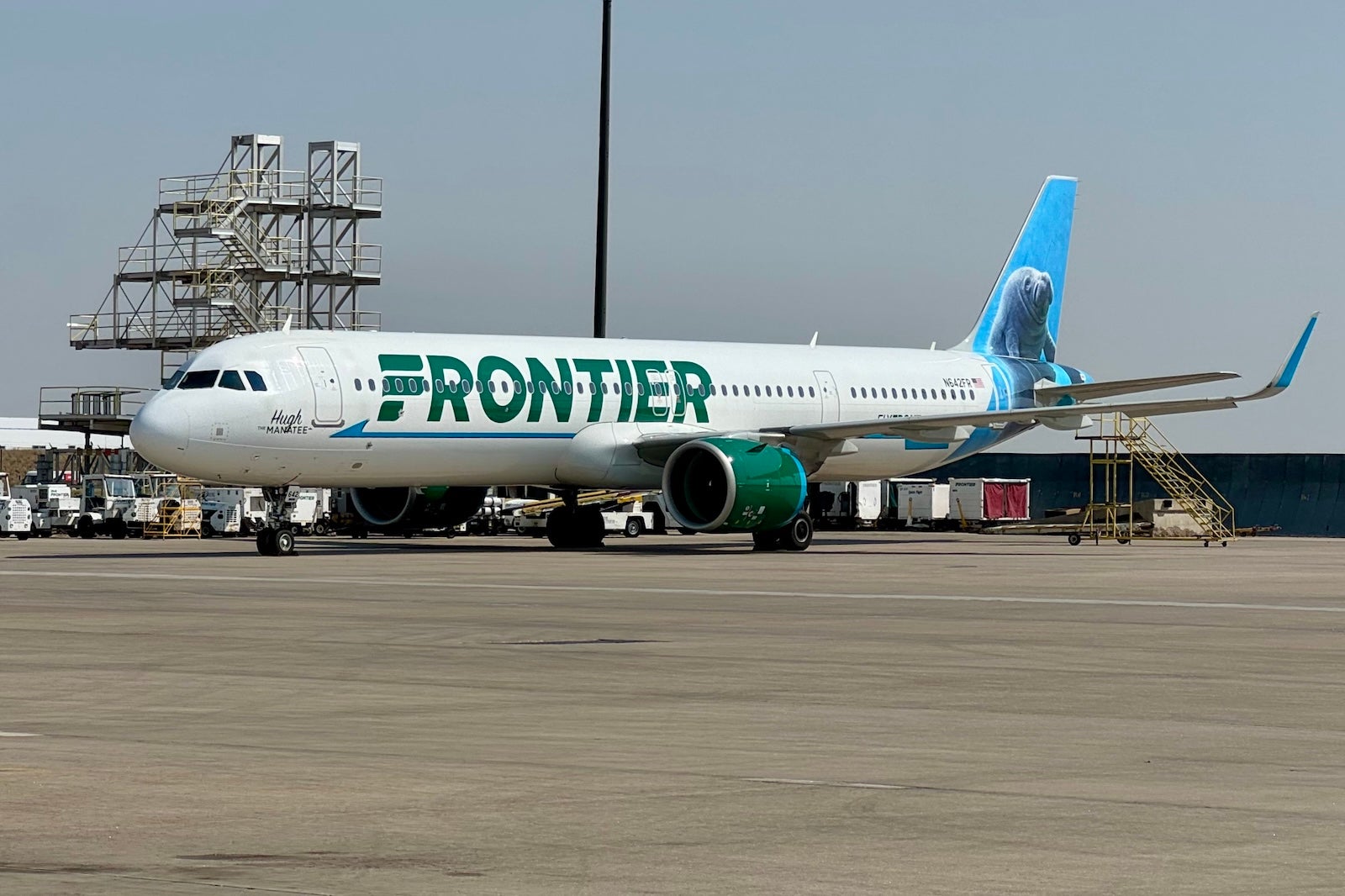
Frontier Airlines aircraft at Denver International Airport (DEN). SEAN CUDAHY/THE POINTS GUY
The DOT also contends its current rule may overlap with other existing federal requirements.
Consumer advocates: Pricing flights could get more difficult
But relaxing airfare regulations could make airfare shopping far more confusing for consumers, warned industry commentator Jason Rabinowitz.
The change would “break flight shopping,” Rabinowitz, who co-hosts Flightradar24's AvTalk podcast, wrote in a public comment.
It would make it "virtually impossible to comparison shop," he added, since carriers could have more freedom to decide what fare to advertise upfront for a flight.
GOOGLE FLIGHTS
Southwest weighs in
At least one major airline agrees.
Southwest Airlines said it initially opposed all-in pricing rules when they went into effect 15 years ago. But changing things now could prove “extremely disruptive,” the airline wrote.
“An entire generation of consumers have shopped and purchased air travel under this system,” Southwest said.
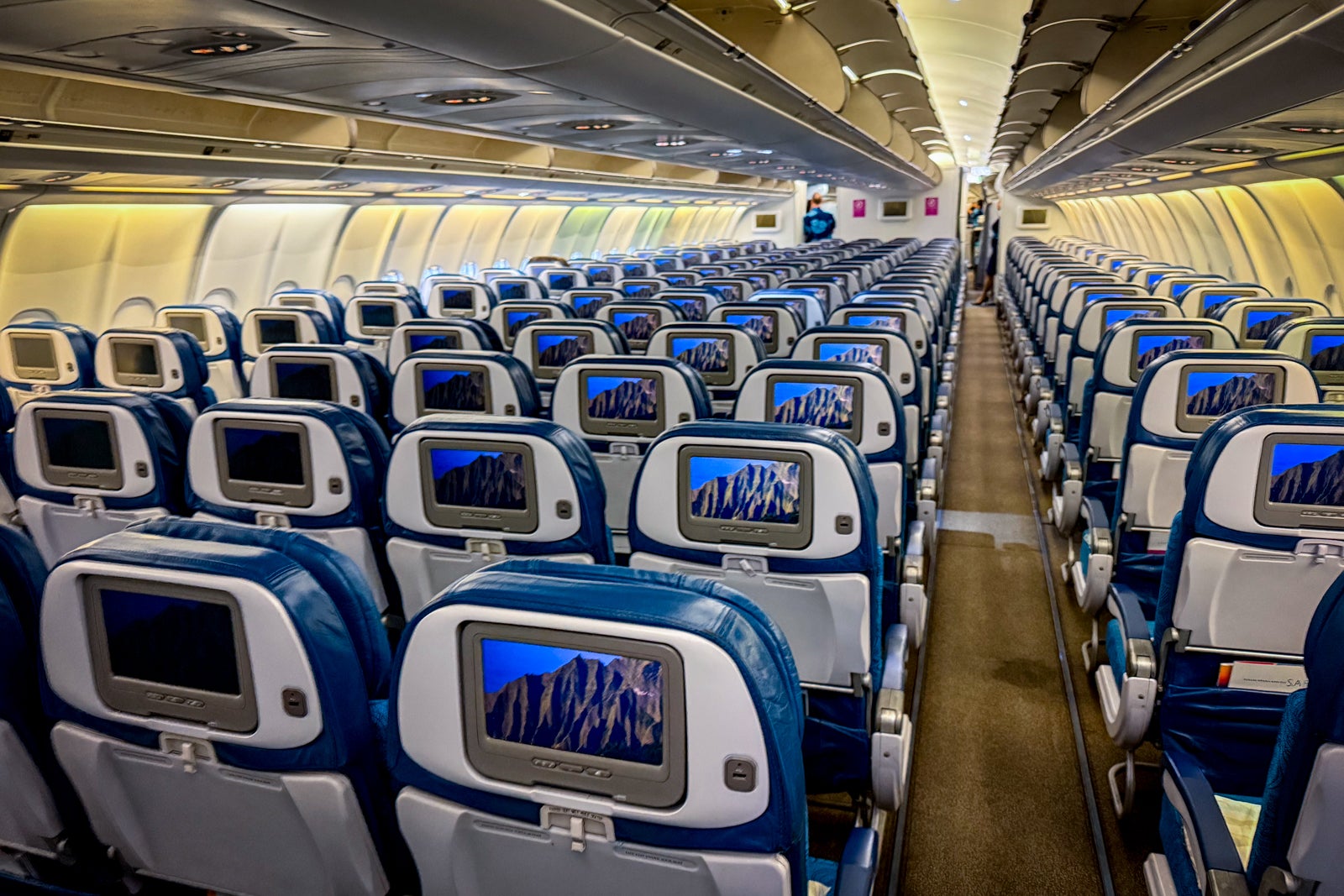
SEAN CUDAHY/THE POINTS GUY
Bottom line
For now, the likeliest outcome seems to be this narrower change DOT has already proposed — what the agency called a "minor, but certainly meaningful" shift in how airlines can display ticket prices.
Whatever happens in Washington, though, airlines should tread carefully, Harteveldt cautioned: Changing how they show ticket prices, he said, could lead to consumer backlash.
"If an airline is believed by the traveling public to be misleading — to be less than forthcoming, to be even sly — in how they present their prices," he said, "I don’t think it will serve that airline well."
If you want to make your voice heard, you'll have to act quickly: The DOT is accepting comments on these potential rule changes through Aug. 21.
By commenting, you agree to our Community Guidelines to help create a positive space for conversation. The responses below are not provided or commissioned by the bank advertiser, our partners, or The Points Guy (“TPG”). They have not been reviewed, approved, or otherwise endorsed by any of these parties. All responses are submitted by individual contributors, and neither the bank advertiser, our partners, nor TPG are responsible for ensuring that all posts and/or questions are answered.