As omicron spreads, here’s what you need to know about traveling during the holidays

It's the holiday season, and millions of Americans are about to hit the road and take to the skies. This is not an exaggeration: AAA has predicted that 109 million people would travel during the holidays.
But in the back of many travelers' minds is the threat of the omicron coronavirus variant, which is now the most common variant in the United States and accounted for 73% of new cases last week.
The omicron variant has led some popular destinations for tourists to restrict travel or close their borders entirely. It also has many travelers questioning how to protect themselves and their families during the holidays – or even if they should travel at all.
So, what does this mean for your holiday travel plans? Here's what you need to know about traveling while the omicron variant continues to spread this holiday season.
What should I know about the omicron variant before traveling?
The omicron variant, first discovered in South Africa, may be more contagious. It contains several spike protein mutations that may make it less responsive to COVID-19 vaccines.
We also know that the variant has been discovered in many countries – including the United States, where it's now the dominant coronavirus variant. Several cities, including New York City and Washington, D.C., are experiencing spikes in cases.
Travelers headed away for the holidays should know that omicron cases are growing at a rate higher than the delta variant, said Dr. Ilan Shapiro, the medical director of medical education and wellness at AltaMed Health Services who is also a spokesperson for Clorox.
"This could be a good news [and] bad news scenario: Good news would be that it looks to be less harmful, but the bad news would be that it could cause more cases and still saturate our hospitals and create complications to our communities," Dr. Shapiro told TPG via email.
How can I stay safe while traveling?
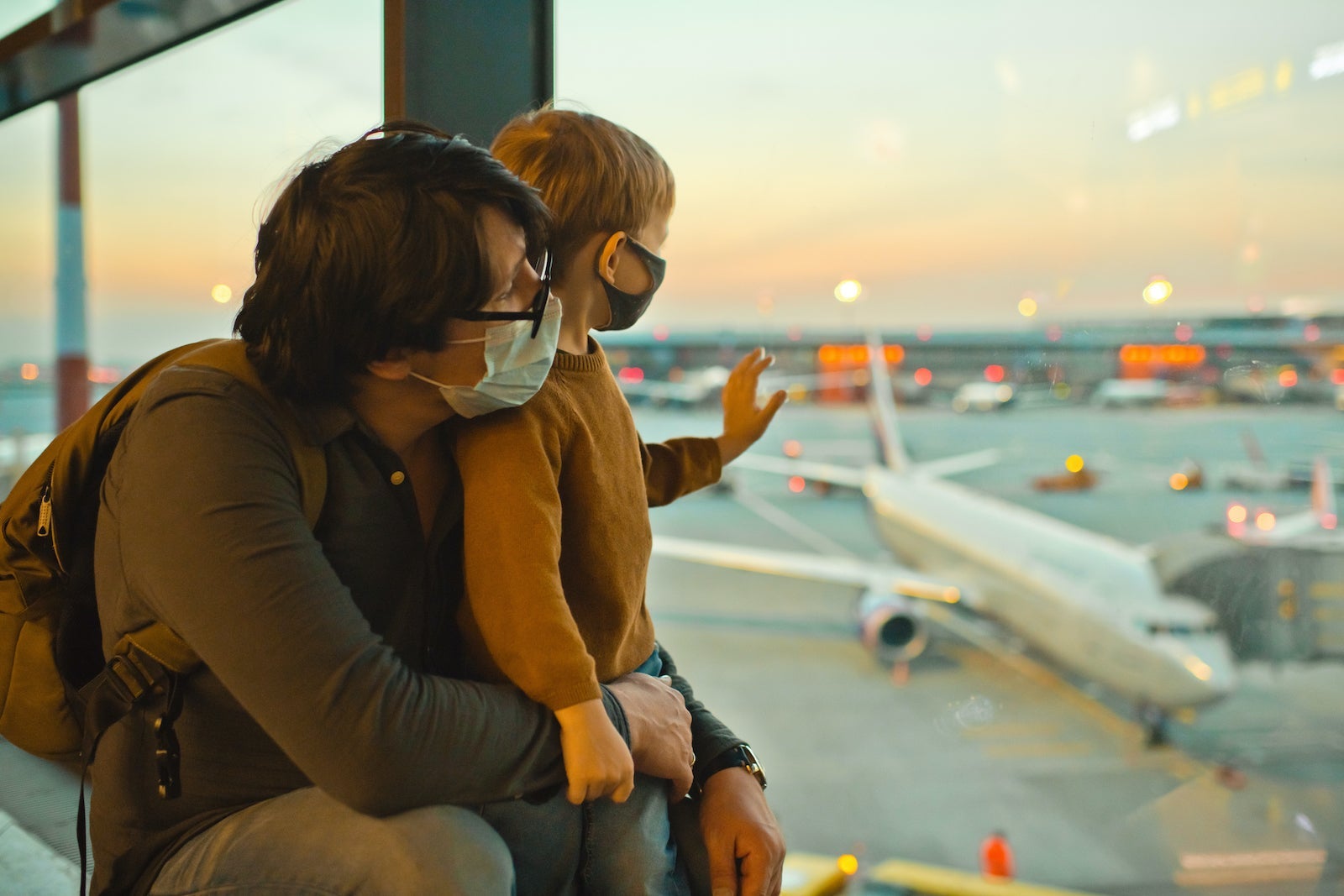
With the spread of the new variant, travelers may need to (once again) upgrade their travel safety gear. That may mean investing in a higher-quality N95 or KN95 mask, and stocking up on hand sanitizer and wipes. Limiting contact with other people (if possible) and keeping your mask on unless eating or drinking are some ways to avoid contracting the coronavirus.

"Travelers should be thinking about how they can prevent the spread of germs along their journey – from stops along the road to airport terminals," Dr. Shapiro explained. "Wearing a mask, social distancing and cleaning surfaces before touching them can go a long way in preventing germ spread."
Dr. Shapiro also noted that travelers visiting older or immunocompromised family members might want to rethink travel plans altogether, although he acknowledged the strain another holiday apart can put on families.
Where can I travel this holiday season?
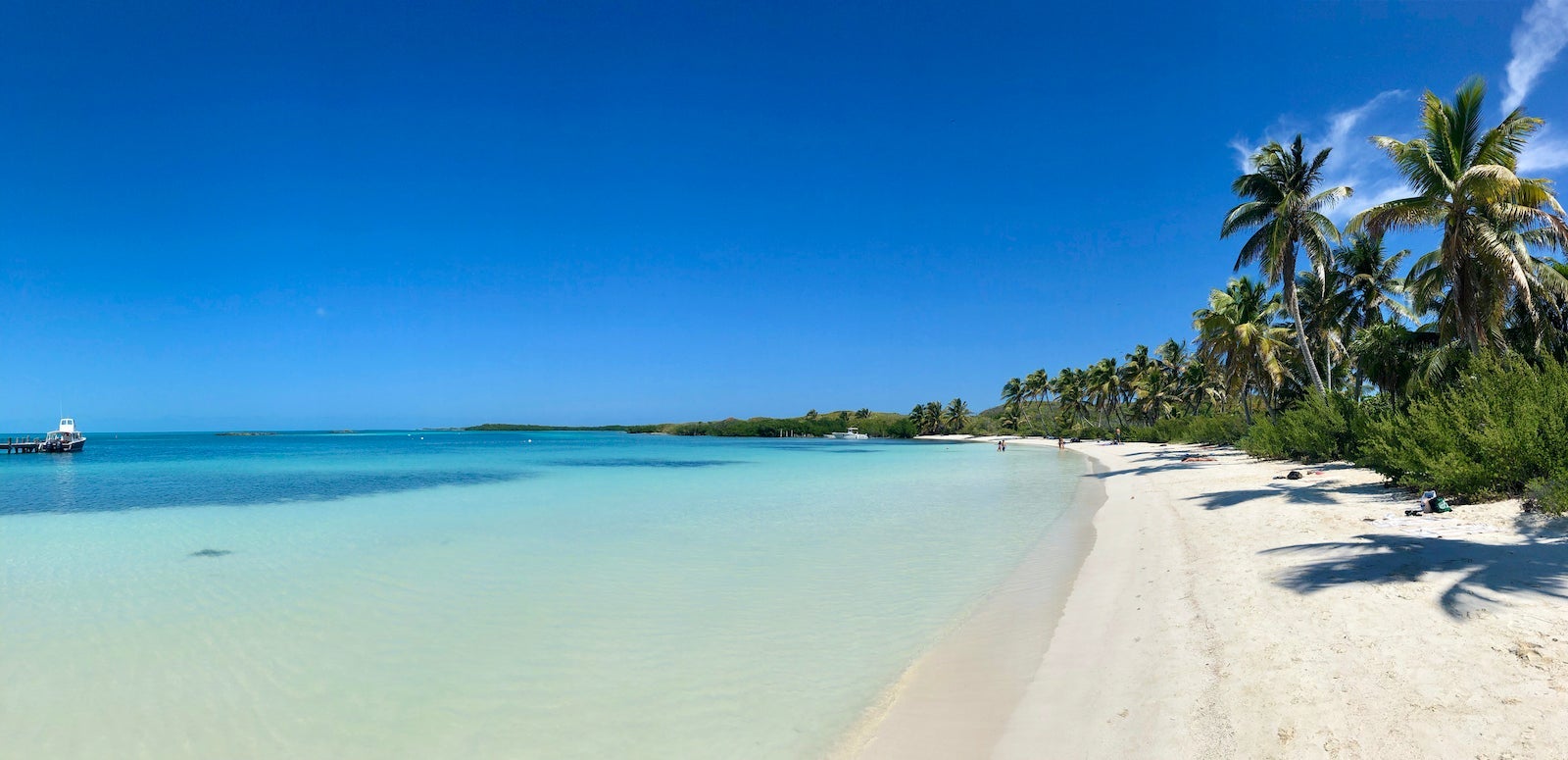
Many destinations are still open to Americans, including Mexico and much of the Caribbean. Much of Europe also remains open even as the omicron variant spreads there. T
ravelers can visit destinations such as France, Belgium (if you're vaccinated) and Greece, but note that countries can implement new restrictions if the COVID-19 crisis worsens, so if you're traveling this holiday season (especially to Europe), you'll want to monitor the situation up to the day of your trip.
Even if you do plan to travel, don't expect a typical holiday. Despite New York City having most of its residents fully vaccinated, for example, there is an omicron surge that led to some restaurant closures and the cancellation of certain Broadway shows.
What destinations are closed to Americans?
Because of the omicron variant, several destinations have closed their doors to Americans (and other travelers from other nations). So if you had planned holiday trips to these destinations, it's time to rethink those plans.
Here's what you need to know about several popular tourist destinations:
- Israel originally put a travel ban in place in late November, but now it is also banning travel to the United States over fears of the omicron variant. Americans are currently not allowed to visit.
- Japan has had some of the strictest COVID-19 measures but recently began to allow limited travel for some people. However, the omicron variant upended that, and the country again banned entry by all foreign nationals in late November.
- Australia remains closed to most foreign visitors, including most Americans, unless you have an emergency exemption cleared in advance.
Additionally, while some destinations aren't closed yet, several have put new restrictions in place or asked residents to stay home for the holidays.
If you were dreaming of strolling along the canals in Amsterdam and eating your fill of stroopwafel, for example, I have some bad news for you: The Netherlands is on a strict lockdown, with nonessential shops closed until mid-January and people asked to stay home. A maximum of four people can gather for Christmas and New Year's Eve.
Canada is still open for international travel, but it has advised its own citizens to avoid nonessential travel outside of the country due to the omicron variant, regardless of vaccination status. The government cited the "unpredictable global COVID-19 situation" for the request. But, you don't have to put your Niagara Falls or Montreal holiday plans on hold. U.S. citizens can still visit by showing a negative COVID-19 test taken within 72 hours of entry and uploading proof of vaccination in ArriveCan.
The Southeast Asia tourist destination Thailand opened in phases this year. But, like many countries worldwide, it is feeling the effects of the omicron variant. Now, all travelers to the country – vaccinated or not – will be required to quarantine for at least seven days at their hotel after arrival. And the "Phuket Sandbox," an initiative that allows vaccinated international travelers to visit without having to quarantine, will also be temporarily suspended except in Phuket.
How can I get a refund if my trip gets canceled?
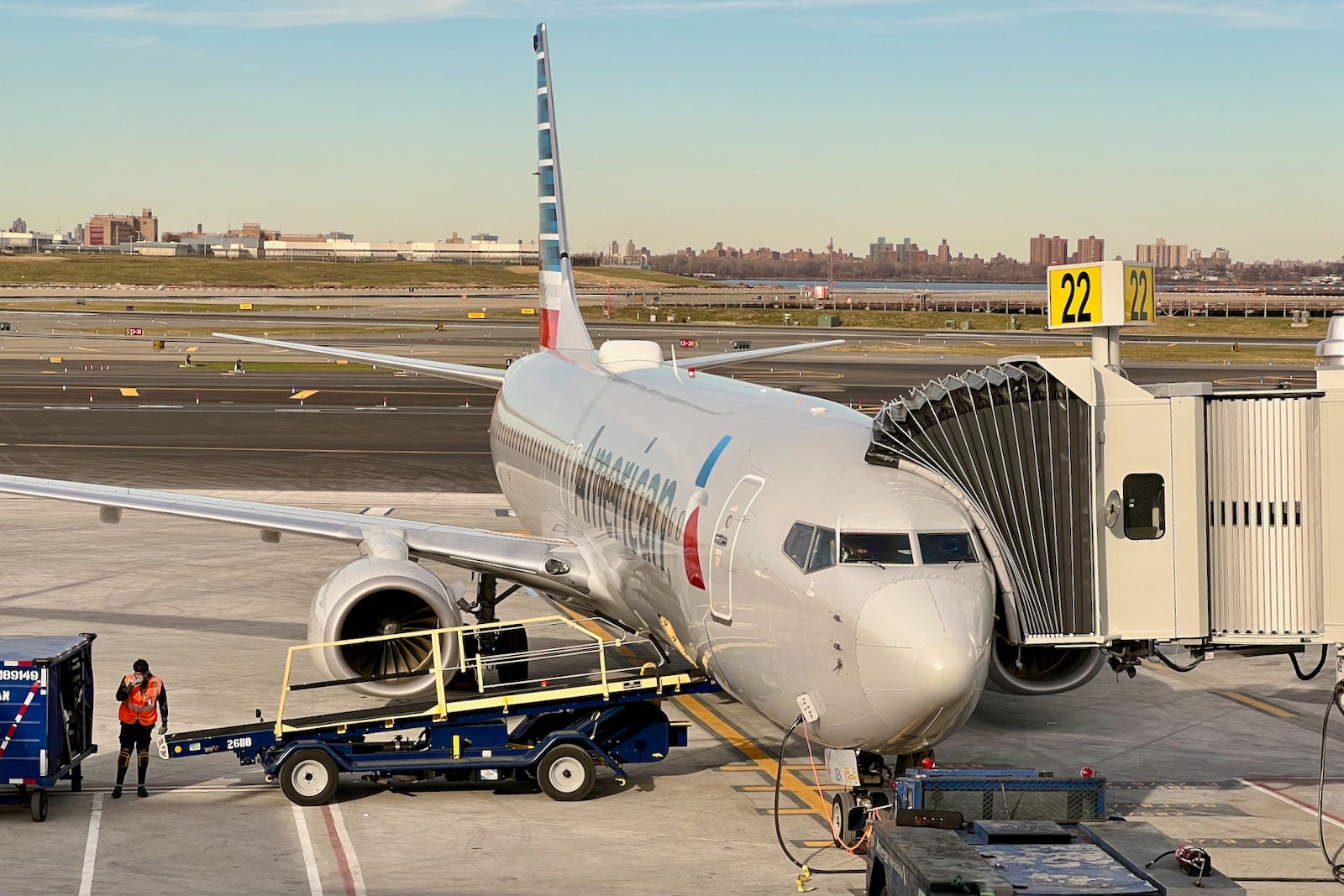
Nobody wants to have to cancel a trip, especially if you've been looking forward to it for months. But having to cancel or postpone a vacation is a reality of the times we're living in, and travelers should be prepared for that possibility.
Most airlines and hotels allow travelers to change or cancel their itinerary without paying a penalty. Generally, it'll be a lot easier to get a refund if you booked directly with your travel company (instead of an online travel agency) and purchased refundable travel. Here's how to cancel your travel plans with hotels and airlines:
Hotels
- Hilton Honors: If using the website, navigate to "Manage your stay," click "All upcoming stays" and find the reservation you'd like to cancel. You can also get a call from customer support by clicking the Call Me button or the Chat With Us box on the Hilton website.
- IHG: You can cancel your IHG hotel reservation by visiting the "Manage Your Reservations" page or calling the chain at 1-888-211-9874 if you're an IHG Rewards member in the U.S. or Canada. This page has phone numbers for individual IHG brands.
- Marriott Bonvoy: Sign into your Marriott Bonvoy account online, and click on My Trips and find the reservation you want to cancel. For customer service, call 1-800-228-2100.
- World of Hyatt: You can cancel your reservation online using your first name, last name, reservation confirmation number or credit card number. If you can't find your reservation online, call 1-800-233-1234 if you're in the U.S., Canada or the Caribbean.
Airlines
- Alaska Airlines: You can visit this page to cancel your reservation using the last name and either the confirmation code or e-ticket number.
- American Airlines: You can use this page to check your refund eligibility and options. All you have to do is enter your ticket number and last name. Or, call reservations at 800-433-7300. Note that AAdvantage elites have a separate priority phone line.
- Delta Air Lines: You can cancel your Delta ticket by selecting the flight, then click Modify Flight, Start Flight Cancellation and finally Cancel Your Trip.
- Frontier Airlines: To cancel a Frontier flight, you will need to log into My Trip or call Frontier Reservations at 801-401-9000 if it's been more than 24 hours since booking.
- JetBlue: You can change or cancel your reservation using the manage trips page or by contacting the airline. You'll need your confirmation number, flight number, travel dates and customer information.
- Southwest Airlines: You can visit this page to cancel your Southwest flight, or call 1-800-435-9792 or use the chat feature in the Southwest App.
- Spirit Airlines: Spirit doesn't offer refundable fares, so how much you'll pay to change or cancel depends on how close it is to your travel date. For instance, if it's zero to two days from departure, you'll pay a $99 fee. You can change or cancel your reservation by visiting My Trips.
- United Airlines: To cancel your United flight, visit My Trips to cancel the reservation and request a refund. Depending on the ticket type and disruption, you can get either a travel credit or a refund.
Remember that some nonrefundable fares, such as basic economy, generally won't be eligible for a refund.
Should I travel right now?

Experts have had varying opinions on holiday travel, with some saying it's OK (if you're vaccinated) and others urging travelers to cancel.
Dr. Shapiro, for example, advised traveling with an airline, rental car [company] or hotel you trust to take prevention guidelines seriously.
"If you choose to travel, the safest option is to do so only if you are vaccinated, feeling well, wearing a mask, washing your hands and cleaning high-touch surfaces along the journey," he said.
Ultimately, the decision to travel (or not) is a deeply personal one we can't make for you. It's a decision that should be made with guidance from loved ones and a health professional, such as a physician. But it should also be made with public health in mind, especially if you're traveling to a destination with low vaccination rates or where COVID-19 vaccines are still scarce.
As I've written before, there are several sources to check the coronavirus situation that we personally use here at TPG:
- CDC COVID-19 Travel Recommendations: The CDC uses a five-category database specific to COVID-19 levels. They range from "Level Unknown" to the highest, "Level 4: Very high level of COVID-19." The CDC advises travelers to avoid traveling to Level 4 destinations and, if you have to, make sure you're fully vaccinated before you go.
- Like the CDC, the U.S. State Department ranks travel risk with its own proprietary rankings, ranging from Level 1 "Exercise Normal Precautions" to Level 4 "Do Not Travel." This color-coded map identifies the countries the State Department views as posing a high risk for travelers.
- Johns Hopkins University: The university has a helpful COVID-19 map that can be broken down by city and county.
- Finally, reading local news reports from your destination could give you a sense of the situation on the ground, especially if you're traveling abroad. Sometimes, local media has the scoop on COVID-19 requirements or travel bans even sooner than the U.S. Embassy in that country.
TPG featured card

at Capital One's secure site
Terms & restrictions apply. See rates & fees.
| 5X miles | Earn 5X miles on hotels, vacation rentals and rental cars booked through Capital One Travel |
| 2X miles | Earn unlimited 2X miles on every purchase, every day |
Pros
- Stellar welcome offer of 75,000 miles after spending $4,000 on purchases in the first three months from account opening. Plus, a $250 Capital One Travel credit to use in your first cardholder year upon account opening.
- You'll earn 2 miles per dollar on every purchase, which means you won't have to worry about memorizing bonus categories
- Rewards are versatile and can be redeemed for a statement credit or transferred to Capital One’s transfer partners
Cons
- Highest bonus-earning categories only on travel booked via Capital One Travel
- LIMITED-TIME OFFER: Enjoy $250 to use on Capital One Travel in your first cardholder year, plus earn 75,000 bonus miles once you spend $4,000 on purchases within the first 3 months from account opening - that’s equal to $1,000 in travel
- Earn unlimited 2X miles on every purchase, every day
- Earn 5X miles on hotels, vacation rentals and rental cars booked through Capital One Travel
- Miles won't expire for the life of the account and there's no limit to how many you can earn
- Receive up to a $120 credit for Global Entry or TSA PreCheck®
- Use your miles to get reimbursed for any travel purchase—or redeem by booking a trip through Capital One Travel
- Enjoy a $50 experience credit and other premium benefits with every hotel and vacation rental booked from the Lifestyle Collection
- Transfer your miles to your choice of 15+ travel loyalty programs
- Top rated mobile app