It's another big year for transatlantic travel — but at least 1 European airline sees signs of trouble


Lufthansa CEO Jens Ritter is emphatic about the state of the transatlantic travel market: Business is good and continues to grow.
"We don't see any impact on the booking situation right now," he said at an event celebrating the Frankfurt-based carrier's new Allegris first-class cabin in Munich on Wednesday.
Fly a few hundred miles south to the home of Lufthansa's sibling carrier, Swiss, and the outlook is not quite so rosy. There are signs that Swiss vacationers are beginning to look to destinations other than the U.S. for their travel plans, Léa Wertheimer, the head of corporate communications at Swiss, said at the event.
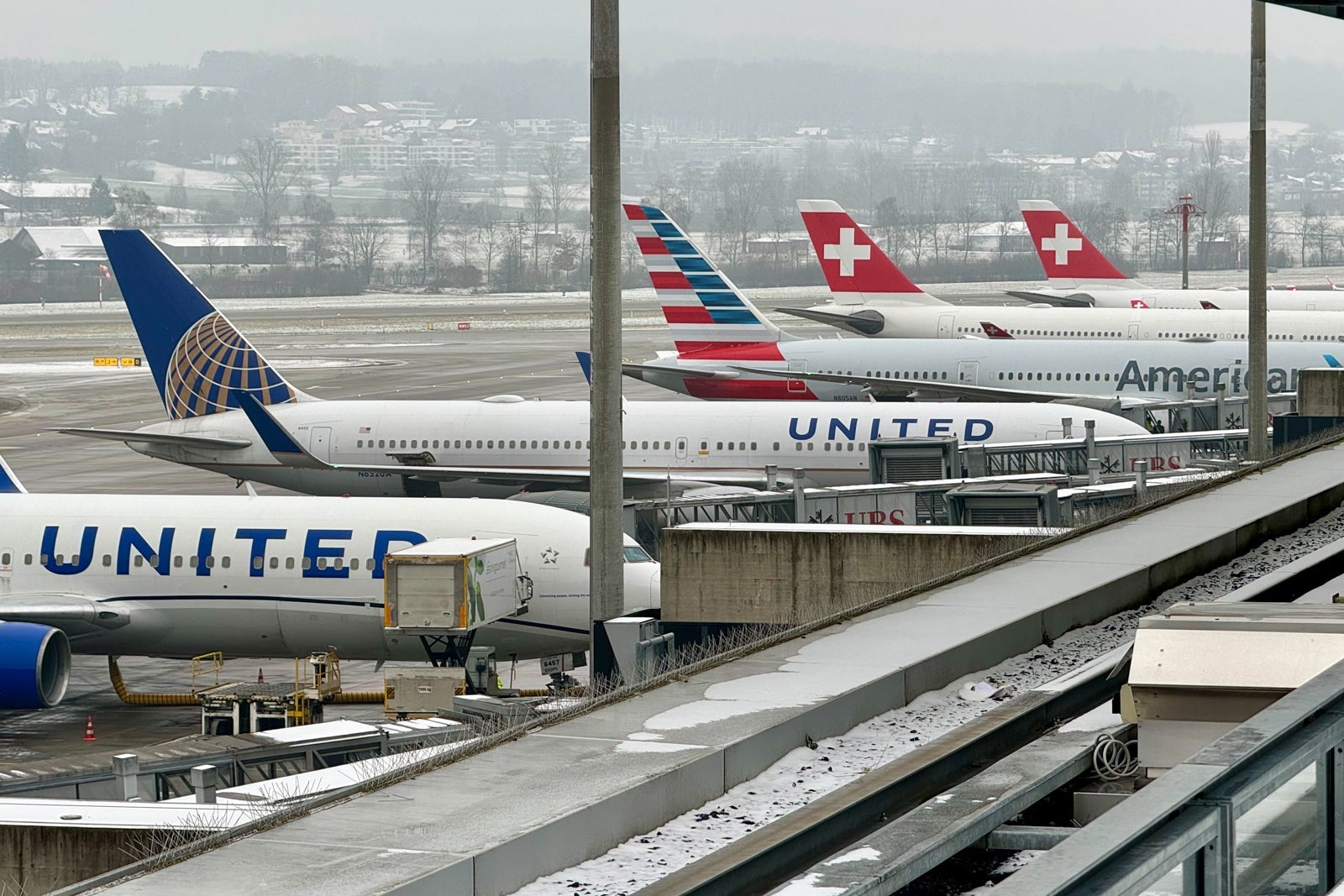
Corporate demand is steady, but leisure travel is down, she added.
The issue at hand was whether U.S. President Donald Trump's policies, from potentially steep tariffs on European goods to diminished support for NATO, were affecting demand among Europeans for travel to the U.S.
At stake is one of the largest and most lucrative long-haul international markets in the world. Since the coronavirus pandemic, demand has boomed across the North Atlantic as more Americans have sought out vacations in Europe and vice versa. That boom has buoyed profits everywhere, from airlines like Delta Air Lines to International Airlines Group, the owner of British Airways and Iberia, and the Lufthansa Group.
A weakening of the transatlantic market could spell financial difficulties for legacy carriers on both sides of the pond.
Already, Trump's threats of tariffs have hit the U.S.-Canada market. Canadian carriers, including Air Canada and Porter Airlines, have seen demand drop and are considering cutting flights. And United Airlines, the largest U.S. carrier in the market, is pulling back some of its transborder flights.
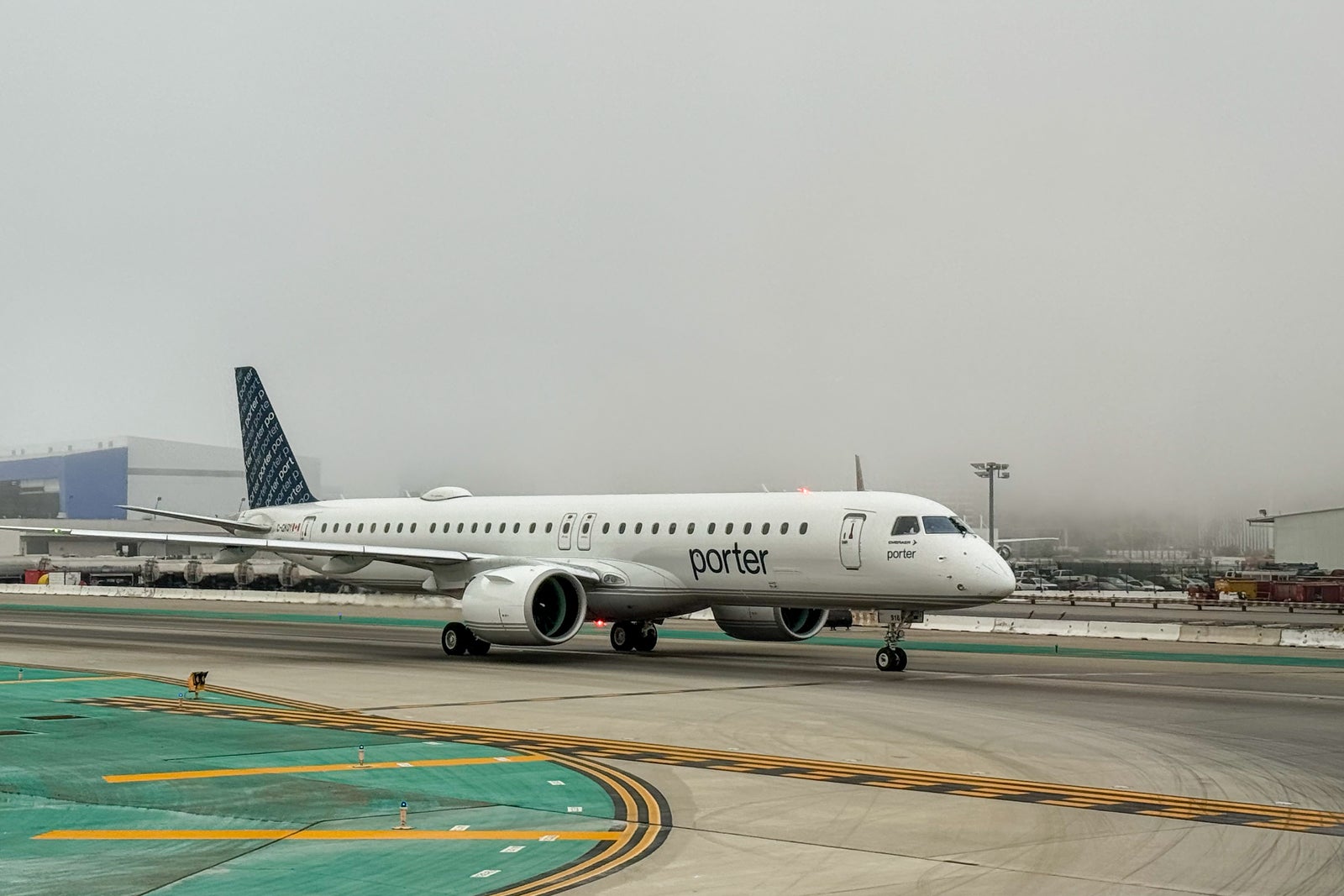
United is pulling flights from U.S.-Canada routes as part of a plan to retire 21 aircraft early following a weaker-than-expected first quarter, CEO Scott Kirby said at an investor event March 11.

We've seen a "big drop in Canadian traffic going to the U.S.," he added.
But at the same event where Kirby spoke of United cutting flights to Canada, he and executives from American Airlines and Delta said demand to Europe remained strong.
"We continue to see nice advance bookings for both transatlantic and transpacific," Ed Bastian, the CEO of Delta, said March 11.
American plans to add or resume five routes to Europe, including Miami to Rome and Philadelphia to Milan, this summer. Delta is adding eight new routes, including its first-ever service to Catania in Italy. United's European plans include flights to Bilbao in Spain, Faro in Portugal and Nuuk in Greenland.
United was the largest airline between the U.S. and Europe by seats in 2024, schedule data from aviation analytics firm Cirium shows. Lufthansa was fifth — second among European carriers after British Airways — and Swiss a distant 12th.
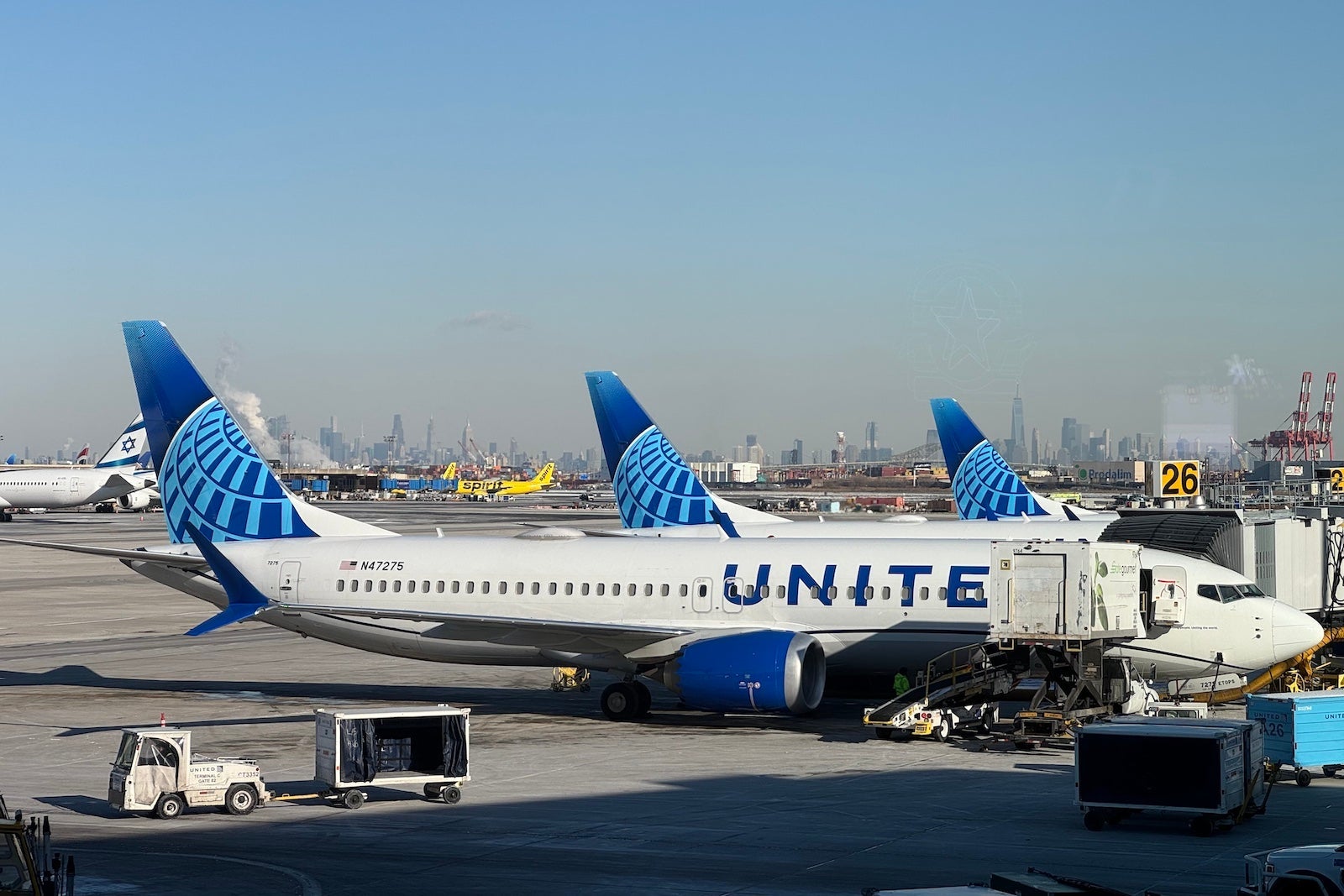
The big European and U.S. airlines all operate joint ventures across the North Atlantic that allow them to coordinate schedules and fares. The pacts include Lufthansa and Swiss with United; British Airways and Iberia with American; and Air France and KLM with Delta.
For now, Ritter said Lufthansa wishes it could grow more to the U.S. The airline faces growth constraints owing primarily to delivery delays at Airbus and Boeing. Certification of the carrier's new Allegris seats on the Boeing 787 has resulted in 15 completed planes parked at the plane-maker's plant in North Charleston, South Carolina, awaiting sign-off for delivery.
"We have a very, very strong connection to the U.S.," Ritter said, adding that it "continues to grow."
Related reading:
TPG featured card
at American Express's secure site
Terms & restrictions apply. See rates & fees.
| 4X | Earn 4X Membership Rewards® points per dollar spent on purchases at restaurants worldwide, on up to $50,000 in purchases per calendar year, then 1X points for the rest of the year. |
| 4X | Earn 4X Membership Rewards® points per dollar spent at US supermarkets, on up to $25,000 in purchases per calendar year, then 1X points for the rest of the year. |
| 5X | Earn 5X Membership Rewards® points on prepaid hotel stays booked through AmexTravel.com or the Amex Travel App™. |
| 3X | Earn 3X Membership Rewards® points on flights booked through AmexTravel.com, the Amex Travel App™, or purchased directly from airlines. |
| 2X | Earn 2X Membership Rewards® points on prepaid car rentals booked through AmexTravel.com or the Amex Travel App™ and cruises booked and paid through AmexTravel.com. |
| 1X | Earn 1X Membership Rewards® point per dollar spent on all other eligible purchases. |
Pros
- Valuable dining and food-related credits
- Flexible rewards with airline and hotel transfer partners
- Multiple travel and purchase protections
- No foreign transaction fees
- Access to Amex Offers for additional savings (enrollment required)
Cons
- Not as useful for those living outside the U.S.
- Some may have trouble using Uber and other dining credits
- You may be eligible for as high as 100,000 Membership Rewards® Points after you spend $8,000 in eligible purchases on your new Card in your first 6 months of Card Membership. Welcome offers vary and you may not be eligible for an offer. Apply to know if you’re approved and find out your exact welcome offer amount – all with no credit score impact. If you’re approved and choose to accept the Card, your score may be impacted.
- Earn 4X Membership Rewards® points per dollar spent on purchases at restaurants worldwide, on up to $50,000 in purchases per calendar year, then 1X points for the rest of the year.
- Earn 4X Membership Rewards® points per dollar spent at US supermarkets, on up to $25,000 in purchases per calendar year, then 1X points for the rest of the year.
- Earn 5X Membership Rewards® points on prepaid hotel stays booked through AmexTravel.com or the Amex Travel App™.
- Earn 3X Membership Rewards® points on flights booked through AmexTravel.com, the Amex Travel App™, or purchased directly from airlines.
- Earn 2X Membership Rewards® points on prepaid car rentals booked through AmexTravel.com or the Amex Travel App™ and cruises booked and paid through AmexTravel.com.
- Earn 1X Membership Rewards® point per dollar spent on all other eligible purchases.
- Pay It® lets you tap in the American Express® App to quickly pay for small purchase amounts throughout the month and still earn rewards the way you usually do. Plan It® gives you the option to split up big purchases into equal monthly payments with a fixed fee. You’ll know upfront exactly how much you’ll pay.
- $120 Dining Credit: Earn up to a total of $10 in statement credits monthly when you pay with the Gold Card at Grubhub (including Seamless), Buffalo Wild Wings, Five Guys, The Cheesecake Factory, and Wonder. This can be an annual savings of up to $120. Enrollment required.
- $100 Resy Credit: Get up to $100 in statement credits each calendar year at over 10,000 qualifying U.S. Resy restaurants after you pay for eligible purchases with the American Express® Gold Card. That’s up to $50 in statement credits semi-annually. Enrollment required.
- $84 Dunkin' Credit: Earn up to $7 in monthly statement credits after you pay with the American Express® Gold Card at U.S. Dunkin’ locations. Enrollment required.
- $120 Uber Cash on Gold: Enjoy up to $120 in Uber Cash annually with your Gold Card. Just add your Card to your Uber account and you'll get $10 in Uber Cash each month to use on orders and rides in the U.S. when you select an Amex Card for your transaction.
- Enjoy complimentary Hertz Five Star® Status benefits like skipping the counter at select locations, adding an additional driver at no additional cost*, and vehicle upgrades**. Benefit enrollment and Hertz Gold+ registration are required. *Additional drivers must meet standard rental qualifications and must be a spouse or domestic partner to qualify as complimentary. Other additional drivers subject to fees. **Benefits are subject to availability and vary by location. Additional Hertz program Terms and Conditions including age restrictions apply.
- Book two nights or more with The Hotel Collection through AmexTravel.com or the Amex Travel App™ and receive a $100* credit towards eligible charges at over 1,400 upscale hotels worldwide. *Eligible charges vary by property.
- Book your travel through the Amex Travel App™ with added peace of mind – backed by American Express® service and support. Only for American Express® Card Members.
- Whenever you need us, we're here. Our Member Services team will ensure you are taken care of. From lost Card replacement to statement questions, we are available to help 24/7.
- No Foreign Transaction Fees.
- Annual Fee is $325.
- Terms Apply.