New polling suggests Americans remain bullish on travel for 2026, but there are clouds on the horizon


- A new TPG/YouGov survey finds travel sentiment remains strong.
- Of those surveyed, 56% plan to travel the same or more than they have in the past few years.
- Additionally, 72% plan to spend the same or even more on travel.
Our annual survey of travel sentiment holds a few surprises in 2026.
When 2025 began, airlines were warning of a drop in bookings — especially in the back of the plane. That led to profitability concerns or schedule reductions from major U.S. carriers. But in the end, 2025 turned out to be a pretty good year for airlines and the travel industry as a whole, despite a steep drop in international visitors to the U.S.
The number of passengers that flew in 2025 (over 906 million) slightly eclipsed 2024 totals, according to Transportation Security Administration data.
And during the final months of 2025, the spike in travel was more notable: About 1.9% more passengers passed through TSA checkpoints between Oct. 1 and Dec. 1 (the fourth quarter) than in 2024. That included an all-time record of 3 million-plus flyers on Nov. 30, the Sunday after Thanksgiving.
So far this year, the outlook has remained fairly optimistic. We've seen airlines adding interesting, new routes, and two of the top U.S. carriers have predicted a surge in revenue this year.
Similarly, recent polling commissioned by TPG from YouGov shows little decline in travel sentiment. In fact, many Americans plan to travel more this year, according to our findings.
There are some concerning trends in the data, too: The number of people who will travel less and spend less on that travel is ticking up year over year.
We also have some fascinating, new polling on elite status to share with you — but let's start with travel sentiment.
Most Americans are planning to travel the same or more than last year

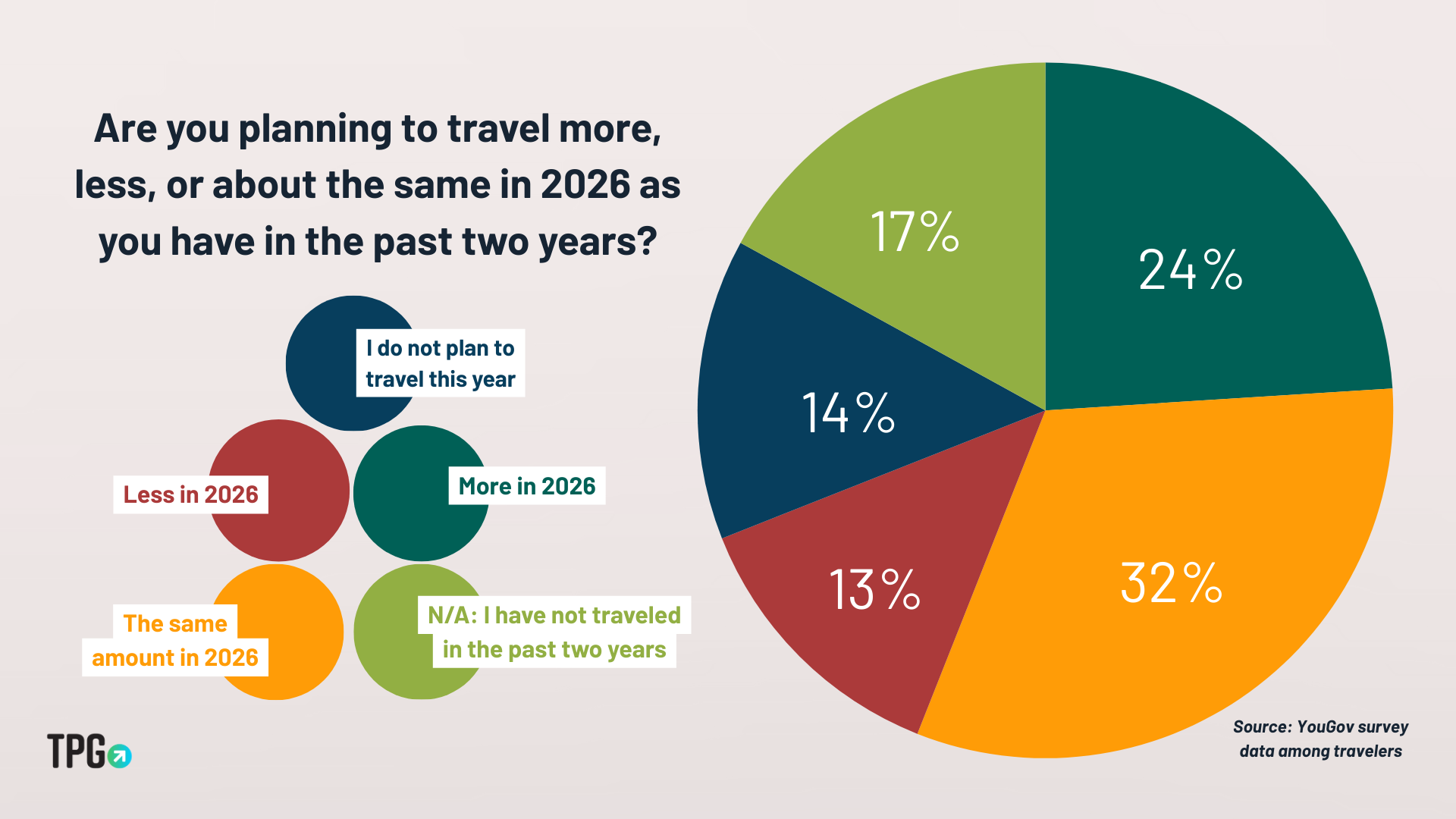
The new YouGov survey found that just over half of Americans (56%) plan to travel more or the same amount in 2026 than they did in the past two years.

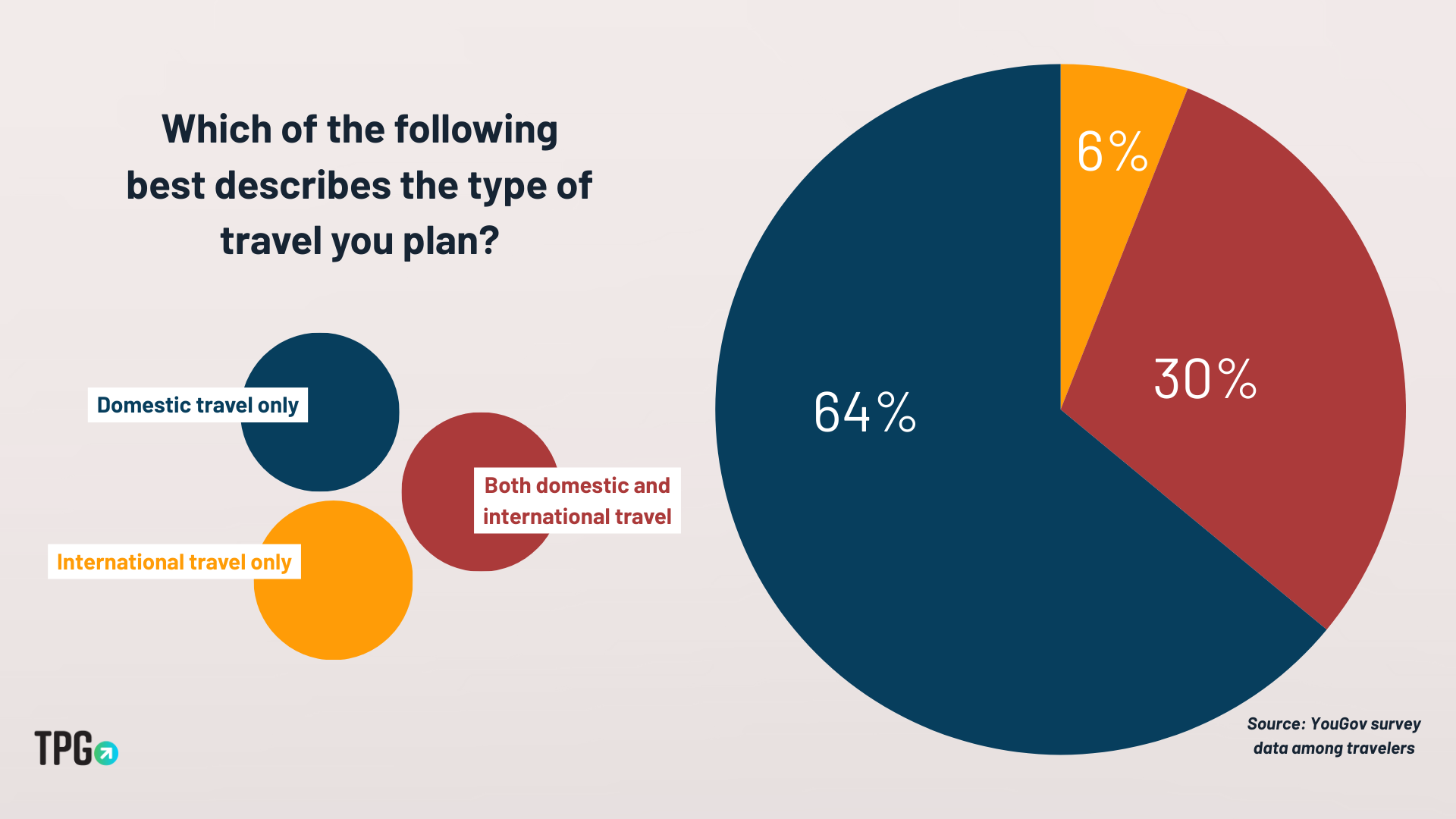
Nearly all (94%) of those planning to travel in 2026 (i.e., "travelers") intend to travel domestically, while 36% plan to travel internationally.
In fact, about a quarter of Americans (24%) say they plan to travel more in 2026 than they did in the past two years, while 32% plan to travel about the same.
But it's not all good news when it comes to traveler sentiment.
Fewer people report they will travel this year than last, and more report they will spend less on travel this year.
13% of Americans say they will travel less than they did in the past few years, while 19% of travelers say they will spend less on travel this year.
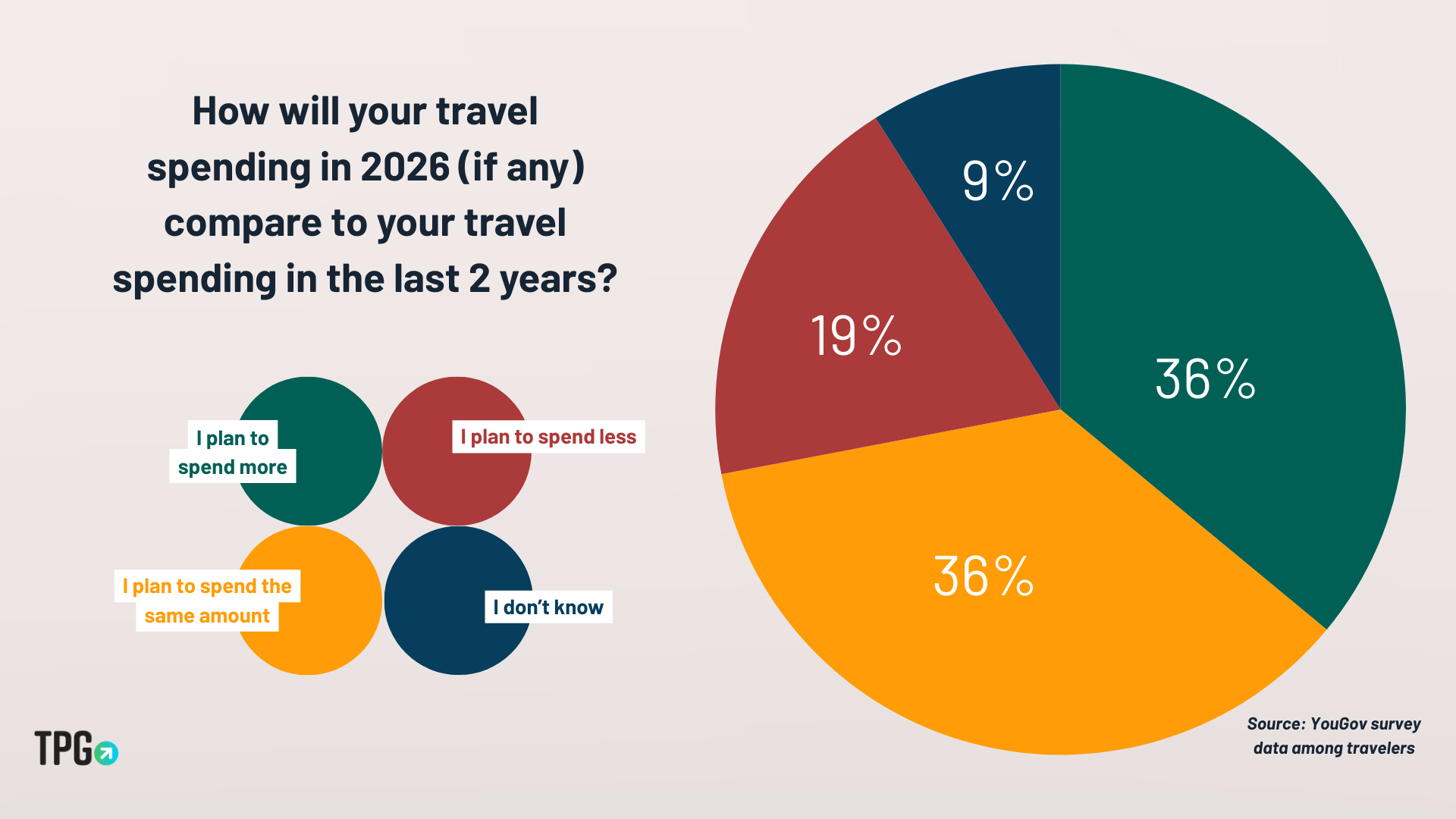
That's up several percentage points since our last travel sentiment survey back in May 2025. Remember that in May of last year, many consumers were very worried about the state of the economy. So, it's a bit concerning that fewer people are reporting they will travel now — definitely something to watch as the year rolls on.
The importance of elite status
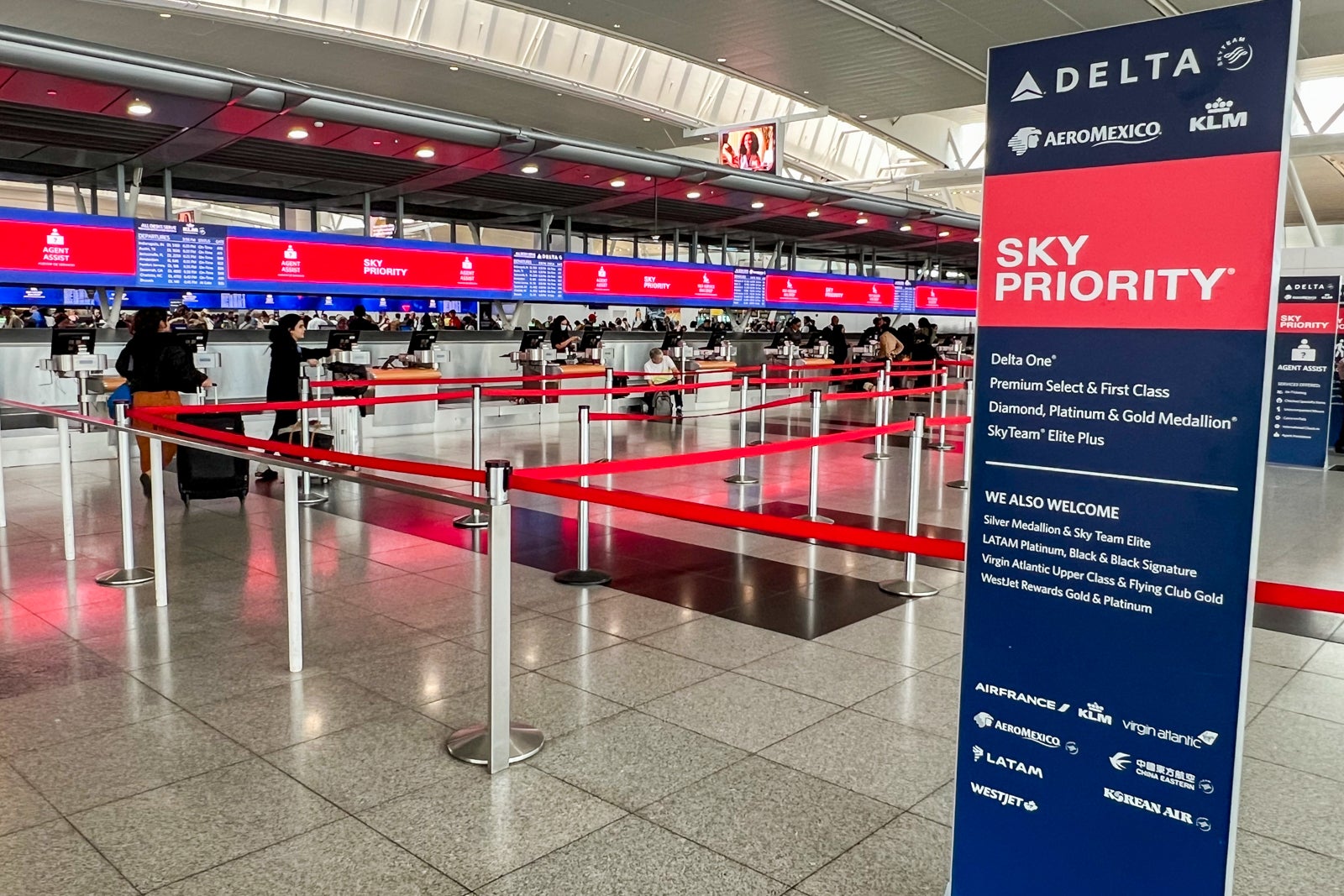
TPG and YouGov also got a pulse on elite status, as many of us at TPG debate the question, "Is elite status worth it anymore?"
In an era of fewer upgrades, longer upgrade lists, fewer perks, more expensive mileage redemptions and regular devaluations, it's a question we're all grappling with. It also comes as airline status has gotten harder and more expensive to earn.
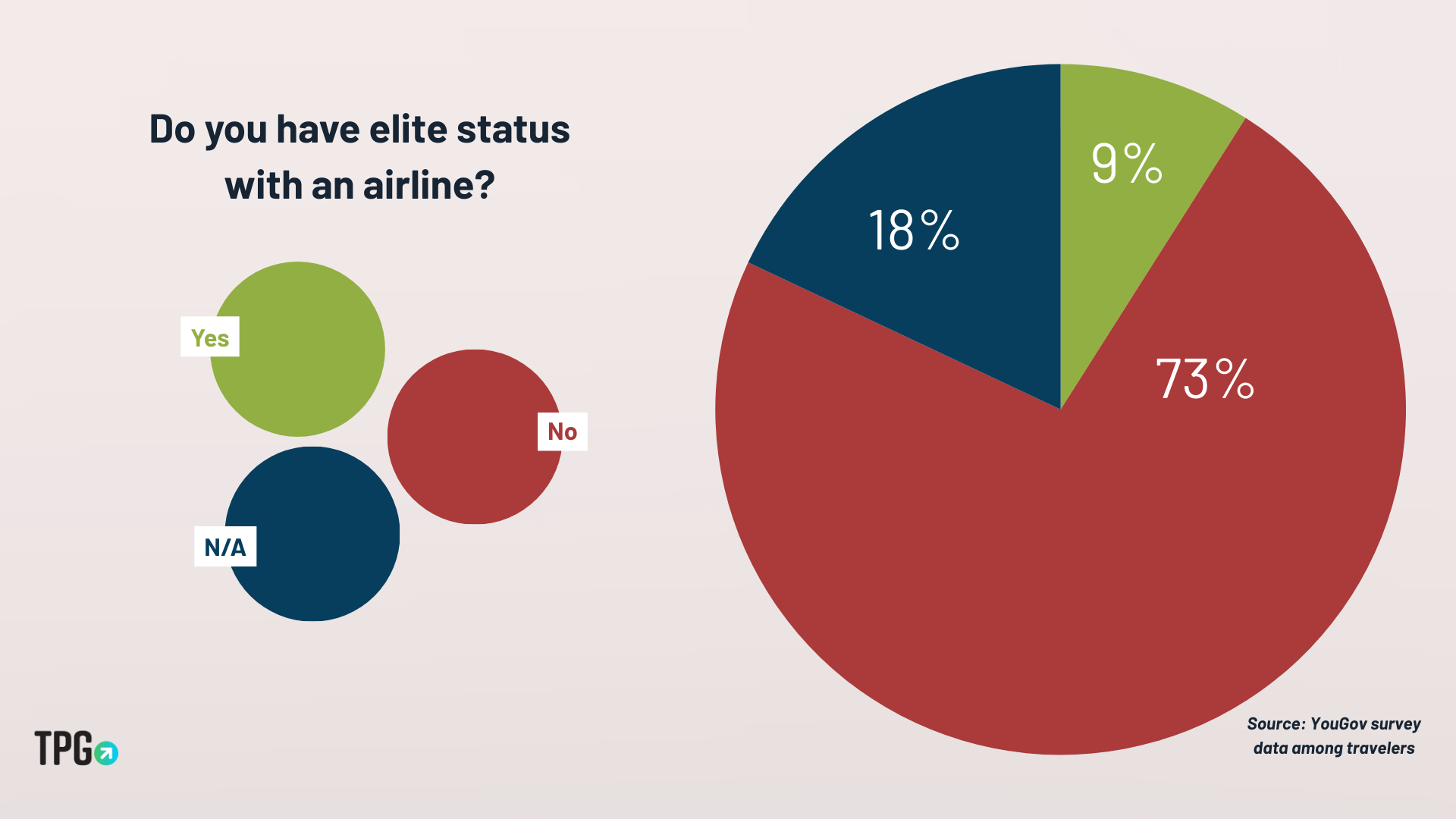
We asked whether travelers currently have elite status with any airline (e.g., AAdvantage Gold in the American Airlines AAdvantage program, Silver Medallion in the Delta SkyMiles program, Premium Silver in the United MileagePlus program, etc.). A whopping 73% of travelers reported having no airline elite status, while only 9% have some kind of elite status. I'm willing to bet, though, that if we polled only TPG readers, those numbers would be quite different.
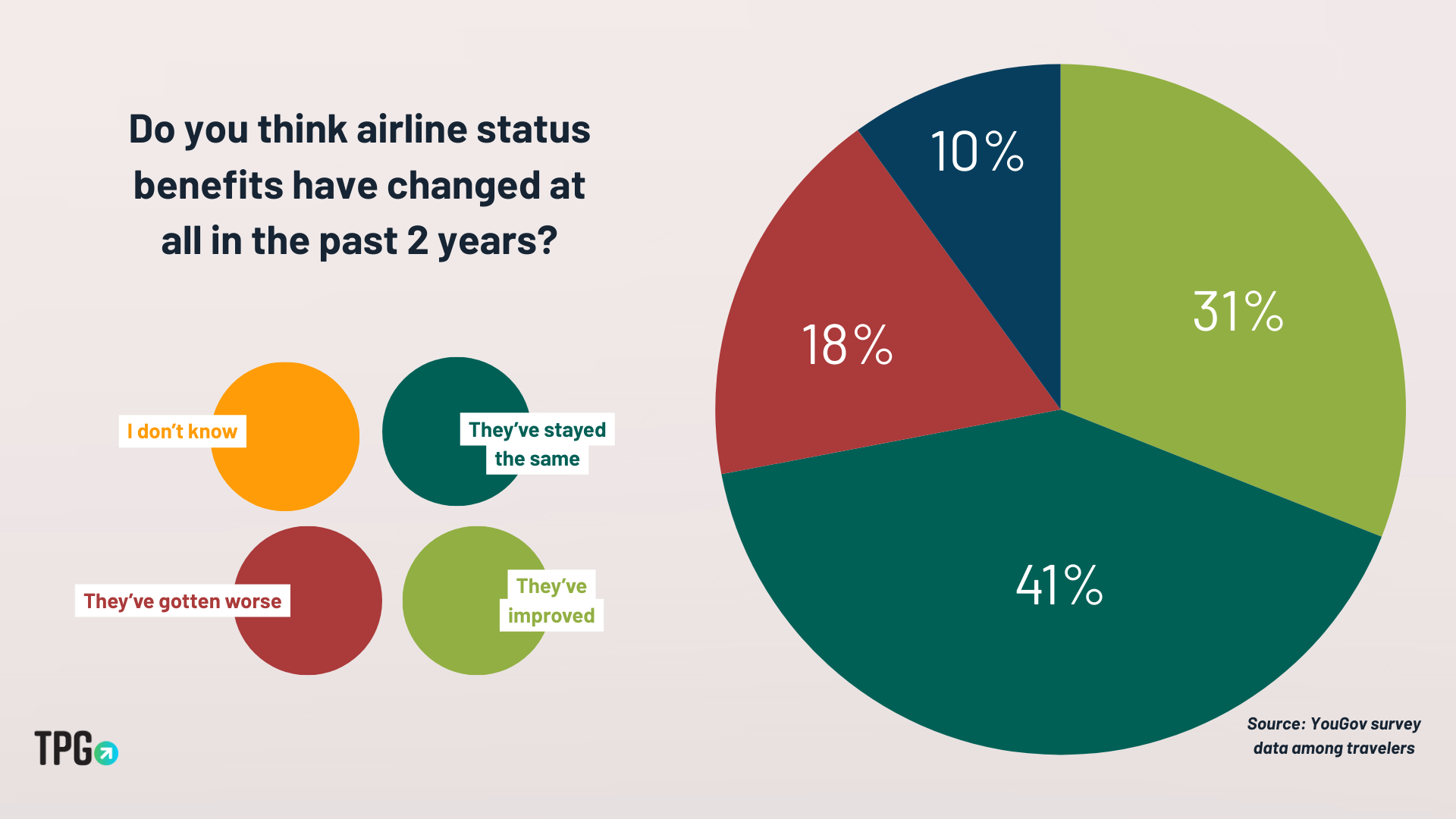
We also asked, "Thinking about airline elite status benefits, how, if at all, do you think they have changed in the past two years?"
Of those surveyed, 31% of flyers with elite status said elite status benefits have improved, while 59% said they've stayed the same or gotten worse. That's not what I expected, as the benefits of elite status continue to be watered down (fewer upgrades are given, mileage redemptions are more expensive and so on).
We also specifically asked about the value of points and miles over time, which aligned better with expectations. Only 8% of all flyers said the value had increased in the past few years; 25% said the value stayed the same, and 18% said it had dropped.
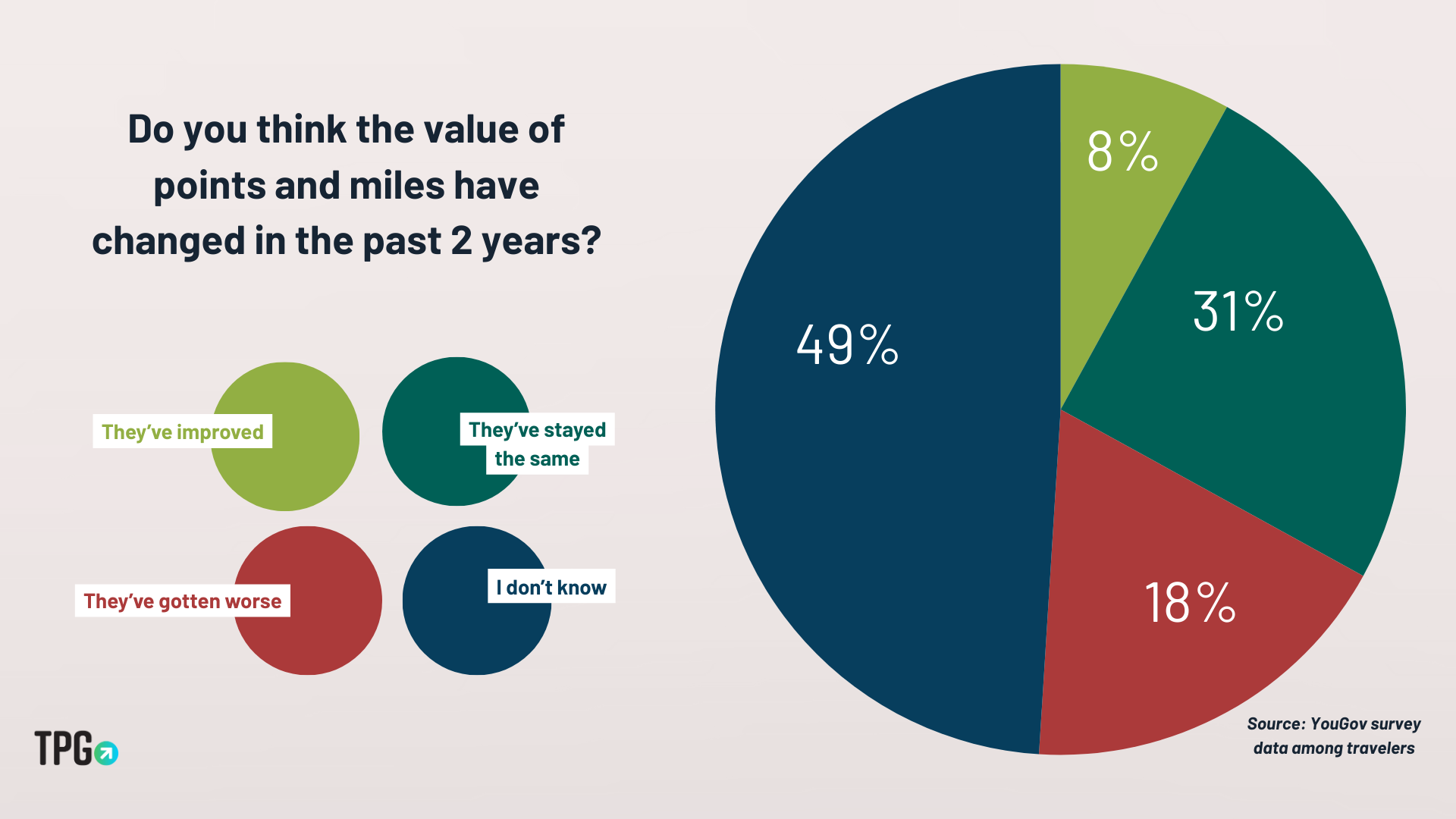
That's a warning sign for airlines and banks that depend on consumers to keep buying into the value proposition of earning points and miles.
There is some good news for 2026. The major airlines have left their current earning status thresholds intact after raising requirements over the past several years. Delta Air Lines raised its Delta Medallion status requirements by steep margins a few years ago, and United Airlines raised its earning requirements just last year.
Only time will tell if this remains the case as we get further into 2026.
Bottom line
It's a fascinating time in travel, with few signs of letup in demand. Our new TPG and YouGov polling finds that most Americans plan to travel as much or even more than they did in the past few years. Still, there are some warnings in the data, and you can bet we'll be watching carefully for any signs of a travel slowdown — and what that could mean for you as a traveler.
Related reading:
- The best time to book flights for the cheapest airfare
- Best airline credit cards
- What exactly are airline miles, anyway?
- 6 real-life strategies you can use when your flight is canceled or delayed
- Maximize your airfare: The best credit cards for booking flights
- The best credit cards to reach elite status
The Points Guy commissioned YouGov Plc to conduct the survey. All figures, unless otherwise stated, are from YouGov Plc. The total sample size was 2,503 U.S. adults, among whom 1,728 plan to travel in 2026. Fieldwork was undertaken between Jan. 9 and 13. The survey was carried out online and meets rigorous quality standards. It gathered a nonprobability-based sample and employed demographic quotas and weights to better align the survey sample with the broader U.S. population.