Summer sticker shock: Airfare up 15% as high jet fuel costs take hold

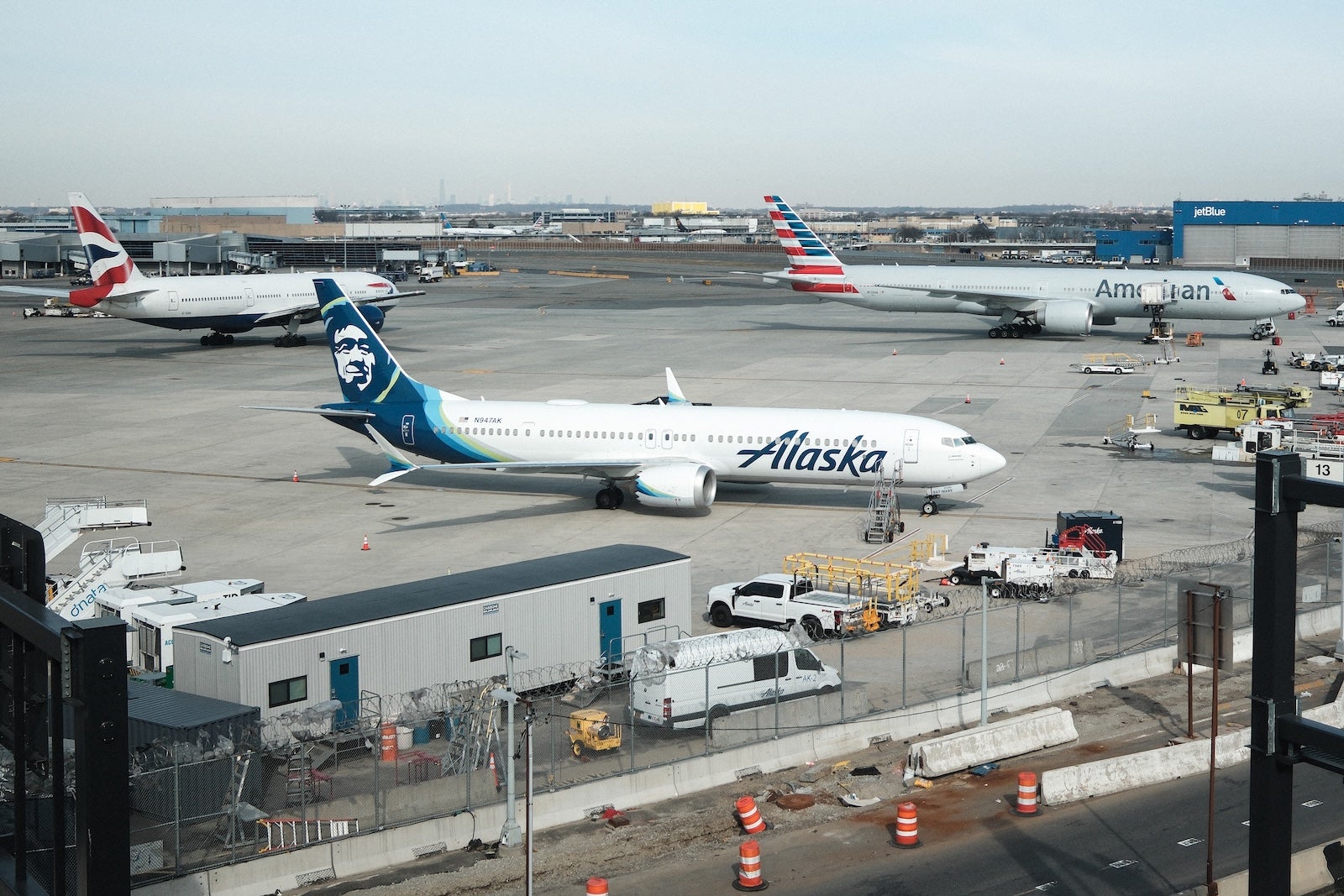
For weeks, travelers have seen headlines about surging oil and jet fuel costs, and warnings about higher airfare.
New numbers show how pricey it's getting.
Domestic summer fares are currently trending nearly 15% higher than last year, according to data provided to TPG from our partners at Points Path.
In dollars and cents, that means a trip that might've cost $300 last summer could run you closer to $345 in 2026.
The outlook isn't much better for travelers looking to redeem miles this summer.
And the numbers only get worse if you factor in the bag fees U.S. airlines have raced to hike this past week — or the fuel surcharges a growing number of international carriers have tacked onto tickets.
All told, it's made one thing clear: consumers will pay more to travel in the coming months.
"If people waited this long to book their summer travel, then it may already be too late to lock in cheap fares," warned Kerry Tan, professor of economics at Loyola University Maryland, whose research focuses on airfare.
How expensive has airfare gotten?
Higher flight prices appear to be affecting travelers from the coach cabin to the front of the plane — and those hoping to pay for their fare or redeem miles.

Summer 2026 vs. Summer 2025: How domestic fares stack up
| Ticket type | Average cash fares spike: 2026 vs. 2025 | Award pricing: 2026 vs. 2025 |
|---|---|---|
Main cabin | Up 14.8% | Up 14.8% |
Premium (first-class, business-class and premium economy) | Up 15.7% | Up 17.9% |
Based on Points Path data evaluating average domestic cash and award pricing from Memorial Day weekend through Labor Day.
International outlook
The sticker shock may be even worse, though, for travelers traveling internationally — depending on where they're hoping to fly.
Over the coming months, average fares to London are running over 30% higher than a year ago, according to search data from travel search engine Kayak.
And travelers are seeing flight prices running at least 20% higher to a handful of additional destinations in Europe, from Amsterdam to Dublin and Paris.
TPG tip: Consider Lisbon, where fares are actually down slightly from last year, per Kayak. Airlines have added a ton of flights to Portugal in recent years.
Add-on fees and surcharges make matters worse
These fare spikes don't even account for rising add-on fees. Just within the last week, Delta Air Lines, United Airlines, Southwest Airlines and JetBlue have hiked checked bag fees by 20% of more — and additional airlines are likely to follow.
On Delta, United and Southwest, baggage costs will now start at $45 one-way. That means a family of four taking a round-trip vacation would pay $360 in bag fees alone (though an airline credit card with free bag perks could cut their costs in a big way).
When will price hikes cool?
Caught up in all of this: consumers trying to make decisions about booking flights: How high will the fares go? How far out should you book? Is it crazy to book Thanksgiving flights in April?
At this point, any prediction is hardly foolproof, since much hinges on how long the conflict in the Middle East lasts — especially after talks of reopening the Strait of Hormuz surfaced overnight.
"Where jet fuel prices settle is anyone's guess," a report released Tuesday from Deutsche Bank noted.
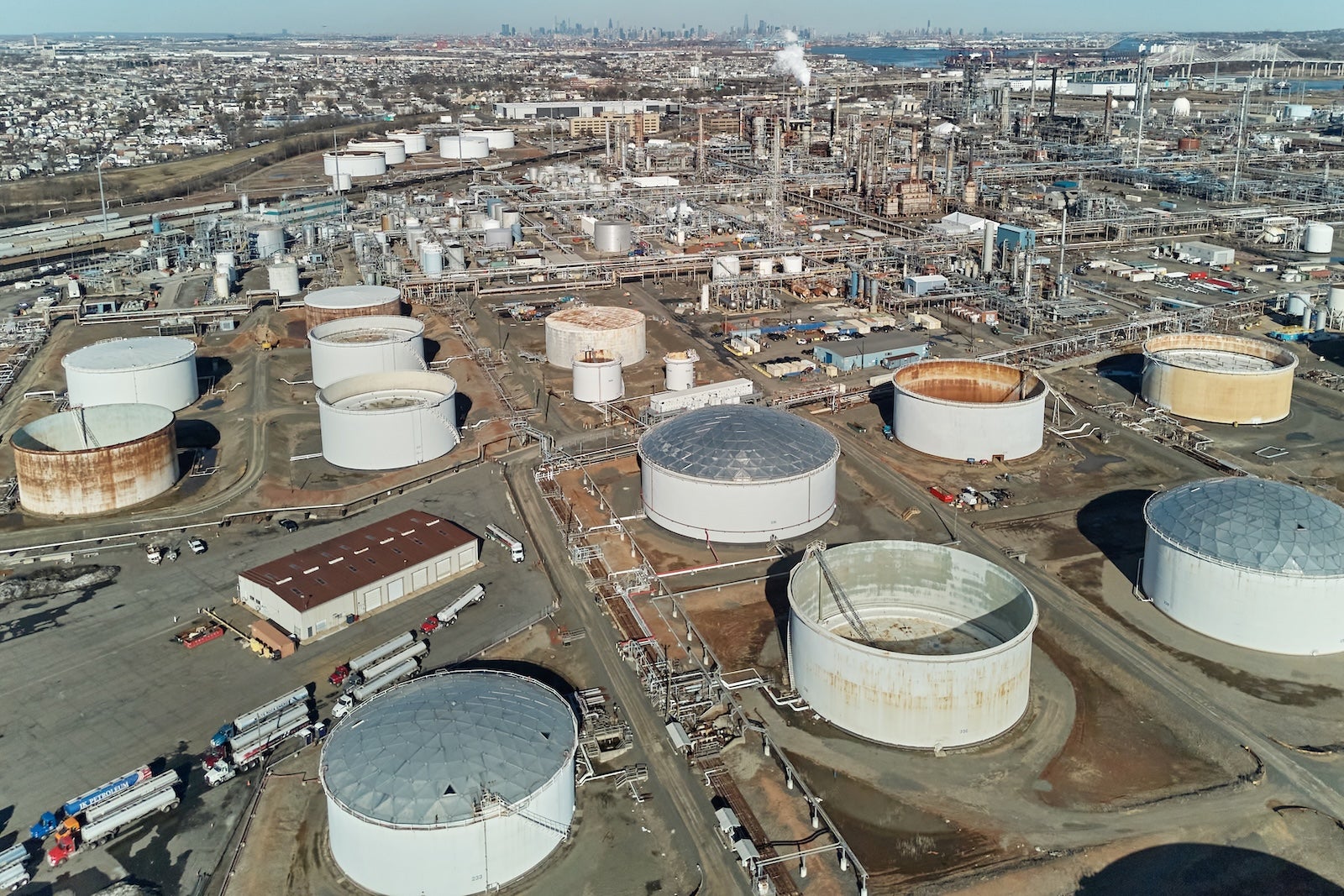
That analysis found another $1-per-gallon surge in jet fuel prices could mean fares rise as much as $25, one-way. A $2-per-gallon spike, the report added, could mean fares jump as high as $50 one-way (or $100 roundtrip).
And Airlines have made it no secret: they plan to pass on as much of those costs as consumers will stomach.
"I would only anticipate airlines strongly discount their airfares," Tan, of Loyola, said, "if the economy slips into a recession and there is a strong decrease in the demand for air travel."
Up until now, that hasn't happened; airlines haven't had any problem filling seats on their planes.
In fact, several of the largest U.S. carriers had touted record bookings to start 2026. More recently, carriers have begun cutting flights on quieter travel days to save fuel and money — eliminating flights that, in some cases, may have had the cheapest seats.
TPG's tips to save on air travel in 2026
So, with higher fares expected for the foreseeable future, here are some steps you can take to try and position yourself for the best deals.
Widen your search
If you're not finding a suitable fare for this summer, try casting a wider net as you search flights.
The more open you can be to backup travel dates, alternative destinations and different airlines or airports, the better chance you'll have of finding lower fares.
Tools like Google Flights can help you run price comparisons across a variety of destinations, airlines and dates. And, TPG staffers often use award search tools to find the best points prices.
Book now, change later
Book a fare now that you can change later if the price later falls. Keep in mind, as long as you don't book basic economy, most of the major U.S. carriers allow fee-free ticket changes after booking.
And, remember: you can almost always cancel award tickets on U.S. airlines without forfeiting any miles or cash.
Repricing flights: What you need to know about canceling trips when you find a cheaper fare
Pick the cheapest day of the week to fly
Not all days are created equal when it comes to airfare.
According to Points Path, here are the cheapest days of the week to fly this summer:
| Ranking, from cheapest to most expensive | Day of week (domestic) | Day of week (international) |
|---|---|---|
1 | Tuesday | Tuesday |
2 | Wednesday | Wednesday |
3 | Saturday | Monday |
4 | Friday | Thursday |
5 | Thursday | Sunday |
6 | Monday | Saturday |
7 | Sunday | Friday |
Based on Points Path data of summer 2026 economy fares.
Plan your summer getaway for August
There's also a very distinct cheapest month of the summer to fly: In 2026, like recent summers, it's August.
According to Points Path data, coach fares in August are roughly 14% cheaper than July for domestic flights.
International fares, which peak in June, are about 13% cheaper in August.
Related: The best time to book flights for the cheapest airfare in 2026
How to save on bags
That brings us to the higher checked bag fees, which are quickly becoming reality across the U.S. airline industry.
Be sure to prepay for your bag at least 24 hours ahead of your flight, since multiple major carriers charge higher last-minute bag-check fees.
Also, consider an airline credit card that has free baggage perks for you and your traveling companions. In many cases, a family traveling together could more than offset the card's annual fee with one trip.
Beyond that, there's always the option of carrying on! Just remember, the contents of your bag will have to meet the TSA's 3-1-1 liquids rules.
Could airfare eventually fall?
What would it take for flight prices to fall?
An overnight drop in oil prices could be an initial step in the right direction, though at this point it's far from clear whether that will stick.
Beyond that, it seems only weakening travel demand could pull fares down.
We should note: consumer sentiment dropped sharply in March, according to the University of Michigan's latest monthly survey. It came as drivers faced soaring gas prices, which have topped $4.00 per gallon nationally, per AAA – and are up nearly 40% since the start of the Iran war.
Elsewhere, a TPG poll conducted with YouGov found a growing number of travelers reconsidering their trip plans.
Speaking to journalists late last month, United CEO Scott Kirby said the airline hadn't yet seen customers pull back on booking travel — but admitted it could happen if prices continue to rise.
"I think it's entirely plausible," Kirby said, "that higher oil prices have an impact on the economy, and that feeds through to lower demand."