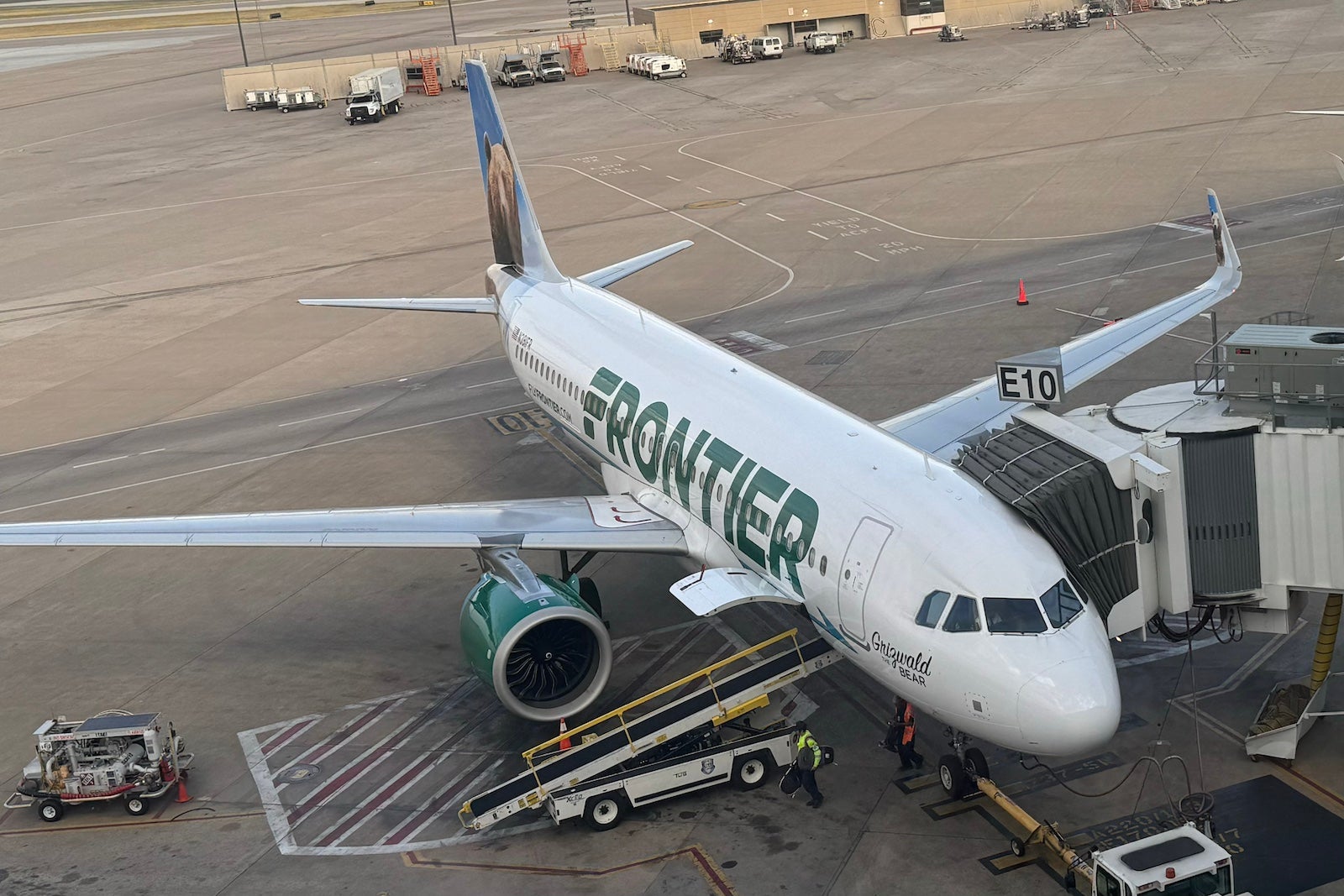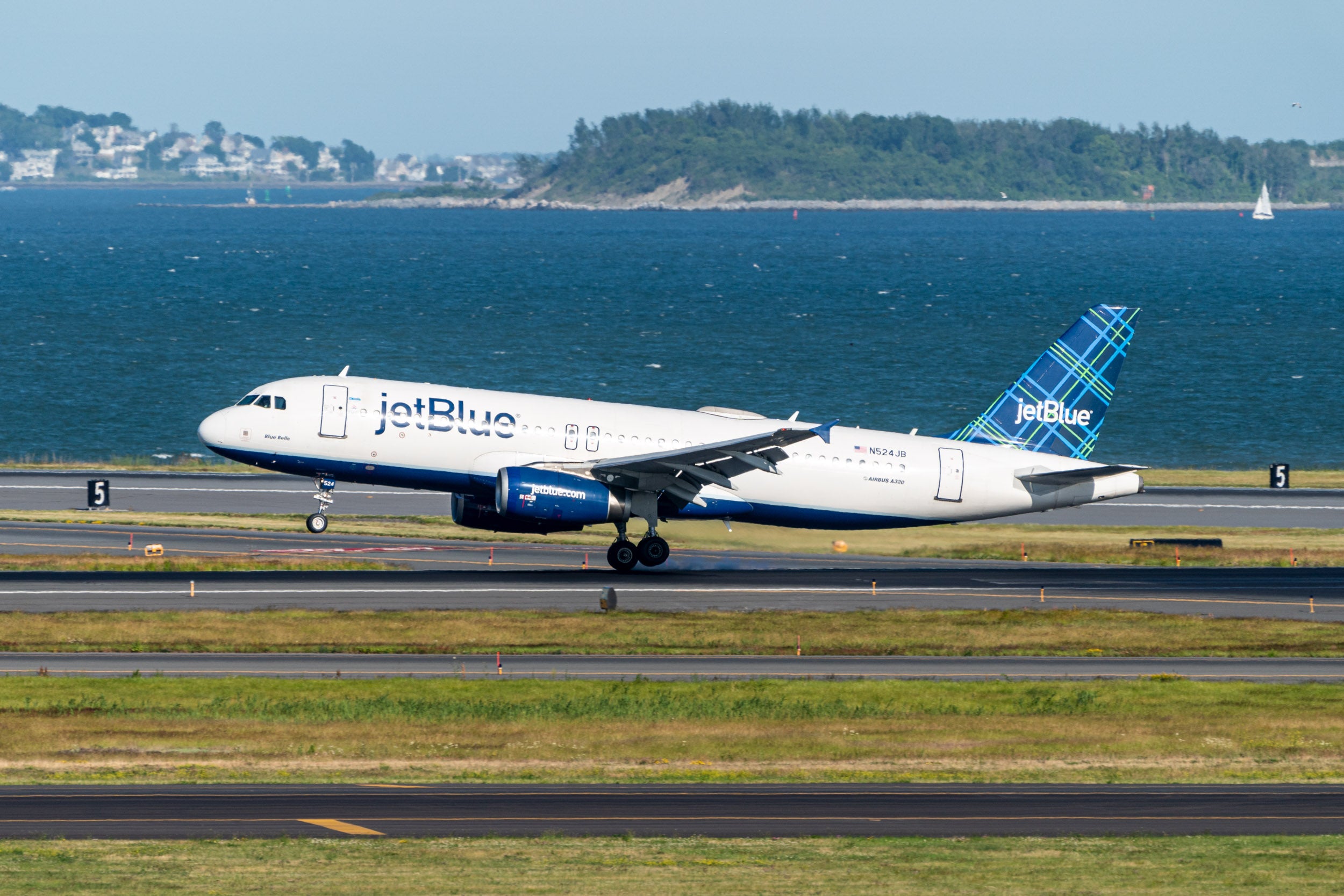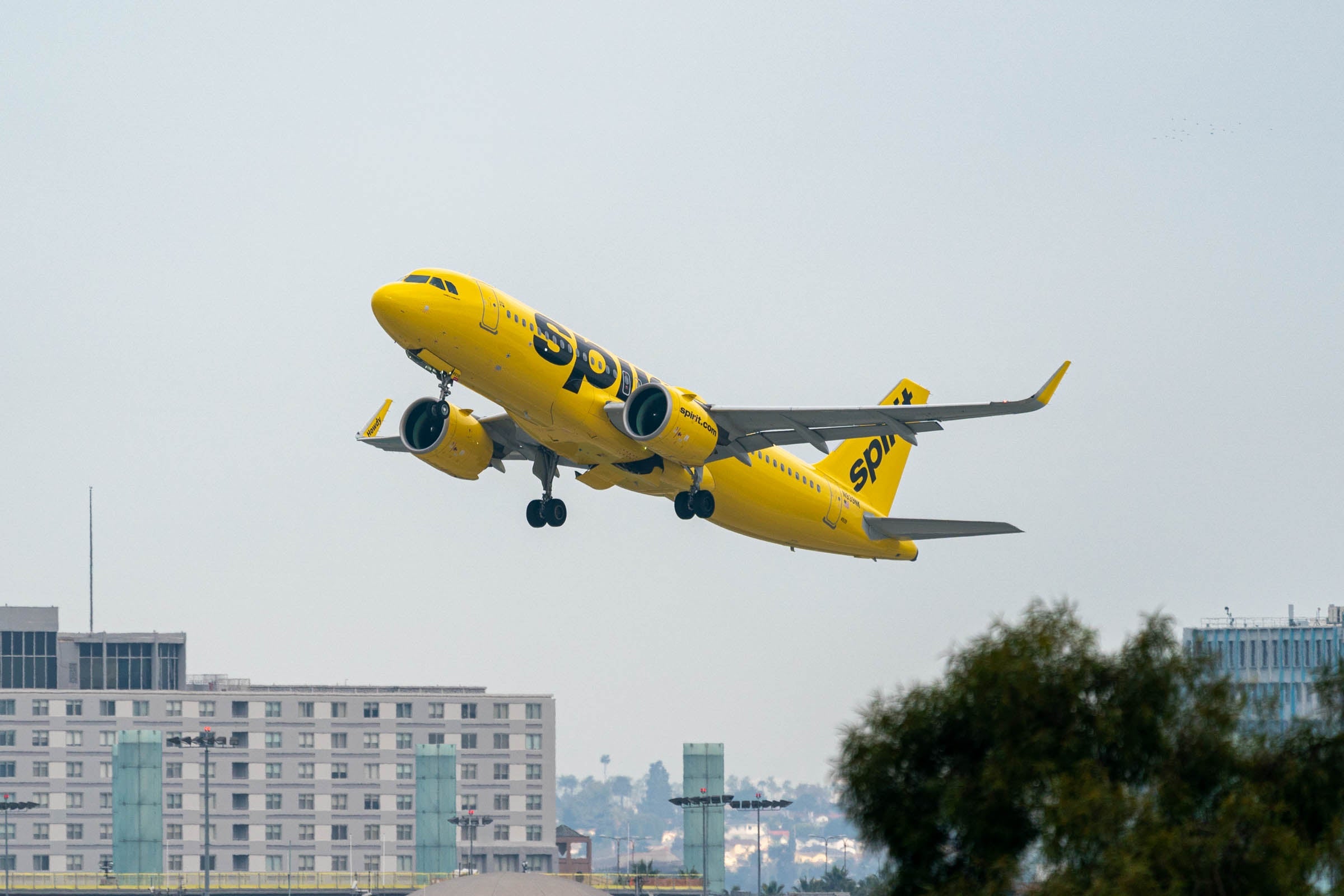

In a press release, Spirit said that its board had decided to "engage in discussions" with the New York-based JetBlue following consultations with its financial and legal advisors. The board determined that JetBlue's offer could constitute a "superior offer" as defined by its previous merger agreement with Frontier.
"Spirit intends to engage in discussions with JetBlue with respect to JetBlue's proposal, in accordance with the terms of the Company's merger agreement with Frontier," the airline said in the release. "Spirit remains bound by the terms of the merger agreement with Frontier, and Spirit's Board has not determined that JetBlue's proposal in fact constitutes a Superior Proposal as defined in the merger agreement with Frontier."
"In addition, Spirit notes that there can be no assurance that the discussions with JetBlue will result in a transaction," the airline added. "Spirit shareholders do not need to take any action at this time, and Spirit's Board has made no change to its recommendation that its shareholders adopt the merger agreement with Frontier."
Now what? Does JetBlue’s bid for Spirit put its American Airlines partnership at risk?
JetBlue's "unsolicited" bid, which was made public on Tuesday, would see the airline acquire Spirit for about $3.6 billion in cash, or $33 per share. Frontier's offer, which involves both cash and stock, was valued at about $25 per share.
Typically in a situation where a company has multiple bids, it has a fiduciary duty to accept the offer that's best for shareholders, which is usually — but not necessarily — the highest offer, according to one lawyer specializing in mergers and acquisitions, who asked not to be identified because he was not involved with the airline transaction.
Related: Skepticism on Wall Street as details emerge on JetBlue’s bid for Spirit
The proposed merger with Frontier, which was announced in February, is largely seen as more straightforward, allowing the two airlines to expand their network while saving money on operations. The offer from JetBlue has been viewed with more skepticism, with the airline framing the takeover as a way to acquire new aircraft and expand its network faster than it would otherwise be able to. Analysts have pointed to potential regulatory objections to such a deal, as well as high costs for JetBlue to retrofit Spirit's aircraft in order to offer customers a consistent product.