JetBlue makes surprise bid to buy Spirit, could upend Frontier deal


JetBlue has made a bid to acquire ultra-low-cost carrier Spirit Airlines, a surprise move that could imperil Spirit's own plans to merge with Frontier Airlines.
The news of JetBlue's apparent interest in Spirit was first reported Tuesday afternoon by The New York Times, which cited "three people with knowledge of the matter."
The deal would be valued at about $3.6 billion and would trump Frontier's cash and share offer for Spirit, according to the Times.
Each of the airlines confirmed the offer in statements issued after the Times story broke.
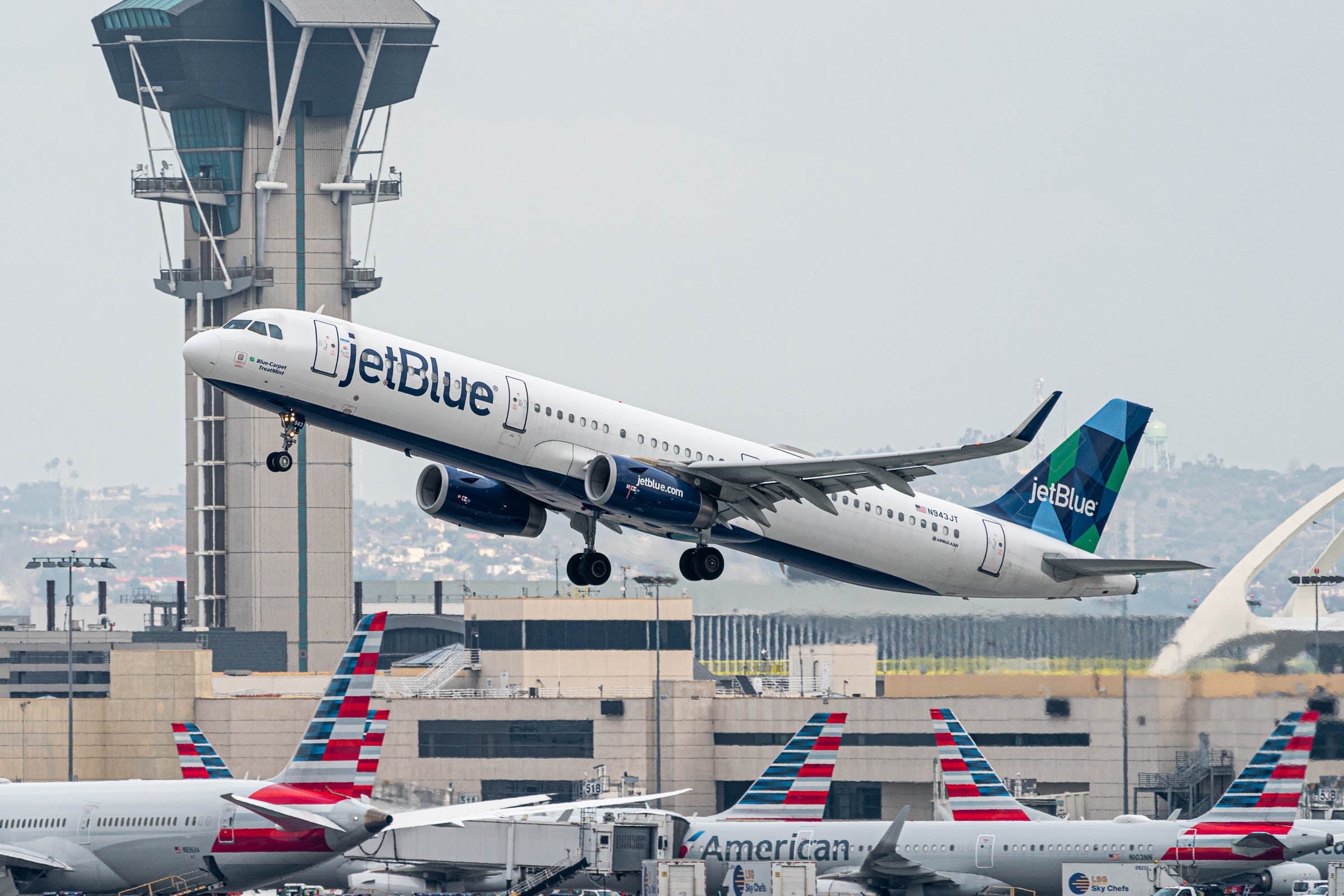
"The combined company would maintain the JetBlue brand and continue to be based in New York City," JetBlue said in its statement. "The current merger proposal assumes the rebranding and retrofitting of Spirit's fleet as JetBlue, introducing a superior onboard experience to Spirit customers."
As for Spirit, it confirmed it had received an "unsolicited" offer and that it would "evaluate JetBlue's proposal and pursue the course of action it determines to be in the best interests of Spirit and its stockholders."
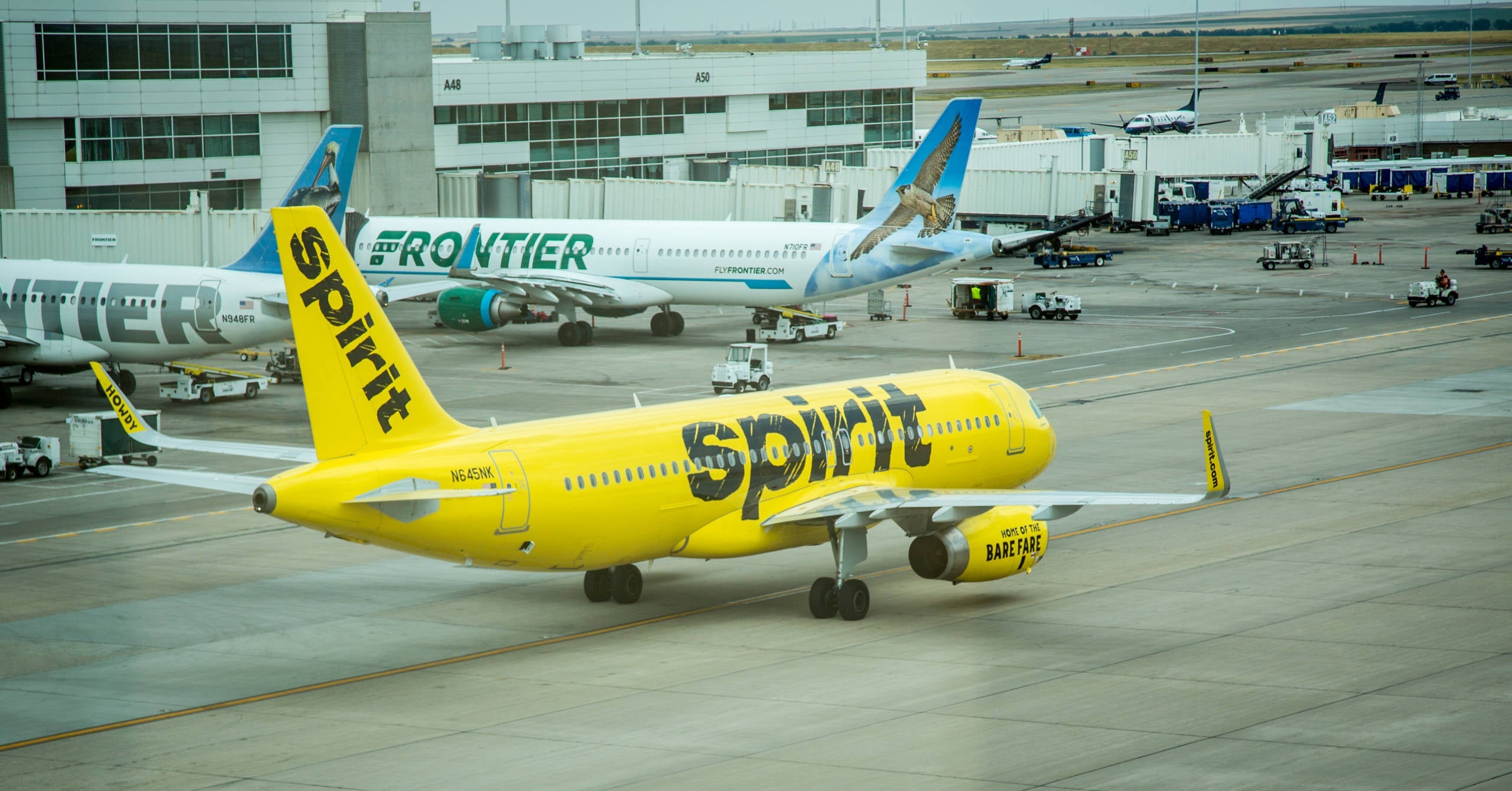
JetBlue's bombshell bid would come just two months after Frontier and Spirit agreed to merge in a deal that would create an ultra-low-cost juggernaut. That deal would still need to be cleared by regulators, but JetBlue's move may now throw that deal into doubt.
"This is very unexpected and is just as interesting and intriguing," Henry Harteveldt, a travel industry analyst and president of Atmosphere Research, said to TPG.
Now what? Does JetBlue's bid for Spirit put its American Airlines partnership at risk?

"If the JetBlue offer is accepted by Spirit and if the Department of Justice approves this merger, it would enable JetBlue to expand dramatically by reallocating Spirit's aircraft on different routes, potentially even giving JetBlue enough aircraft to open another hub somewhere perhaps in the center of the country."
But it could prompt some to question what JetBlue's primary motivation is with its deal for Spirit — either to take over a competitor or to make Spirit's merger with another rival more costly.
Frontier and Spirit operate complementary route networks and business models, while JetBlue's overall fit with Spirit would be less obvious.
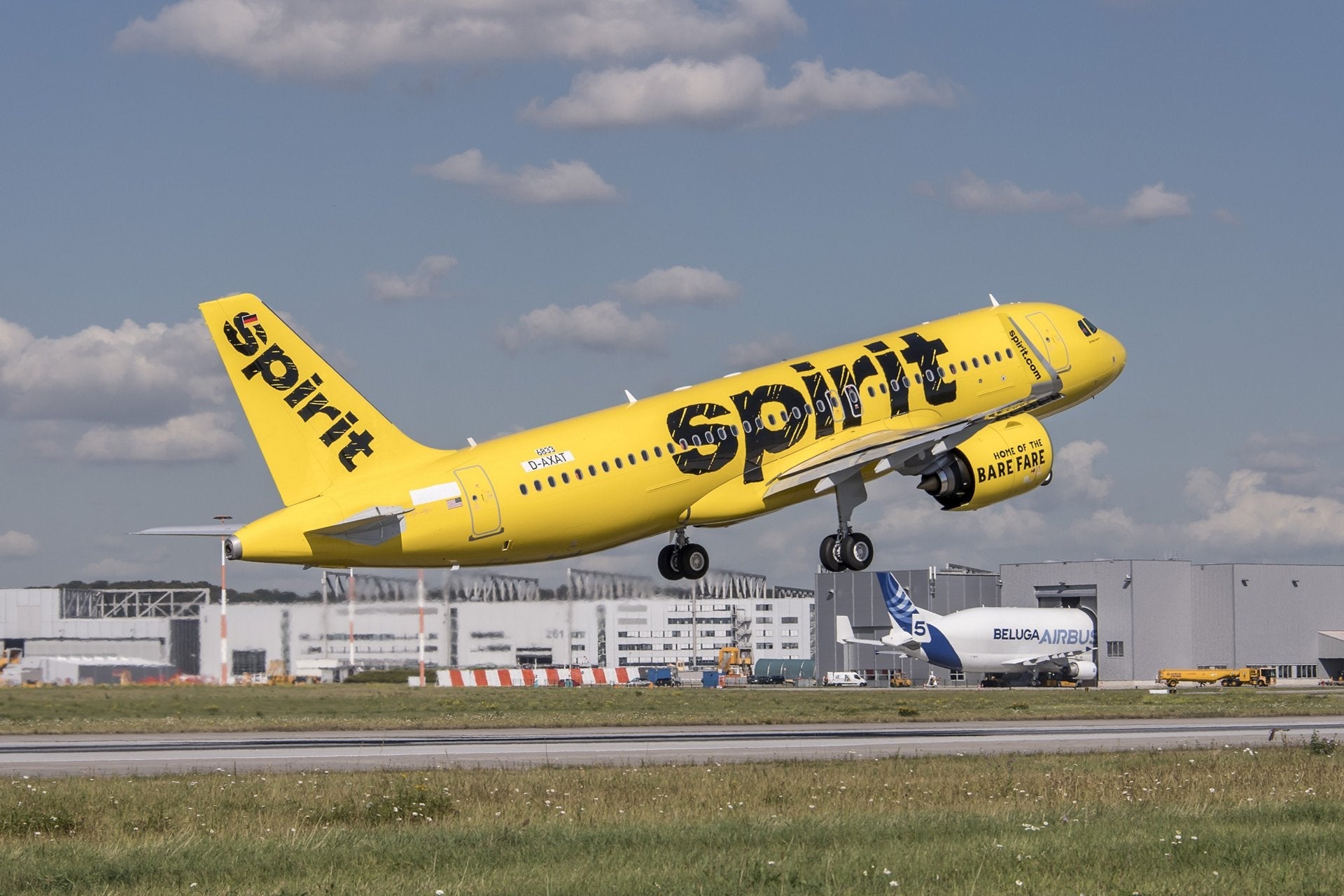
"(If) Spirit accepts this merger, it means the U.S. would lose one of its budget airlines and I'm honestly not sure how the Department of Justice would view this," Harteveldt added. "JetBlue sees this as a way to take out a budget airline competitor and one where the two compete extensively between Fort Lauderdale and Central and South America. That's one reason why I wonder if the Department of Justice would approve this merger."
The competition for Spirit is likely to drive up the acquisition cost for the carrier no matter who prevails. The Times calculated JetBlue's bid offers a premium of 40% more than what Frontier offered in its original deal. Frontier executives now will be forced to consider whether they should raise their bid to counter JetBlue.
And, for JetBlue, it also could face skyrocketing expenses if its bid is accepted, said Robert W. Mann, an aviation analyst and former airline executive based in Long Island, New York.
While Frontier and Spirit share similar products and labor costs, JetBlue would face costs related to integrating labor forces and retrofitting Spirit plane cabins to include roomier seats and live-TV enabled inflight entertainment at every seat.
"It's a very expensive proposition and it gravitates higher and not lower," he said in reference to JetBlue. "They're gonna pay twice on that. Once on the purchase and twice on the integration."
As for Frontier, it cast its own doubt on JetBlue's bid.
"The Spirit and Frontier transaction is in the best interest of consumers and shareholders," Frontier told TPG in a statement, adding that its deal with Spirit would be "creating America's most competitive ultra-low fare airline."
Frontier also cast doubt on whether the bid from JetBlue — which has already been sued by the Department of Justice over its Northeast Alliance with American — would pass muster with regulators.
"Unlike the compelling Spirit-Frontier combination, an acquisition of Spirit by JetBlue, a high-fare carrier, would lead to more expensive travel for consumers," Frontier said. "In particular, the significant East Coast overlap between JetBlue and Spirit would reduce competition and limit options for consumers. It is surprising that JetBlue would consider such a merger at this time given that the Department of Justice is currently suing to block their pending alliance with American Airlines."
Stay tuned ...
Additional reporting by TPG's Ethan Klapper.
TPG featured card
at American Express's secure site
Terms & restrictions apply. See rates & fees.
| 4X | Earn 4X Membership Rewards® points per dollar spent on purchases at restaurants worldwide, on up to $50,000 in purchases per calendar year, then 1X points for the rest of the year. |
| 4X | Earn 4X Membership Rewards® points per dollar spent at US supermarkets, on up to $25,000 in purchases per calendar year, then 1X points for the rest of the year. |
| 5X | Earn 5X Membership Rewards® points on prepaid hotel stays booked through AmexTravel.com or the Amex Travel App™. |
| 3X | Earn 3X Membership Rewards® points on flights booked through AmexTravel.com, the Amex Travel App™, or purchased directly from airlines. |
| 2X | Earn 2X Membership Rewards® points on prepaid car rentals booked through AmexTravel.com or the Amex Travel App™ and cruises booked and paid through AmexTravel.com. |
| 1X | Earn 1X Membership Rewards® point per dollar spent on all other eligible purchases. |
Pros
- Valuable dining and food-related credits
- Flexible rewards with airline and hotel transfer partners
- Multiple travel and purchase protections
- No foreign transaction fees
- Access to Amex Offers for additional savings (enrollment required)
Cons
- Not as useful for those living outside the U.S.
- Some may have trouble using Uber and other dining credits
- You may be eligible for as high as 100,000 Membership Rewards® Points after you spend $8,000 in eligible purchases on your new Card in your first 6 months of Card Membership. Welcome offers vary and you may not be eligible for an offer. Apply to know if you’re approved and find out your exact welcome offer amount – all with no credit score impact. If you’re approved and choose to accept the Card, your score may be impacted.
- Earn 4X Membership Rewards® points per dollar spent on purchases at restaurants worldwide, on up to $50,000 in purchases per calendar year, then 1X points for the rest of the year.
- Earn 4X Membership Rewards® points per dollar spent at US supermarkets, on up to $25,000 in purchases per calendar year, then 1X points for the rest of the year.
- Earn 5X Membership Rewards® points on prepaid hotel stays booked through AmexTravel.com or the Amex Travel App™.
- Earn 3X Membership Rewards® points on flights booked through AmexTravel.com, the Amex Travel App™, or purchased directly from airlines.
- Earn 2X Membership Rewards® points on prepaid car rentals booked through AmexTravel.com or the Amex Travel App™ and cruises booked and paid through AmexTravel.com.
- Earn 1X Membership Rewards® point per dollar spent on all other eligible purchases.
- Pay It® lets you tap in the American Express® App to quickly pay for small purchase amounts throughout the month and still earn rewards the way you usually do. Plan It® gives you the option to split up big purchases into equal monthly payments with a fixed fee. You’ll know upfront exactly how much you’ll pay.
- $120 Dining Credit: Earn up to a total of $10 in statement credits monthly when you pay with the Gold Card at Grubhub (including Seamless), Buffalo Wild Wings, Five Guys, The Cheesecake Factory, and Wonder. This can be an annual savings of up to $120. Enrollment required.
- $100 Resy Credit: Get up to $100 in statement credits each calendar year at over 10,000 qualifying U.S. Resy restaurants after you pay for eligible purchases with the American Express® Gold Card. That’s up to $50 in statement credits semi-annually. Enrollment required.
- $84 Dunkin' Credit: Earn up to $7 in monthly statement credits after you pay with the American Express® Gold Card at U.S. Dunkin’ locations. Enrollment required.
- $120 Uber Cash on Gold: Enjoy up to $120 in Uber Cash annually with your Gold Card. Just add your Card to your Uber account and you'll get $10 in Uber Cash each month to use on orders and rides in the U.S. when you select an Amex Card for your transaction.
- Enjoy complimentary Hertz Five Star® Status benefits like skipping the counter at select locations, adding an additional driver at no additional cost*, and vehicle upgrades**. Benefit enrollment and Hertz Gold+ registration are required. *Additional drivers must meet standard rental qualifications and must be a spouse or domestic partner to qualify as complimentary. Other additional drivers subject to fees. **Benefits are subject to availability and vary by location. Additional Hertz program Terms and Conditions including age restrictions apply.
- Book two nights or more with The Hotel Collection through AmexTravel.com or the Amex Travel App™ and receive a $100* credit towards eligible charges at over 1,400 upscale hotels worldwide. *Eligible charges vary by property.
- Book your travel through the Amex Travel App™ with added peace of mind – backed by American Express® service and support. Only for American Express® Card Members.
- Whenever you need us, we're here. Our Member Services team will ensure you are taken care of. From lost Card replacement to statement questions, we are available to help 24/7.
- No Foreign Transaction Fees.
- Annual Fee is $325.
- Terms Apply.