Royal Caribbean to require proof of vaccination on cruises from Florida


Royal Caribbean cruisers ages 12 and older will now have to show proof of vaccination to sail from Florida, the line told its passengers on Friday.
Royal Caribbean, which isn't sailing with as high a percentage of vaccinated passengers as some other lines, was previously allowing travelers to opt out of showing proof on sailings from Florida, thanks to an executive order issued by Gov. Ron DeSantis to prohibit businesses from requiring vaccinations in order to render services in the Sunshine State.
Interested in more tips and tricks for cruises? Sign up for TPG's free cruiseletter.
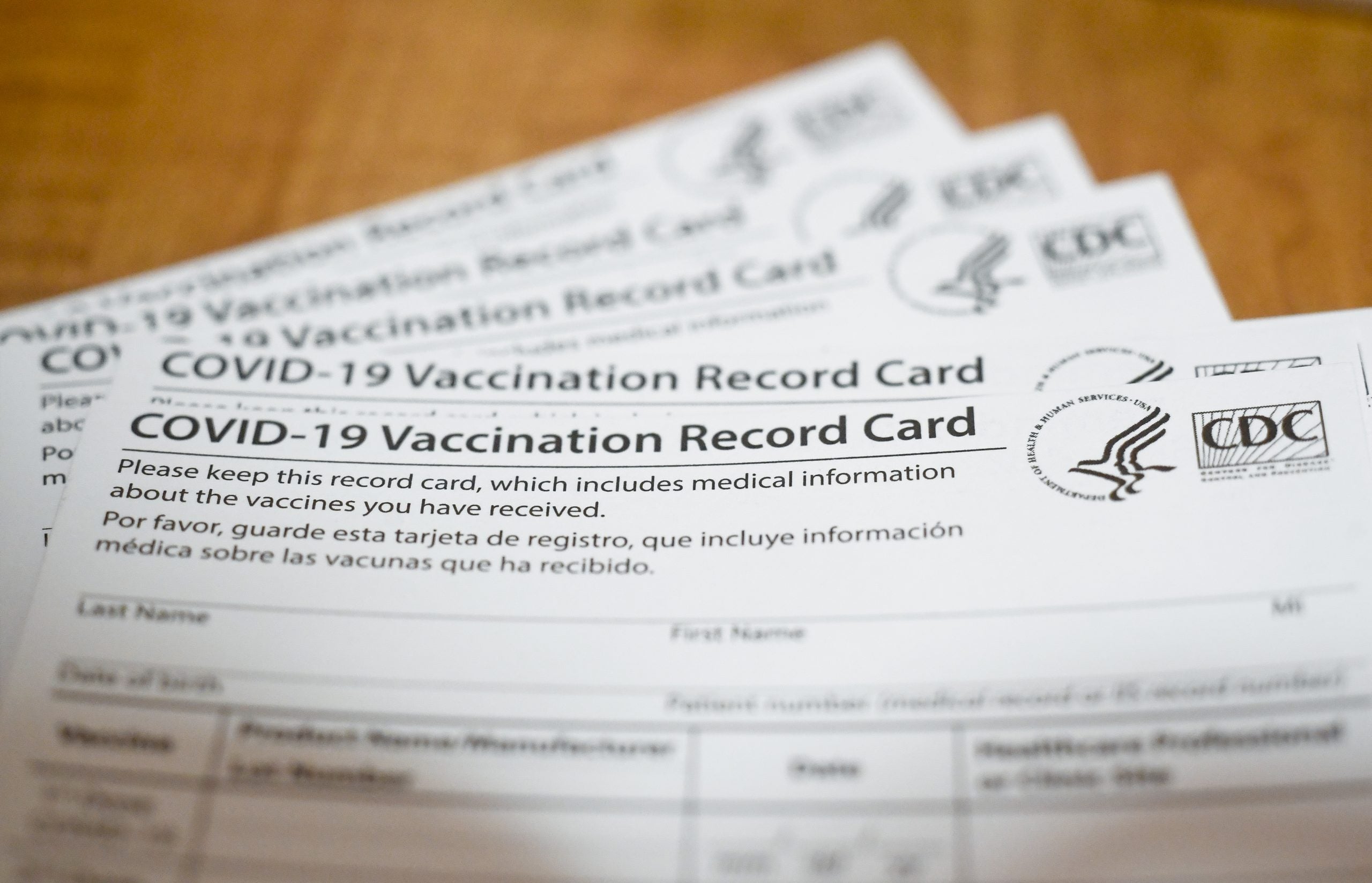
Due to changing vaccine regulations in the Bahamas, which is a frequent stop for many cruise lines, Royal Caribbean's policy for voyages leaving from Florida will now be the same as its policy for those from all other U.S. embarkation ports -- proof of inoculation is required -- from Sept. 3 through at least Nov. 1, 2021.
"Travelers unable to show proof of vaccination will be unable to sail," the line said in a media statement Friday. "... Guests under 12, who are currently ineligible for the vaccine, can still cruise with us as long as they continue to provide a negative test result at boarding and follow certain health and safety protocols."
Those health and safety protocols involve Royal Caribbean's decision to prohibit unvaccinated passengers from entering certain onboard areas, such as the spa, casino, specific decks in the theater, certain dining areas and select bars and lounges. They also require unvaccinated individuals to wear masks in all indoor public areas unless eating or drinking.


Supporting the move is the fact that, earlier this month, a Florida judge issued a preliminary injunction in a lawsuit Norwegian Cruise Line filed against the state of Florida, arguing that DeSantis' executive order limited the line's ability to require vaccine proof as a way to keep passengers safe.
Likely also playing into the line's decision are the updated guidelines from the U.S. Centers for Disease Control and Prevention (CDC) for cruisers which advise that "people who are not fully vaccinated avoid travel on cruise ships...."
The CDC's COVID-19-related operating protocols for cruise lines are now just recommendations, following the ruling in a separate lawsuit between DeSantis and the CDC. A judge said the CDC was overstepping its authority in mandating the protocols; the lines have since said they plan to continue following the agency's recommendations anyway.
Featured photo by Ashley Kosciolek/The Points Guy.
TPG featured card
at American Express's secure site
Terms & restrictions apply. See rates & fees.
| 4X | Earn 4X Membership Rewards® points per dollar spent on purchases at restaurants worldwide, on up to $50,000 in purchases per calendar year, then 1X points for the rest of the year. |
| 4X | Earn 4X Membership Rewards® points per dollar spent at US supermarkets, on up to $25,000 in purchases per calendar year, then 1X points for the rest of the year. |
| 5X | Earn 5X Membership Rewards® points on prepaid hotel stays booked through AmexTravel.com or the Amex Travel App™. |
| 3X | Earn 3X Membership Rewards® points on flights booked through AmexTravel.com, the Amex Travel App™, or purchased directly from airlines. |
| 2X | Earn 2X Membership Rewards® points on prepaid car rentals booked through AmexTravel.com or the Amex Travel App™ and cruises booked and paid through AmexTravel.com. |
| 1X | Earn 1X Membership Rewards® point per dollar spent on all other eligible purchases. |
Pros
- Valuable dining and food-related credits
- Flexible rewards with airline and hotel transfer partners
- Multiple travel and purchase protections
- No foreign transaction fees
- Access to Amex Offers for additional savings (enrollment required)
Cons
- Not as useful for those living outside the U.S.
- Some may have trouble using Uber and other dining credits
- You may be eligible for as high as 100,000 Membership Rewards® Points after you spend $8,000 in eligible purchases on your new Card in your first 6 months of Card Membership. Welcome offers vary and you may not be eligible for an offer. Apply to know if you’re approved and find out your exact welcome offer amount – all with no credit score impact. If you’re approved and choose to accept the Card, your score may be impacted.
- Earn 4X Membership Rewards® points per dollar spent on purchases at restaurants worldwide, on up to $50,000 in purchases per calendar year, then 1X points for the rest of the year.
- Earn 4X Membership Rewards® points per dollar spent at US supermarkets, on up to $25,000 in purchases per calendar year, then 1X points for the rest of the year.
- Earn 5X Membership Rewards® points on prepaid hotel stays booked through AmexTravel.com or the Amex Travel App™.
- Earn 3X Membership Rewards® points on flights booked through AmexTravel.com, the Amex Travel App™, or purchased directly from airlines.
- Earn 2X Membership Rewards® points on prepaid car rentals booked through AmexTravel.com or the Amex Travel App™ and cruises booked and paid through AmexTravel.com.
- Earn 1X Membership Rewards® point per dollar spent on all other eligible purchases.
- Pay It® lets you tap in the American Express® App to quickly pay for small purchase amounts throughout the month and still earn rewards the way you usually do. Plan It® gives you the option to split up big purchases into equal monthly payments with a fixed fee. You’ll know upfront exactly how much you’ll pay.
- $120 Dining Credit: Earn up to a total of $10 in statement credits monthly when you pay with the Gold Card at Grubhub (including Seamless), Buffalo Wild Wings, Five Guys, The Cheesecake Factory, and Wonder. This can be an annual savings of up to $120. Enrollment required.
- $100 Resy Credit: Get up to $100 in statement credits each calendar year at over 10,000 qualifying U.S. Resy restaurants after you pay for eligible purchases with the American Express® Gold Card. That’s up to $50 in statement credits semi-annually. Enrollment required.
- $84 Dunkin' Credit: Earn up to $7 in monthly statement credits after you pay with the American Express® Gold Card at U.S. Dunkin’ locations. Enrollment required.
- $120 Uber Cash on Gold: Enjoy up to $120 in Uber Cash annually with your Gold Card. Just add your Card to your Uber account and you'll get $10 in Uber Cash each month to use on orders and rides in the U.S. when you select an Amex Card for your transaction.
- Enjoy complimentary Hertz Five Star® Status benefits like skipping the counter at select locations, adding an additional driver at no additional cost*, and vehicle upgrades**. Benefit enrollment and Hertz Gold+ registration are required. *Additional drivers must meet standard rental qualifications and must be a spouse or domestic partner to qualify as complimentary. Other additional drivers subject to fees. **Benefits are subject to availability and vary by location. Additional Hertz program Terms and Conditions including age restrictions apply.
- Book two nights or more with The Hotel Collection through AmexTravel.com or the Amex Travel App™ and receive a $100* credit towards eligible charges at over 1,400 upscale hotels worldwide. *Eligible charges vary by property.
- Book your travel through the Amex Travel App™ with added peace of mind – backed by American Express® service and support. Only for American Express® Card Members.
- Whenever you need us, we're here. Our Member Services team will ensure you are taken care of. From lost Card replacement to statement questions, we are available to help 24/7.
- No Foreign Transaction Fees.
- Annual Fee is $325.
- Terms Apply.