
But the unknowns of travel often create anxiety and far more serious travel issues for people who are new to flying, those who are afraid to fly and flyers of any age with sensory, physical or cognitive disabilities.
That is why airports and airlines around the country offer a patchwork of workshops, multisensory rooms and practice-run programs such as Wings for Autism/Wings for All to help travelers address some of these barriers.
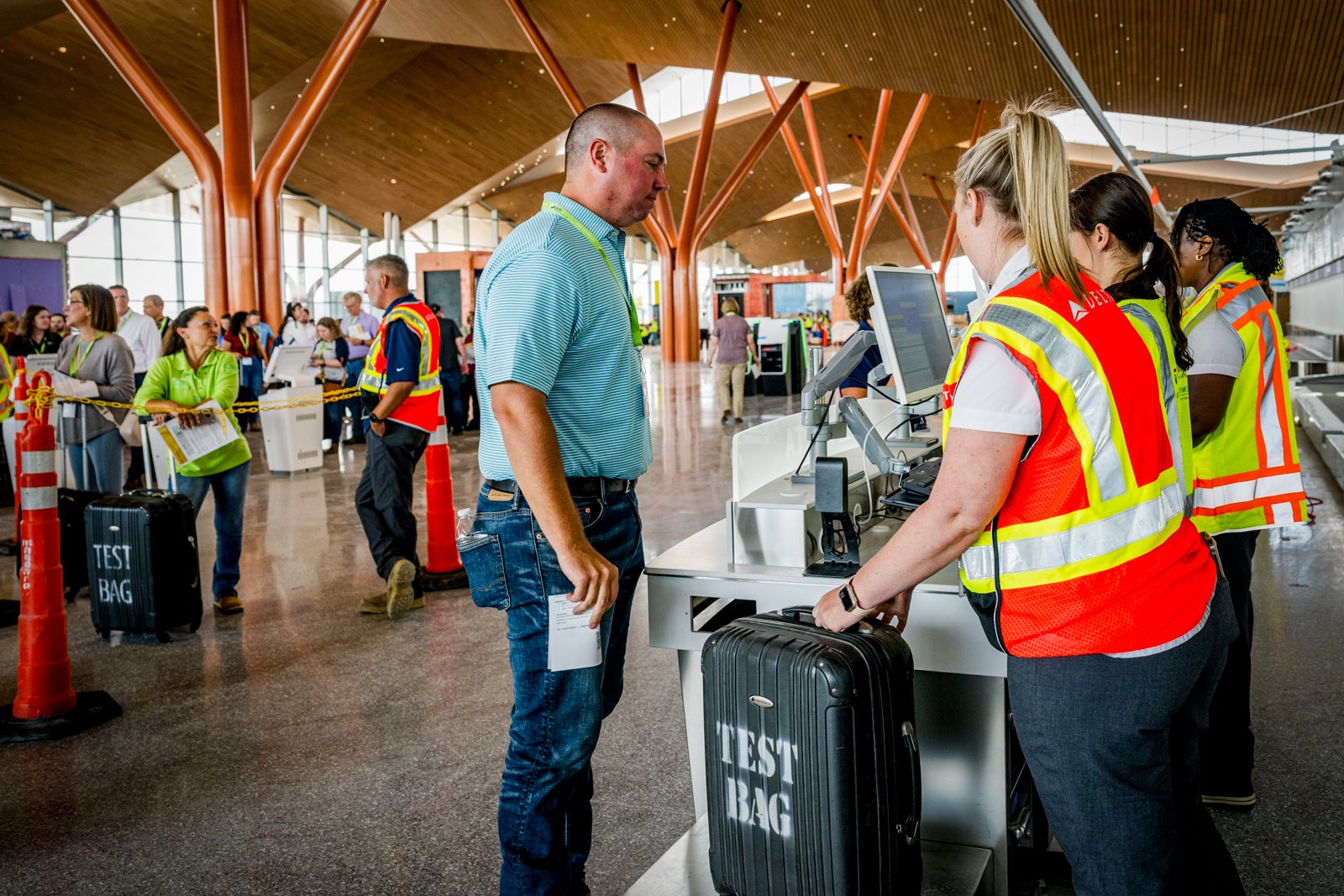
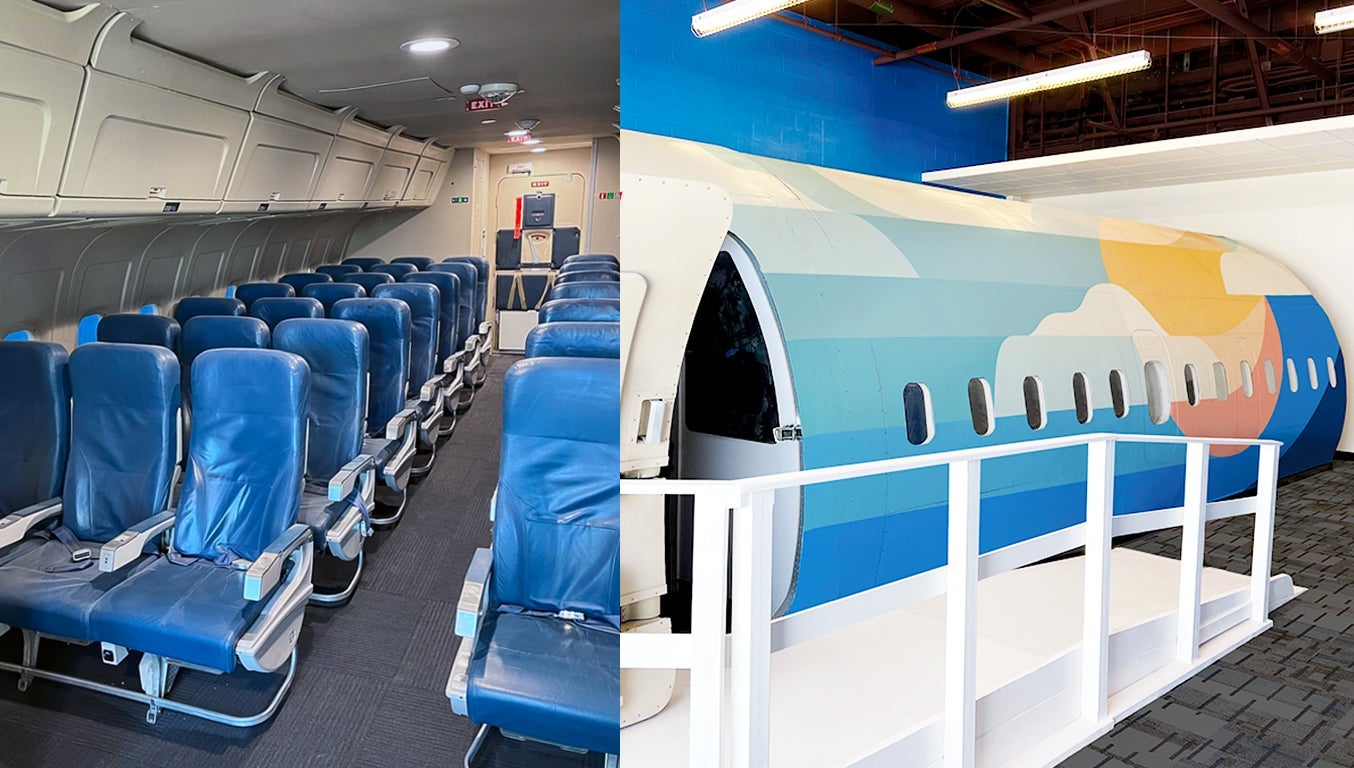
Now, Minneapolis—Saint Paul International Airport (MSP) is trying something new. Today, MSP debuts a permanently installed 33-foot-long mock aircraft cabin that offers a creative new way to help people with disabilities travel safely and with more confidence.
The mock aircraft cabin has 42 seats from a retired Boeing 737 and was last used in Atlanta to train Delta Air Lines flight attendants and pilots in emergency evacuation procedures.
Instead of discarding the narrow-body trainer when it was set to be replaced, Delta worked with MSP and other groups to arrange for the cabin to be dismantled and reassembled in MSP Terminal 1, near gate C16.
The mock cabin will offer pre-flight experiences to a wide variety of travelers with disabilities.
MSP already works with airlines and area autism support groups to provide monthly practice run programs on airplanes. But with this new facility, dubbed the Travel Confidently MSP Educational Center, flyers will now have a calm, stand-alone part of the airport in which they can get familiar with an aircraft cabin before boarding an actual flight.
“This unique facility will be a hallmark for MSP’s programs that support equitable and inclusive travel,” said Brian Ryks, the executive director and CEO of the Metropolitan Airports Commission, which operates the airport. The in-terminal mock cabin means MSP will now “provide a lifelike training environment without the use of an actual aircraft, which will build confidence in air travel for more people in our community,” he said.
Flyers with sensory, physical or cognitive disabilities will not be the only ones who benefit from the in-terminal mock airplane cabin.
Service animal trainers and owners in the region can reserve the facility to practice boarding and travel procedures with their service animals in preparation for a real flight, according to MSP.
Airport firefighters and police can also use the cabin for training around how to respond to passengers or crew emergencies on aircraft.
Additionally, wheelchair service providers can use the mock cabin to practice assisting passengers who use aisle chairs in boarding or deplaning aircraft.
Cabin crew can practice assisting passengers with the use of on-board wheelchairs, which are designed for passengers to move to and from the aircraft lavatory, too.
“This is just the start of what we are going to see over the next few years,” said Eric Lipp, the executive director of Open Doors Organization, a nonprofit that works with businesses on accessibility issues. “This is about airports actually opening their doors to their local communities and getting them out there, teaching them how to fly no matter what their abilities are.”
Related: Proposed rule would improve accessibility of airplane bathrooms
The mock cabin is not only useful and educational, but it's also visually appealing. The Arts@MSP program, which is a joint program of the MAC and the Airport Foundation MSP, organized a community art project for the space. As a result, young artists from the area designed artwork to help create a relaxing and welcoming atmosphere for the mock cabin.