The Risk in Changing Rewards: Can Loyalty Thrive in the Dynamic Era?
With billions of dollars at stake, each tweak to an airline loyalty program brings significant risk. How will consumers react? How will the changes trickle down to partners? How many program members will swear off the program, declaring that the loyalty has become a one-way relationship? How many will actually follow through on those threats?
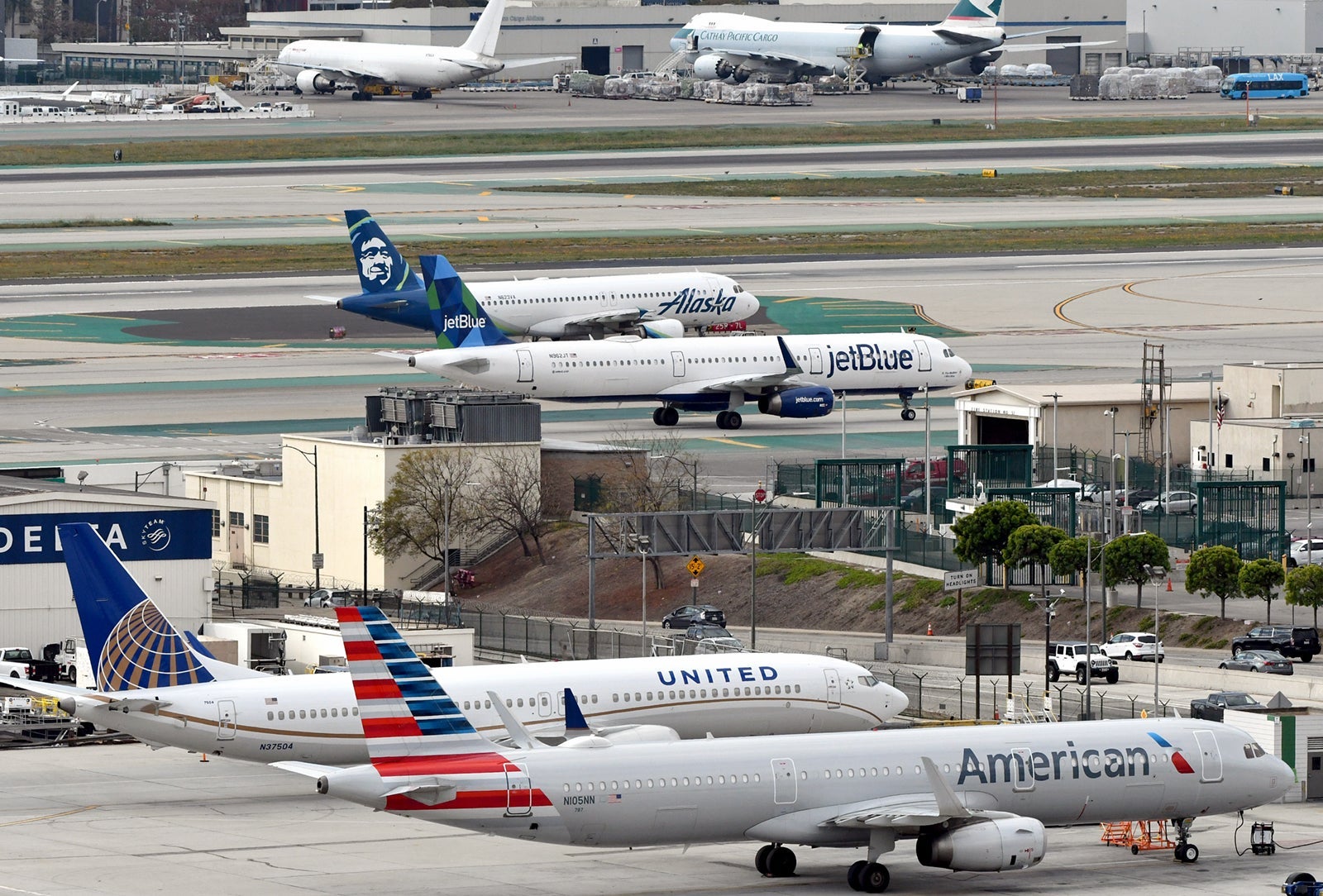
United Airlines will be the next airline to answer these questions thanks to changes recently announced for its MileagePlus program. The carrier will be dropping its long-standing award charts in favor of a dynamic pricing algorithm for flights it operates, effective with travel beginning November 15. American Airlines may follow suit, while Delta Air Lines made a similar change to its SkyMiles program in 2015. Southwest Airlines switched to a revenue-based model for earning and redemption in 2011, as did JetBlue. And, despite the hand-wringing and predictions of program collapse, including with the cobranded credit cards, all of the programs continue to thrive.
This does not mean the changes are risk-free. But, on the average, the value proposition to partners such as banks remains strong. And, based on available data, the programs are growing in value for the average consumer, too.
In evaluating the impact of these program changes, David Feldman, Airline & Hotel Loyalty Consultant at New World Loyalty, calls attention to that broader base, the more "regular" types of customers: "One extreme is the toaster as a reward. The other end of the continuum is the ultra-premium travel to an exotic destination. The reality is that most people are not redeeming for that first class, long-haul trip, nor are they motivated by a toaster. Figuring out the impact in the middle ground is what really matters."
Converting to dynamic reward pricing makes it easier to deliver sale-priced rewards and (in theory) easier for the loyalty program to work with revenue management rather than fighting over award space, according to Feldman. That could be good news for some customers, though a cheap short-haul flight to Las Vegas does little to assuage the program member who saved for years hoping to find a business class seat to Tokyo only to see an award priced at double or triple the rate of previous years.
However, dynamic pricing is only one half of the changes. A greater risk, according to Feldman, is the removal of reward charts entirely. While not catastrophic, it does likely shift member behaviors: "Everyone knows what it takes to reach an elite status tier. And we know from real airline data that consumers accelerate their behavior as they get closer to the threshold. If they don't know the target (or even a threshold) it is harder for a program to drive that behavior," he said. "It remains to be seen how that extends to accrual of points as the reward charts disappear, especially if the point value remains highly variable."
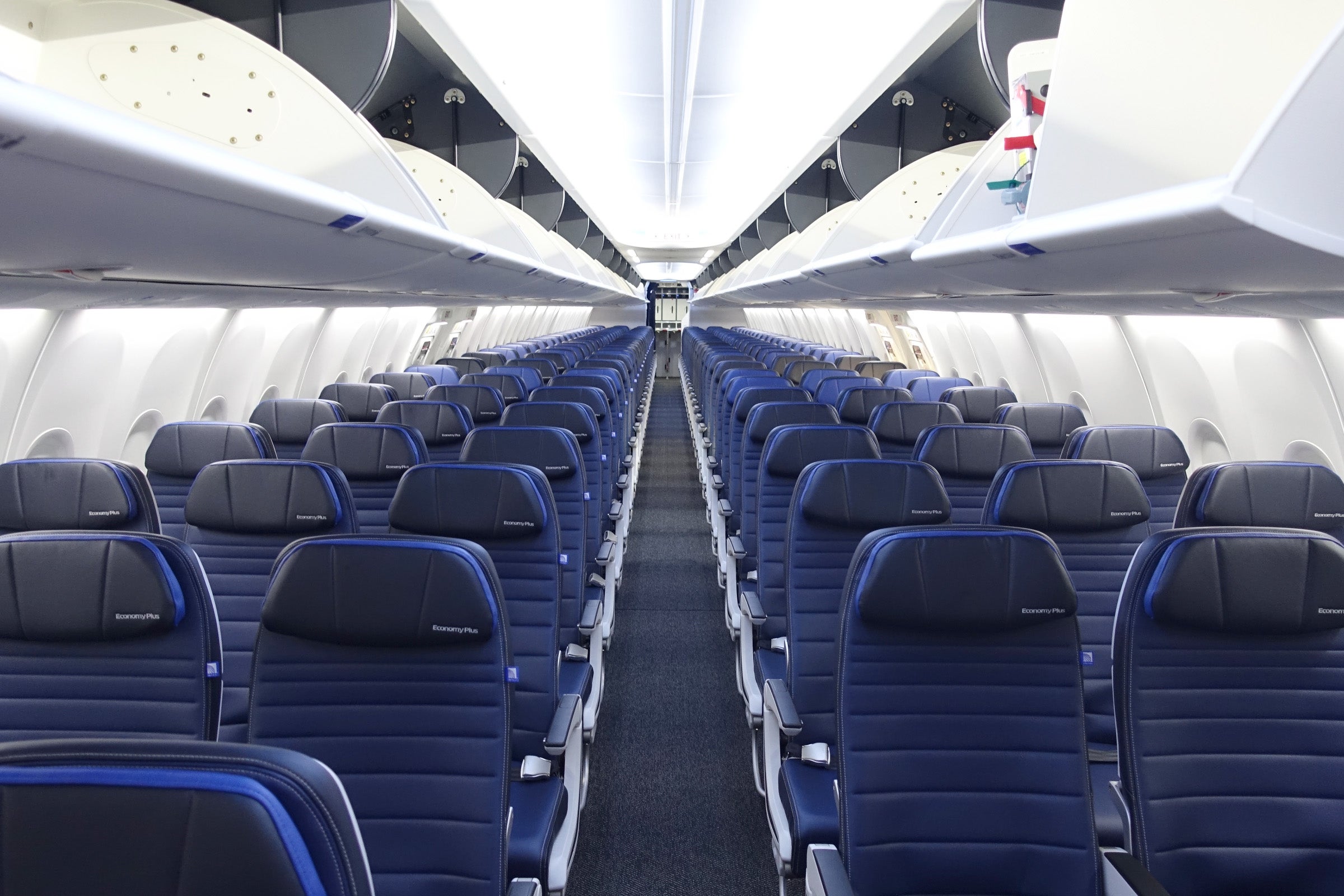
A couple examples suggest that the US-based programs are not suffering terribly for such changes, at least with their broader customer base. Delta recently added a dynamically-priced, pay-with-points option for upgrades. In its Q1 2019 earnings report, Delta stated that the new program addition saw an "overwhelmingly positive" adoption by members. Some 4,000 passengers a day are flying in a more comfortable seat, paid for with miles on a dynamic scale. These upgrades represent roughly 8% of award redemptions for the airline based on those rates.

Perhaps all those redemptions are just consumers cashing out their accounts and walking away? That would be bad news for the airlines and their loyalty-program golden goose, but it doesn't appear to be happening. Delta had a quarterly record for new cobrand credit card accounts, indicating that consumers are not abandoning the program nor the cobranded cards, even after the shift to dynamic pricing. Quite the opposite, in fact. American Express is rewarding that growth with a newly-renegotiated contract with Delta. Secured earlier this month, the new 11-year arrangement is expected to deliver $7 billion to Delta by 2023, doubling the rate from today.
United's exposure from a cobranded credit card perspective is arguably more significant; it has trailed Delta for some time on that front, and until the middle of 2018 was seeing comparatively weaker performance of its Chase relationship. As the big US carriers play copycat in their programs, it is unclear that there are many places consumers could go for a better deal. Cash-back cards start to become more relevant, but those are less helpful for partner earning opportunities or for rounding out an account that also grows based on flight habits.

The core cobrand value proposition for the airlines comes from customers who fly a couple times a year and also carry the credit card; those are customers less likely to defect to a cash-back proposition so long as they're still getting value from the card (e.g. through waived checked bag fees) and a trip from their points every now and then, even if it isn't a first-class ticket to paradise.
For the vast majority of program members, the goal is to eventually get something back. It has to be something of value — the proverbial toaster is rarely a compelling reward — but it does not necessarily have to be a premium cabin trip to a remote island and a week in a bungalow. That sort of aspirational award is rarely what the high-value members of the programs are shopping for. By making it easier to redeem rewards, via third-party offers (e.g. rental cars or gift cards) or via cheaper reward "sales" and promotions, the programs become more attractive to a broader customer base.
These are not the rewards often teased as aspirational goals. They are not the Polaris seat to Tokyo or Paris or beyond, but they still deliver on the program's financial and engagement goals. That's bad news for consumers seeking outsized value from their miles, of course. But the programs and their bank partners are unlikely to see a negative shift in wallet share as a result.
TPG featured card

at Capital One's secure site
Terms & restrictions apply. See rates & fees.
| 5X miles | Earn 5X miles on hotels, vacation rentals and rental cars booked through Capital One Travel |
| 2X miles | Earn unlimited 2X miles on every purchase, every day |
Pros
- Stellar welcome offer of 75,000 miles after spending $4,000 on purchases in the first three months from account opening. Plus, a $250 Capital One Travel credit to use in your first cardholder year upon account opening.
- You'll earn 2 miles per dollar on every purchase, which means you won't have to worry about memorizing bonus categories
- Rewards are versatile and can be redeemed for a statement credit or transferred to Capital One’s transfer partners
Cons
- Highest bonus-earning categories only on travel booked via Capital One Travel
- LIMITED-TIME OFFER: Enjoy $250 to use on Capital One Travel in your first cardholder year, plus earn 75,000 bonus miles once you spend $4,000 on purchases within the first 3 months from account opening - that’s equal to $1,000 in travel
- Earn unlimited 2X miles on every purchase, every day
- Earn 5X miles on hotels, vacation rentals and rental cars booked through Capital One Travel
- Miles won't expire for the life of the account and there's no limit to how many you can earn
- Receive up to a $120 credit for Global Entry or TSA PreCheck®
- Use your miles to get reimbursed for any travel purchase—or redeem by booking a trip through Capital One Travel
- Enjoy a $50 experience credit and other premium benefits with every hotel and vacation rental booked from the Lifestyle Collection
- Transfer your miles to your choice of 15+ travel loyalty programs
- Top rated mobile app