3 reasons JetBlue's bid for Spirit could raise red flags for regulators

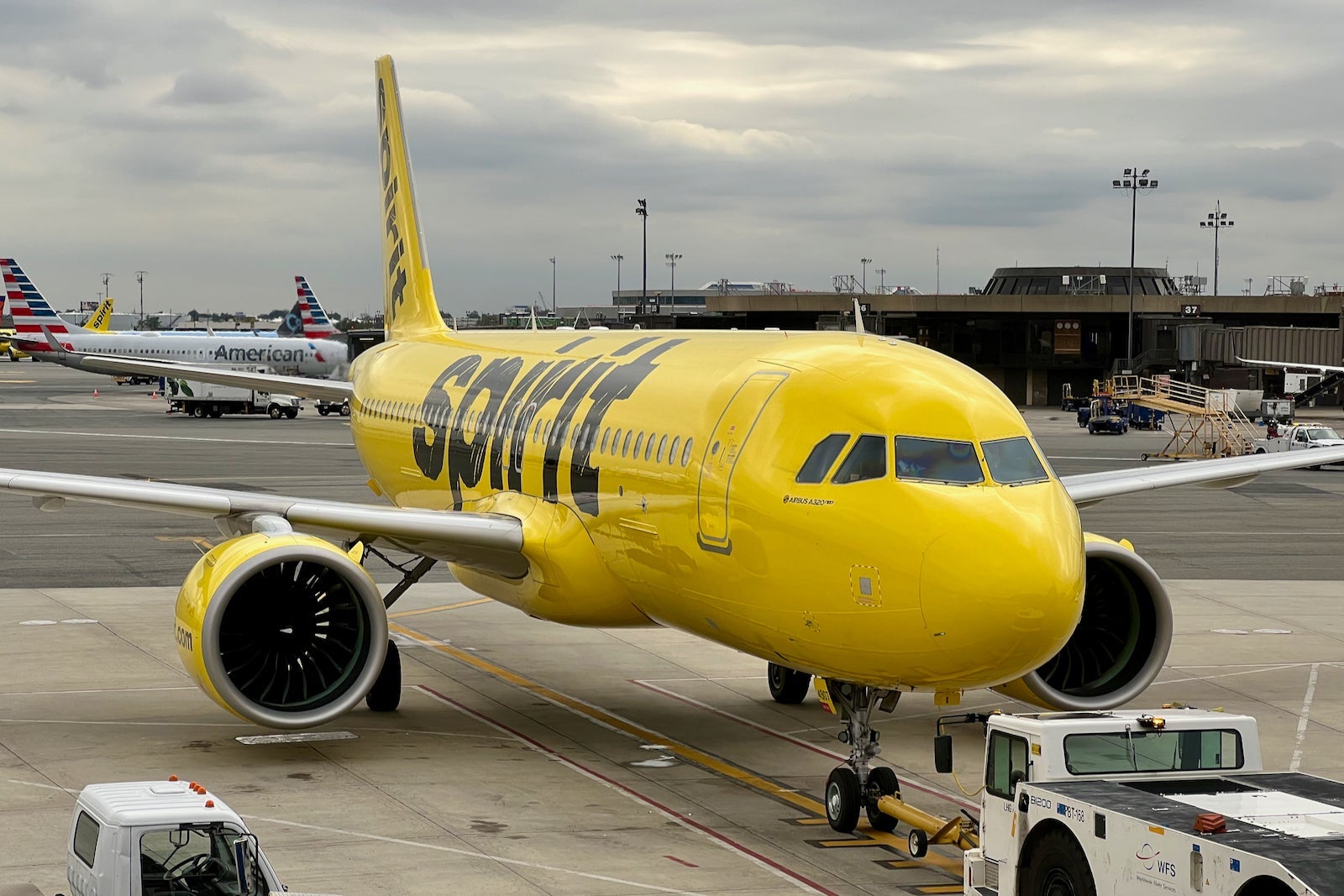
JetBlue's announcement on Tuesday that it was seeking to acquire Spirit Airlines for approximately $3.6 billion surprised the airline world and raised more questions than there were answers. If successful, JetBlue's deal would spoil Spirit's proposed merger with fellow ultra-low-cost Frontier Airlines and would result in a greater overlap of networks plus the absorption of an airline with a very different product and business model.
How regulators might view a JetBlue acquisition is now a question on the mind of industry observers wondering what's next in the saga.
As with any airline merger, expect the Department of Justice to closely examine the proposed deal on antitrust grounds. If it has concerns that the deal would hurt competition, the agency could require divestitures or conditions to get approval. If it has grave concerns about the tie-up, the agency could even file suit to block or restrict the deal. It's something that has happened frequently during the wave of airline consolidations in the past 15 years — and many are skeptical that regulators will view this transaction positively as it currently stands.
"This transaction faces an uphill regulatory review," Cowen analyst Helane Becker wrote in an April 6 note.
What are some tripwires that could invite action from the DOJ? Here are three things to look for that could raise red flags for regulators.
A big presence in Fort Lauderdale
JetBlue and Spirit are the two dominant carriers at this key South Florida airport — by a long shot. JetBlue is the top carrier at the airport for departures, while Spirit offers the most capacity this month, according to aviation data firm Cirium. Combined, they'd be responsible for 50% of the departures at Fort Lauderdale-Hollywood International Airport (FLL) and 51.4% of the capacity, a significant amount of market share at an airport that's known as a lower-fare alternative to neighboring Miami International Airport (MIA), 25 miles to the south via Interstate 95. (A combined Frontier and Spirit would control about 25% of the capacity and 30% of the departures at Orlando International Airport (MCO), the largest airport in that proposed deal.)
When two airlines combine and command significant market share at an airport, fares naturally go up, as competition is reduced and pricing power is gained. Demand won't be a problem either: Florida has been a bright spot for airlines since the early days of the COVID-19 pandemic, and some airports there, including MIA, are now seeing traffic that surpasses 2019 numbers.
More: JetBlue makes surprise bid to buy Spirit, could upend Frontier deal
But Spirit and JetBlue's combined presence at the airport would be considerable — and something that's likely to draw some scrutiny as regulators analyze the deal. What might the agency require? Fort Lauderdale is not slot-controlled, meaning regulators couldn't simply demand the airlines give up flights there. Instead, the DOJ could look for other concessions. Those could include things like requiring the carriers to relinquish some gates at FLL or demanding that they relinquish some slots in New York that are currently used for Florida flights, allowing other rivals to add more flights in the market, which is something regulators have required in previous deals.

The prospect of diminished international competition from FLL also could catch the attention of regulators. In addition to competing for leisure traffic around the Northeast and other parts of the country, JetBlue and Spirit operate Central and South America networks out of Fort Lauderdale, with both serving markets as far south as Lima, Peru. Spirit's operation is significantly larger than JetBlue's, overlapping JetBlue on every single one of its routes except its flight to Quito, Ecuador.
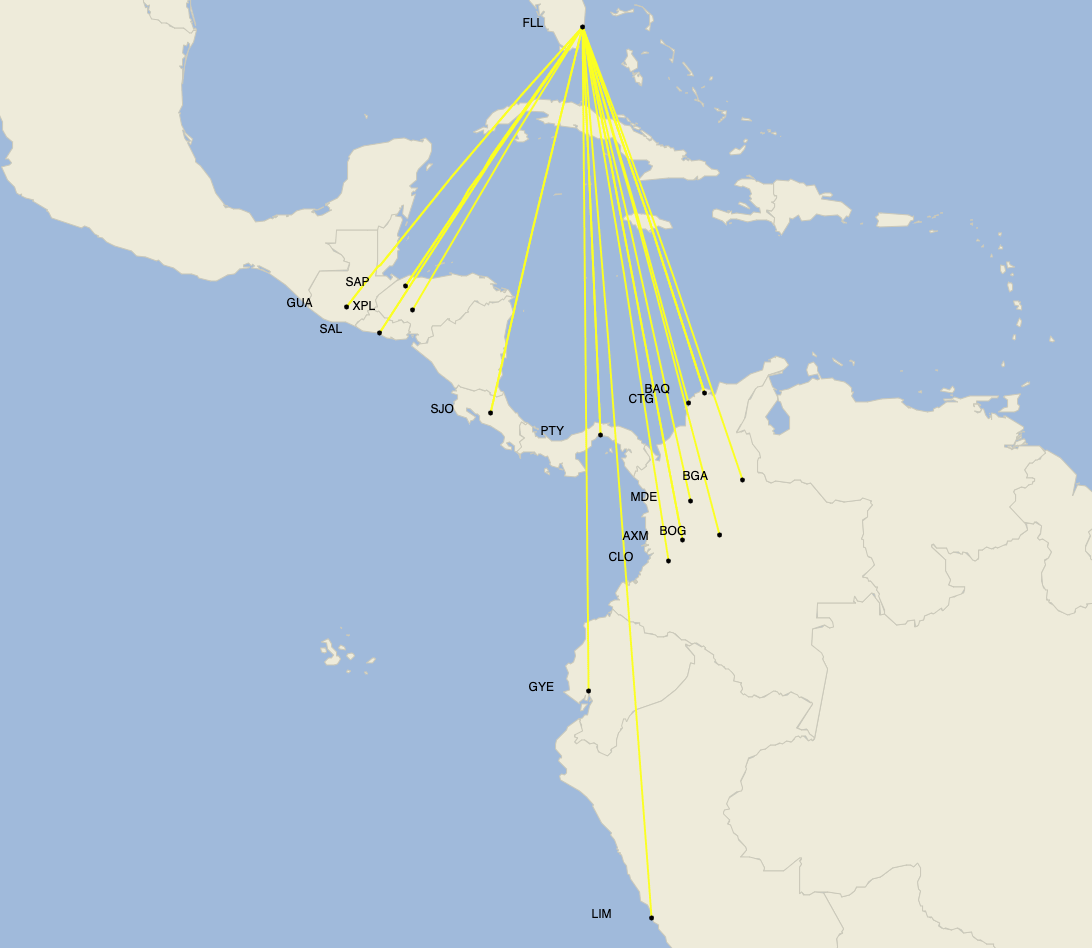
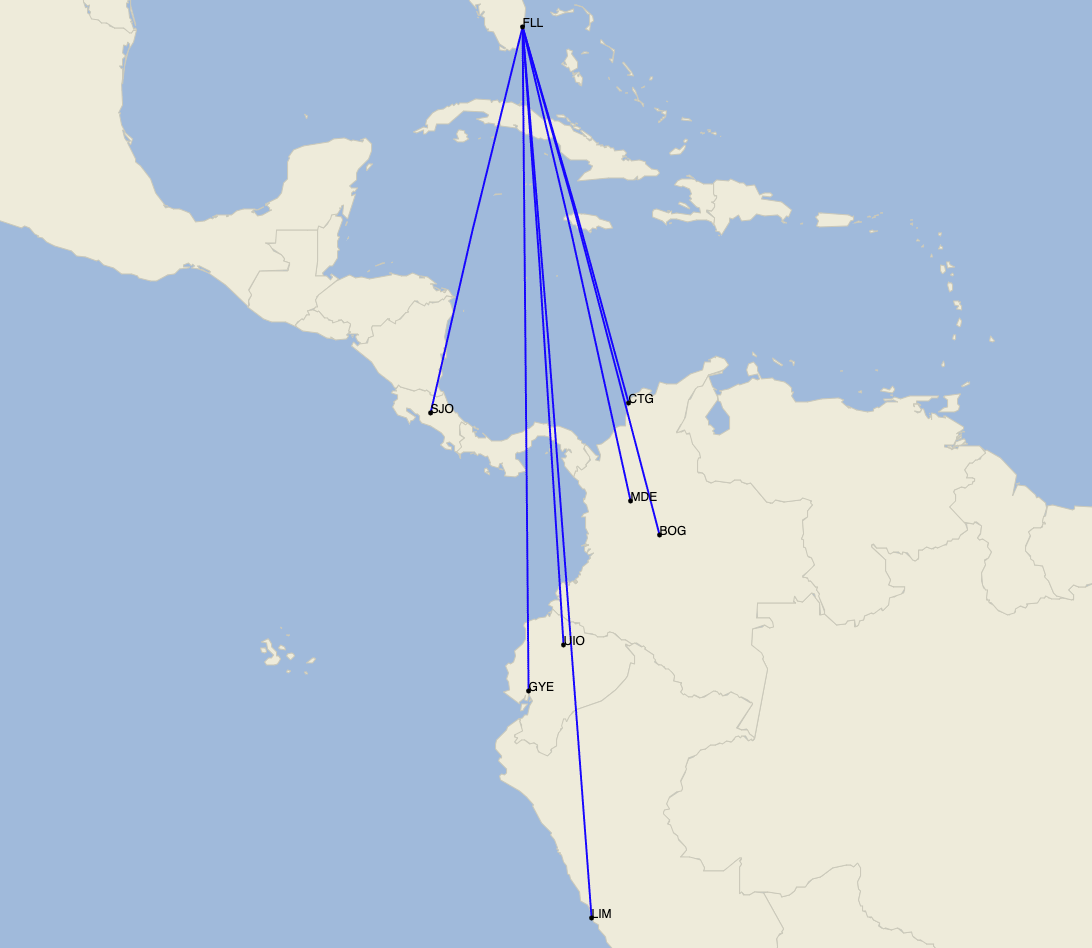
Both carriers use this network to serve what's known in the industry as visiting friends and relatives, or VFR, traffic, targeting the sizable Latino communities in South Florida. Separately, they offer a lower-fare alternative to American Airlines' nearby MIA hub, which serves the same markets, with Spirit generally offering lower fares than JetBlue. However, fares would likely drift closer to American's offerings given the amount of capacity a combined JetBlue and Spirit would control out of Fort Lauderdale. It's something regulators will almost certainly examine closely.
Northeast Alliance with American
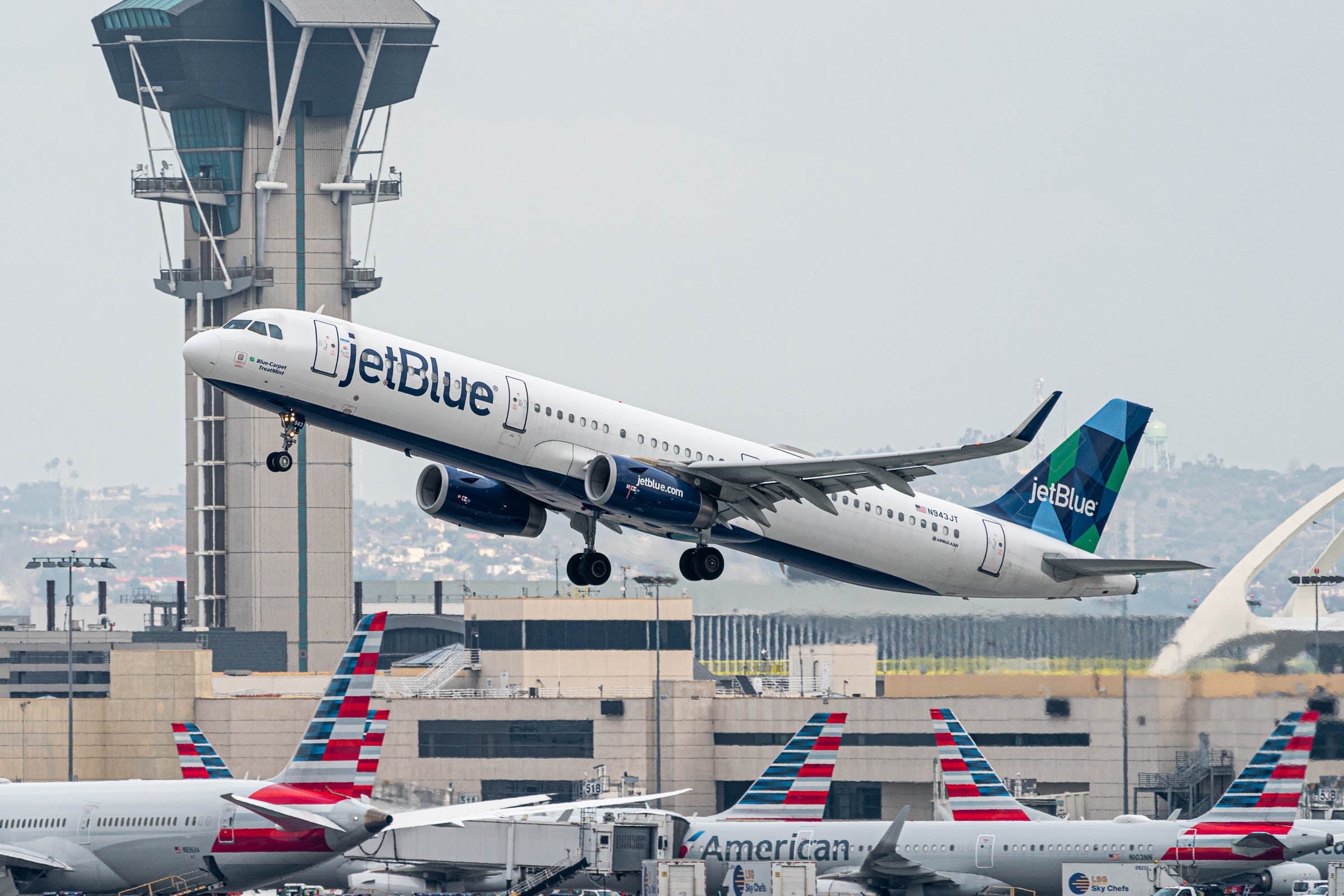
JetBlue's strategic Northeast Alliance with American Airlines — its most important partnership — was already causing legal headaches before the bid for Spirit was announced. Last year, the DOJ filed suit to block the partnership, which consists of codesharing, loyalty program reciprocity and other steps to streamline the ground experience in markets like New York and Boston. The effort largely allows American and JetBlue to compete as one in these markets, where rivals Delta and United have a bigger presence. But in its suit, the DOJ alleges that the NEA is anti-competitive and would lead to higher airfares, an argument that, on its face, JetBlue, American and most industry analysts disagree with.
More: Does JetBlue's bid for Spirit put its American Airlines partnership at risk?
But the calculus could change now that JetBlue hopes to acquire Spirit. While Spirit is not a particularly large player in New York or Boston, absorbing that airline and making JetBlue even larger only bolsters the DOJ's argument. By Wednesday morning, the emerging consensus of analysts was that JetBlue would likely be able to choose one or the other: the NEA or Spirit. JetBlue CEO Robin Hayes said his airline remained firmly committed to maintaining the NEA if JetBlue acquired Spirit, and seemed to warn regulators of the consequences of having to terminate the agreement.
"If the NEA was to be limited or unwound in any way, it would mean less JetBlue flights in the Northeast," Hayes said on a Wednesday call with reporters and Wall Street analysts. "It would mean less choice for customers, and all the things people have enjoyed about the NEA would be set backward."
Hayes also ruled out walling off Florida in the NEA — excluding it from the partnership — noting that JetBlue actually competes against American in South Florida on routes to cities other than New York and Boston. American declined to comment about the future of the NEA.
Biden administration competitiveness policy
In July 2021, President Joe Biden signed an executive order aimed at increasing competitiveness in a number of industries, including the airline industry, which has consolidated significantly in recent years. The NEA lawsuit is viewed as part of that strategy (the deal was actually approved in the waning days of the Trump administration) as is the administration's plan to offer 16 slots at Newark Liberty International Airport (EWR) to a low-cost carrier (Spirit is viewed as the favorite).
The administration's competitiveness policy is so pervasive that a team of J.P. Morgan airline industry analysts were genuinely unsure if the DOJ would even approve Spirit's proposed merger with Frontier — a deal that many industry analysts have said is not likely to lead to higher fares.
"Simply put, DOJ is behaving towards [American] and [JetBlue] in a way that we don't understand," Jamie Baker, James Kirby, Mark Streeter and Ian Snyder wrote in a Feb. 7 note. "We therefore have no choice but to question our initial regulatory assessment of [Frontier]-[Spirit]. Should DOJ eventually back-pedal on NEA, we would view that as a positive for [Frontier]-[Spirit]. Similarly, if DOJ digs in its heels on NEA, it would imply (to us) a lower probability of regulatory approval for [Frontier]-[Spirit]."
JetBlue's bid for Spirit would have the effect of eliminating an ultra-low-cost carrier, instead of supersizing one. Based on its public stance so far, it's hard to see how the Biden administration's DOJ Antitrust Division would allow such a transaction to proceed as it currently stands.
TPG featured card

at American Express's secure site
Terms & restrictions apply. See rates & fees.
| 3X | Earn 3X Miles on Delta purchases. |
| 1X | Earn 1X Miles on all other eligible purchases. |
Pros
- Delta SkyClub access when flying Delta
- Annual companion ticket for travel on Delta (upon renewal)
- Ability to earn MQDs through spending
- Various statement credits for eligible purchases
Cons
- Steep annual fee of $650
- Other Delta cobranded cards offer superior earning categories
- Earn 100,000 Bonus Miles after you spend $6,000 or more in purchases with your new Card within the first 6 months of Card Membership and an additional 25,000 bonus miles after you make an additional $3,000 in purchases on the Card within your first 6 months, starting from the date that your account is opened. Offer Ends 04/01/2026.
- Delta SkyMiles® Reserve American Express Card Members receive 15 Visits per Medallion® Year to the Delta Sky Club® when flying Delta and can unlock an unlimited number of Visits after spending $75,000 in purchases on your Card in a calendar year. Plus, you’ll receive four One-Time Guest Passes each Medallion Year so you can share the experience with family and friends when traveling Delta together.
- Enjoy complimentary access to The Centurion® Lounge in the U.S. and select international locations (as set forth on the Centurion Lounge Website), Sidecar by The Centurion® Lounge in the U.S. (see the Centurion Lounge Website for more information on Sidecar by The Centurion® Lounge availability), and Escape Lounges when flying on a Delta flight booked with the Delta SkyMiles® Reserve American Express Card. § To access Sidecar by The Centurion® Lounge, Card Members must arrive within 90 minutes of their departing flight (including layovers). To access The Centurion® Lounge, Card Members must arrive within 3 hours of their departing flight. Effective July 8, 2026, during a layover, Card Members must arrive within 5 hours of the connecting flight.
- Receive $2,500 Medallion® Qualification Dollars with MQD Headstart each Medallion Qualification Year and earn $1 MQD for each $10 in purchases on your Delta SkyMiles® Reserve American Express Card with MQD Boost to get closer to Status next Medallion Year.
- Enjoy a Companion Certificate on a Delta First, Delta Comfort, or Delta Main round-trip flight to select destinations each year after renewal of your Card. The Companion Certificate requires payment of government-imposed taxes and fees of between $22 and $250 (for itineraries with up to four flight segments). Baggage charges and other restrictions apply. Delta Basic experiences are not eligible for this benefit.
- $240 Resy Credit: When you use your Delta SkyMiles® Reserve American Express Card for eligible purchases with U.S. Resy restaurants, you can earn up to $20 each month in statement credits. Enrollment required.
- $120 Rideshare Credit: Earn up to $10 back in statement credits each month after you use your Delta SkyMiles® Reserve American Express Card to pay for U.S. rideshare purchases with select providers. Enrollment required.
- Delta SkyMiles® Reserve American Express Card Members get 15% off when using miles to book Award Travel on Delta flights through delta.com and the Fly Delta app. Discount not applicable to partner-operated flights or to taxes and fees.
- With your Delta SkyMiles® Reserve American Express Card, receive upgrade priority over others with the same Medallion tier, product and fare experience purchased, and Million Miler milestone when you fly with Delta.
- Earn 3X Miles on Delta purchases and earn 1X Miles on all other eligible purchases.
- No Foreign Transaction Fees. Enjoy international travel without additional fees on purchases made abroad.
- $650 Annual Fee.
- Apply with confidence. Know if you're approved for a Card with no impact to your credit score. If you're approved and you choose to accept this Card, your credit score may be impacted.
- Terms Apply.
- See Rates & Fees