The Points Guy believes that credit cards can transform lives, helping you leverage everyday spending for cash back or travel experiences that might otherwise be out of reach. That's why we publish a variety of editorial content and card comparisons: to help you find a great card to turn your goals into reality.
Our site may earn compensation when a customer clicks on a link, when an application is approved, or when an account is opened with our partners, and this may impact how or where these products appear. While we don't cover all available credit cards, our editorial team creates and maintains all of the analysis of these cards, and our content is not influenced nor subject to review by any credit card company, bank or partner prior to (or after) publication. Please view our advertising policy and product review methodology for more information.
Advertiser disclosure
The Points Guy believes that credit cards can transform lives, helping you leverage everyday spending for cash back or travel experiences that might otherwise be out of reach. That's why we publish a variety of editorial content and card comparisons: to help you find a great card to turn your goals into reality.
Our site may earn compensation when a customer clicks on a link, when an application is approved, or when an account is opened with our partners, and this may impact how or where these products appear. While we don't cover all available credit cards, our editorial team creates and maintains all of the analysis of these cards, and our content is not influenced nor subject to review by any credit card company, bank or partner prior to (or after) publication. Please view our advertising policy and product review methodology for more information.
News
Is it really worth being loyal to one airline in 2021 and beyond?
Andrew Kunesh is TPG's Points & Miles editor. He has been active in the points and miles space since 2014, using them to travel far and wide around the world. He is originally from Chicago but moved to New York City after graduating from DePaul University. His work is featured on Credit Karma, UpgradedPoints, ValuePenguin and various other travel and finance publications. He currently holds Delta Diamond Medallion and Marriott Titanium status, and 20+ credit cards that each have a special place in Andrew's wallet.
December 16, 2020 • 17 min read
The cards we feature here are from partners who compensate us when you are approved through our site, and this may impact how or where these products appear. We don't cover all available credit cards, but our analysis, reviews, and opinions are entirely from our editorial team. Terms apply to the offers listed on this page. Please view our advertising policy and product review methodology for more information.Editorial disclaimer: Opinions expressed here are the author's alone, not those of any bank, credit card issuer, airline or hotel chain, and have not been reviewed, approved or otherwise endorsed by any of these entities.
Comments
By commenting, you agree to our Community Guidelines to help create a positive space for conversation. The responses below are not provided or commissioned by the bank advertiser, our partners, or The Points Guy (“TPG”). They have not been reviewed, approved, or otherwise endorsed by any of these parties. All responses are submitted by individual contributors, and neither the bank advertiser, our partners, nor TPG are responsible for ensuring that all posts and/or questions are answered.
Related stories
Quick summary
The article explores whether maintaining loyalty to a single airline and pursuing elite status is still worthwhile in the current travel environment.
Recent changes, including loyalty program devaluations, increased flexibility in airline policies and plentiful award space, have reduced the value of elite status for many travelers.
Flexible, transferable points have become more attractive, allowing travelers to hedge against airline-specific devaluations and access a wider range of redemption options.
Despite these shifts, some travelers may still find value in elite status due to easier qualification requirements, ongoing promotions and improved upgrade chances during periods of low travel demand.
What to consider
Some airline loyalty program offers and promotions mentioned may no longer be available.
Elite status requirements have been lowered by several major airlines, making status more accessible for casual travelers.
Flexible airline policies, such as waived change fees and increased award space, may further reduce the need for strict loyalty.
What you'll miss from the article
A detailed analysis of how to balance earning flexible points with airline loyalty, and when it makes sense to pursue elite status versus booking the best available flight.
Generated by AI with support from our editorial team.
Update: Some offers mentioned below are no longer available. View the current offers here.
I've always had a love-hate relationship with airline loyalty and elite status.
There was once a time where I chased elite status — namely on United — religiously. I would mileage run to get to the next status tier to enjoy the free upgrades, added flexibility and other perks that come with being an airline's top flyer.
But as airline miles, elite status perks and travel in general change in response to the coronavirus pandemic, I've started to reconsider being loyal to a single airline.
After all, is it really worth jumping on a plane just to qualify for the next status tier? Should I spend on my cobranded credit card to earn bonus qualifying miles, even if it means losing out on a category bonus? These are all questions that I've asked myself as I plan my future as a frequent traveler in a post-COVID world.
The conclusion I eventually arrived at may surprise you. Let's take a closer look at my thinking and why you may or may not want to stay loyal to a single airline in the future.
For more TPG news delivered each morning to your inbox, sign up for our daily newsletter.
Why being loyal to an airline may not be worth it
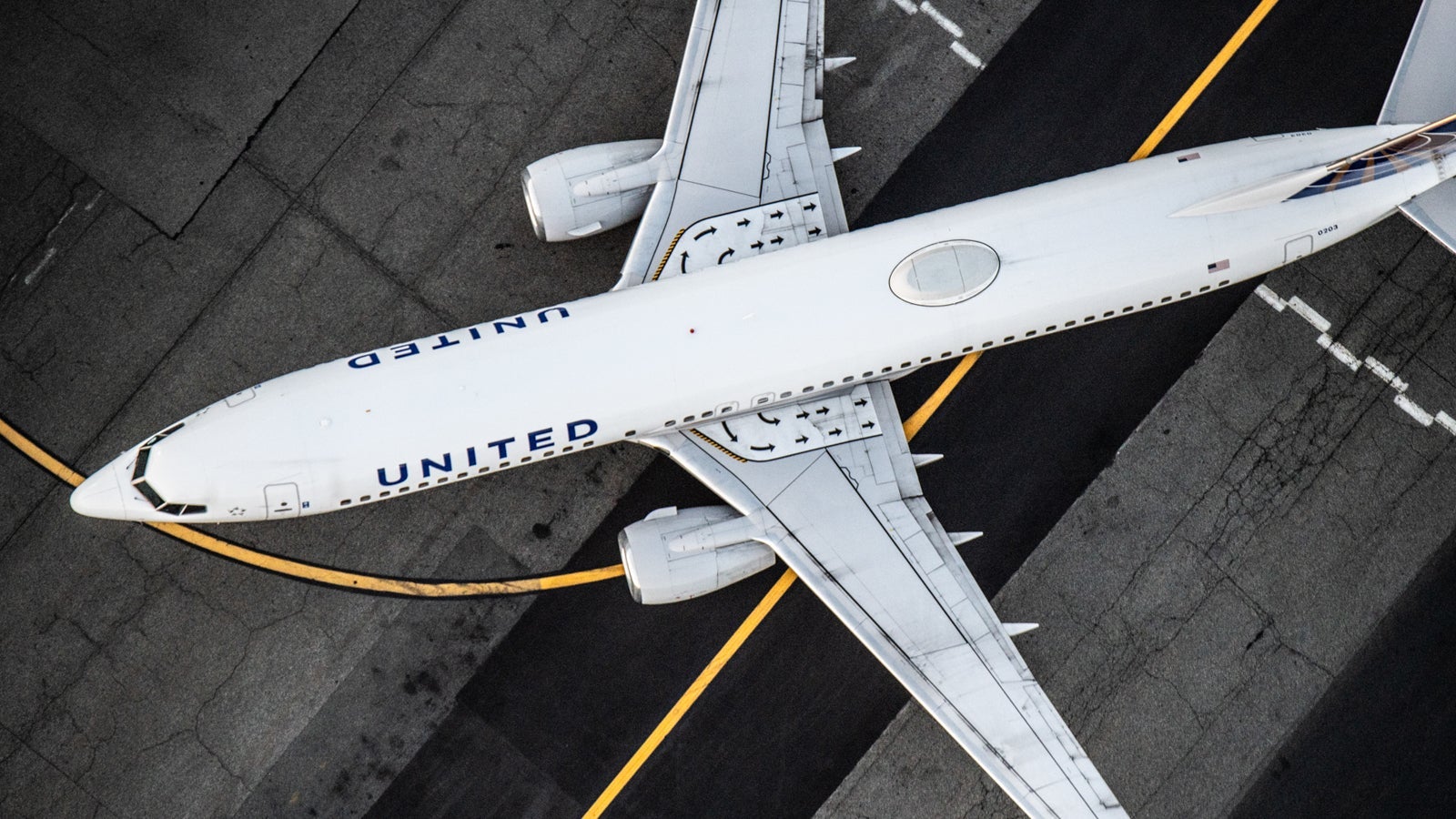
(Photo by Philip Pilosian/Shutterstock)
Let's start with the cons. Elite status isn't what it once was and neither are airline miles. We've changed how we earn and redeem miles since the start of the pandemic and many of us have growing reward balances we need to use at some point in the future.
These all play into why you may not want to stay loyal to a single airline next year (and beyond) — let's take a closer look.
I'm already dreaming up awesome redemptions and plan to use transferable points to cover all of my 2021 international travel. This means I won't use elite status benefits or earn qualifying points on these flights, making my loyalty and status worth less than in past years.
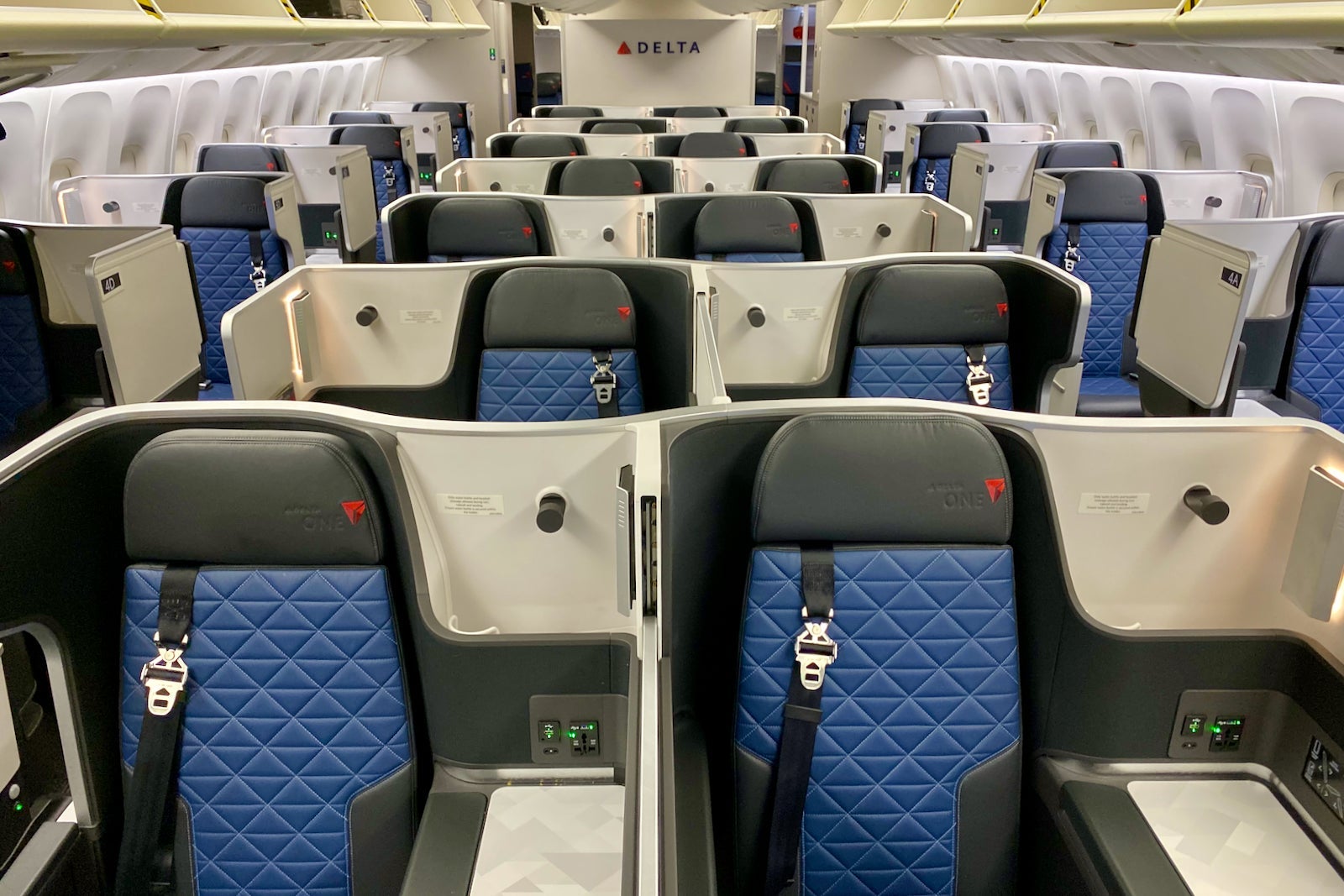
Plus, what's the point of having elite status if you're constantly booking yourself in business and first class with your points and miles? The bulk of elite status value comes from upgrades and priority seating. You're not benefitting from that if you use transferable points to put yourself at the front of the plane.
Side note: regardless of if you're loyal to an airline, I recommend keeping a stash of transferable points. These keep you safe from devaluations since — as discussed — you can transfer your points to multiple airlines and hotel partners. Think of it as a hedge against your airline of choice's miles being devalued.
After all, if you're chasing elite status, you're earning redeemable miles with the same airline. This is also the case when you spend on an airline's cobranded credit card to fast-track your elite status.
This creates a huge issue for loyal travelers. Your miles are worth less than in previous years, so you're getting a smaller return on your travel. In the end, this means you have less "free" travel even though you're still spending the money.
Realizing this burns even more when you consider that you'd actually walk away with more value by crediting your flights to a partner airline.
For instance, you can avoid United's huge devaluation by crediting flights to Avianca LifeMiles or Air Canada Aeroplan. In doing this, you earn miles that are more valuable than United MileagePlus. Plus, you could walk away with a higher quantity of miles since you earn based on distance flown — not how much you spend — when crediting to a partner.
Likewise, spending on a transferable points card is almost always more rewarding than spending on a cobranded credit card. Sure, you'll forgo the elite qualifying miles, but you'll earn transferable points that are more powerful.
You can also earn more points by using a transferable points card that has bonus spend categories. The American Express® Gold Card earns 4x points per dollar at U.S. supermarkets (on the first $25,000 in purchases each calendar year; then 1x) and on all dining at restaurants purchases, 3x points on flights booked with the airline or through amextravel.com and 1 point everywhere else. The card has a $250 annual fee (see rates and fees).
All travelers can change award tickets for free on many U.S. airlines. (Photo by Zach Griff/The Points Guy)
One of my main draws to airline elite status is being able to change my trip on a dime.
As a United elite, I've used the same day change benefit more times than I can count, whether to fly home earlier in the day or catch a few extra hours of sleep when headed home from a meeting.
In the past, I also used United elite status to cancel award tickets for free. This benefit alone has saved me hundreds of dollars in the past and let me effectively put award tickets on hold for as long as I needed with United.
But here's the thing: airlines are now waiving change fees even after the pandemic. All major U.S. carriers rolled out this consumer-friendly change earlier in the year, and some — like United and Delta — expanded this to most international flights.
For example, United and Delta flyers can now change all domestic tickets and international tickets originating in the U.S. free of charge. Likewise, same-day standby is now free for all United travelers, which makes switching to an earlier flight free and easy.
That said, fee-free confirmed same-day changes are still exclusive to elite members. However, these standby flights are about as good as confirmed same-day changes given low passenger loads on most flights.
While great for the general public, it effectively devalues elite status as it removes a benefit. Don't get me wrong — I'm happy to see these fees go extinct, but I think elites should be compensated accordingly. Otherwise, there's just one less reason to be loyal to a single airline.
Award space is more plentiful than ever and paid flights are cheap
During the pandemic, award space has become extremely easy to find on even the most premium routes.
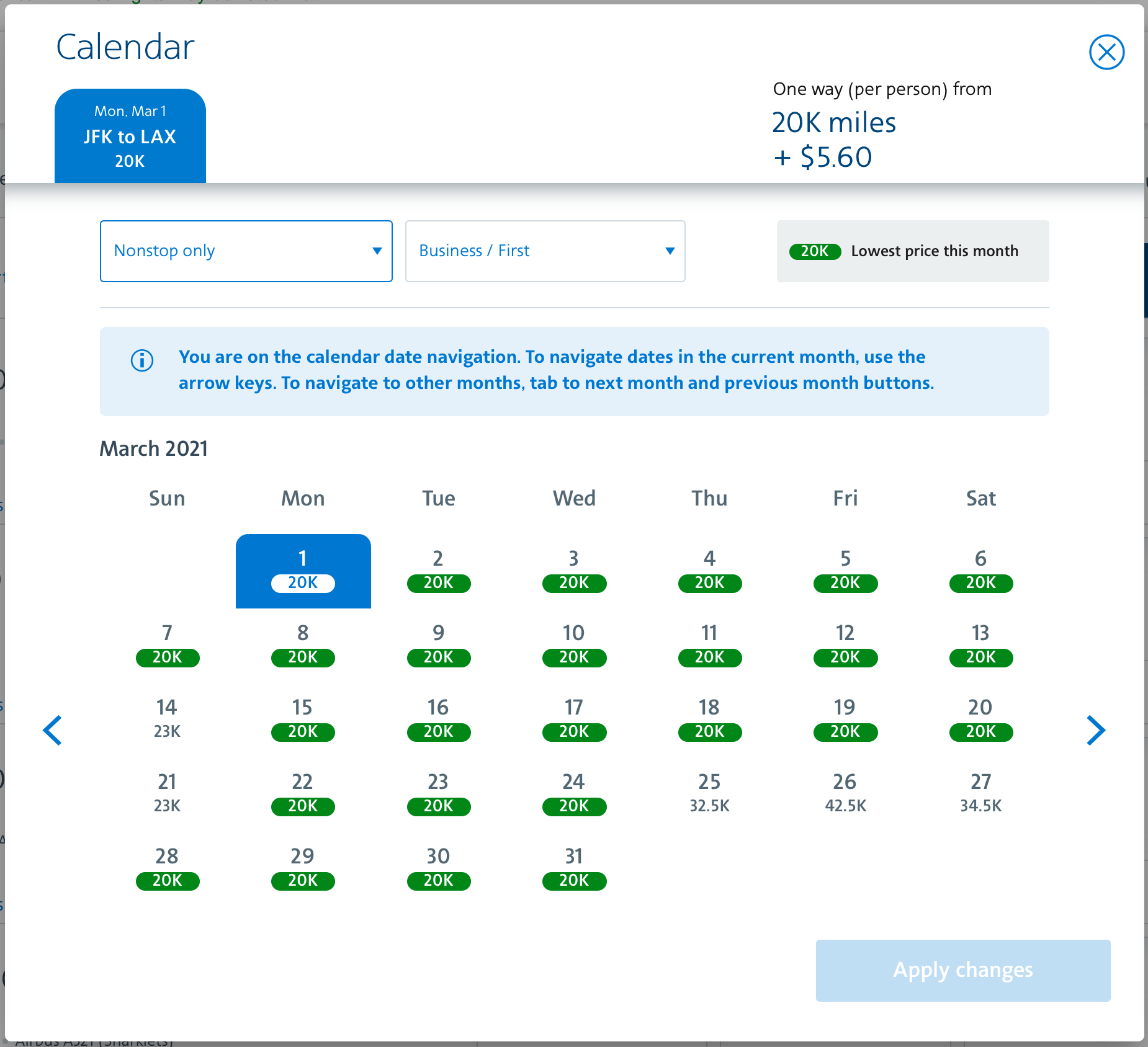
Just take New York-JFK to Los Angeles (LAX), for example. This is usualy one of the hardest award flights to book in business class on American Airlines. Nowadays, however, you can book the flight for 20,000 miles — the MileSAAver rate — almost any day in March 2021.
(Image courtesy of American Airlines)
Of course, a significant reason for so much open award space is the fact that travel demand is low (but slowly recovering) due to the pandemic. According to some sources, travel demand isn't expected to return to 2019 levels until 2024. This means we'll likely see huge gluts of open award space for years to come.
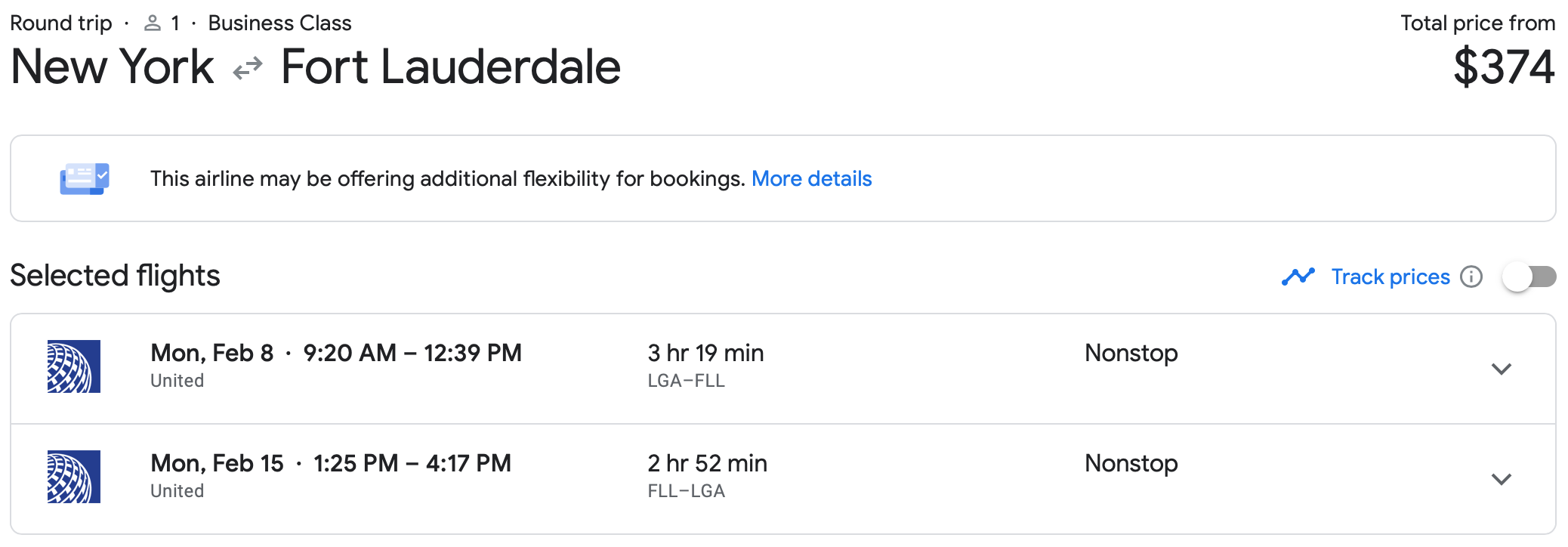
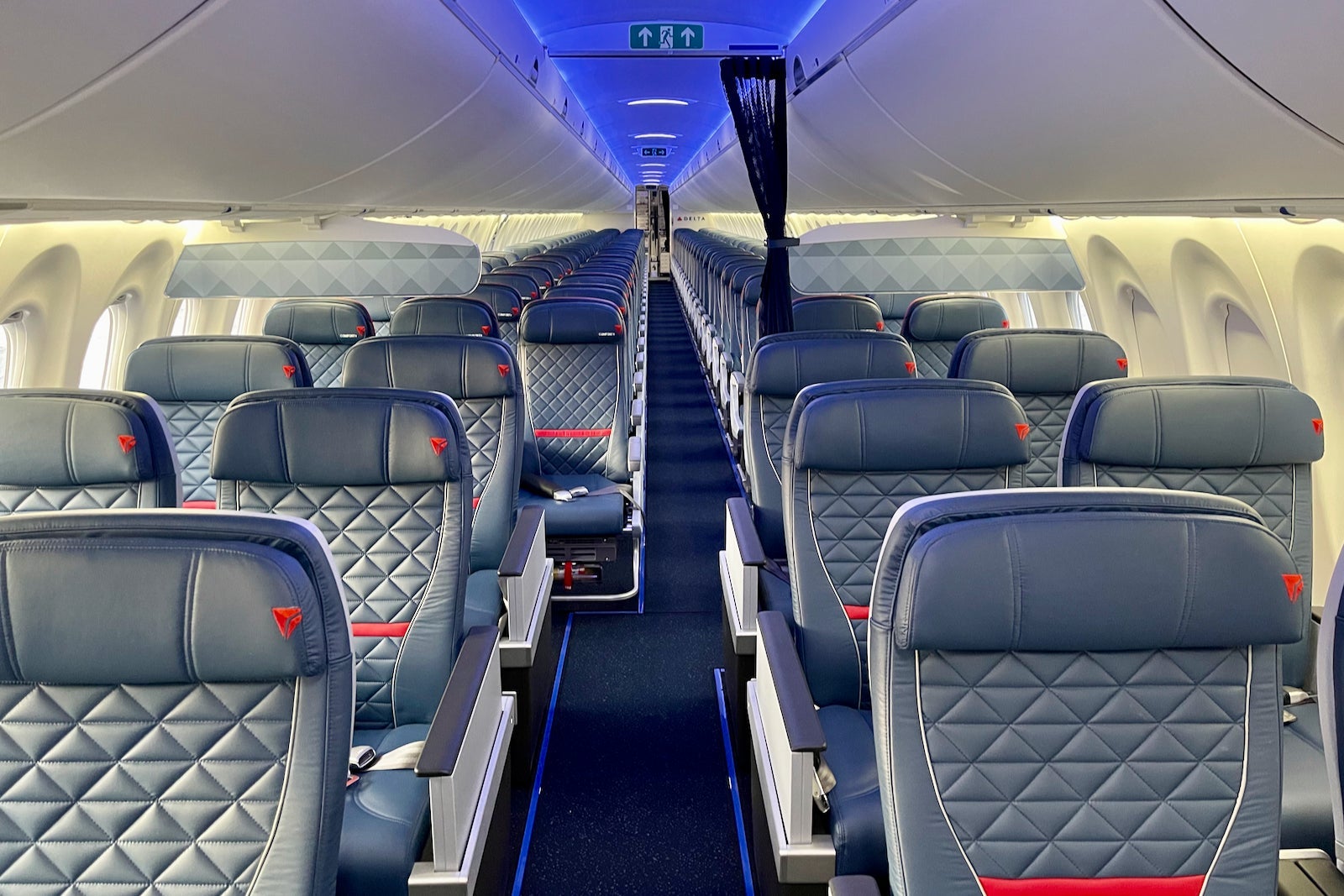
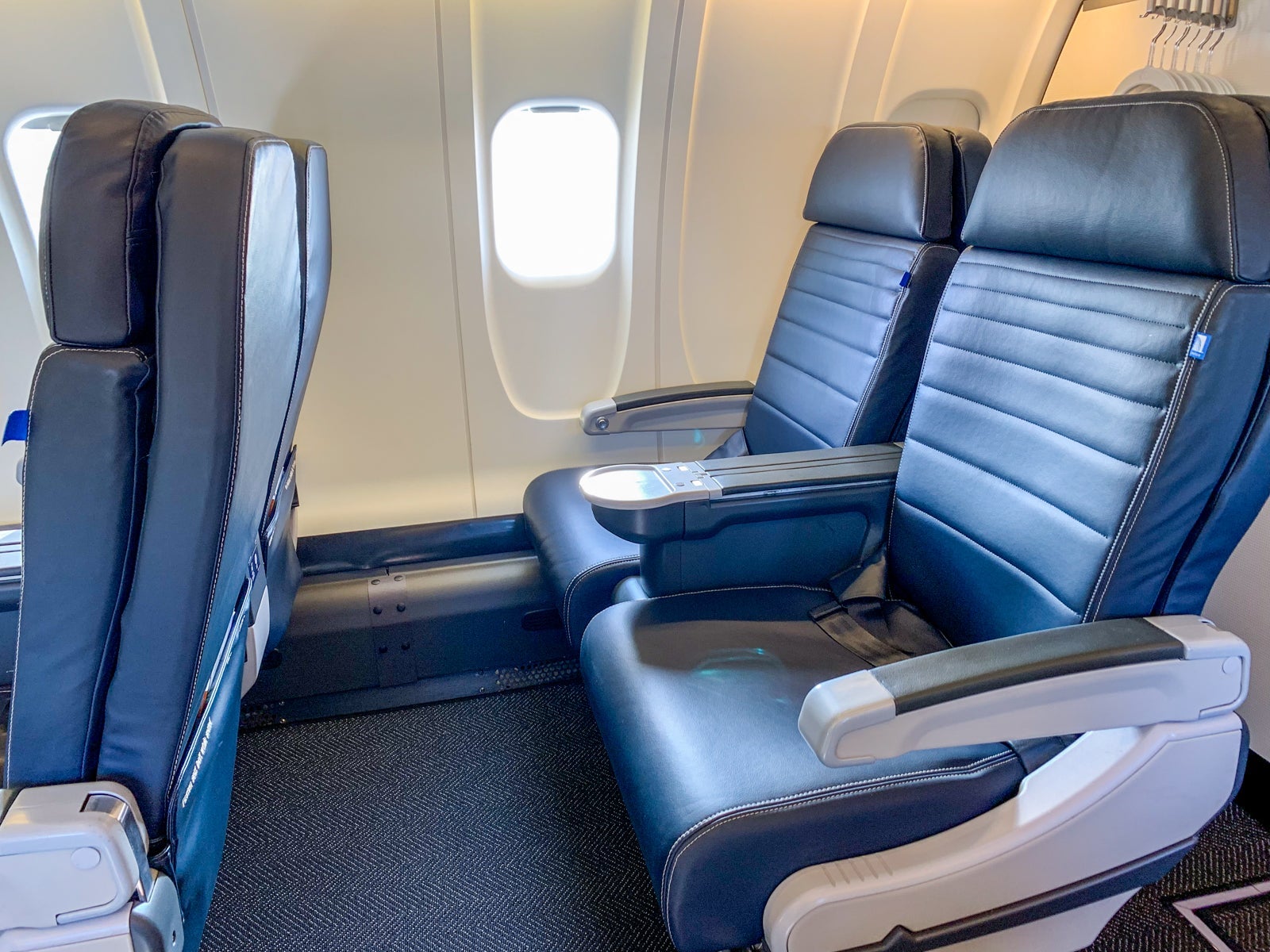
On top of this, premium cabin flights are cheap too. If you really want to fly New York (LGA) to Fort Lauderdale (FLL) in domestic first class, you can hop on United's new nonstop flight for just $374 when booking a couple of months in advance.
Sure, it's still more expensive than economy, but it's 35% cheaper than flying Delta (who charged $584), and you don't need to hope for your upgrade to clear like if you booked United economy.
(Image courtesy of Google Flights)
Long story short: if you solely chase elite status for upgrades, you may be better off just booking yourself in premium cabins in the first place.
Even with all of those thoughts in mind, I'm still leaning towards airline loyalty — to an extent — in 2021.
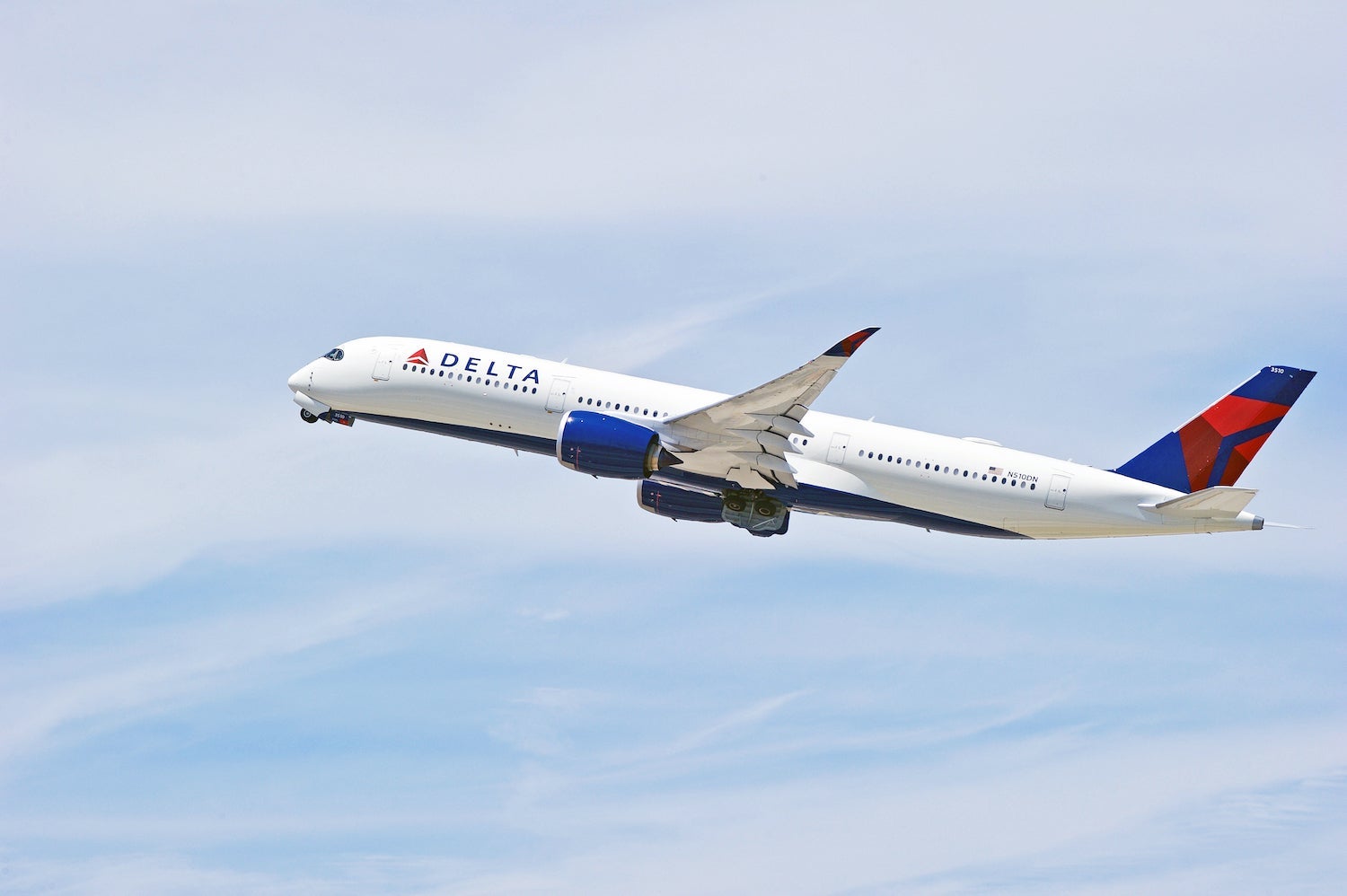
These days, my airline of choice is Delta. It consistently offers the best domestic flight experience despite SkyMiles being further devalued with every waking moment. For this reason, I plan to continue to fly Delta and chase elite status with my Delta credit card, but only when it makes sense to do so — here's why.
My credit card offers a fast-track to elite status
Airline cobranded credit cards are more valuable than ever for elite status qualification. (Photo by Wyatt Smith/The Points Guy)
Airline cobranded credit cards have done a lot to stay relevant during the pandemic.
My cobranded credit card of choice — the Delta SkyMiles® Reserve American Express Card — offered several promotions throughout the year. First, we saw bonus points on grocery purchases at U.S. supermarkets and more recently started offering 500 bonus redeemable and Medallion® Qualifying Miles (MQM) for every $1,000 spent on the card.
The intent here is to keep consumers spending on their airline cobranded credit cards even when they're not traveling. As a result, airline loyalists can use this to their advantage to qualify for or upgrade their elite status tiers.
This is a huge draw to staying loyal to a single airline in 2020, and I've personally used my Delta card to earn a ton of MQM throughout the year by paying my rent and car insurance with the card. This is getting me closer to my goal of Delta Medallion Gold by the end of the year.
These great promotions will likely stick around through 2021 as well. For example, Delta already announced extra MQM on its premium credit cards when you hit specific spend tiers. This makes loyalty more enticing since you can earn elite status from the comfort of your own home.
Speaking of Delta, the airline is rolling over all MQM earned in 2020 and 2021. This includes MQM earned by flying or with cobranded credit cards, making those spending promotions even more valuable.
I'll have just over 50,000 MQM in my Delta account by the end of the year. This means that I'll start next year with the same amount in my account and have a huge head start toward my ultimate goal of Delta Platinum Medallion (at 75,000 MQM) or higher.
This has incentivized me to spend on my Delta Reserve card year-round, even though I'm not a huge fan of SkyMiles. Likewise, I've specially booked the bulk of my domestic travel this year on Delta so that I have a headstart on next year's status qualification. Yep, Delta's marketing is clearly working on me.
Other airlines are lowering elite status requirements
Even if you're loyal to another airline, there's a good chance it'll be easier for you to earn elite status next year. American, United and others have lowered their elite status requirements in 2021 to encourage more travel in lieu of rolling over qualifying miles.
For example, United shaved roughly 25% off elite status requirements. You'll only need 3,750 PQP to qualify for Premier 1K status next year. Even better, existing elites will earn a 100% PQP bonus on their first three flights flown between Jan. 1 and Mar. 31, 2021.
American also cut elite status requirements across the board, with top-tier status only requiring 80,000 Elite Qualifying Miles (EQM) and $12,000 Elite Qualifying Dollars (EQD) next year.
Again, this may incentivize you to stay loyal to your preferred airline. You can earn elite status when traveling less — a huge win for casual travelers who may not normally qualify for status.
This gives me a great opportunity to pay cash for my domestic travel without breaking the bank. Plus, I can use my elite status benefits on these flights, giving me a great shot at upgrades and other perks.
I take lots of domestic even during normal travel years too. This is mostly made up of frequent trips between my home in New York City and my hometown of Chicago. I fly this route once every other month and benefit from elite perks — especially preferred seating.
Another thing to note: redeeming points for domestic flights isn't usually a great deal unless you're strategically using them to book last-minute tickets or flying on high-demand days. So if you can find a deal — which isn't hard these days — domestic flying can be an excellent way to qualify for and use elite status.
In a normal year, these statuses don't mean much beyond preferred seating and an upgrade once in a blue moon. But this year is far from normal, and so is my upgrade frequency.
I've scored upgrades on almost all of my travel this year — even on traditionally difficult flights.
For example, I've had upgrades clear on Chicago-O'Hare (ORD) to New York (LGA) and Miami (MIA) to New York-JFK as a Delta Silver. I also scored an upgrade on Houston (IAH) to Newark (EWR) — a popular hub-to-hub route — on United. All of these flights are usually business-heavy, so a low or mid-tier elite would be competing with heaps of top-tier elites on business trips in a normal year.
I expect to see this upgrade frequency for mid-tier elites through 2021 and through at least part of 2022. Leisure travel will recover faster than business travel this time around, and most leisure travelers book off price alone. So while I may not make Delta Diamond next year, hitting Platinum will be just as good for the immediate future when it comes to domestic upgrades.
This mixed with dirt-cheap airfare means I can have my Delta snack box while paying the bottled water and Biscoff cookie price. That said, I'd love to see real dining make a return to Delta First, but that's a discussion for another article.
One thing to note: I usually don't mind flying in economy on domestic flights. I generally fly short-haul routes and would never actually pay to be in a premium cabin on a domestic flight unless it was an excellent deal. That said, I see these upgrades as a "nice to have" and will fly with a single carrier in hopes of an upgrade if the economy price is right.
Staying loyal to an airline is both becoming harder and easier to justify.
On the one hand, airline miles are being devalued and premium airfare is cheap. This means you're effectively getting less value for your loyalty.
At the same time, though, recent promotions have made it easier to actually earn elite status. There are also fewer people flying, so you're more likely to be able to use your benefits when you're flying during the pandemic.
As discussed, I plan to stay loyal to Delta when it makes sense to do so. If I'm paying cash for a flight and Delta has comparable rates to the competition, I'll book it. If it's twice the price, I'll book with whoever's cheapest and most convenient for my travel plans.
I'll also continue to use my Delta Reserve card to generate MQM on my non-bonused spending like rent, car insurance and utility bills. At the same time, I'll use the card that earns the most points when buying groceries, ordering takeout or paying for a travel expense.
For rates and fees of the Amex Gold card, click here.
Feature photo by Andrew Balcombe/Shutterstock
Comments
By commenting, you agree to our Community Guidelines to help create a positive space for conversation. The responses below are not provided or commissioned by the bank advertiser, our partners, or The Points Guy (“TPG”). They have not been reviewed, approved, or otherwise endorsed by any of these parties. All responses are submitted by individual contributors, and neither the bank advertiser, our partners, nor TPG are responsible for ensuring that all posts and/or questions are answered.