AvGeek for beginners: How to tell Airbus A330s and A340s apart

The A330 is a workhorse of long-haul flying today. You'll likely encounter one someday in your travels. It's a widely flown wide-body twin-engine aircraft operated by the likes of Delta, Turkish and Air China.
The A340? She's a throwback to last century; indeed, you may never have seen the aircraft at the gate or at least, very rarely. Swiss Air and Lufthansa are two of the few big airlines still flying the giants.
The A340 was launched with Air France and Lufthansa in 1993, the A330 was launched in 1994. Only the A330 survives production to this day.
For the latest travel news, deals and points and miles tips, sign up for our daily newsletter.
Many of these planes are parked at the moment due to fall in demand from coronavirus. American Airlines, for example, initially parked its A330s and then in October, it said all its wide-body Airbus planes would be permanently retired.
Related: American's Boeing 767s, 757s among 80 planes that won't fly again after the pandemic
But there's still a lot of them around, so how can you tell these two aircraft apart?
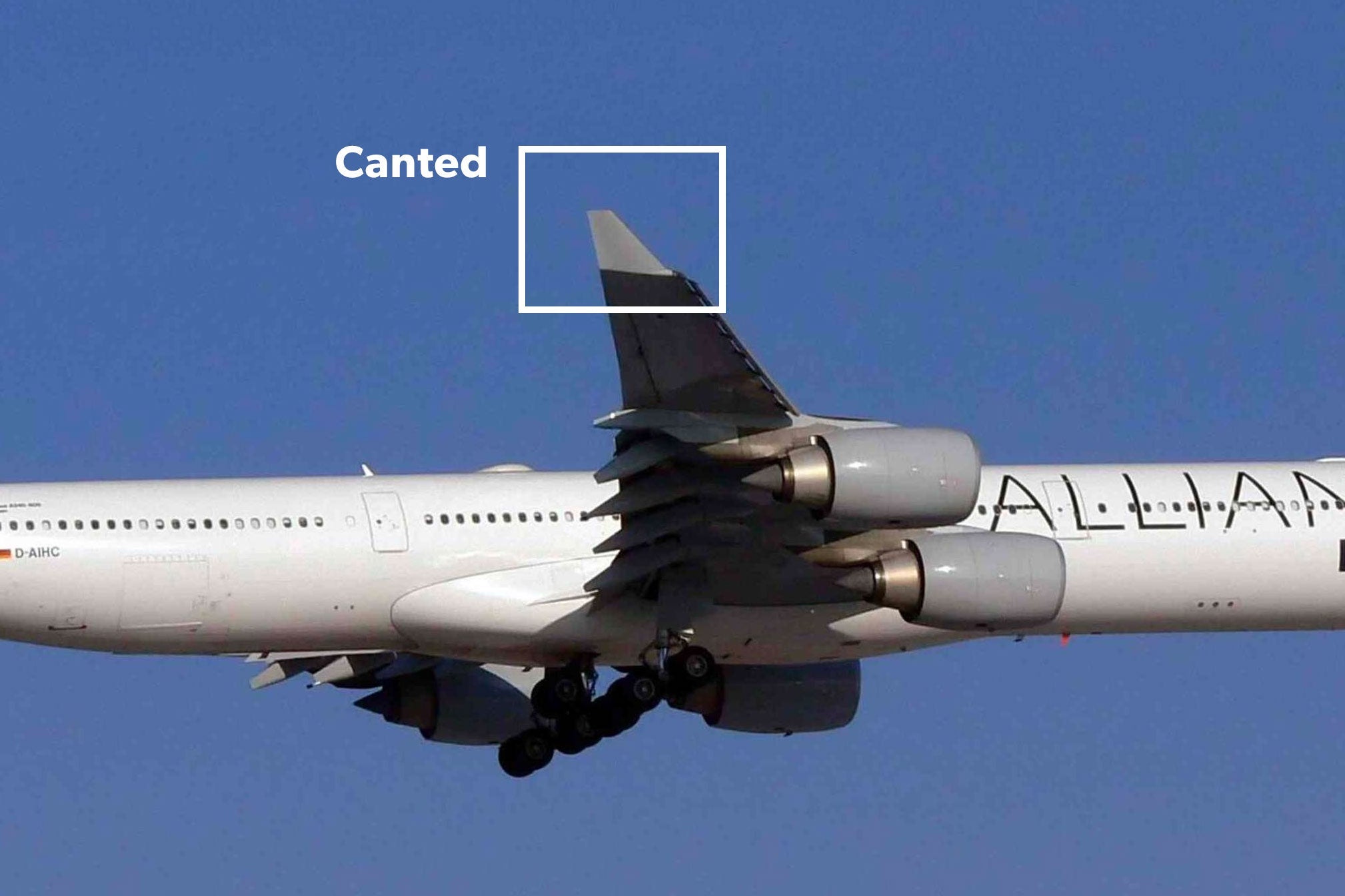
The A340 has four engines just like the Boeing 747 or the Airbus A380; the A330 has two. And for that reason alone, you're going to continue to spot A330 in the wild, but not the A340. Production of the A340 ceased in 2011. Operators such as Virgin Atlantic, Air France, SAS and South African Airways already have or will eventually phase out the aircraft in favor of sparkling new planes including the A330 and the A350.
Related: Virgin Atlantic delays retirement of its A340s again

The A330 variants, on the other hand, are back ordered.
The A330 comes in four variants where passengers are concerned:
- A330-200
- A330-300
- A330-800neo
- A330-900neo
A330-200 Versus A330-300
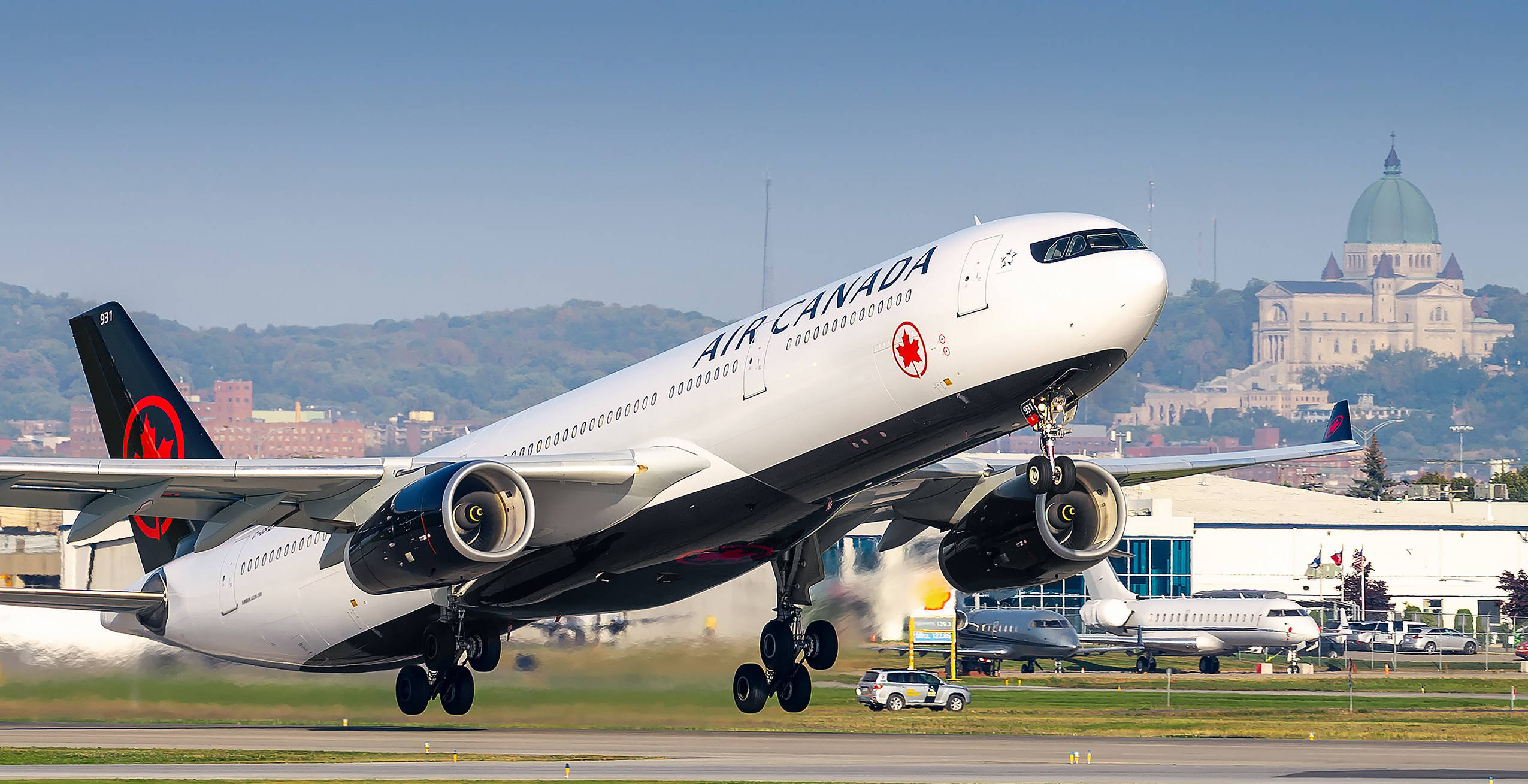
If you look very closely at the A330 models with canted wingtips (the 200 and 300), there are fewer windows between the emergency doors on the smaller A330-200 (12) versus around 17 on the A330-300. That, and the fact that the -300 has a taller tail and is longer are the only physical differences you'll be able to spot. The reason for the difference is simple: the A330-200 is a slightly shrunken version of the A330-300 that was released after the A330-300 — a common practice in aircraft manufacturing when sales taper off or airlines request modifications for their route map.
Related: Air Canada's first A330 with its new business class
A330 versus A330neo
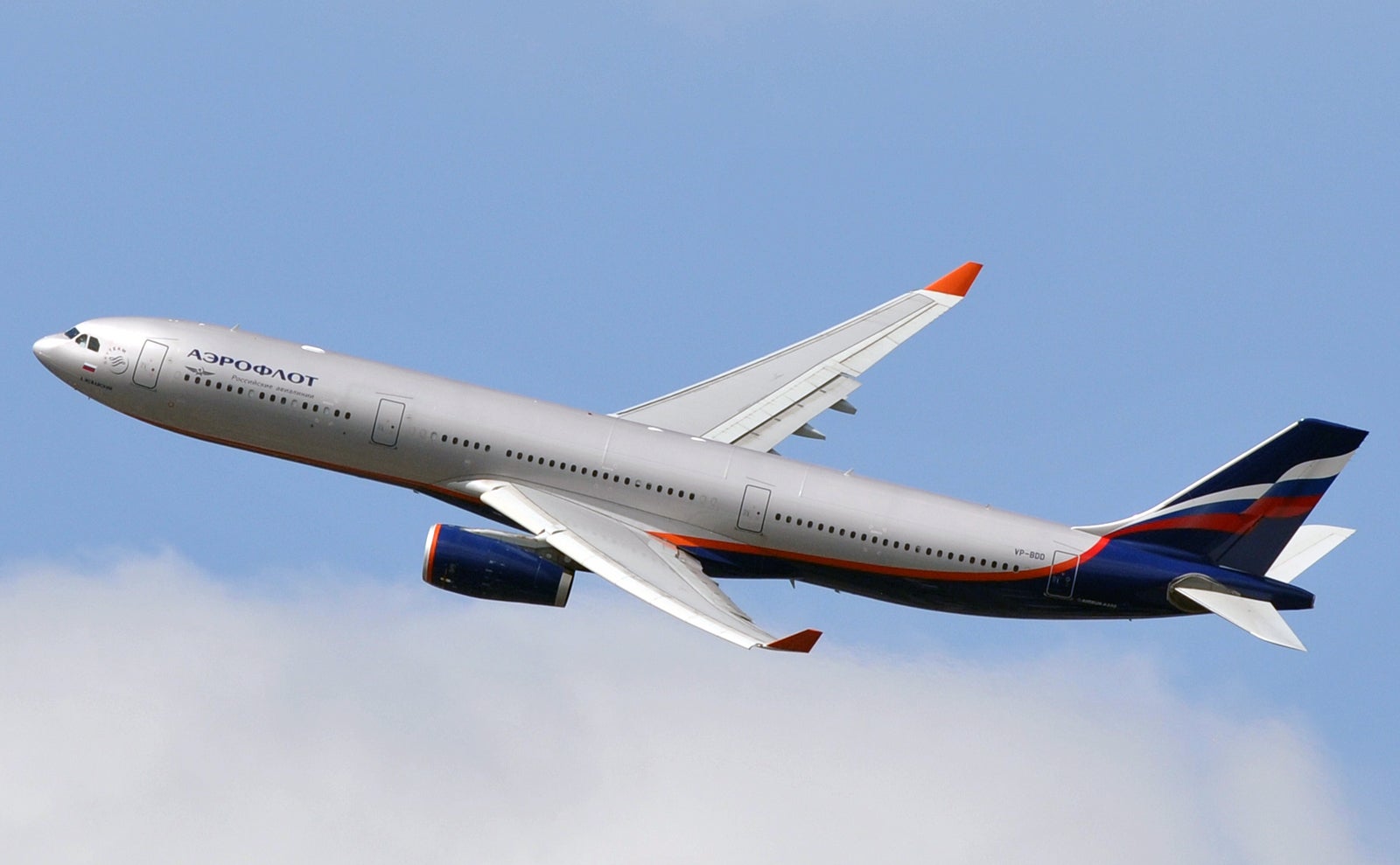
The A330-200 and -300 are distinguished from every other look-alike aircraft by their distinctive canted wingtips. You can spot these canted wingtips from a mile away.
But, that's not the case for the new versions of the A330. Newer models of the A330 — the neo — have a slight upwards curve to them but not canted wingtips. It is less pronounced and obvious that the A350 wingtips, almost a cross between the A350 and the Boeing 787's subtle upward curve.
Related: Review of Delta One on their brand new A330-900neo
Finally, and most interesting, are the distinctive raccoon eyes or bandit mask on the A330neo. Read more about the design of the raccoon eyes in our article on the differences between the Boeing 787 and the A350.
The A330 versus the Boeing 767
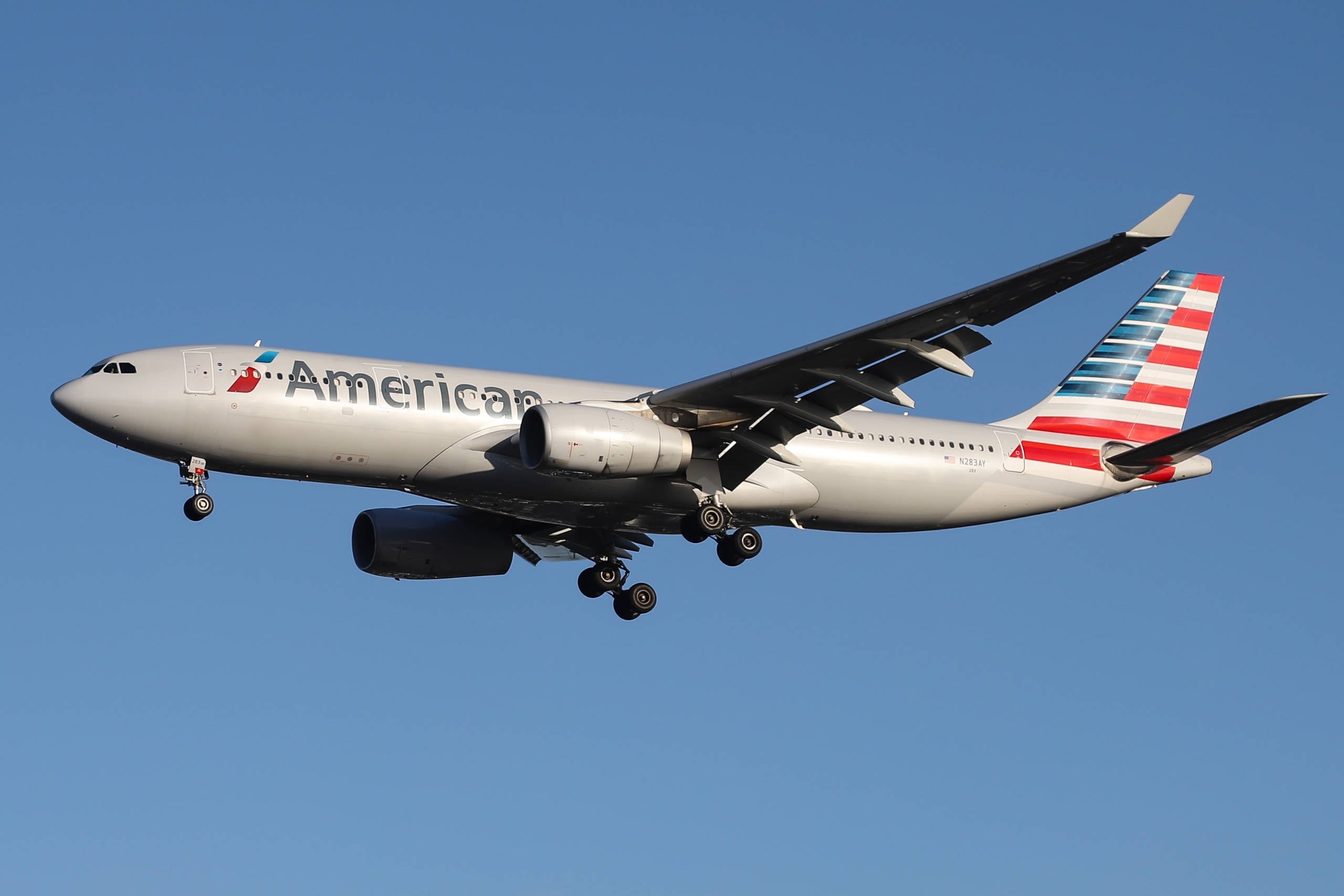
At a quick glance, the A330 and the Boeing 767 are similar in look. They're not quite as obvious as the Boeing 777s or A350, but they are larger than the A320 family or Boeing 737. Indeed, they each have a similar mission, being medium-haul widebodies. The easiest way to tell these planes apart other than the typical tell-tales of design is the canted winglets on the A330. The A330 also has a distinctive bulge under the fuselage near the main landing gear. And speaking of landing gear, if you're a close watcher, the A330 landing gear slope back (regardless of whether it's a new or older model).
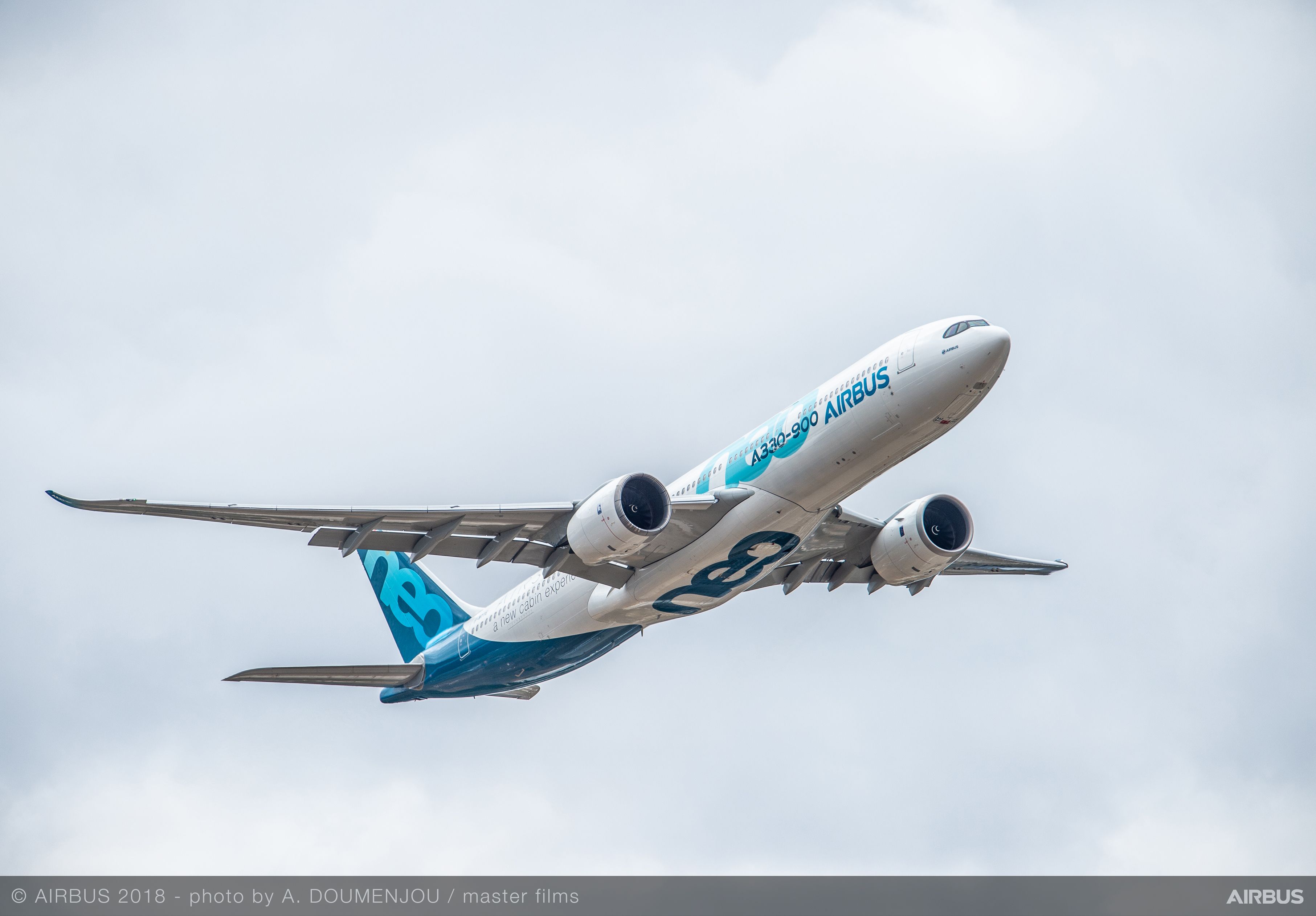
| A330 |
|
|---|---|
A330neo |
|
A340 |
|
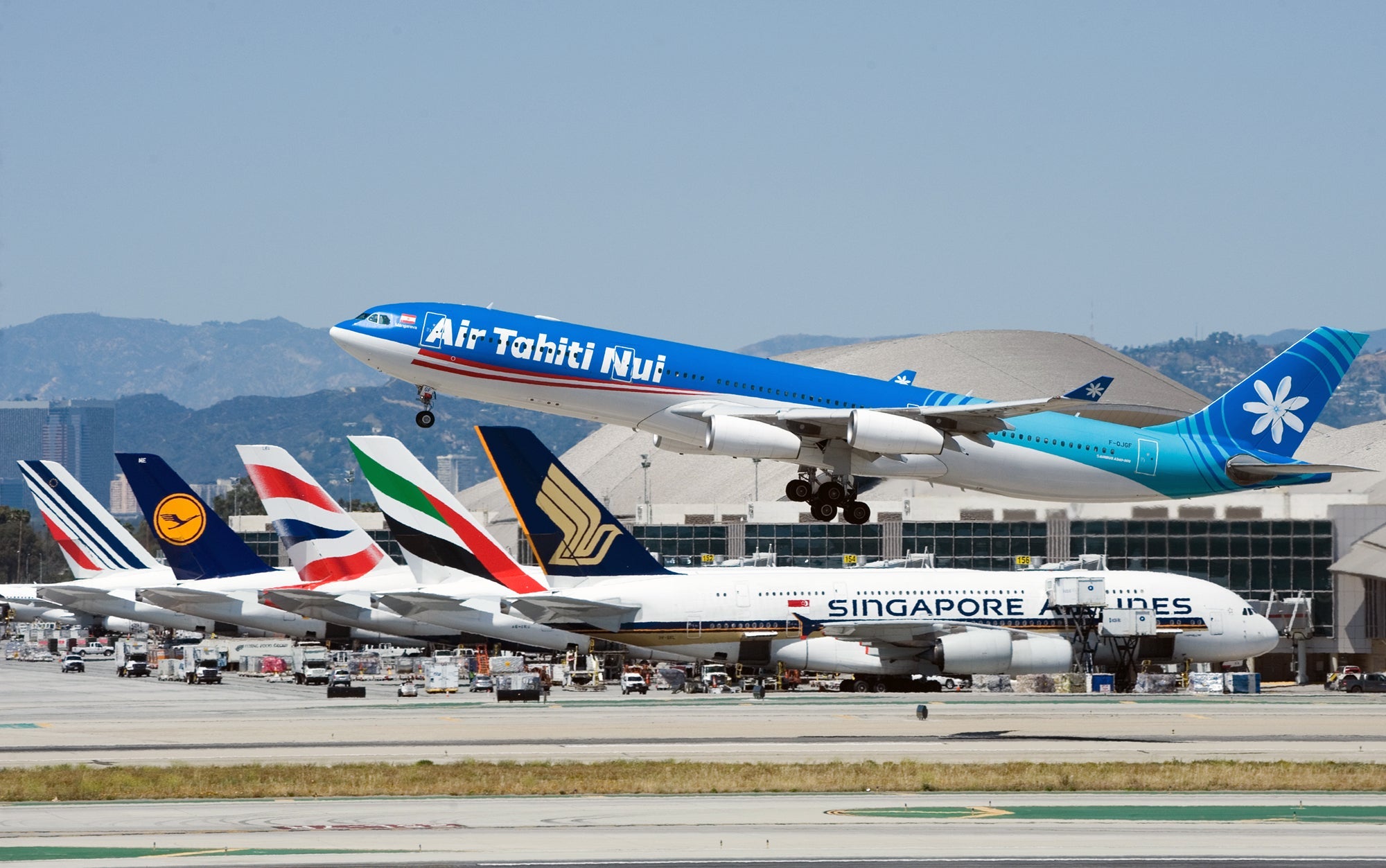
If you want more AvGeek coverage check out our other posts on identifying aircraft in the "wild": How to tell commercial aircraft apart, how to tell Boeing 757s, 767s and 777s apart, and how to tell Boeing 747s apart.
Additional reporting by Clint Henderson.
TPG featured card

at Capital One's secure site
Terms & restrictions apply. See rates & fees.
| 5X miles | Earn 5X miles on hotels, vacation rentals and rental cars booked through Capital One Travel |
| 2X miles | Earn unlimited 2X miles on every purchase, every day |
Pros
- Stellar welcome offer of 75,000 miles after spending $4,000 on purchases in the first three months from account opening. Plus, a $250 Capital One Travel credit to use in your first cardholder year upon account opening.
- You'll earn 2 miles per dollar on every purchase, which means you won't have to worry about memorizing bonus categories
- Rewards are versatile and can be redeemed for a statement credit or transferred to Capital One’s transfer partners
Cons
- Highest bonus-earning categories only on travel booked via Capital One Travel
- LIMITED-TIME OFFER: Enjoy $250 to use on Capital One Travel in your first cardholder year, plus earn 75,000 bonus miles once you spend $4,000 on purchases within the first 3 months from account opening - that’s equal to $1,000 in travel
- Earn unlimited 2X miles on every purchase, every day
- Earn 5X miles on hotels, vacation rentals and rental cars booked through Capital One Travel
- Miles won't expire for the life of the account and there's no limit to how many you can earn
- Receive up to a $120 credit for Global Entry or TSA PreCheck®
- Use your miles to get reimbursed for any travel purchase—or redeem by booking a trip through Capital One Travel
- Enjoy a $50 experience credit and other premium benefits with every hotel and vacation rental booked from the Lifestyle Collection
- Transfer your miles to your choice of 15+ travel loyalty programs
- Top rated mobile app