Hotel companies lured by lavish Saudi Arabia projects must find way to balance humanitarian promises

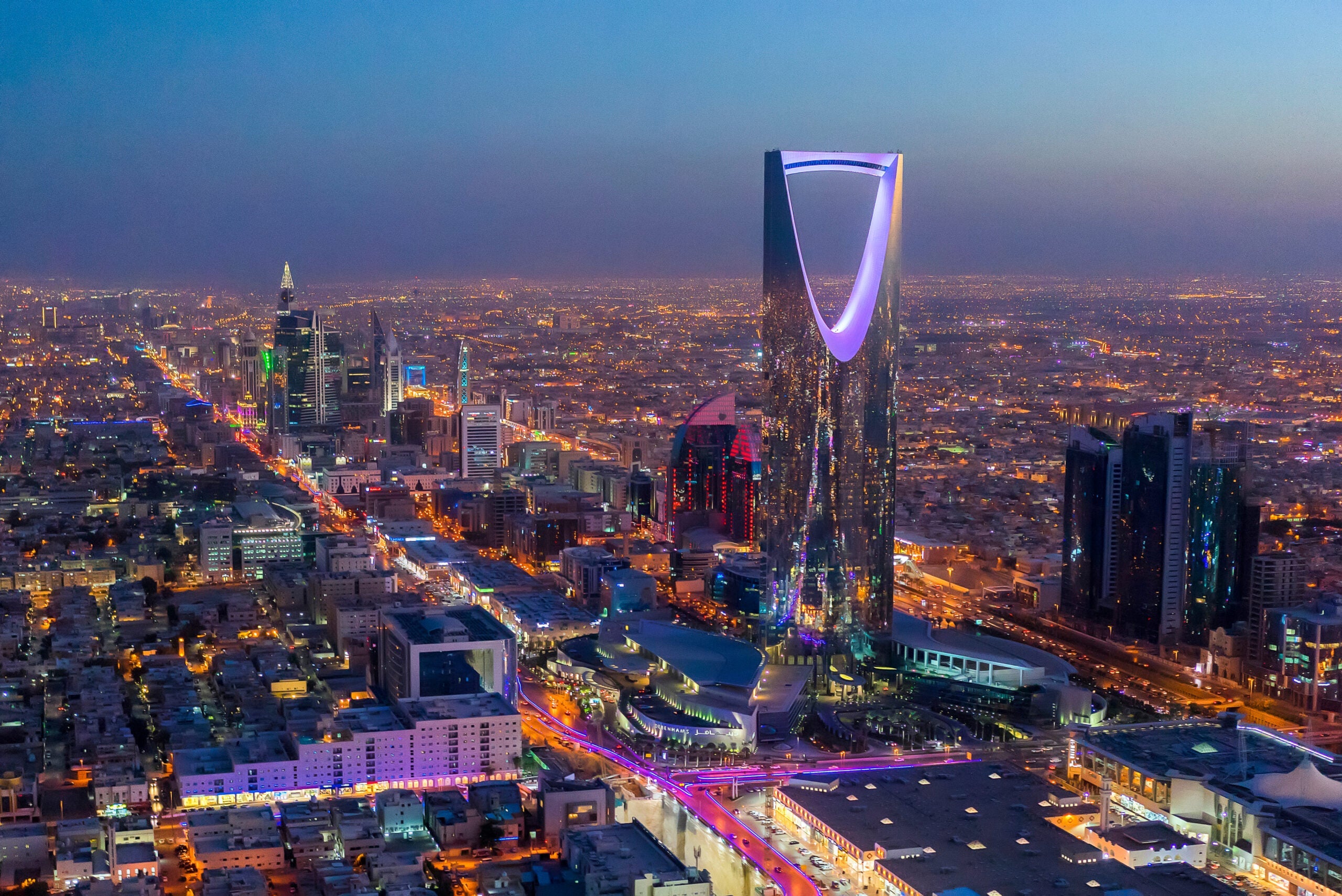
The world's largest hotel companies are pouring into Saudi Arabia with plans to introduce their many brands across the country.
The seismic expansion plans — which focus on the luxury market — arrive after the Saudi minister of tourism's pledge last year that the country would spend more than $1 trillion to boost its tourism appeal.
Hyatt announced earlier this month it would bring its Miraval wellness brand to Saudi Arabia with the 180-room Miraval The Red Sea — the brand's fourth resort and first location outside the U.S.
Marriott on Monday revealed it was bringing the Ritz-Carlton Reserve brand to the same Red Sea development where Hyatt is going. That broader development, dubbed The Red Sea Project, aims to create a new tourist hub in the region with luxury hotels as well as a new international airport.
Hilton reiterated last winter plans to grow its footprint in Saudi Arabia from 15 hotels to more than 75 with the introduction of new brands to the area like LXR Hotels & Resorts, Curio Collection, Canopy, and Embassy Suites.
"Saudi Arabia is serious about investing in tourism and infrastructure, and that certainly is driving the brands," said Nicolas Graf, associate dean at New York University's Jonathan M. Tisch Center of Hospitality. "They see the money. They see the new deals, and so they want to they want to put their flags there."
Human rights concerns
The accelerating brand expansion might seem a little at odds with the broader hotel industry's humanitarian-focused statements earlier this year when it came to the Russian invasion of Ukraine.
Major hotel companies like Hyatt, Hilton, Marriott International, IHG Hotels & Resorts, and Accor suspended investments and future openings in Russia following its invasion of Ukraine. Many closed corporate offices.
Hyatt regularly offers updates on how it is pulling back from its hotels in Russia by terminating contracts and suspending the provision of services. "We will continue to work to expand our humanitarian efforts across the Hyatt portfolio" is a line the company has included in four separate press releases since early March.

But Saudi Arabia isn't exactly known for its wide embrace of human rights.
The country's limited tourist appeal in the past stems from its prohibitive approach to women's rights as well as strict no-alcohol policy. Saudi Arabia is rated "not free" in the latest Freedom in the World 2022 index.
"The regime relies on extensive surveillance, the criminalization of dissent, appeals to sectarianism and ethnicity, and public spending supported by oil revenues to maintain power," Freedom House, the organization behind the index, noted in its report. "Women and religious minorities face extensive discrimination in law and in practice. Working conditions for the large expatriate labor force are often exploitative."
Relations between the U.S. and Saudi Arabia hit a low following the 2018 assassination and dismemberment of journalist Jamal Khashoggi. A 2021 U.S. intelligence report found Saudi Crown Prince Mohammed bin Salman approved an operation to "capture or kill" the Washington Post columnist in Turkey.
The U.S. then imposed sanctions and visa bans on several Saudi citizens but not on the prince, who spearheaded the Saudi Vision 2030 plan aimed at reducing the country's economic dependence on oil and more on other sectors like tourism.
Vision 2030 offers hotel companies quite a runway for financial growth, given the region is fertile soil for growing brands compared to the heavily developed U.S. hotel market.
Money (and a quick pandemic recovery) talks
The Middle East, led by Dubai and the United Arab Emirates, was one of the best-performing regions for publicly traded hotel companies in recent financial quarters.
Marriott groups the Middle East with Africa in its financial reporting, and the company reported hotel performance in the region was 12% higher than 2019 levels for the first three months of this year.
Leaders from Hilton and Accor each reported performance at their respective hotels in the region was 8% above 2019. The trio of companies saw similar outperformance over pre-pandemic times in the region in the fourth quarter of last year as well.
Two strong quarters isn't enough to make long-term business decisions. The Middle East can be volatile, but its general stance of being open for international arrivals has it in a better state of recovery than other areas with geopolitical tension like the Ukraine and Russia, or China with its strict lockdown measures.
A potential financial and tourism windfall in Saudi Arabia might lure hotel companies in, and facilitate their exit from areas where financial impact is limited.
Many of these companies noted revenue from hotels in Russia and Ukraine accounted for less than 1% of fees generated prior to the pandemic.
The Points Guy reached out to Marriott and Hyatt regarding their planned expansion into Saudi Arabia. Marriott did not respond in time for publication, and a Hyatt spokesperson indicated the company would only engage with questions via email.
"As more U.S. companies continue to grow in Saudi Arabia, Hyatt is dedicated to growing its brand portfolio in the Kingdom, and with that, offer local Saudi citizens the chance to grow within the hospitality industry," Ludwig Bouldoukian, Hyatt's regional vice president of development for the Middle East and Africa, said via email. "In regard to Miraval The Red Sea, this development will be located in The Red Sea Development Project, which is proposed to be a semi-autonomous area, or Special Economic Zone (SEZ), governed by laws on par with international standards. Miraval The Red Sea will proudly support a welcoming environment that thoughtfully abides with the local rules, regulations, and customs."
A balancing act
"When hotel companies talk about humanitarian issues that they're trying to solve at the local level and things like that, they're really serious about it," Graf said. "But at the same time, they have to show growth, and you don't have that many markets with [Saudi Arabia's] kind of growth potential right now."
Planned hotel development isn't just limited to major cities like Riyadh or Jeddah. The Kingdom of Saudi Arabia is pouring hundreds of billions of dollars to develop tourism hubs like Neom, an area north of the Red Sea, and Al-'Ula, a UNESCO World Heritage Site the Saudi government wants to be a hub for culture and nature.
Hyatt's Miraval The Red Sea development is slated for Shura Island, part of The Red Sea Project off the country's west coast that focuses on luxury and ecotourism. The project was first announced in 2017 as part of the Vision 2030 plan. Marriott's Ritz-Carlton Reserve project, slated to open next year, is also part of The Red Sea Project.
Whether it seems totally at odds with the industry's earlier pledges for humanitarian efforts just a few months ago, Hyatt's Bouldoukian defended the company's record on human rights: "Hyatt has a long-standing commitment to support and respect the fundamental protection of human rights for all people as embodied in the Universal Declaration of Human Rights. The Hyatt Human Rights Statement articulates our commitment to respect the rights of our colleagues, guests, and business partners, who we also expect to uphold the same principles."
"Hyatt continuously assesses evolving human rights issues that have the potential to intersect with our business," Bouldoukian continued. "We frequently collaborate with industry groups and experts to shape our knowledge and awareness of human rights. For example, Hyatt works in close partnership with the International Tourism Partnership (ITP) and is a leading member of the organization's Human Rights working group."
Human concerns in the region aren't limited to Saudi Arabia. Workers in Qatar complained of workplace abuse during the construction and preparatory time ahead the country hosting this year's World Cup. The hotel industry hasn't backed off wanting to develop there.
Graf notes major hotel companies aren't usually ones to steer clear of areas with disappointing human rights records.
"Businesses, unless they're really forced to [abandon development], they're going to continue to go where growth is," Graf said. "Frankly, there shouldn't be any hotel brand in Qatar, either, if they were serious about it, yet they're all fighting to get more hotels because of the World Cup."
TPG featured card

at Capital One's secure site
Terms & restrictions apply. See rates & fees.
| 5X miles | Earn 5X miles on hotels, vacation rentals and rental cars booked through Capital One Travel |
| 2X miles | Earn unlimited 2X miles on every purchase, every day |
Pros
- Stellar welcome offer of 75,000 miles after spending $4,000 on purchases in the first three months from account opening. Plus, a $250 Capital One Travel credit to use in your first cardholder year upon account opening.
- You'll earn 2 miles per dollar on every purchase, which means you won't have to worry about memorizing bonus categories
- Rewards are versatile and can be redeemed for a statement credit or transferred to Capital One’s transfer partners
Cons
- Highest bonus-earning categories only on travel booked via Capital One Travel
- LIMITED-TIME OFFER: Enjoy $250 to use on Capital One Travel in your first cardholder year, plus earn 75,000 bonus miles once you spend $4,000 on purchases within the first 3 months from account opening - that’s equal to $1,000 in travel
- Earn unlimited 2X miles on every purchase, every day
- Earn 5X miles on hotels, vacation rentals and rental cars booked through Capital One Travel
- Miles won't expire for the life of the account and there's no limit to how many you can earn
- Receive up to a $120 credit for Global Entry or TSA PreCheck®
- Use your miles to get reimbursed for any travel purchase—or redeem by booking a trip through Capital One Travel
- Enjoy a $50 experience credit and other premium benefits with every hotel and vacation rental booked from the Lifestyle Collection
- Transfer your miles to your choice of 15+ travel loyalty programs
- Top rated mobile app