The US hospitality workforce is back to pre-pandemic levels. That doesn’t mean a daily housekeeping renaissance

The U.S. hotel industry notched a big win in the latest jobs data: The American hospitality and leisure sector — which includes restaurants and hotels— is back to pre-coronavirus pandemic levels.
While that might be worth a celebration, it's worth noting the hotel experience for most U.S. travelers is forever changed by everything that happened over the last four years — and a bit before the pandemic, too.
Hospitality labor levels are back to where they were in February 2020, but there was a labor shortage happening long before the health crisis upended the world. It's just that hoteliers worldwide used the crisis as an opportunity to address the lack of workers and reshuffle everything from brand standards to amenities to better operate with shorter staffing levels.
Some of these changes have benefited hotel guests — who likes waiting in line for a room key anyway? But we mourn the loss of daily housekeeping during a stay at an affordable hotel.
Here are the biggest changes you'll notice on your next hotel stay.
Housekeeping
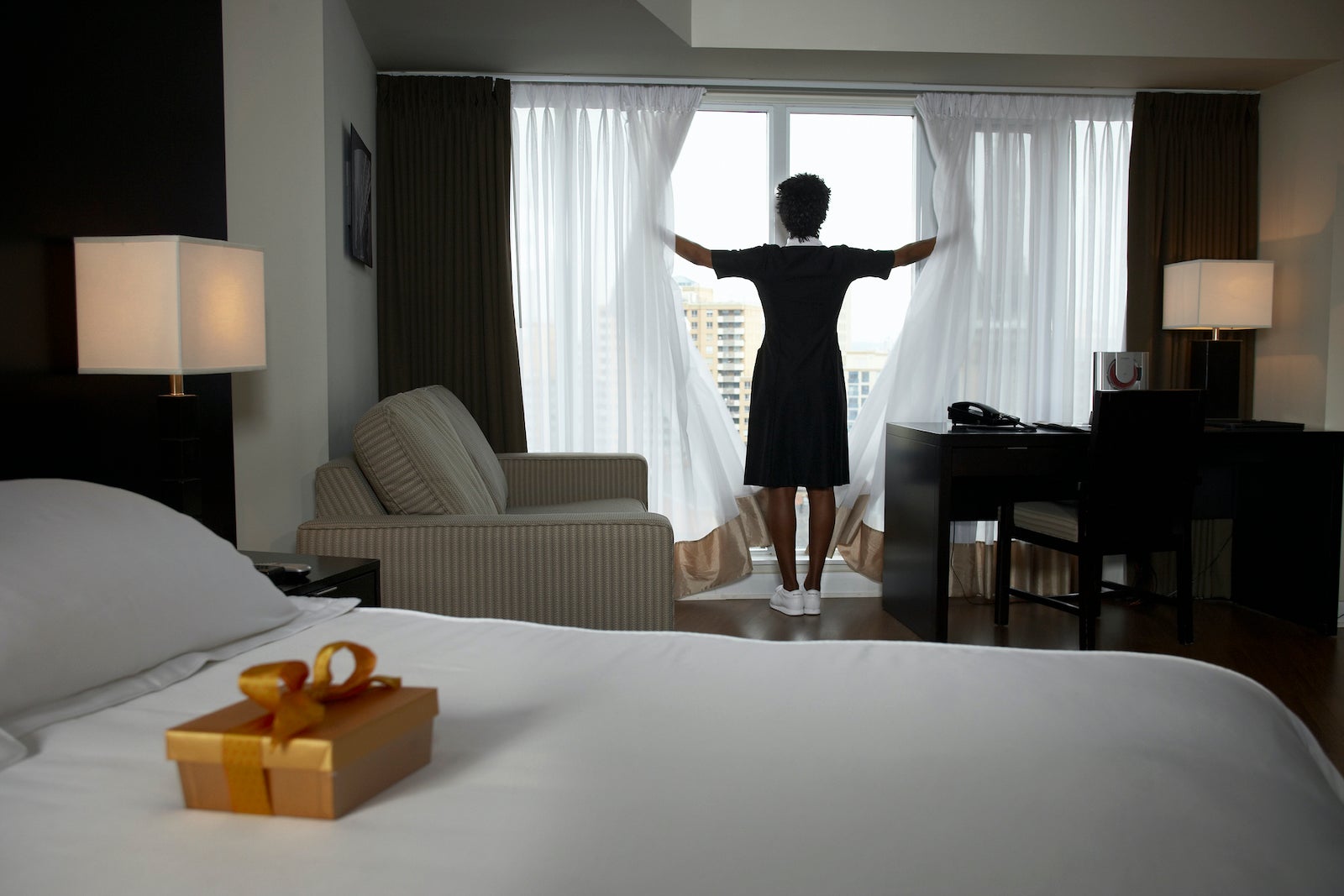
The most in-your-face change hotel guests likely notice during a stay is the varied practice of housekeeping. Many brands dropped daily housekeeping during the worst months of the pandemic. As the dust settled and travel demand returned, the practice of daily housekeeping largely remained unchanged, depending on the hotel.
Hilton initially returned from the worst months of the pandemic with an "opt-in" model for housekeeping at its non-luxury hotel brands in the U.S. The company changed the policy last fall, and now you can expect daily housekeeping at all of Hilton's luxury, full-service and lifestyle brands, plus Embassy Suites. Other Hilton brands get automatic housekeeping every other day during a stay.
Marriott's luxury and resort hotels all operate with full daily housekeeping services, while upper-upscale hotels — brands like Sheraton, Westin, Renaissance, Le Meridien and the Autograph Collection — get a daily service that tackles basic housekeeping tasks like making the bed, changing towels and emptying the trash. Guests at Marriott's select-service brands like Courtyard, Residence Inn and Moxy get this tidy service every other day during a stay.
IHG operates on a similar daily room refresh model as Marriott at its non-luxury brands. Hyatt's website notes that "housekeeping options vary by hotel."

"When we make these sort of operating protocol decisions, we are guided by both the evolving expectations of our guests and the economic realities of our owners and franchisees [and] weighing most of those sets of expectations and needs," Marriott CEO Anthony Capuano said on an investor call last year.
While no company is explicitly putting it in these terms, it is widely known across the industry that hotel owners still face staffing challenges that existed before the pandemic, no matter what the jobs data claims. The pandemic also fueled an exodus of workers to other industries that still hired at a time when many hotels were shuttered.
Cutting back on housekeeping services enables owners to get the most out of the limited number of housekeepers they may still have on staff.
Of course, that argument doesn't necessarily hold when all you want are fresh towels without having to dial down to the lobby.
Food and beverage
Labor shortages during the pandemic also fueled changes to how hotels handle dining options. Even select-service hotels require multiple staff members to handle a free breakfast bar, as some hotels will have various hot food items — as TPG's Tanner Saunders noted in his Battle of the Free Breakfast feature in 2022.
Grab-and-go options that guests can heat up and prepare themselves are increasingly offered at free hotel breakfast bars. This means hotel owners don't have to hire as many people to monitor the stations during the morning.
But it's more than free breakfast seeing a tweak in employee count. Many hotels are doing away with room service to encourage guests to utilize food delivery services like Uber Eats or Grubhub. Some hotels even have dedicated food delivery stations in the lobby for drivers to drop off for guests.
While this may have been spawned by the idea of doing more with fewer workers available to work in hotel restaurants, it can be a benefit for guests in that they have the option to order from a much wider array of dining options than would have been available in a hotel restaurant.
High-tech, low-touch offerings
No, the hotel front desk worker isn't going away, but the seismic push toward digital room keys and mobile check-in and checkout means there doesn't need to be so many people working the front desk.
Hilton led the charge with digital key technology and mobile check-in features, but Marriott has also made significant gains to where both offerings are the norm across the hotel giants.
While Hyatt and IHG don't offer as consistent an offering on mobile check-in and digital key tech, it's still clear that this is the direction the industry is heading.
Where it's business as usual
Some things will always be a mainstay at hotels. During our travels, the TPG hotel team noticed attempts to bring tech into areas like concierge services. That said, there's nothing like chatting with a concierge in person to get an expert's take on the local surroundings.
Further, the luxury and resort sector appears to be business as usual on everything from dining to housekeeping. You'll notice a similar status quo at hotels outside the U.S., particularly in Asia.
Times are changing for hotels, but you can still experience the "good ol' days" of hotel offerings if you know where to look — and if you're willing to pay more each night.
Related reading:
- Best hotel credit cards
- When is the best time to book a hotel? Experts weigh in — and debunk a few myths
- The best credit cards to reach elite status
- A comparison of luxury hotel programs from credit card issuers
- Which credit cards offer the most lucrative rewards for hotel stays?
- Best hotel rewards programs in the world: Which one is right for you?
TPG featured card

at Capital One's secure site
Terms & restrictions apply. See rates & fees.
| 5X miles | Earn 5X miles on hotels, vacation rentals and rental cars booked through Capital One Travel |
| 2X miles | Earn unlimited 2X miles on every purchase, every day |
Pros
- Stellar welcome offer of 75,000 miles after spending $4,000 on purchases in the first three months from account opening. Plus, a $250 Capital One Travel credit to use in your first cardholder year upon account opening.
- You'll earn 2 miles per dollar on every purchase, which means you won't have to worry about memorizing bonus categories
- Rewards are versatile and can be redeemed for a statement credit or transferred to Capital One’s transfer partners
Cons
- Highest bonus-earning categories only on travel booked via Capital One Travel
- LIMITED-TIME OFFER: Enjoy $250 to use on Capital One Travel in your first cardholder year, plus earn 75,000 bonus miles once you spend $4,000 on purchases within the first 3 months from account opening - that’s equal to $1,000 in travel
- Earn unlimited 2X miles on every purchase, every day
- Earn 5X miles on hotels, vacation rentals and rental cars booked through Capital One Travel
- Miles won't expire for the life of the account and there's no limit to how many you can earn
- Receive up to a $120 credit for Global Entry or TSA PreCheck®
- Use your miles to get reimbursed for any travel purchase—or redeem by booking a trip through Capital One Travel
- Enjoy a $50 experience credit and other premium benefits with every hotel and vacation rental booked from the Lifestyle Collection
- Transfer your miles to your choice of 15+ travel loyalty programs
- Top rated mobile app