Budget airline blockbuster? Frontier again explores merger with Spirit


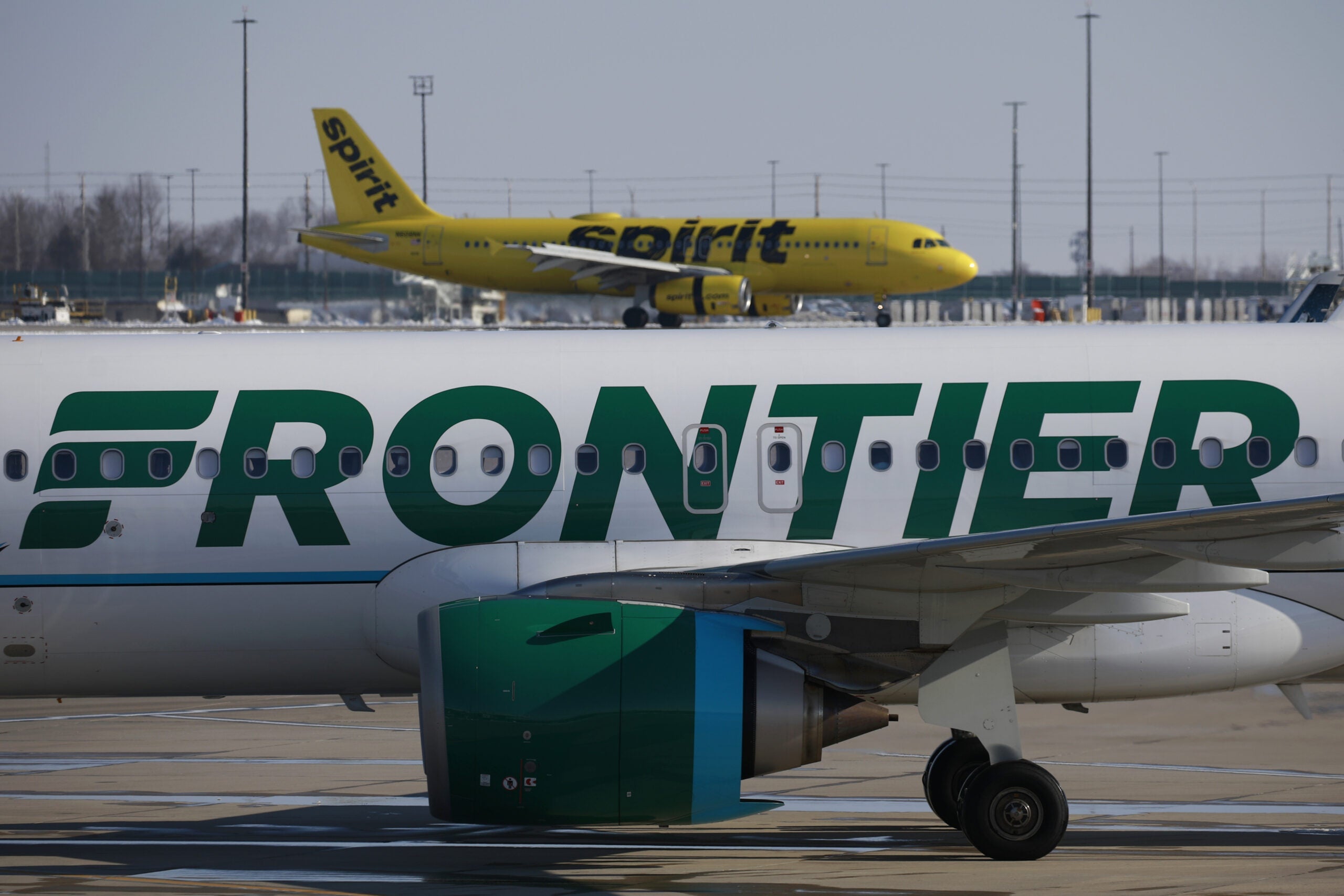
Frontier Airlines is again pursuing a merger with Spirit Airlines, the parent company for the Denver-based ultra-low-cost carrier said Wednesday.
In a statement, Frontier confirmed that it had made a "compelling proposal" to join forces with its top budget airline competitor. The proposal includes newly issued Frontier debt and common stock.
"As a combined airline, we would be positioned to offer more options and deeper savings, as well as an enhanced travel experience with more reliable service," Frontier CEO Barry Biffle said in a statement.
Spirit, however, which is currently undergoing a Chapter 11 bankruptcy restructuring, appeared to reject the offer.
TPG's picks: The most-exciting new airline routes for 2025
In a letter sent to Frontier on Tuesday, which was filed with the Security and Exchange Commission on Wednesday, Spirit CEO Ted Christie and chairman Mac Gardner said that the offer was "risky and costly" and "woefully insufficient financially." The proposal would require $350 million in equity from Spirit's bondholders.
"Should you wish to make a revised proposal that is in fact capable of closing, and addresses the material deficiencies catalogued here and in our many communications, we would be happy to consider it and again work to activate our stakeholders to do so as well," Christie and Gardner wrote.
Spirit said that it expects to exit bankruptcy this quarter, and had delayed its next court hearing in order to consider Frontier's proposal.
The news may sound familiar; that's because it's the second time that Frontier has attempted to merge with Spirit. The first effort, in 2022, ended after Spirit accepted a counteroffer from New York-based JetBlue.

Calling it: Breeze CEO predicts Frontier-Spirit merger
JetBlue's acquisition of Spirit, which would have seen JetBlue absorb the budget carrier and effectively double its size, was blocked early last year following an antitrust trial in federal court in late-2023. JetBlue had argued that the merger was the only way the airline could grow enough to compete effectively against the major U.S. airlines — American Airlines, Delta Air Lines, United Airlines and Southwest Airlines — that control about 80% of the country's air travel market.
JetBlue's 2022 offer involved a higher cash price for the airline, but skeptics pointed out that regulators were more likely to clear Spirit's merger with Frontier. That latter would created a mega-ultra-low-cost airline, whereas Spirit's acquisition by JetBlue would have involved the boutique JetBlue doubling its size and fully absorbing Spirit's brand under its own.
Still, the industry landscape has changed dramatically since the most recent merger attempts.
Spirit is currently in the midst of reorganizing as part of Chapter 11 bankruptcy proceedings, a situation that Spirit's legal team warned was possible during the JetBlue antitrust trial (but which executives downplayed once the merger was blocked). Now, a merger could be framed as part of the reorganization effort to save Spirit.
A play for premium: Frontier Airlines announces first-class seats, companion pass for high-level elite status
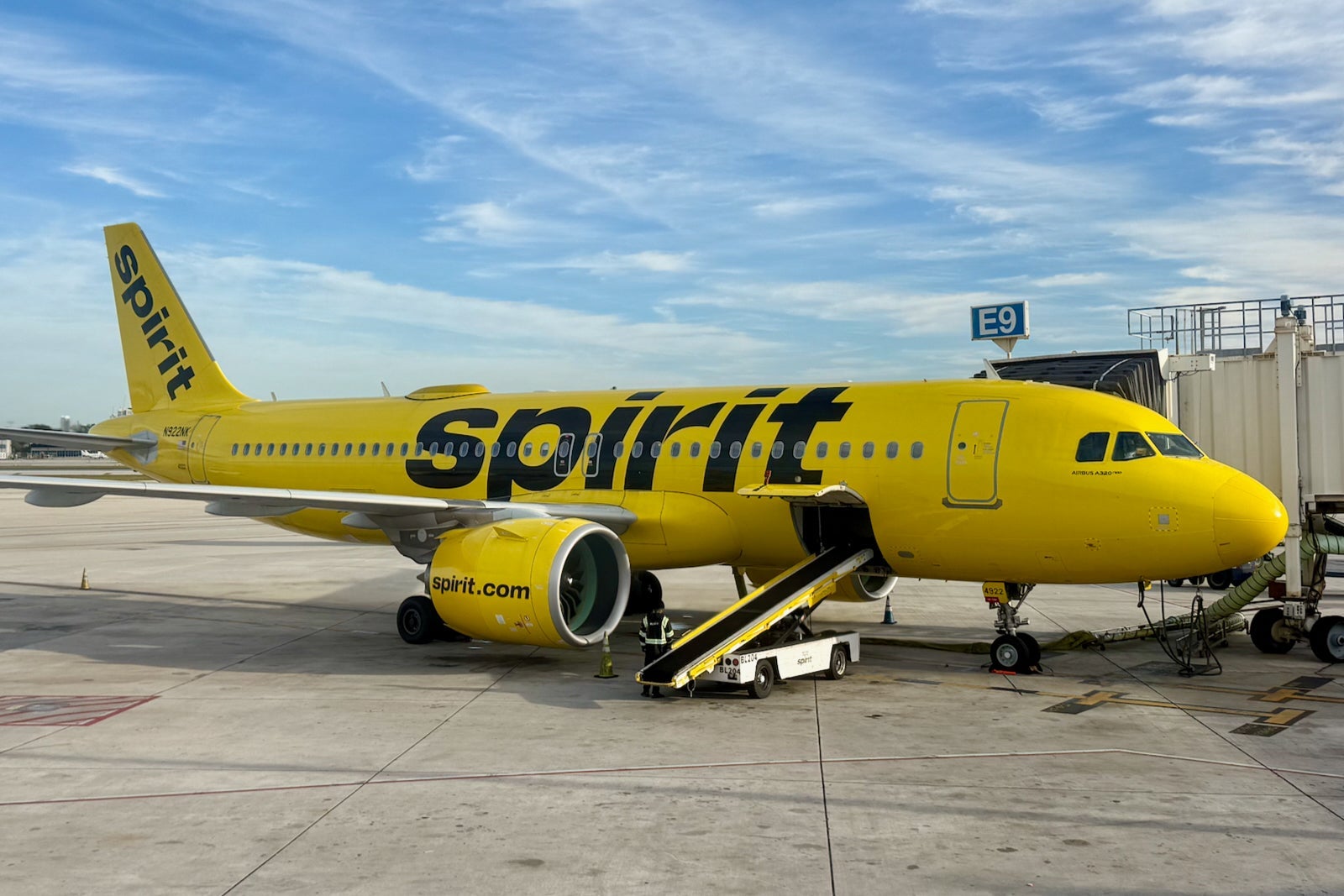
The regulatory environment has also changed significantly with the Trump administration, which is seen as friendlier to mergers and deregulation than the Biden administration was (although Biden's Department of Justice did approve the merger of Alaska Airlines and Hawaiian Airlines).
Both Frontier and Spirit have faced financial hurdles amid an industry landscape that's propelled the top network airlines (namely Delta Air Lines and United Airlines) to the highest profits in recent years.
But Spirit's headwinds have been more pronounced, owing to mounting debt and engine challenges affecting a large portion of its fleet.
The two airlines began discussing a possible merger again last summer, in the aftermath of the failed JetBlue takeover, before discontinuing talks, according to filings with the Security and Exchange Commission. The airlines reportedly reignited merger talks last fall, the Wall Street Journal said in October, just prior to Spirit's bankruptcy filing.
JetBlue did not immediately return TPG's request for comment.
Related reading:
TPG featured card

at Capital One's secure site
Terms & restrictions apply. See rates & fees.
| 5X miles | Earn 5X miles on hotels, vacation rentals and rental cars booked through Capital One Travel |
| 2X miles | Earn unlimited 2X miles on every purchase, every day |
Pros
- Stellar welcome offer of 75,000 miles after spending $4,000 on purchases in the first three months from account opening. Plus, a $250 Capital One Travel credit to use in your first cardholder year upon account opening.
- You'll earn 2 miles per dollar on every purchase, which means you won't have to worry about memorizing bonus categories
- Rewards are versatile and can be redeemed for a statement credit or transferred to Capital One’s transfer partners
Cons
- Highest bonus-earning categories only on travel booked via Capital One Travel
- LIMITED-TIME OFFER: Enjoy $250 to use on Capital One Travel in your first cardholder year, plus earn 75,000 bonus miles once you spend $4,000 on purchases within the first 3 months from account opening - that’s equal to $1,000 in travel
- Earn unlimited 2X miles on every purchase, every day
- Earn 5X miles on hotels, vacation rentals and rental cars booked through Capital One Travel
- Miles won't expire for the life of the account and there's no limit to how many you can earn
- Receive up to a $120 credit for Global Entry or TSA PreCheck®
- Use your miles to get reimbursed for any travel purchase—or redeem by booking a trip through Capital One Travel
- Enjoy a $50 experience credit and other premium benefits with every hotel and vacation rental booked from the Lifestyle Collection
- Transfer your miles to your choice of 15+ travel loyalty programs
- Top rated mobile app