Europe's new biometric border system is here — and it could slow you down at the airport

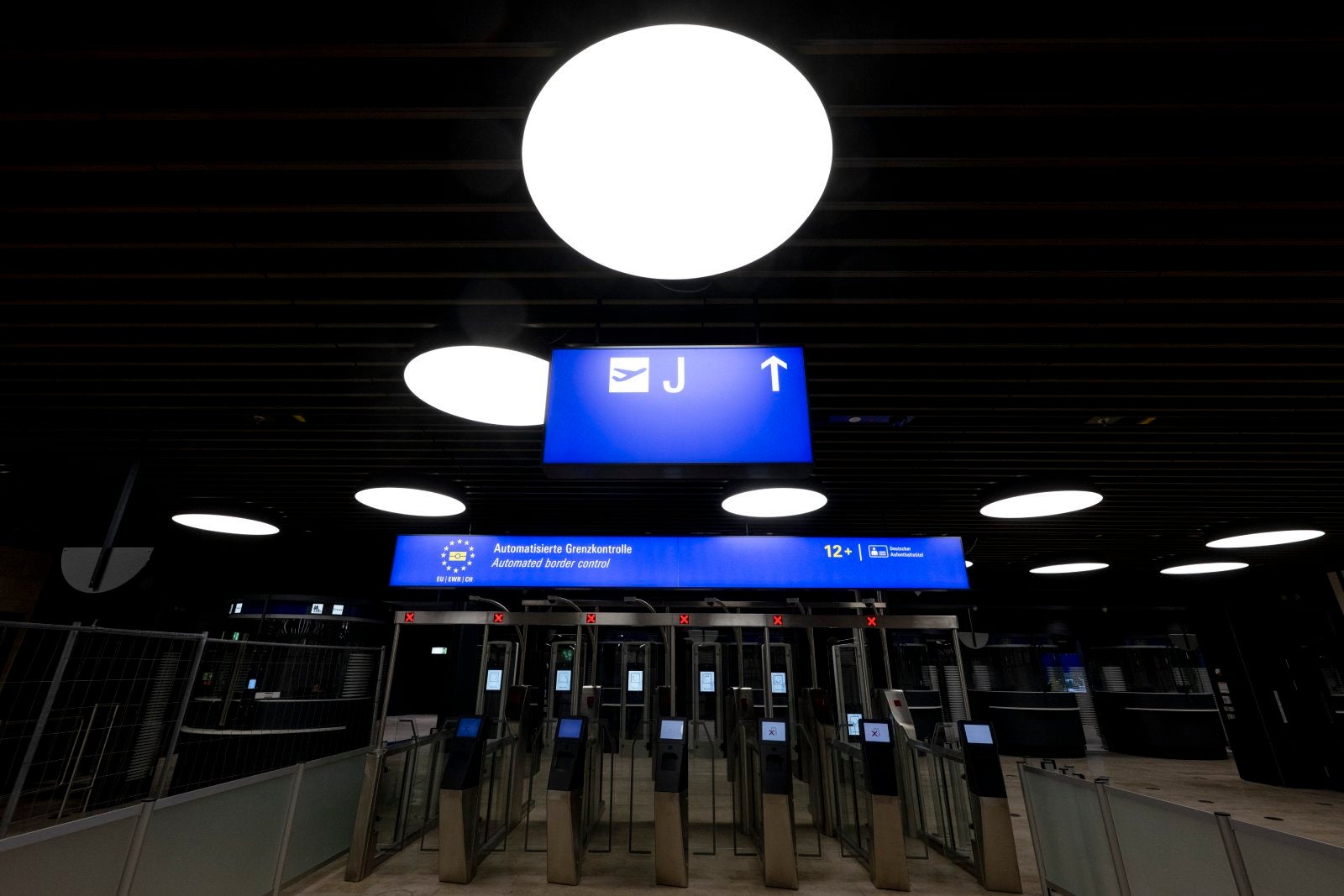
Following a six-month phased launch that began in October, Europe's new border control process is fully operational as of April 10. The new digital Entry/Exit System tracks the travels of non-European Union citizens, including Americans, to certain European countries using biometric data for stays of up to 90 days.
That means the next time you enter the EU, you'll no longer get a physical passport stamp. And while the system is designed to make border control more efficient, you may encounter longer airport lines this year as the EES experiences hiccups.
Here's what travelers need to know.
As of April 10, U.S. citizens and any other non-EU nationals will need to go through the EU's new EES when traveling to 29 European countries. "This applies to any visits lasting up to 90 days within a 180-day period," according to the U.S. Department of State.
U.S. citizens who hold dual citizenship with any EU member state or with any non-EU Schengen Area member (Iceland, Liechtenstein, Norway or Switzerland) do not need to use the EES.
How does the EES work?
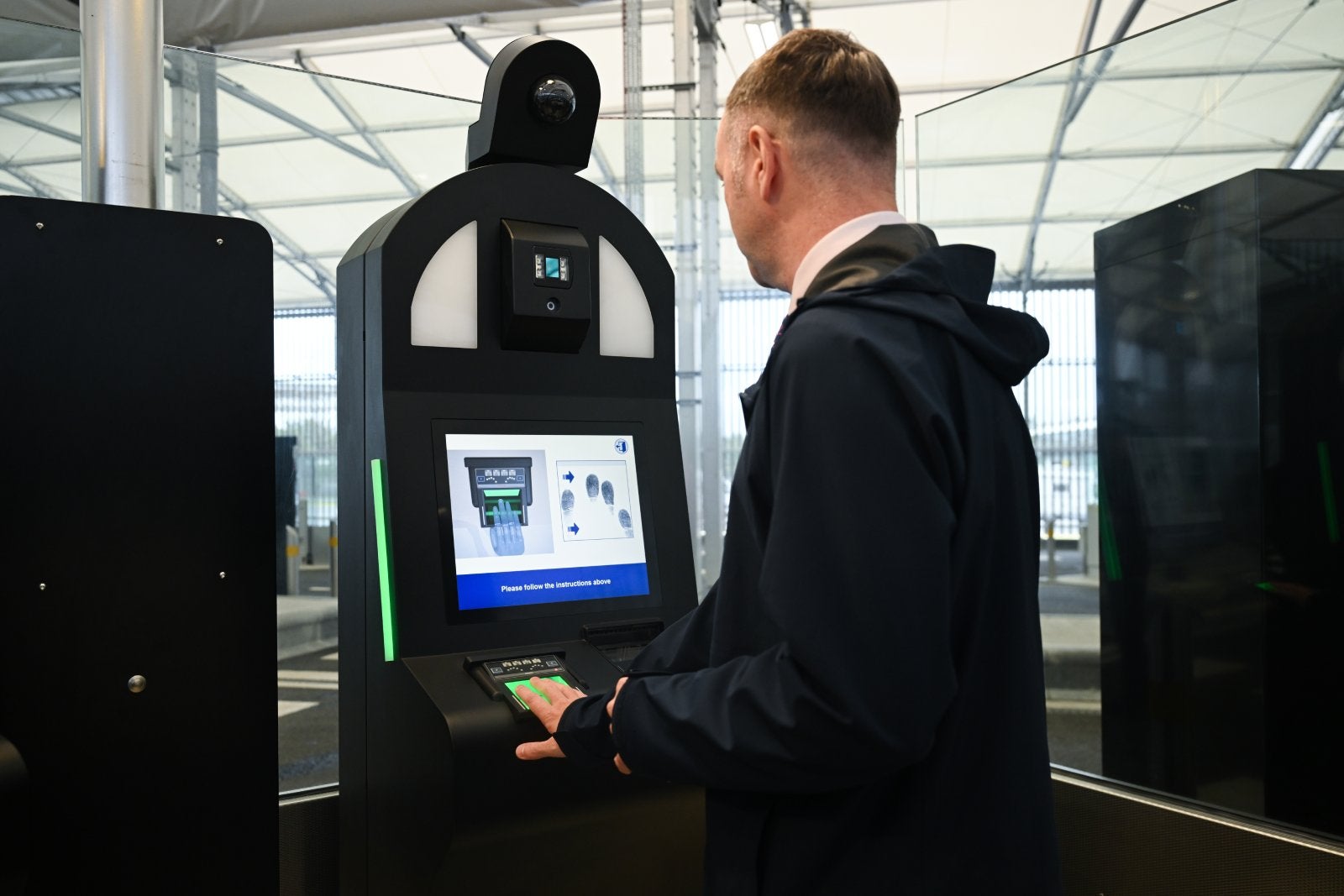
Passport control officers will collect fingerprints, passport details, a facial image, and entry and exit dates from first-time users of the EES upon arrival; the information will be stored digitally. As the EES is mandatory, those who refuse to have their biometric data collected will be denied entry.
"Currently, the fingerprints of children below 12 years old are not scanned, even if they are subject to the EES," according to the official website of the EU.
Once the system stores your data, your image and fingerprints will only need to be verified by passport control officers upon departure and at any subsequent reentries. Travelers holding biometric passports (ones containing an electronic chip marked by a gold camera logo on the front) will also be able to use self-service systems if available at the border crossing.
While this should eventually speed up the immigration process, travelers should expect longer lines in the near future. For example, during the rollout period, TPG's Katie Genter experienced massive immigration lines at several European airports upon both entry and departure — and she nearly missed a transatlantic flight because of it.

As European countries work out bugs in the new system, Katie recommends selecting a seat near the front of the plane to be one of the first passengers to reach the immigration checkpoint upon arrival. On the day you're departing, arrive at the airport earlier than usual to give yourself time for the longer-than-usual exit immigration lines.
What countries are using the EES?
The 29 European countries using the EES are:
- Austria
- Belgium
- Bulgaria
- Croatia
- Czech Republic
- Denmark
- Estonia
- Finland
- France
- Germany
- Greece
- Hungary
- Iceland
- Italy
- Latvia
- Liechtenstein
- Lithuania
- Luxembourg
- Malta
- Netherlands
- Norway
- Poland
- Portugal
- Romania
- Slovakia
- Slovenia
- Spain
- Sweden
- Switzerland
While Cyprus and Ireland are both part of the EU, these countries will continue to stamp passports manually.
Can you preregister for the EES?
No advance action is required to use the EES. However, travelers to a handful of countries can use the Travel to Europe mobile app to preregister their passport data and facial images, and they can fill out the entry questionnaire up to 72 hours before arrival to speed up the border process.
Currently, visitors to Sweden can use the app to upload their passport data, facial image and entry questionnaire, while those arriving in Portugal can use the app to fill out the entry questionnaire in advance.
You can download the app from the App Store or Google Play.
Bottom line
By storing travelers' biometric data, Europe's EES will eliminate the need for physical passport stamps and eventually speed up border control. For now, as the system works out its kinks, travelers should be prepared to wait in long lines upon arrival and departure from Europe.
The EES is free to use, but starting in late 2026, Europe will also require a travel authorization for U.S. citizens entering the EU. The European Travel Information and Authorisation System will cost 20 euros (about $23).
Related reading: