
While the carrier’s initial A321neo launch strategy is focused on Boston, the airline just filed some noteworthy plans for the new jet: it’ll soon start flying to Hawaii.
Specifically, the airline will deploy the Airbus A321neo once daily between Seattle (SEA) and Kahului/Maui (OGG) from Sept. 6 to Oct. 5, as first seen in Cirium schedules and later confirmed by the airline.
Though the month-long window falls during shoulder season for Hawaii travel, sending the jet to the Aloha State is big news for Delta and its fleet deployment strategy. (It's possible that the window gets extended depending on the A321neo delivery schedule.)
To date, the airline has exclusively based the plane in the competitive Boston market. Delta hopes to use the A321neo’s upgraded onboard experience to convince flyers to choose the airline.
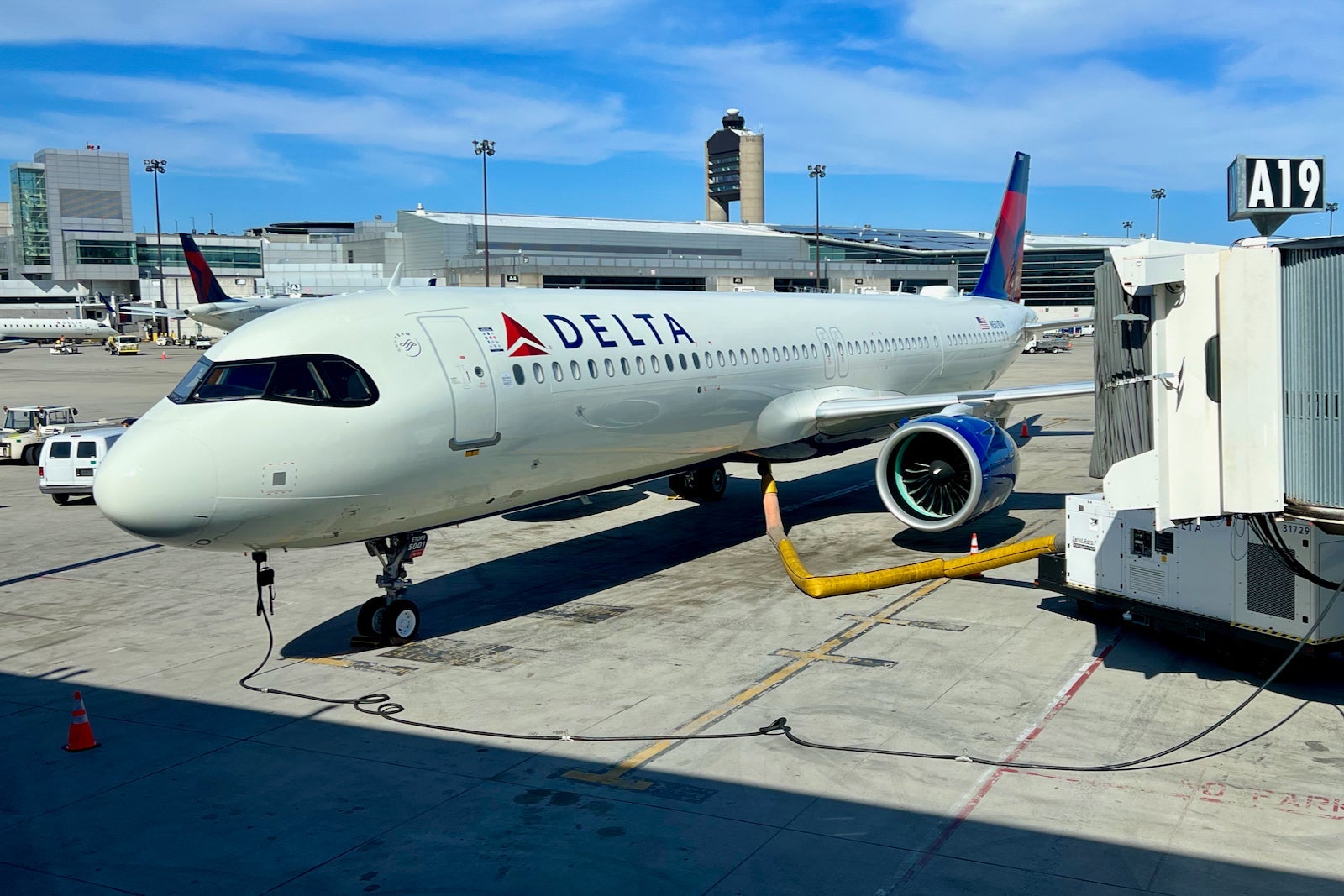
Basing the plane in Boston is “an investment in a very competitive market… to make sure we’ve got our best product for the very competitive landscape here,” Charlie Schewe, Delta’s Boston-based sales director, said in a recent interview with TPG.
But, Delta has plans to add 26 of these planes to its fleet this year, with a total of 155 expected by 2027, making the A321neo the airline’s new domestic workhorse.
While Delta’s been tight-lipped about future markets for the plane, Hawaii — and the airline’s Seattle (SEA) hub — are the big winners in the latest round of expansion.
In a statement confirming the move, Delta spokesperson Drake Castaneda shared that:
As we continue to add more A321neos into our fleet, we are excited for more customers to experience our newest, most sustainable aircraft with a best-in-class onboard experience en route to more destinations in the months and years ahead.
Navigating across the Pacific to the Hawaiian islands requires ETOPS (extended-range twin-engine operational performance standards) certification, which Delta received for the new fleet during the entry-to-service work that the airline performed earlier this year.
ETOPS certification permits Delta to operate the A321neo on transoceanic routes that don’t have many suitable diversion airports along the way.
Interestingly, when asked after a special media-only ferry flight whether the plane would be deployed on Hawaii routes, Mahendra Nair, Delta’s senior vice president of fleet, didn’t spill the beans.

“We have the ETOPS. We have the capability… [The A321neo] is a very versatile airplane. I can use it for range. I can use it for gauge. I would never say no, but one of the reasons I couldn't answer the question is that the network [teams] are planning” the A321neo’s future deployment strategy, Nair said.
It's also interesting that the airline is choosing its SEA hub as the next base for the A321neo. Like Boston, Seattle has been another hotbed of competition in recent years.
In the early 2010s, Delta and hometown carrier Alaska Airlines had a strong relationship that included a robust codeshare and frequent flyer alliance.
By the middle of the decade, however, the partnership frayed as Delta moved instead to build its own hub in Seattle, ultimately competing head-to-head with Alaska on many of its most lucrative routes.
The partnership ultimately ended in 2017 amid an escalating turf battle for Seattle. Since then, Delta’s been in growth mode in the Pacific Northwest city — boosting its Seattle hub with new routes, while also rethinking many elements of the travel experience, which now includes deploying its newest plane from there.
In terms of improvements, the A321neo offers better fuel efficiency compared to its predecessor.
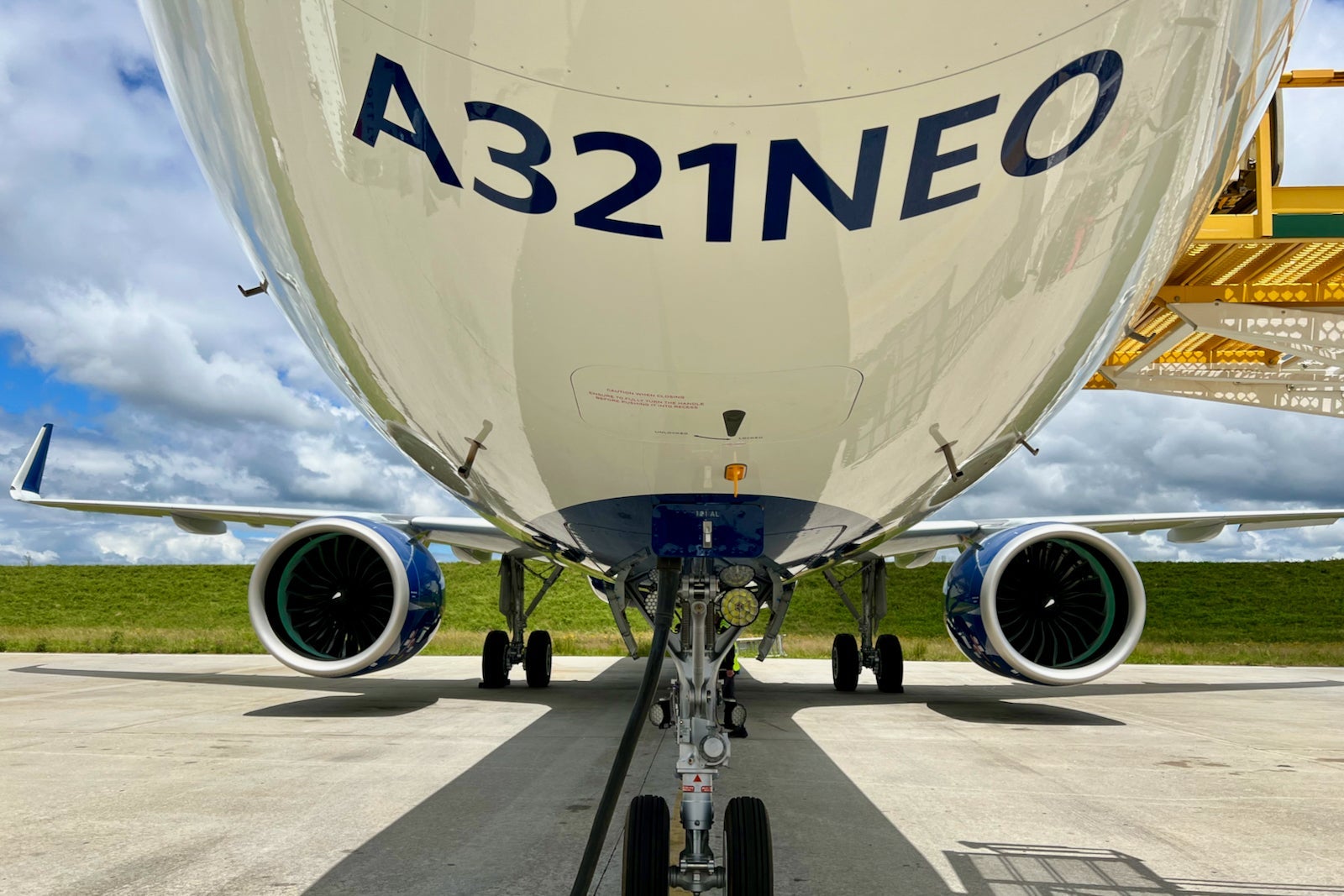
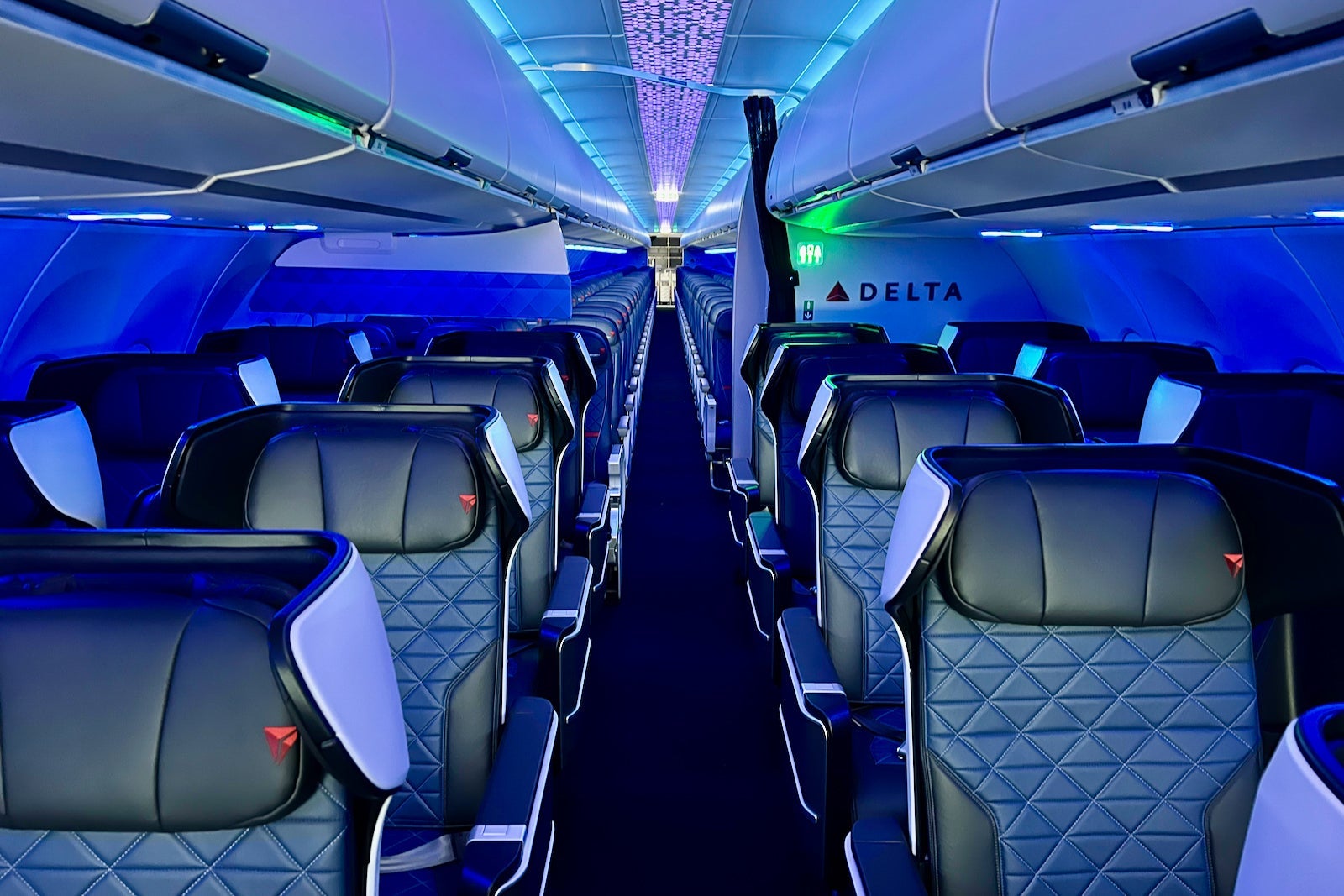
For passengers, the jet is the first to sport the airline’s new domestic first-class recliner, and it’s outfitted with a whopping 42 Comfort+ extra-legroom coach seats, making it easier to get an upgrade as a Medallion member.
Other nose-to-tail upgrades include larger overhead bins, faster Wi-Fi and sleek mood lighting.