Uh-oh, cruisers: The dreaded fuel surcharge is back


Bad news, cruisers: The dreaded fuel surcharge is officially back.
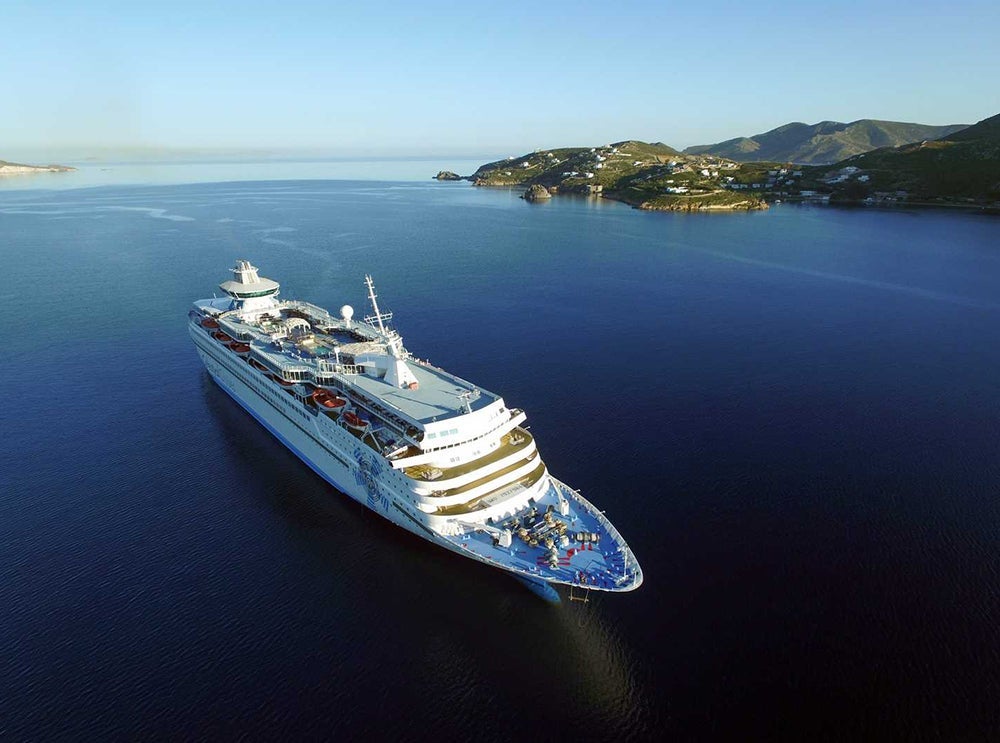
Greek Islands cruise specialist Celestyal Cruises on Friday will become the first cruise line catering heavily to North Americans to add a fuel surcharge to fares since the recent spike in oil prices.
The surcharge -- $8 per person, per day -- will apply to all new bookings starting Friday for sailings departing April 18 and beyond.
The announcement comes as the cost of West Texas Intermediate, a common oil benchmark, hovers above $100 a barrel after soaring as high as $130 a barrel earlier this month. That's up from around $76 a barrel at the start of the year.
Also adding a fuel surcharge in recent weeks was French river and ocean cruise line CroisiEurope, a company that mostly markets to French-speaking travelers.
Related: These five cruise lines are saying no to fuel surcharges
Celestyal's new fuel surcharge will add $112 to the bill for two people sharing a room on a seven-night cruise -- a not-insignificant amount.
In a letter to travel agents this week explaining the extra charge, Celestyal blamed "the significant and continued increase in global oil and fuel prices over recent weeks and months."
The fuel surcharge, which Celestyal calls a fuel supplement, will remain in place "until further notice," the line said.

"We are disappointed that we have had to make this decision but [it] is necessary under current circumstances," it said.
Cruise lines are high fixed-cost businesses, and even relatively small changes in fuel prices can have a significant impact on their profits. Fuel is one of the biggest costs of doing business for cruise lines, accounting for nearly 20% of operating expenses at some cruise companies.
The fine print in cruise ticket contracts at many lines gives them the right to levy fuel surcharges on customers when oil prices are high. At many lines, the cutoff is at $65 or $70 per barrel. But cruise lines have rarely imposed such surcharges.
The last time fuel surcharges in the cruise industry became widespread was when oil prices spiked over $100 a barrel in late 2007 into 2008. At the time, major brands such as Royal Caribbean and Carnival Cruise Line added fuel surcharges of $5 to $10 per person, per day.
The fine print in cruise contracts often says such fuel surcharges can be levied upon passengers even if they have paid for their cruises in full. In other words, even if you lock in the price of a cruise well in advance of a sailing, and pay it all off, you could still see an added bill for fuel arrive at the last minute when you sail.
But in Celestyal's case, the fuel surcharge only will apply to new bookings made as of Friday. Anyone who books before Friday will not pay the fuel surcharge.
Related: The ultimate guide to picking a cruise line
Celestyal plans to collect the fuel surcharge payment in advance of sailings. But it said the money would be returned to cruisers in the form of an onboard credit if fuel prices fall by the time they sail. It didn't give a threshold oil price level for such refunds.
Celestyal is best-known for three-, four- and seven-night sailings around the Greek Islands out of Piraeus, Greece (the port for Athens).
Celestyal's move comes even as some major cruise lines have made clear they have no plans to bring back fuel surcharges.
The world's second largest cruise company, Royal Caribbean Group, earlier this month told TPG it wouldn't be adding fuel surcharges even if oil prices continue pressing higher.
Royal Caribbean Group is the parent company of Royal Caribbean, Celebrity Cruises and Silversea Cruises, and a partial owner of Germany-based TUI Cruises and Hapag-Lloyd Cruises.
Cruise lines often are hesitant to add fuel surcharges as they can create bad will among customers -- something that cruise lines particularly don't need now as they try to bounce back from an industrywide, pandemic-related shutdown that lasted more than a year.
The addition of fuel surcharges also could cut into the perceived value of a cruise.
Some cruise lines are well positioned to steer clear of fuel surcharges this year due to hedging strategies they have undertaken to soften the blow of rising oil prices.
Royal Caribbean Group, for instance, came into 2022 with more than half of its fuel needs for the year locked in at far lower prices, according to a 10-K filing with the U.S. Securities and Exchange Commission. That means it's not being affected as much as some companies by rising oil prices.
The world's third-largest cruise company, Norwegian Cruise Line Holdings, also came into 2022 with a significant amount of its fuel needs (42%) hedged at lower prices, according to recent financial disclosures.
Norwegian Cruise Line Holdings is the parent company of Norwegian Cruise Line, Oceania Cruises and Regent Seven Seas Cruises.
In an investor presentation in February, Norwegian Cruise Line Holdings noted it had locked in prices for some of the heavy fuel oil that it uses at an average cost of just $48.36 a barrel.
Heavy fuel oil typically costs less on a per-barrel basis than West Texas Intermediate oil or another major oil benchmark, Brent Crude oil. Cruise lines sometimes use another grade of oil to power ships called marine gas oil, as well as (on a small but growing number of ships), liquified natural gas.
Both Royal Caribbean Group and Norwegian Cruise Line Holdings have some of their fuel needs hedged at lower prices all the way into 2023.
Oil prices remain far below the levels seen in late 2007 and 2008, when adjusted for inflation. In 2008, the West Texas Intermediate benchmark for oil prices peaked at around $146 a barrel. That's around $192 in today's dollars, adjusted for inflation.
As of late Tuesday, West Texas Intermediate was trading around $105 a barrel.
Planning a cruise? Start with these stories:
- The 5 most desirable cabin locations on any cruise ship
- The 8 worst cabin locations on any cruise ship
- A quick guide to the most popular cruise lines
- 21 tips and tricks that will make your cruise go smoothly
- 15 ways cruisers waste money
- 12 best cruises for people who never want to grow up
- What to pack for a cruise
TPG featured card
at American Express's secure site
Terms & restrictions apply. See rates & fees.
| 4X | Earn 4X Membership Rewards® points per dollar spent on purchases at restaurants worldwide, on up to $50,000 in purchases per calendar year, then 1X points for the rest of the year. |
| 4X | Earn 4X Membership Rewards® points per dollar spent at US supermarkets, on up to $25,000 in purchases per calendar year, then 1X points for the rest of the year. |
| 5X | Earn 5X Membership Rewards® points on prepaid hotel stays booked through AmexTravel.com or the Amex Travel App™. |
| 3X | Earn 3X Membership Rewards® points on flights booked through AmexTravel.com, the Amex Travel App™, or purchased directly from airlines. |
| 2X | Earn 2X Membership Rewards® points on prepaid car rentals booked through AmexTravel.com or the Amex Travel App™ and cruises booked and paid through AmexTravel.com. |
| 1X | Earn 1X Membership Rewards® point per dollar spent on all other eligible purchases. |
Pros
- Valuable dining and food-related credits
- Flexible rewards with airline and hotel transfer partners
- Multiple travel and purchase protections
- No foreign transaction fees
- Access to Amex Offers for additional savings (enrollment required)
Cons
- Not as useful for those living outside the U.S.
- Some may have trouble using Uber and other dining credits
- You may be eligible for as high as 100,000 Membership Rewards® Points after you spend $8,000 in eligible purchases on your new Card in your first 6 months of Card Membership. Welcome offers vary and you may not be eligible for an offer. Apply to know if you’re approved and find out your exact welcome offer amount – all with no credit score impact. If you’re approved and choose to accept the Card, your score may be impacted.
- Earn 4X Membership Rewards® points per dollar spent on purchases at restaurants worldwide, on up to $50,000 in purchases per calendar year, then 1X points for the rest of the year.
- Earn 4X Membership Rewards® points per dollar spent at US supermarkets, on up to $25,000 in purchases per calendar year, then 1X points for the rest of the year.
- Earn 5X Membership Rewards® points on prepaid hotel stays booked through AmexTravel.com or the Amex Travel App™.
- Earn 3X Membership Rewards® points on flights booked through AmexTravel.com, the Amex Travel App™, or purchased directly from airlines.
- Earn 2X Membership Rewards® points on prepaid car rentals booked through AmexTravel.com or the Amex Travel App™ and cruises booked and paid through AmexTravel.com.
- Earn 1X Membership Rewards® point per dollar spent on all other eligible purchases.
- Pay It® lets you tap in the American Express® App to quickly pay for small purchase amounts throughout the month and still earn rewards the way you usually do. Plan It® gives you the option to split up big purchases into equal monthly payments with a fixed fee. You’ll know upfront exactly how much you’ll pay.
- $120 Dining Credit: Earn up to a total of $10 in statement credits monthly when you pay with the Gold Card at Grubhub (including Seamless), Buffalo Wild Wings, Five Guys, The Cheesecake Factory, and Wonder. This can be an annual savings of up to $120. Enrollment required.
- $100 Resy Credit: Get up to $100 in statement credits each calendar year at over 10,000 qualifying U.S. Resy restaurants after you pay for eligible purchases with the American Express® Gold Card. That’s up to $50 in statement credits semi-annually. Enrollment required.
- $84 Dunkin' Credit: Earn up to $7 in monthly statement credits after you pay with the American Express® Gold Card at U.S. Dunkin’ locations. Enrollment required.
- $120 Uber Cash on Gold: Enjoy up to $120 in Uber Cash annually with your Gold Card. Just add your Card to your Uber account and you'll get $10 in Uber Cash each month to use on orders and rides in the U.S. when you select an Amex Card for your transaction.
- Enjoy complimentary Hertz Five Star® Status benefits like skipping the counter at select locations, adding an additional driver at no additional cost*, and vehicle upgrades**. Benefit enrollment and Hertz Gold+ registration are required. *Additional drivers must meet standard rental qualifications and must be a spouse or domestic partner to qualify as complimentary. Other additional drivers subject to fees. **Benefits are subject to availability and vary by location. Additional Hertz program Terms and Conditions including age restrictions apply.
- Book two nights or more with The Hotel Collection through AmexTravel.com or the Amex Travel App™ and receive a $100* credit towards eligible charges at over 1,400 upscale hotels worldwide. *Eligible charges vary by property.
- Book your travel through the Amex Travel App™ with added peace of mind – backed by American Express® service and support. Only for American Express® Card Members.
- Whenever you need us, we're here. Our Member Services team will ensure you are taken care of. From lost Card replacement to statement questions, we are available to help 24/7.
- No Foreign Transaction Fees.
- Annual Fee is $325.
- Terms Apply.