Don't panic! What happens if a cargo door opens in flight?

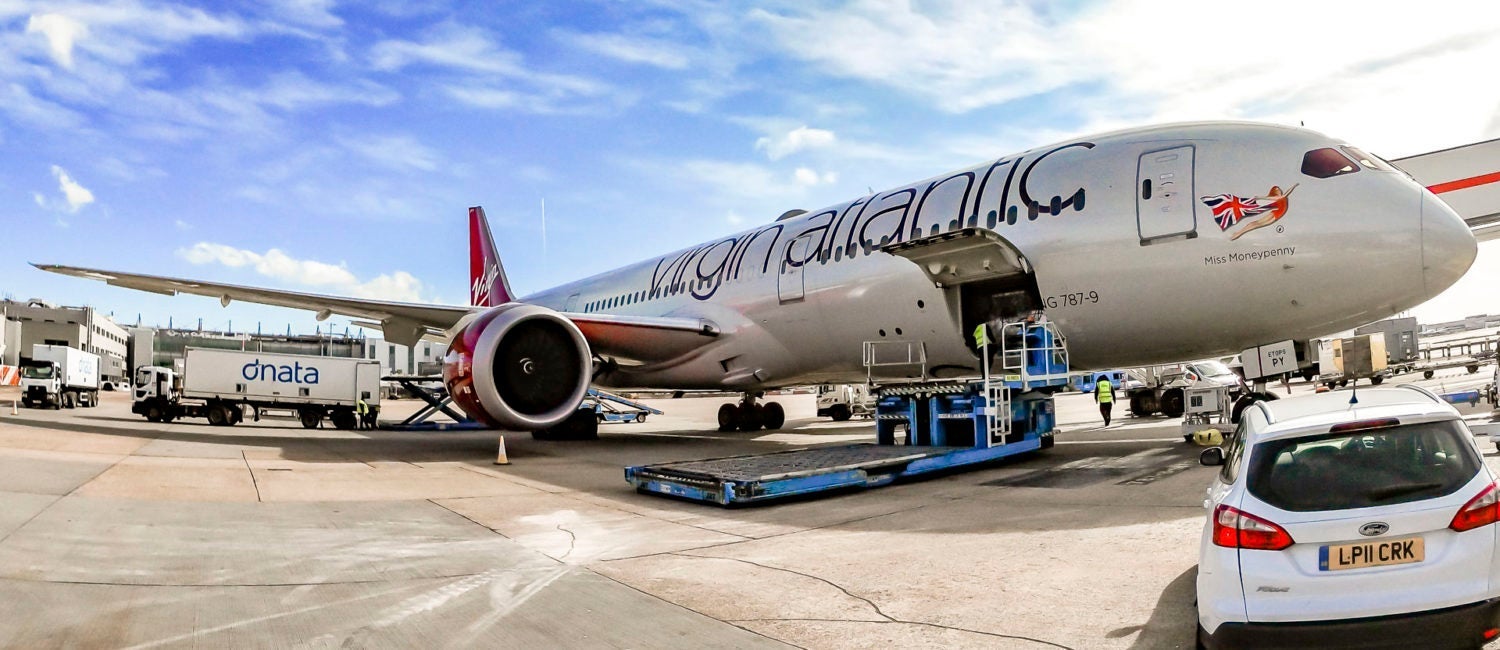
On December 27, 2020, shortly after getting airborne from Surgut, Russia, the crew of an A319 received a flight deck indication that a cargo compartment door was open. By all accounts, the crew did a great job. They completed the relevant checklists, burned off fuel and landed back safely just under an hour later.
However, what exactly is going on in the flight deck when there is an open door indication like this? Is it really as straightforward as this crew made it seem? Here's how we would handle such an event on the Boeing 787 Dreamliner.
Fly the aircraft
When flying an airliner and an abnormal warning comes up, it's only natural for our inner chimp to control our initial emotions. Flashing red lights and warning alarms make us instinctively want to take action. However, with 300 lives on board, we rarely get a second chance to rectify an instinctive poor decision. What we must do is put the chimp back in its cage to allow us to think rationally.
The best way to do this is to have a structure we can always fall back on. A structure that will help us calm down and gives us time to evaluate the situation properly.
Aviate
When a non-normal event occurs, the first thing we must do is ensure that the aircraft is flying safely. There's no point in trying to fix a problem if you crash into the ground whilst doing so.
When we first become aware of a developing situation, usually from a warning or caution alert, the pilot responsible for flying the aircraft (PF) will state out loud: "I have control." Whilst this may seem obvious, this clear and unambiguous statement immediately resolves any confusion over who is doing what.
Read more: Snow, cruel winds and ice: How pilots operate safely during freezing weather approaches
Following this, they will confirm not only what the aircraft is doing, but make sure that it is doing what they actually want it to be doing. For example, if they were flying manually, would it be a better idea to now engage the autopilot?
Whatever we decide to do, the "aviate" part must establish the aircraft in a safe flight path before doing anything else.

Navigate
With the aircraft flying safely, the next step is to navigate the aircraft to a position that continues to keep us safe. This very much depends on the stage of flight and how well prepared we are.
Pilots are always thinking about the "What if?" scenarios at all stages of flight. By constantly talking to each other, we keep our situational awareness high, ready to put a plan into action should the need arise. Receiving such an alert so close to the ground, the priority is to climb the aircraft to a safe altitude to ensure that we do not collide with any hills.
Communicate
With the aircraft flying safely and away from the ground, the final element is for the pilot monitoring (PM) to communicate. But who with and when?
Understandably, letting Air Traffic Control know that we have a problem is important at some point, but it may not need to be done immediately. In some parts of the world, letting ATC know too soon may result in a barrage of questions that will hamper our efforts to solve the problem.
Read more: How pilots keep their skills sharp during COVID-19 downtime
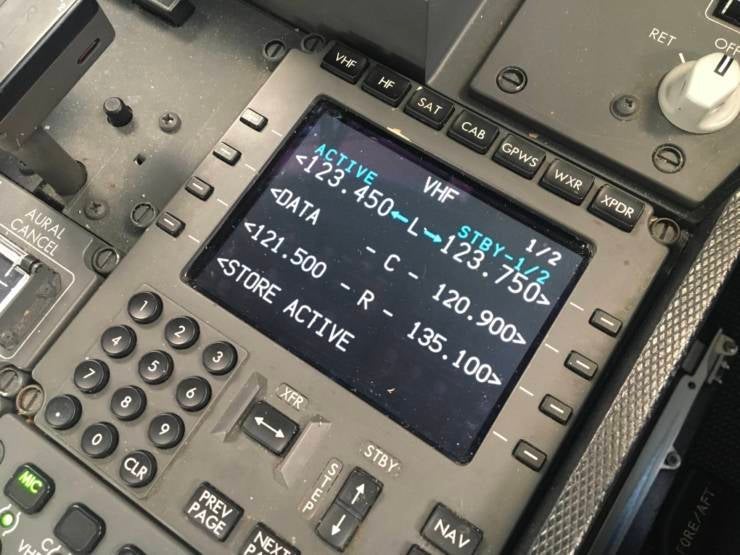
Likewise, for passengers seeing a cargo door open may be alarming, but letting them know what is going on isn't always high on our list of priorities. Once the situation is under control and we have a plan, then we will speak to them.
Knowing that an open cargo compartment door could cause pressurization issues, if we climb too high, both us and the passengers may need to use oxygen masks. As a result, at this stage, it would be a good idea to ask ATC if we could level off at an altitude below 10,000 feet, so long as it is safe with regards to the terrain.
Open the checklist
Once the aircraft is stabilized and flying safely, we can then proceed to open the checklist and start to deal with the issue at hand. Most modern aircraft, like the 787 Dreamliner, have moved away from the traditional paper checklists and now have an electronic checklist (ECL).
In days gone by, aircraft would have thick books of checklists for every possible scenario. The problem with this was that in the heat of the moment with the adrenaline pumping, there was always the possibility that the crew may action the wrong checklist. Depending on the aircraft type, the procedure to deal with an open forward cargo door may be very different from that for a rear door.
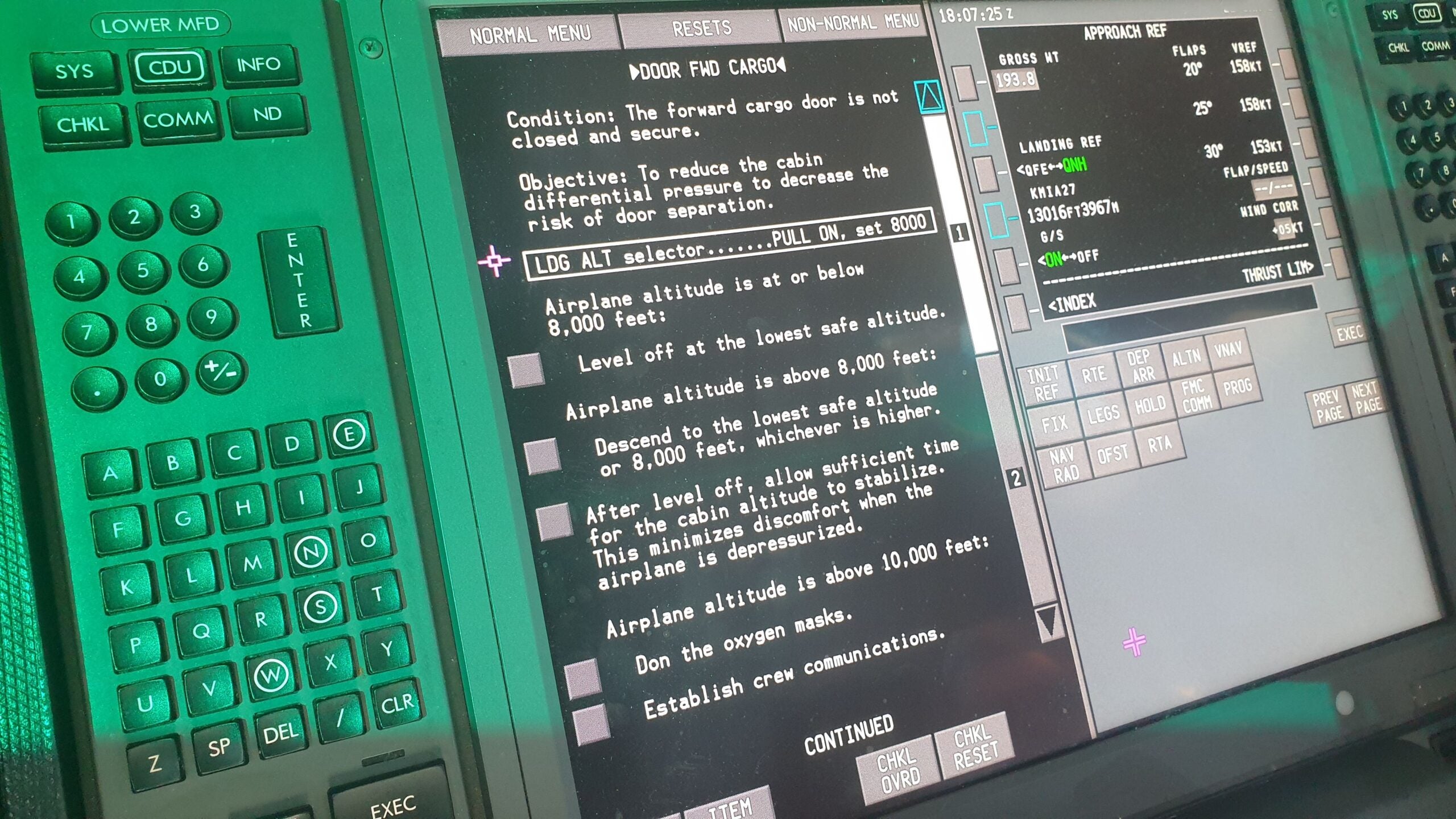
The beauty of the ECL system is that when the aircraft detects a fault, it automatically presents us with the correct checklist for that particular problem. Hitting the CHKL button (top left in the image below) opens up the checklist.
In a non-normal situation, the PM always opens up and performs the checklist whilst the PF flies the aircraft, ensuring that it is kept safe at all times. Aviation history has shown that distraction from this task can have catastrophic consequences.
The PM then proceeds to read the checklist out loud so that the PF can digest what is going on without being distracted from flying the aircraft. The first line of the checklist >DOOR FWD CARGO< gives the name of the event that the aircraft has detected. This is always a short description so the next line, the condition, explains in simple English exactly what this means.
Know your aircraft
At this point, I'm going to pause for a little technical refresher. Knowing your aircraft and how it works is crucial in non-normal situations. This is why we spend hours reading our technical manuals so that we understand how every single system on the aircraft works.
Up until this point, having read that the forward cargo door is open, you've probably got an image in your head of the door open like you see on the ground when the aircraft is being loaded. However, knowing how the cargo doors operate, we know that the chances of this, especially just after takeoff, are incredibly small.
When the ground staff closes the cargo compartment doors, they do so using an electric switch near the door that commands actuators to drive the door closed. Once it is in position, a number of large hooks in the door rotate to engage with loops.
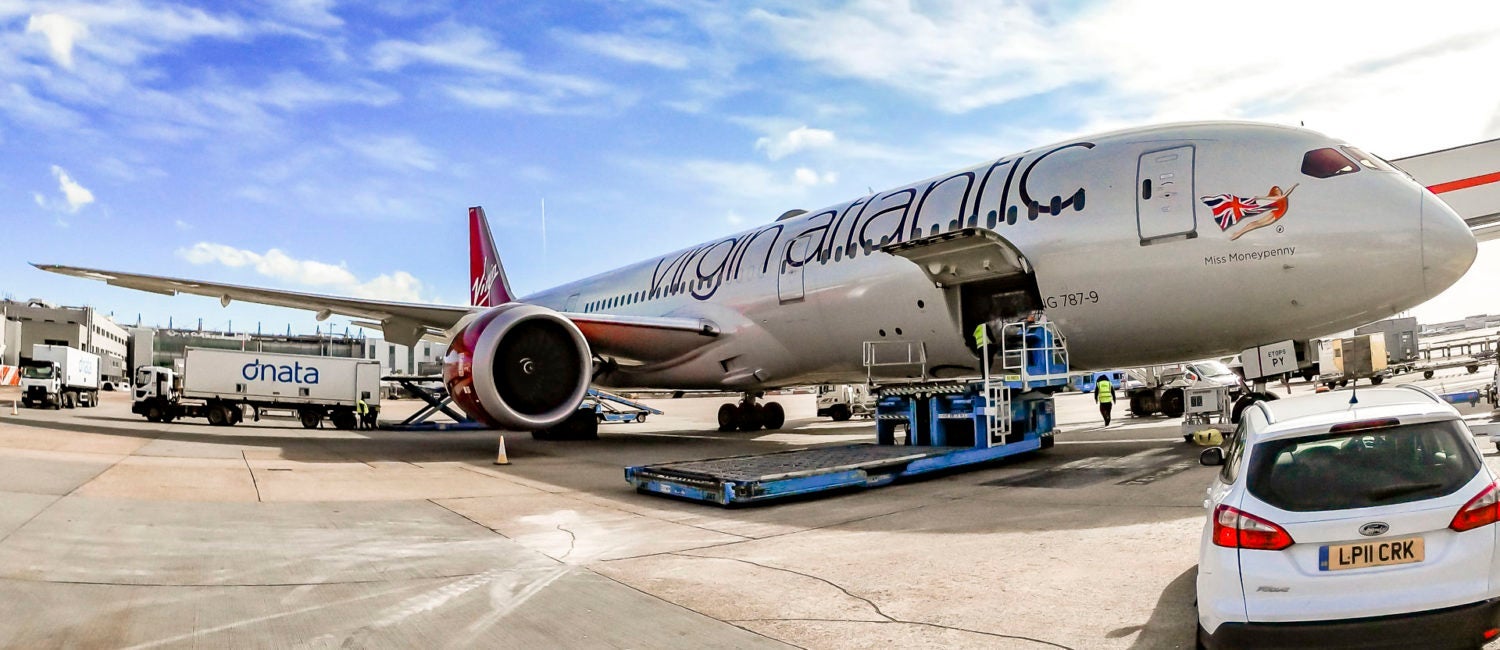
When the hooks have fully engaged, they are then finally manually locked in place by the use of a locking handle outside the door. As a result, the chances of the door actually becoming unlocked, the hooks rotating and then the door opening is incredibly small.
The aircraft systems are designed to be binary -- either the door is 100% closed and locked, or it isn't. A graphical image of the status of the doors is available as one of the screen options in the flight deck, as seen below.
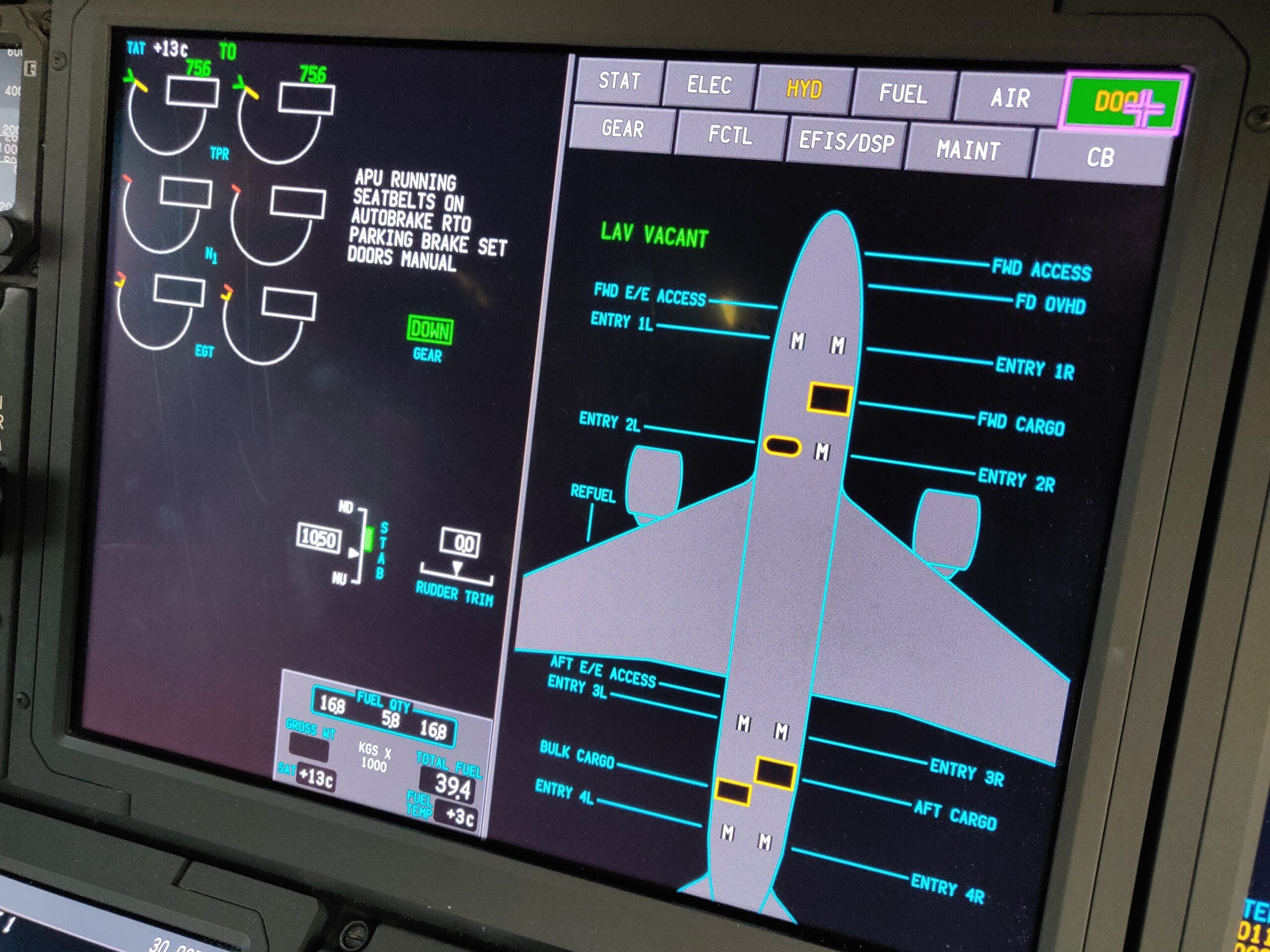
A door that is not 100% closed is indicated with an orange outline and a black center. In the image above, you can see that the boarding door is open, along with the three cargo compartment doors. In this situation, on the ground with passengers and baggage being loaded, we expect the doors to be open and treat them as such.
However, there are times when the door may show open when we are expecting it to be closed. A good example of this is when the caterers have finished stocking the rear galley. After they have closed the door, even though it may appear closed when looking at it physically, the electronic sensor that confirms this may not be quite in line. All it takes is a quick call to the cabin crew who will open and then close the door again, ensuring that the aircraft detects that the door is closed.
Is the cargo door actually wide open?
Knowing what we do about the aircraft, how the cargo door works and how the aircraft indicates the door positions to us, we are in a better position to make an informed decision about what is actually going on.
Chances are that the door is closed and locked, but the sensor that confirms this may be slightly off. However, as safety is our primary concern, we do not just simply assume this to be true and carry on regardless. This could make things even worse.
As the aircraft climbs, the pressure difference between the inside and outside of the aircraft increases. If the door is indeed not properly secured, as the internal pressure increases, there is a chance that it could cause the door to blow off the aircraft. If this hits the tail, it could cause us serious control issues.
Back to the checklist
We've already ascertained what the checklist is for in lines one and two, but what are we actually trying to achieve? The third line clearly states the objective: to reduce the cabin pressure difference to reduce the chance of door separation. Lo and behold, this is exactly what we expected from our technical knowledge of the aircraft systems.
The PM then continues with the checklist, ticking off each item as they go in the grey box on the left.
The landing altitude selector is used to set the cabin altitude. This is normally done automatically to ensure that the cabin altitude has reduced to the correct pressure when opening the door at the gate. At a sea level airfield like London, this is quite straightforward, however, when landing somewhere like Mexico City, 7,500 feet above sea level, the cabin altitude may have to increase to be at the same value as outside.
Read more: Can pilots predict turbulence?
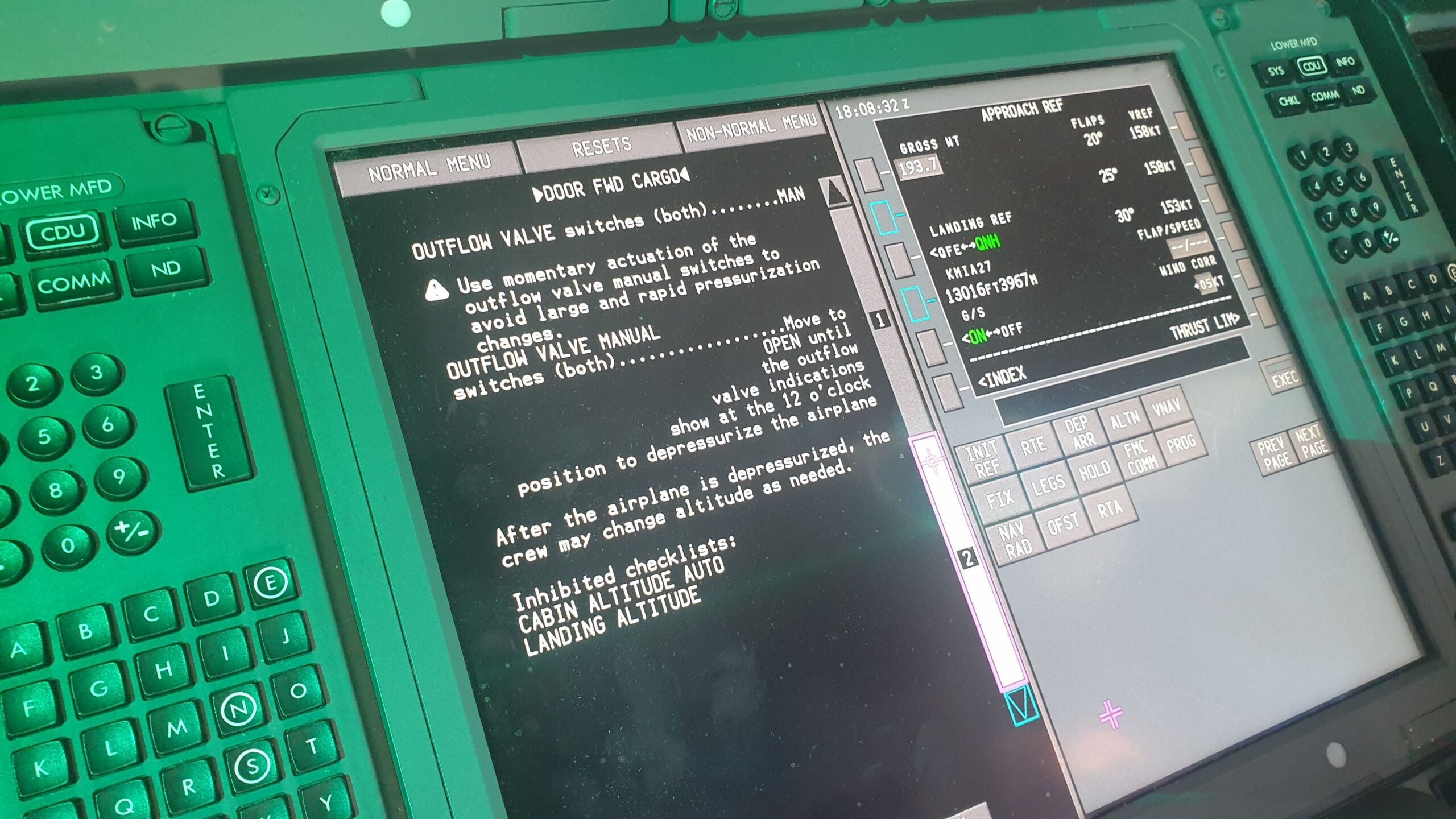
By setting the cabin altitude to 8,000 feet and leveling the aircraft off at 8,000 feet or below, we keep the aircraft at an altitude where the air is safe to breathe without the need for supplemental oxygen.
Once this has been done, we then open the outflow vales. The 787 has two of these, one at the front by the nose gear on the left-hand side and one at the rear just underneath the back-right-hand door.
These are used in normal situations to regulate the flow of air out of the cabin, keeping the pressure high enough for occupants to breathe comfortably. In this non-normal situation, we open them up to allow the pressure inside the aircraft to equalize with the pressure outside, reducing the chances of the cargo door separating from the aircraft.
With the cabin depressurized, there is no way that the flight can continue. Our only option is to land. If, as the event in Surgut, this has happened just after takeoff, there's a good chance that the aircraft may be above its maximum landing weight. In this situation, we would consider dumping fuel to get us down to a weight that is sufficient to land.
Bottom line
The thought of a cargo door opening mid-flight is pretty alarming. However, due to the design of these doors in modern aircraft, the chances of it coming fully open are incredibly small. The reality is more like the system is not quite indicating the door is fully closed.
As a result, there is rarely little need to turn the aircraft around and land as soon as possible. What is needed is a calm, structured measured approach to dealing with the problem. Ensure that the aircraft is flying safely, complete the checklist and then decide on what to do next.
TPG featured card

at Capital One's secure site
Terms & restrictions apply. See rates & fees.
| 5X miles | Earn 5X miles on hotels, vacation rentals and rental cars booked through Capital One Travel |
| 2X miles | Earn unlimited 2X miles on every purchase, every day |
Pros
- Stellar welcome offer of 75,000 miles after spending $4,000 on purchases in the first three months from account opening. Plus, a $250 Capital One Travel credit to use in your first cardholder year upon account opening.
- You'll earn 2 miles per dollar on every purchase, which means you won't have to worry about memorizing bonus categories
- Rewards are versatile and can be redeemed for a statement credit or transferred to Capital One’s transfer partners
Cons
- Highest bonus-earning categories only on travel booked via Capital One Travel
- LIMITED-TIME OFFER: Enjoy $250 to use on Capital One Travel in your first cardholder year, plus earn 75,000 bonus miles once you spend $4,000 on purchases within the first 3 months from account opening - that’s equal to $1,000 in travel
- Earn unlimited 2X miles on every purchase, every day
- Earn 5X miles on hotels, vacation rentals and rental cars booked through Capital One Travel
- Miles won't expire for the life of the account and there's no limit to how many you can earn
- Receive up to a $120 credit for Global Entry or TSA PreCheck®
- Use your miles to get reimbursed for any travel purchase—or redeem by booking a trip through Capital One Travel
- Enjoy a $50 experience credit and other premium benefits with every hotel and vacation rental booked from the Lifestyle Collection
- Transfer your miles to your choice of 15+ travel loyalty programs
- Top rated mobile app