5 things people get wrong about traveling in a camper van

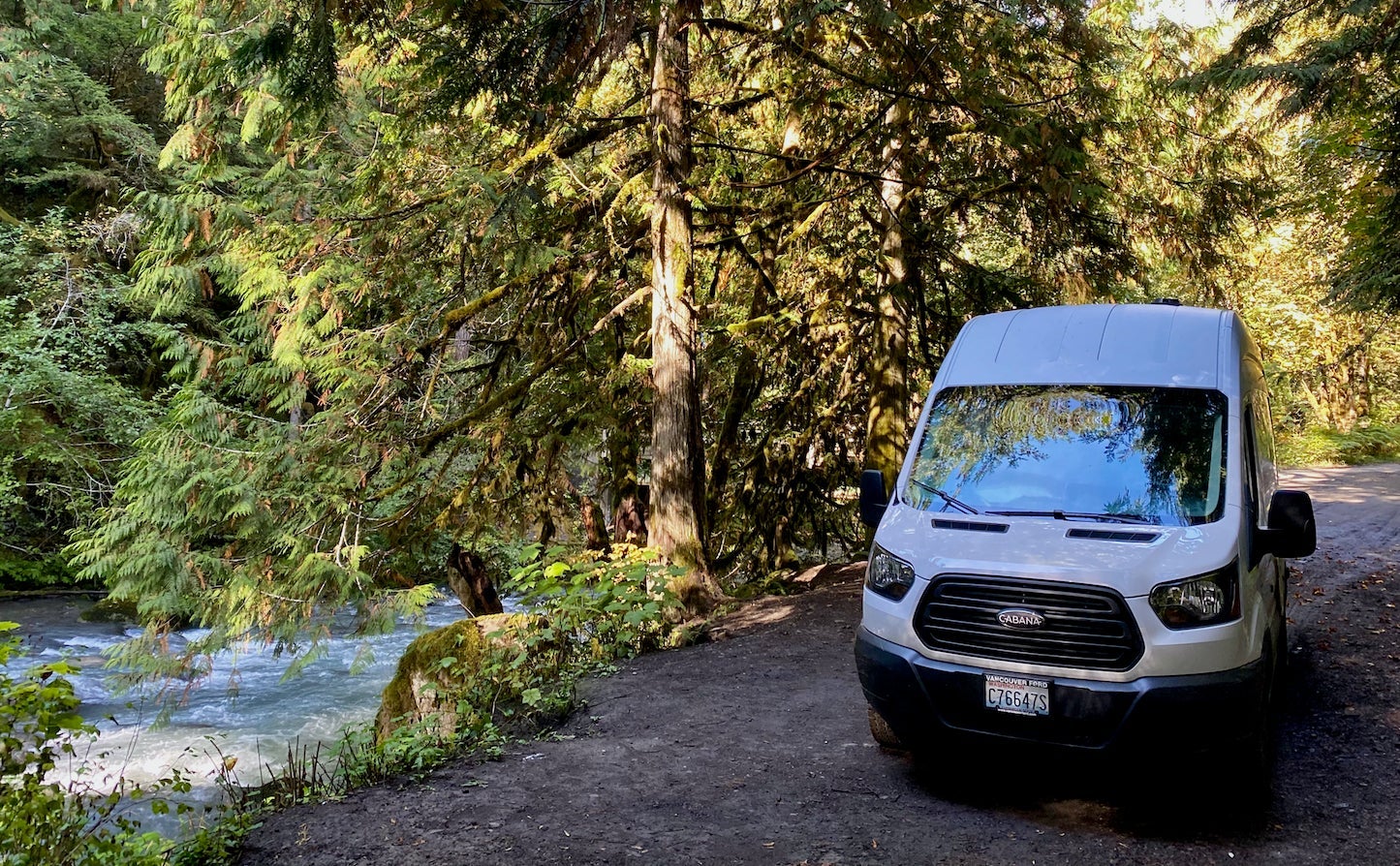
Some travelers prefer luxury hotels with all the amenities -- while others may favor the comforts of home in an Airbnb or vacation rental. Then, there are the adventurers who choose the freedom of a recreational vehicle (RV).
While it's always been a form of travel (and living), the pandemic has created a surge in interest -- and popularity -- in this mode of journeying.
Before you go all-in on renting or buying a vehicle, there are many opportunities to take an RV or van out for a test drive, so to speak. For instance, TPG's Katie Genter is a digital nomad and spent the summer renting an RV for just a $1 per day. TPG's Summer Hull also stayed in an RV in Disney World for several days through a platform called Outdoorsy.
Recently, I got a taste of the smallest RV of them all -- the camper van.
For more TPG news delivered each morning to your inbox, sign up for our free daily newsletter.
I booked a camper van for the very first time with Seattle-based startup, Cabana. With a desire to explore more of the Pacific Northwest, I spent four days living out of what the company calls a "mobile hotel."
Here are five things that people may get wrong about van life, for the novices out there like me.
You have to sacrifice comfort while living in a small van
First, you should know something about my travel habits. While I love the outdoors -- and have done some incredible day hikes around the world -- at the end of the day, my preference is to have a comfortable bed and a hot shower. I've only camped once before, in a Bedouin tent in the Sahara Desert.
Therefore, I had initial trepidation at the prospect of sleeping, showering, cooking and living in a small van.

But there are so many camper van options -- from $500-a-night Four Seasons-level luxurious to $100-a-night no-frills basic -- that this truly does not need to be a concern, depending on your budget.
The van I drove around had plenty of creature comforts and was priced at about $200-$250 per night.
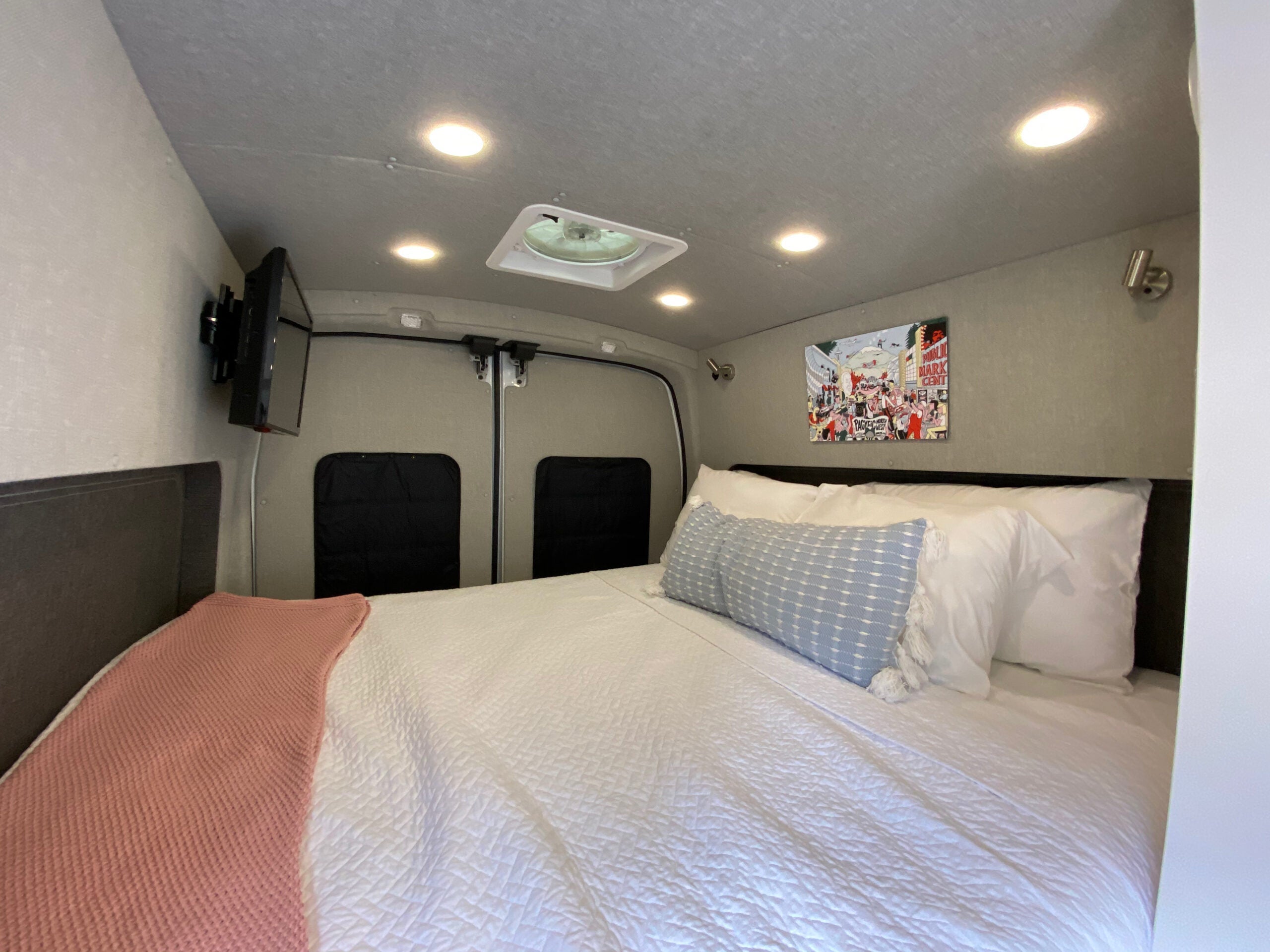
With smaller camper vans, this makes it easy to enjoy the comforts of a home or hotel in a more compact configuration. And a mobile living situation allows you to explore unhindered.
Therein lies the power of this unique form of travel: hitting the road and driving away from the troubles of the connected world for a few days (or however long you want).
Sure, there are plenty of glamping options and other ways to explore the outdoors in comfort. However, the mobility of a compact yet well-stocked van can help you see so much in a relatively short amount of time.
Related: State-by-state guide to coronavirus reopening
You can't have modern amenities
The camper van I lived out of had all the amenities you needed -- and then some.
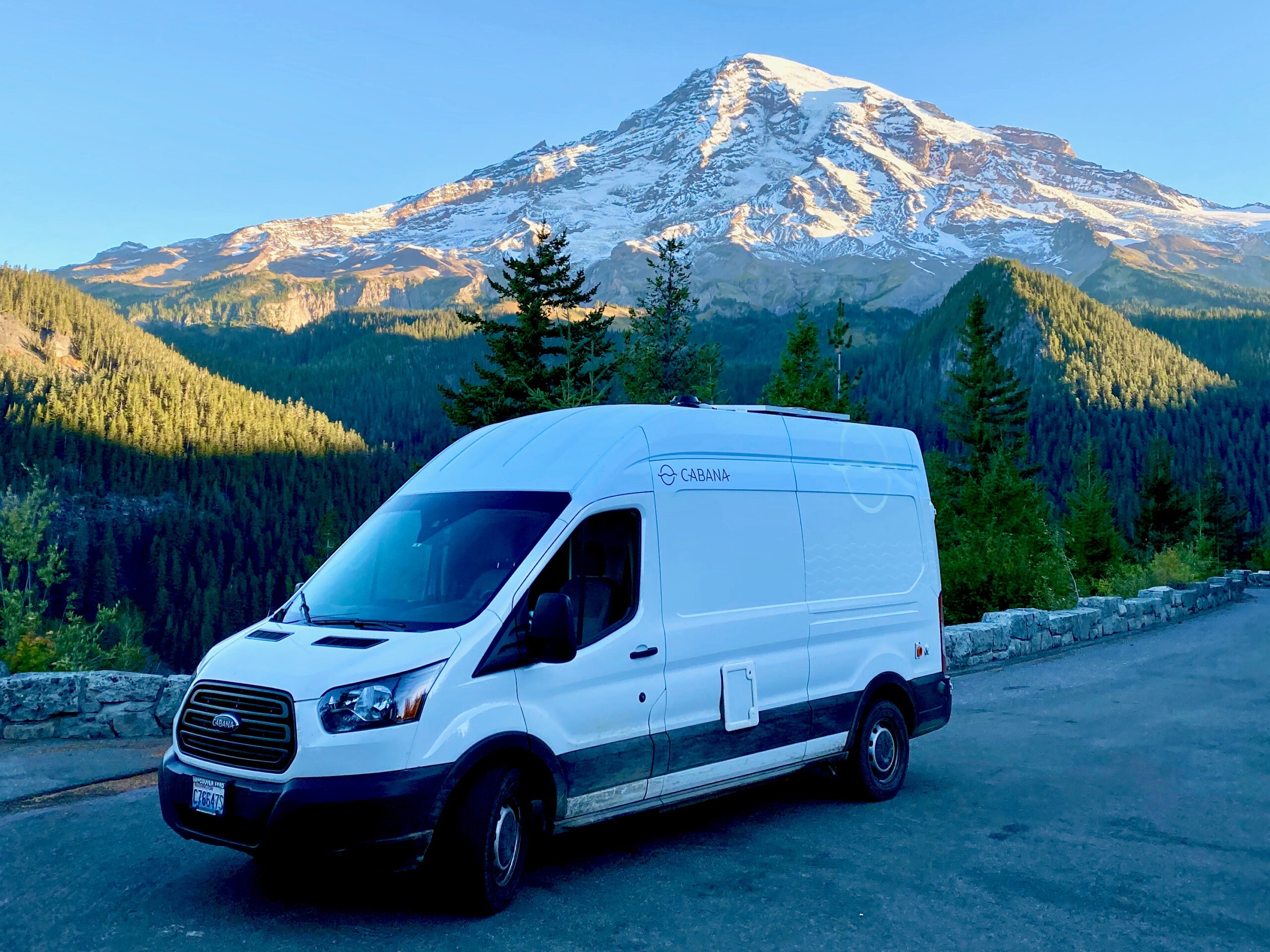
This specific van model was a Ford Transit High Roof, and while significantly taller than your typical passenger vehicle, it's approximately the same length as a full-size SUV, such as a Chevrolet Suburban.
There's so much packed into such a small footprint. In fact, I like to think of it as a capsule hotel in mobile form.
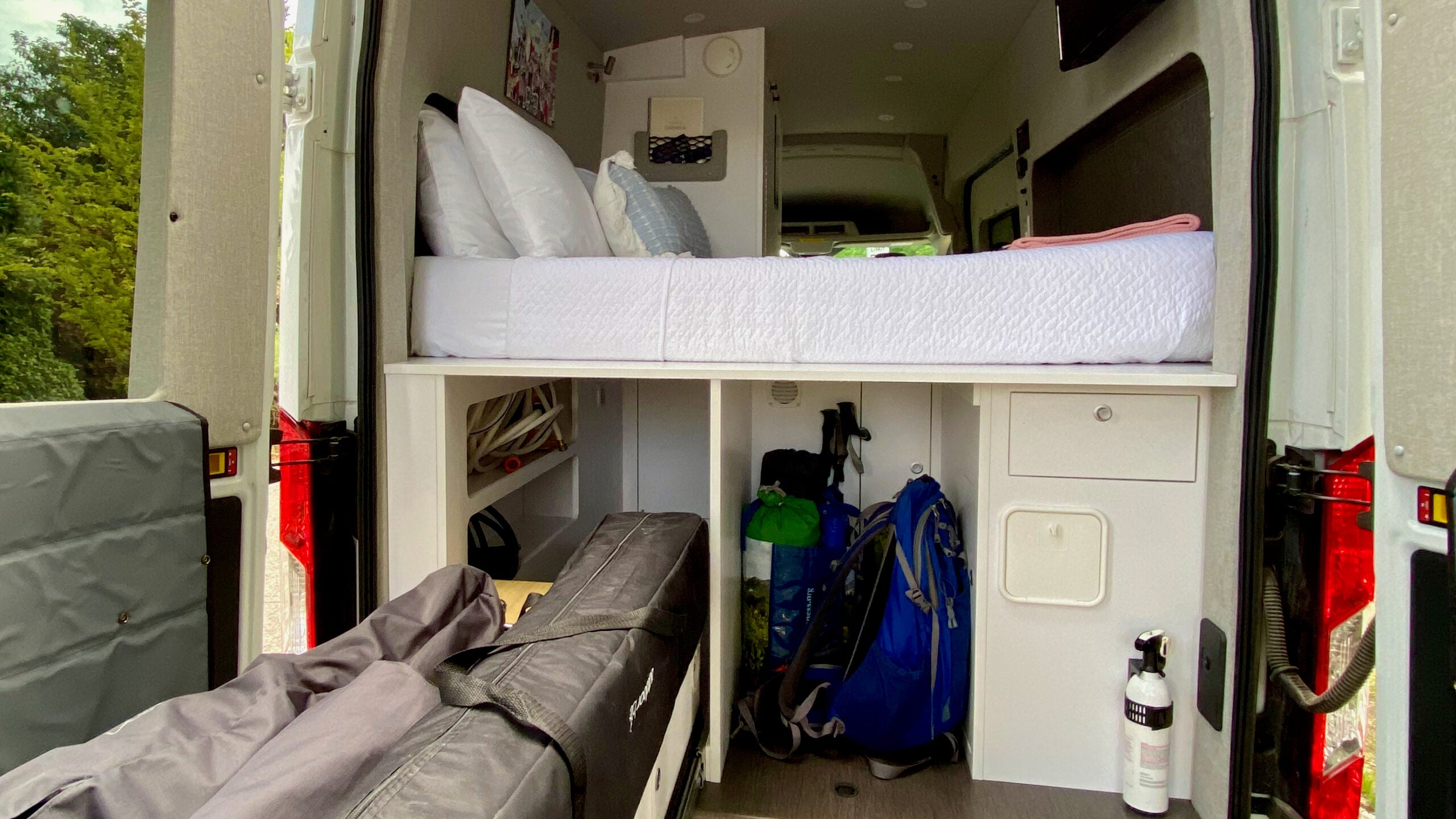
My van came fully live-in ready with a comfortable queen-sized bed, running hot and cold water, a shower (with amenities from Beekman 1802), a modestly-sized fridge, plenty of storage space and even a pull-out kitchen setup with stove and outdoor sink.
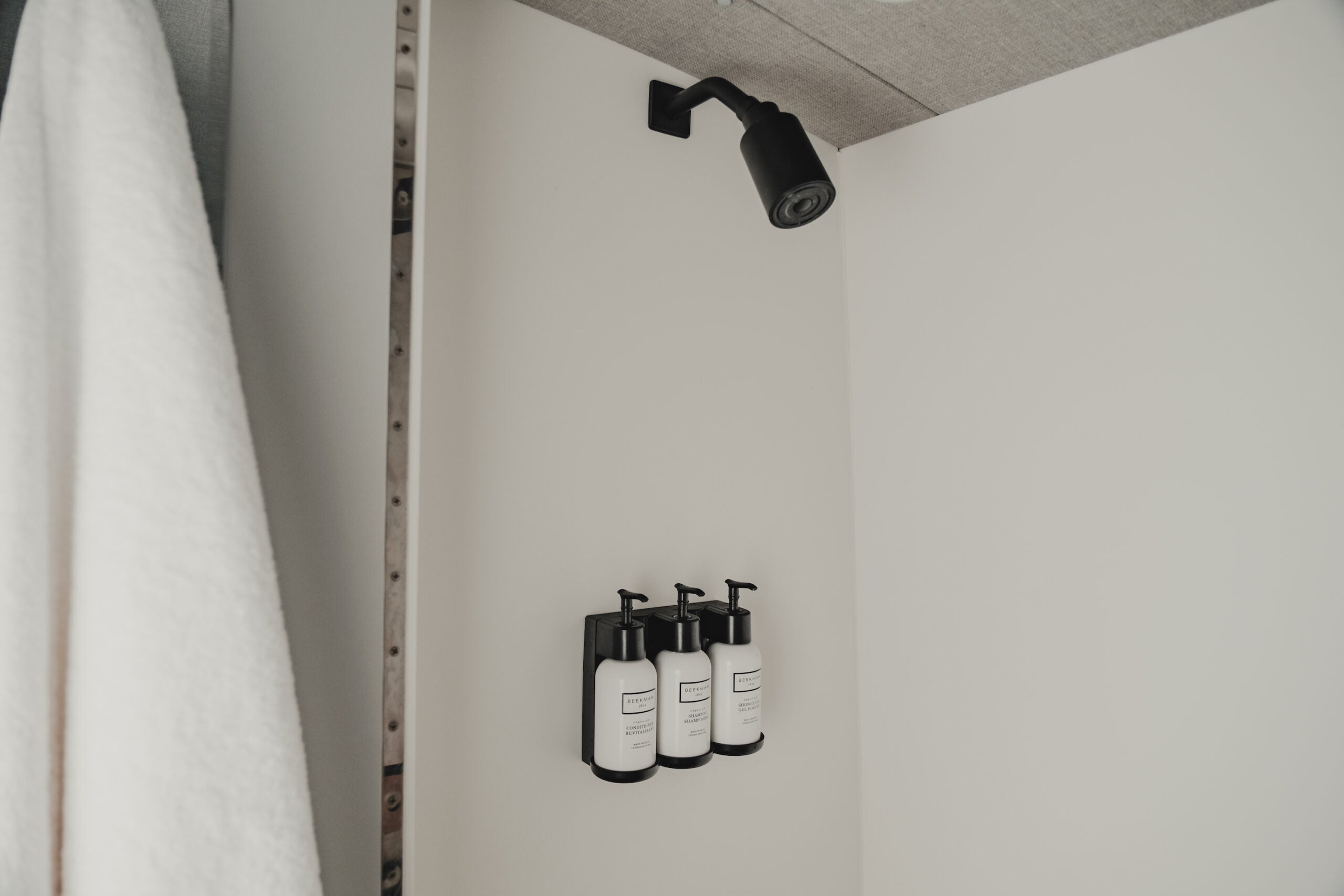
With a low flow showerhead, Cabana said that the water should last for up to an impressive 80 minutes of shower time, dependent on how much is used in the kitchen sink.
There was a ton of nifty design features, like a swiveling passenger seat with a wooden table and a pull-out bench.
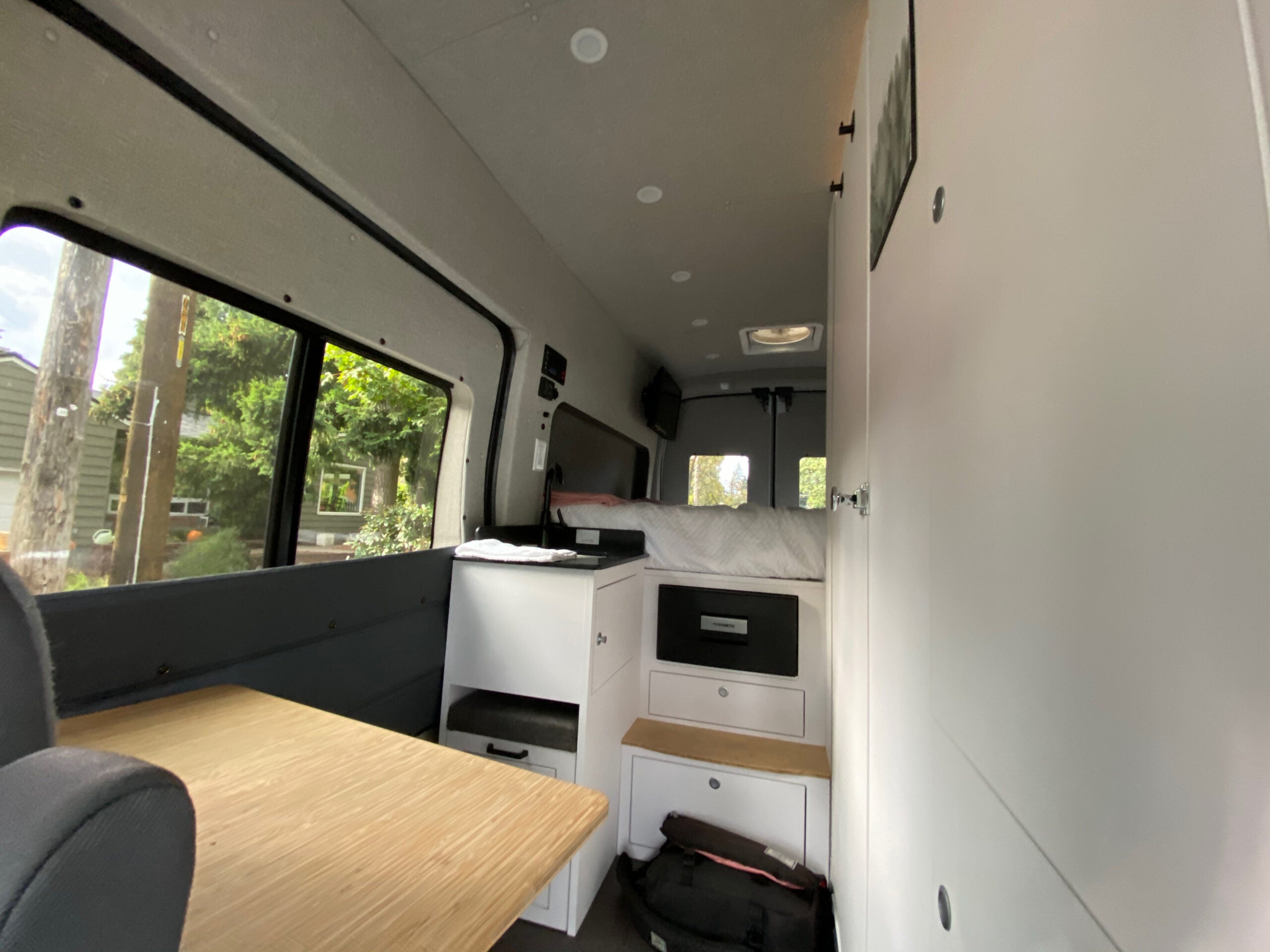
Amenities you probably don't even need while out exploring the beauty of the Pacific Northwest were also included -- WiFi and a smart TV for streaming.
Unfortunately (or fortunately, depending on how you look at it), the Wi-Fi didn't actually work during my trip.
Related: Take these credit cards on your road trips
Dealing with the waste is a deal-breaker
I'll admit it -- the idea of emptying out sewage was not high on my to-do list.
Similar to Summer Hull's experience with her RV, I found directions for how to do essential camper van tasks such as emptying the grey water tank to not be very clear for an absolute beginner. (Yes, that tank is where your bodily waste and dirty shower water goes.)
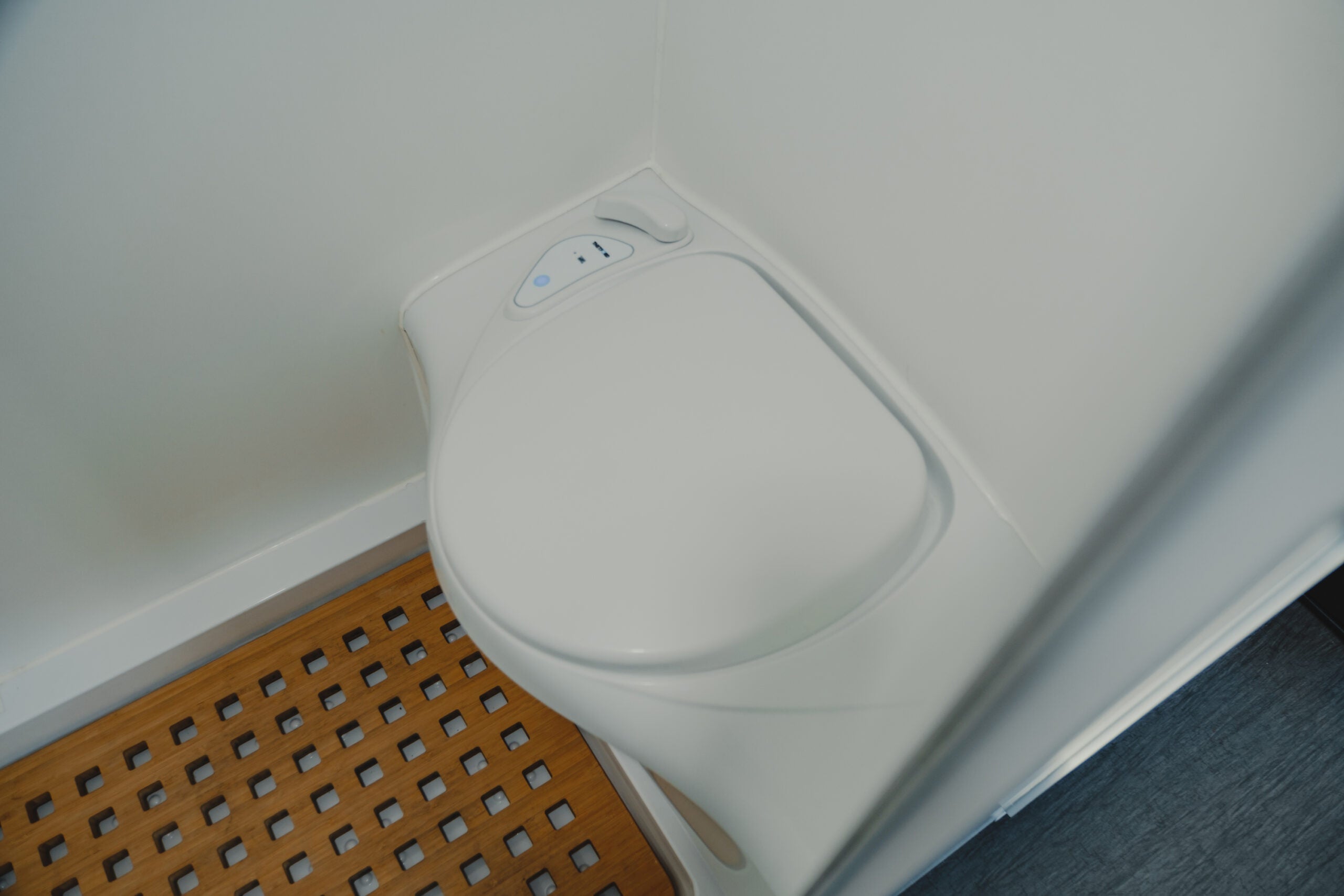
Thankfully, this modified Ford Transit camper van had a 45-gallon grey water tank that only filled up in the final hours of the trip. So for three nights and nearly four full days, my companion and I never actually had to deal with the grey water process at all.
However, there are some instructions in an included guidebook and other RVers should be able to help you at a campground if you required assistance.
Getting a van is hard to access and afford
There are increasingly more options when it comes to renting an RV, including camper vans. Outdoorsy and RV Share are two of the most popular websites for peer-to-peer rentals (think of them both as Airbnb for RVs).
You can also rent an RV for just $1 per day by picking up a relocation rental through a platform such as Imoova.
While Cabana is only based in Seattle as of this writing, they plan to expand throughout the West Coast with fully-equipped camper vans intended for both novices and veterans alike.
If you happen to be in Seattle, one of the best aspects of Cabana is ease of access.
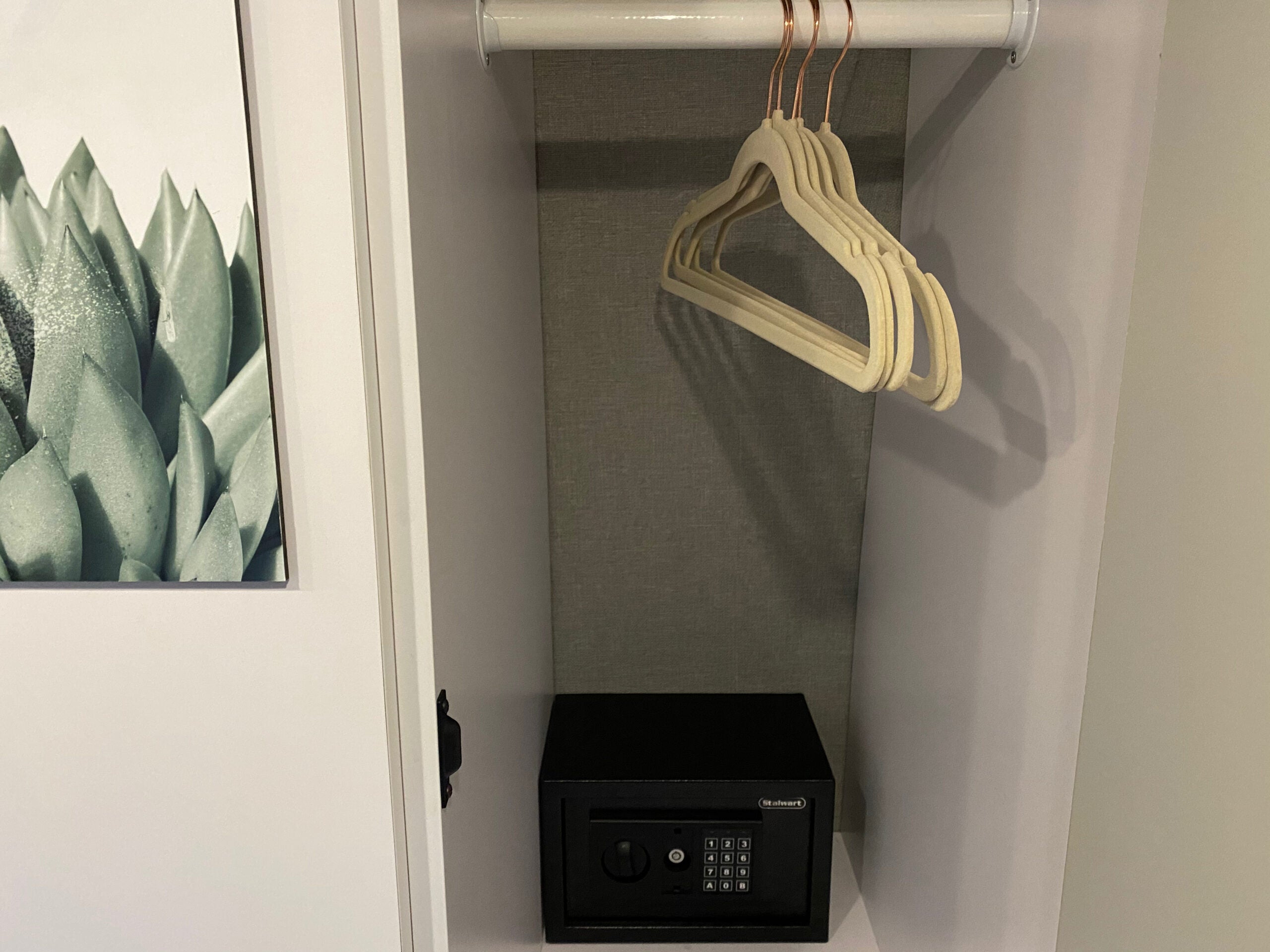
For instance, you can choose the neighborhood for pick up and all the vans come fully equipped (with the option for extras like the pull-out kitchen). Should there be any issues during the journey, you can text their concierge number for assistance with the van. Of course, that only works if you have functioning cellular service.
Driving a van is cumbersome
Once out of the streets of a city, I found it easy to navigate the camper van. This included driving it around the roads of Olympic National Park and Mount Rainer National Park.
However, this specific van was relatively small in size -- at about 20 feet long. The van could still, therefore, maneuver where most passenger vehicles could including various scenic overlooks, cramped parking lots and more. In this sense, a smaller camper van is better than driving a more unwieldy motorhome or larger RV.
Bottom line
With city dwellers looking to escape metropolises -- and remote work not just an option but a requirement -- there are fewer reasons why people need to be tied to one place.
While camper vans have always piqued my curiosity, the restrictions on travel opened the door to new modes of travel. From comfortable amenities to the seamless ability to explore the outdoors, I was impressed by my first camper van experience.
However, more directions for specific features would have been appreciated, especially for beginners. For a few days though, a camper van seems like the ideal way to disconnect, explore your natural surroundings and return to civilization a bit more recharged.
TPG featured card
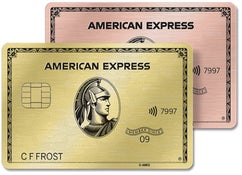
at American Express's secure site
Terms & restrictions apply. See rates & fees.
| 4X | Earn 4X Membership Rewards® points per dollar spent on purchases at restaurants worldwide, on up to $50,000 in purchases per calendar year, then 1X points for the rest of the year. |
| 4X | Earn 4X Membership Rewards® points per dollar spent at US supermarkets, on up to $25,000 in purchases per calendar year, then 1X points for the rest of the year. |
| 5X | Earn 5X Membership Rewards® points on prepaid hotel stays booked through AmexTravel.com or the Amex Travel App™. |
| 3X | Earn 3X Membership Rewards® points on flights booked through AmexTravel.com, the Amex Travel App™, or purchased directly from airlines. |
| 2X | Earn 2X Membership Rewards® points on prepaid car rentals booked through AmexTravel.com or the Amex Travel App™ and cruises booked and paid through AmexTravel.com. |
| 1X | Earn 1X Membership Rewards® point per dollar spent on all other eligible purchases. |
Pros
- Valuable dining and food-related credits
- Flexible rewards with airline and hotel transfer partners
- Multiple travel and purchase protections
- No foreign transaction fees
- Access to Amex Offers for additional savings (enrollment required)
Cons
- Not as useful for those living outside the U.S.
- Some may have trouble using Uber and other dining credits
- You may be eligible for as high as 100,000 Membership Rewards® Points after you spend $8,000 in eligible purchases on your new Card in your first 6 months of Card Membership. Welcome offers vary and you may not be eligible for an offer. Apply to know if you’re approved and find out your exact welcome offer amount – all with no credit score impact. If you’re approved and choose to accept the Card, your score may be impacted.
- Earn 4X Membership Rewards® points per dollar spent on purchases at restaurants worldwide, on up to $50,000 in purchases per calendar year, then 1X points for the rest of the year.
- Earn 4X Membership Rewards® points per dollar spent at US supermarkets, on up to $25,000 in purchases per calendar year, then 1X points for the rest of the year.
- Earn 5X Membership Rewards® points on prepaid hotel stays booked through AmexTravel.com or the Amex Travel App™.
- Earn 3X Membership Rewards® points on flights booked through AmexTravel.com, the Amex Travel App™, or purchased directly from airlines.
- Earn 2X Membership Rewards® points on prepaid car rentals booked through AmexTravel.com or the Amex Travel App™ and cruises booked and paid through AmexTravel.com.
- Earn 1X Membership Rewards® point per dollar spent on all other eligible purchases.
- Pay It® lets you tap in the American Express® App to quickly pay for small purchase amounts throughout the month and still earn rewards the way you usually do. Plan It® gives you the option to split up big purchases into equal monthly payments with a fixed fee. You’ll know upfront exactly how much you’ll pay.
- $120 Dining Credit: Earn up to a total of $10 in statement credits monthly when you pay with the Gold Card at Grubhub (including Seamless), Buffalo Wild Wings, Five Guys, The Cheesecake Factory, and Wonder. This can be an annual savings of up to $120. Enrollment required.
- $100 Resy Credit: Get up to $100 in statement credits each calendar year at over 10,000 qualifying U.S. Resy restaurants after you pay for eligible purchases with the American Express® Gold Card. That’s up to $50 in statement credits semi-annually. Enrollment required.
- $84 Dunkin' Credit: Earn up to $7 in monthly statement credits after you pay with the American Express® Gold Card at U.S. Dunkin’ locations. Enrollment required.
- $120 Uber Cash on Gold: Enjoy up to $120 in Uber Cash annually with your Gold Card. Just add your Card to your Uber account and you'll get $10 in Uber Cash each month to use on orders and rides in the U.S. when you select an Amex Card for your transaction.
- Enjoy complimentary Hertz Five Star® Status benefits like skipping the counter at select locations, adding an additional driver at no additional cost*, and vehicle upgrades**. Benefit enrollment and Hertz Gold+ registration are required. *Additional drivers must meet standard rental qualifications and must be a spouse or domestic partner to qualify as complimentary. Other additional drivers subject to fees. **Benefits are subject to availability and vary by location. Additional Hertz program Terms and Conditions including age restrictions apply.
- Book two nights or more with The Hotel Collection through AmexTravel.com or the Amex Travel App™ and receive a $100* credit towards eligible charges at over 1,400 upscale hotels worldwide. *Eligible charges vary by property.
- Book your travel through the Amex Travel App™ with added peace of mind – backed by American Express® service and support. Only for American Express® Card Members.
- Whenever you need us, we're here. Our Member Services team will ensure you are taken care of. From lost Card replacement to statement questions, we are available to help 24/7.
- No Foreign Transaction Fees.
- Annual Fee is $325.
- Terms Apply.