Is it ethical to fly business class in light of the climate crisis?

Editor's Note
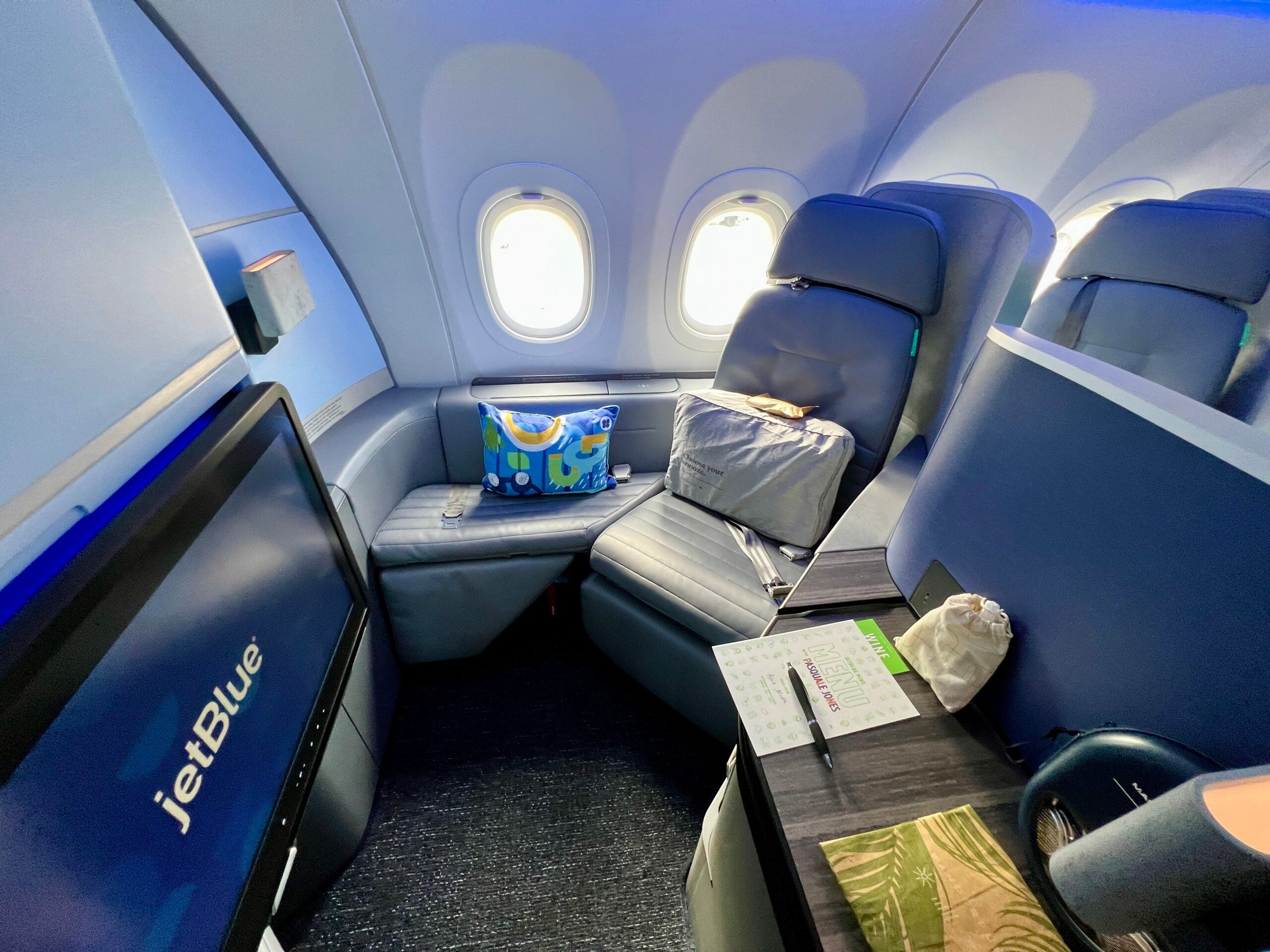
Like just about anyone else who's ever been able to fly "up front," I like to sit in business class. However, lately I've been thinking more about the cost of doing so from a climate-related perspective.
My introduction to points, miles and credit card rewards came after a red-eye flight in coach where I suffered from a severe lack of sleep. I was miserable, so much so that I became determined to find a way to afford a lie-flat seat so that I wouldn't find myself in that predicament as much when I traveled long-haul.
As someone who travels fairly often for both my job and personal reasons, I recognize that my carbon footprint is quite large, even though I try and reduce it where I can.
As I attend airline industry events and constantly hear about emission reduction targets to address the 3-4% of global emissions currently attributed to commercial aviation, I've found my mind wandering to the big seats up front.
The implications of frequent travel are obvious enough, but a significant number of people would have to refrain from flying to cause airlines to use smaller planes or run fewer flights.
If you're flying anyway, is it unethical to do so in a way that increases your carbon footprint? Also, how much of a difference does sitting in business class versus economy even make?
I spoke with Dan Rutherford, the director of aviation and shipping-related research at the International Council on Clean Transportation (a think tank that shares technical, scientific analysis with those who enforce environmental regulations), to find out.
Premium seats mean higher emissions
The ICCT compiled a report analyzing carbon dioxide emissions from commercial aviation from 2013, 2018 and 2019. The findings were eye-opening.

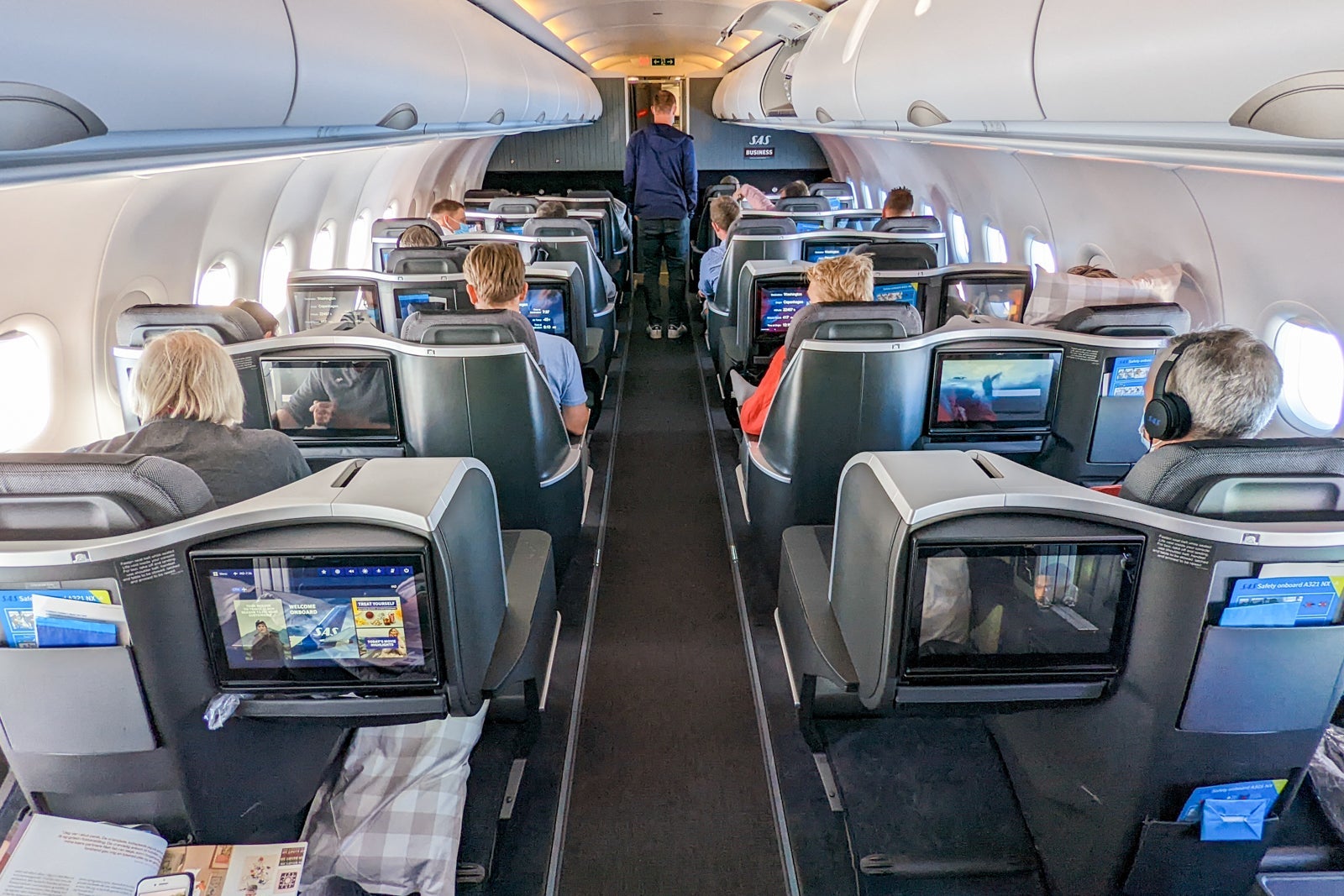
Passengers seated in business class are responsible for 2.6 to 4.3 times more emissions than if they fly in coach, according to Rutherford. The results are based on the floor space taken up by each passenger, along with weight considerations and other factors.
However, it's not like airlines are going to start flying less or getting rid of their high-yielding business-class cabins.
Decarbonizing the transportation sector is crucial in order to address the worsening climate crisis. The question is, how can we hope to do so without destroying transportation industries or causing catastrophic economic damage?
Recognizing that simply reversing the growth of travel is not a feasible option, the ICCT focuses on developing new technologies and improving efficiency wherever possible.
"Our mission is to improve the environmental performance and energy efficiency of road, marine and air transportation in order to benefit public health and mitigate climate change," the organization indicates on its website. Performance improvement will be key, but so will understanding exactly what those emission numbers mean and how air travel results in them.
Looking at the overall system
While the ICCT's findings initially seem to suggest more harm is done by sitting in business class rather than coach, the real-world implications are not as straightforward.
"Where you sit on the plane, fundamentally, is not going to change the emissions of that flight," Rutherford shared. "The plane doesn't really care whether you as an individual are sitting in economy or business class."
The way premium cabin seating actually does make a difference relates to the demand for those seats and what that encourages, Rutherford explained.
The high profitability of business-class seats incentivizes airlines to add more upgraded seats and fit fewer people on board than what each plane can accommodate. If airlines were to do away with premium cabins, they could use smaller, more efficient planes for the same overall number of passengers or even operate fewer flights on a given route by fitting more passengers onto each of the remaining flights.
So, the impact of premium cabin seats on overall emissions is a systemic question, not really an individual one. However, an individual who chooses to fly up front is implicitly propping up the current system.
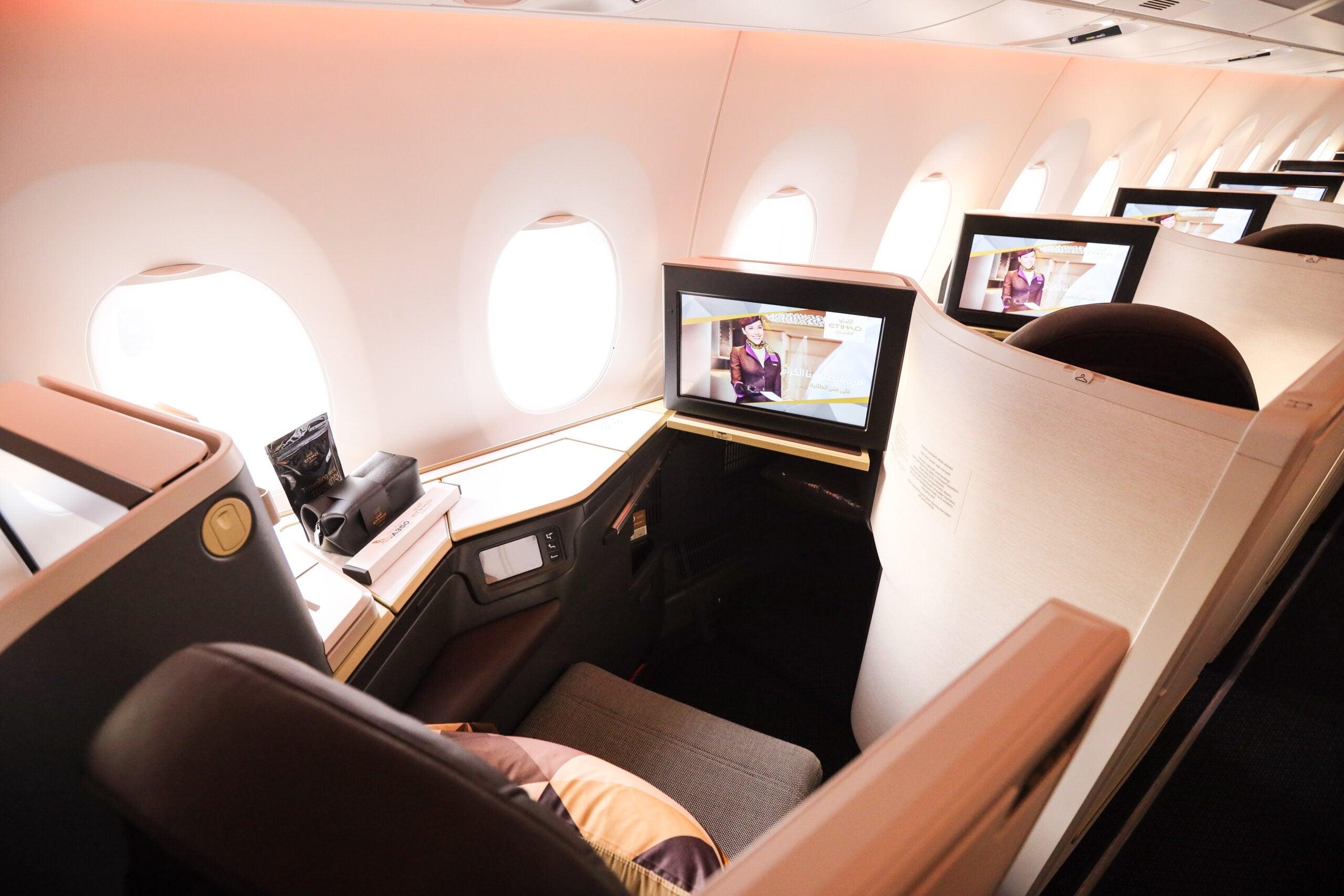
"The general idea is that if everyone flew economy, we'd move towards denser [overall] seating and lower emissions per passenger," Rutherford said.
However, this would have additional consequences that could offset some of the improvements being made.
"For example, if you had just a pure people carrier, one-class seating for a long-haul flight, you'd probably end up bumping off some belly freight," Rutherford explained. This would likely lead to some cargo needing to be offloaded and carried some other way, since most long-haul commercial flights carry freight in their cargo holds in addition to customers' luggage, which would increase in volume with a rise in number of passengers.
There are no easy answers, it turns out.
Should you change your travel habits?
"If you turn right and go to economy class, it's like you're choosing a hybrid car," Rutherford said. "If you get on a plane and turn left into business class, it's like choosing an SUV." Either way, you're driving a car that inherently generates emissions, sometimes in an area where you don't have access to public transportation and therefore must drive to live your life and get to work.
Rutherford is upfront about this. While his job involves helping find ways to decarbonize aviation, he's quick to admit that he regularly flew in the U.S. and abroad for work and leisure before the pandemic. In the mobile and global society we live in, simply not traveling or shipping items isn't an option.
That's why Rutherford and ICCT say their focus is on finding actual implementable ways to move away from fossil fuels and reduce emissions instead of calling on the public to forgo flying.
"It's about developing the technologies to decarbonize aviation, and part and parcel of that is figuring out who will pay for that," Rutherford said. "People who fly tend to be — globally — wealthy. We should be able to pay for this, to figure this out. It's sort of a collective action problem."
"I do see aviation as essential," he added. "And I do think technology can deliver. We just need to figure out [how to build it and] how to pay for it in an equitable way."
Related: Take a look at the new Alaska Airlines 737 MAX that Boeing is using as a flying laboratory
Bottom line
Whether to fly at the front of the plane — assuming that's an accessible option to you through work travel, cash or points and miles — is ultimately a personal decision. Unfortunately, there is no clear answer on the ethics of it, and that's something you need to decide for yourself.
Ideally, the framework offered by ICCT can help you decide, but just remember that one way or another, we must all do our part to find a way to decrease emissions throughout the travel industry.
That said, in the most immediate term, that business-class seat will be on that flight whether you choose to sit in it or head toward the back of the plane.
TPG featured card
at American Express's secure site
Terms & restrictions apply. See rates & fees.
| 4X | Earn 4X Membership Rewards® points per dollar spent on purchases at restaurants worldwide, on up to $50,000 in purchases per calendar year, then 1X points for the rest of the year. |
| 4X | Earn 4X Membership Rewards® points per dollar spent at US supermarkets, on up to $25,000 in purchases per calendar year, then 1X points for the rest of the year. |
| 5X | Earn 5X Membership Rewards® points on prepaid hotel stays booked through AmexTravel.com or the Amex Travel App™. |
| 3X | Earn 3X Membership Rewards® points on flights booked through AmexTravel.com, the Amex Travel App™, or purchased directly from airlines. |
| 2X | Earn 2X Membership Rewards® points on prepaid car rentals booked through AmexTravel.com or the Amex Travel App™ and cruises booked and paid through AmexTravel.com. |
| 1X | Earn 1X Membership Rewards® point per dollar spent on all other eligible purchases. |
Pros
- Valuable dining and food-related credits
- Flexible rewards with airline and hotel transfer partners
- Multiple travel and purchase protections
- No foreign transaction fees
- Access to Amex Offers for additional savings (enrollment required)
Cons
- Not as useful for those living outside the U.S.
- Some may have trouble using Uber and other dining credits
- You may be eligible for as high as 100,000 Membership Rewards® Points after you spend $8,000 in eligible purchases on your new Card in your first 6 months of Card Membership. Welcome offers vary and you may not be eligible for an offer. Apply to know if you’re approved and find out your exact welcome offer amount – all with no credit score impact. If you’re approved and choose to accept the Card, your score may be impacted.
- Earn 4X Membership Rewards® points per dollar spent on purchases at restaurants worldwide, on up to $50,000 in purchases per calendar year, then 1X points for the rest of the year.
- Earn 4X Membership Rewards® points per dollar spent at US supermarkets, on up to $25,000 in purchases per calendar year, then 1X points for the rest of the year.
- Earn 5X Membership Rewards® points on prepaid hotel stays booked through AmexTravel.com or the Amex Travel App™.
- Earn 3X Membership Rewards® points on flights booked through AmexTravel.com, the Amex Travel App™, or purchased directly from airlines.
- Earn 2X Membership Rewards® points on prepaid car rentals booked through AmexTravel.com or the Amex Travel App™ and cruises booked and paid through AmexTravel.com.
- Earn 1X Membership Rewards® point per dollar spent on all other eligible purchases.
- Pay It® lets you tap in the American Express® App to quickly pay for small purchase amounts throughout the month and still earn rewards the way you usually do. Plan It® gives you the option to split up big purchases into equal monthly payments with a fixed fee. You’ll know upfront exactly how much you’ll pay.
- $120 Dining Credit: Earn up to a total of $10 in statement credits monthly when you pay with the Gold Card at Grubhub (including Seamless), Buffalo Wild Wings, Five Guys, The Cheesecake Factory, and Wonder. This can be an annual savings of up to $120. Enrollment required.
- $100 Resy Credit: Get up to $100 in statement credits each calendar year at over 10,000 qualifying U.S. Resy restaurants after you pay for eligible purchases with the American Express® Gold Card. That’s up to $50 in statement credits semi-annually. Enrollment required.
- $84 Dunkin' Credit: Earn up to $7 in monthly statement credits after you pay with the American Express® Gold Card at U.S. Dunkin’ locations. Enrollment required.
- $120 Uber Cash on Gold: Enjoy up to $120 in Uber Cash annually with your Gold Card. Just add your Card to your Uber account and you'll get $10 in Uber Cash each month to use on orders and rides in the U.S. when you select an Amex Card for your transaction.
- Enjoy complimentary Hertz Five Star® Status benefits like skipping the counter at select locations, adding an additional driver at no additional cost*, and vehicle upgrades**. Benefit enrollment and Hertz Gold+ registration are required. *Additional drivers must meet standard rental qualifications and must be a spouse or domestic partner to qualify as complimentary. Other additional drivers subject to fees. **Benefits are subject to availability and vary by location. Additional Hertz program Terms and Conditions including age restrictions apply.
- Book two nights or more with The Hotel Collection through AmexTravel.com or the Amex Travel App™ and receive a $100* credit towards eligible charges at over 1,400 upscale hotels worldwide. *Eligible charges vary by property.
- Book your travel through the Amex Travel App™ with added peace of mind – backed by American Express® service and support. Only for American Express® Card Members.
- Whenever you need us, we're here. Our Member Services team will ensure you are taken care of. From lost Card replacement to statement questions, we are available to help 24/7.
- No Foreign Transaction Fees.
- Annual Fee is $325.
- Terms Apply.