Why the bulkhead is my least favorite seat on the plane

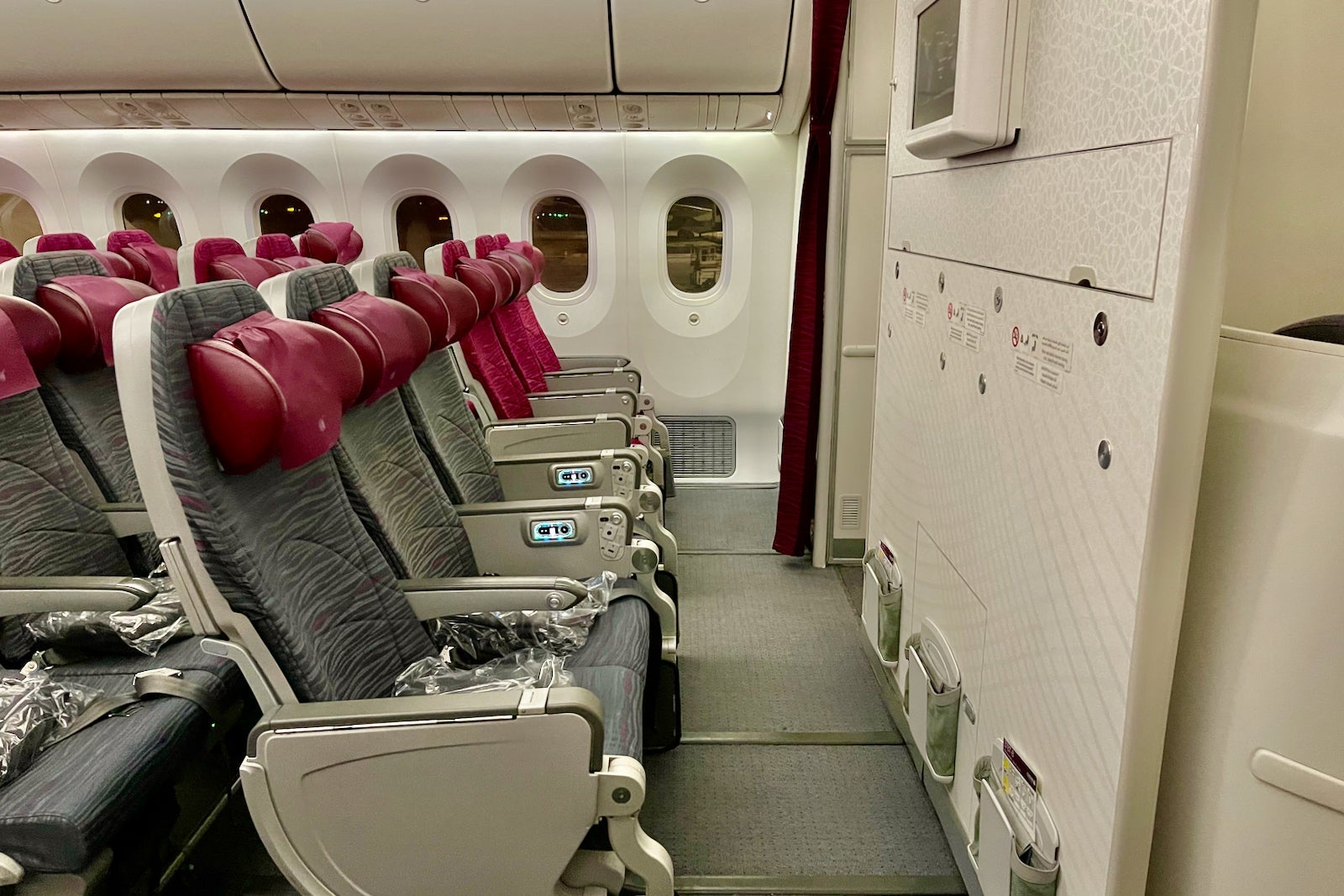
Everyone has a preferred seat on the plane. Some snag the aisle; others, like me, choose the window.
But another consideration that will make a substantial difference in the flight experience is where you sit in the cabin.
Personally, the answer is never the bulkhead. Let me explain why.
No under-seat storage
When I first posed the question on my Instagram page (follow me there), the biggest drawback I noted about the bulkhead was the lack of under-seat storage.
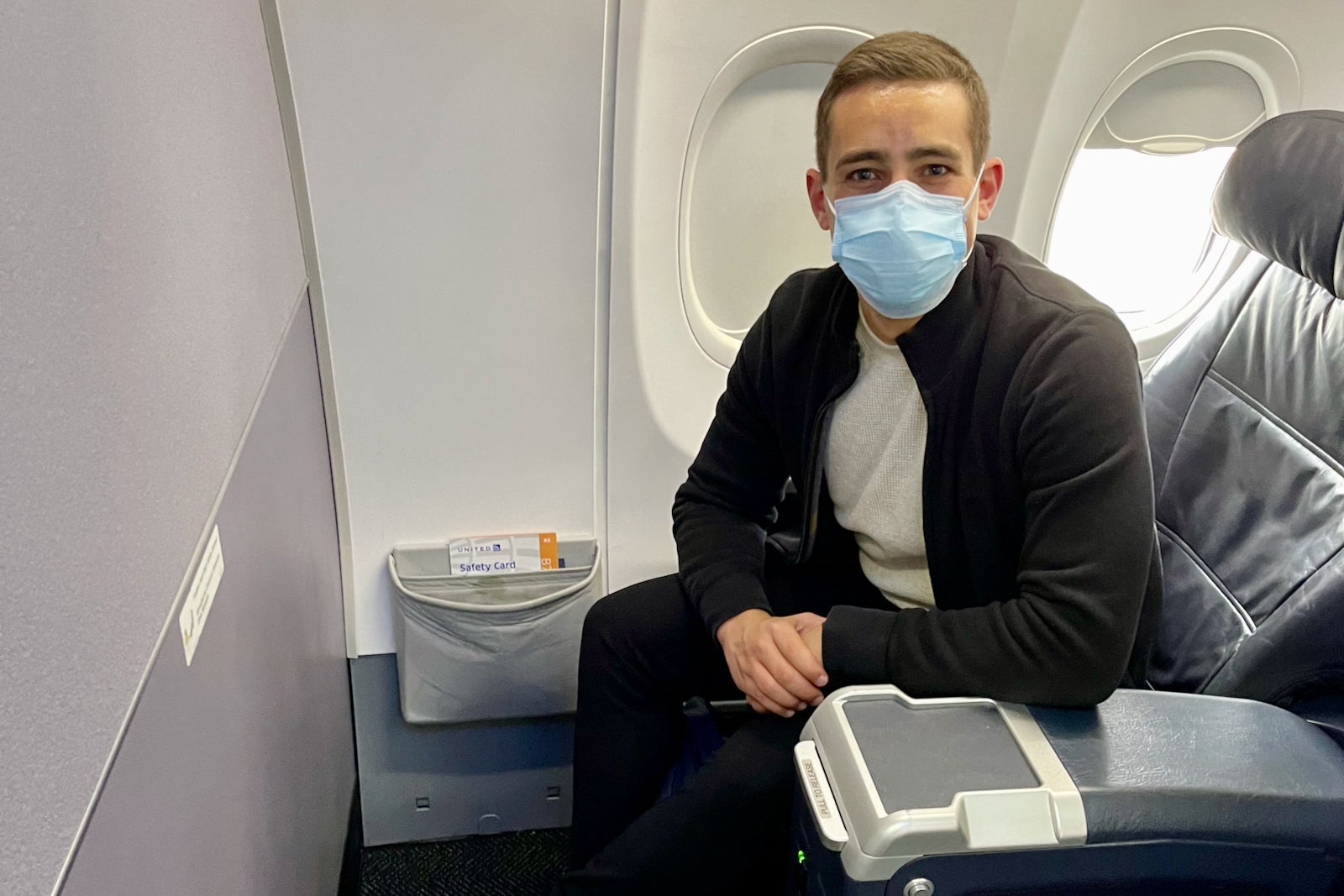
Federal rules require that anyone seated in Row 1 or in another row with a fixed wall in front of them store all their belongings in the overhead compartment during taxi, takeoff and landing.
You're allowed to keep your bags at your seat once cruising, but there's no dedicated storage space, so your belongings will cut into your (already limited) legroom.
I'm often working during flight, so I value convenient access to my backpack. Plus, finding overhead bin space can be challenging, especially for me since I always try to board at the end.
No space to stretch your legs
Many proponents of sitting in the bulkhead cite the advantage that no one will recline into your space.
But the flipside to that argument is that there's less space to stretch your legs. Though some cabins, including American's improved "Kodiak" first-class on the Airbus A321, have built footwell cutouts into the bulkhead walls, most airlines don't offer such passenger-friendly features.

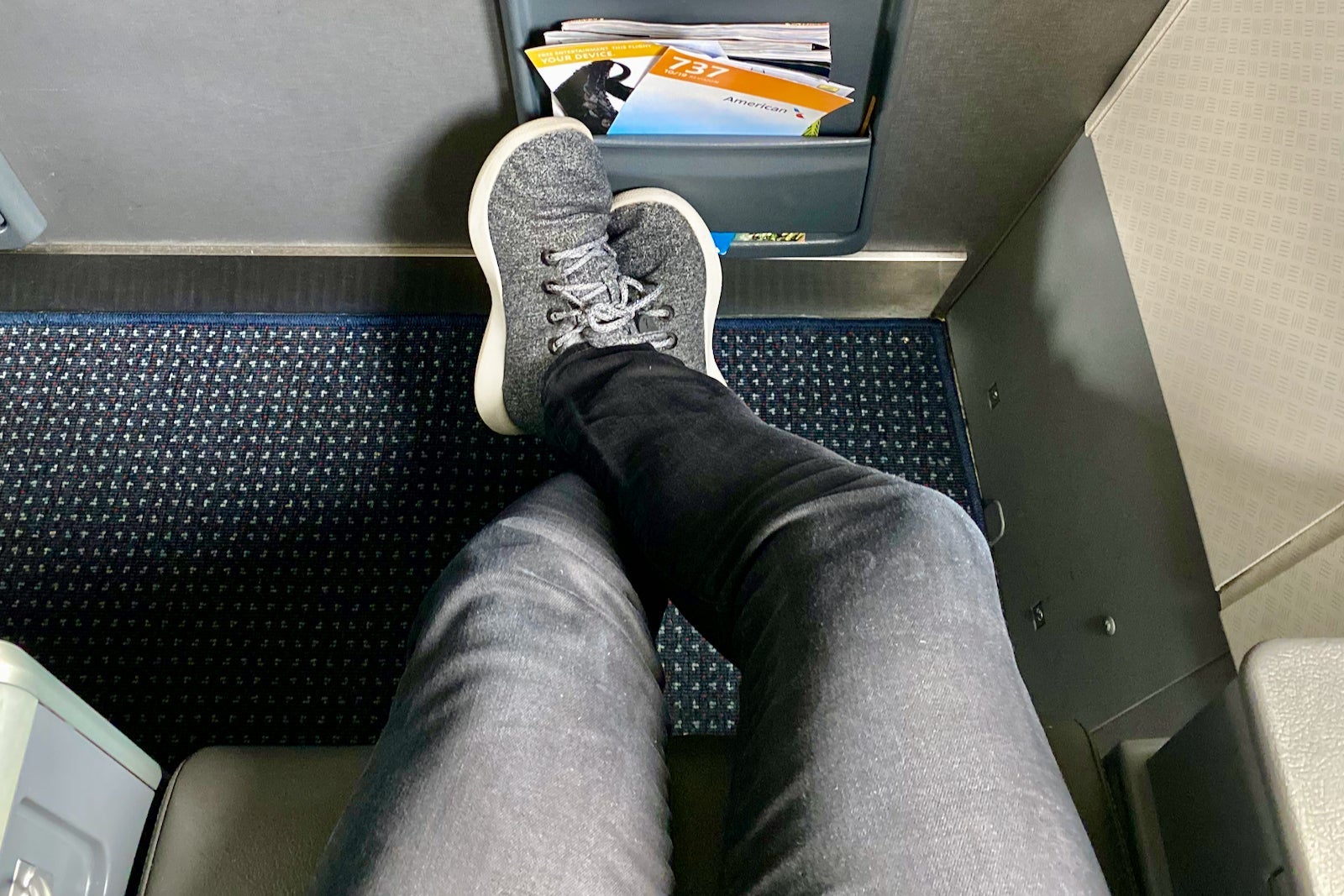
As such, your leg space is limited by the immovable wall. Sure, you can perch your legs on the wall, but I find that uncomfortable (and some find that socially unacceptable).
Immovable armrests and misplaced in-flight entertainment
Two of the other inconveniences with the bulkhead include the placement of the tray tables and seat-back screens.
In most economy and domestic first-class seats, the tray table folds down from the seat in front of you. In the bulkhead, it folds out of the armrest.
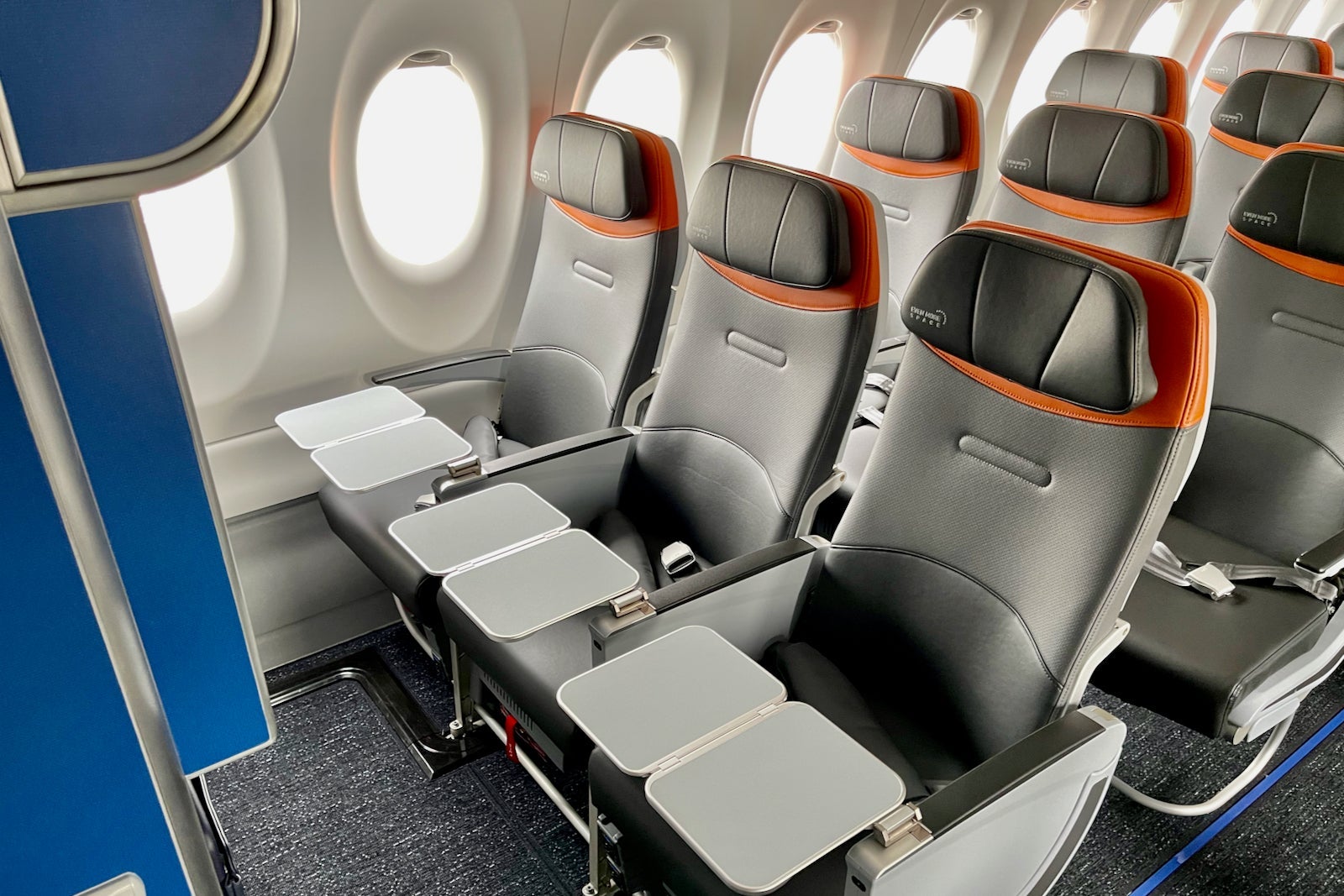
As such, the table has less support and is often more flimsy than normal. It's also placed more awkwardly — closer to the stomach and lower toward the legs.
The armrest is also immovable since it holds the tray table, often limiting the seat width.
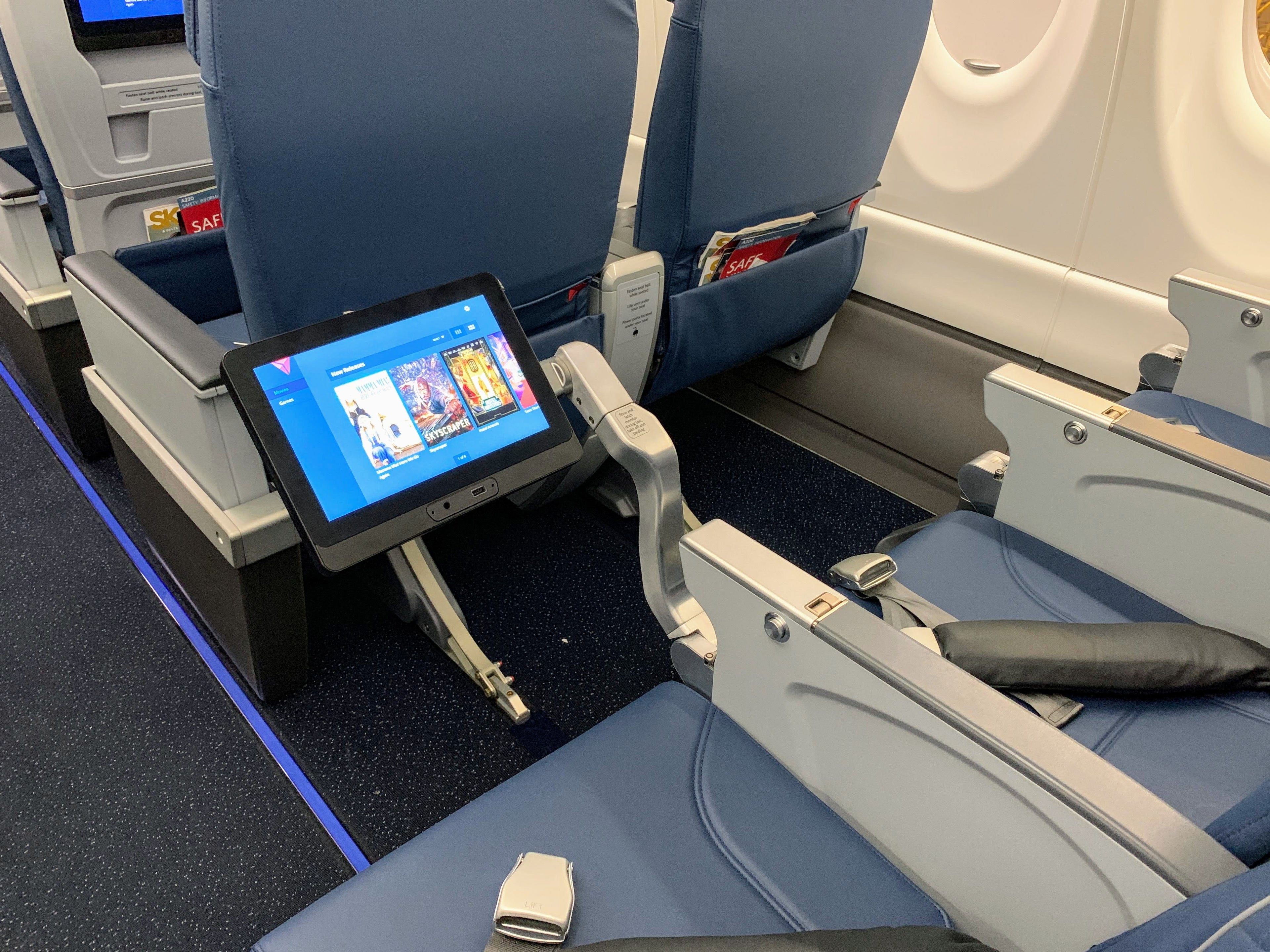
Additionally, if your jet is outfitted with seat-back screens, you'll either find that they flip out from the center console or are fixed to the wall in front of you. Both have awkward viewing angles compared to those in regular seats.
Overcrowding
During the pandemic, I'm doing as much as I can to minimize my person-to-person interactions. Of course, that's nearly impossible on a plane, though the bulkhead is definitely one of the more crowded spaces throughout the cabin.
You'll often find the lavatories and/or galley situated right in front of the bulkhead row, meaning that lines could form for the restrooms and crew could congregate during service — right next to your seat.
When faced with the choice, I prefer to sit in the last row of the domestic first-class cabin, far away from the lavatories and galley. In coach, I'll give myself at least a three-row buffer from the front of the plane.
Of course, some people swear by Row 1 since it offers faster deplaning, but I prefer waiting a few minutes once we're on the ground in exchange for a more comfortable in-flight experience.
The one case where I might choose the bulkhead
While much of the above reasoning applies to nearly every domestic flight I take, the opposite is true for long-haul jaunts in premium cabins.
When flying internationally in business or first-class, the bulkhead is often one of the best seats for an improved sleeping experience.
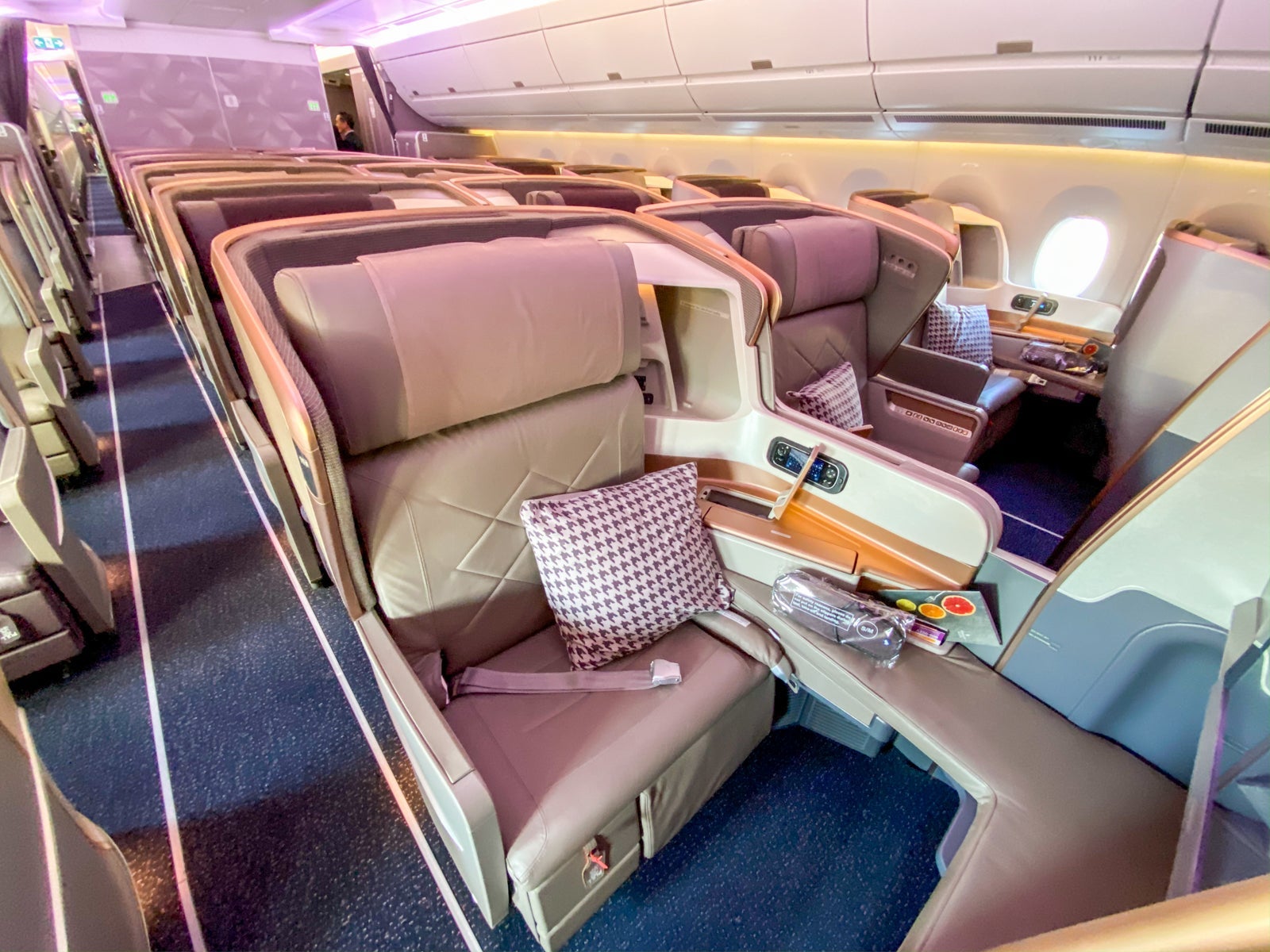
For taller passengers and/or those with large feet, the footwell cutout in the bulkhead is usually substantially larger than other pods.
Of course, you'll need to consider the noise and light pollution that might come from the galley during a red-eye flight.
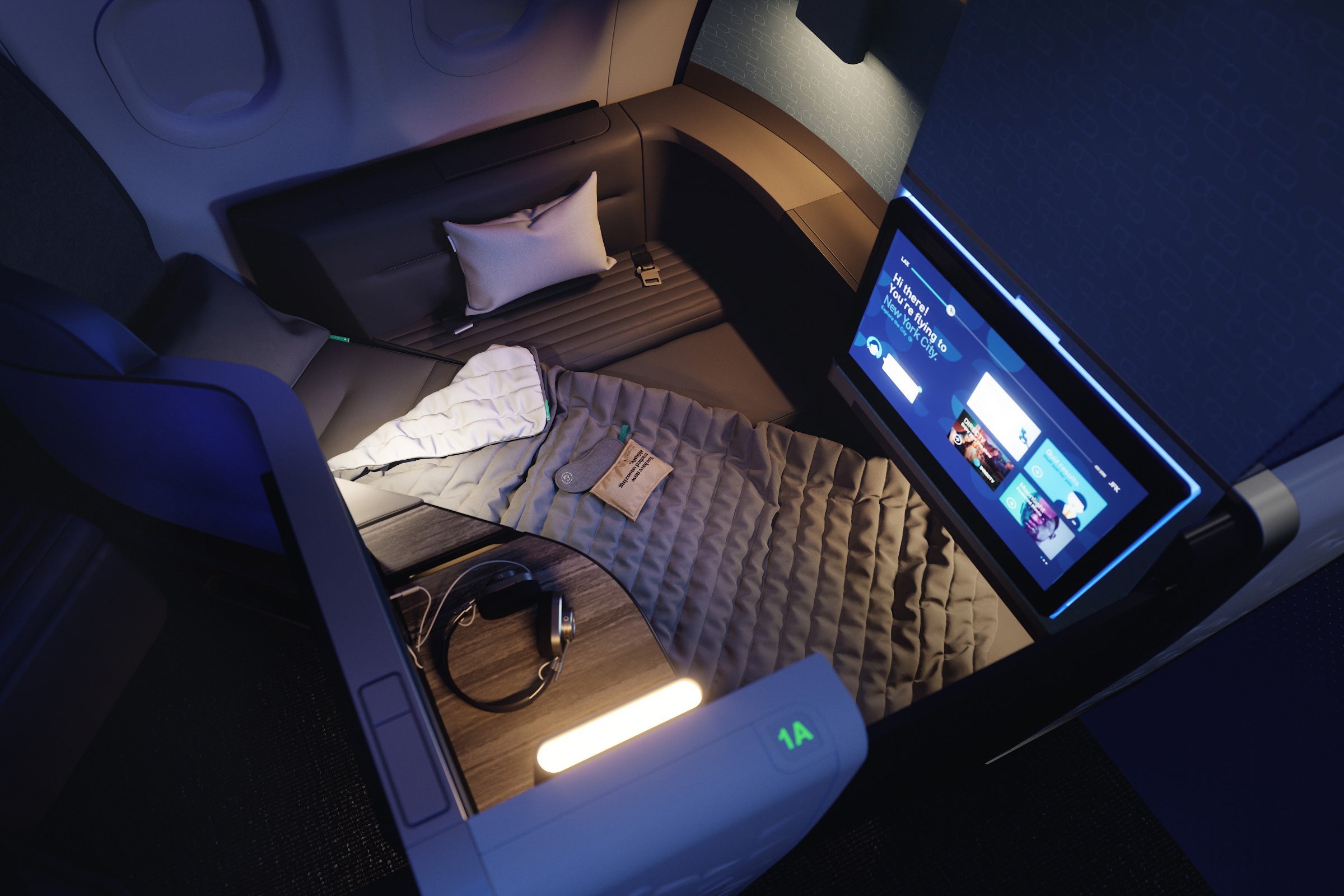
In JetBlue's overhauled Mint cabin, the carrier will offer two "Studios" with substantially more living space in the front row. When flying the new product, I'll do all that I can to snag one of the two above-average suites, even though it's located in the bulkhead.
Bottom line
The bulkhead is my least favorite seat on the plane.
With limited under-seat storage and legroom, I'll typically do all that I can to avoid sitting there. Your tray table and seat-back monitor are also placed inconveniently in the front row.
Others prefer the bulkhead since there's no one reclining into them, but for me, the cons far outweigh the (limited) advantages.
TPG featured card

at American Express's secure site
Terms & restrictions apply. See rates & fees.
| 3X | Earn 3X Miles on Delta purchases. |
| 1X | Earn 1X Miles on all other eligible purchases. |
Pros
- Delta SkyClub access when flying Delta
- Annual companion ticket for travel on Delta (upon renewal)
- Ability to earn MQDs through spending
- Various statement credits for eligible purchases
Cons
- Steep annual fee of $650
- Other Delta cobranded cards offer superior earning categories
- Earn 100,000 Bonus Miles after you spend $6,000 or more in purchases with your new Card within the first 6 months of Card Membership and an additional 25,000 bonus miles after you make an additional $3,000 in purchases on the Card within your first 6 months, starting from the date that your account is opened. Offer Ends 04/01/2026.
- Delta SkyMiles® Reserve American Express Card Members receive 15 Visits per Medallion® Year to the Delta Sky Club® when flying Delta and can unlock an unlimited number of Visits after spending $75,000 in purchases on your Card in a calendar year. Plus, you’ll receive four One-Time Guest Passes each Medallion Year so you can share the experience with family and friends when traveling Delta together.
- Enjoy complimentary access to The Centurion® Lounge in the U.S. and select international locations (as set forth on the Centurion Lounge Website), Sidecar by The Centurion® Lounge in the U.S. (see the Centurion Lounge Website for more information on Sidecar by The Centurion® Lounge availability), and Escape Lounges when flying on a Delta flight booked with the Delta SkyMiles® Reserve American Express Card. § To access Sidecar by The Centurion® Lounge, Card Members must arrive within 90 minutes of their departing flight (including layovers). To access The Centurion® Lounge, Card Members must arrive within 3 hours of their departing flight. Effective July 8, 2026, during a layover, Card Members must arrive within 5 hours of the connecting flight.
- Receive $2,500 Medallion® Qualification Dollars with MQD Headstart each Medallion Qualification Year and earn $1 MQD for each $10 in purchases on your Delta SkyMiles® Reserve American Express Card with MQD Boost to get closer to Status next Medallion Year.
- Enjoy a Companion Certificate on a Delta First, Delta Comfort, or Delta Main round-trip flight to select destinations each year after renewal of your Card. The Companion Certificate requires payment of government-imposed taxes and fees of between $22 and $250 (for itineraries with up to four flight segments). Baggage charges and other restrictions apply. Delta Basic experiences are not eligible for this benefit.
- $240 Resy Credit: When you use your Delta SkyMiles® Reserve American Express Card for eligible purchases with U.S. Resy restaurants, you can earn up to $20 each month in statement credits. Enrollment required.
- $120 Rideshare Credit: Earn up to $10 back in statement credits each month after you use your Delta SkyMiles® Reserve American Express Card to pay for U.S. rideshare purchases with select providers. Enrollment required.
- Delta SkyMiles® Reserve American Express Card Members get 15% off when using miles to book Award Travel on Delta flights through delta.com and the Fly Delta app. Discount not applicable to partner-operated flights or to taxes and fees.
- With your Delta SkyMiles® Reserve American Express Card, receive upgrade priority over others with the same Medallion tier, product and fare experience purchased, and Million Miler milestone when you fly with Delta.
- Earn 3X Miles on Delta purchases and earn 1X Miles on all other eligible purchases.
- No Foreign Transaction Fees. Enjoy international travel without additional fees on purchases made abroad.
- $650 Annual Fee.
- Apply with confidence. Know if you're approved for a Card with no impact to your credit score. If you're approved and you choose to accept this Card, your credit score may be impacted.
- Terms Apply.
- See Rates & Fees