Brazil delays visa requirement for Americans once again


Editor's Note
After numerous proposed start dates, Brazil again delayed visa requirements for select tourists, including Americans.
American, Canadian and Australian tourists will not have to apply for a visa to visit until April 10, 2025, the Brazilian government said last week. The government previously dropped visa requirements in 2019 after slating a resumptive start date for January and April 2024.
Although the reasoning for the delay is unclear, the Brazilian Tourist Board previously cited needing additional time to "complete the process of implementing the requirement system eVisa and prevent the change from interfering with the flow of tourists from these countries to Brazil during the high season."
If the presumed visa requirement goes into effect as planned next year, passport holders from America, Australia and Canada must apply online for an electronic visa to enter the country; this includes travelers whose stay in Brazil will not exceed 90 days or three months. Eligible travelers can apply for a visa through VFS Global, a third-party site authorized by the Brazilian government to assist visa applicants.

Visa applications submitted through VFS Global take five business days to process on average and cost $80.90 per person. Each visa permits multiple entries by holders across a specific time period — five years for Canadians and Australians and 10 years for Americans.
"The validity period of your eVisa is different than the duration of your stay. You may enter in Brazil at any time within the validity period of the eVisa issued," per VFS Global. "If you want to enter in Brazil before the date specified on your eVisa, you must create a new application. If you need to stay more than 90 days inside the country, you must apply for a regular visa at the nearest Brazilian Consulate."
You can complete the application process online.
Travelers with existing visas do not need to apply for new visas; applying involves a three-step process, after which you should be able to download your visa for travel. To apply, you need a passport with two visa pages free, a flight reservation confirmation showing entry to and exit from Brazil, and a printed bank statement showing the last 30 days of transactions and at least $2,000 for travel.
Additional requirements for business-related travel and applicants under age 18 are outlined at brazil.vfsevisa.com.

The Brazilian government has not specified the reasoning behind rolling back the visa waiver for Americans; it could be due to the U.S. government's failure to act reciprocally to remove visa requirements for Brazilians visiting the U.S.
In March 2019, Brazil's move was seen as a gesture of good faith to strengthen diplomatic relations between the two countries, ahead of then-President Jair Bolsonaro's first visit to America. The U.S. has long required Brazilians to have a visa to travel to the U.S., including transit passengers making an international connection, per the U.S. Embassy and Consulates in Brazil.
Brazil has maintained a bilateral agreement with Japan since Sept. 30, 2023, releasing visa requirements for citizens for trips of up to 90 days to each country.
U.S. citizens can find up-to-date information on Brazil's entry requirements on the U.S. Department of State's website.
Related reading:
- If you need a passport quickly, this service may be for you
- Current passport processing times reach pre-pandemic estimates
- Guide to taking your passport photo at home
- 2024 Daily Getaways sale: Save on hotel points and stays, theme park entry, vacation packages and more
- Which airports around the world accept Global Entry?
- Which airports and airlines use TSA PreCheck?
TPG featured card
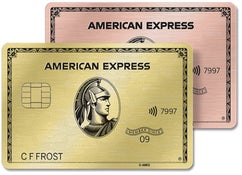
at American Express's secure site
Terms & restrictions apply. See rates & fees.
| 4X | Earn 4X Membership Rewards® points per dollar spent on purchases at restaurants worldwide, on up to $50,000 in purchases per calendar year, then 1X points for the rest of the year. |
| 4X | Earn 4X Membership Rewards® points per dollar spent at US supermarkets, on up to $25,000 in purchases per calendar year, then 1X points for the rest of the year. |
| 5X | Earn 5X Membership Rewards® points on prepaid hotel stays booked through AmexTravel.com or the Amex Travel App™. |
| 3X | Earn 3X Membership Rewards® points on flights booked through AmexTravel.com, the Amex Travel App™, or purchased directly from airlines. |
| 2X | Earn 2X Membership Rewards® points on prepaid car rentals booked through AmexTravel.com or the Amex Travel App™ and cruises booked and paid through AmexTravel.com. |
| 1X | Earn 1X Membership Rewards® point per dollar spent on all other eligible purchases. |
Pros
- Valuable dining and food-related credits
- Flexible rewards with airline and hotel transfer partners
- Multiple travel and purchase protections
- No foreign transaction fees
- Access to Amex Offers for additional savings (enrollment required)
Cons
- Not as useful for those living outside the U.S.
- Some may have trouble using Uber and other dining credits
- You may be eligible for as high as 100,000 Membership Rewards® Points after you spend $8,000 in eligible purchases on your new Card in your first 6 months of Card Membership. Welcome offers vary and you may not be eligible for an offer. Apply to know if you’re approved and find out your exact welcome offer amount – all with no credit score impact. If you’re approved and choose to accept the Card, your score may be impacted.
- Earn 4X Membership Rewards® points per dollar spent on purchases at restaurants worldwide, on up to $50,000 in purchases per calendar year, then 1X points for the rest of the year.
- Earn 4X Membership Rewards® points per dollar spent at US supermarkets, on up to $25,000 in purchases per calendar year, then 1X points for the rest of the year.
- Earn 5X Membership Rewards® points on prepaid hotel stays booked through AmexTravel.com or the Amex Travel App™.
- Earn 3X Membership Rewards® points on flights booked through AmexTravel.com, the Amex Travel App™, or purchased directly from airlines.
- Earn 2X Membership Rewards® points on prepaid car rentals booked through AmexTravel.com or the Amex Travel App™ and cruises booked and paid through AmexTravel.com.
- Earn 1X Membership Rewards® point per dollar spent on all other eligible purchases.
- Pay It® lets you tap in the American Express® App to quickly pay for small purchase amounts throughout the month and still earn rewards the way you usually do. Plan It® gives you the option to split up big purchases into equal monthly payments with a fixed fee. You’ll know upfront exactly how much you’ll pay.
- $120 Dining Credit: Earn up to a total of $10 in statement credits monthly when you pay with the Gold Card at Grubhub (including Seamless), Buffalo Wild Wings, Five Guys, The Cheesecake Factory, and Wonder. This can be an annual savings of up to $120. Enrollment required.
- $100 Resy Credit: Get up to $100 in statement credits each calendar year at over 10,000 qualifying U.S. Resy restaurants after you pay for eligible purchases with the American Express® Gold Card. That’s up to $50 in statement credits semi-annually. Enrollment required.
- $84 Dunkin' Credit: Earn up to $7 in monthly statement credits after you pay with the American Express® Gold Card at U.S. Dunkin’ locations. Enrollment required.
- $120 Uber Cash on Gold: Enjoy up to $120 in Uber Cash annually with your Gold Card. Just add your Card to your Uber account and you'll get $10 in Uber Cash each month to use on orders and rides in the U.S. when you select an Amex Card for your transaction.
- Enjoy complimentary Hertz Five Star® Status benefits like skipping the counter at select locations, adding an additional driver at no additional cost*, and vehicle upgrades**. Benefit enrollment and Hertz Gold+ registration are required. *Additional drivers must meet standard rental qualifications and must be a spouse or domestic partner to qualify as complimentary. Other additional drivers subject to fees. **Benefits are subject to availability and vary by location. Additional Hertz program Terms and Conditions including age restrictions apply.
- Book two nights or more with The Hotel Collection through AmexTravel.com or the Amex Travel App™ and receive a $100* credit towards eligible charges at over 1,400 upscale hotels worldwide. *Eligible charges vary by property.
- Book your travel through the Amex Travel App™ with added peace of mind – backed by American Express® service and support. Only for American Express® Card Members.
- Whenever you need us, we're here. Our Member Services team will ensure you are taken care of. From lost Card replacement to statement questions, we are available to help 24/7.
- No Foreign Transaction Fees.
- Annual Fee is $325.
- Terms Apply.