Skip to content

Delta's strategy of blocking the middle seat isn't as simple as it seems

July 03, 2020
6 min read
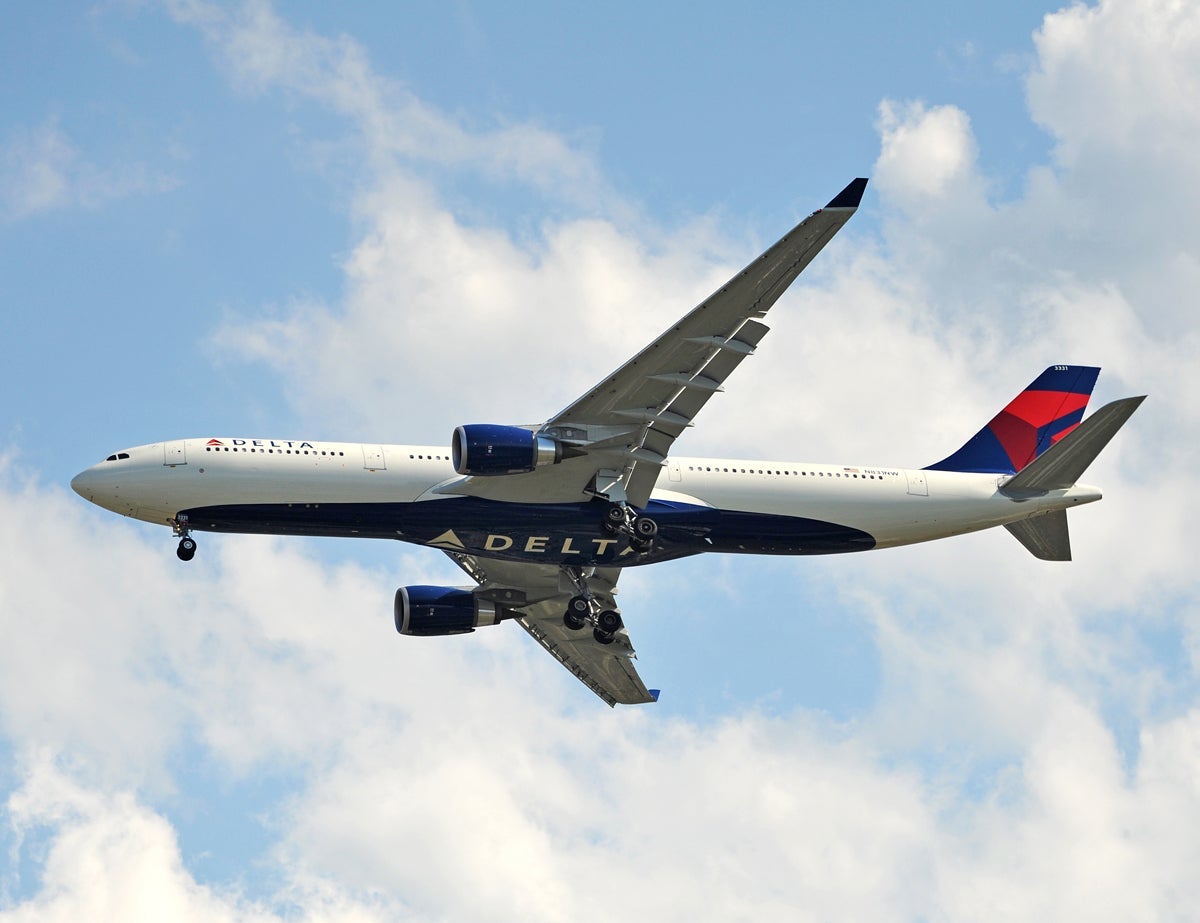
Delta Airbus A330-300 belly logo
The cards we feature here are from partners who compensate us when you are approved through our site, and this may impact how or where these products appear. We don’t cover all available credit cards, but our analysis, reviews, and opinions are entirely from our editorial team. Terms apply to the offers listed on this page. Please view our advertising policy and product review methodology for more information.

When you decide that you're going to fly again, you'll find that airlines have adapted all parts of the passenger experience to promote social distancing and create a safe environment.

All major U.S. carriers require you to wear masks, and most have adapted the boarding process to maximize space between passengers. But there's one practice that's at the center of my attention. And that's middle-seat blocking.

Some airlines like American and United, along with most of the ultra-low cost carriers, aren't meaningfully capping the capacity of their flights. There's a good chance you'll sit next to a stranger on those airlines. Others, like Delta, JetBlue and Southwest, have imposed capacity caps to give you some more space on board.

For Delta, blocking the middle seat is likely more than just about keeping you safe. Read on for why.

For more travel tips and news, sign up for our daily newsletter.

The case for blocking the middle seat

The science is pretty clear. The more space you have from your neighbor, the better.

Intuitively, this makes sense. The fewer interactions you have with other people means that there's less chance of contracting the coronavirus.

One might argue, like the CEO of United did, that blocking the middle seat puts you about 20 inches or so from your neighbor. Which is much less than the six-foot guideline from the CDC. Nonetheless, even if it's not six feet between you and your neighbor, it's certainly better than nothing

Plus, if you're flying, you're naturally going to be comfortable with a little more risk. But if you're looking for the "safest" way to fly, you'll likely choose a carrier that's guaranteeing that the middle seat will remain empty.

Daily Newsletter
Reward your inbox with the TPG Daily newsletter
Join over 700,000 readers for breaking news, in-depth guides and exclusive deals from TPG’s experts
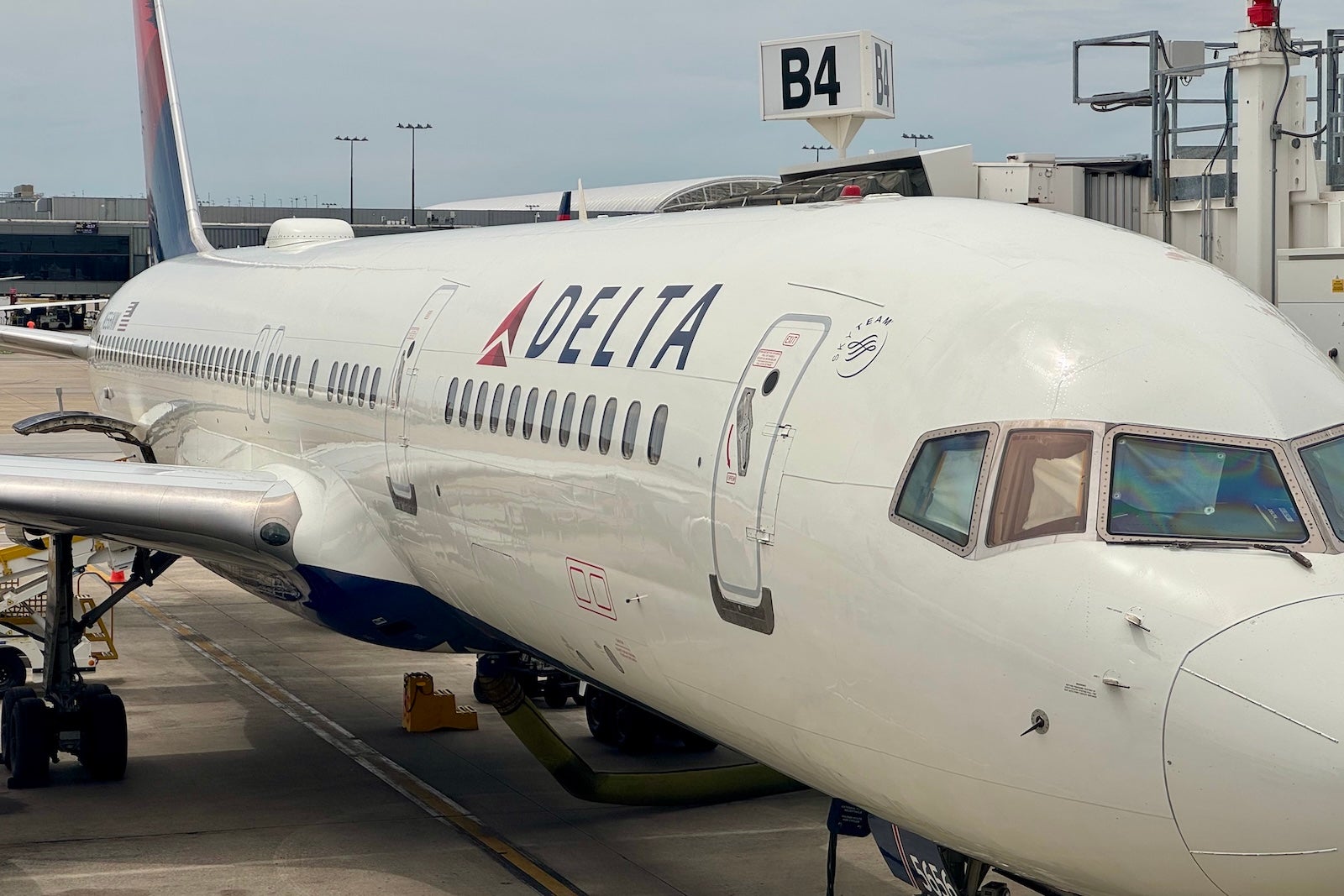
Delta 767
Delta Boeing 767 (Photo by Zach Griff/The Points Guy)

Related: Which US airlines are blocking middle seats and requiring masks?

Delta's strategy is about convincing you it's safe to fly... with Delta

Delta continues to cap capacity on all its flights in all cabins.

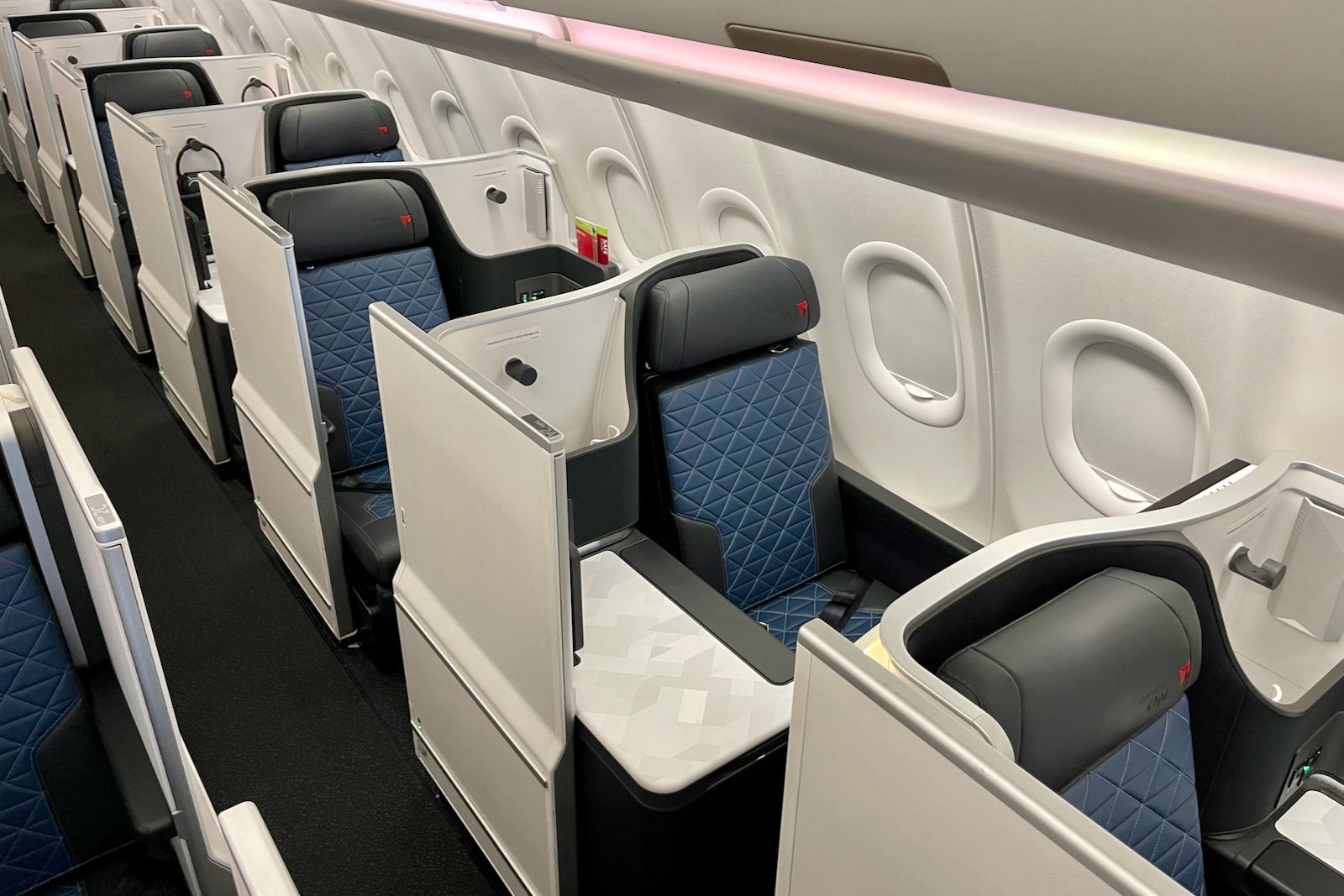
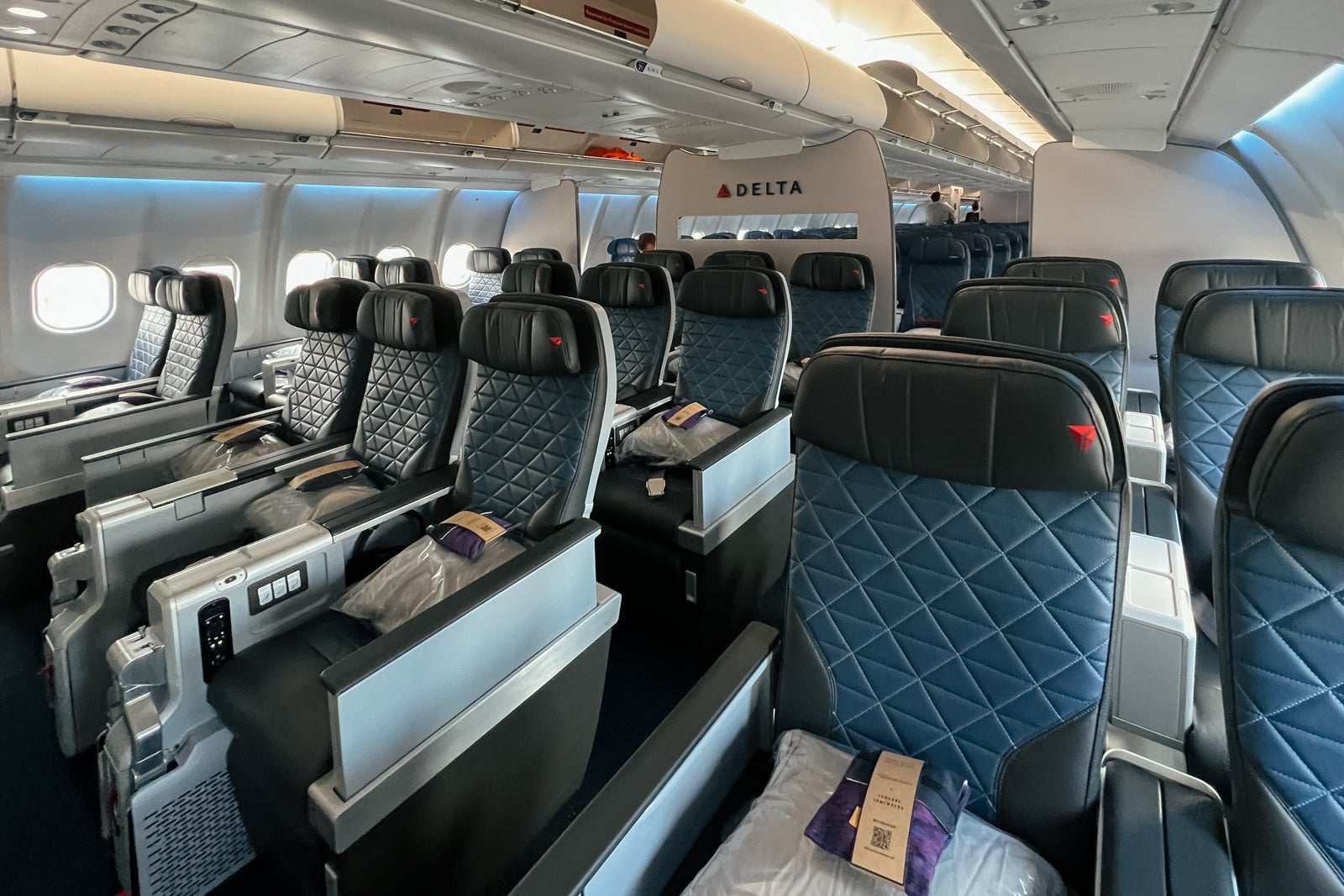
Through Sept. 30, the Atlanta-based carrier is capping seating at 50% in First Class and Delta One cabins with one aisle; 60% in Main Cabin, Delta Comfort+, and Delta Premium Select; and 75% in Delta One cabins with two aisles.

This keeps the middle seat empty for those in coach. It also means that people will be spread out even in the premium cabins.

Delta's two chief competitors, American and United, aren't going to such lengths. As of July 1, American once again began selling planes to 100% capacity (while providing some empty seats around flight attendant jump seats). United never stopped selling planes to capacity during the pandemic.

Delta's message is that the safest way to fly commercially is with Delta. In an internal company memo viewed by TPG, Delta's CEO Ed Bastian wrote that "medical experts we've worked with advise that keeping middle seats blocked and limiting capacity makes a real difference in keeping travelers and our people safe on board."

Delta's trying to ingrain the message that among our competition "we are the airline looking after your health."

Related: We got an inside look at how Delta is cleaning planes between every flight

Blocking middle seats is an unprofitable strategy

Consistently blocking middle seats is great for building brand loyalty and differentiation in the industry during the pandemic. Indeed, Delta is winning the public opinion.

But it comes at a steep cost that's explained with simple economics. As Delta cuts the supply of available seats, the price is bound to rise, assuming no changes in demand.

In fact, I'm already seeing Delta fares significantly higher than competitors who don't cap capacity. Take for example a last-minute booking from Fort Lauderdale to New York's LaGuardia Airport. Delta's fares are a whopping 10 times higher than Spirit's.
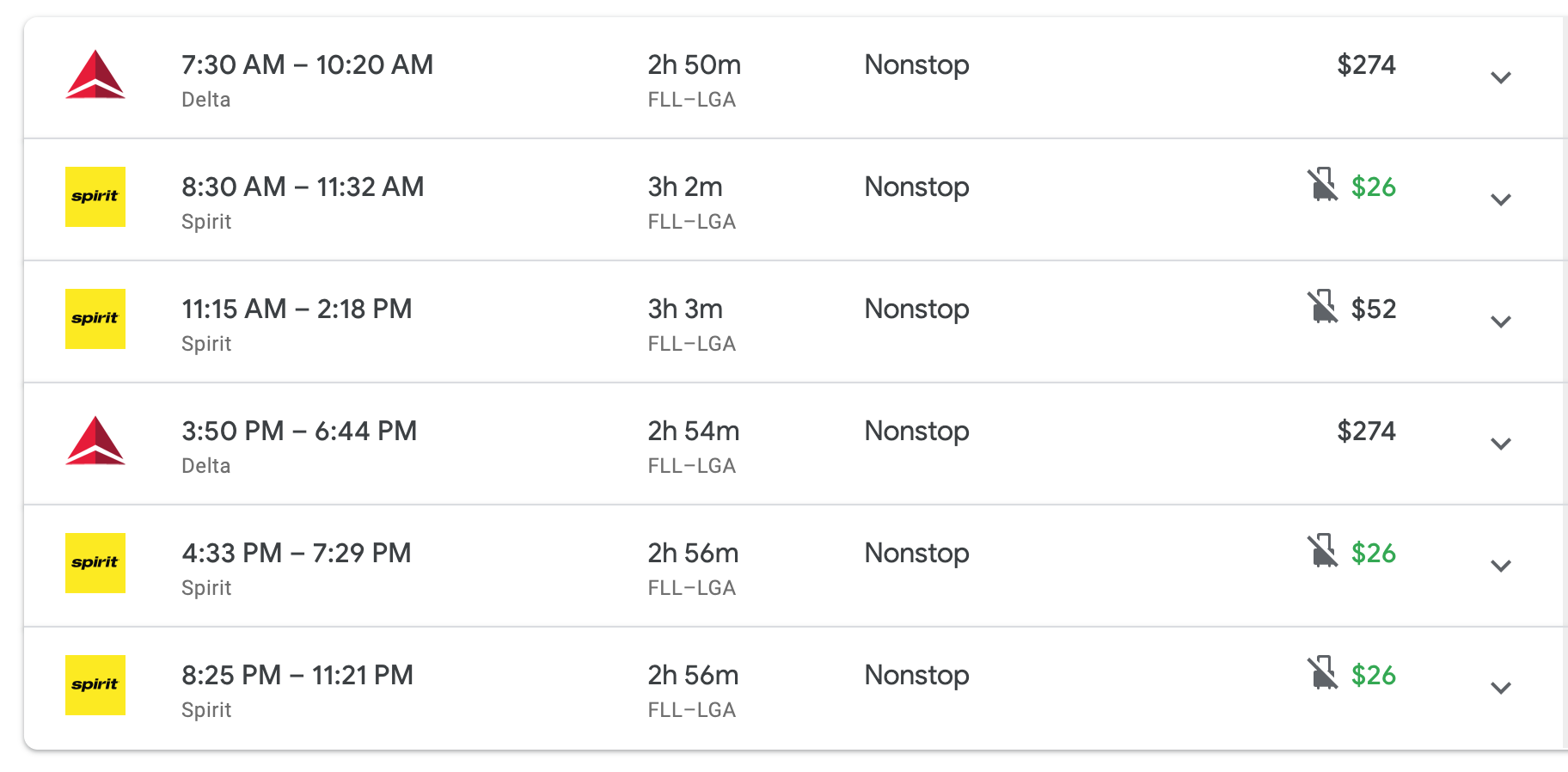
Screenshot from Google Flights

Similar patterns are showing in other markets too. In the below example, Delta (and JetBlue) fares are much higher than Spirit's offering from Boston to Atlanta.
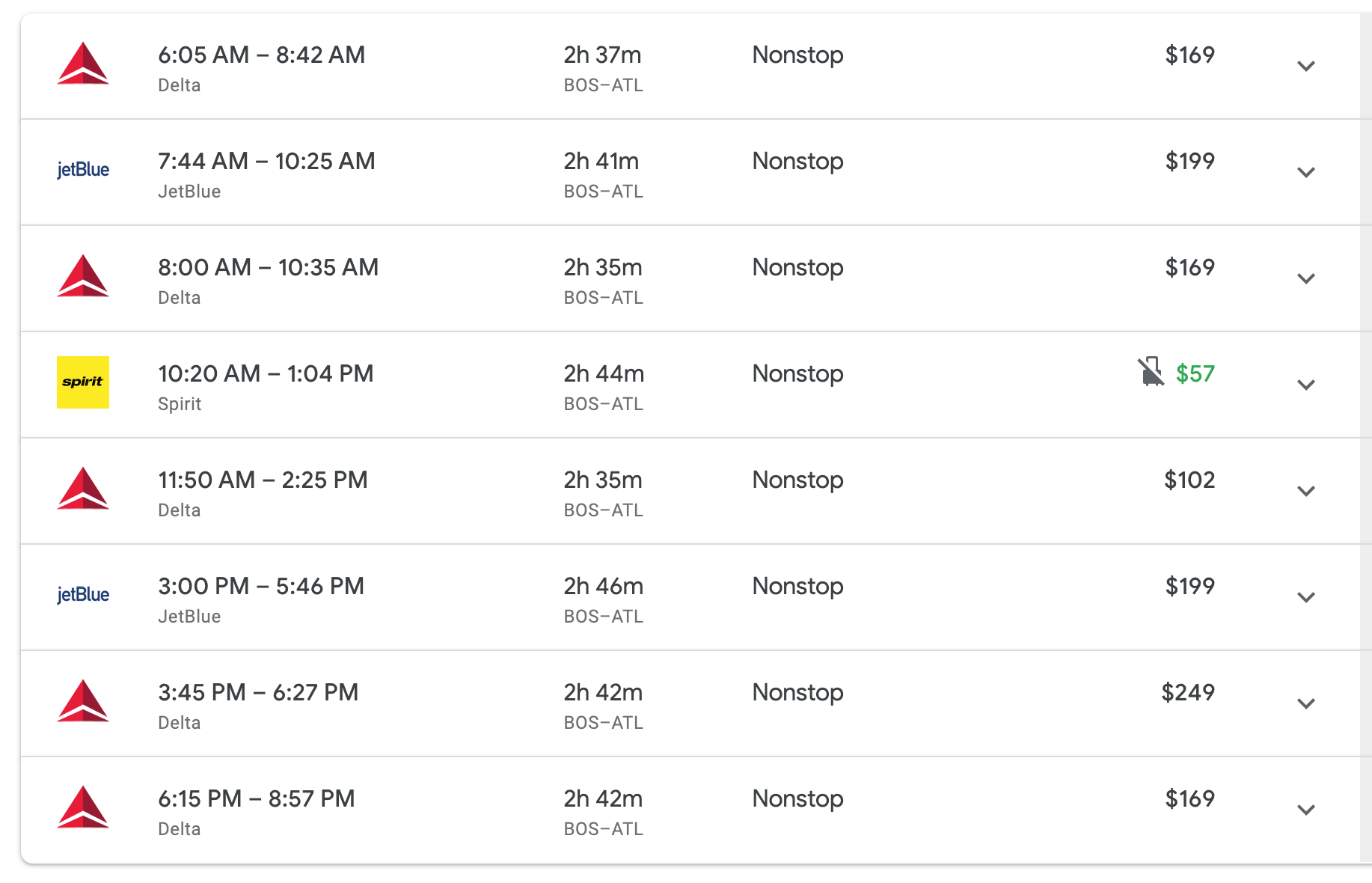
Screenshot courtesy of Google Flights

Of course, these are limited examples that might be no different from fares in Feb. 2020. But the general concept still applies: Delta needs to command a revenue premium to offset the fact that the middle seat is blocked.

This premium could survive the duration of the pandemic, but once there is a vaccine on the market and demand returns to pre-coronavirus levels, all bets are off. (Then, Delta could once again try commanding a revenue premium for offering an above-average passenger experience with a well-oiled operation.)

Related: Blocked middle seats may stick around for a bit, but not forever

But Delta's betting customer sentiment will last post-vaccine

Though it's likely unprofitable to block middle seats, Delta is betting that it will be remembered as the airline that maximized onboard safety during the pandemic.

Once the industry resets post-pandemic, it's hoping that these moves will buy long-term loyalty.

After all, blocking middle seats is definitely safer than sitting next to someone. But once you've decided to fly, is there that much of a difference between flying with a neighbor, when you're both wearing masks, cleaning your seats and breathing in air that went through a HEPA filter?

Delta Airbus A220 (Photo by Darren Murph/The Points Guy)

Even if the difference isn't nearly as big as we might think, Delta's hope is that it'll be known as the airline that cares about you and your safety above all else.

Related: The hidden costs of saying goodbye to the middle seat

Bottom line

There's more nuance to Delta's middle-seat-blocking policy than meets the eye. On paper and according to science, the more distance you have from your neighbor, the better.

That's why Delta is capping the capacity of all its flights through the summer. And Delta is winning the public (and press) opinion as the carrier that's doing the most to keep you safe.

But as we've outlined, this strategy isn't profitable as a long-term solution. Aside from assuaging passengers' fears in the near-term, Delta's hope, in my opinion, is that you'll remember them as the carrier that maximized your safety during a global pandemic.
TPG featured card

Best for businesses with high spending
TPG Editor‘s Rating
4.5 / 5
Go to review

Rewards

2 - 10X miles

Intro offer

LIMITED-TIME OFFER: Earn up to 400K bonus miles

Annual Fee

$395

Recommended Credit

740-850
Excellent

Why We Chose It

The Capital One Venture X Business Card has all the Capital One Venture X Rewards Credit Card has to offer and more. It offers an incredible welcome bonus and requires an equally impressive spend to qualify. In addition, the card comes with premium travel perks like annual travel credit. (Partner offer)

Pros

  • The Capital One Venture X business card has a very lucrative welcome offer.
  • In addition, the card comes with many premium travel perks such as an annual $300 credit for bookings through Capital One Business Travel.
  • Business owners are also able to add employee cards for free.

Cons

  • The card requires significant spending to earn the welcome offer.
  • Another drawback is that the annual travel credit can only be used on bookings made through Capital One Business Travel.
  • LIMITED-TIME OFFER: Earn up to 400K bonus miles: 200K miles when you spend $30K in the first 3 months, and an additional 200k miles when you spend $150k in the first 6 months
  • Earn unlimited 2X miles on every purchase, everywhere—with no limits or category restrictions
  • Earn 10X miles on hotels and rental cars and 5X miles on flights and vacation rentals booked through Capital One Business Travel
  • With no preset spending limit, enjoy big purchasing power that adapts so you can spend more and earn more rewards
  • Empower your teams to make business purchases while earning rewards on their transactions, with free employee and virtual cards. Plus, automatically sync your transaction data with your accounting software and pay your vendors with ease
  • Redeem your miles on flights, hotels and more. Plus, transfer your miles to any of the 15+ travel loyalty programs
  • Every year, you'll get 10,000 bonus miles after your account anniversary date. Plus, receive an annual $300 credit for bookings made through Capital One Business Travel
  • Receive up to a $120 credit for Global Entry or TSA PreCheck®. Enjoy access to 1,300+ airport lounges worldwide, including Capital One Lounge locations and Priority Pass™ lounges, after enrollment
  • Enjoy a $100 experience credit and other premium benefits with every hotel and vacation rental booked from the Premier Collection
  • This is a pay-in-full card, so your balance is due in full every month
Apply for Capital One Venture X Business
at Capital One's secure site
Terms & restrictions apply. See rates & fees
Best for businesses with high spending
TPG Editor‘s Rating
4.5 / 5
Go to review

Rewards Rate

2X miles2 miles per dollar on every purchase
5X miles5 miles per dollar on flights and vacation rentals booked through Capital One Business Travel
10X miles10 miles per dollar on hotels and rental cars booked through Capital One Business Travel
  • Intro Offer

    LIMITED-TIME OFFER: Earn up to 400K bonus miles
  • Annual Fee

    $395
  • Recommended Credit

    740-850
    Excellent

Why We Chose It

The Capital One Venture X Business Card has all the Capital One Venture X Rewards Credit Card has to offer and more. It offers an incredible welcome bonus and requires an equally impressive spend to qualify. In addition, the card comes with premium travel perks like annual travel credit. (Partner offer)

Pros

  • The Capital One Venture X business card has a very lucrative welcome offer.
  • In addition, the card comes with many premium travel perks such as an annual $300 credit for bookings through Capital One Business Travel.
  • Business owners are also able to add employee cards for free.

Cons

  • The card requires significant spending to earn the welcome offer.
  • Another drawback is that the annual travel credit can only be used on bookings made through Capital One Business Travel.
  • LIMITED-TIME OFFER: Earn up to 400K bonus miles: 200K miles when you spend $30K in the first 3 months, and an additional 200k miles when you spend $150k in the first 6 months
  • Earn unlimited 2X miles on every purchase, everywhere—with no limits or category restrictions
  • Earn 10X miles on hotels and rental cars and 5X miles on flights and vacation rentals booked through Capital One Business Travel
  • With no preset spending limit, enjoy big purchasing power that adapts so you can spend more and earn more rewards
  • Empower your teams to make business purchases while earning rewards on their transactions, with free employee and virtual cards. Plus, automatically sync your transaction data with your accounting software and pay your vendors with ease
  • Redeem your miles on flights, hotels and more. Plus, transfer your miles to any of the 15+ travel loyalty programs
  • Every year, you'll get 10,000 bonus miles after your account anniversary date. Plus, receive an annual $300 credit for bookings made through Capital One Business Travel
  • Receive up to a $120 credit for Global Entry or TSA PreCheck®. Enjoy access to 1,300+ airport lounges worldwide, including Capital One Lounge locations and Priority Pass™ lounges, after enrollment
  • Enjoy a $100 experience credit and other premium benefits with every hotel and vacation rental booked from the Premier Collection
  • This is a pay-in-full card, so your balance is due in full every month