Amtrak is attracting new travelers; sees shift from business to leisure passengers

From crowded airports to busy beaches and tourist destinations across the U.S., this weekend's numbers confirmed what we've expected for months: The travel surge is here to stay — for the coming few months at least, as the summer travel season begins in earnest.
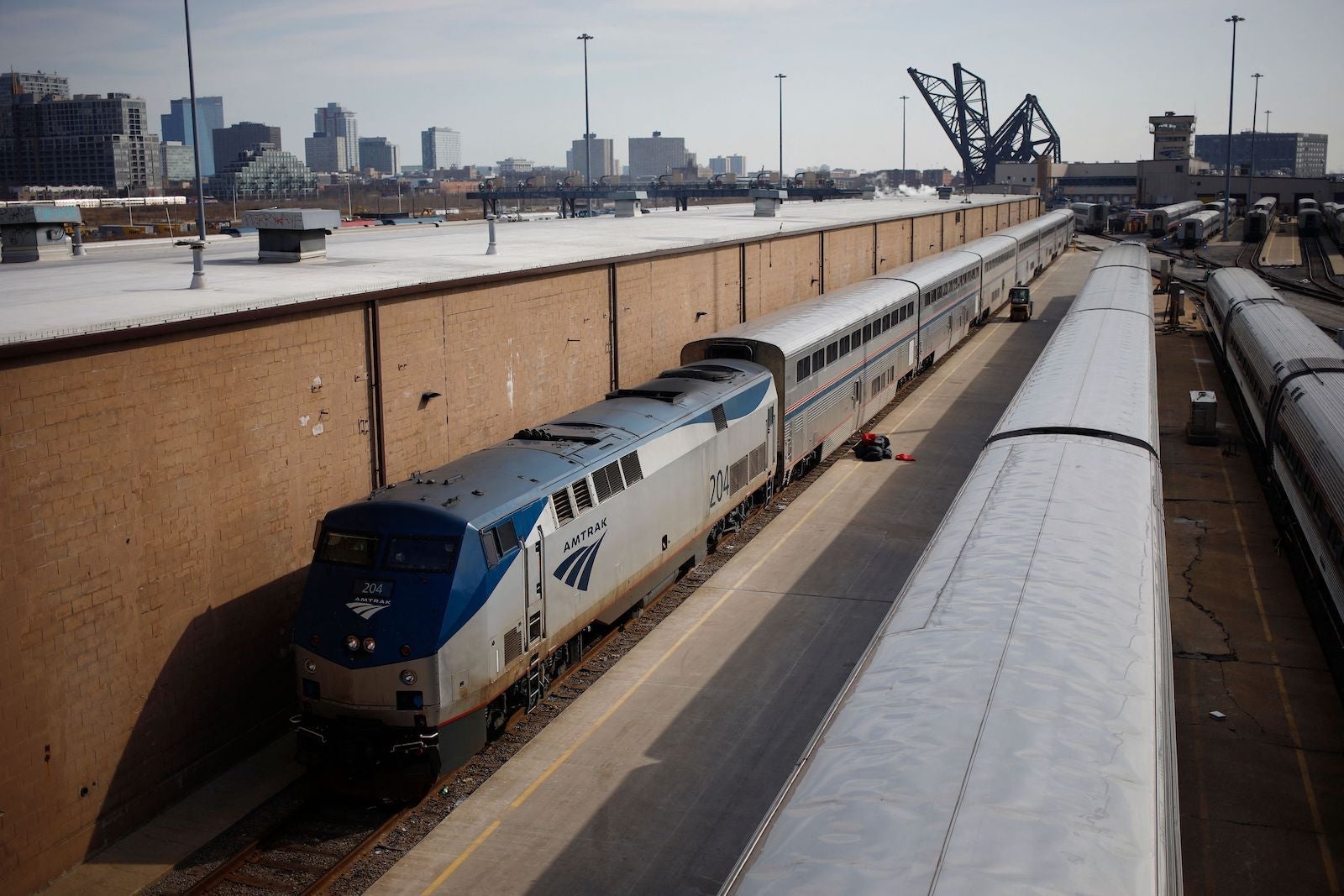
U.S. airports have recently seen several of their busiest days of the COVID-19 pandemic, and drivers are leaving home despite record-high gas prices. There's another section of the travel industry seeing demand like it hasn't since before March 2020: America's rail operators.
A longtime staple for business travelers, ridership on trains plummeted during the worst days of the COVID-19 pandemic, just as it did on airlines. Now, the crowds are returning, but the clientele is a bit different.
Subscribe to our daily newsletter for more TPG news, deals and points and miles tips delivered each morning to your inbox.
Plus, Amtrak announced new, targeted services aimed at leisure travel. Combine these elements with the fact that America's rails are getting an infusion of more cash than ever before, and it all seems to herald a time of change for train travel.
Related: First look at Acela's spiffy new trains
Ridership returning, but in a different way
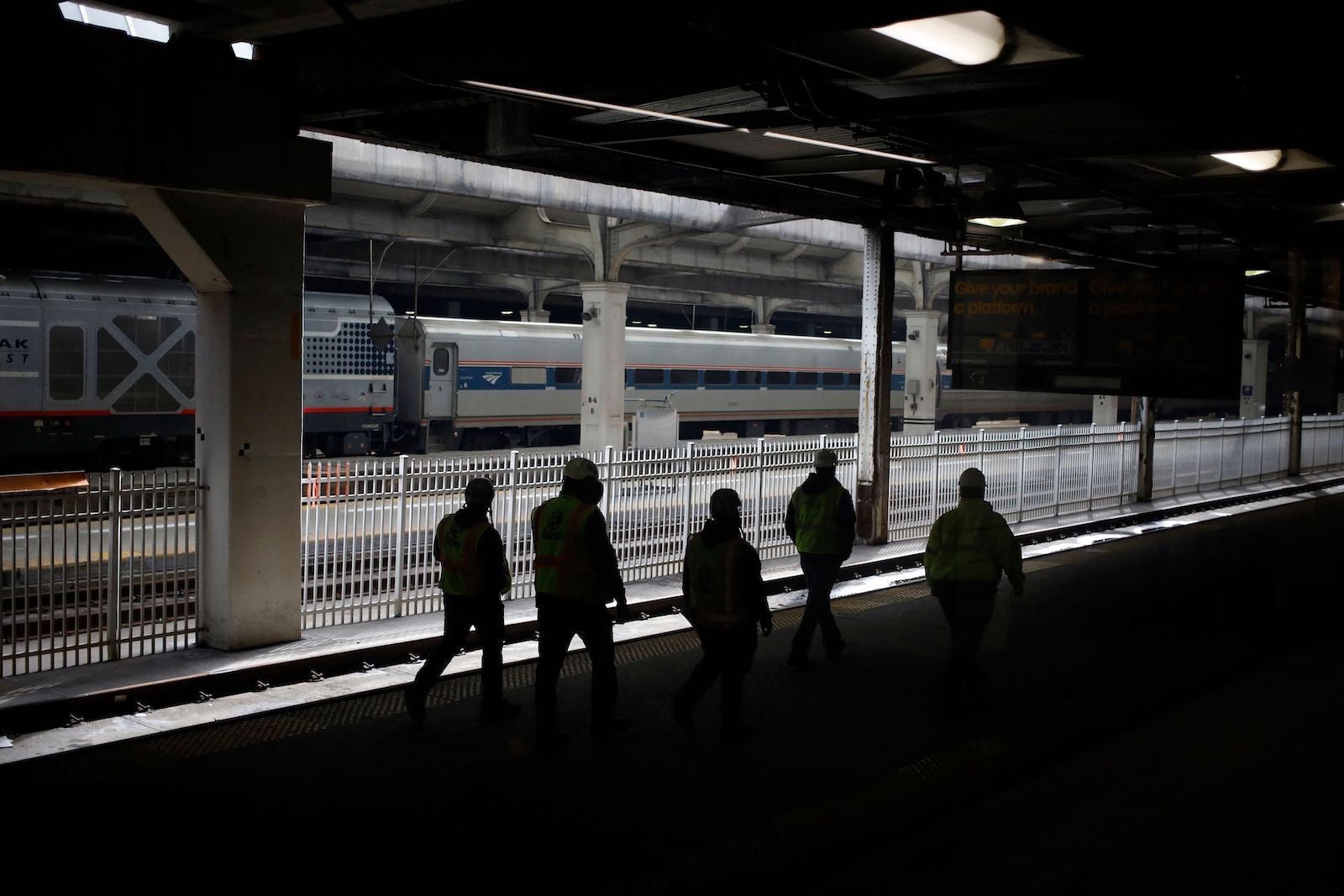
With the summer season almost upon us, industry leaders say train travel is returning with a "vengeance."
After two-plus tumultuous years for ridership, Amtrak is seeing bookings for some weeks at about 80% of pre-pandemic levels, with ridership at around 70%, the company shared with TPG on Friday. Some days, passenger traffic in and out of New York City competes with pre-pandemic levels, the rail operator added.
It's not an easy comparison when you consider the 30 million people who rode the train in 2019 — Amtrak's best year ever. However, spokesperson Jason Abrams said leaders are confident that demand and "love for train travel hasn't gone away" in the years since.

Still, demand is surging. President and CEO of the Rail Passengers Association Jim Mathews likes to call it "revenge travel." In other words, travelers are trying to make up for time lost over the last couple of years.
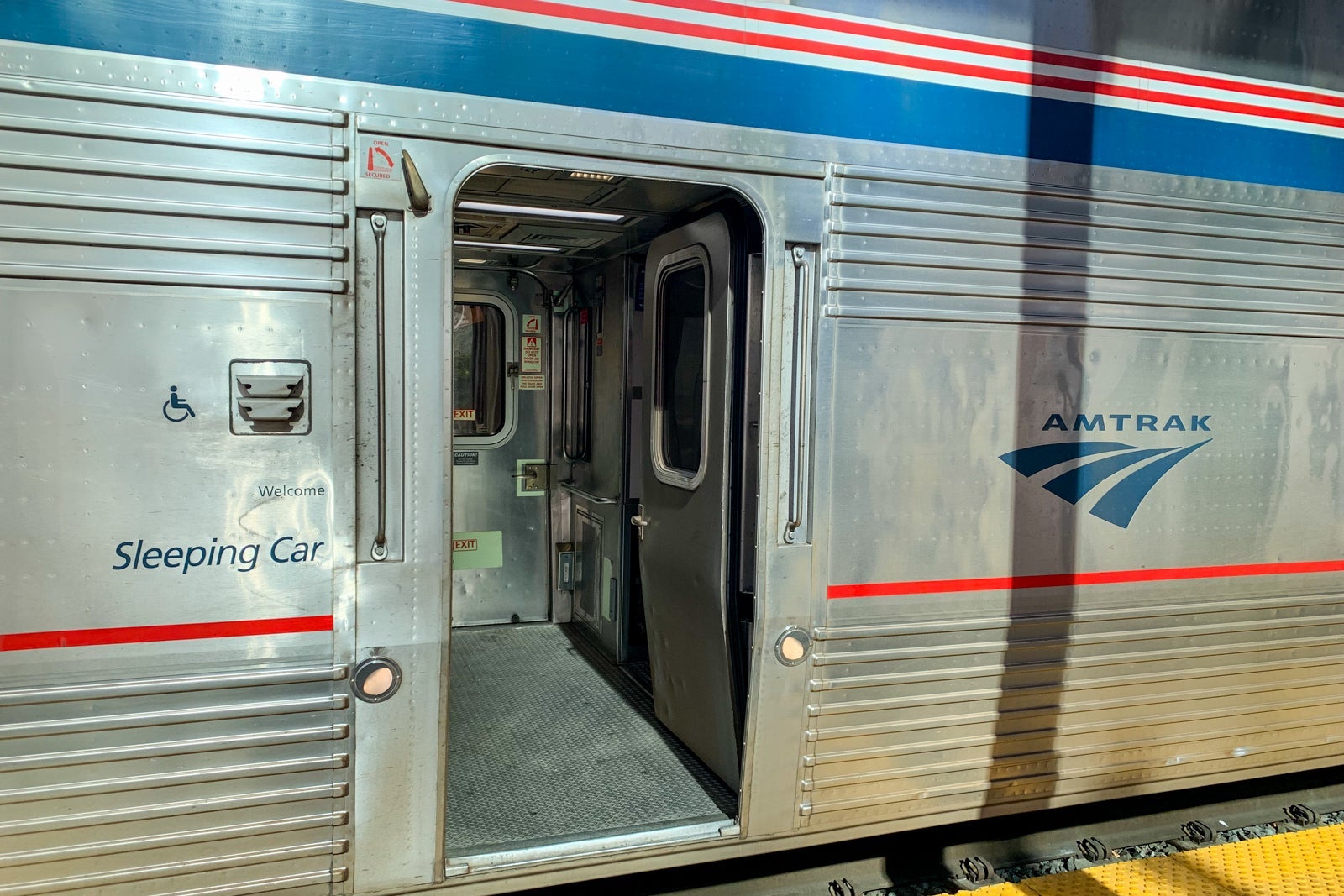
Mathews told TPG the recovery of travel "across the board" has spilled onto the country's rails. Many travelers also have a desire to ride not just in coach, but in more "deluxe" accommodations like family rooms and sleeper bedrooms.
The only problem, according to Mathews, is that an unbalanced supply and demand equation, fueled by an industry workforce shortage, has made those accommodations often difficult to find and more expensive as a result.
"It's terrible when everyone's running for the door at the same time and they can't get in," Mathews said. "They just don't have the humans to get all the equipment out on the road."
It seems to be the factor this spring that keeps him up at night, particularly at a time when so many are trying out train travel for the first time.
Related: What it was like riding Amtrak's Acela first class during the pandemic
A shift in who's on board
Board an Amtrak train between Washington, D.C., and New York City on any weekday morning in 2019, and you were sure to find cars full of business travelers making their way between the two cities.
However, as the pandemic moved meetings, conventions and even court hearings online, ridership dropped off in ways seen throughout the travel industry.
We already know that ridership is rebounding, but it's with a different-looking clientele.
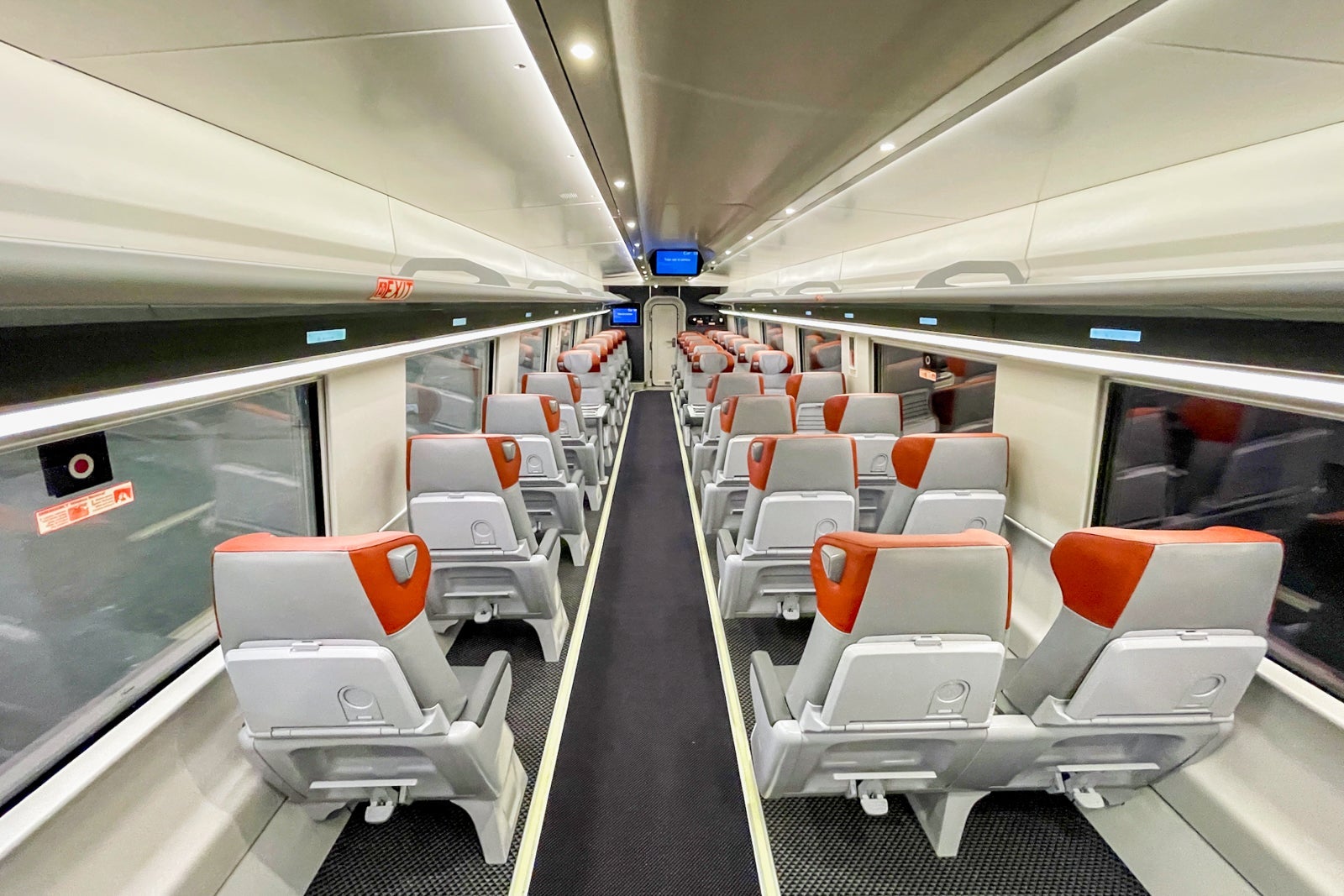
During the month of April, 31% of Amtrak train passengers were travelers the rail operator deemed "new riders." The company noted a shift from business travel to leisure travel, including on some of its busiest routes such as the Northeast Corridor's Acela.
If you ask an Amtrak representative, it makes sense. Amtrak trains can drop you off within walking distance of the National Mall in Washington, D.C., with no traffic. They can also place you in midtown Manhattan with no need for a taxi ride (or any other patchwork of ground transportation you'd need to get from New York City's airports to its most popular tourist attractions).

It's not to say people are just taking the train for fun, either, Mathews was quick to point out.
"It's not really business travel, per se, but it's not exactly, 'Hey, let's go see the country' either," he said of the current trends. As an example, he mentions a college student trucking home 200 pounds of luggage: This person might choose a train instead of an airline (to avoid security checkpoints and rising airfare) or a car (due to record gas prices).
"It's hard to describe it as leisure travel, but it's not really commuting, either," he said.
In other words, train travel as an option has, almost, begun to occur to a younger generation.
It's a phenomenon he believes represents an opportunity for rail operators.
Related: Your complete guide to Amtrak Guest Rewards
Looking to the future
You can't think about the future of train travel in America without considering the $66 billion in funding for rails authorized in the 2021 bipartisan infrastructure bill passed by Congress.
Amtrak alone is approved for more than $20 billion of that money, with tens of billions more to be doled out by the Federal Railroad Administration in grants.
For Amtrak, the money through this bill is greater than every dollar it had previously received in its 51-year history, Abrams said.
"It fully allows us to invest in our infrastructure, invest in our stations, invest in our people ... and give this country the train service it's long deserved," he said.
Just that amount of money means big changes are on the way.
This summer, for instance, Amtrak is beginning $130 million worth of construction along the critical Northeast Corridor, updating dozens of track switches between Washington, D.C., and New York. Crews will also replace about 25 miles of track along the corridor, according to an announcement Friday from Amtrak.
Related: Amtrak investing billions in new, green cars
Mathews sees an opportunity in the recent travel trends to continue appealing to new riders — particularly as some jobs have shifted to be permanently remote.
This could mean new service, or it could mean reminding riders (or potential new riders) how trains can be an ideal option to get to those places they want to visit, Mathews said.
In recent weeks, for instance, TPG reported Amtrak is piloting a new direct, summer weekend service between New York's Penn Station and the Berkshires in Massachusetts, called the Berkshire Flyer. Amtrak sees it as a way to avoid city traffic and give New Yorkers an opportunity for a peaceful weekend getaway. As novel as the service is, though, it will use existing trains and tracks while Amtrak evaluates potential upgrades in the future.
Does Mathews see this as the type of service travelers can expect in coming years?
"Perhaps," he said, but countered.
"Say you're in New Jersey and [think], 'It might be fun to go to Colonial Williamsburg in Virginia,'" he said. "Amtrak's got a train that already does that."
His point? It's about reminding travelers of the options out there.
"These trips already exist," Mathews said. "It's sort of a discovery for some people that this has been around for decades, and they never really thought of it."
His view of train travel, years down the road, is that Amtrak will still serve a large business travel clientele as well as some others.
"Are we past the days of the Acela being 98% full of lawyers and bankers paying $300 each way? Yes. Those days are gone," Mathews said. "But maybe 40%? Maybe. Who knows ... and the rest will be made up of students, family members going back and forth, or people who have a hybrid [work] arrangement."
Bottom line
At a time when travel is surging in seemingly every way possible, America's rails are also getting a lot busier.
It's clear, though, that the pandemic had a major impact on who's on board. As the industry approaches years of rapid change brought on by new riders and a whole lot of money, industry leaders see an opportunity to make rail travel an increasingly relevant option for the next generation of riders — and not just for workers.
TPG featured card
at American Express's secure site
Terms & restrictions apply. See rates & fees.
| 4X | Earn 4X Membership Rewards® points per dollar spent on purchases at restaurants worldwide, on up to $50,000 in purchases per calendar year, then 1X points for the rest of the year. |
| 4X | Earn 4X Membership Rewards® points per dollar spent at US supermarkets, on up to $25,000 in purchases per calendar year, then 1X points for the rest of the year. |
| 5X | Earn 5X Membership Rewards® points on prepaid hotel stays booked through AmexTravel.com or the Amex Travel App™. |
| 3X | Earn 3X Membership Rewards® points on flights booked through AmexTravel.com, the Amex Travel App™, or purchased directly from airlines. |
| 2X | Earn 2X Membership Rewards® points on prepaid car rentals booked through AmexTravel.com or the Amex Travel App™ and cruises booked and paid through AmexTravel.com. |
| 1X | Earn 1X Membership Rewards® point per dollar spent on all other eligible purchases. |
Pros
- Valuable dining and food-related credits
- Flexible rewards with airline and hotel transfer partners
- Multiple travel and purchase protections
- No foreign transaction fees
- Access to Amex Offers for additional savings (enrollment required)
Cons
- Not as useful for those living outside the U.S.
- Some may have trouble using Uber and other dining credits
- You may be eligible for as high as 100,000 Membership Rewards® Points after you spend $8,000 in eligible purchases on your new Card in your first 6 months of Card Membership. Welcome offers vary and you may not be eligible for an offer. Apply to know if you’re approved and find out your exact welcome offer amount – all with no credit score impact. If you’re approved and choose to accept the Card, your score may be impacted.
- Earn 4X Membership Rewards® points per dollar spent on purchases at restaurants worldwide, on up to $50,000 in purchases per calendar year, then 1X points for the rest of the year.
- Earn 4X Membership Rewards® points per dollar spent at US supermarkets, on up to $25,000 in purchases per calendar year, then 1X points for the rest of the year.
- Earn 5X Membership Rewards® points on prepaid hotel stays booked through AmexTravel.com or the Amex Travel App™.
- Earn 3X Membership Rewards® points on flights booked through AmexTravel.com, the Amex Travel App™, or purchased directly from airlines.
- Earn 2X Membership Rewards® points on prepaid car rentals booked through AmexTravel.com or the Amex Travel App™ and cruises booked and paid through AmexTravel.com.
- Earn 1X Membership Rewards® point per dollar spent on all other eligible purchases.
- Pay It® lets you tap in the American Express® App to quickly pay for small purchase amounts throughout the month and still earn rewards the way you usually do. Plan It® gives you the option to split up big purchases into equal monthly payments with a fixed fee. You’ll know upfront exactly how much you’ll pay.
- $120 Dining Credit: Earn up to a total of $10 in statement credits monthly when you pay with the Gold Card at Grubhub (including Seamless), Buffalo Wild Wings, Five Guys, The Cheesecake Factory, and Wonder. This can be an annual savings of up to $120. Enrollment required.
- $100 Resy Credit: Get up to $100 in statement credits each calendar year at over 10,000 qualifying U.S. Resy restaurants after you pay for eligible purchases with the American Express® Gold Card. That’s up to $50 in statement credits semi-annually. Enrollment required.
- $84 Dunkin' Credit: Earn up to $7 in monthly statement credits after you pay with the American Express® Gold Card at U.S. Dunkin’ locations. Enrollment required.
- $120 Uber Cash on Gold: Enjoy up to $120 in Uber Cash annually with your Gold Card. Just add your Card to your Uber account and you'll get $10 in Uber Cash each month to use on orders and rides in the U.S. when you select an Amex Card for your transaction.
- Enjoy complimentary Hertz Five Star® Status benefits like skipping the counter at select locations, adding an additional driver at no additional cost*, and vehicle upgrades**. Benefit enrollment and Hertz Gold+ registration are required. *Additional drivers must meet standard rental qualifications and must be a spouse or domestic partner to qualify as complimentary. Other additional drivers subject to fees. **Benefits are subject to availability and vary by location. Additional Hertz program Terms and Conditions including age restrictions apply.
- Book two nights or more with The Hotel Collection through AmexTravel.com or the Amex Travel App™ and receive a $100* credit towards eligible charges at over 1,400 upscale hotels worldwide. *Eligible charges vary by property.
- Book your travel through the Amex Travel App™ with added peace of mind – backed by American Express® service and support. Only for American Express® Card Members.
- Whenever you need us, we're here. Our Member Services team will ensure you are taken care of. From lost Card replacement to statement questions, we are available to help 24/7.
- No Foreign Transaction Fees.
- Annual Fee is $325.
- Terms Apply.