I traveled on Amtrak during the pandemic -- here are 5 things that have changed

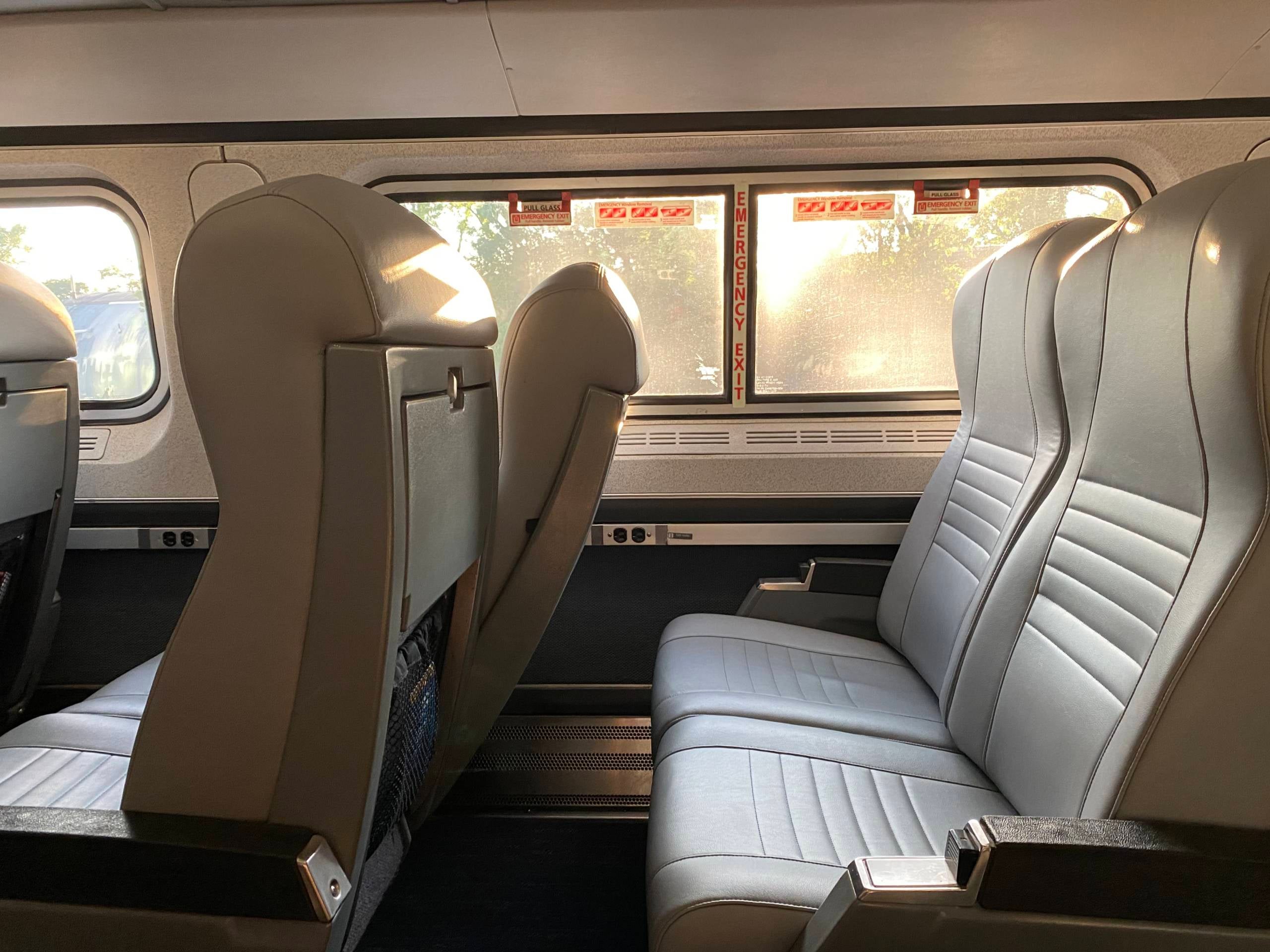
As travel slowly comes back to life, passengers aren't just taking to the skies.
Passenger rail has always been more of a niche option in the U.S., in part due to lack of infrastructure and high fares. However, for areas like the northeast corridor, train travel has always been a viable -- and even convenient -- means of getting from point A to point B. And in our new normal of COVID-19, there may be even more reasons to hit the rails.
For more TPG news delivered each morning to your inbox, sign up for our daily newsletter.
During the pandemic, Amtrak has stepped up measures to make passengers feel safe. The company has announced increased sanitary standards, fewer people on trains and other travel safeguards. That's great, but what was it actually like to experience in practice?
Here are five aspects of train travel that have changed (and one that hasn't) from a recent Amtrak trip from New York-Penn Station to Albany, New York.
[table-of-contents /]
Train travel is more affordable right now
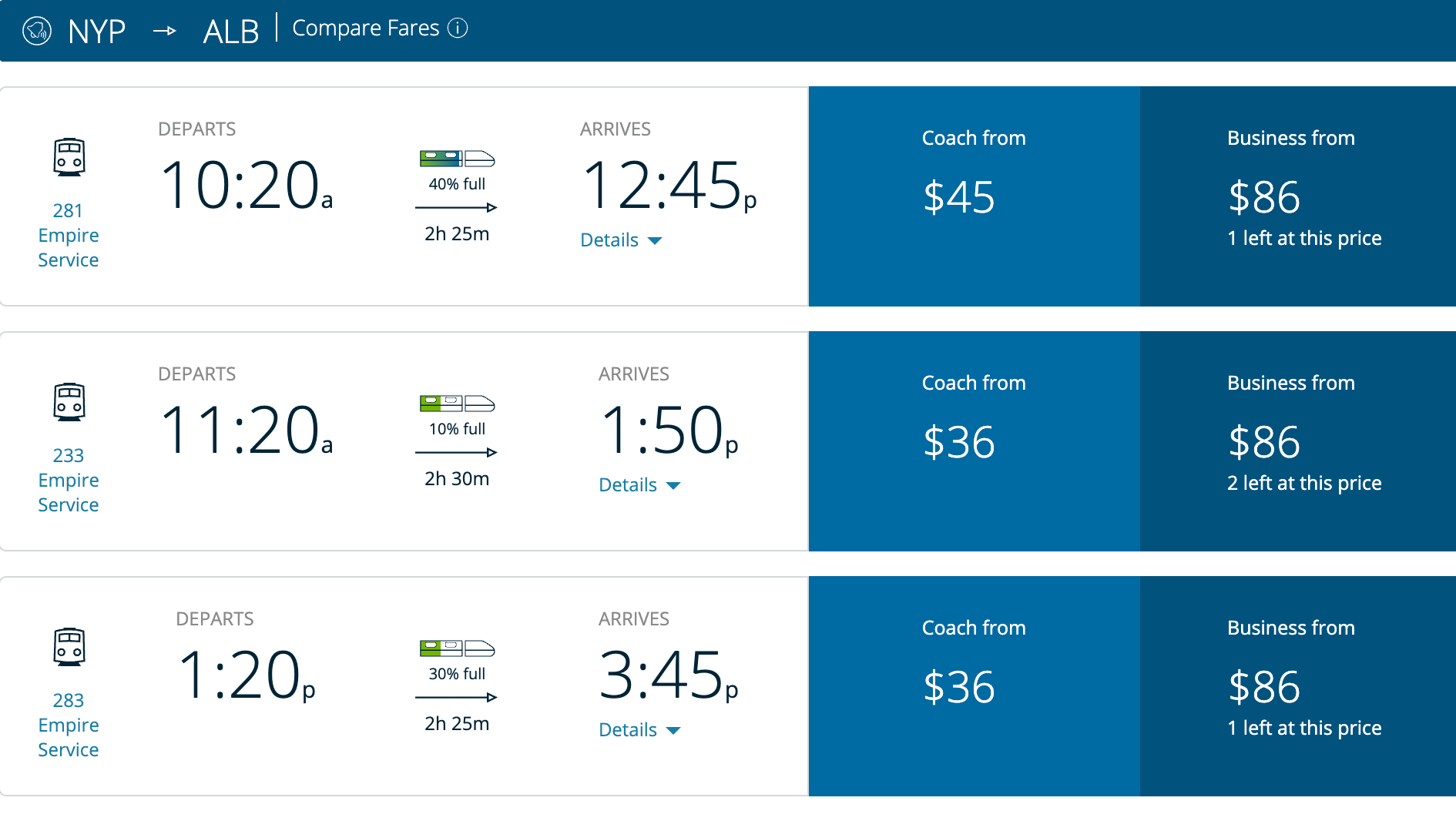
For better (or for worse), companies have lowered fares to lure in would-be travelers. Amtrak is no exception. Even without sales, fares are significantly lower than in non-pandemic times. Then, add in regularly-offered promotions like buy-one-get-one-free and $50 off Acela and Amtrak suddenly becomes a very attractive mode of transportation, for certain cities.
Related: Your ultimate guide to Amtrak Guest Rewards
A fare between New York City and Albany can easily run in excess of $100 one-way in normal times, yet my fare was well below that -- even for a Friday morning.

In the wake of the pandemic, Amtrak is also waiving all change and cancellation fees for reservations made through at least Aug. 31, 2020. That level of flexibility is in line with most airlines' policies as well. However, any differences in fare with a new reservation do apply.
Don't expect to ride without a mask
Low fares are well and all, but safety is what many travelers truly care about. To that end, Amtrak has been aggressive in its public stance on cleanliness and everyone's favorite topic -- wearing a mask.
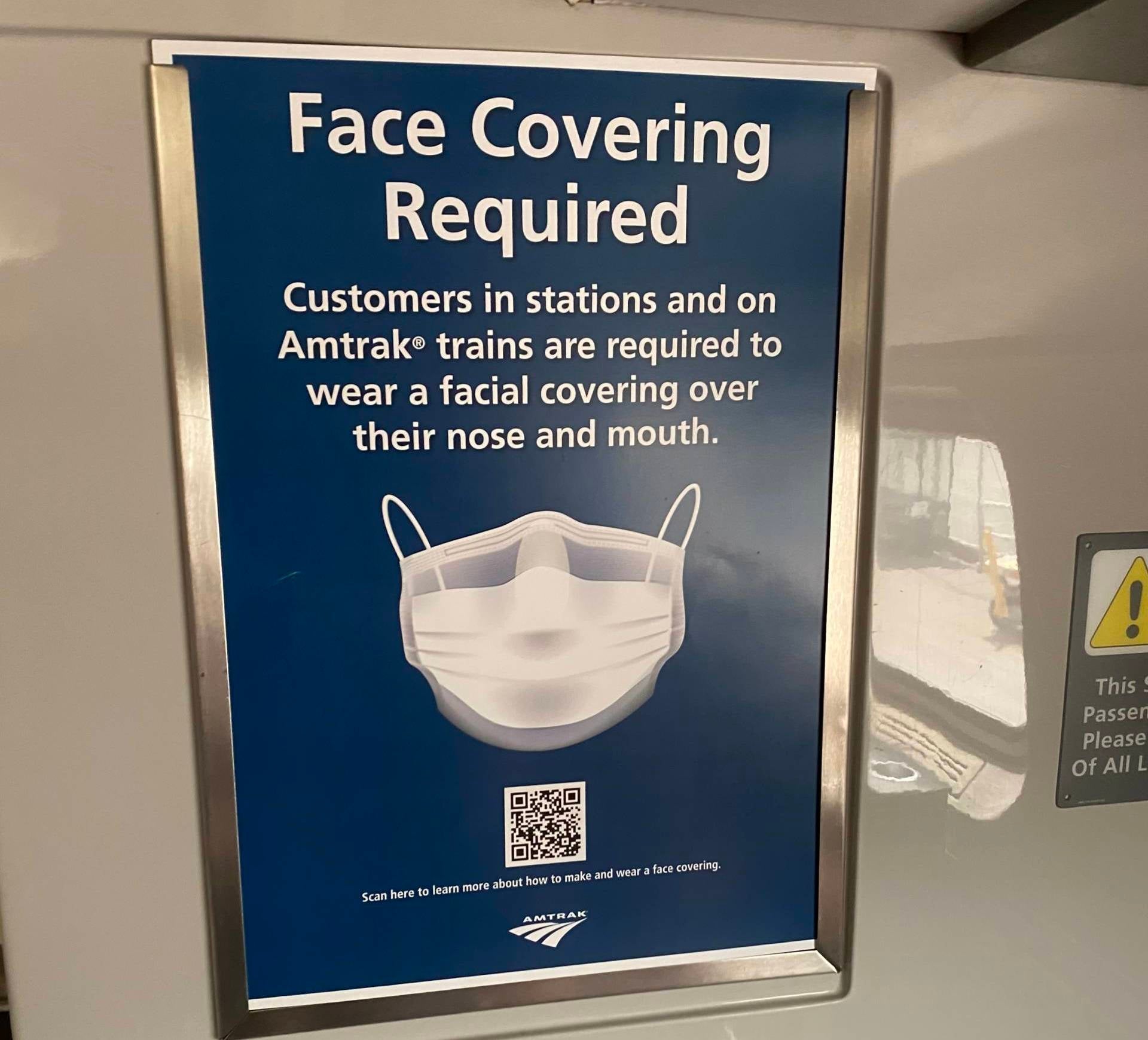
Here is Amtrak's official policy on masks, according to its website:
All customers and employees must wear a face covering or mask while on trains or thruway buses. Face masks can be removed when customers are in their private rooms.
Additionally, Amtrak says that it can "remove customers or ban them" from future travel if passengers don't comply.
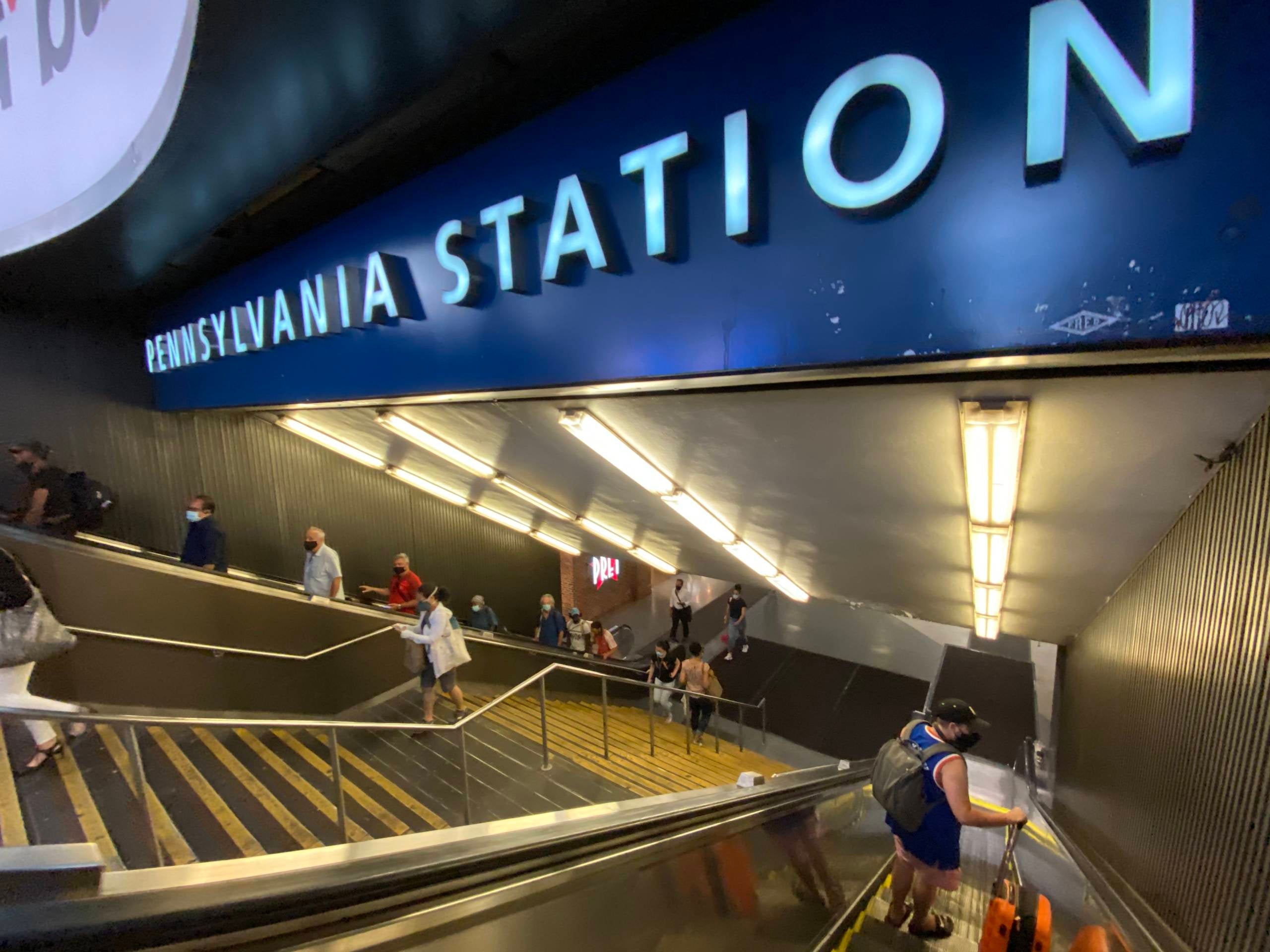
Onboard my train, everyone that I observed -- from conductors and crew to passengers -- complied with the mask policy, to an extent. However, I noticed several people improperly wearing their masks, using it without covering their nose. I did not see any conductors policing this, even as crew members repeatedly walked past a passenger across the aisle who failed to cover their nose.
Amtrak's published policy is also not clear on medical exemptions and seems to give the final authority to conductors to enforce the rules. Of course, like with cabin crew onboard flights, this may vary on an individual-by-individual basis.
Related: Why this TPG staffer is switching their loyalty to Amtrak
You'll likely get an empty seat next to you
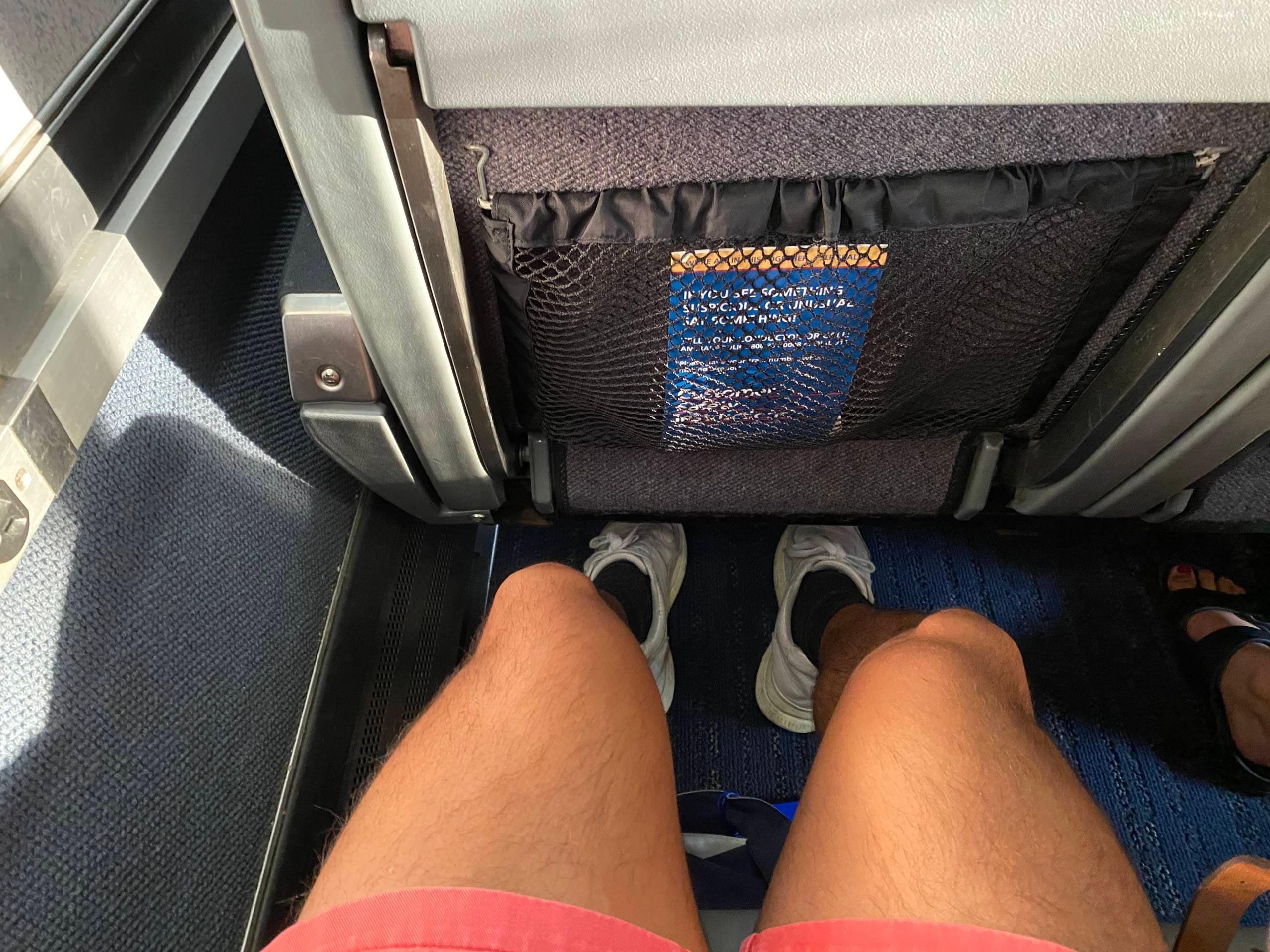
Masks are one thing, but what about personal space onboard the train? Well, there is mostly positive news on this front. Amtrak is only selling 50% of total occupancy for most trains so the odds of an empty seat are very high.
In practice, this actually did mean more space to spread out. However, that comes with a significant caveat, as well.
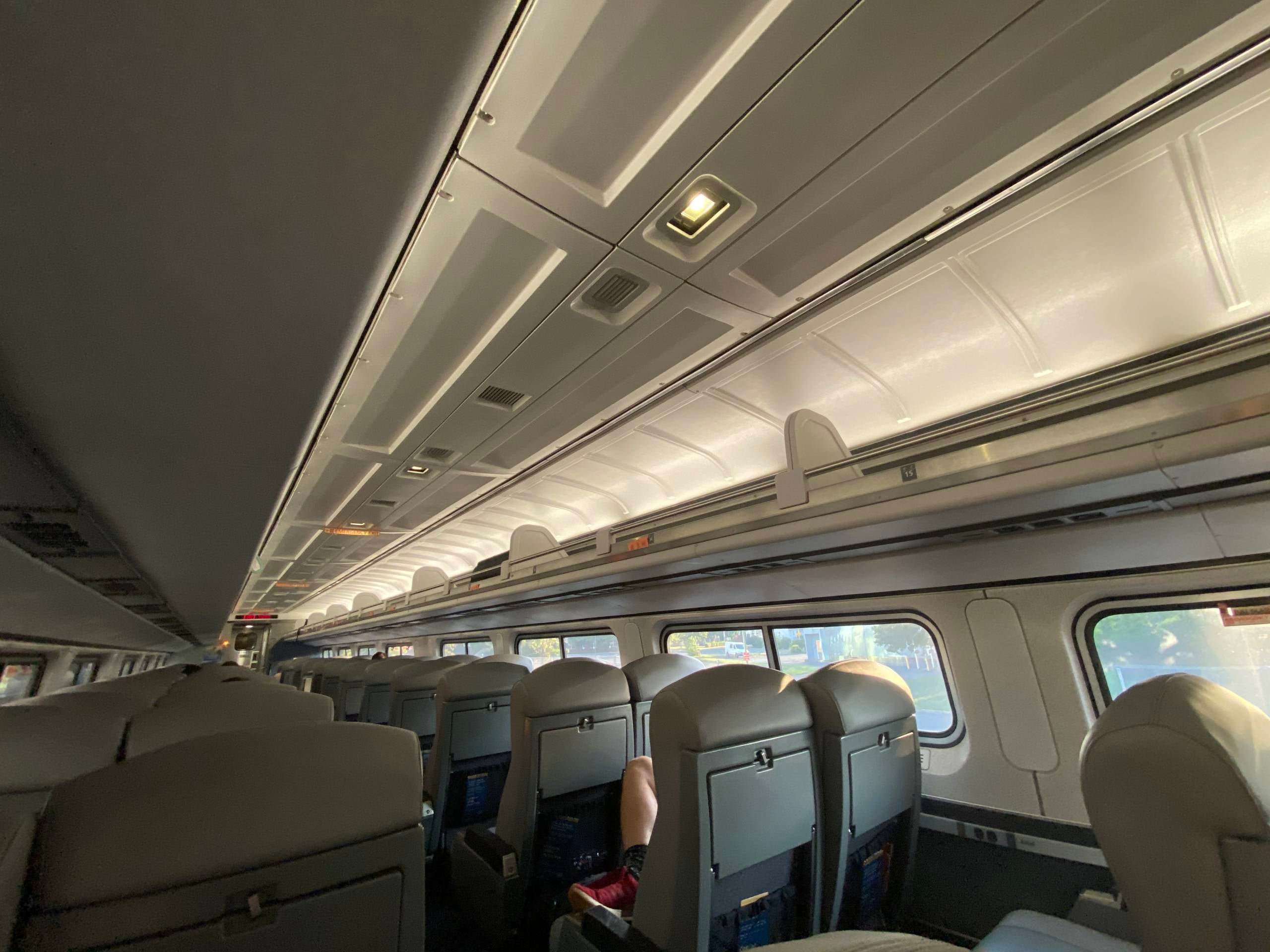
My particular train was sold out -- meaning it had reached 50% capacity. With regional trains, like the one that I was on, seats are not prereserved. Upon boarding, that meant a lot of walking, from train car to train car, to look for an empty row. All the while, passengers were putting their bags away and standing in the aisle while getting settled. This all meant more close passenger interaction than I would have liked.
Thankfully for Acela passengers, Amtrak introduced the ability to reserve business class seats before traveling. "By providing customers with an easier and safer boarding process that limits people moving through the trains trying to find a seat, we are able to meet customer expectations for safer travel," Amtrak President and CEO Bill Flynn said in a press release announcing the new feature.
Additionally, Amtrak also is making it clearer how full your train is -- before evening buying the ticket.
When you're searching for travel, you'll see a passenger volume number next to each option so you can see which trains are less crowded. The percentage shown represents the proportion of seats booked at the reduced amount of available seats (not regular full capacity).
Note that the indicator shows how full the train is as a percentage of the reduced occupancy, not at full capacity. So if you see 50% occupancy at booking, that's 50% of an already reduced 50% limit so, in actuality, the train would have 25% of its tickets sold.
Related: How airline policies differ when it comes to blocking seats
Cafe cars are open again -- but eat at your seat
There is just something special about visiting the cafe or dining car while riding a train. And the good news is that for many routes, like my Empire Service, the cafe car has been reopened.
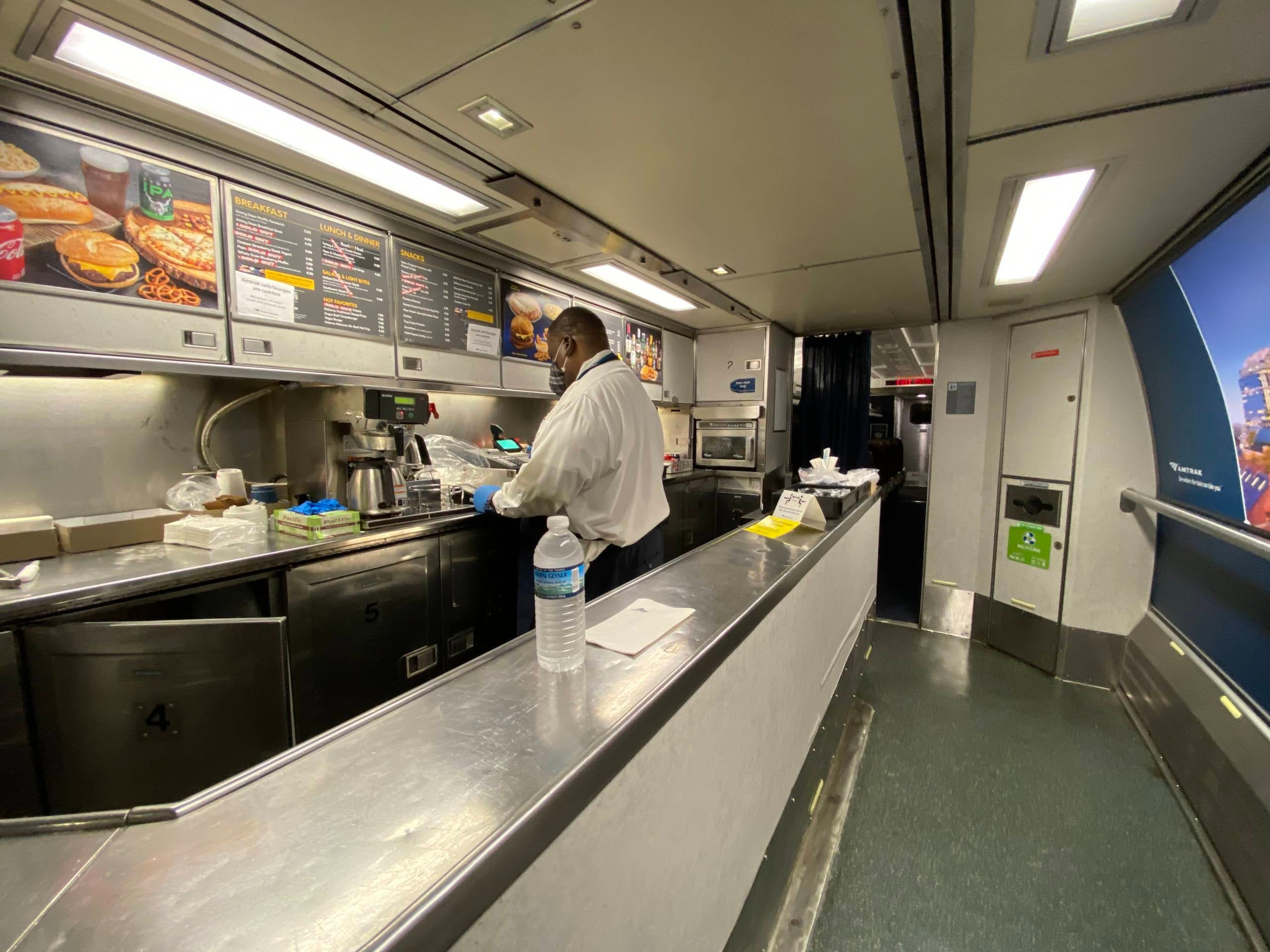
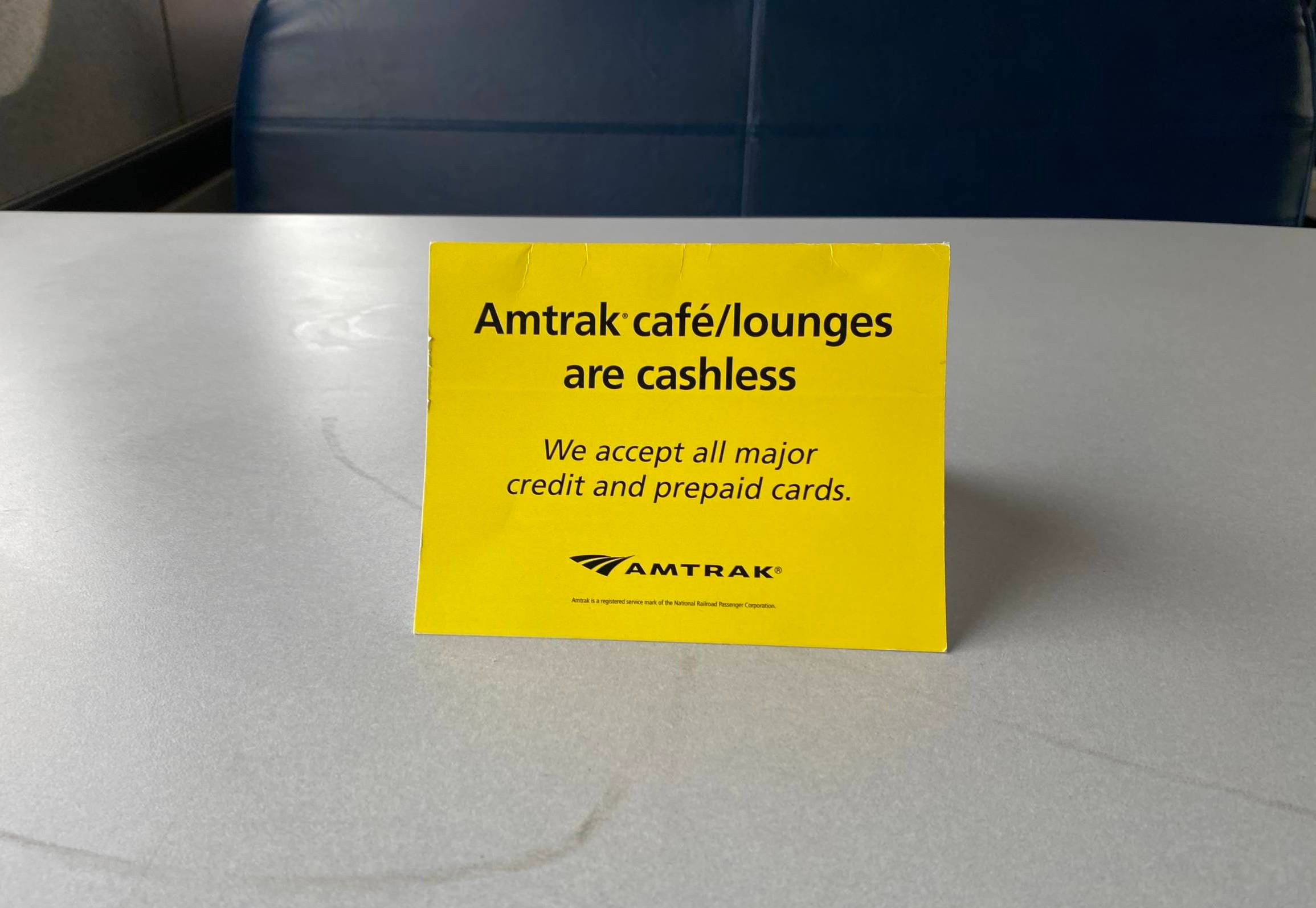
However, don't expect to eat in the dining area though. And cash is no longer accepted. Once you pay by card, you'll have to bring your concessions back to your seat to consume. All-in-all, I was pleasantly surprised that a large selection of items was still available from the cafe menu in case you need some train grub.
Related: Best cards to use for travel
Expect crowded aisles at boarding -- and at each stop
Unlike traveling by plane where you simply board and deplane from one exit, trains are a bit more complicated.
Trains have multiple exits and at each stop, more passengers are in the aisle as they exit and enter the train. While Amtrak's policies state that conductors are supposed to announce where and when customers can disembark to minimize door crowding, I didn't experience that on my trip.
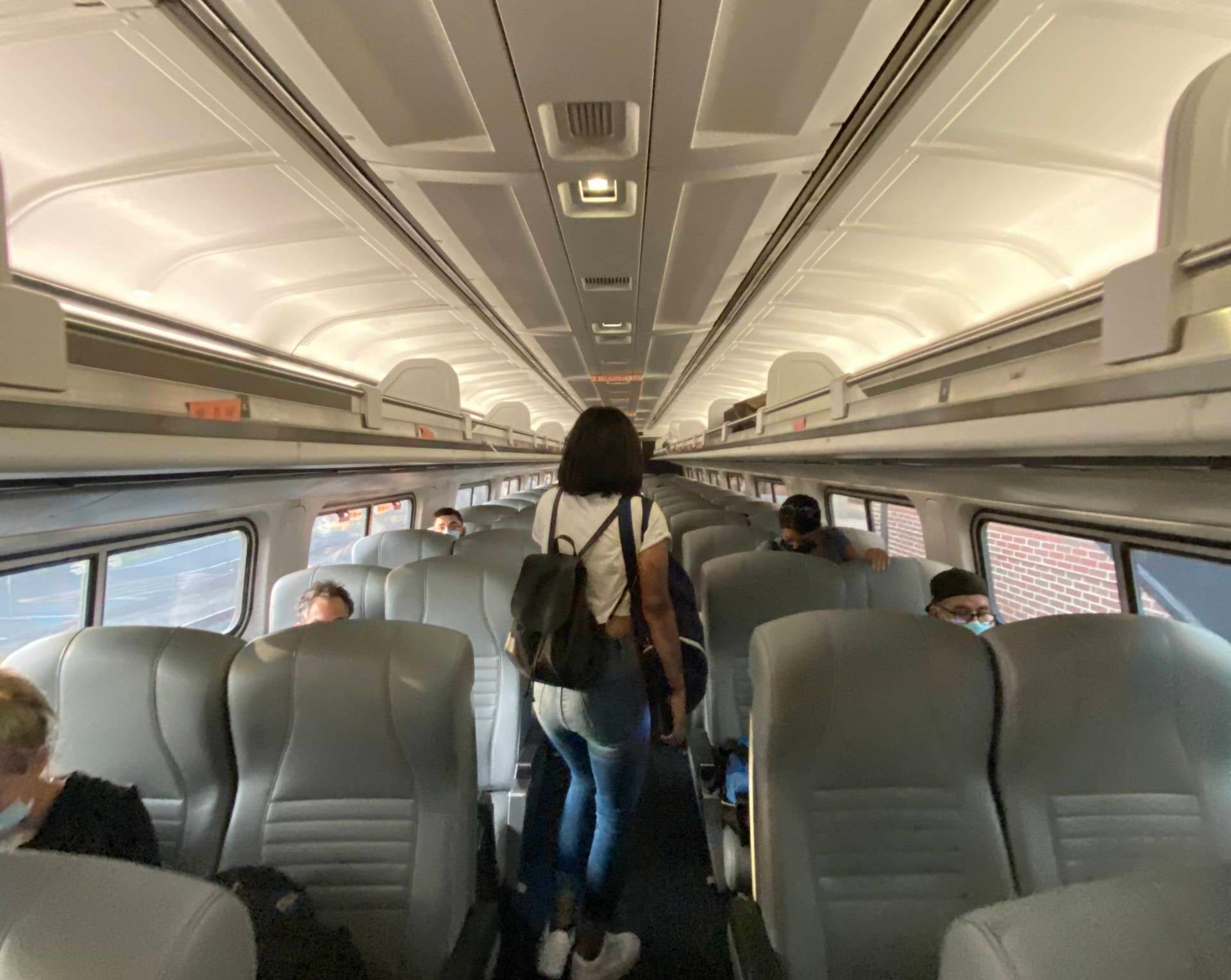
In general though, if you're on a train with multiple stops, you will likely experience several instances of movement in the aisles. One tip is to sit near the center of the train to minimize exposure -- which is exactly what I did.
Thankfully, all Amtrak trains are equipped with onboard filtration systems with a fresh air exchange rate every four to five minutes. That's not quite as often -- or as advanced -- as a plane, but is still a significant amount of airflow.
Related: What it's like to fly in the U.S. right now
Some things never change: Slow Wi-Fi, dirty tray table
At least some things never change in 2020. If you've ever taken Amtrak before, you probably know that Wi-Fi speeds are typically abysmal. That was exactly the case on my recent trip with a connection that could barely open an email.
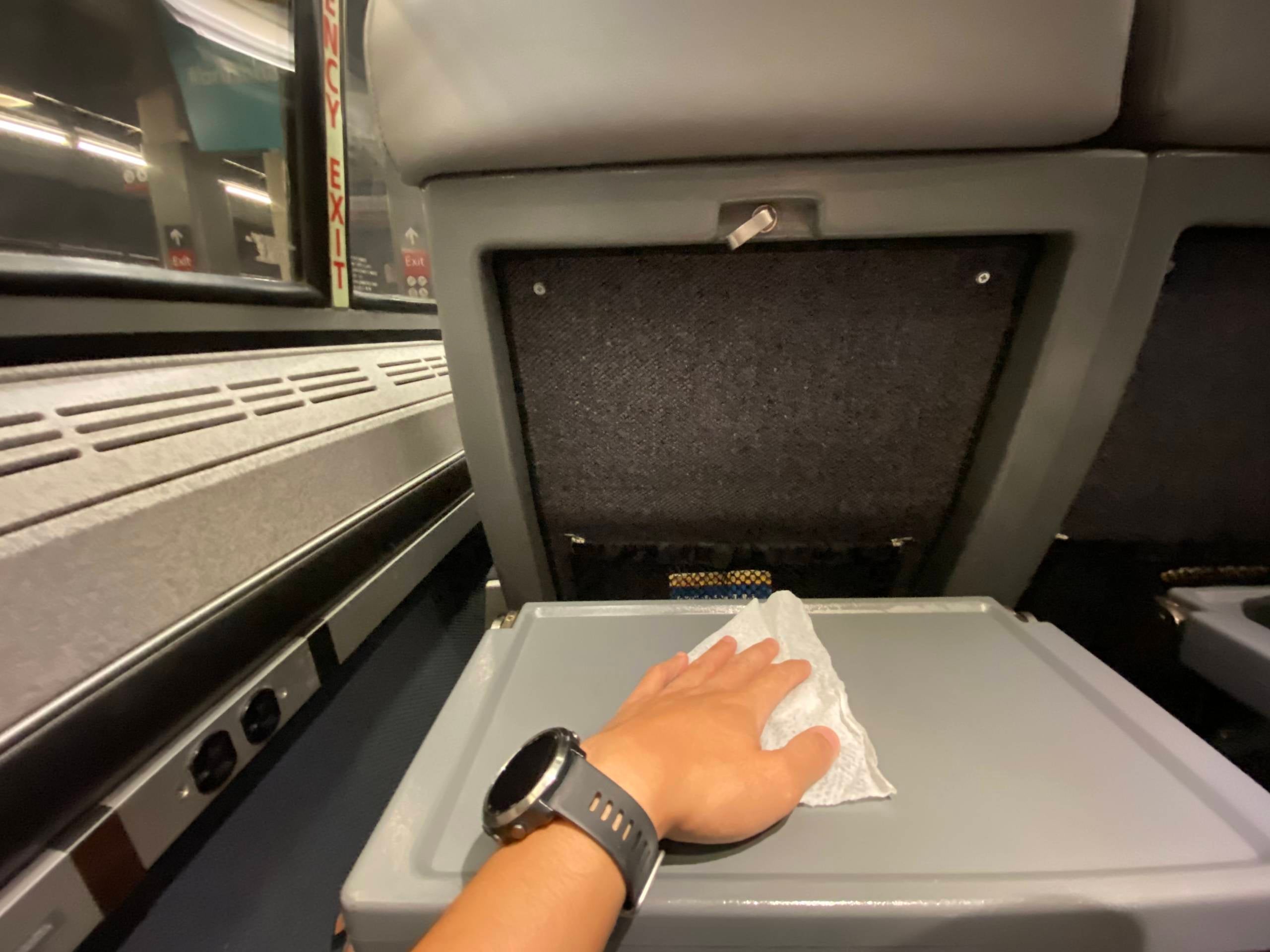
Unfortunately, while Amtrak touts its cleanliness initiatives, I found my tray table had crumbs and a slightly sticky residue. It's nothing a sanitizing wipe couldn't fix, but I was a bit disappointed that the train wasn't as clean as it should have been.
Amtrak's statement on cleaning is as follows:
Amtrak is following industry recommendations for deep cleaning and sanitizing of its trains prior to service, with additional en route cleaning to disinfect restrooms and frequently touched surfaces along the journey. Amtrak deep cleans and sanitizes all trains prior to service, with additional en route cleaning to disinfect restrooms and frequently touched surfaces.
Related: New features on the Amtrak app
Bottom line
Overall, I had a middle-of-the-road experience with Amtrak on my first ride since the pandemic began. It was a bit frenetic trying to find an empty seat upon boarding, but once settled, it was an overall pleasant journey.
Taking the train has typically been a more niche alternative to driving and flying, but in many ways can make more sense now than ever before. Wear a mask, bring wipes and do your best to minimize contact with other passengers -- and you should be set to ride the rails.
All photos by author unless otherwise indicated.
TPG featured card

at Capital One's secure site
Terms & restrictions apply. See rates & fees.
| 5X miles | Earn 5X miles on hotels, vacation rentals and rental cars booked through Capital One Travel |
| 2X miles | Earn unlimited 2X miles on every purchase, every day |
Pros
- Stellar welcome offer of 75,000 miles after spending $4,000 on purchases in the first three months from account opening. Plus, a $250 Capital One Travel credit to use in your first cardholder year upon account opening.
- You'll earn 2 miles per dollar on every purchase, which means you won't have to worry about memorizing bonus categories
- Rewards are versatile and can be redeemed for a statement credit or transferred to Capital One’s transfer partners
Cons
- Highest bonus-earning categories only on travel booked via Capital One Travel
- LIMITED-TIME OFFER: Enjoy $250 to use on Capital One Travel in your first cardholder year, plus earn 75,000 bonus miles once you spend $4,000 on purchases within the first 3 months from account opening - that’s equal to $1,000 in travel
- Earn unlimited 2X miles on every purchase, every day
- Earn 5X miles on hotels, vacation rentals and rental cars booked through Capital One Travel
- Miles won't expire for the life of the account and there's no limit to how many you can earn
- Receive up to a $120 credit for Global Entry or TSA PreCheck®
- Use your miles to get reimbursed for any travel purchase—or redeem by booking a trip through Capital One Travel
- Enjoy a $50 experience credit and other premium benefits with every hotel and vacation rental booked from the Lifestyle Collection
- Transfer your miles to your choice of 15+ travel loyalty programs
- Top rated mobile app