5 reasons I love having entry-level elite status with Alaska

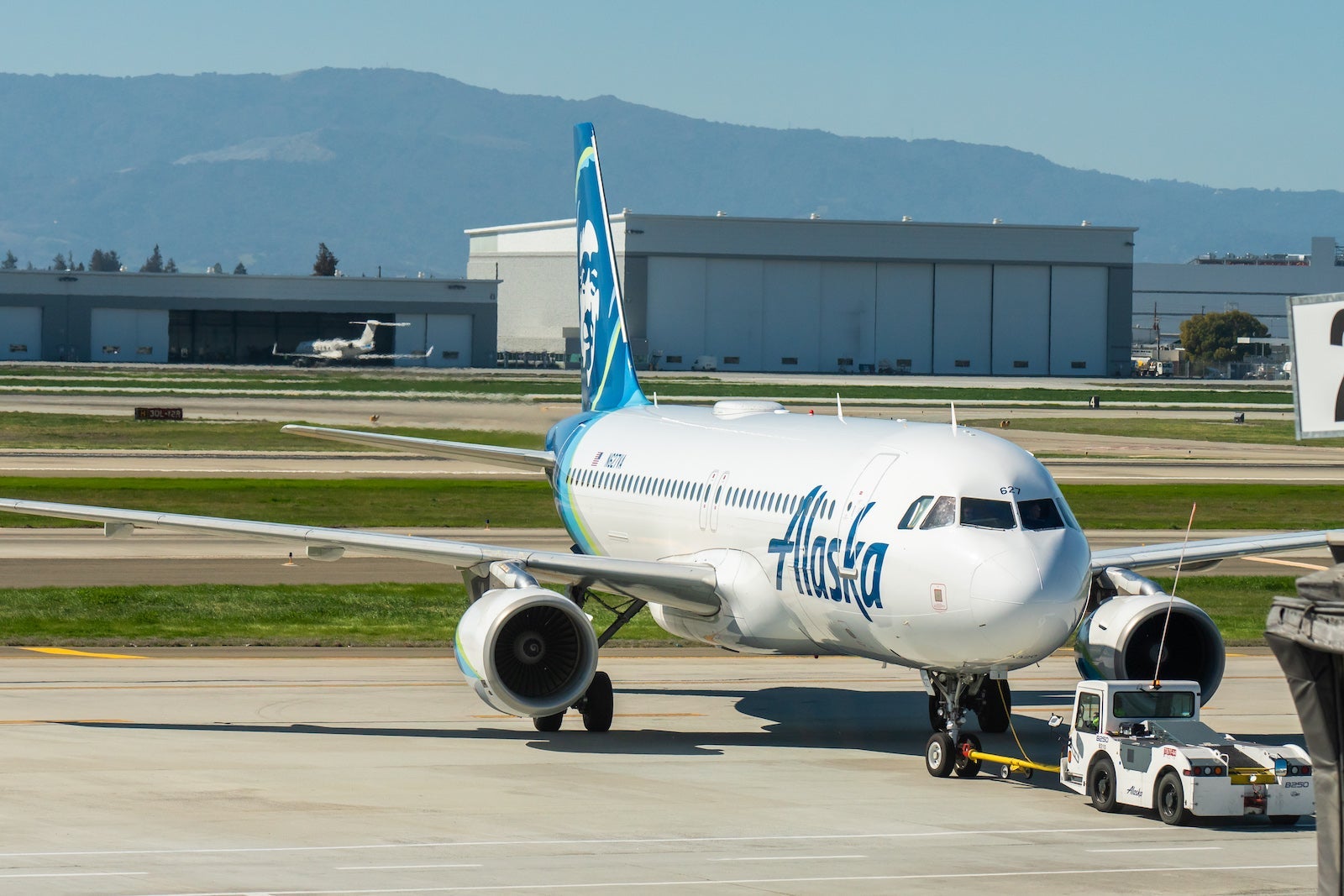
Lower rungs of airline elite status typically aren't all that valuable. This is because many of their benefits — such as checked bag fee waivers, priority check-in and early boarding — often overlap with cobranded airline credit cards. Some cobranded cards even offer airport lounge access, while low-tier statuses usually don't.
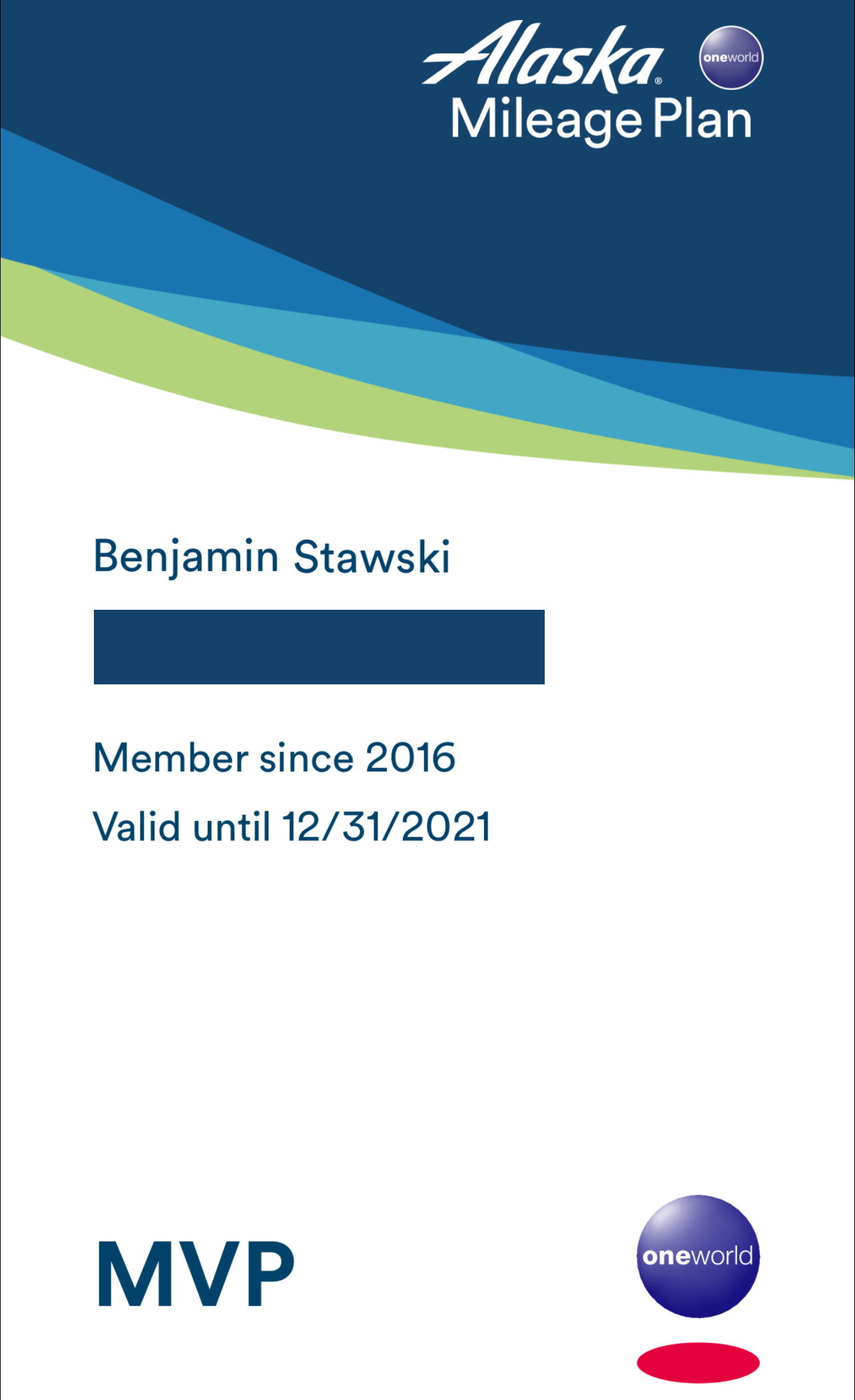
Nevertheless, low levels of status aren't worthless, and there's one entry-level status I chase each year: Alaska Airlines MVP status.
On paper, TPG values MVP status less than American AAdvantage Gold and United Premier Silver. However, I'm going to share why I believe Alaska MVP is the best entry-level elite status. In some aspects, it's much more generous than comparable status tiers on other airlines. Thanks to Alaska's entrance into Oneworld and enhanced partnership with American Airlines, you no longer need to live on the West Coast to benefit from Alaska status.
[table-of-contents /]
MVP status is easy to earn
First things first, Alaska MVP status is easier to achieve than comparable status tiers on other airlines. MVP status is earned after just 20,000 elite-qualifying miles (EQMs) with Alaska or its partners or 30 eligible segments — and no spending requirement. And that's before factoring in the 50% bonus EQMs you'll earn on Alaska flights through June 30, 2021.
By comparison, American and Delta normally require 25,000 elite-qualifying miles, plus $3,000 in elite-qualifying spending for entry-level status. Meanwhile, United has done away with distance requirements altogether and now requires at least $4,000 in spending (before taxes and fees). Note, these airlines did announce changes to make it easier to qualify for status this year due to the pandemic, but overall, Alaska status is still more attainable.
Related: Complete Guide to Alaska Airlines elite status

Upgrades are real
One of the most coveted perks of elite status is the chance of scoring complimentary upgrades.
On most airlines, scoring a complimentary first-class upgrade as an entry-level elite is like finding a diamond in the rough. American, Delta and United don't start clearing upgrades until 24 hours before departure (or the day of departure for some flights) and award tickets aren't always upgradeable. There are also some other restrictions to be aware of, such as American Airlines requiring 500-mile certificates for some upgrades.

On the other hand, Alaska Airlines starts clearing upgrades 48 hours before departure (Y, S or Z fares are eligible to clear at the time of booking), including on award tickets. While MVPs fall behind MVP Gold and MVP Gold 75K members, they're prioritized over paid upgrades.
Related: The ultimate guide to getting upgraded on Alaska Airlines
Based on my experiences, Alaska's first-class upgrade lists are shorter and clear more frequently. Even before the pandemic, I frequently get upgrades to first class on popular short- and long-haul routes between cities like Los Angeles (LAX) to New York-JFK, Boston (BOS) and Seattle (SEA). In practice, they often clear around 24 hours before departure for me, so not right when the upgrade window opens, though well before low-tier upgrades usually clear on other airlines. And sure, Alaska might not offer lie-flat seats on transcontinental routes like the other players, but a free upgrade is better than no upgrade.
Hopefully, upgrades don't become harder to get now that American Executive Platinum members get reciprocal upgrade benefits as top-tier Alaska MVP Gold 75K members.
View this post on Instagram
Extra-legroom seating at time of booking
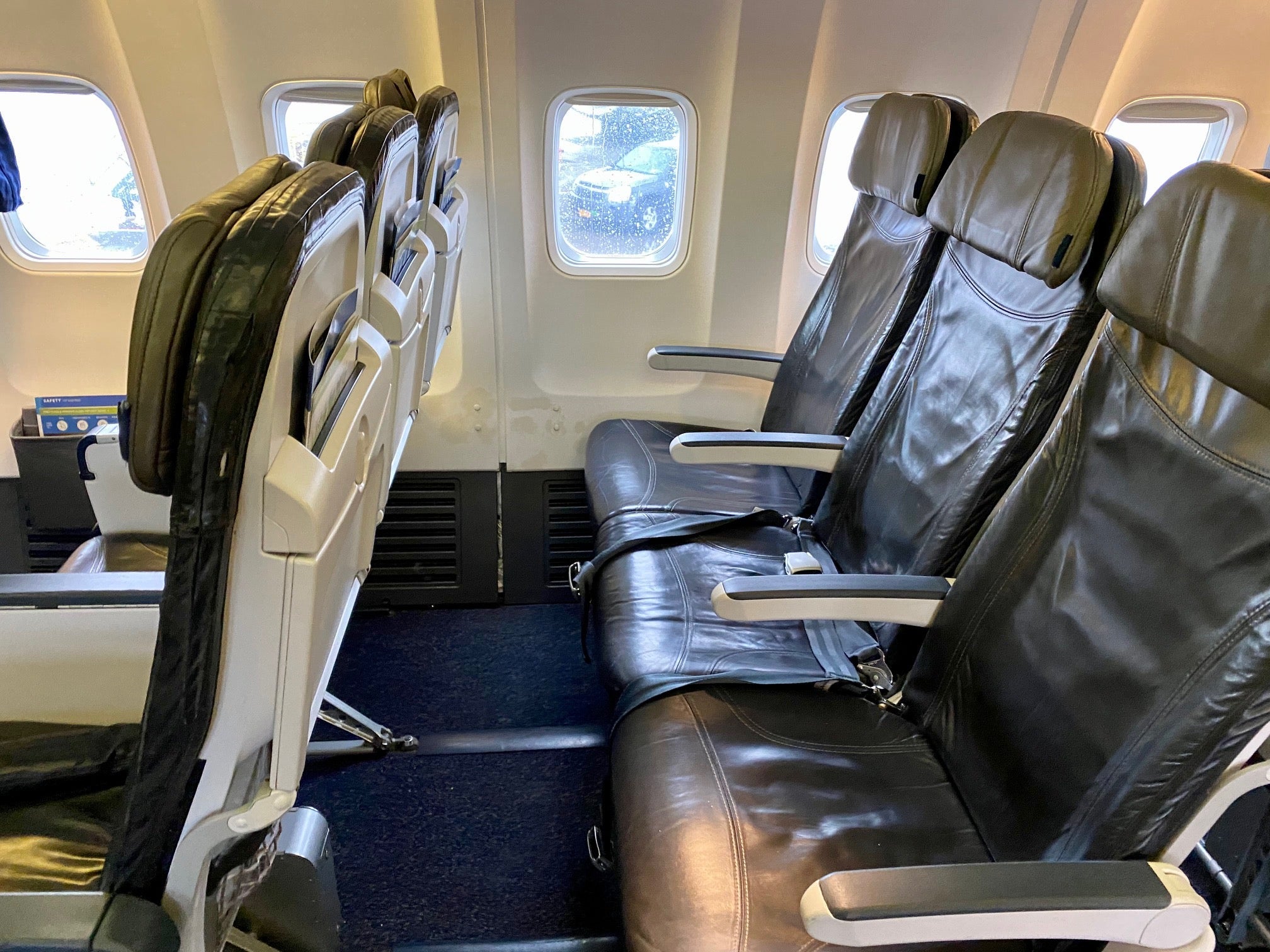
As with first-class upgrades, MVPs are eligible for Premium Class (Alaska's extra-legroom economy section) upgrades starting 48 hours before departure. Again, this is more generous than the other airlines, which don't clear extra-legroom economy upgrades until 24 hours before departure.
However, MVPs don't need to wait until departure to guarantee an extra-legroom seat. Like other airlines, Alaska offers all elites access to "preferred" seats at the time of booking. But, unlike on other airlines, Alaska classifies exit-row seats as preferred seats. As such, entry-level MVPs can snag more spacious seats right away.
Related: How to snag an exit-row seat when flying U.S. carriers
More generous perks
Upgrades aren't the only department Alaska is more generous in. While entry-level elites typically only get one free checked bag, Alaska allows MVPs to check two free bags. While American, Delta and United give entry-level elites a 40% mileage bonus on flights, Alaska gives MVPs a 50% bonus. Keep in mind that Alaska is also the only carrier in the U.S. to still award miles based on distance flown rather than spending.
New Oneworld and AA benefits
Now that Alaska is a part of Oneworld, MVP elites have Oneworld Ruby status. As a part of this, MVPs get the following benefits when flying partners:
- Access to Priority check-in
- Access to preferred or pre-reserved seating
- Priority on waitlists and when on standby
- Priority boarding
Related: Everything you need to know about Alaska's partnership with Oneworld
In addition, Alaska and American Airlines have already unveiled an even deeper integration of their elite status perks. For MVP members, that means access to American's Main Cabin Extra seats within 24 hours of travel. This is the same benefit available for entry-level American Gold elites, except remember that MVP status is easier to earn.
Bottom line
Despite some overlap with cobranded airline credit cards, low levels of elite status can still make a difference in how enjoyable and rewarding your travel experiences are. As you've seen, not all levels of status are equal. The best elite status for you will depend on where you live and which airline you fly the most. But with Alaska's entrance into Oneworld and strengthened partnership with American Airlines, MVP status should be on a lot more travelers' radar.
If you currently have status with another airline and are looking to switch your loyalty, you may be eligible to match your status to Alaska.
TPG featured card

at Capital One's secure site
Terms & restrictions apply. See rates & fees.
| 5X miles | Earn 5X miles on hotels, vacation rentals and rental cars booked through Capital One Travel |
| 2X miles | Earn unlimited 2X miles on every purchase, every day |
Pros
- Stellar welcome offer of 75,000 miles after spending $4,000 on purchases in the first three months from account opening. Plus, a $250 Capital One Travel credit to use in your first cardholder year upon account opening.
- You'll earn 2 miles per dollar on every purchase, which means you won't have to worry about memorizing bonus categories
- Rewards are versatile and can be redeemed for a statement credit or transferred to Capital One’s transfer partners
Cons
- Highest bonus-earning categories only on travel booked via Capital One Travel
- LIMITED-TIME OFFER: Enjoy $250 to use on Capital One Travel in your first cardholder year, plus earn 75,000 bonus miles once you spend $4,000 on purchases within the first 3 months from account opening - that’s equal to $1,000 in travel
- Earn unlimited 2X miles on every purchase, every day
- Earn 5X miles on hotels, vacation rentals and rental cars booked through Capital One Travel
- Miles won't expire for the life of the account and there's no limit to how many you can earn
- Receive up to a $120 credit for Global Entry or TSA PreCheck®
- Use your miles to get reimbursed for any travel purchase—or redeem by booking a trip through Capital One Travel
- Enjoy a $50 experience credit and other premium benefits with every hotel and vacation rental booked from the Lifestyle Collection
- Transfer your miles to your choice of 15+ travel loyalty programs
- Top rated mobile app