9 Things No One Tells You About... Kyoto

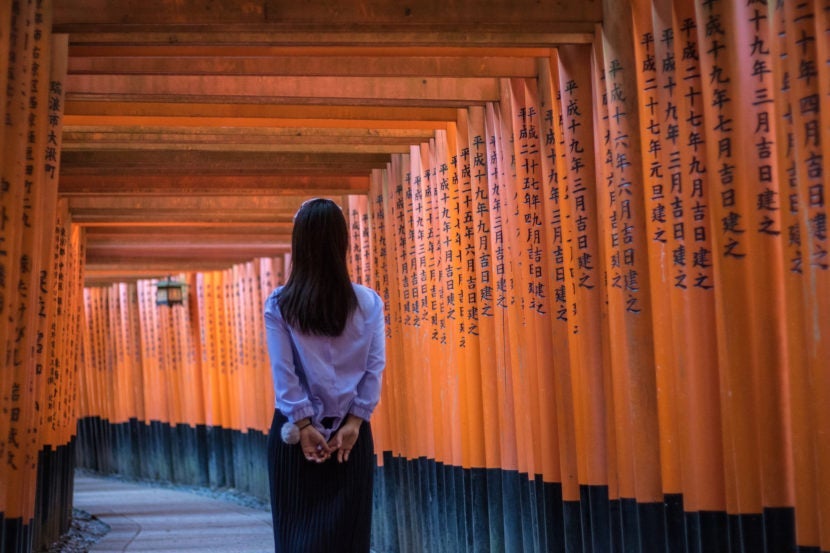
Kyoto is one of the world's top tourist destinations. Inundated with millions of visitors annually, the city's residents remain calm and try to keep some of their favorites places, old and new, secret from outsiders. And, as Japan's imperial capital for 11 centuries until the Emperor moved to Tokyo in 1869 during the Meiji Restoration, Kyoto is used to all sorts of enjoyment, from the famous pleasure quarter of Gion to its stunning, traditional crafts. Here are nine insider tips to help you make the most of this fascinating Japanese city.
1. You Can Take Home Museum-Quality Art
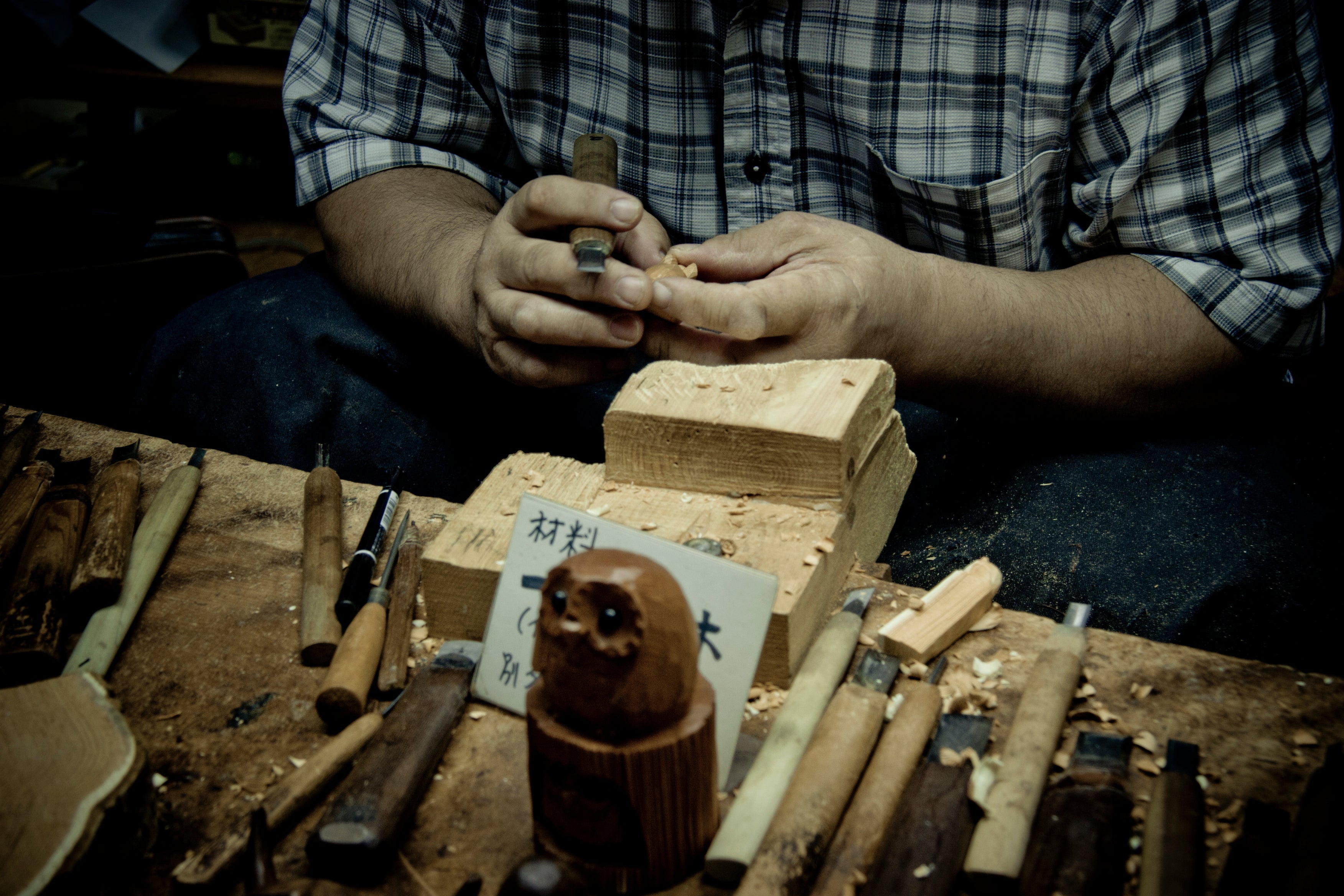
Souvenirs in Kyoto are designed for volume sales, and all along the steep alleyways leading up to the temples in the eastern hills are one shop after another selling... stuff. But work made by local artisans has not been easy to find — until now. Thanks to a program called the Kyoto Artisans Concierge, run by the Kyoto Museum of Traditional Crafts, you can meet artists in their studios (for a fee), observe them working and purchase traditional items such as lacquerware, fans, umbrellas, lanterns and pottery.
2. Stay at a Zen Temple
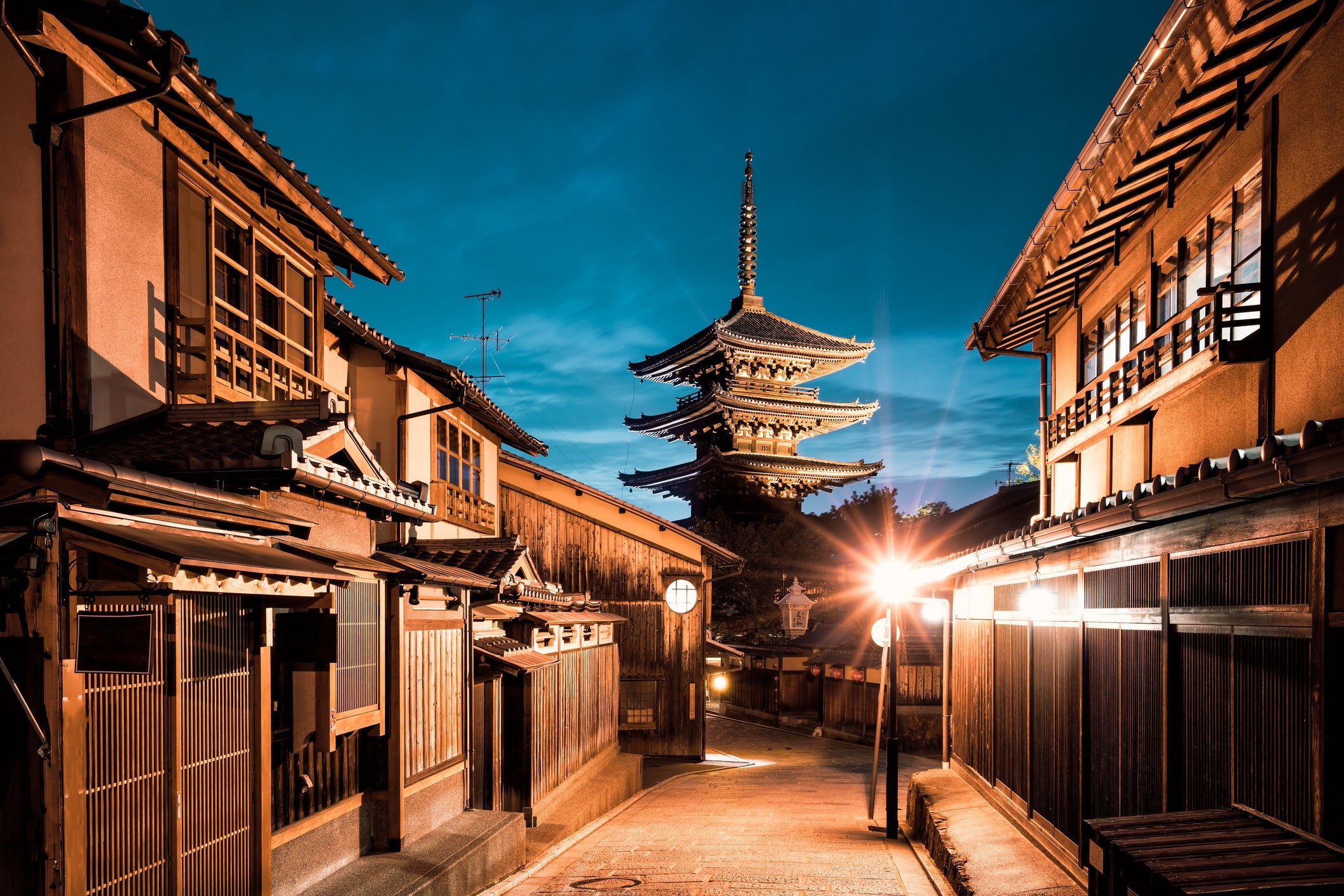
Plenty of hotels thrive in Kyoto, from the luxurious Ritz-Carlton along the Kamogawa River to the posh Four Seasons just below Kiyomizu Temple, and while these properties epitomize upscale living, you might also consider staying a night or two at a Zen Buddhist temple. The Nippon Foundation recently helped fund renovations of monks' quarters within five temple and sub-temple compounds. These religious sites are closed to the public, and guests who stay at them enjoy personal access to the head monk, who teaches them zazen (sitting meditation), offers shojin ryori (Buddhist vegetarian) cuisine and grants exclusive access to the sanctuaries. Up to five guests can enjoy the experience — the more the better, too, since it'll cost you $2,000 a night, bookable via Cerca Travel.
3. Take a Stroll on the Philosopher's Walk
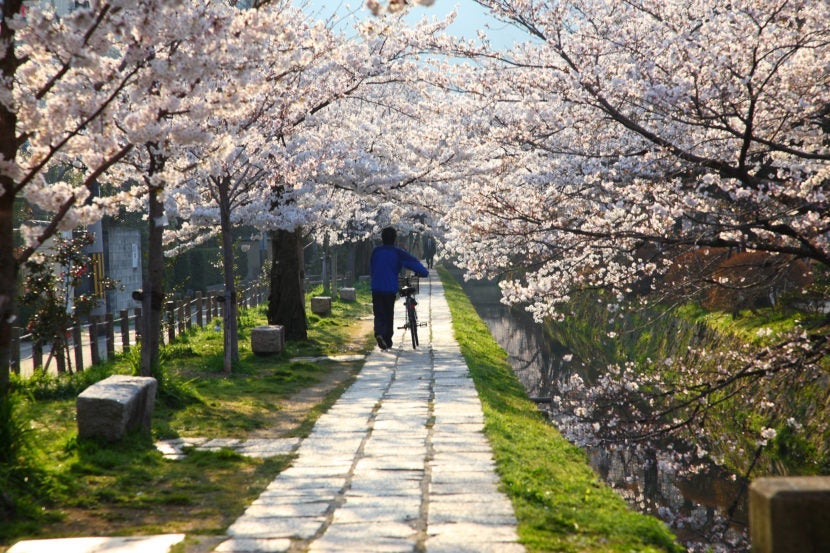
High above the city is Tetsugaku-no-michi, or the Philospher's Walk, just below the Higashiyama mountain range and alongside Lake Biwa Canal. Few places in the city are as peaceful as this short walk past beautiful trees and lovely cafes. Ginkaku-ji (which means "Temple of the Silver Pavilion"), a UNESCO World Heritage site, is at one end. Entering the temple grounds, you will be fortunate to see some of the planet's most beautiful gardens.
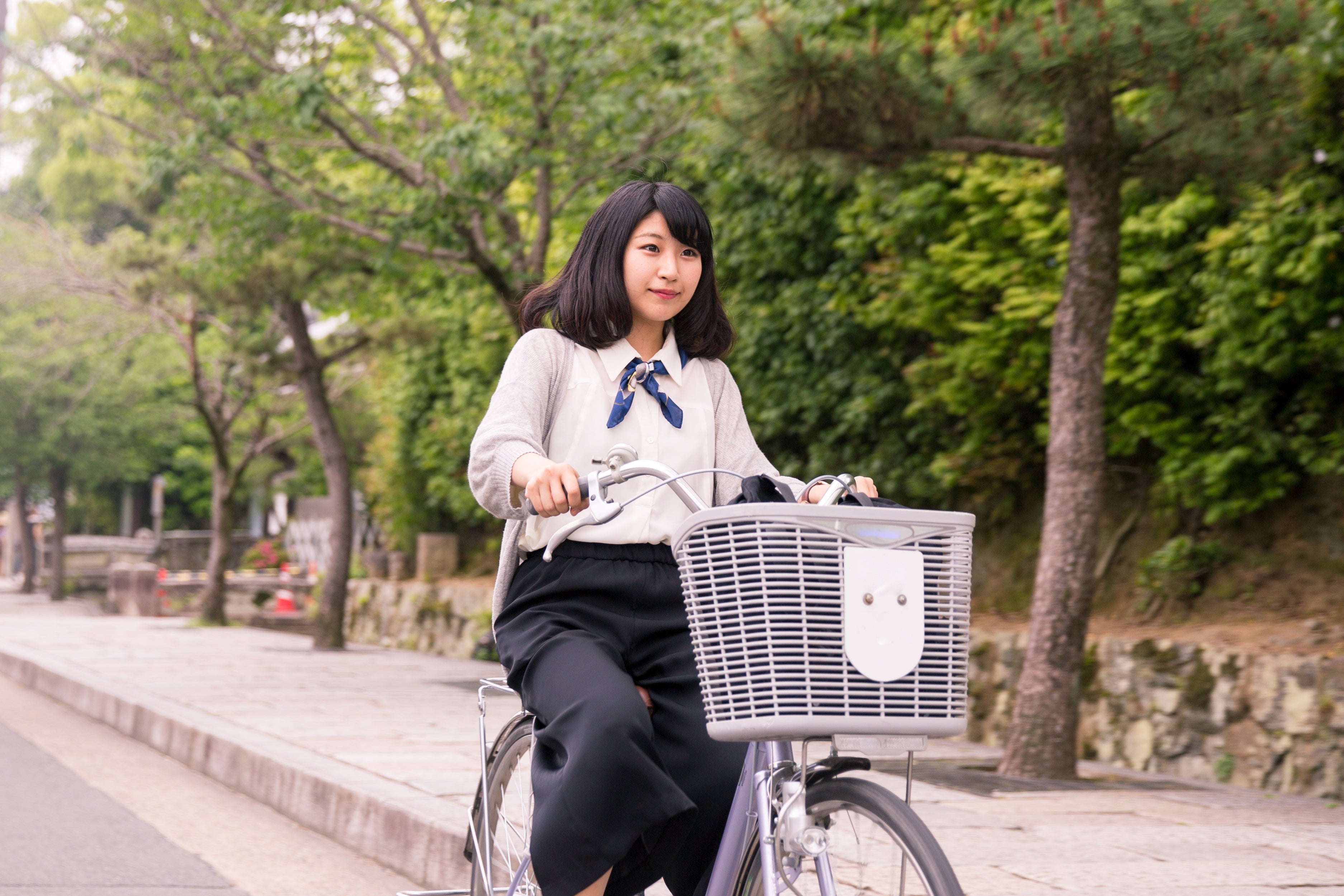
4. See the City by Bike
Kyoto is one of the world's greatest walking cities, but it's perfect for cycling as well, plus, safety is almost guaranteed, as cyclists here use both the sidewalks and roads, and drivers go slowly and tend to be polite. Bike rental shops are all over town, and some hotels, like the Ritz-Carlton, rent them to guests. Bonus: You can get a bike with a motor that will speed you up the steep hills leading to many temples. Renting some wheels is a great way to explore the richness of Kyoto, which is varied and complex architecturally, having been spared wartime bombings.
5. For Great Japanese Beef, Go Where the Locals Go
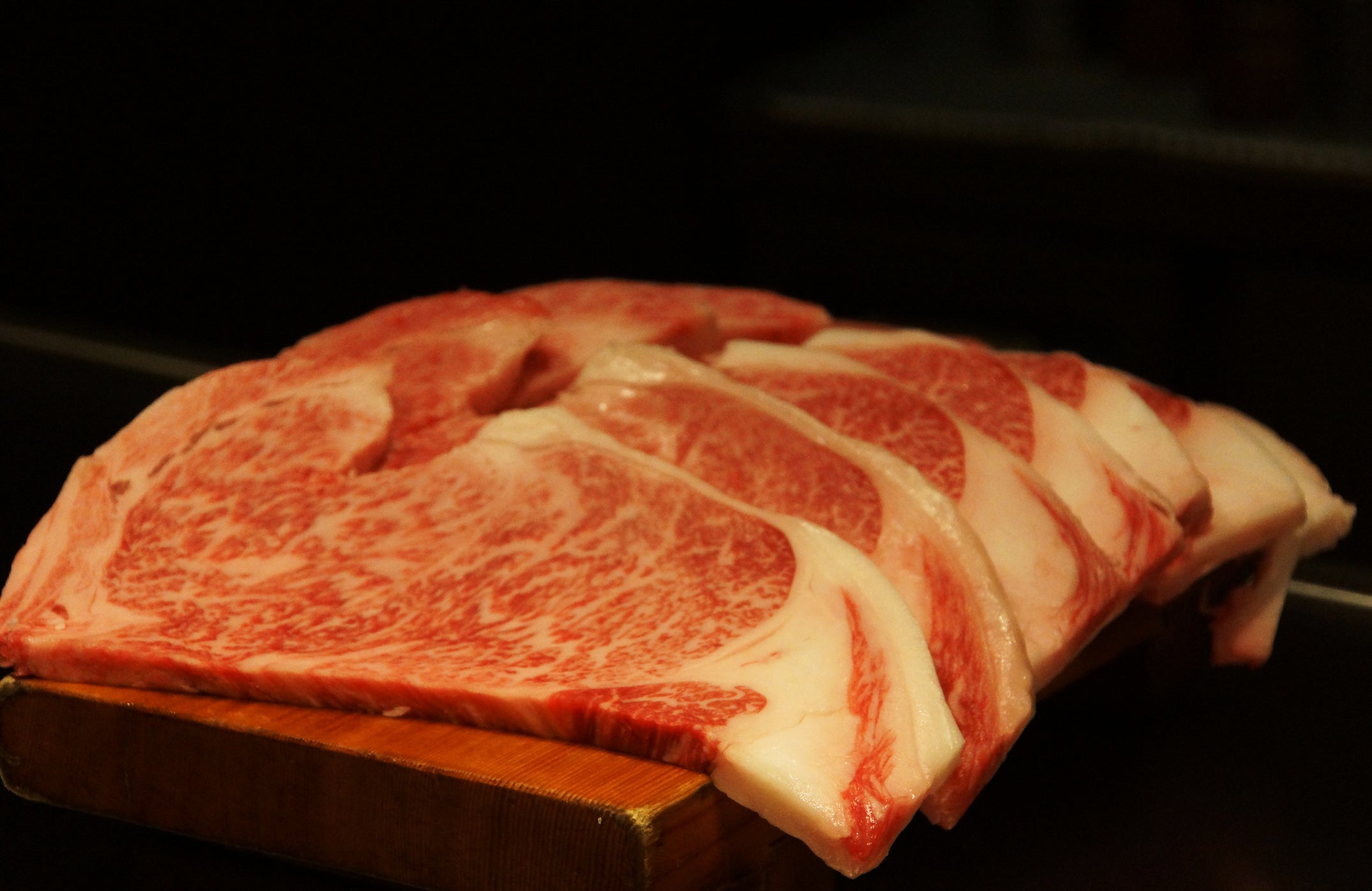
Japanese beef is justifiably famous for its deep flavor, which comes from the high fat content, some of which is so high it's literally white. This may not seem healthy, but at least you will eat less: Beef this high in fat is consumed in small quantities; a four-ounce strip is usually more than enough. Still, even with a small portion, this dish can set you back in many restaurants. That's why Mishimatei, located in a corner of the vast food hall of the Daimaryu department store, is a real find. Unlike its mother restaurant in Tokyo, prices here are relatively low, and chances are you will be the only tourist. For about $23, you get a plate of terrific beef, salad, vegetables and soup. If you are staying somewhere that has a kitchen, you can also buy beef from the same butcher shop a few feet away that supplies the restaurant.
6. Stop by Nishiki Market, Even Though It's Touristy
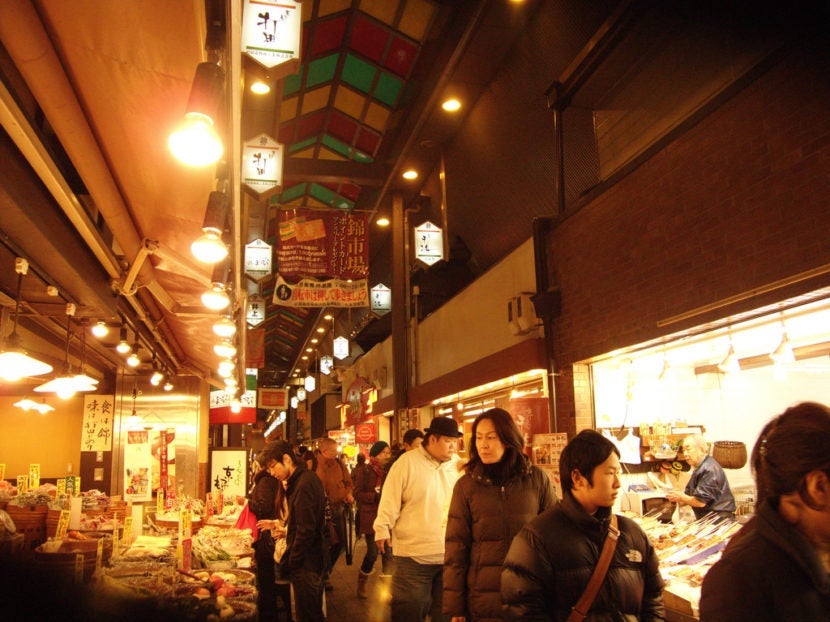
Nishiki Market, in the center of town, is a long, crowded, narrow alley lined with shops selling prepared and fresh food and lots of kitchen items, from chopsticks and knives to pots and pans. Unfortunately, Nishiki has gotten super touristy over the past few years, so finding items of good quality isn't easy, especially because everything looks great. The good thing is a few shops, favored by locals, still deliver. At Tanabeya, you'll find terrific kombu (dried seaweed) from Hokkaido and bonito, which you can use to make dashi, the basic stock for most Japanese sauces and soups. At Chuo Beikoku, rice can be purchased from several Japanese prefectures: About $6 gets you a kilo of top-quality rice, husked at point of purchase and vacuum-sealed for travel. Think of purchasing dried unagi (eel) at Ookuniya: Place this atop rice, pour in hot green tea and enjoy a delicious meal.
7. Try the Kyoto-Style Italian Food
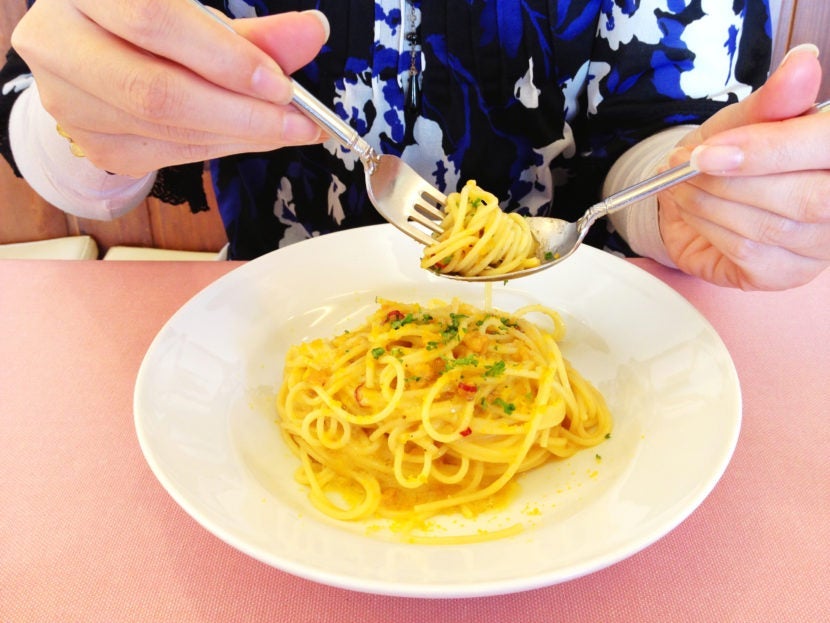
Kyoto's Japanese-Italian cuisine is renowned throughout the country. Using Italian techniques and Japanese ingredients, the result is food that looks and tastes Italian, with a subtle twist. You might find hamo (sea eel) or uni in sauces or on the plate. But more than the ingredients themselves, there's a unique and marvelous sensibility at work. Namely, the food is lighter and more refined than much of what passes for Italian food elsewhere. At Mercato, the pizza is crazy good, while Tramonta has some of the best spaghetti carbonara in town. And as for fine dining, La Locanda, in the Ritz-Carlton, can't be beat — the chef there, Valentino Palmisano, has made his name with a clear, intense pomodoro sauce that glides over strands of pasta.
8. Get Your Shopping Fix
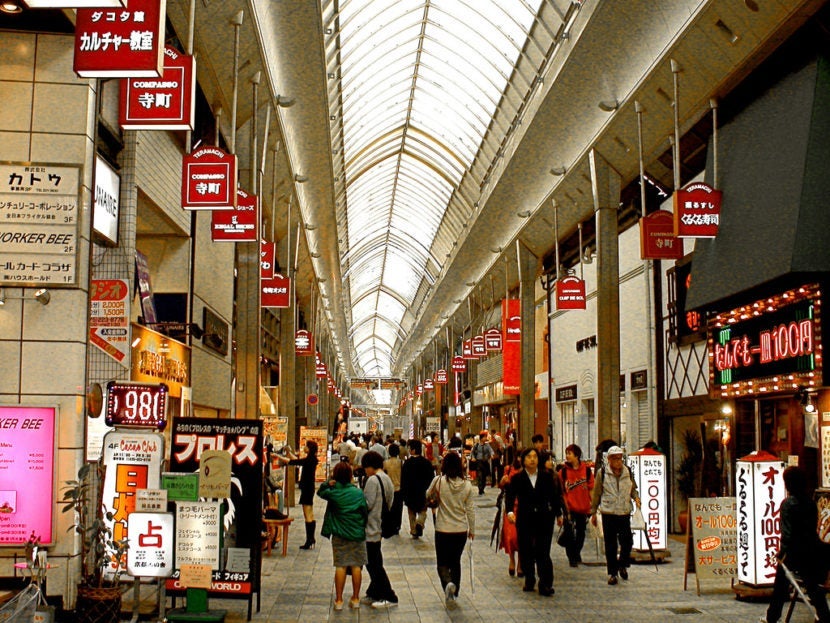
If you know where to go, Kyoto shopping compares well to that of Tokyo. Though it doesn't have nearly as many stores, the city, thanks to its rich imperial legacy, is filled with people who have an eye for beauty. And like in so much of Japan, value is prized. Teramachi, a long, covered arcade, has lots of shops, and a few are really good. Timai has cool shoes for men and women, designed by Takashi Imai, a former hip-hop DJ. Just outside the arcade is Zohiko, a lacquerware shop established in 1661, which sells items that would be at home in a first-rate museum — with prices to match. If you're more budget-conscious, head to Sou Sou, also close by, where a series of shops for men and women sell the coolest Japanese clothing imaginable, much of it in playful colors or earth tones, made from cotton or silk.

9. Shake It in Gion
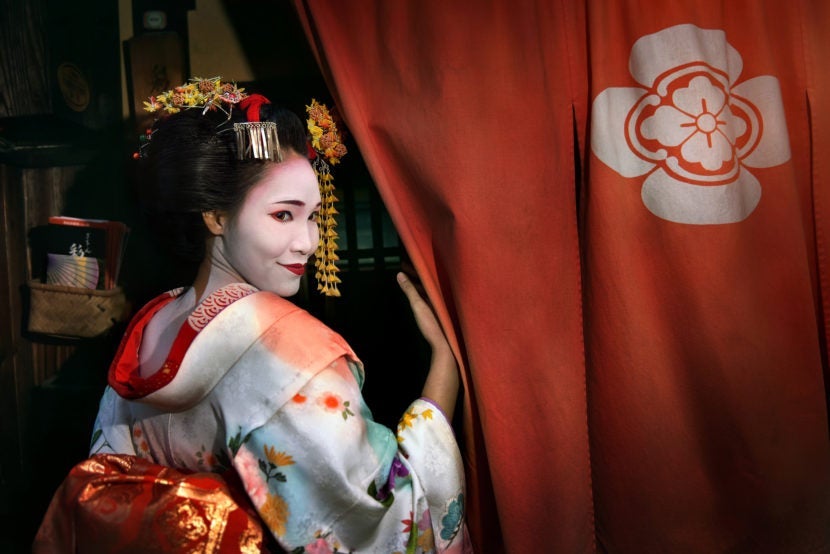
Gion was, is, and will forever be a pleasure district. Nowadays, you can still find real geisha walking by who offer private entertainment in clubs restricted to members only — good luck getting in, but you can still have a glimpse and a taste of Japan's sweetness. Go to Gion and enter a cocktail bar, not a seedy one, but one you access via a rickety flight of wooden stairs or by a tiny elevator. Then in a dark, small room, with perhaps no more than half a dozen seats, old-school jazz playing — Rollins, Coltrane or Miles — ask the bartender in his tux and bowtie to fix you a few drinks.
What are some of your favorite things to do in Kyoto? Tell us about them, below.
TPG featured card
at American Express's secure site
Terms & restrictions apply. See rates & fees.
| 4X | Earn 4X Membership Rewards® points per dollar spent on purchases at restaurants worldwide, on up to $50,000 in purchases per calendar year, then 1X points for the rest of the year. |
| 4X | Earn 4X Membership Rewards® points per dollar spent at US supermarkets, on up to $25,000 in purchases per calendar year, then 1X points for the rest of the year. |
| 5X | Earn 5X Membership Rewards® points on prepaid hotel stays booked through AmexTravel.com or the Amex Travel App™. |
| 3X | Earn 3X Membership Rewards® points on flights booked through AmexTravel.com, the Amex Travel App™, or purchased directly from airlines. |
| 2X | Earn 2X Membership Rewards® points on prepaid car rentals booked through AmexTravel.com or the Amex Travel App™ and cruises booked and paid through AmexTravel.com. |
| 1X | Earn 1X Membership Rewards® point per dollar spent on all other eligible purchases. |
Pros
- Valuable dining and food-related credits
- Flexible rewards with airline and hotel transfer partners
- Multiple travel and purchase protections
- No foreign transaction fees
- Access to Amex Offers for additional savings (enrollment required)
Cons
- Not as useful for those living outside the U.S.
- Some may have trouble using Uber and other dining credits
- You may be eligible for as high as 100,000 Membership Rewards® Points after you spend $8,000 in eligible purchases on your new Card in your first 6 months of Card Membership. Welcome offers vary and you may not be eligible for an offer. Apply to know if you’re approved and find out your exact welcome offer amount – all with no credit score impact. If you’re approved and choose to accept the Card, your score may be impacted.
- Earn 4X Membership Rewards® points per dollar spent on purchases at restaurants worldwide, on up to $50,000 in purchases per calendar year, then 1X points for the rest of the year.
- Earn 4X Membership Rewards® points per dollar spent at US supermarkets, on up to $25,000 in purchases per calendar year, then 1X points for the rest of the year.
- Earn 5X Membership Rewards® points on prepaid hotel stays booked through AmexTravel.com or the Amex Travel App™.
- Earn 3X Membership Rewards® points on flights booked through AmexTravel.com, the Amex Travel App™, or purchased directly from airlines.
- Earn 2X Membership Rewards® points on prepaid car rentals booked through AmexTravel.com or the Amex Travel App™ and cruises booked and paid through AmexTravel.com.
- Earn 1X Membership Rewards® point per dollar spent on all other eligible purchases.
- Pay It® lets you tap in the American Express® App to quickly pay for small purchase amounts throughout the month and still earn rewards the way you usually do. Plan It® gives you the option to split up big purchases into equal monthly payments with a fixed fee. You’ll know upfront exactly how much you’ll pay.
- $120 Dining Credit: Earn up to a total of $10 in statement credits monthly when you pay with the Gold Card at Grubhub (including Seamless), Buffalo Wild Wings, Five Guys, The Cheesecake Factory, and Wonder. This can be an annual savings of up to $120. Enrollment required.
- $100 Resy Credit: Get up to $100 in statement credits each calendar year at over 10,000 qualifying U.S. Resy restaurants after you pay for eligible purchases with the American Express® Gold Card. That’s up to $50 in statement credits semi-annually. Enrollment required.
- $84 Dunkin' Credit: Earn up to $7 in monthly statement credits after you pay with the American Express® Gold Card at U.S. Dunkin’ locations. Enrollment required.
- $120 Uber Cash on Gold: Enjoy up to $120 in Uber Cash annually with your Gold Card. Just add your Card to your Uber account and you'll get $10 in Uber Cash each month to use on orders and rides in the U.S. when you select an Amex Card for your transaction.
- Enjoy complimentary Hertz Five Star® Status benefits like skipping the counter at select locations, adding an additional driver at no additional cost*, and vehicle upgrades**. Benefit enrollment and Hertz Gold+ registration are required. *Additional drivers must meet standard rental qualifications and must be a spouse or domestic partner to qualify as complimentary. Other additional drivers subject to fees. **Benefits are subject to availability and vary by location. Additional Hertz program Terms and Conditions including age restrictions apply.
- Book two nights or more with The Hotel Collection through AmexTravel.com or the Amex Travel App™ and receive a $100* credit towards eligible charges at over 1,400 upscale hotels worldwide. *Eligible charges vary by property.
- Book your travel through the Amex Travel App™ with added peace of mind – backed by American Express® service and support. Only for American Express® Card Members.
- Whenever you need us, we're here. Our Member Services team will ensure you are taken care of. From lost Card replacement to statement questions, we are available to help 24/7.
- No Foreign Transaction Fees.
- Annual Fee is $325.
- Terms Apply.