Here's what life is like in Shanghai during the coronavirus outbreak

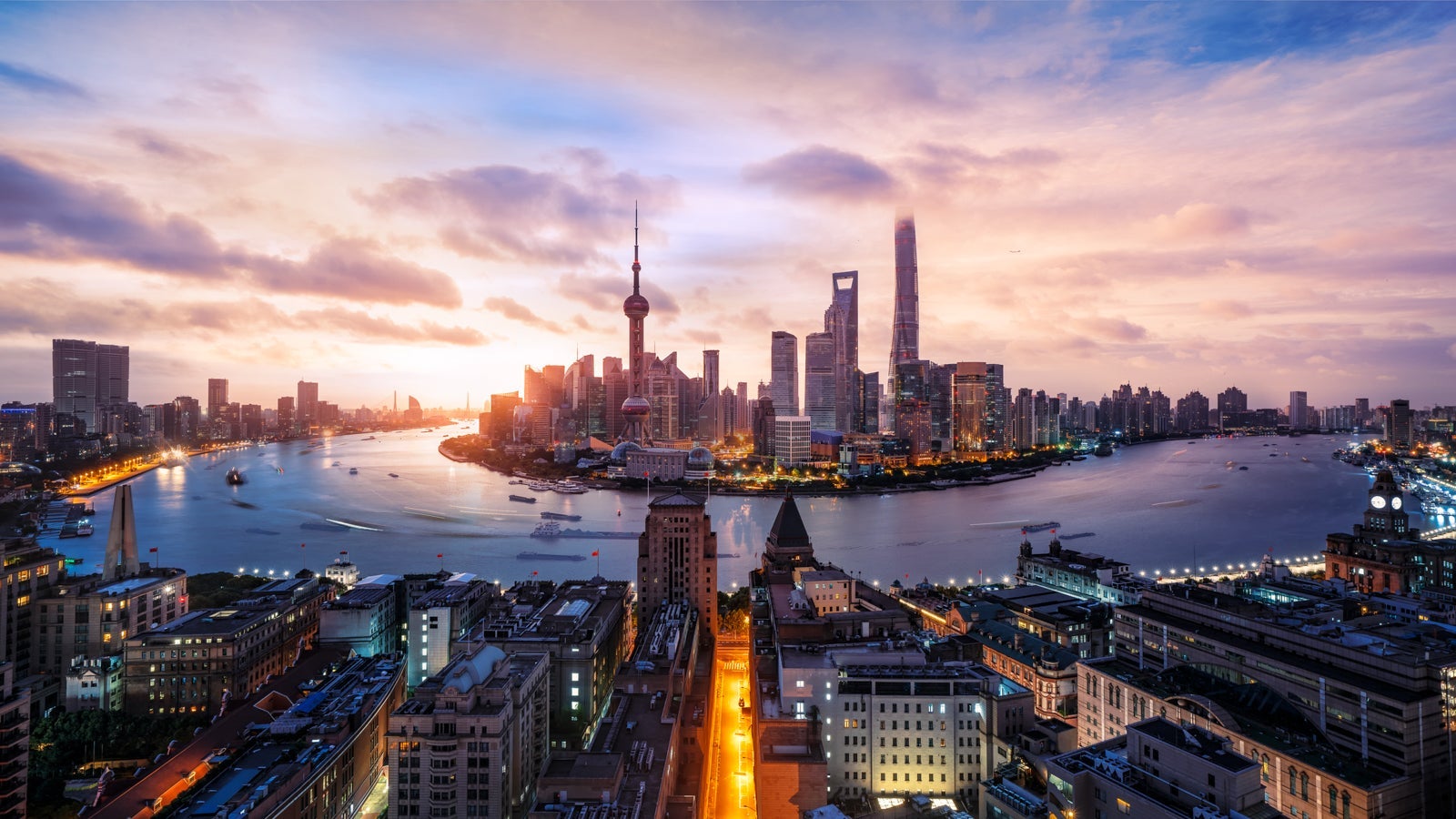
After originating in the central Chinese city of Wuhan late last year, the novel coronavirus (COVID-19) has spread around the world infecting more than 300,000 patients in over 150 countries. Last week the number of cases outside of China overtook those inside of the country, signifying a huge shift. What originally started as an Asia-specific problem has quickly morphed into a global pandemic, sending countries like Italy and France into full lockdown.
Meanwhile, in many parts of China, life is slowly returning to normal. The Chinese government took decisive and at times extreme steps to curb the spread of the disease. Ultimately these measures had the desired effect, and new cases in China (especially excluding Hubei province where Wuhan is located) have slowed to just a trickle. I've lived in Shanghai for the last year and a half and spent a good month in the city self isolating during the peak of the outbreak before flying to the U.S. to be with my family.
Here's what life is like inside the booming super city, as well as a few common sense policies that businesses and governments in the west might want to consider.
For the latest news, bookmark TPG's coronavirus hub page and sign up for our daily newsletter.
[table-of-contents /]
Stores are fully stocked
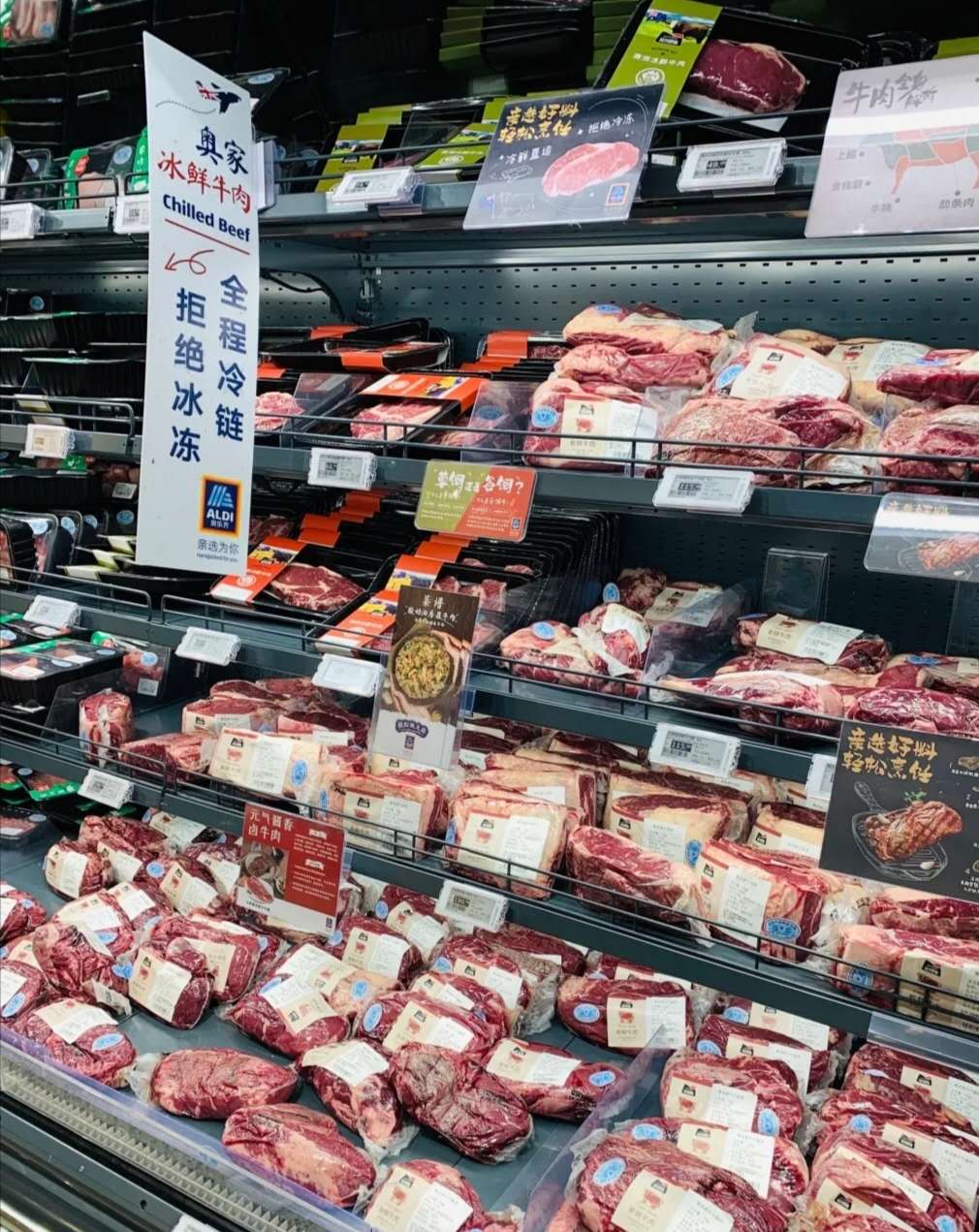
The most common question I got from friends and family during my 14-day self isolation period was "Are you eating OK? Is there enough food?" Panic buying has gripped the U.S. and many western countries, but it was never once a problem in Shanghai. There was about a one-week period at the beginning of the outbreak when meat and produce were in short supply. This was as much due to the Lunar New Year festival as it was the coronavirus, and the disruption was short lived.
I was on vacation for a month during Chinese New Year, and I wasn't sure what to expect when I returned. On my first day back I walked over to a grocery store on my street corner, a small store selling meat and produce as well as imported snacks and drinks. While I couldn't find my absolute favorite brand of yogurt, there were plenty of options to pick from and I was able to purchase everything on my shopping list.
Related: Complete guide to traveling during the coronavirus outbreak
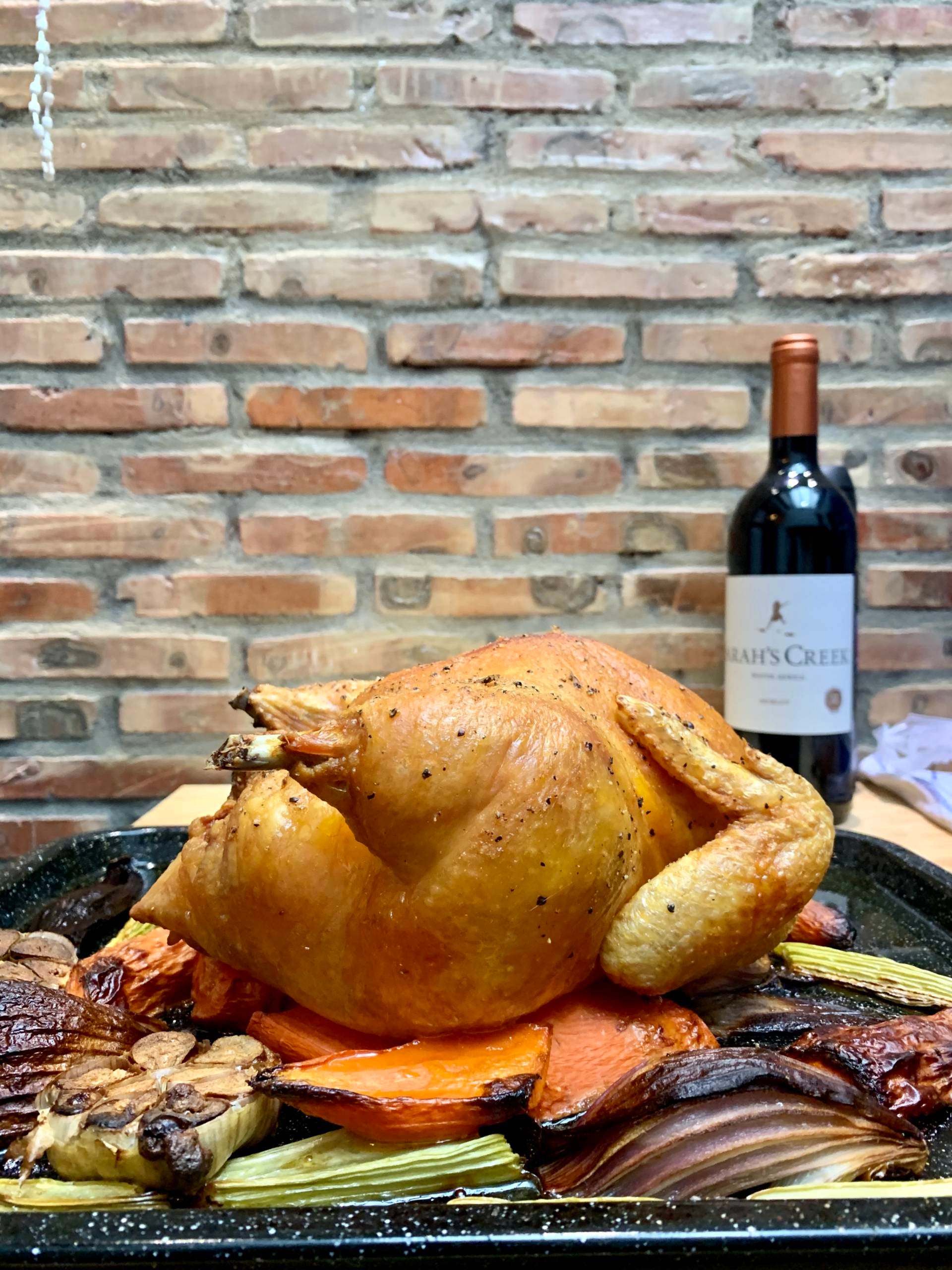
One of the best ways to pass the time if you're social distancing is to cook, and after we cleared our 14-day quarantine period a British friend of mine was even able to secure a whole organic chicken for us to roast, and plenty of wine to keep us entertained.

And of course, Watson here was very happy to see that we had enough cheese to last for two weeks.

Regular temperature checks
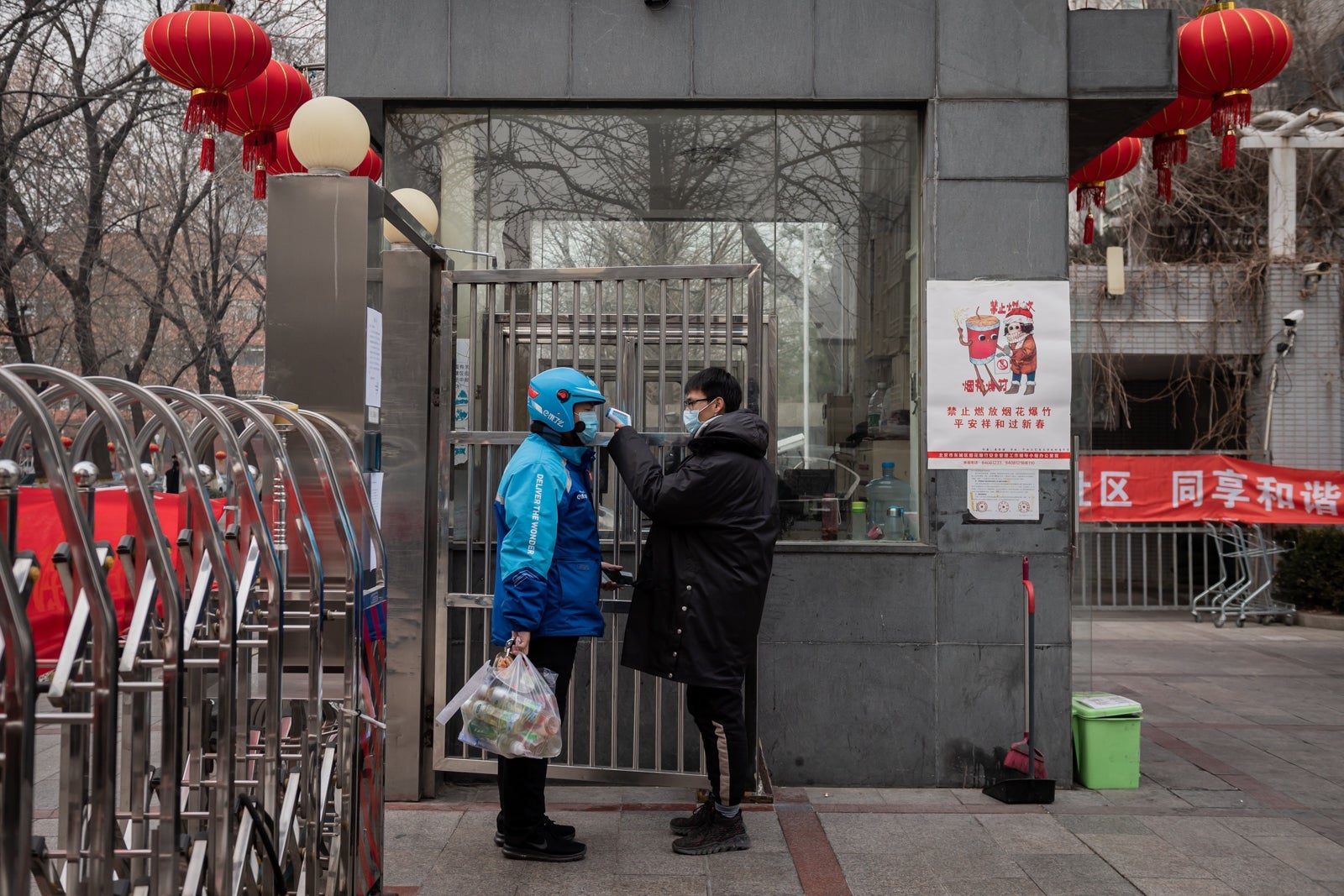
There are a lot of moving parts that go into curbing a pandemic, but one shockingly simple response that you'll find all over China is frequent temperature checks using contactless thermometers or infrared cameras.
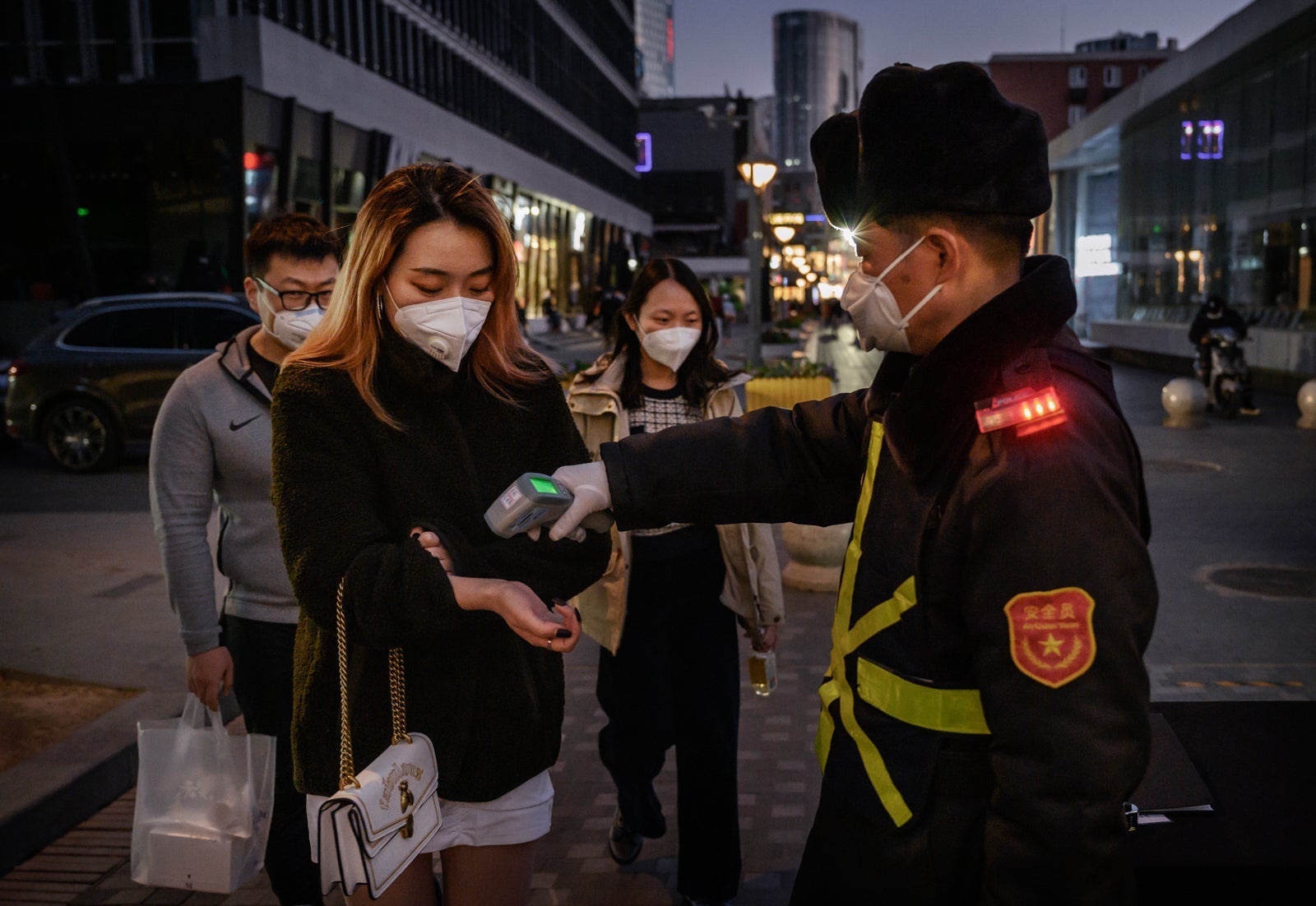
You'll find a mix of police officers, security guards and neighborhood volunteers conducting these checks pretty much everywhere you go. Expect to have your temperature taken before entering a grocery store, a mall or really any commercial business. Same goes for residential complexes, as every apartment building and living community in Shanghai has a volunteer taking temperatures before residents, guests or deliveries can enter.
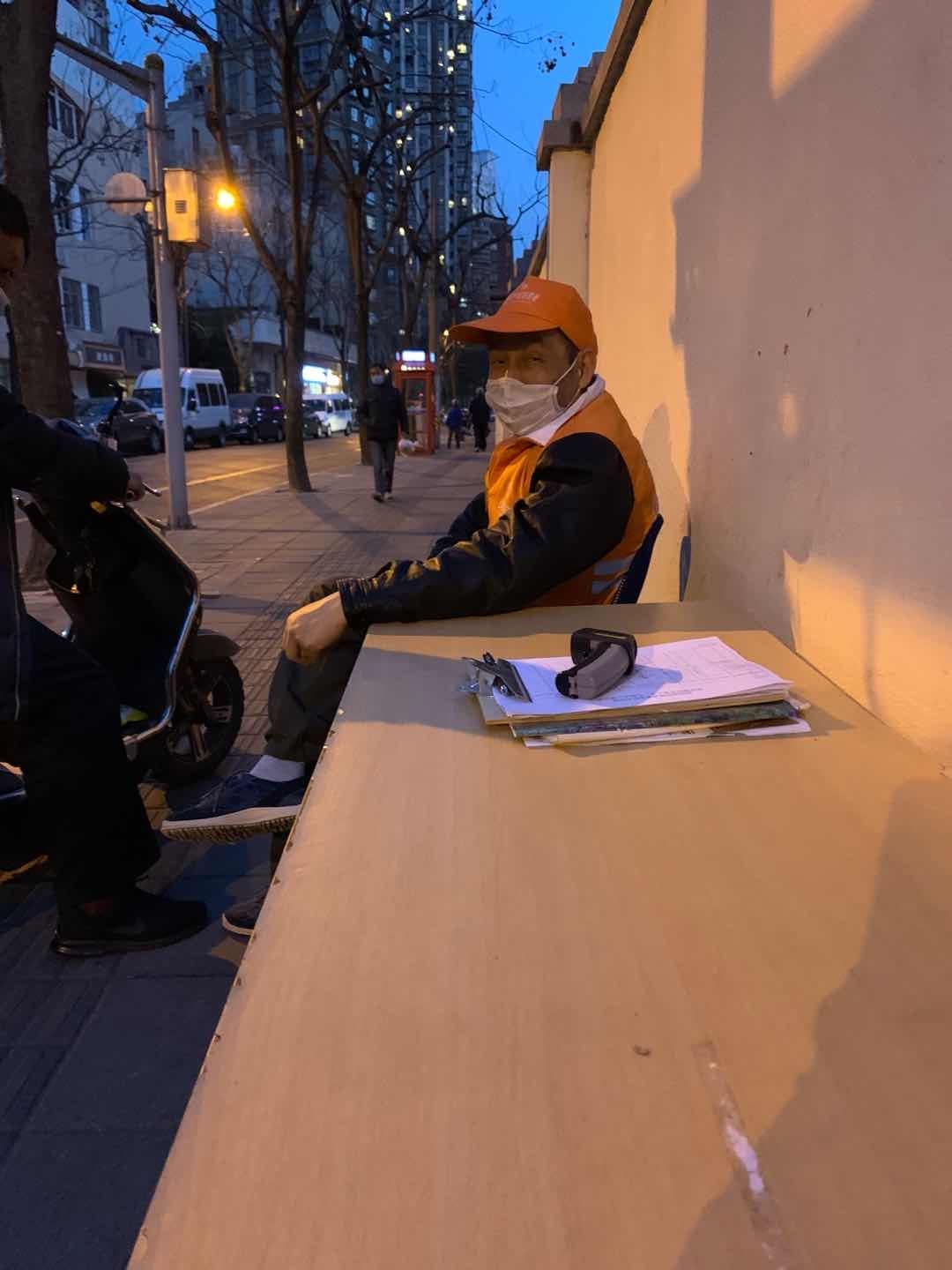
In addition, neighborhood volunteers knocked on my door every day for the first two weeks I was back to photograph my passport and record my temperature. In the end I'd say I had my temperature checked about five times a day, which requires a massive operation and commitment from both government agencies and commercial businesses. If you're looking to actively contain the spread of this virus, the best way to do so is to stop people with fevers from going out in public.
Travel restrictions
While countries were quick to restrict travel for passengers who'd been in China recently, China is now taking the opposite approach as it's more worried about importing coronavirus cases than it is about local transmission. All international travelers arriving in Beijing, for example, are required to submit to a 14-day quarantine at a government hotel facility, and they have to pay for their own accommodations. Shanghai isn't quite as strict at the moment, but passengers arriving from "yellow" countries, which include the U.S., are required to quarantine for 14 days either at home or at a designated facility.
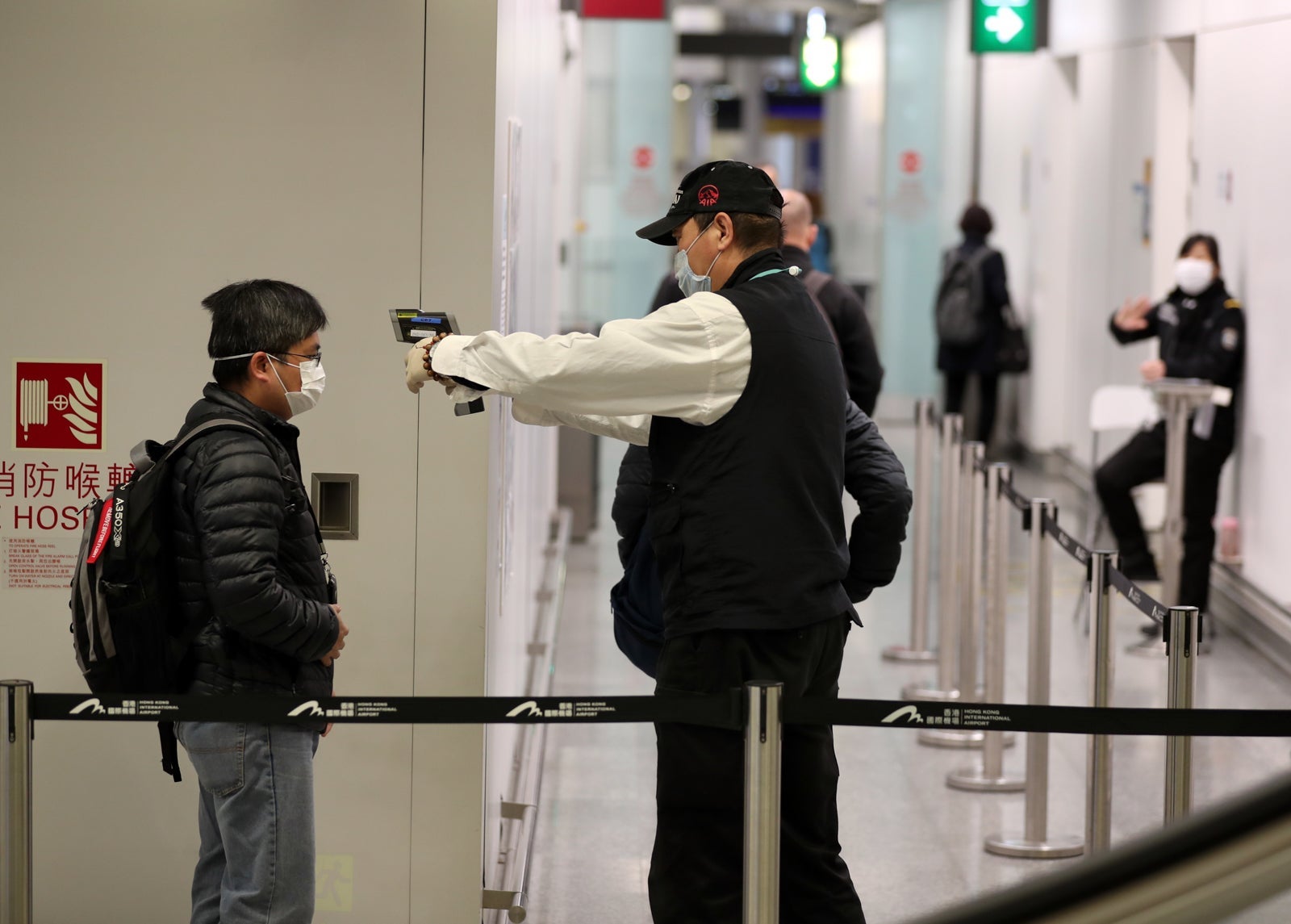
China is also taking an incredibly proactive approach to screening arriving passengers, testing all of them for the coronavirus before allowing them through customs.
Again the exact policies vary across China, but in Shanghai much of this screening is being conducted on the plane, leading to long delays. If a single passenger tests positive they have to quarantine passengers in the surrounding rows, and of course thoroughly disinfect the plane before it can return to service.
Related: How to thoroughly disinfect your airplane seat
Take the example of ANA flight NH920, which operates daily between Shanghai Pudong (PVG) and Tokyo Narita (NRT). The full round-trip from Tokyo operates with the following schedule:
- NH919 Tokyo 9:30 a.m. departure → Shanghai 11:40 a.m. arrival
- NH920 Shanghai 1:05 p.m. departure → Tokyo 4:55 p.m. arrival
This means that on a normal day the ground staff has just under an hour and a half to turn the plane around, clean and refuel and load bags and cargo. Except, on many days, the screening of arriving passengers has taken seven hours or more. When I arrived at Pudong airport at around 11 a.m. to fly NH920 to Tokyo, I was told that they couldn't even open check-in until they'd finished screening the arriving passengers and knew how long the delay would be on that day. I've never seen the reason for a flight delay listed as "quarantine of arriving aircraft."
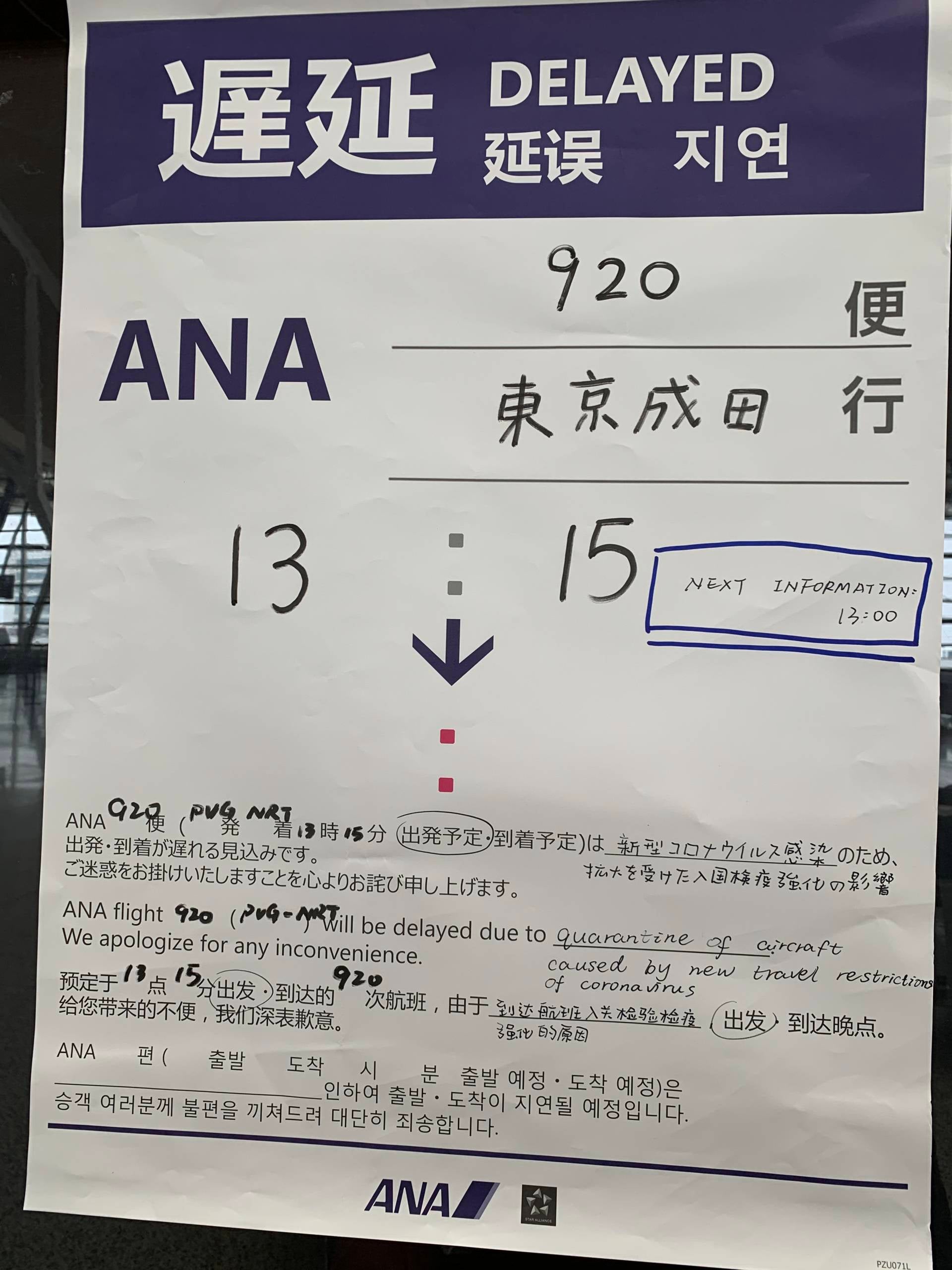
Thankfully on this particular day we were only delayed one hour. From the time they opened check-in to the time the boarding doors closed was exactly 50 minutes, and that was more than enough time for all 15 passengers on this 767 to clear security and customs and make it to the gate (with plenty of empty seats to spare).
What about delivery services?
With grocery stores running out of food and restaurants and bars around the country closing indefinitely, many people are turning to food and grocery delivery services to stay fed. This is certainly better than going out in public, but it's worth remembering that your delivery person represents another potential source of infection. Many delivery companies are moving to "contactless delivery" to reduce the risk of disease transmission, but China is leading the way in this category.

For starters, China's food delivery infrastructure is light years ahead of the U.S., partly thanks to the abundance of motorbikes that can zip through crowded city traffic. The two largest companies, Ele.me and Meituan combine for over 10 million deliveries a day across mainland China, and from the very beginning of the outbreak these companies have been taking great strides to keep customers safe.
Related: The best credit cards to use for food delivery services
When you order a delivery through Meituan, you'll be able to see that your driver is verified to be wearing a mask, and many are choosing to wear gloves as well. You'll also be able to see their latest body temperature, taken multiple times a day and verified through the app.
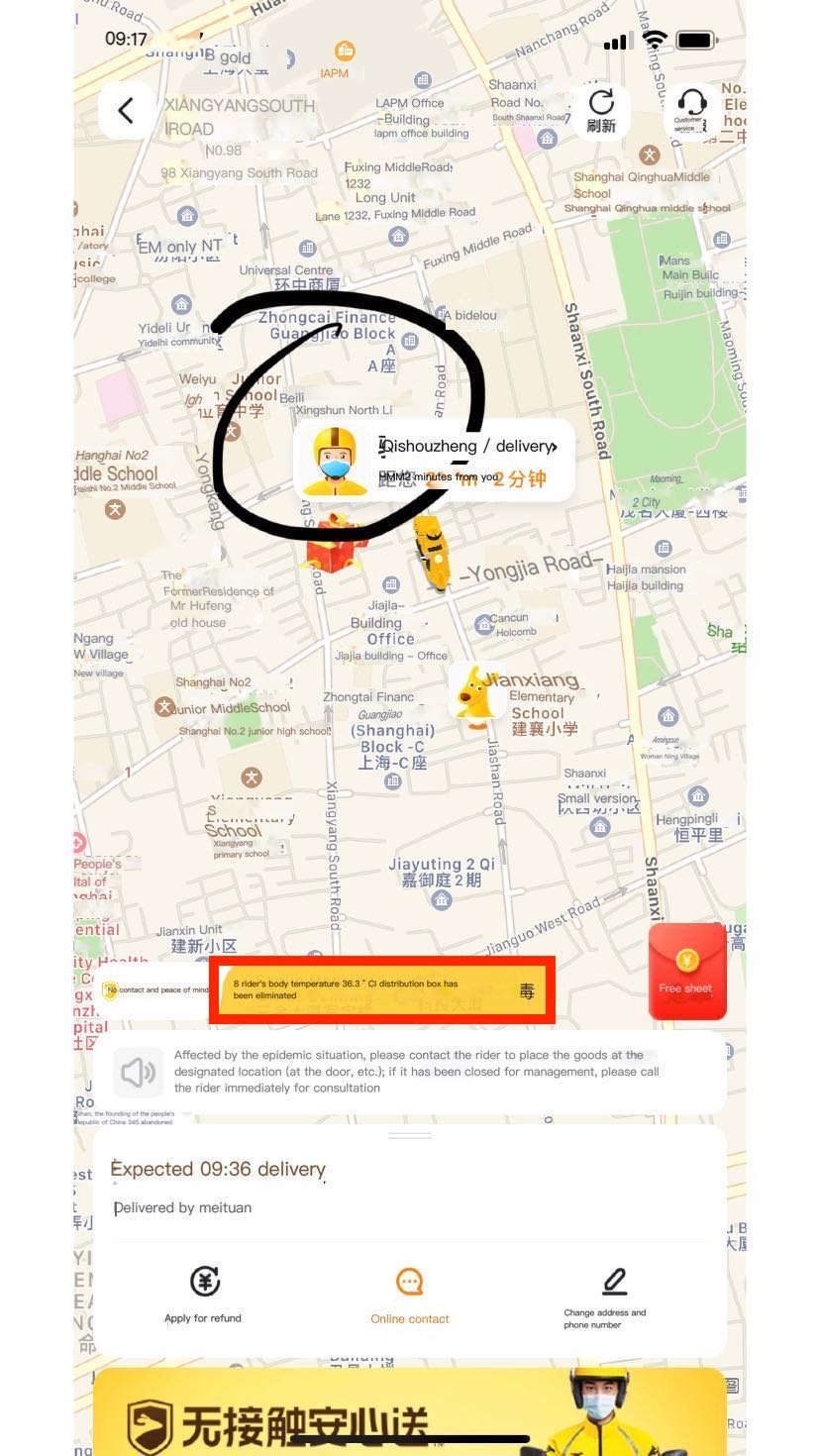
Even if you're concerned about the potential of someone faking their temperature to keep their job, they won't be able to get into your apartment building without undergoing another in-person temperature check. Nearly all buildings have moved to contactless delivery, with all packages and food orders being left in a designated spot by the entrance. Many restaurants are also stepping up and providing you similar information (including body temperatures) of everyone who handled your order.
Green means good to go
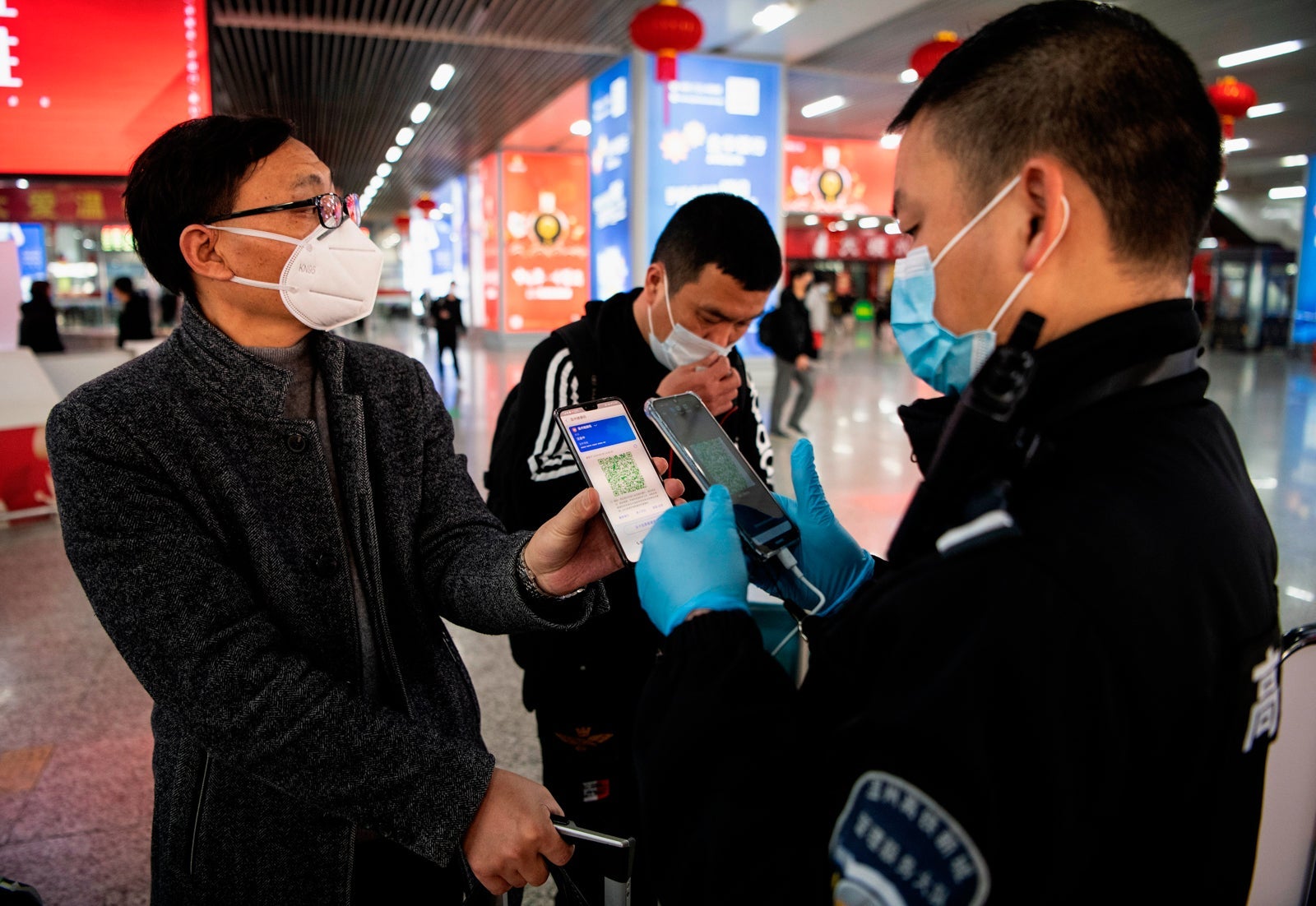
China is undeniably the world leader in mobile payments, with QR codes on phones and taped around stores replacing credit cards and even cash. The coronavirus has led to a new use for these codes, as a government backed health app is now giving everyone a colored code — green, yellow or red. The color of your code reflects the areas you've traveled to in the last 14 days and your required quarantine status. Many offices and malls around Shanghai are now requiring individuals to display a green code to enter, meaning they'll know if you're supposed to be self-isolating but are trying to ignore the rules.
Bottom line
China's early handling of the coronavirus will be dissected and criticized for many years to come, but the policies they've enacted since have practically eliminated community spread in most major cities. In Shanghai especially, bars and restaurants are starting to reopen and the city is beginning to come out of hibernation having weathered the worst of the storm.
TPG featured card

at Capital One's secure site
Terms & restrictions apply. See rates & fees.
| 5X miles | Earn 5X miles on hotels, vacation rentals and rental cars booked through Capital One Travel |
| 2X miles | Earn unlimited 2X miles on every purchase, every day |
Pros
- Stellar welcome offer of 75,000 miles after spending $4,000 on purchases in the first three months from account opening. Plus, a $250 Capital One Travel credit to use in your first cardholder year upon account opening.
- You'll earn 2 miles per dollar on every purchase, which means you won't have to worry about memorizing bonus categories
- Rewards are versatile and can be redeemed for a statement credit or transferred to Capital One’s transfer partners
Cons
- Highest bonus-earning categories only on travel booked via Capital One Travel
- LIMITED-TIME OFFER: Enjoy $250 to use on Capital One Travel in your first cardholder year, plus earn 75,000 bonus miles once you spend $4,000 on purchases within the first 3 months from account opening - that’s equal to $1,000 in travel
- Earn unlimited 2X miles on every purchase, every day
- Earn 5X miles on hotels, vacation rentals and rental cars booked through Capital One Travel
- Miles won't expire for the life of the account and there's no limit to how many you can earn
- Receive up to a $120 credit for Global Entry or TSA PreCheck®
- Use your miles to get reimbursed for any travel purchase—or redeem by booking a trip through Capital One Travel
- Enjoy a $50 experience credit and other premium benefits with every hotel and vacation rental booked from the Lifestyle Collection
- Transfer your miles to your choice of 15+ travel loyalty programs
- Top rated mobile app